



YAP/TAZ-TEAD
YAP/TAZ-TEAD is the principal transcriptional effector module of the Hippo signaling pathway and regulates organ size control, cell proliferation, apoptosis, stem cell properties, and tissue homeostasis through context-dependent transcriptional programs[1][2]. When Hippo signaling is active, LATS kinases phosphorylate YAP and TAZ, restricting their nuclear localization and limiting TEAD-dependent gene expression; conversely, Hippo pathway inactivation allows YAP/TAZ nuclear accumulation and binding to TEAD1-4, thereby activating transcriptional programs associated with cellular growth and survival[2][3][4]. Mechanistically, the YAP/TAZ-TEAD complex integrates biochemical and mechanical signals from the cellular microenvironment to control epithelial cell behavior, regeneration, and contact-dependent growth regulation[2][5]. Dysregulated YAP/TAZ-TEAD signaling promotes tumorigenesis, metastatic progression, and therapy resistance across multiple cancer types, including malignant mesothelioma, non-small cell lung cancer, pancreatic ductal adenocarcinoma, and colorectal cancer[6][4][7]. In disease models, genetic alterations affecting Hippo pathway components, such as NF2 deficiency, result in aberrant YAP/TAZ-TEAD activation and create dependencies that can be therapeutically exploited through pathway inhibition[4]. Compared with related transcriptional regulators, TEAD proteins function as the major DNA-binding partners that mediate most YAP/TAZ-driven transcriptional outputs, making TEAD a particularly attractive intervention point for experimental and therapeutic studies[1][4][8]. For research applications, pharmacological and genetic inhibitors that disrupt YAP/TAZ-TEAD interactions have demonstrated suppression of TEAD-dependent transcription and tumor growth in preclinical models, supporting their use as tools for mechanistic studies and target validation[4][9].
References:
- [1]. Hong W, et al. The YAP and TAZ transcription co-activators: key downstream effectors of the mammalian Hippo pathway. Semin Cell Dev Biol. 2012 Sep;23(7):785-93. [Content Brief]
- [2]. Fu M, et al. The Hippo signalling pathway and its implications in human health and diseases. Signal Transduct Target Ther. 2022 Nov 8;7(1):376. [Content Brief]
- [3]. Santucci M, et al. The Hippo Pathway and YAP/TAZ-TEAD Protein-Protein Interaction as Targets for Regenerative Medicine and Cancer Treatment. J Med Chem. 2015 Jun 25;58(12):4857-73. [Content Brief]
- [4]. Battina R, et al. Targeting TEAD in cancer. Front Oncol. 2025 Nov 19;15:1692512. [Content Brief]
- [5]. van Soldt BJ, et al. Hippo-Yap/Taz signaling: Complex network interactions and impact in epithelial cell behavior. Wiley Interdiscip Rev Dev Biol. 2020 May;9(3):e371. [Content Brief]
- [6]. Chapeau EA, et al. Direct and selective pharmacological disruption of the YAP-TEAD interface by IAG933 inhibits Hippo-dependent and RAS-MAPK-altered cancers. Nat Cancer. 2024 Jul;5(7):1102-1120. [Content Brief]
- [7]. Kumar R, et al. Hippo Signaling at the Hallmarks of Cancer and Drug Resistance. Cells. 2024 Mar 22;13(7):564. [Content Brief]
- [8]. Baroja I, et al. Expected and unexpected effects after systemic inhibition of Hippo transcriptional output in cancer. Nat Commun. 2024 Mar 27;15(1):2700. [Content Brief]
- [9]. Parchure A, et al. Wnt and Hedgehog: Secretion of Lipid-Modified Morphogens. Trends Cell Biol. 2018 Feb;28(2):157-170. [Content Brief]
- [10]. Yuan Y, et al. YAP1/TAZ-TEAD transcriptional networks maintain skin homeostasis by regulating cell proliferation and limiting KLF4 activity. Nat Commun. 2020 Mar 19;11(1):1472. [Content Brief]
-
YAP/TAZ-TEAD Related Products (26)
Related Products (26)

- 1
- 2
-
Verteporfin
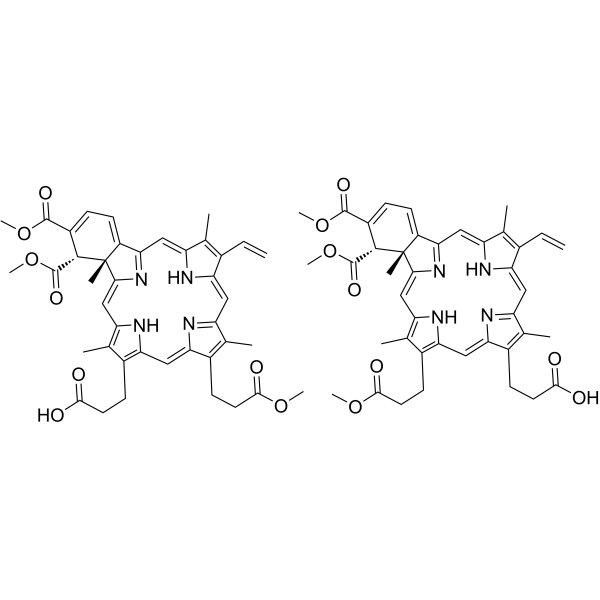 0 ImagesSynonyms: CL 318952Verteporfin (CL 318952) is a photosensitizer for photodynamic therapy to eliminate the abnormal blood vessels in the eye associated with conditions such as age-related macular degeneration. Verteporfin is a YAP inhibitor which disrupts YAP-TEAD interactions. Verteporfin induces cell apoptosis. Verteporfinis an autophagy inhibitor that blocks autophagy at an early stage by inhibiting autophagosome formation.
-
IAG933
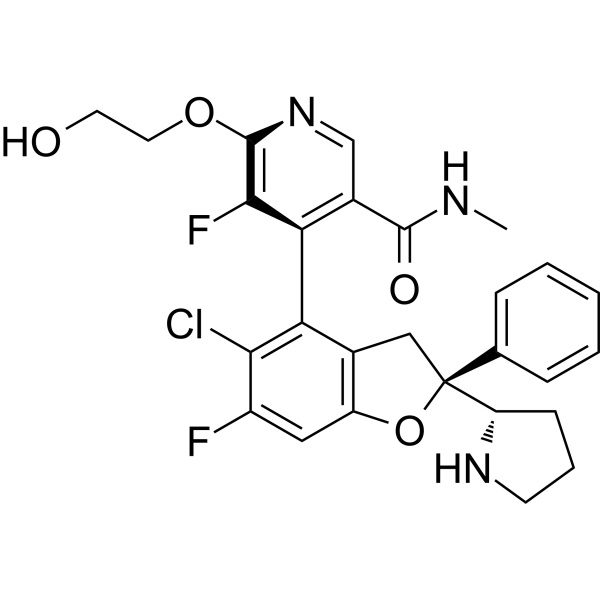 0 ImagesSynonyms: YAP-TEAD-IN-3IAG933 (YAP-TEAD-IN-3) is an orally available YAP/TAZ-TEAD inhibitor that has anti-tumor effects and promotes apoptosis. IAG933 YAP-TEAD-IN-3 inhibits Avi-human TEAD4217-434, with an IC50 value of 9 nM.
-
GNE-7883
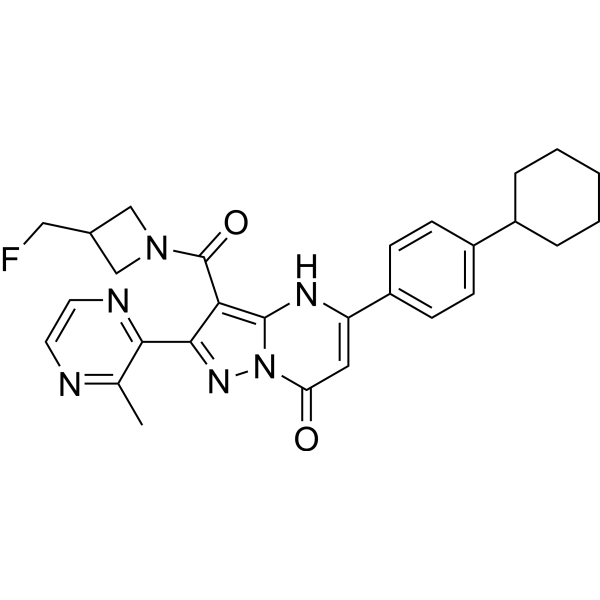 0 ImagesGNE-7883 is a pan-TEAD inhibitor that blocks the association of YAP/TAZ with TEAD. GNE-7883 effectively reduces chromatin accessibility at TEAD motifs, inhibits cell proliferation in multiple cell line models, and achieves strong anti-tumor efficacy in vivo. In addition, GNE-7883 effectively overcomes intrinsic and acquired resistance to KRAS (Kirsten rat sarcoma viral oncogene homolog) G12C inhibitors in multiple preclinical models by inhibiting YAP/TAZ activation.
-
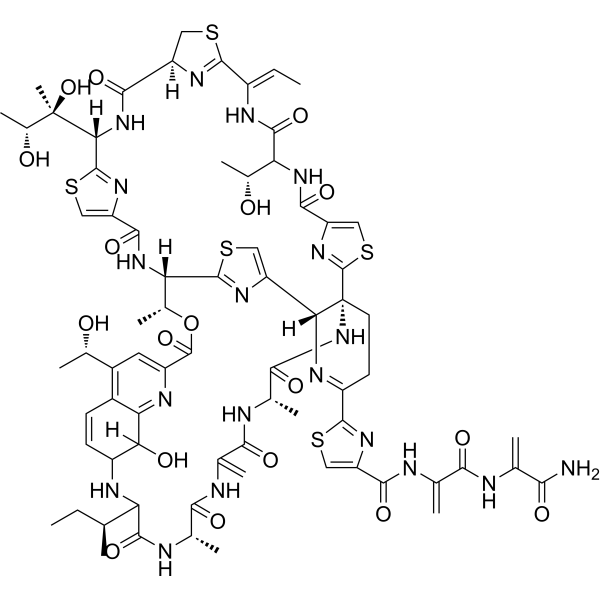
TED-347
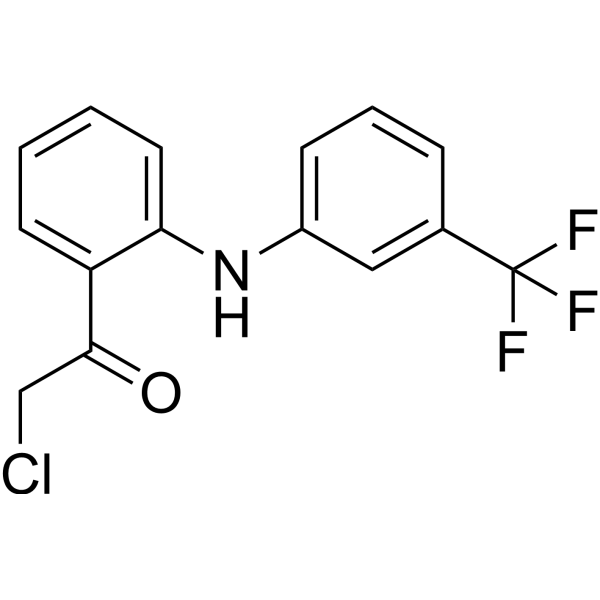 0 ImagesTED-347 is a potent, irreversible, covalent and allosteric inhibitor at YAP-TEAD protein-protein interaction with an EC50 of 5.9 μM for TEAD4⋅Yap1 protein-protein interaction. TED-347 specifically and covalently bonds with Cys-367 within the central pocket of TEAD4 with a Ki of 10.3 μM. TED-347 blocks TEAD transcriptional activity and has antitumor activity.
-
Verteporfin (Standard)
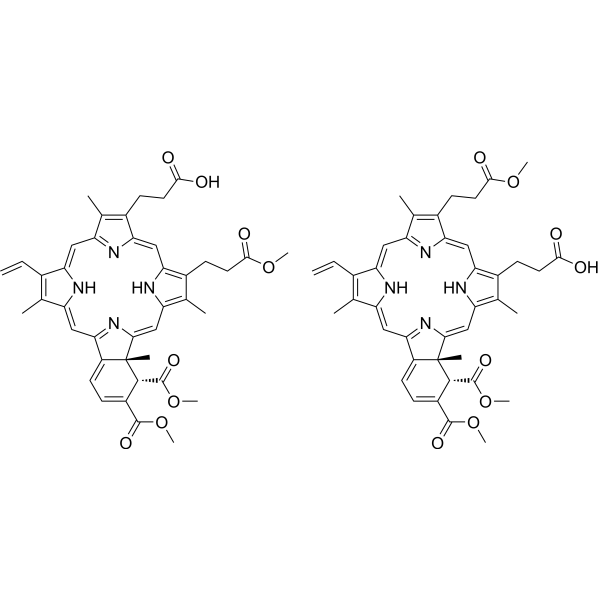 0 ImagesSynonyms: CL 318952 (Standard)Verteporfin (Standard) is the analytical standard of Verteporfin. This product is intended for research and analytical applications. Verteporfin (CL 318952) is a photosensitizer for photodynamic therapy to eliminate the abnormal blood vessels in the eye associated with conditions such as age-related macular degeneration. Verteporfin is a YAP inhibitor which disrupts YAP-TEAD interactions. Verteporfin induces cell apoptosis. Verteporfinis an autophagy inhibitor that blocks autophagy at an early stage by inhibiting autophagosome formation.
-
CX-Se13
 0 ImagesCat. No.: HY-187219CX-Se13 is an orally active pulmonary fibrosis inhibitor with anti-inflammatory and antioxidant activities. CX-Se13 regulates the Keap1/Nrf2/HO-1/NQO1, YAP/TAZ-TEAD, NF-κB p65 and TGF-β/Smads signaling pathways. CX-Se13 activates the cellular antioxidant defense system, restores redox balance, alleviates inflammatory responses, reduces collagen deposition, decreases pro-inflammatory cytokine levels and inhibits pathological progression. CX-Se13 can be used in studies related to pulmonary fibrosis.
-
SWTX-143
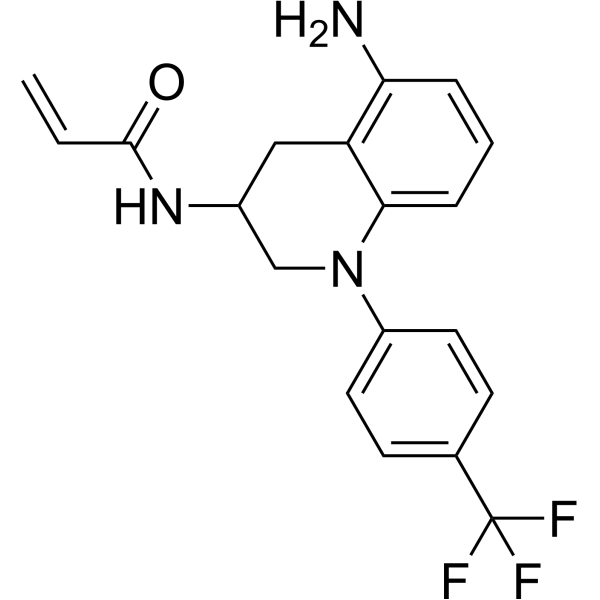 0 ImagesSWTX-143 is an orally active YAP/TAZ-TEAD inhibitor that binds to the palmitoylation pocket of all four TEAD isoforms. SWTX-143 causes irreversible and specific inhibition of the transcriptional activity of YAP/TAZ-TEAD and shows antitumor activity.
-
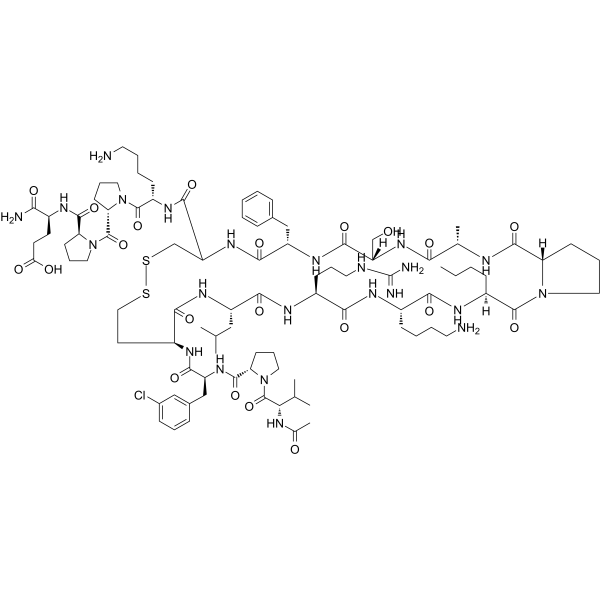
Super-TDU
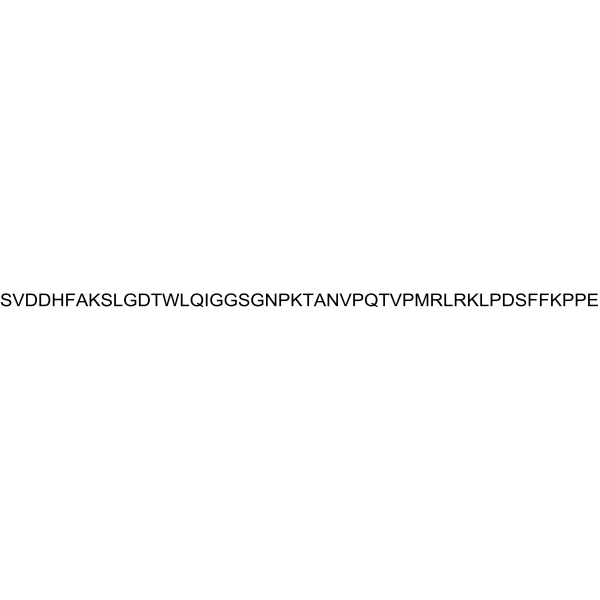 0 ImagesSuper-TDU is a specific YAP antagonist targeting YAP-TEADs interaction. Super-TDU suppresses tumor growth in gastric cancer mouse model.
-
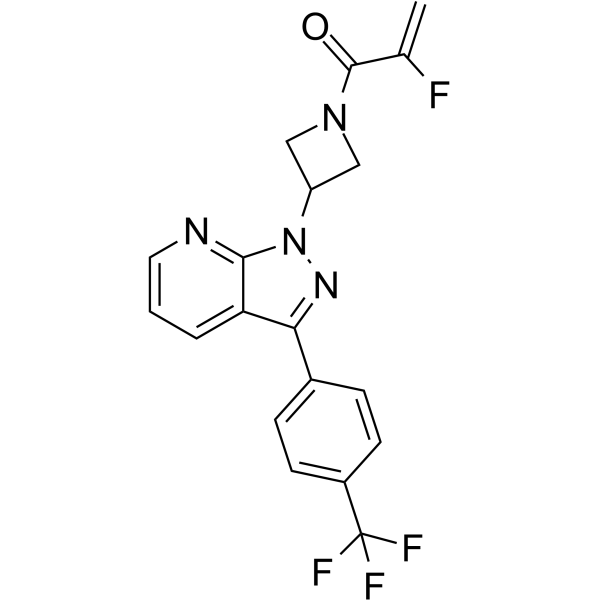
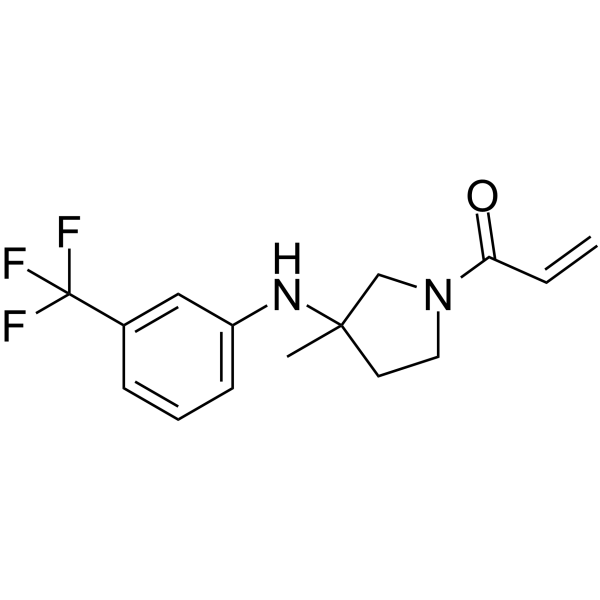
TEAD1/3/4-IN-1
 0 ImagesTEAD1/3/4-IN-1 is an orally active inhibitor of TEAD1/3/4. TEAD1/3/4-IN-1 inhibits the YAP/TAZ-TEAD interaction, with its EC50 being 2 nM. TEAD1/3/4-IN-1 has anti-proliferative activity against NCI-H226 cells. TEAD1/3/4-IN-1 can be used in the research of lung squamous cell carcinoma.
-
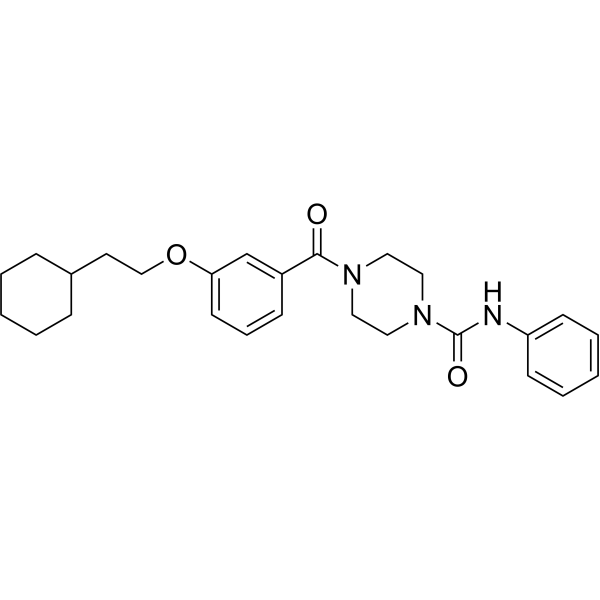
MSC-4106
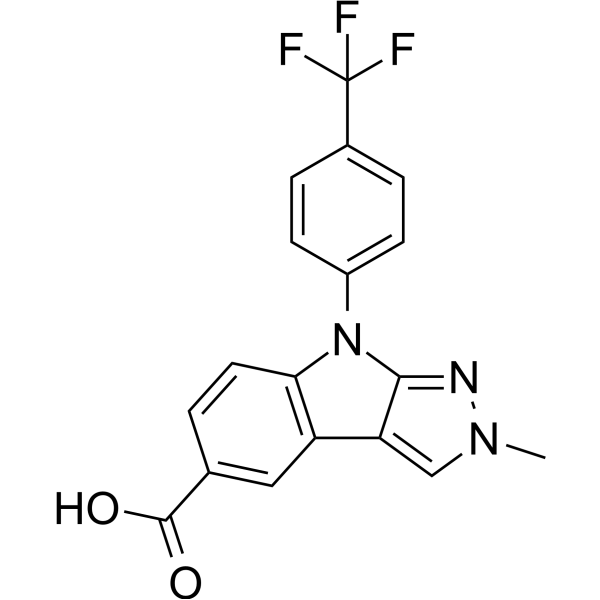 0 ImagesMSC-4106 is an orally active and potent inhibitor of YAP/TAZ-TEAD. MSC-4106 inhibits TEAD1 or TEAD3 auto-palmitoylation and shows inhibitory effect on NCI-H226 tumor xenograft model.
-
YTP-17
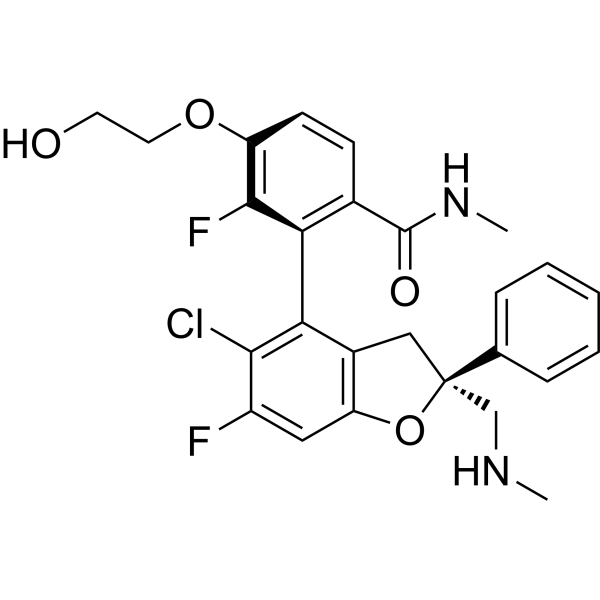 0 ImagesYTP-17 is an orally active YAP-TEAD protein-protein interaction inhibitor with an IC50 of 4 nM. YTP-17 shows anti-tumor efficacy.

-
Super-TDU (1-31)
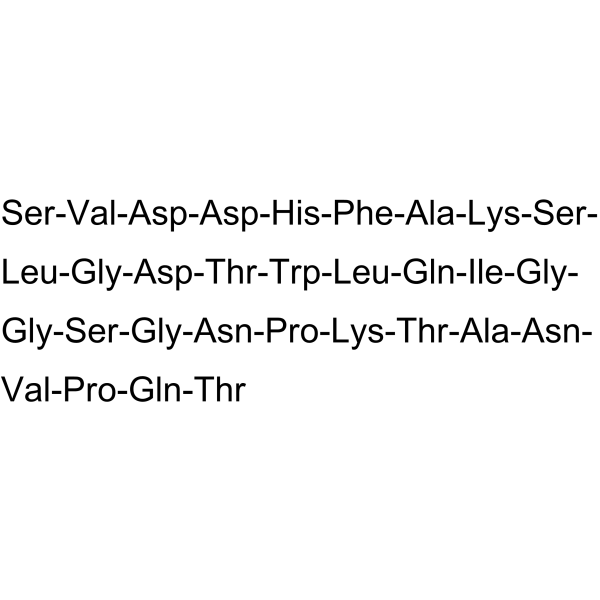 0 ImagesCat. No.: HY-P1728Super-TDU (1-31) is a peptide fragment of Super-TDU. Super-TDU (1-31) is an inhibitor of YAP-TEAD complex. Super-TDU shows potent anti-tumor activity and suppresses tumor growth in gastric cancer mouse model.
-
Super-TDU (1-31) TFA
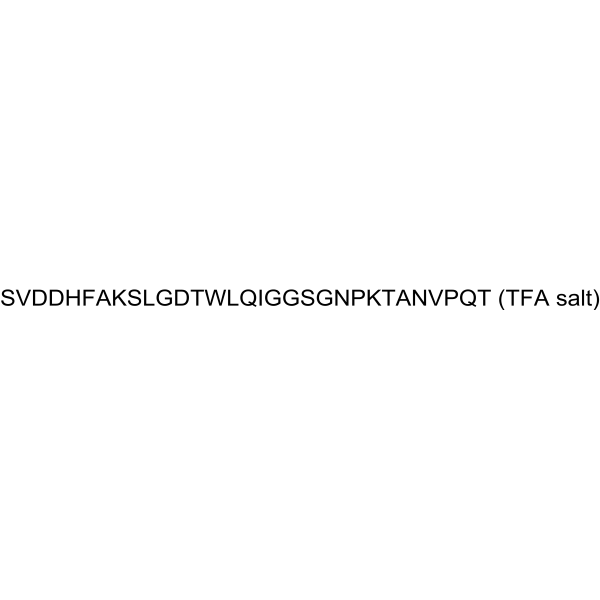 0 ImagesCat. No.: HY-P1728APurity: 99.27%Super-TDU (1-31) TFA is a peptide fragment of Super-TDU. Super-TDU (1-31) TFA is an inhibitor of YAP-TEAD complex. Super-TDU TFA shows potent anti-tumor activity and suppresses tumor growth in gastric cancer mouse model.
-
YAP/TAZ-TEAD-IN-2
 0 ImagesCat. No.: HY-168704YAP/TAZ-TEAD-IN-2 (Compound 51) is a YAP/TAZ-TEAD inhibitor that inhibits the interaction between YAP/TAZ and TEAD. YAP/TAZ-TEAD-IN-2 suppresses the transcriptional activity of TEAD, with an IC50 of 1.2 nM. YAP/TAZ-TEAD-IN-2 inhibits YAP/TAZ-TEAD target genes expression (Cyr61, CTGF, AXL and Survivin) and breast cancer cell proliferation.
- 1
- 2



