



RelA/p65
RelA/p65 is a transcriptionally active subunit of the NF-κB family and functions as a central regulator of inflammatory, immune, cell survival, and stress-response gene expression programs[1][2]. Upon activation of the canonical NF-κB pathway by pro-inflammatory cytokines, Toll-like receptor signaling, or other cellular stimuli, inhibitory IκB proteins are degraded, allowing RelA-containing NF-κB complexes to translocate into the nucleus and regulate target gene transcription[3][4]. The predominant NF-κB complex in most cell types is the p50-RelA (p65) heterodimer, which controls the expression of cytokines, chemokines, and survival-associated genes that coordinate innate and adaptive immune responses[5][6]. Mechanistically, RelA activity is further regulated by post-translational modifications, including phosphorylation, acetylation, methylation, and ubiquitination, which influence its transcriptional output across physiological and pathological conditions[2]. Dysregulated RelA signaling is strongly associated with chronic inflammation, immune disorders, metabolic disease, and cancer, making this pathway a major focus of translational research and therapeutic development[1][7][8]. In disease models, genetic or functional disruption of RelA alters inflammatory responses, cell survival, and immune activation, highlighting its essential biological role[9]. Compared with related NF-κB family members, RelA is distinguished by its prominent role in the canonical pathway and its widespread expression across tissues, whereas c-Rel is enriched in hematopoietic cells and RelB/p52 primarily mediates non-canonical NF-κB signaling[3][5]. For experimental applications, direct targeting of RelA/p65 and modulation of NF-κB nuclear activity are widely explored strategies for investigating inflammatory mechanisms and evaluating therapeutic interventions[1].
References:
- [1]. Baño V, et al. Characterization and Structural Performance in Bending of CLT Panels Made from Small-Diameter Logs of Loblolly/Slash Pine. Materials (Basel). 2018 Nov 30;11(12):2436. [Content Brief]
- [2]. Huang Y, et al. The adjuvant treatment role of ω-3 fatty acids by regulating gut microbiota positively in the acne vulgaris. J Dermatolog Treat. 2024 Dec;35(1):2299107. [Content Brief]
- [3]. Wan F, et al. The nuclear signaling of NF-kappaB: current knowledge, new insights, and future perspectives. Cell Res. 2010 Jan;20(1):24-33. [Content Brief]
- [4]. Opheim E, et al. Changes in Risk Behaviour Among People With Recent Injecting Drug Use in Oslo 2002-2024. Drug Alcohol Rev. 2026 Jan;45(1):e70060. [Content Brief]
- [5]. Rabezanahary H, et al. Live virus neutralizing antibodies against pre and post Omicron strains in food and retail workers in Québec, Canada. Heliyon. 2024 May 21;10(10):e31026. [Content Brief]
- [6]. Sun SC. The non-canonical NF-κB pathway in immunity and inflammation. Nat Rev Immunol. 2017 Sep;17(9):545-558. doi: 10.1038/nri.2017.52. Epub 2017 Jun 5. PMID: 28580957; PMCID: PMC5753586. et al. The non-canonical NF-κB pathway in immunity and inflammation. Nat Rev Immunol. 2017 Sep;17(9):545-558. [Content Brief]
- [7]. Taniguchi K, et al. NF-κB, inflammation, immunity and cancer: coming of age. Nat Rev Immunol. 2018 May;18(5):309-324. [Content Brief]
- [8]. Frawley L, et al. Stem Cell Therapy for the Treatment of Amyotrophic Lateral Sclerosis: Comparison of the Efficacy of Mesenchymal Stem Cells, Neural Stem Cells, and Induced Pluripotent Stem Cells. Biomedicines. 2024 Dec 27;13(1):35. [Content Brief]
- [9]. Yu Y, et al. The biological functions of NF-kappaB1 (p50) and its potential as an anti-cancer target. Curr Cancer Drug Targets. 2009 Jun;9(4):566-71. [Content Brief]
-
RelA/p65 Related Products (67)
Related Products (67)

-
SAP15 acetate
 0 ImagesCat. No.: HY-P10462APurity: 98.04%Synonyms: Synthetic anti-inflammatory peptide 15 acetateSAP15 (Synthetic anti-inflammatory peptide 15) acetate is a synthetic anti-inflammatory peptide consisting of 15 amino acids designed from human beta-defensin 3. SAP15 acetate has the ability to penetrate cells and is able to induce downregulation of intracellular inflammation. SAP15 acetate inhibits inflammation by inhibiting the phosphorylation of HDAC5 and thereby reducing the phosphorylation of NF-κB p65. SAP15 acetate inhibits HDAC5 and NF-κB p65 phosphorylation in LPS (HY-D1056)-induced macrophages. SAP15 acetate increases the expression of aggrecan and type II collagen and decreases the expression of osteocalcin in LPS-induced chondrocytes. SAP15 acetate can be used in the study of inflammation regulation and anti-inflammatory therapy of biomaterials.
-
Anti-inflammatory agent 35
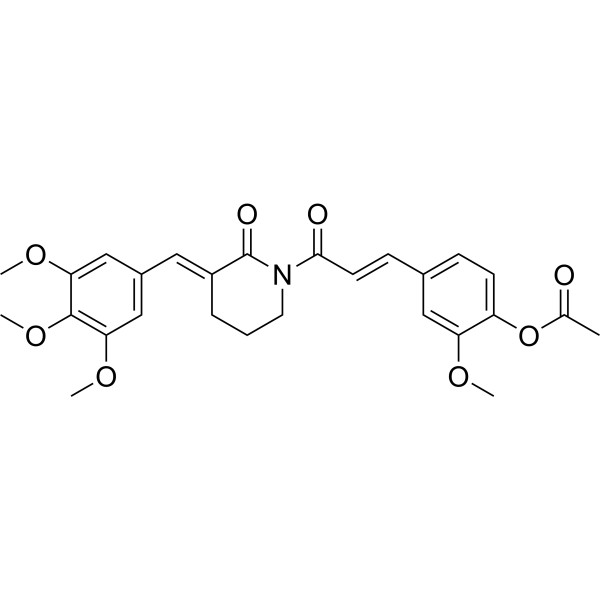 0 ImagesAnti-inflammatory agent 35 (compound 5a27) is an orally active curcumin analogue with anti-inflammatory activity. Anti-inflammatory agent 35 blocks mitogen-activated protein kinase (MAPK) signaling and p65 nuclear translocation of NF-kB. Anti-inflammatory agent 35 also inhibits yellow neutrophil infiltration and pro-inflammatory cytokine production. Anti-inflammatory agent 35 significantly attenuates lipopolysaccharide (LPS)-induced acute lung injury (ALI) in vivo.
-
Anemarsaponin B
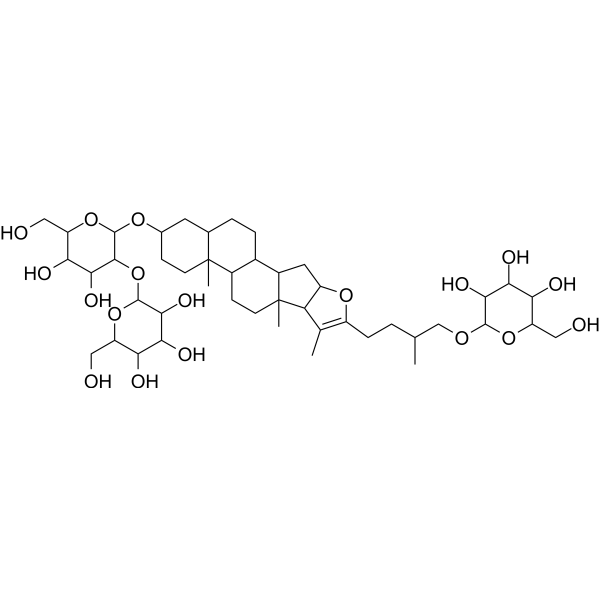 0 ImagesAnemarsaponin B is a steroidal saponin. Anemarsaponin B decreases the protein and mRNA levels of iNOS and COX-2. Anemarsaponin B reduces the expressions and productions of pro-inflammatory cytokines, including TNF-a and IL-6. Anemarsaponin B inhibits the nuclear translocation of the p65 subunit of NF-κB by blocking the phosphorylation of IκBα. Anemarsaponin B also inhibits the phosphorylation of MAP kinase kinases 3/6 (MKK3/6) and mixed lineage kinase 3 (MLK3). Anti-inflammatory effect .
-
Ginsenoside Rb1 (Standard)
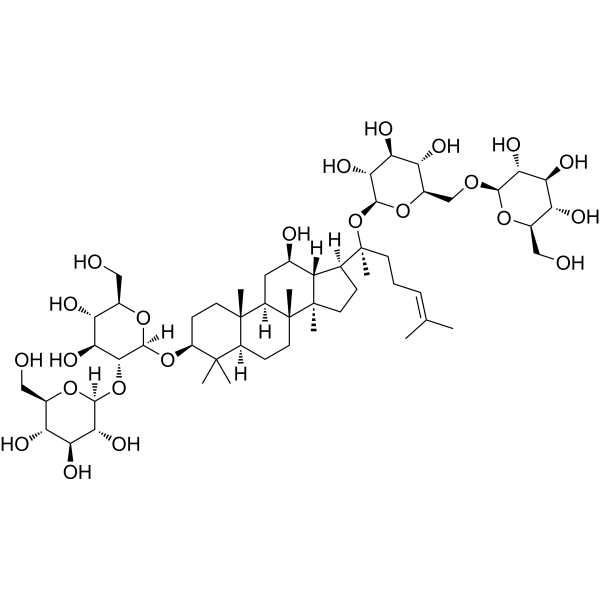 0 ImagesSynonyms: Gypenoside III (Standard)Ginsenoside Rb1 (Standard) is the analytical standard of Ginsenoside Rb1. This product is intended for research and analytical applications. Ginsenoside Rb1, a main constituent of the root of Panax ginseng, inhibits Na+, K+-ATPase activity with an IC50 of 6.3±1.0 μM. Ginsenoside also inhibits IRAK-1 activation and phosphorylation of NF-κB p65 .
-
SMU-14a
 0 ImagesCat. No.: HY-176192SMU-14a is a selective Toll-like receptor 3 (TLR3) inhibitor wirh an IC50 of 0.18 μM. SMU-14a reduces phosphorylation of p65, ERK, and TBK1 via NF-κB, MAPK, and IRF3 signaling pathways. SMU-14a inhibits IL-6 secretion in mouse peritoneal macrophages, downregulates TNF-α in human peripheral blood monocytes and decreases serum alanine aminotransferase (ALT) and aspartate aminotransferase (AST) levels. SMU-14a can be used for the research of acute hepatitis.
-
BRD4-BD1/2-IN-3
 0 ImagesBRD4-BD1/2-IN-3 (Compound B6) is a selective BRD4 BD2 inhibitor with an IC50 of 0.41 nM for BRD4 BD2 over BRD4 BD1. BRD4-BD1/2-IN-3 significantly inhibits the LPS (HY-D1056)-induced expression of IL-6. BRD4-BD1/2-IN-3 shows anti-inflammatory activities by modulating the TNF and NF-κB signaling pathway. BRD4-BD1/2-IN-3 can be used for inflammatory diseases research.
-
Ro 106-9920
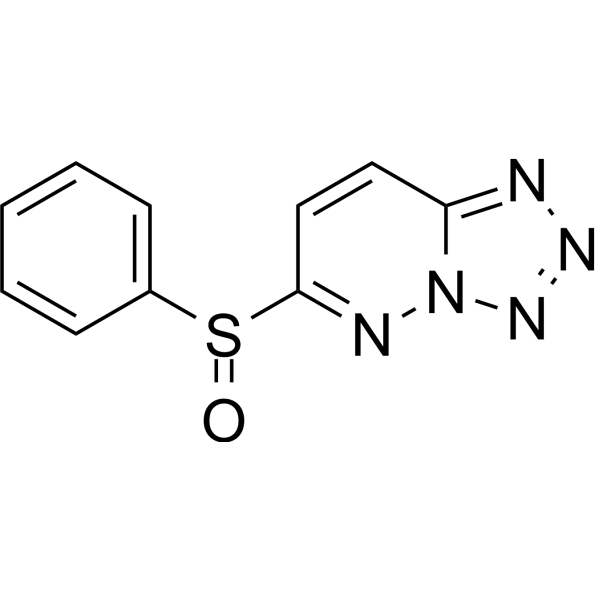 0 ImagesCat. No.: HY-107665CAS No.: 62645-28-7Ro 106-9920 is an orally active NF-κB inhibitor. Ro 106-9920 prevents ubiquitination of IκBα, blocks nuclear translocation of NF-κB, and inhibits NF-κB activation. Ro 106-9920 suppresses TNF-α-induced tissue factor expression and procoagulant activity, enhances TNF-α-mediated cytotoxicity against cancer cells, and eliminates the formation of neutrophil extracellular traps. Ro 106-9920 inhibits NLRP3 inflammasome activation, reduces inflammatory cytokine secretion, decreases myeloperoxidase activity, attenuates renal cell apoptosis, and improves renal function. Ro 106-9920 blocks ANG II (Angiotensin II human) (HY-13948)-induced nuclear localization of p65, internalization of AT1A receptor, colocalization of β-arrestin-2, and expression of COX-2, and alters the formation of β-arrestin endosomes. Ro 106-9920 can be used in research related to non-small cell lung cancer, acute kidney injury, diabetes mellitus, and osteoporosis.
-
IKKβ-IN-7
 0 ImagesCat. No.: HY-181837CAS No.: 3117527-92-8IKKβ-IN-7 is an IKKβ inhibitor with an IC50 value of 9.44 μM. IKKβ-IN-7 induces DNA damage, S-phase cell cycle arrest, ROS accumulation, mitochondrial membrane potential loss, and apoptosis. IKKβ-IN-7 inhibits phosphorylation of p65 and IκBα, suppresses p65 nuclear translocation, and regulates NF-κB-controlled genes. IKKβ-IN-7 suppresses tumor growth in xenograft models and shows activity against colorectal cancer with low normal cell cytotoxicity. IKKβ-IN-7 can be used for the research of colorectal cancer.

-
Acutissimalignan B
 0 ImagesCat. No.: HY-N17562CAS No.: 1005390-47-5Acutissimalignan B is a natural product. Acutissimalignan B can be isolated from Daphne kiusiana var. atrocaulis (Rehd.) F. Maekawa. Acutissimalignan B can reduce the mRNA expression of inflammatory cytokines (iNOS, TNF-α, IL-1β, and IL-6), inhibit the phosphorylation of IκBα, and inhibit the nuclear translocation of NK-κB p65. Acutissimalignan B shows anti-neuroinflammatory effects.
-
SAP15
 0 ImagesCat. No.: HY-P10462CAS No.: 1403753-45-6Synonyms: Synthetic anti-inflammatory peptide 15SAP15 (Synthetic anti-inflammatory peptide 15) is a synthetic anti-inflammatory peptide consisting of 15 amino acids designed from human beta-defensin 3. SAP15 has the ability to penetrate cells and is able to induce downregulation of intracellular inflammation. SAP15 inhibits inflammation by inhibiting the phosphorylation of HDAC5 and thereby reducing the phosphorylation of NF-κB p65. SAP15 inhibits HDAC5 and NF-κB p65 phosphorylation in LPS (HY-D1056)-induced macrophages. SAP15 increases the expression of aggrecan and type II collagen and decreases the expression of osteocalcin in LPS-induced chondrocytes. SAP15 can be used in the study of inflammation regulation and anti-inflammatory therapy of biomaterials.
-
(9S,13R)-12-Oxo phytodienoic acid-d5
 0 ImagesCat. No.: HY-118828ASCAS No.: 2692624-08-9Synonyms: (9S,13R)-12-OPDA-d5(9S,13R)-12-Oxo phytodienoic acid-d5 ((9S,13R)-12-OPDA-d5) is the deuterated-labeled (9S,13R)-12-Oxo phytodienoic acid (HY-118828A). (9S,13R)-12-Oxo phytodienoic acid ((9S,13R)-12-OPDA) is a mPGES-1 inhibitor and Nrf2 activator. (9S,13R)-12-Oxo phytodienoic acid selectively inhibits mPGES-1 expression and reduces inducible PGE2 production without affecting COX-1 or COX-2. (9S,13R)-12-Oxo phytodienoic acid inhibits the phosphorylation of IKKβ, IκBα, and NF-κB (p65), blocks the nuclear translocation of p65, increases the nuclear translocation of Nrf2, and upregulates HO-1 expression. (9S,13R)-12-Oxo phytodienoic acid inhibits the differentiation of M0 macrophages toward the M1 phenotype and promotes differentiation toward the M2 phenotype. (9S,13R)-12-Oxo phytodienoic acid decreases the levels of NO, PGE2, IL-1β, IL-6, iNOS, and PGD2. (9S,13R)-12-Oxo phytodienoic acid can be used for inflammation research.
-
TAT-N24
 0 ImagesCat. No.: HY-P10797Purity: 99.83%TAT-N24 is a cell-penetrating peptide and also an inhibitor of p55PIK. TAT-N24 disrupts the interactions between p55PIK and p53, PCNA or Rb, blocks the p53-dependent ubiquitin-mediated degradation process, and inhibits the nuclear translocation and phosphorylation of NF-κB p65. TAT-N24 enhances MMS-induced p53-dependent cell apoptosis, inhibits DNA synthesis, reduces the expression of Cyclin D1, and induces cell cycle arrest at the G0/G1 or S phase. TAT-N24 inhibits the activation of NLRP3 and NLRC4 inflammasomes, reduces the expression of ZBP1-PANoptosome components, and suppresses PANoptosis. TAT-N24 can be used in research related to leukemia, colon cancer, cervical cancer, liver cancer, corneal neovascularization, restenosis and acute glaucoma.
-
Lucidone
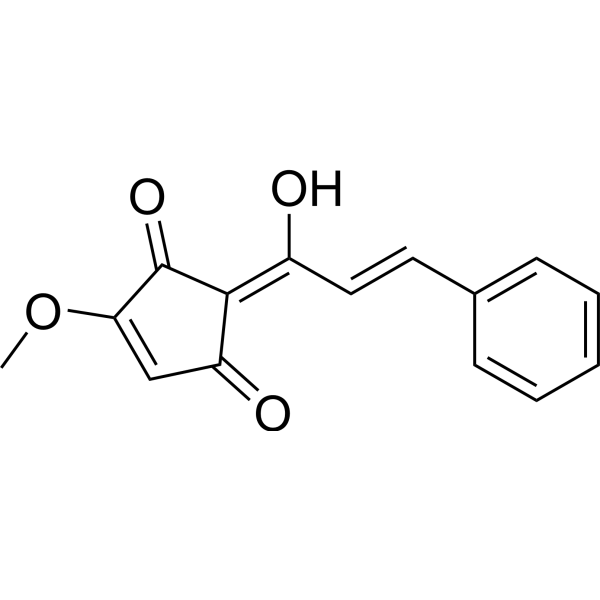 0 ImagesLucidone, an anti-inflammatory agent that can be isolated from the fruit of Lindera erythrocarpa Makino. Lucidone inhibits LPS-induced NO and PGE2 production in RAW 264.7 mouse macrophages. Lucidone also decreases TNF-α secretion, iNOS and COX-2 expression. Lucidone prevents NF-κB translocation and inhibits JNK and p38MAPK signals. Lucidone also has inhibitory activity against Dengue virus (DENV) (EC50=25 μM).
-
CX-Se13
 0 ImagesCat. No.: HY-187219CX-Se13 is an orally active pulmonary fibrosis inhibitor with anti-inflammatory and antioxidant activities. CX-Se13 regulates the Keap1/Nrf2/HO-1/NQO1, YAP/TAZ-TEAD, NF-κB p65 and TGF-β/Smads signaling pathways. CX-Se13 activates the cellular antioxidant defense system, restores redox balance, alleviates inflammatory responses, reduces collagen deposition, decreases pro-inflammatory cytokine levels and inhibits pathological progression. CX-Se13 can be used in studies related to pulmonary fibrosis.
-
Glutathione trisulfide TFA
 0 ImagesCat. No.: HY-160906APurity: 99.08%Synonyms: GSSSG TFAGlutathione trisulfide TFA (GSSSG TFA) is an orally active, blood-brain barrier permeable neuroprotective agent. Glutathione trisulfide TFA inactivates intracellular tyrosinase, regulates the expression of Cars2, Cbs, MITF and TYR, inhibits α-MSH (HY-P0252)-induced melanogenesis, and restores intracellular persulfide levels reduced by α-MSH. Glutathione trisulfide TFA scavenges free radicals, quenches ROS, reduces Paclitaxel (HY-B0015)-induced superoxide production, upregulates the expression of antioxidant protein genes, and inhibits oxidative stress-induced cell death. Glutathione trisulfide TFA promotes ERK1/2 activation, prevents NF-κB p65 activation, inhibits TAK1 phosphorylation, reduces pro-inflammatory cytokine expression, and blocks microglial activation. Glutathione trisulfide TFA can be used in research related to dry age-related macular degeneration, inflammation-associated eye diseases, Alzheimer's disease, Parkinson's disease, etc.
-
20(S)-Ginsenoside Rg3 (Standard)
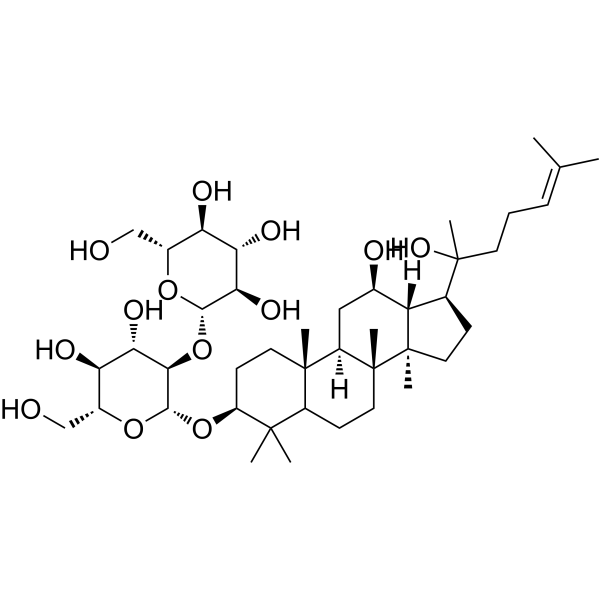 0 ImagesSynonyms: 20(S)-Propanaxadiol(Standard); S-ginsenoside Rg3 (Standard)20(S)-Ginsenoside Rg3 (Standard) is the analytical standard of 20(S)-Ginsenoside Rg3. This product is intended for research and analytical applications. 20(S)-Ginsenoside Rg3 is the main component of Panax ginseng C. A. Meyer. Ginsenoside Rg3 inhibits Na+ and hKv1.4 channel with IC50s of 32.2±4.5 and 32.6±2.2 μM, respectively. 20(S)-Ginsenoside Rg3 also inhibits Aβ levels, NF-κB activity, and COX-2 expression.
-
NLRP3-IN-32
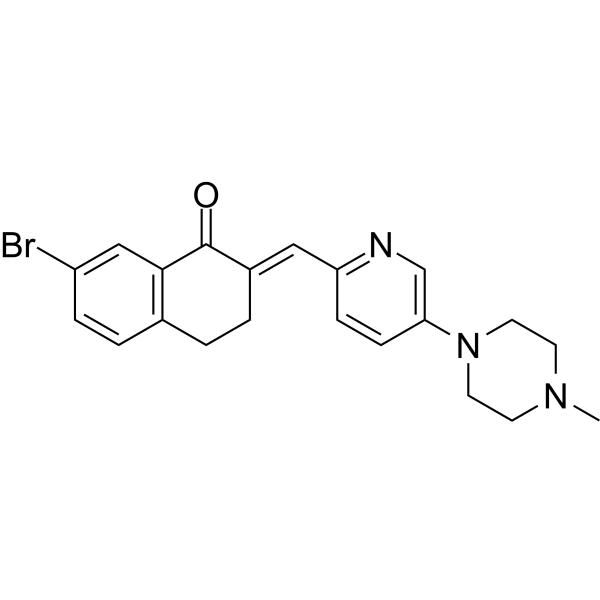 0 ImagesCat. No.: HY-161329NLRP3-IN-32 (compound 7a), a 3, 4-dihydronaphthalene-1(2H)-one derivative, is a potential NLRP3 inflammatory vesicles inhibitor. NLRP3-IN-32 can block the assembly and activation of NLRP3 inflammasome by down-regulating the expression of NLPR3 and apoptosis-associated speck-like protein containing a CARD (ASC), and inhibiting the production of reactive oxygen species (ROS) and other inflammatory mediators. NLRP3-IN-32 inhibits the phosphorylation of IκBα and NF-κB/p65 and the nuclear translocation of p65, thereby inhibiting NF-κB signaling.
-
Dth
 0 ImagesCat. No.: HY-175397Synonyms: DFHBI-thalidomideDth (DFHBI-thalidomide) is an RNA aptamer-based PROTAC degrader. Dth can degrade a variety of endogenous proteins (such as mCherry, p50, p65 and E2F1) by replacing the 3′ module on the RNA scaffold with the RNA aptamer corresponding to the target protein. Dth upregulates IκB-α and Bax, and downregulates Bcl-2 and VEGF. Dth generates green fluorescence upon binding to the Broccoli RNA aptamer, enabling the tracing of RNA scaffolds. Dth can be used in cancer-related research.
-
Triptolidenol
 0 ImagesCat. No.: HY-N11784CAS No.: 99694-86-7Triptolidenol, a traditional Chinese medicine, is an epoxy diterpene lactone that can be isolated from Tripterygium wilfordii. Triptolidenol has anti-inflammatory and anticancer activities. Triptolidenol significantly inhibits tumor cell proliferation and migration, arrests cell cycle arrest at S phase and induces apoptosis by activating the cytochrome c/caspase cascade signaling pathway. Triptolidenol disrupts NF-κB/COX-2 pathway by inhibiting IKKβ at ATP-binding sites. Triptolidenol can be used for chronic nephritis and kidney cancer like clear cell renal cell carcinoma (ccRCC) research.



