



Panax ginseng C. A. Meyer
Alias: Ginseng
-
Panax ginseng C. A. Meyer (109)

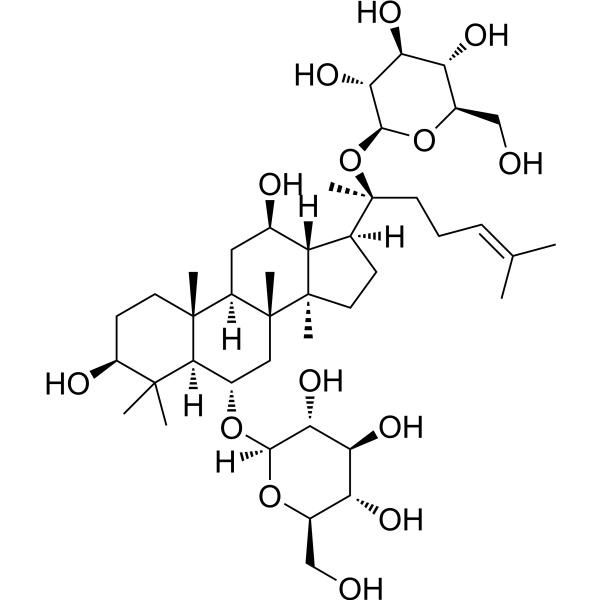
- Formula: C42H72O14
- Molecular Weight: 801.01
Ginsenoside Rg1 is one of the major active components of Panax ginseng. Ginsenoside Rg1 ameliorates the impaired cognitive function, displays promising effects by reducing cerebral Aβ levels. Ginsenoside Rg1 also reduces NF-κB nuclear translocation.
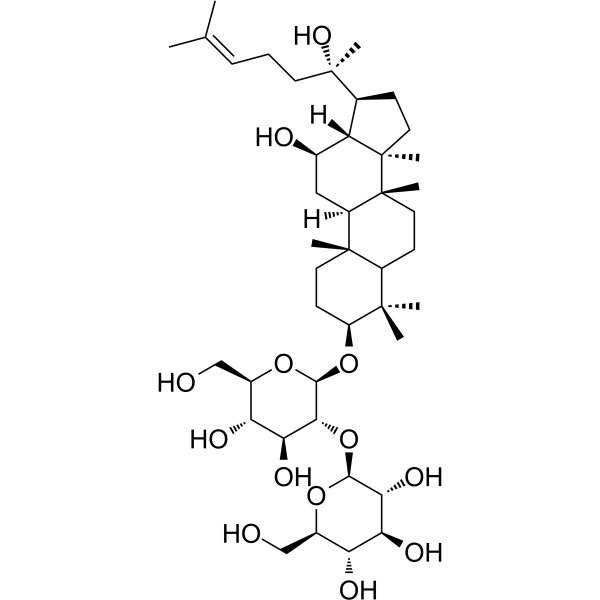
- Formula: C42H72O13
- Molecular Weight: 785.01
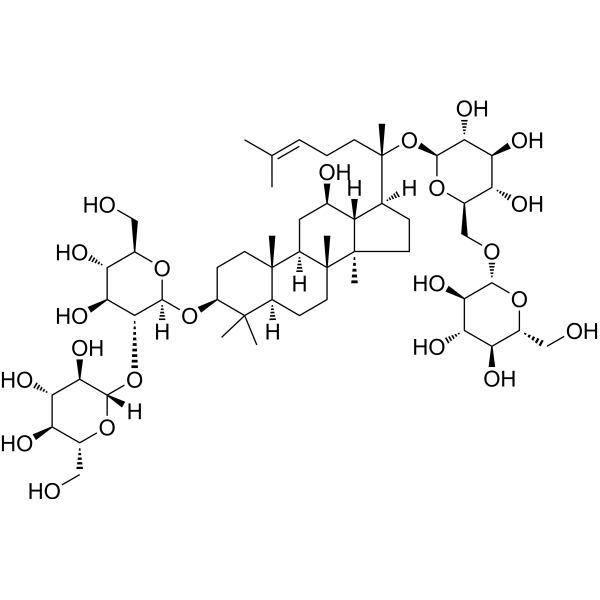
- Formula: C54H92O23
- Molecular Weight: 1109.29
Ginsenoside Rb1, a main constituent of the root of Panax ginseng, inhibits Na+, K+-ATPase activity with an IC50 of 6.3±1.0 μM. Ginsenoside also inhibits IRAK-1 activation and phosphorylation of NF-κB p65 .
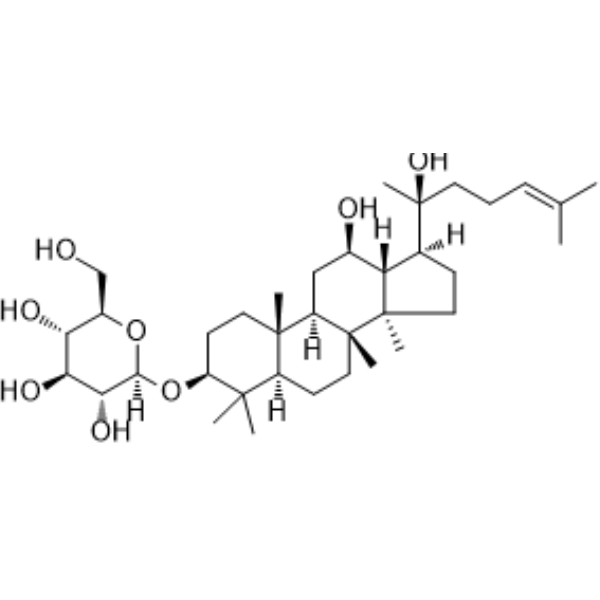
- Formula: C36H62O8
- Molecular Weight: 622.87
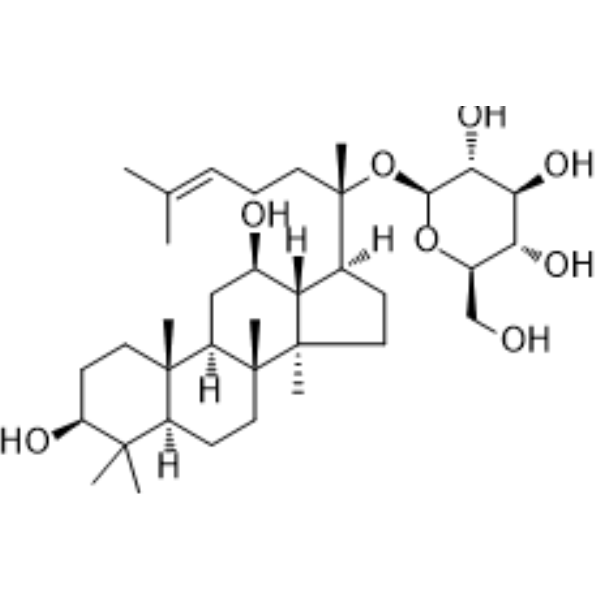
- Formula: C36H62O8
- Molecular Weight: 622.87
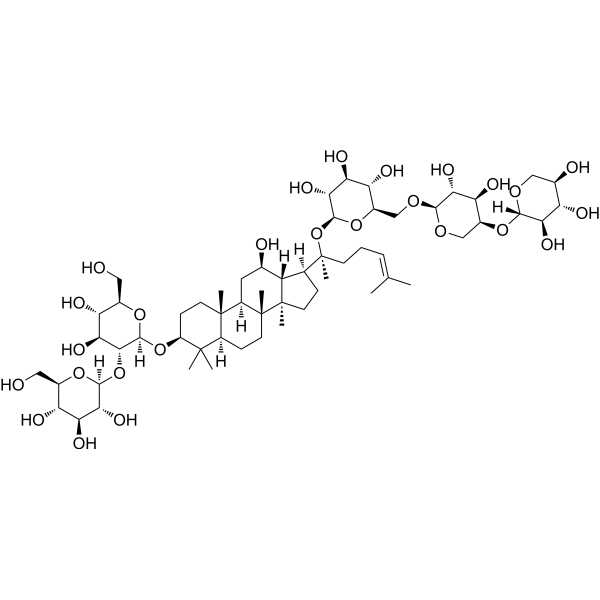
- Formula: C58H98O26
- Molecular Weight: 1211.38
Ginsenoside Ra1 is a dammarane-type bisdesmosidic saponin present in the roots of Panax ginseng. Ginsenoside Ra1 is hydrolyzed by gut-derived β-D-xylosidase to Ginsenoside Rb2 (HY-N0040). Ginsenoside Ra1 inhibits hypoxia/reoxygenation-induced activation of protein tyrosine kinase (PTK).
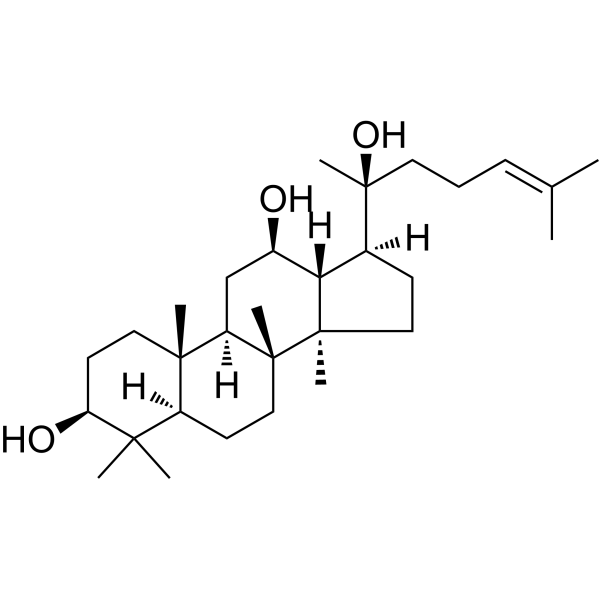
- Formula: C30H52O3
- Molecular Weight: 460.73

- Formula: C30H52O3
- Molecular Weight: 460.73
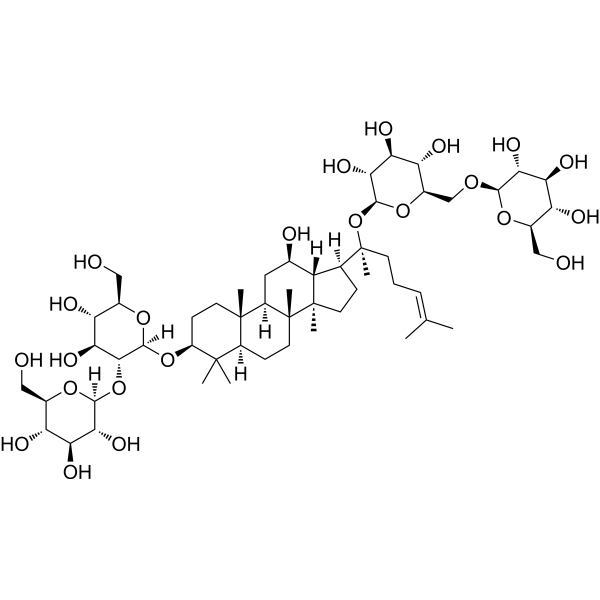
- Formula: C₅₄H₉₂O₂₃
- Molecular Weight: 1109.29
Ginsenoside Rb1 (Standard) is the analytical standard of Ginsenoside Rb1. This product is intended for research and analytical applications. Ginsenoside Rb1, a main constituent of the root of Panax ginseng, inhibits Na+, K+-ATPase activity with an IC50 of 6.3±1.0 μM. Ginsenoside also inhibits IRAK-1 activation and phosphorylation of NF-κB p65 .
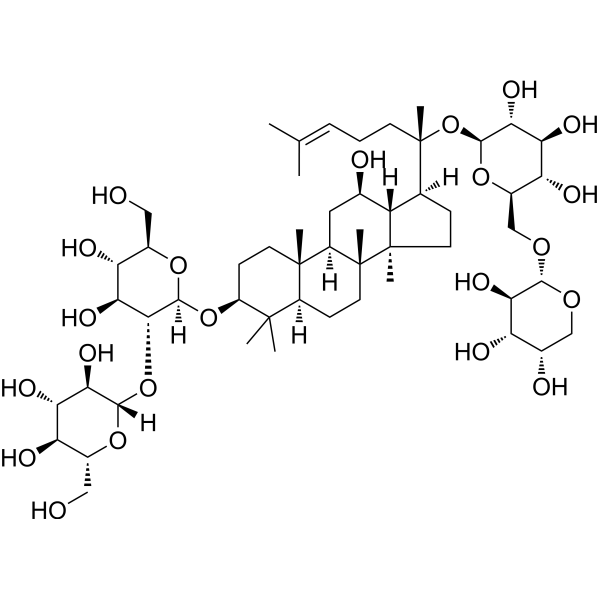
- Formula: C53H90O22
- Molecular Weight: 1079.27
Ginsenoside Rb2 is one of the main bioactive components of ginseng extracts. Rb2 can upregulate GPR120 gene expression. Ginsenoside Rb2 has antiviral effects.
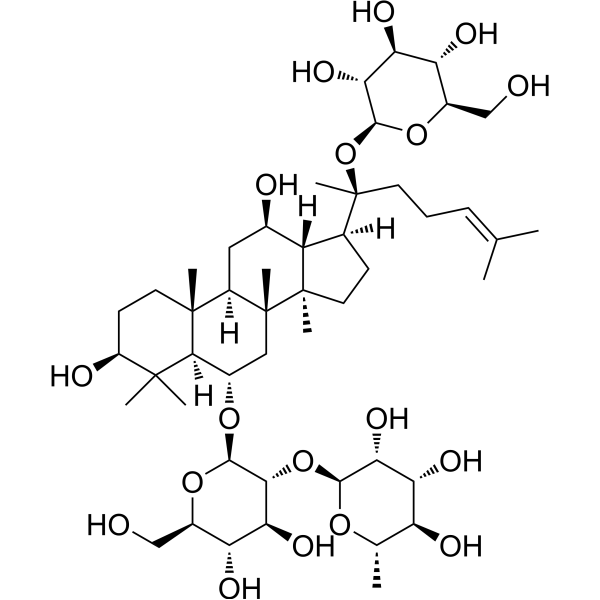
- Formula: C48H82O18
- Molecular Weight: 947.15
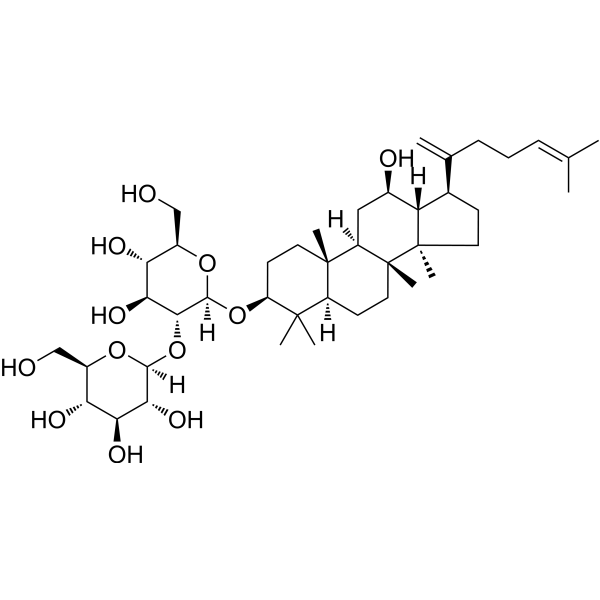
- Formula: C42H70O12
- Molecular Weight: 767.00
Ginsenoside Rk1 is a unique component created by processing the ginseng plant (mainly Sung Ginseng, SG) at high temperatures. Ginsenoside Rk1 has anti-inflammatory effect, suppresses the activation of Jak2/Stat3 signaling pathway and NF-κB. Ginsenoside Rk1 has anti-tumor effect, antiplatelet aggregation activities, anti-insulin resistance, nephroprotective effect, antimicrobial effect, cognitive function enhancement, lipid accumulation reduction and prevents osteoporosis. Ginsenoside Rk1 induces cell apoptosis by triggering intracellular reactive oxygen species (ROS) generation and blocking PI3K/Akt pathway.
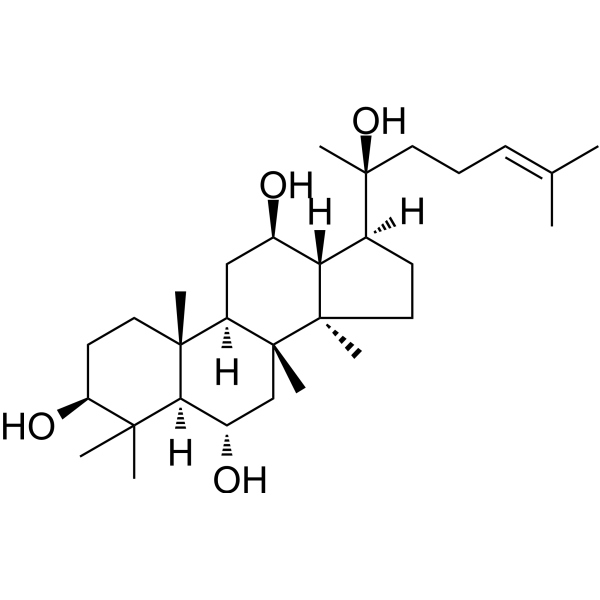
- Formula: C30H52O4
- Molecular Weight: 476.73
(20S)-Protopanaxatriol is a metabolite of ginsenoside. (20S)-Protopanaxatriol works through the glucocorticoid receptor (GR) and estrogen receptor (ER), and is also a LXRα inhibitor. (20S)-Protopanaxatriol shows a broad spectrum of antitumor effects.
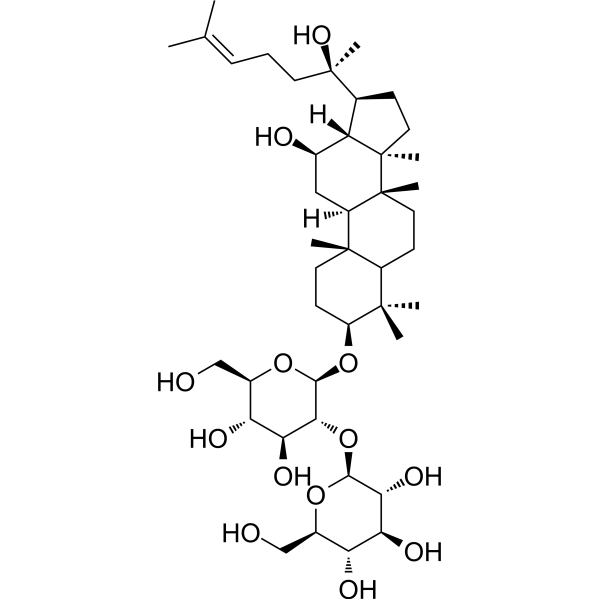
- Formula: C42H72O13
- Molecular Weight: 785.01
(20R)-ginsenoside Rg3 ((20R)-Propanaxadiol), one of the active compounds present in ginseng root, inhibits angiogenesis, and has anti-carcinogenic and antimetastatic effects.
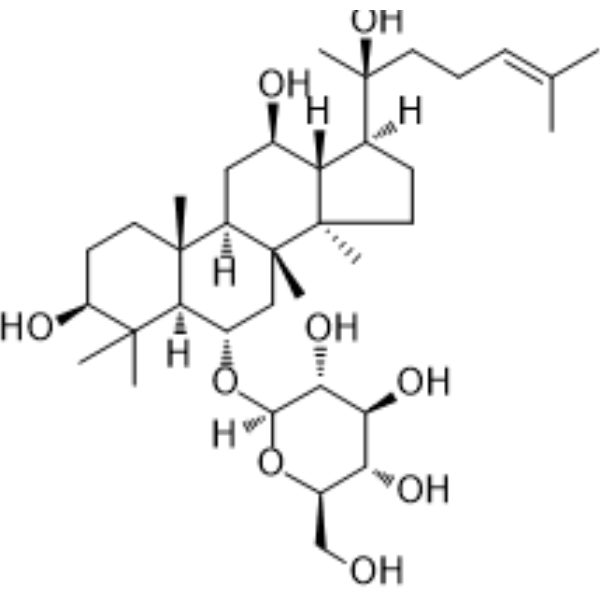
- Formula: C36H62O9
- Molecular Weight: 638.87
Ginsenoside Rh1 (Prosapogenin A2) inhibits the expression of PPAR-γ, TNF-α, IL-6, and IL-1β.
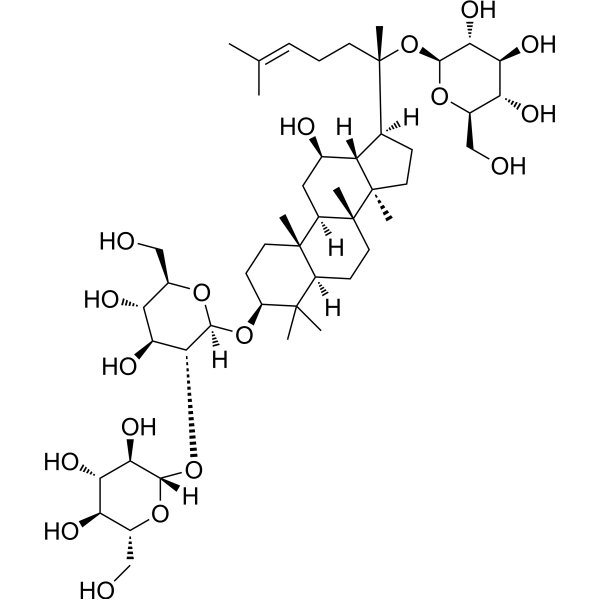
- Formula: C48H82O18
- Molecular Weight: 947.15
Ginsenoside Rd inhibits TNFα-induced NF-κB transcriptional activity with an IC50 of 12.05±0.82 μM in HepG2 cells. Ginsenoside Rd inhibits expression of COX-2 and iNOS mRNA. Ginsenoside Rd also inhibits Ca2+ influx. Ginsenoside Rd inhibits CYP2D6, CYP1A2, CYP3A4, and CYP2C9, with IC50s of 58.0±4.5 μM, 78.4±5.3 μM, 81.7±2.6 μM, and 85.1±9.1 μM, respectively.
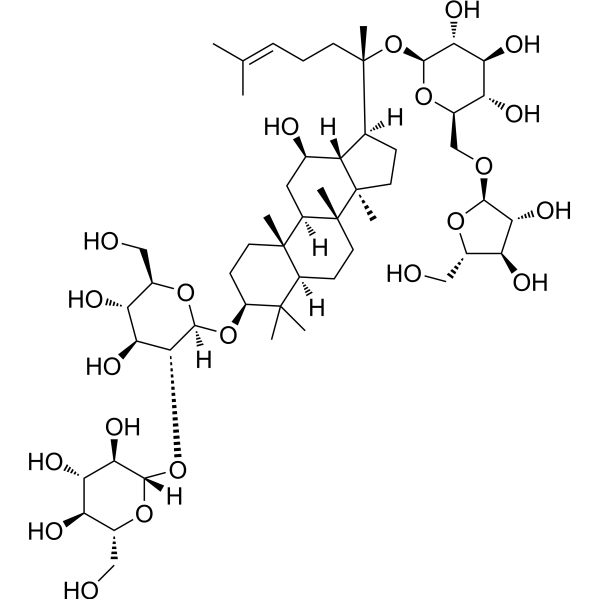
- Formula: C53H90O22
- Molecular Weight: 1079.27
Ginsenoside Rc, one of major Ginsenosides from Panax ginseng, enhances GABA receptorA (GABAA)-mediated ion channel currents (IGABA). Ginsenoside Rc inhibits the expression of TNF-α and IL-1β.
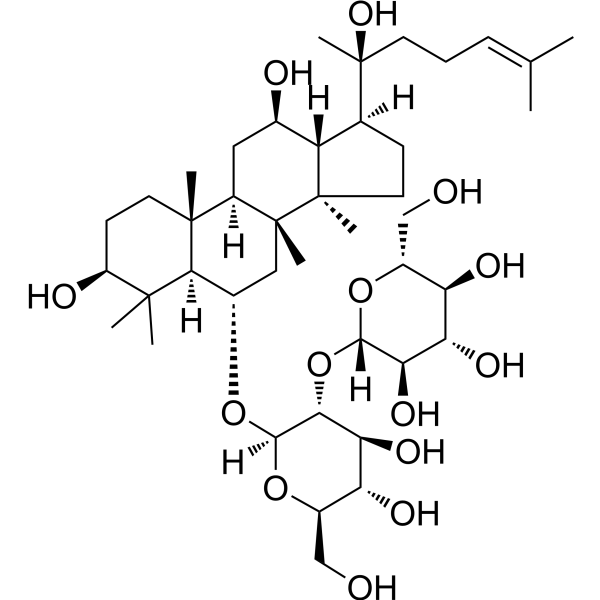
- Formula: C42H72O14
- Molecular Weight: 801.01
Ginsenoside Rf is a trace component of ginseng root. Ginsenoside Rf inhibits N-type Ca2+ channel.
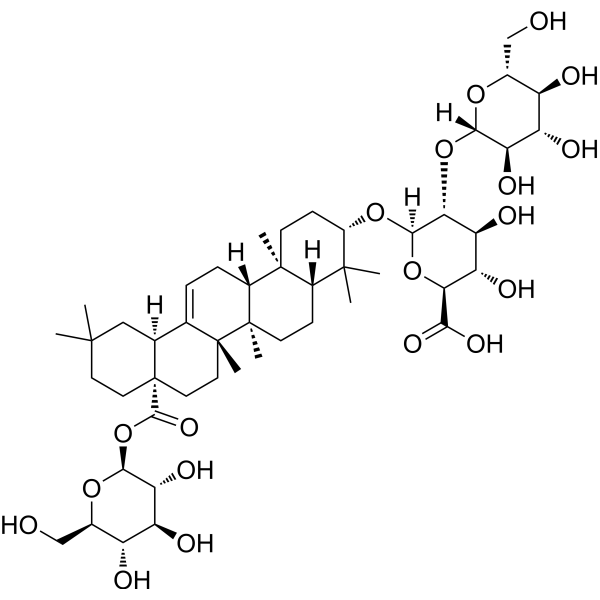
- Formula: C48H76O19
- Molecular Weight: 957.11
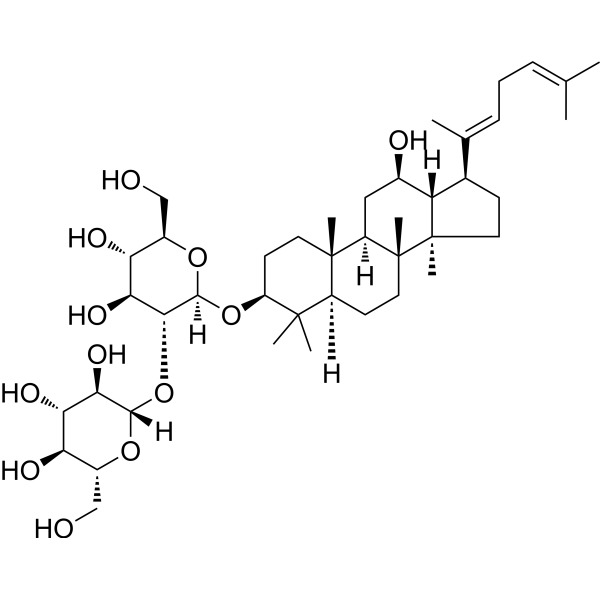
- Formula: C42H70O12
- Molecular Weight: 767.00
Ginsenoside Rg5 is the main component of Red ginseng and IGF-1R agonist. Ginsenoside Rg5 compets for the binding site of IGF-1R and blocks the binding of IGF-1 to IGF-1R (IC50 about 90 nM). Ginsenoside Rg5 also inhibits the mRNA expression of COX-2 via suppression of the DNA binding activities of NF-κB p65.



