



Ginsenoside Rb2
Based on 3 publication(s) in Google Scholar
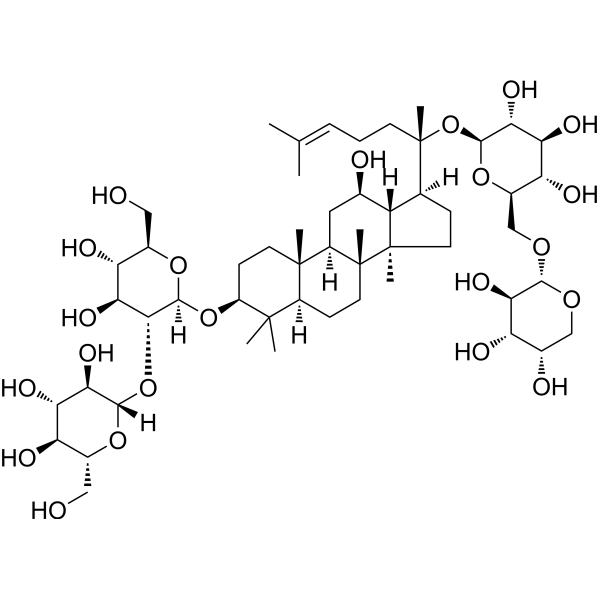
Ginsenoside Rb2 is one of the main bioactive components of ginseng extracts. Rb2 can upregulate GPR120 gene expression. Ginsenoside Rb2 has antiviral effects.
For research use only. We do not sell to patients.
- Purity : 99.87%
- CAS No.: 11021-13-9
- Formula: C53H90O22
- Molecular Weight:1079.27
-
Storage:
4°C, protect from light
* In solvent : -80°C, 6 months; -20°C, 1 month (protect from light)

To place orders, for customer services and technical support, please contact: MedChemExpress USA
Tel: 609-228-6898 E-mail: [email protected] [email protected]


-
 Biological Activity
-
Chemical Information
-
Solvent & Solubility
- Protocols
- Purity & Documentation
- References
-
 Help & FAQs


-
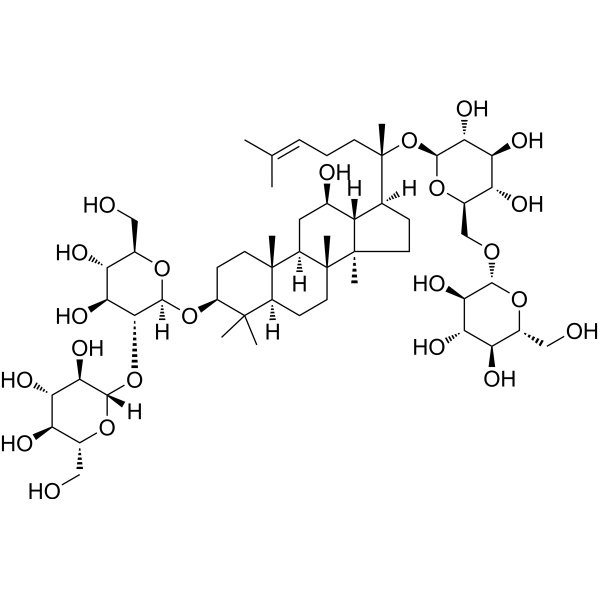
HY-N0039
Ginsenoside Rb1Autophagy Inducer -
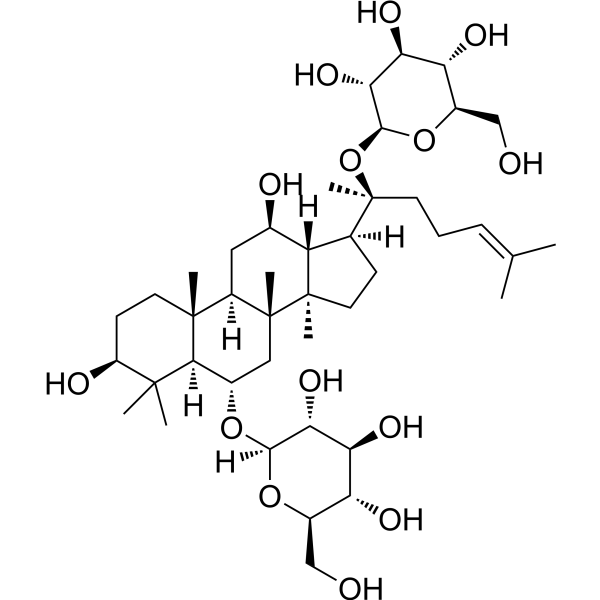
HY-N0045
Ginsenoside Rg1Apoptosis Inducer -
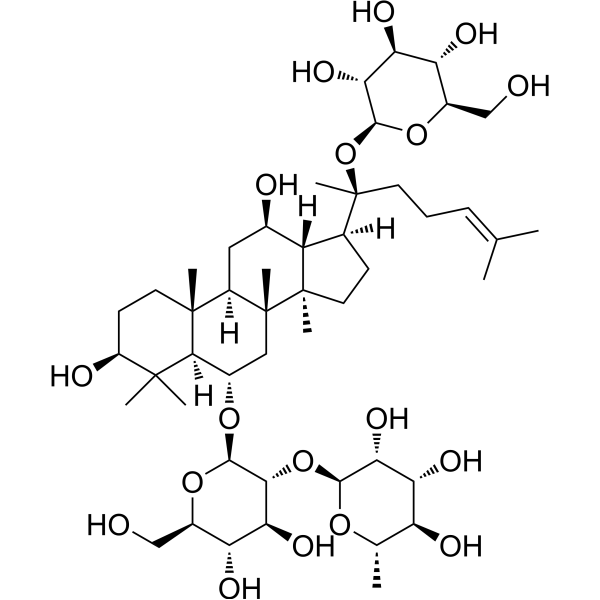
HY-N0044
Ginsenoside ReEndogenous Metabolite -
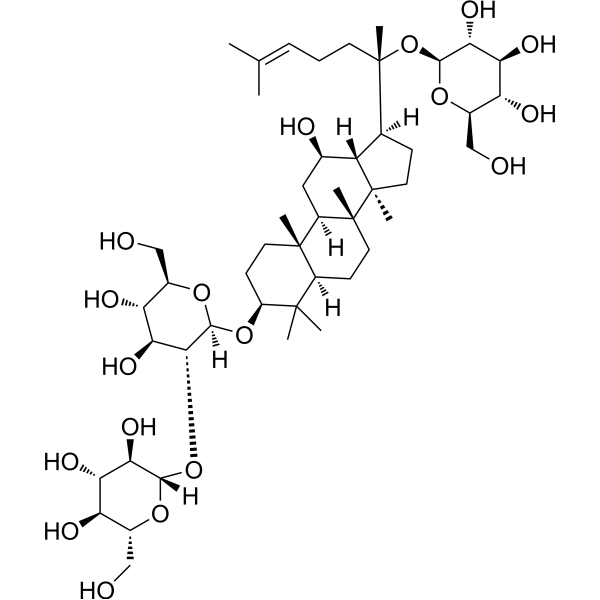
HY-N0043
Ginsenoside RdCytochrome P450 Inhibitor -
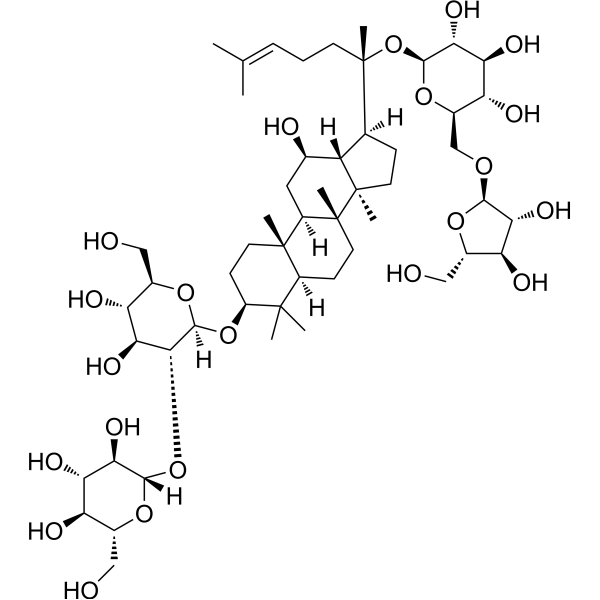
HY-N0042
Ginsenoside RcTNF Receptor Inhibitor -
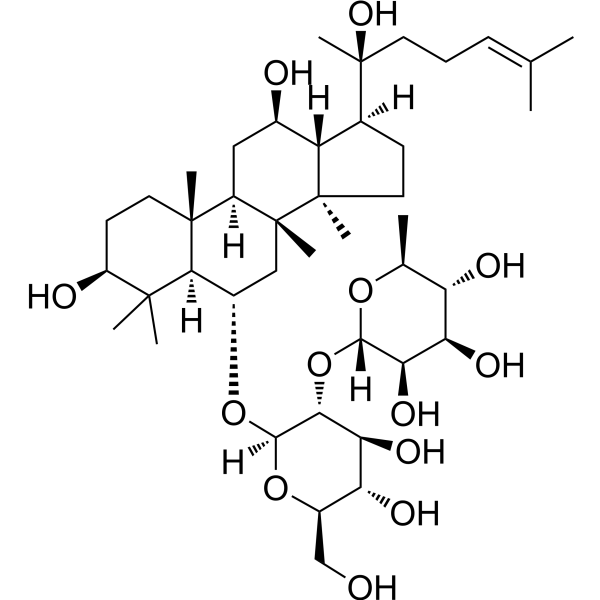
HY-N0602
Ginsenoside Rg2NF-κB Inhibitor -
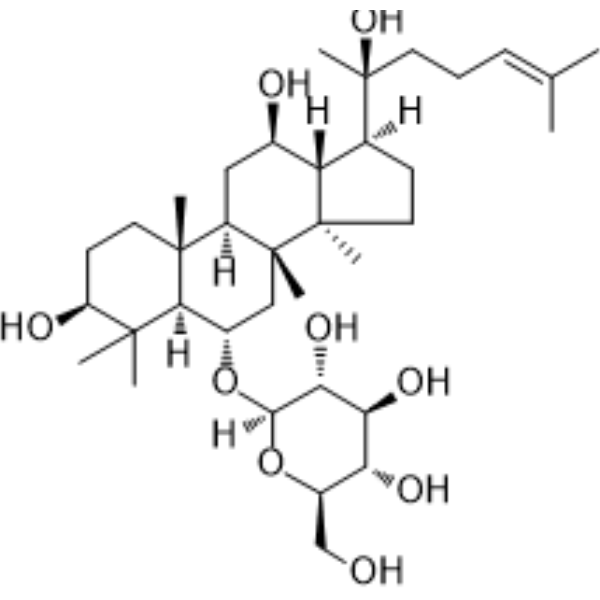
HY-N0604
Ginsenoside Rh1Endogenous Metabolite -
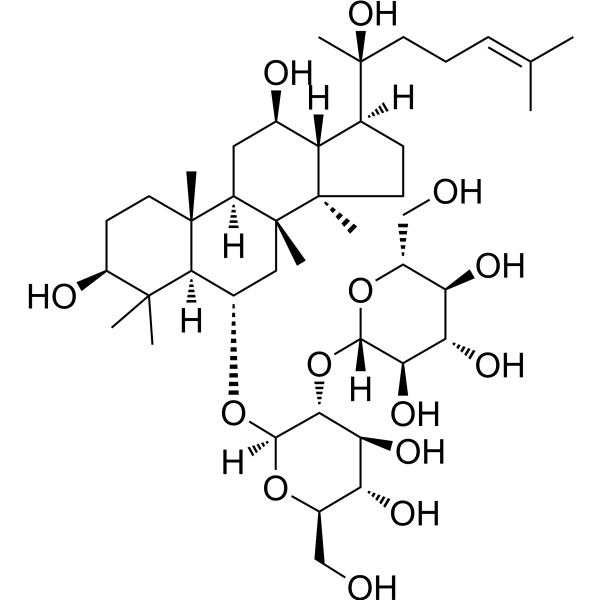
HY-N0601
Ginsenoside RfCalcium Channel Inhibitor -
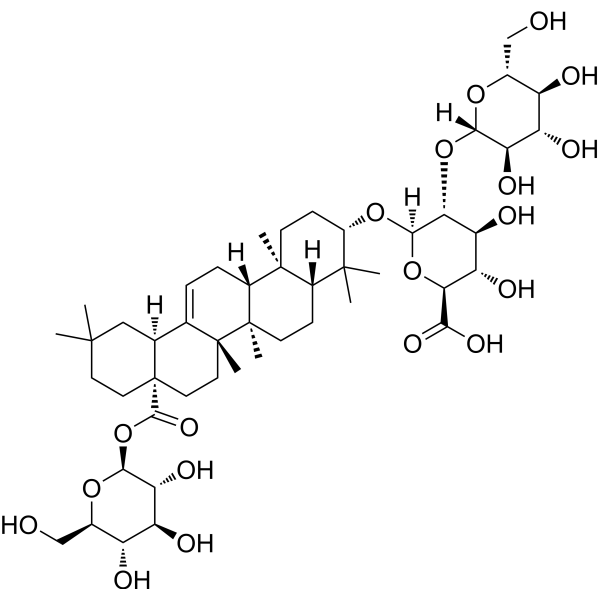
HY-N0607
Ginsenoside RoCalcium Channel Antagonist -
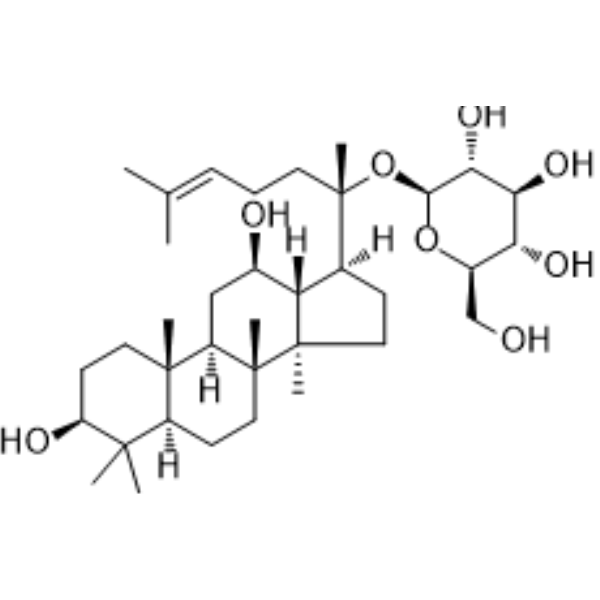
HY-N0904
Ginsenoside C-KNO Synthase/COX Inhibitor -
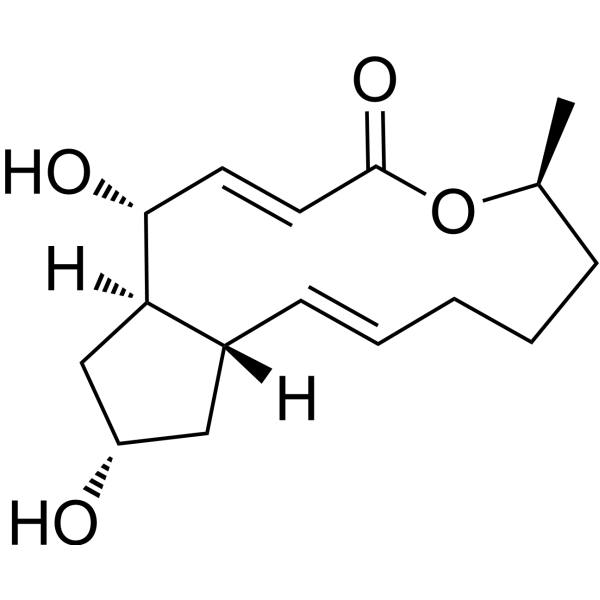
HY-16592
Brefeldin AProtein Transport Inhibitor -
HY-B1125
GlucosamineFood Additive
Publications Citing Use of MedChemExpress (MCE) Ginsenoside Rb2
More Customer Validation & Images

-
Cell Proliferation/Viability Assay
-
Apoptosis Analysis
-
Cell Imaging/Staining
-
RT-PCR
-
WB
All Endogenous Metabolite Isoforms
More

Biological Activity
Description
IC50 & Target
GPR120[1]
Cellular Effect
|
Cell Line

|
Type | Value | Description | References |
|---|---|---|---|---|
| Hepatocyte | IC50 |
105 μM
Compound: 13
|
Hepatoprotective activity in mouse hepatocytes assessed inhibition of D-galactosamine/TNFalpha-induced cell death dosed administered before 30 mins of TNFalpha challenge measured after 18 hrs
Hepatoprotective activity in mouse hepatocytes assessed inhibition of D-galactosamine/TNFalpha-induced cell death dosed administered before 30 mins of TNFalpha challenge measured after 18 hrs
|
[PMID: 11325227] |
In Vitro
Ginsenoside Rb2 pre-treatment enhances the anti-inflammatory effect of α-linolenic acid (ALA) and that the enhancing effect is strictly dependent on GPR120 activation. Ginsenoside Rb2 exerts anti-inflammatory effect in lipopolysaccharide (LPS)-stimulated mouse macrophage RAW264.7 cells in vitro by increasing GPR120 expression and subsequently enhancing ω-3 fatty acid-induced GPR120 activation. Ginsenoside Rb2 improves glucose metabolism in hepatocytes by activating AMPK and reduces cholesterol and triacylglycerol levels in 3T3-L1 cells by reducing oxidative damage. Ginsenoside Rb2 exerts anti-apoptosis effects in murine bone marrow-derived mesenchymal stem cells (BMMSCs). MTT assay results show no obvious cytotoxicity of Ginsenoside Rb2 (up to 100 μM) toward RAW264.7 cells in the absence or presence of ALA. The influence of Rb2 on GPR120 expression in RAW264.7 macrophages is investigated by treating the cells with Ginsenoside Rb2 (0.1-100 μM) for 12 h followed by harvesting and lysis. Subsequent Western blot analysis shows that expression of GPR120 is dose-dependently upregulated by Ginsenoside Rb2. Real-time PCR results indicate that incubation of RAW264.7 macrophages with Ginsenoside Rb2 (10 μM) for 12 h leads to a 2.8-fold increase in GPR120 mRNA expression. In addition, this increase in GPR120 expression stimulated by Ginsenoside Rb2 is time dependent and begins as early as 6 h. These results indicate that Rb2 upregulates GPR120 expression in a dose- and time-dependent manner in RAW264.7 macrophages[1].
MedChemExpress (MCE) has not independently confirmed the accuracy of these methods. They are for reference only. Further protocols information, click here.
In Vivo
MedChemExpress (MCE) has not independently confirmed the accuracy of these methods. They are for reference only.


Chemical Information
-
CAS No. 11021-13-9
-
Appearance Solid
-
Molecular Weight 1079.27
-
Formula C53H90O22
-
Color White to off-white
-
SMILES
C[C@]([C@@](C[C@H]1O)([H])[C@]2(CC[C@@H]3O[C@@](O[C@H](CO)[C@@H](O)[C@@H]4O)([H])[C@@H]4O[C@]([C@@H]([C@@H](O)[C@@H]5O)O)([H])O[C@@H]5CO)C)(CC[C@@]2([H])C3(C)C)[C@]6([C@@]1([H])[C@]([C@@](CC/C=C(C)/C)(C)O[C@@H]([C@@H]([C@@H](O)[C@@H]7O)O)O[C@@H]7CO[C@H](OC[C@H](O)[C@@H]8O)[C@@H]8O)([H])CC6)C
-
Synonyms
Ginsenoside C
-
Structure Classification
-
Initial Source
-
Shipping
Room temperature in continental US; may vary elsewhere.
-
Storage
4°C, protect from light
* In solvent : -80°C, 6 months; -20°C, 1 month (protect from light)


Publications (3)
-
Journal Impact Factor
-
Most Recent
-
Mol Med Rep
Inhibitory role of ginsenoside Rb2 in endothelial senescence and inflammation mediated by microRNA‑216a. [Abstract]2021 Jun;23(6):415. PMID: 33786633
Ginsenoside Rb2 purchased from MedChemExpress. Usage Cited in: Mol Med Rep. 2021 Jun;23(6):415. [Abstract]
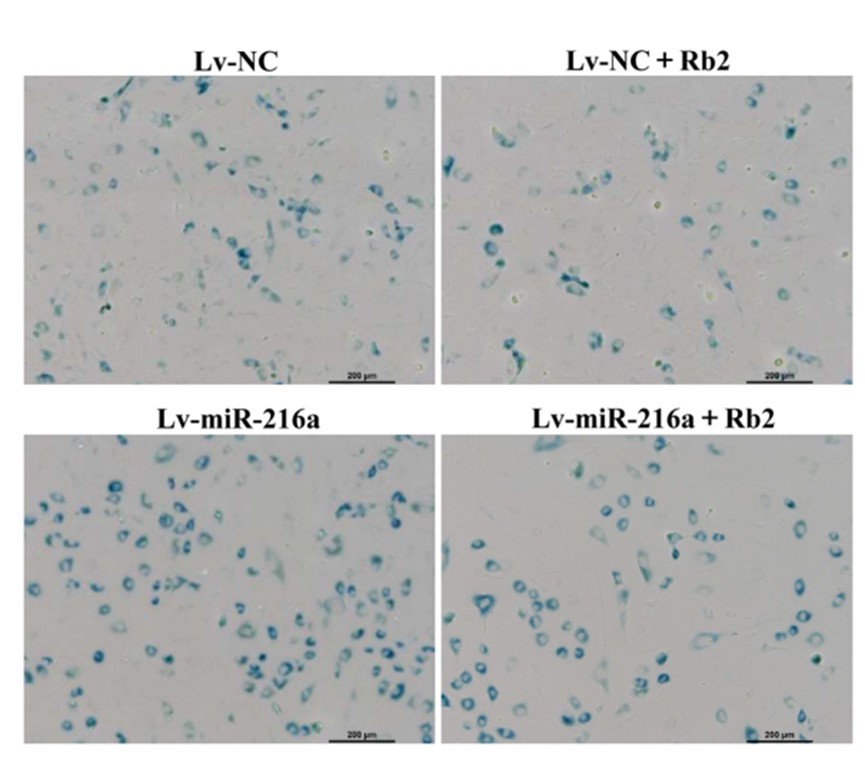
Micrographs of senescent cells characterized by accumulation of SA-β-gal within cytoplasm (blue staining), and comparisons of the SA-β-gal-positive cells in PDL25 cells with Lv-miR-216a transfection after treatment with or without 10 µM Ginsenoside Rb2 (Rb2).
Ginsenoside Rb2 purchased from MedChemExpress. Usage Cited in: Mol Med Rep. 2021 Jun;23(6):415. [Abstract]
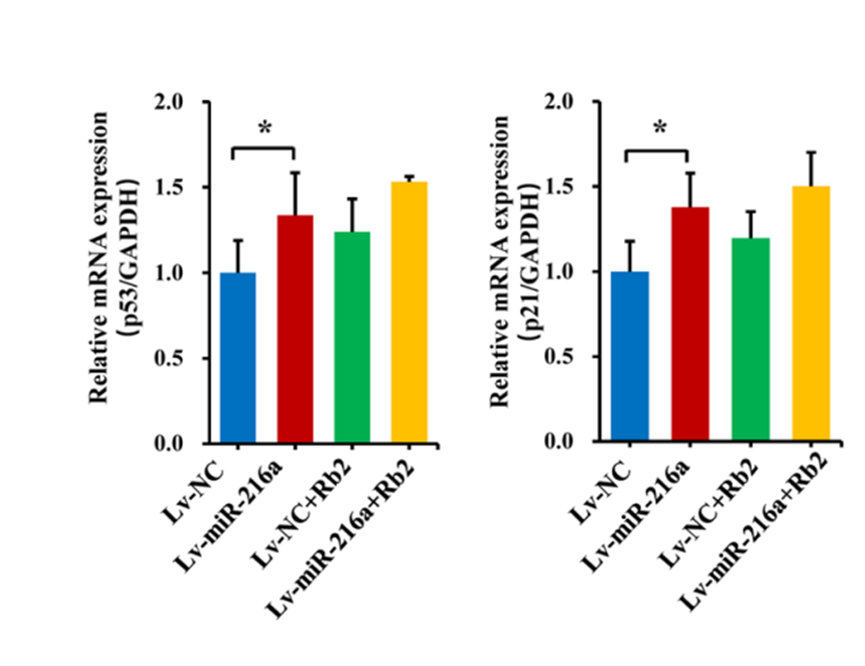
mRNA expression levels of senescent-related genes p53 and p21 in PDL25 cells transfected with Lv-miR-216a with or without Ginsenoside Rb2 (Rb2) (10 μM) treatment.
Ginsenoside Rb2 purchased from MedChemExpress. Usage Cited in: Mol Med Rep. 2021 Jun;23(6):415. [Abstract]
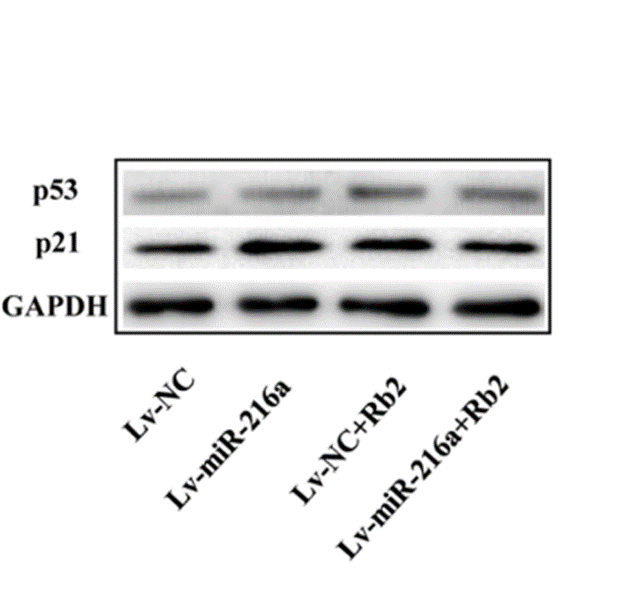
Protein expression levels of senescent-related genes p53 and p21 in PDL25 cells transfected with Lv-miR-216a with or without Ginsenoside Rb2 (Rb2) (10 μM) treatment.
-
Vet Microbiol
The Chinese medicine monomer Schisandrin C inhibits PRRSV infection by regulating the OGT-PI3K/AKT/mTOR signaling pathway. [Abstract]2026 May:316:110992. PMID: 41865607 -
Biol Pharm Bull
Effect of Ginsenoside Rb2 on a Myocardial Cell Model of Coronary Heart Disease through Nrf2/HO-1 Signaling Pathway. [Abstract]2022;45(1):71-76. PMID: 34980781
Ginsenoside Rb2 purchased from MedChemExpress. Usage Cited in: Biol Pharm Bull. 2022;45(1):71-76. [Abstract]
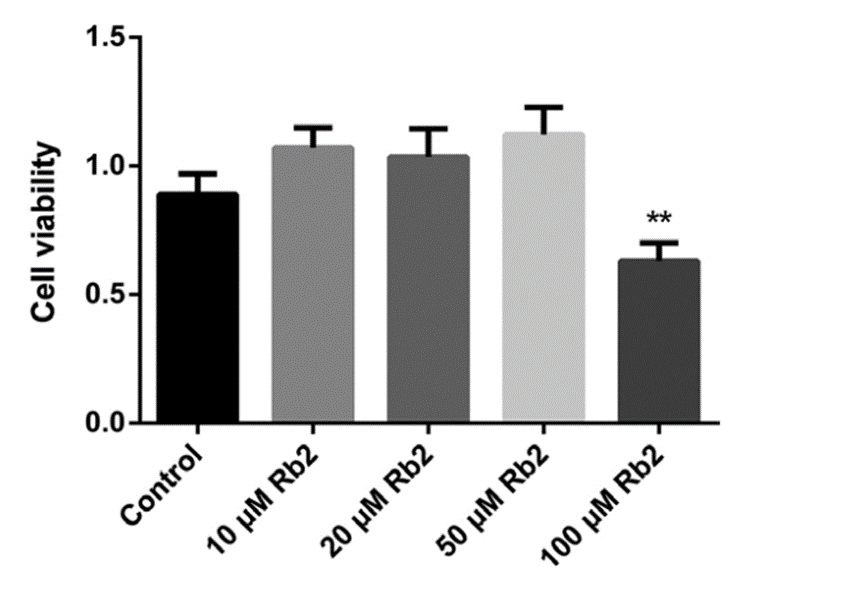
CCK-8 was used to evaluate the proliferation of H9c2 cells treated with Ginsenoside Rb2 (Rb2) (10, 20, 50, 100 μM).
Ginsenoside Rb2 purchased from MedChemExpress. Usage Cited in: Biol Pharm Bull. 2022;45(1):71-76. [Abstract]
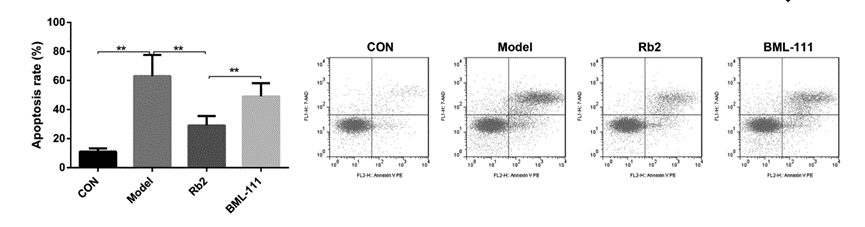
Cell apoptosis was evaluated by flow cytometry treated with Ginsenoside Rb2 (Rb2).


Solvent & Solubility
In Vitro:
H2O : ≥ 100 mg/mL (92.66 mM)
DMSO : 9.5 mg/mL (8.80 mM; Need ultrasonic and warming; Hygroscopic DMSO has a significant impact on the solubility of product, please use newly opened DMSO)
* "≥" means soluble, but saturation unknown.
Please refer to the solubility information to select the appropriate solvent. Once prepared, please aliquot and store the solution to prevent product inactivation from repeated freeze-thaw cycles.
Storage method and period of stock solution: -80°C, 6 months; -20°C, 1 month (protect from light). When stored at -80°C, please use it within 6 months. When stored at -20°C, please use it within 1 month.
* Note: If you choose water as the stock solution, please dilute it to the working solution, then filter and sterilize it with a 0.22 μm filter before use.
Please refer to the solubility information to select the appropriate solvent. Once prepared, please aliquot and store the solution to prevent product inactivation from repeated freeze-thaw cycles.
Storage method and period of stock solution: -80°C, 6 months; -20°C, 1 month (protect from light). When stored at -80°C, please use it within 6 months. When stored at -20°C, please use it within 1 month.
* Note: If you choose water as the stock solution, please dilute it to the working solution, then filter and sterilize it with a 0.22 μm filter before use.
Concentration (start) × Volume (start) = Concentration (final) × Volume (final)
In Vivo:
Select the appropriate dissolution method based on your experimental animal and administration route.
- For the following dissolution methods, please ensure to first prepare a clear stock solution using an In Vitro approach and then sequentially add co-solvents:
- To ensure reliable experimental results, the clarified stock solution can be appropriately stored based on storage conditions. As for the working solution for In Vivo experiments, it is recommended to prepare freshly and use it on the same day.
- The percentages shown for the solvents indicate their volumetric ratio in the final prepared solution. If precipitation or phase separation occurs during preparation, heat and/or sonication can be used to aid dissolution.
Add each solvent one by one: 10% DMSO 40% PEG300 5% Tween-80 45% Saline
Solubility: ≥ 0.92 mg/mL (0.85 mM); Clear solution
This protocol yields a clear solution of ≥ 0.92 mg/mL (saturation unknown).
Taking 1 mL working solution as an example, add 100 μL DMSO stock solution (9.2 mg/mL) to 400 μL PEG300, and mix evenly; then add 50 μL Tween-80 and mix evenly; then add 450 μL Saline to adjust the volume to 1 mL.
Preparation of Saline: Dissolve 0.9 g sodium chloride in ddH₂O and dilute to 100 mL to obtain a clear Saline solution.
Add each solvent one by one: 10% DMSO 90% (20% SBE-β-CD in Saline)
Solubility: ≥ 0.92 mg/mL (0.85 mM); Clear solution
This protocol yields a clear solution of ≥ 0.92 mg/mL (saturation unknown).
Taking 1 mL working solution as an example, add 100 μL DMSO stock solution (9.2 mg/mL) to 900 μL 20% SBE-β-CD in Saline, and mix evenly.
Preparation of 20% SBE-β-CD in Saline (4°C, storage for one week): 2 g SBE-β-CD powder is dissolved in 10 mL Saline, completely dissolve until clear.
For the following dissolution methods, please prepare the working solution directly:
It is recommended to prepare fresh solutions and use them promptly within a short period of time.
The percentages shown for the solvents indicate their volumetric ratio in the final prepared solution. If precipitation or phase separation occurs during preparation, heat and/or sonication can be used to aid dissolution.
Add each solvent one by one: PBS
Solubility: 100 mg/mL (92.66 mM); Clear solution; Need ultrasonic
In Vivo Dissolution Calculator
Please enter the basic information of animal experiments:
-
-
-
-
Recommended: Prepare an additional quantity of animals to account for potential losses during experiments.
Working solution concentration: 0.22 mg/mL
This product has good water solubility, please refer to the measured solubility data in water/PBS/Saline for details.

Protocols
-
RT-PCR
Reverse transcription technology uses RNA as a template to synthesize DNA. RT-PCR is simple, specific and sensitive, and can be used to detect gene expression levels and expression differences in cells; detect RNA virus content; clone cDNA sequences of specific genes.
-
RNA extraction experimental
By lysing cells, releasing RNA, and removing impurities such as proteins and DNA, high-purity RNA products are finally obtained. The commonly used traditional method is the guanidine isothiocyanate/phenol/chloroform method (Trizol), which is suitable for a variety of animal materials including animal tissues, microorganisms, cultured cells, etc., and most plant materials.
-
Research Protocol for Infectious Diseases
Infectious-disease experiments test how pathogens interact with host barriers, innate immune receptors, inflammatory signaling, pathogen replication, and tissue injury; pattern-recognition receptors such as TLRs, RIG-I-like receptors, NOD-like receptors, and inflammasomes detect microbial molecules and activate NF-κB, interferon, and cytokine responses. The central hypothesis is that infection severity reflects the balance between pathogen burden and host response: protective inflammation restricts pathogen growth, whereas excessive or mislocalized inflammation contributes to tissue damage and disease phenotype. Unresolved questions include which host pathways are protective versus pathogenic, why some infection models fail to translate to human disease, and which combined readouts best predict clinically relevant infection outcomes.
-
Real Time qPCR (Q-PCR)
Real-time quantitative PCR (qPCR) quantifies an amplifiable nucleic-acid target by monitoring fluorescence during PCR cycling rather than measuring product only after amplification. The increase in fluorescence tracks accumulation of PCR product, and the quantification cycle (Cq; historically also Ct/CP) is related to the initial amount of target: samples containing more starting target generally reach the defined fluorescence threshold in fewer cycles.


Purity & Documentation
-
Data Sheet (287 KB)
-
SDS (392 KB)
- English - EN (392 KB)
- Français - FR (392 KB)
- Deutsch - DE (392 KB)
- Norwegian - NO (392 KB)
- Español - ES (392 KB)
- Swedish - SV (392 KB)
- Italian - IT (392 KB)
- Korean - KR (392 KB)
- Portuguese - PT (392 KB)
-
Handling Instructions (2659 KB)
References
[1]. Huang Q, et al. Ginsenoside Rb2 enhances the anti-inflammatory effect of ω-3 fatty acid in LPS-stimulated RAW264.7 macrophages by upregulating GPR120 expression. Acta Pharmacol Sin. 2017 Feb;38(2):192-200. [Content Brief]
[2]. Yang H, et al. Ginsenoside-Rb2and 20(S)-Ginsenoside-Rg3 from Koreanred ginseng prevent rotavirus infection in newborn mice. J Microbiol Biotechnol. 2018 Jan 11. [Content Brief]


Complete Stock Solution Preparation Table
Please refer to the solubility information to select the appropriate solvent. Once prepared, please aliquot and store the solution to prevent product inactivation from repeated freeze-thaw cycles.
Storage method and period of stock solution: -80°C, 6 months; -20°C, 1 month (protect from light). When stored at -80°C, please use it within 6 months. When stored at -20°C, please use it within 1 month.
| Optional Solvent | Concentration Solvent Mass | 1 mg | 5 mg | 10 mg | 25 mg |
|---|---|---|---|---|---|
| DMSO / H2O | 1 mM | 0.9266 mL | 4.6328 mL | 9.2655 mL | 23.1638 mL |
| 5 mM | 0.1853 mL | 0.9266 mL | 1.8531 mL | 4.6328 mL | |
| H2O | 10 mM | 0.0927 mL | 0.4633 mL | 0.9266 mL | 2.3164 mL |
| 15 mM | 0.0618 mL | 0.3089 mL | 0.6177 mL | 1.5443 mL | |
| 20 mM | 0.0463 mL | 0.2316 mL | 0.4633 mL | 1.1582 mL | |
| 25 mM | 0.0371 mL | 0.1853 mL | 0.3706 mL | 0.9266 mL | |
| 30 mM | 0.0309 mL | 0.1544 mL | 0.3089 mL | 0.7721 mL | |
| 40 mM | 0.0232 mL | 0.1158 mL | 0.2316 mL | 0.5791 mL | |
| 50 mM | 0.0185 mL | 0.0927 mL | 0.1853 mL | 0.4633 mL | |
| 60 mM | 0.0154 mL | 0.0772 mL | 0.1544 mL | 0.3861 mL | |
| 80 mM | 0.0116 mL | 0.0579 mL | 0.1158 mL | 0.2895 mL |
* Note: If you choose water as the stock solution, please dilute it to the working solution, then filter and sterilize it with a 0.22 μm filter before use.


Ginsenoside Rb2 Related Classifications
HY-N0040 Related Classifications
 Powered by Bioz