



Ginsenoside Rg5
Based on 5 publication(s) in Google Scholar
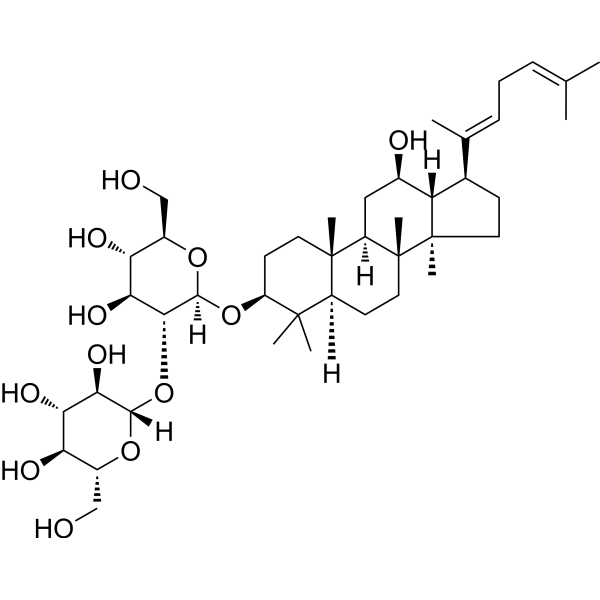
Ginsenoside Rg5 is the main component of Red ginseng and IGF-1R agonist. Ginsenoside Rg5 compets for the binding site of IGF-1R and blocks the binding of IGF-1 to IGF-1R (IC50 about 90 nM). Ginsenoside Rg5 also inhibits the mRNA expression of COX-2 via suppression of the DNA binding activities of NF-κB p65.
For research use only. We do not sell to patients.
- Purity : 99.88%
- CAS No.: 186763-78-0
- Formula: C42H70O12
- Molecular Weight:767.00
-
Storage:Powder -20°C, 3 years ; In solvent -80°C, 6 months , -20°C, 1 month

To place orders, for customer services and technical support, please contact: MedChemExpress USA
Tel: 609-228-6898 E-mail: [email protected] [email protected]


-
 Biological Activity
-
Chemical Information
-
Solvent & Solubility
- Protocols
- Purity & Documentation
- References
-
 Help & FAQs


-
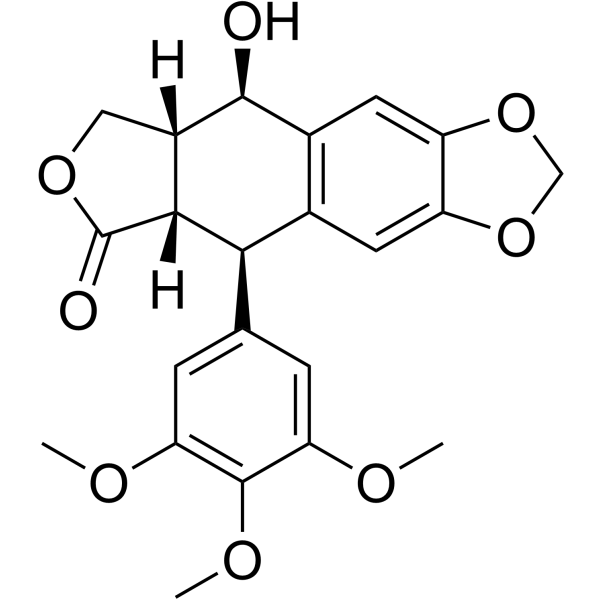
HY-15494
PicropodophyllinApoptosis Inducer -
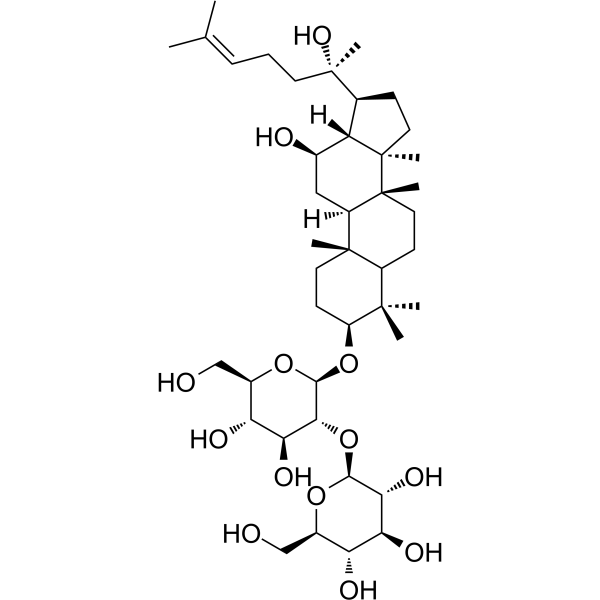
HY-N0603
20(S)-Ginsenoside Rg3Sodium Channel Inhibitor -
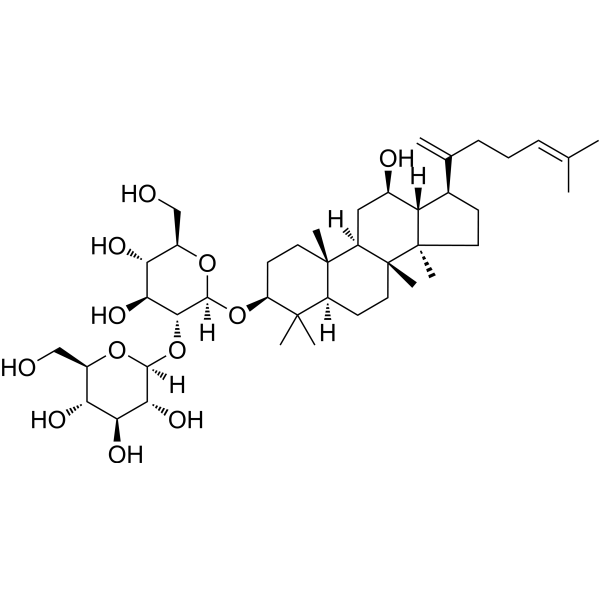
HY-N2515
Ginsenoside Rk1Apoptosis Inducer -
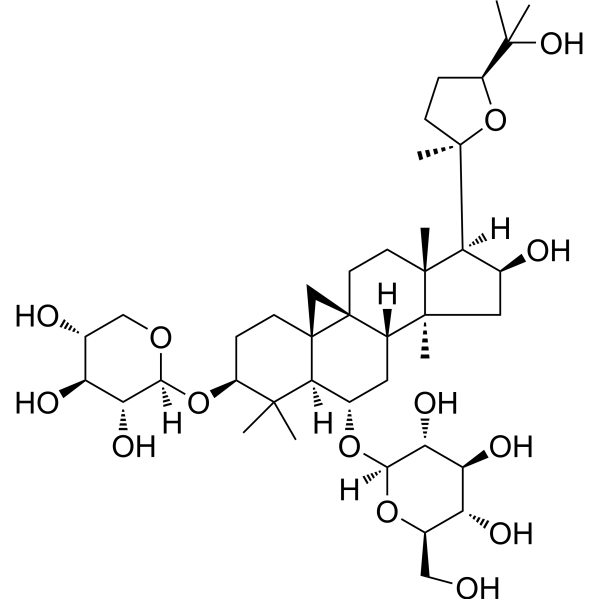
HY-N0431
Astragaloside IVMMP Inhibitor -
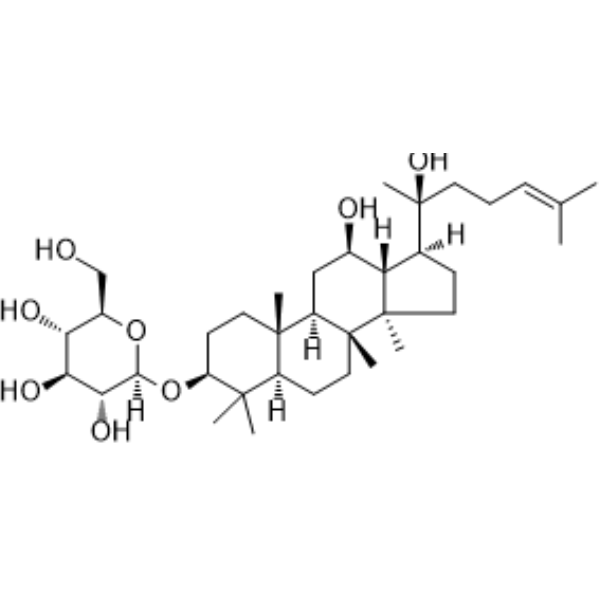
HY-N0605
Ginsenoside Rh2Caspase Activator -
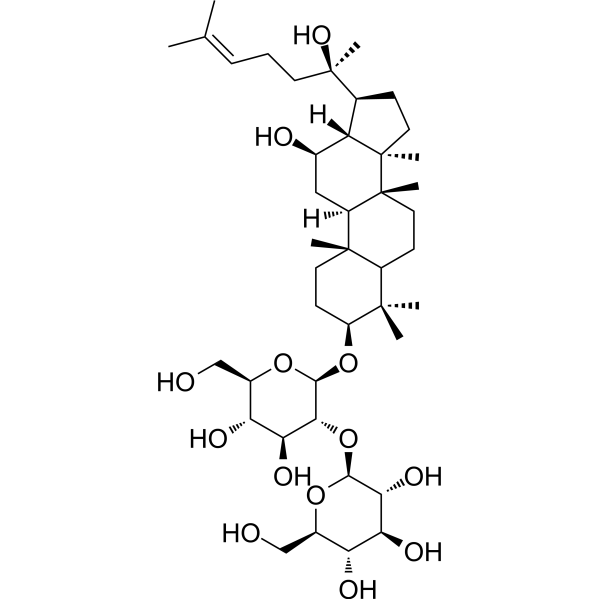
HY-N1376
(20R)-Ginsenoside Rg3Anticancer Agent -
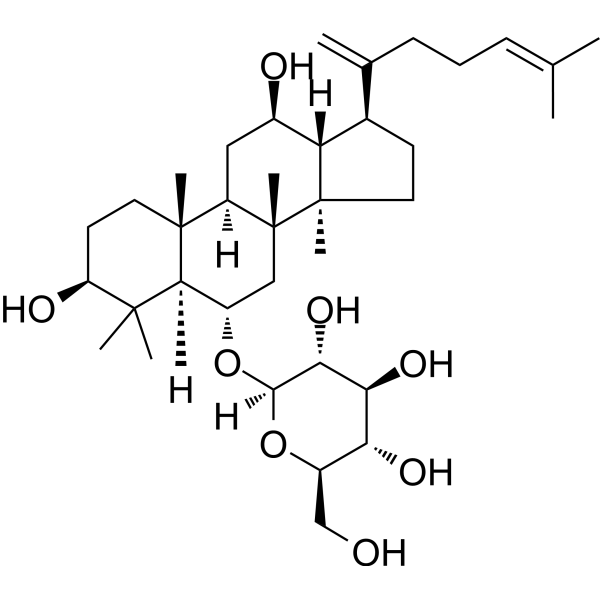
HY-N0906
Ginsenoside Rk3NF-κB Inhibitor -
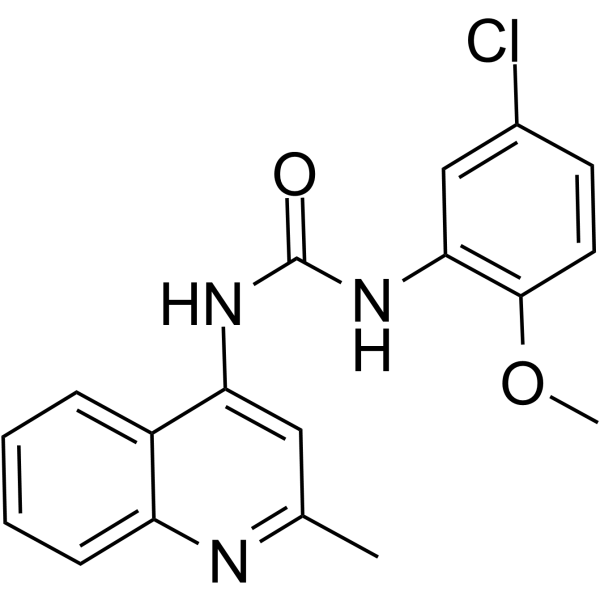
HY-13686
PQ401IGF-1R Inhibitor -
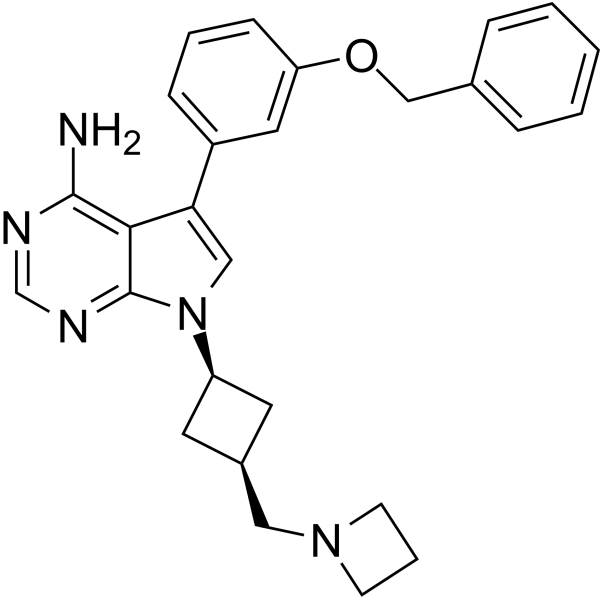
HY-50866
NVP-AEW541IGF-1R/IR Inhibitor -
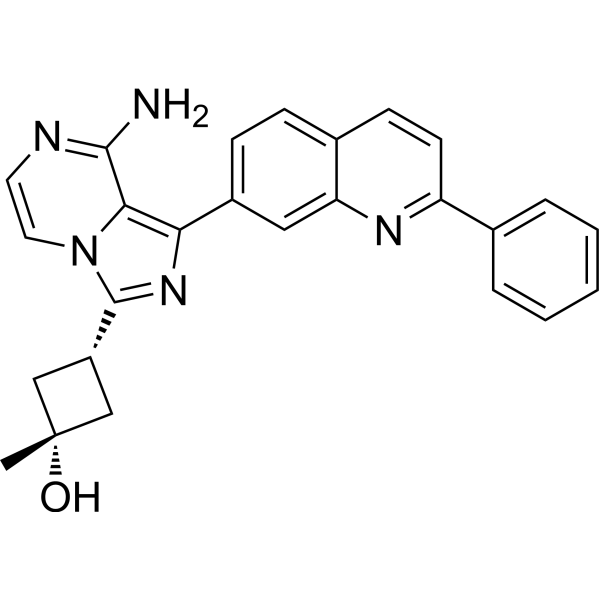
HY-10191
LinsitinibIGF-1R/Insulin Receptor Inhibitor -
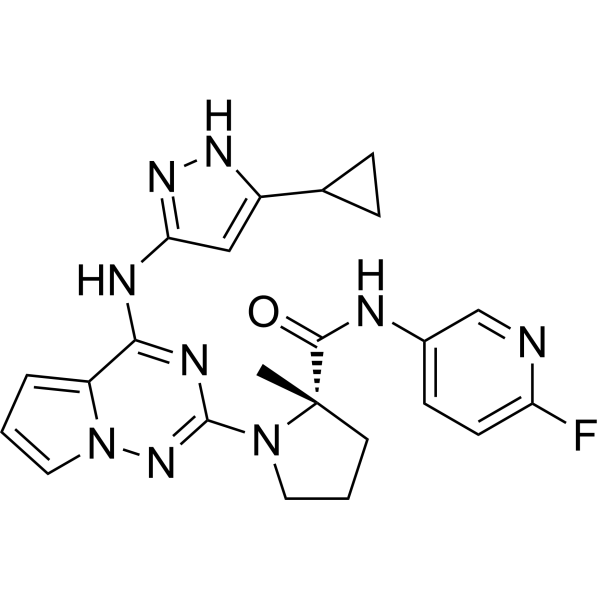
HY-10200
BMS-754807IGF-1R/IR Inhibitor -
HY-10253
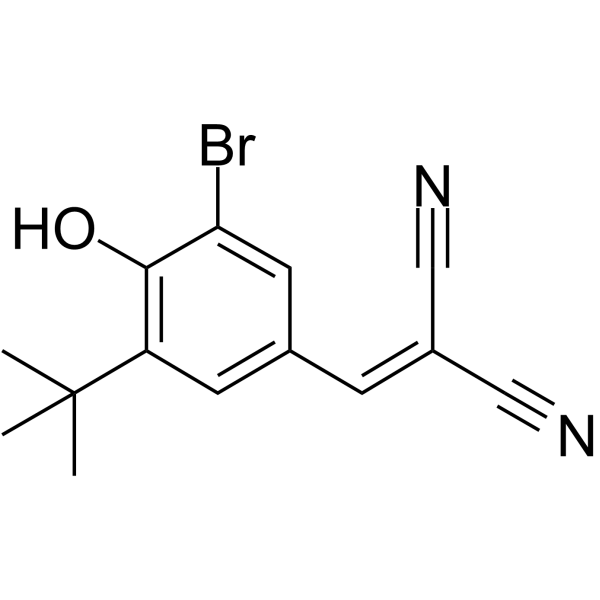
AG1024IGF-1R Inhibitor
Publications Citing Use of MedChemExpress (MCE) Ginsenoside Rg5
More Customer Validation & Images

-
RT-PCR
-
WB
-
Apoptosis Analysis
-
In Vivo Efficacy Study


Biological Activity
Description
|
IGF-1R 90 nM (IC50) |
p65 |
COX-2 |
In Vitro
Ginsenoside Rg5 plays a novel role as an IGF-1R agonist. Ginsenoside Rg5 has angiogenic activity, which is inhibited by IGF-1R knockdown. To investigate the possible interaction of Ginsenoside Rg5 with IGF-1R, a docking analysis is performed. Docking results show that Ginsenoside Rg5 binds strongly at two sites, A and B, with Kd values of 20 and 27 nM, respectively, to the cysteine-rich domain of IGF-1R. Pretreatment with Rg5 blocks the binding of radiolabeled IGF-1 to HUVECs with an IC50 value of ~90 μM, which is greater than an IC50 value of ~1.4 nM for unlabeled IGF-1[1]. The results from MTT assay show that MCF-7 cell proliferation is inhibited by Ginsenoside Rg5 treatment for 24, 48 and 72 h in a dose-dependent manner. Ginsenoside Rg5 at different concentrations (0, 25, 50 and 100 μM), induce cell cycle arrest in G0/G1 phase through regulation of cell cycle-related proteins in MCF-7 cells[3].
MedChemExpress (MCE) has not independently confirmed the accuracy of these methods. They are for reference only.
In Vivo
MedChemExpress (MCE) has not independently confirmed the accuracy of these methods. They are for reference only.


Chemical Information
-
CAS No. 186763-78-0
-
Appearance Solid
-
Molecular Weight 767.00
-
Formula C42H70O12
-
Color White to off-white
-
SMILES
C[C@@]([C@@]12C)(CC[C@@]3([H])C4(C)C)[C@@](C[C@@H](O)[C@]1([H])[C@@H](/C(C)=C/C/C=C(C)\C)CC2)([H])[C@]3(CC[C@@H]4O[C@@](O[C@H](CO)[C@@H](O)[C@@H]5O)([H])[C@@H]5O[C@]([C@@H]([C@@H](O)[C@@H]6O)O)([H])O[C@@H]6CO)C
-
Structure Classification
-
Initial Source
-
Shipping
Room temperature in continental US; may vary elsewhere.
-
Storage
Powder -20°C 3 years In solvent -80°C 6 months -20°C 1 month


Publications (5)
-
Journal Impact Factor
-
Most Recent
-
Phytomedicine
Rare ginsenoside Rk1 protects against cisplatin-induced auditory damage by regulating the MST1/LONP1 pathway. [Abstract]2026 Apr 26. PMID: 42097003 -
J Ginseng Res
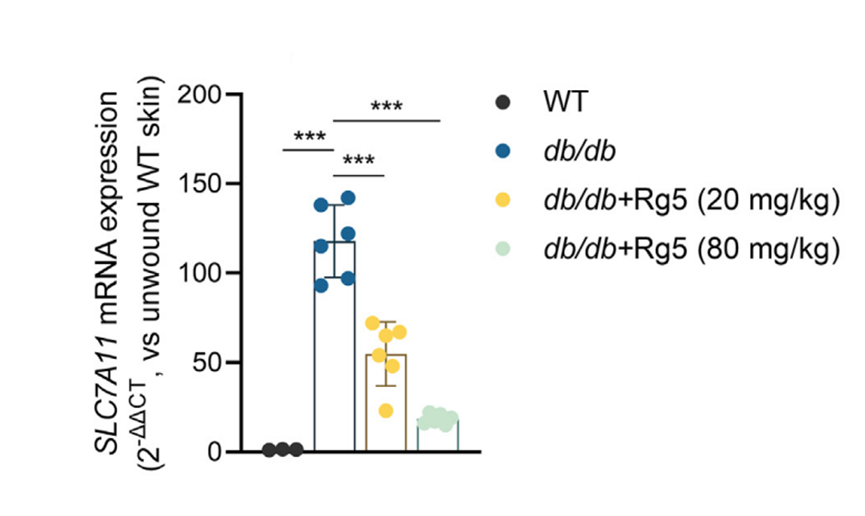
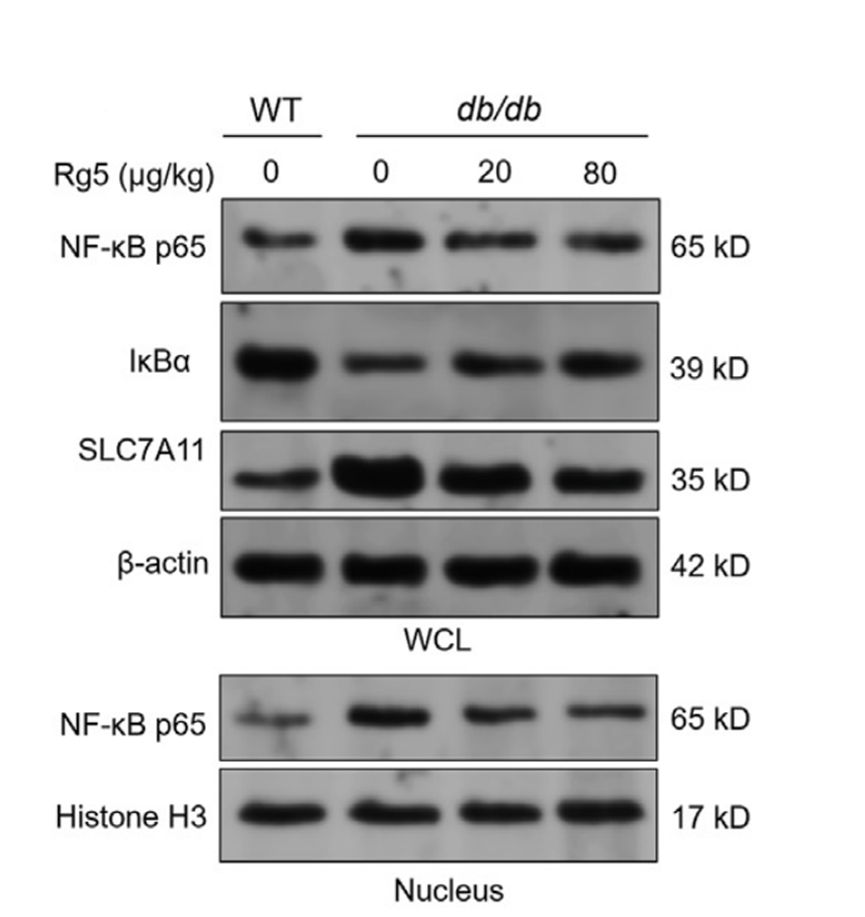
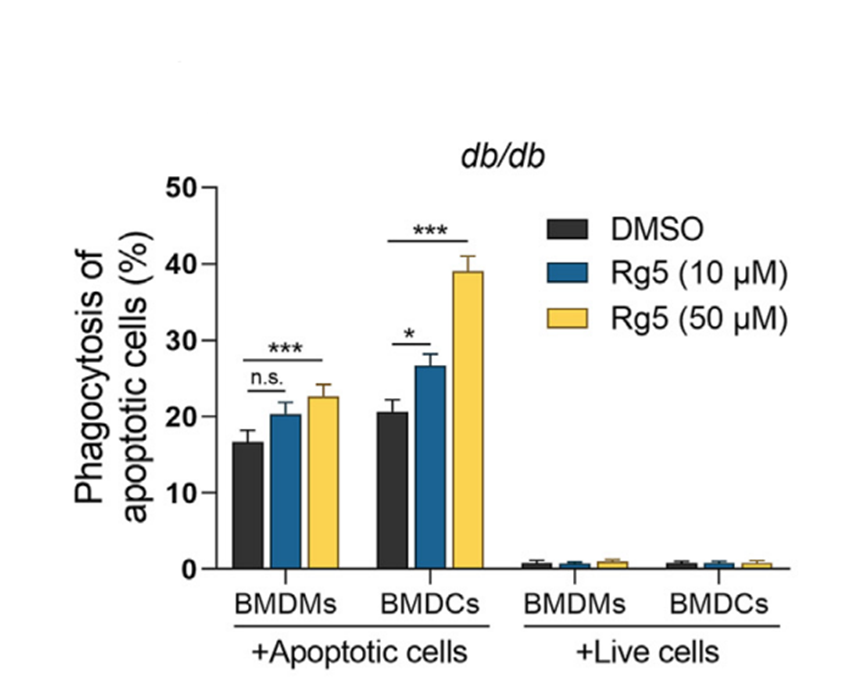
Ginsenoside Rg5 promotes wound healing in diabetes by reducing the negative regulation of SLC7A11 on the efferocytosis of dendritic cells. [Abstract]2023 Nov;47(6):784-794. PMID: 38107390
Ginsenoside Rg5 purchased from MedChemExpress. Usage Cited in: J Ginseng Res. 2023 Nov;47(6):784-794. [Abstract]
qRT-PCR was conducted to quantify SLC7A11 expression in skin lysates from unwounded wild-type (n = 3), wounded (day 4 after wounding) db/db mice (n = 6 per group) with or without Ginsenoside Rg5 treatment (20 or 80 mg/kg).
Ginsenoside Rg5 purchased from MedChemExpress. Usage Cited in: J Ginseng Res. 2023 Nov;47(6):784-794. [Abstract]
Representative images of western blotting analysis to detect NF-κB, IκBA, and SLC7A11 expression in the whole cell lysate (WCL) or the nucleus part of the skin from unwounded wild-type (n = 3), wounded (day 4 after wounding) db/db mice (n = 6 per group) with or without Ginsenoside Rg5 treatment (20 or 80 mg/kg).
Ginsenoside Rg5 purchased from MedChemExpress. Usage Cited in: J Ginseng Res. 2023 Nov;47(6):784-794. [Abstract]
Effect of Ginsenoside Rg5 (10, 20 μM) on efferocytosis of BMDMs and BMDCs derived from db/db mice.
Ginsenoside Rg5 purchased from MedChemExpress. Usage Cited in: J Ginseng Res. 2023 Nov;47(6):784-794. [Abstract]
Representative images of wounds at different time points of C57BL/BJ treated vesicle control or Ginsenoside Rg5 (Rg5) (20, 80 mg/kg, p.o.) from day 0 to day 10.
-
Metab Brain Dis
High salt diet induces cognitive impairment and is linked to the activation of IGF1R/mTOR/p70S6K signaling. [Abstract]2024 Jun;39(5):803-819. PMID: 38771412 -
Comp Biochem Physiol Part D Genomics Proteomics
High-dose ginsenoside Rg5 induces tissue-specific metabolic and transcriptional responses in muscle and liver of grass carp (Ctenopharyngodon idella). [Abstract]2026 Mar 3:59:101798. PMID: 41785563 -


Solvent & Solubility
In Vitro:
DMSO : 50 mg/mL (65.19 mM; Need ultrasonic; Hygroscopic DMSO has a significant impact on the solubility of product, please use newly opened DMSO)
Please refer to the solubility information to select the appropriate solvent. Once prepared, please aliquot and store the solution to prevent product inactivation from repeated freeze-thaw cycles.
Storage method and period of stock solution: -80°C, 6 months; -20°C, 1 month. When stored at -80°C, please use it within 6 months. When stored at -20°C, please use it within 1 month.
Please refer to the solubility information to select the appropriate solvent. Once prepared, please aliquot and store the solution to prevent product inactivation from repeated freeze-thaw cycles.
Storage method and period of stock solution: -80°C, 6 months; -20°C, 1 month. When stored at -80°C, please use it within 6 months. When stored at -20°C, please use it within 1 month.
Concentration (start) × Volume (start) = Concentration (final) × Volume (final)
In Vivo:
Select the appropriate dissolution method based on your experimental animal and administration route.
- For the following dissolution methods, please ensure to first prepare a clear stock solution using an In Vitro approach and then sequentially add co-solvents:
- To ensure reliable experimental results, the clarified stock solution can be appropriately stored based on storage conditions. As for the working solution for In Vivo experiments, it is recommended to prepare freshly and use it on the same day.
- The percentages shown for the solvents indicate their volumetric ratio in the final prepared solution. If precipitation or phase separation occurs during preparation, heat and/or sonication can be used to aid dissolution.
Add each solvent one by one: 10% DMSO 40% PEG300 5% Tween-80 45% Saline
Solubility: ≥ 2.5 mg/mL (3.26 mM); Clear solution
This protocol yields a clear solution of ≥ 2.5 mg/mL (saturation unknown).
Taking 1 mL working solution as an example, add 100 μL DMSO stock solution (25.0 mg/mL) to 400 μL PEG300, and mix evenly; then add 50 μL Tween-80 and mix evenly; then add 450 μL Saline to adjust the volume to 1 mL.
Preparation of Saline: Dissolve 0.9 g sodium chloride in ddH₂O and dilute to 100 mL to obtain a clear Saline solution.
Add each solvent one by one: 10% DMSO 90% (20% SBE-β-CD in Saline)
Solubility: ≥ 2.5 mg/mL (3.26 mM); Clear solution
This protocol yields a clear solution of ≥ 2.5 mg/mL (saturation unknown).
Taking 1 mL working solution as an example, add 100 μL DMSO stock solution (25.0 mg/mL) to 900 μL 20% SBE-β-CD in Saline, and mix evenly.
Preparation of 20% SBE-β-CD in Saline (4°C, storage for one week): 2 g SBE-β-CD powder is dissolved in 10 mL Saline, completely dissolve until clear.
In Vivo Dissolution Calculator
Please enter the basic information of animal experiments:
-
-
-
-
Recommended: Prepare an additional quantity of animals to account for potential losses during experiments.
Please enter your animal formula composition:
-
%DMSO +
Recommended: Keep the proportion of DMSO in working solution below 2% if your animal is weak.
-
%+
-
+%Tween-80 + +
-
%Saline +
The co-solvents required include: DMSO, . All of co-solvents are available by MedChemExpress (MCE). , Tween 80. All of co-solvents are available by MedChemExpress (MCE).
Working solution concentration: 0.22 mg/mL
Method for preparing stock solution: mg drug dissolved in μL DMSO. Stock solution concentration: mg/mL.
1. Take μL DMSO stock solution;
2. Add μL .
μL , mix evenly;
3. Then add μL Tween 80, mix evenly;
4. Then add μL
Please ensure that the stock solution in the first step is dissolved to a clear state, and add co-solvents in sequence. You can use ultrasonic heating (ultrasonic cleaner, recommended frequency 20-40 kHz), vortexing, etc. to assist dissolution.


Purity & Documentation
-
Data Sheet (285 KB)
-
SDS (392 KB)
- English - EN (392 KB)
- Français - FR (392 KB)
- Deutsch - DE (392 KB)
- Norwegian - NO (392 KB)
- Español - ES (392 KB)
- Swedish - SV (392 KB)
- Italian - IT (392 KB)
- Korean - KR (392 KB)
- Portuguese - PT (392 KB)
-
Handling Instructions (2659 KB)
References
[1]. Cho YL, et al. Specific activation of insulin-like growth factor-1 receptor by ginsenoside Rg5 promotes angiogenesis and vasorelaxation. J Biol Chem. 2015 Jan 2;290(1):467-77. [Content Brief]
[2]. Li W, et al. Ginsenoside Rg5 Ameliorates Cisplatin-Induced Nephrotoxicity in Mice through Inhibition of Inflammation, Oxidative Stress, and Apoptosis. Nutrients. 2016 Sep 13;8(9). pii: E566. [Content Brief]
[3]. Kim SJ, et al. Anti-breast cancer activity of Fine Black ginseng (Panax ginseng Meyer) and ginsenoside Rg5. J Ginseng Res. 2015 Apr;39(2):125-34. [Content Brief]


Complete Stock Solution Preparation Table
Please refer to the solubility information to select the appropriate solvent. Once prepared, please aliquot and store the solution to prevent product inactivation from repeated freeze-thaw cycles.
Storage method and period of stock solution: -80°C, 6 months; -20°C, 1 month. When stored at -80°C, please use it within 6 months. When stored at -20°C, please use it within 1 month.
| Optional Solvent | Concentration Solvent Mass | 1 mg | 5 mg | 10 mg | 25 mg |
|---|---|---|---|---|---|
| DMSO | 1 mM | 1.3038 mL | 6.5189 mL | 13.0378 mL | 32.5945 mL |
| 5 mM | 0.2608 mL | 1.3038 mL | 2.6076 mL | 6.5189 mL | |
| 10 mM | 0.1304 mL | 0.6519 mL | 1.3038 mL | 3.2595 mL | |
| 15 mM | 0.0869 mL | 0.4346 mL | 0.8692 mL | 2.1730 mL | |
| 20 mM | 0.0652 mL | 0.3259 mL | 0.6519 mL | 1.6297 mL | |
| 25 mM | 0.0522 mL | 0.2608 mL | 0.5215 mL | 1.3038 mL | |
| 30 mM | 0.0435 mL | 0.2173 mL | 0.4346 mL | 1.0865 mL | |
| 40 mM | 0.0326 mL | 0.1630 mL | 0.3259 mL | 0.8149 mL | |
| 50 mM | 0.0261 mL | 0.1304 mL | 0.2608 mL | 0.6519 mL | |
| 60 mM | 0.0217 mL | 0.1086 mL | 0.2173 mL | 0.5432 mL |


Ginsenoside Rg5 Related Classifications
HY-N0908 Related Classifications
 Powered by Bioz