



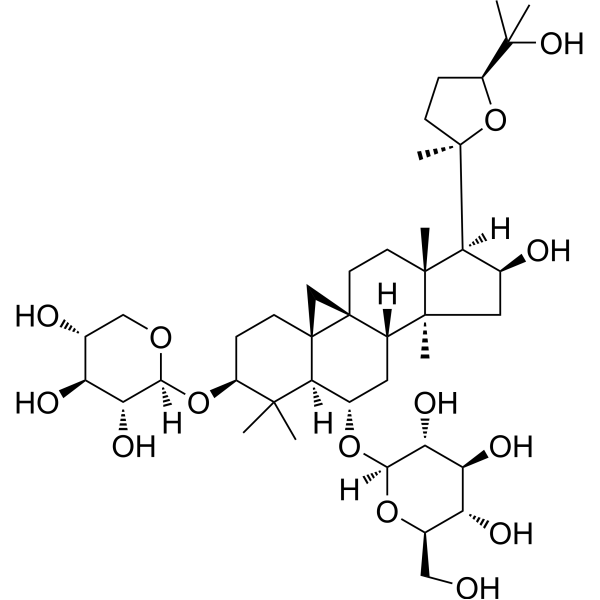
Astragaloside IV
Based on 45 publication(s) in Google Scholar
Astragaloside IV, an active component isolated from Astragalus membranaceus, suppresses the activation of ERK1/2 and JNK, and downregulates matrix metalloproteases (MMP)-2, (MMP)-9 in MDA-MB-231 breast cancer cells.
For research use only. We do not sell to patients.
- Purity : 99.93%
- CAS No.: 84687-43-4
- Formula: C41H68O14
- Molecular Weight:784.97
-
Storage:Powder -20°C, 3 years , 4°C, 2 years ; In solvent -80°C, 6 months , -20°C, 1 month

To place orders, for customer services and technical support, please contact: MedChemExpress USA
Tel: 609-228-6898 E-mail: [email protected] [email protected]


-
 Biological Activity
-
Chemical Information
-
Solvent & Solubility
- Protocols
- Purity & Documentation
- References
-
 Help & FAQs


-
HY-N0183
FormononetinFGFR2 Inhibitor -
HY-N0045
Ginsenoside Rg1Apoptosis Inducer -
HY-18085
QuercetinFlavonoid Antioxidant -
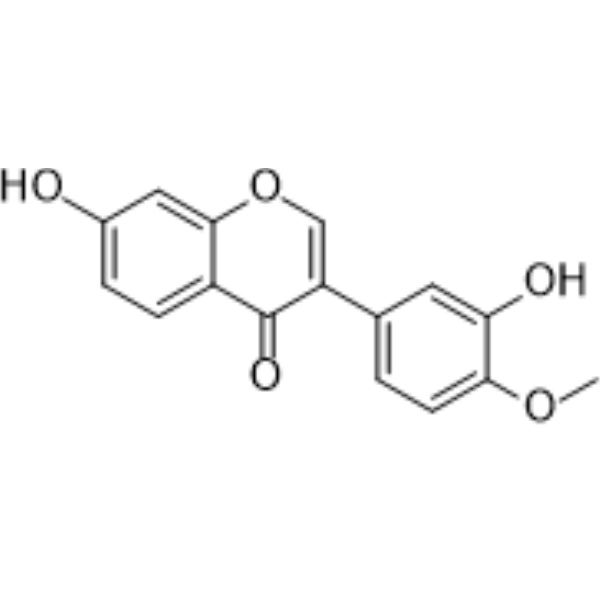
HY-N0519
CalycosinPhytoestrogen -
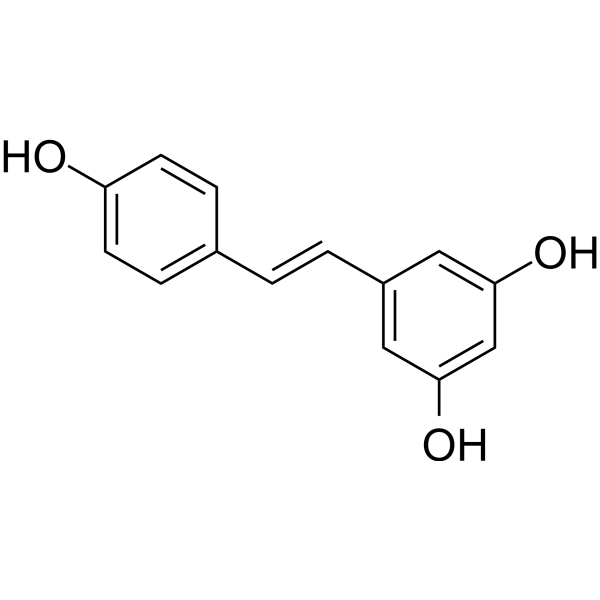
HY-16561
ResveratrolPolyphenolic Phytoalexin -
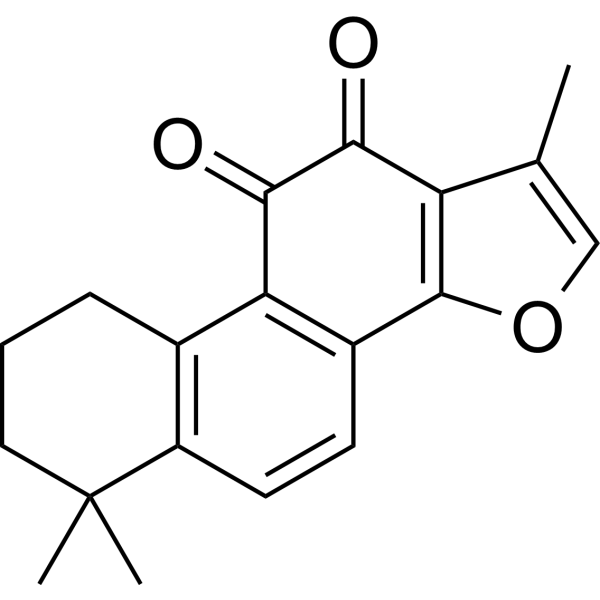
HY-N0135
Tanshinone IIAVEGFR Inhibitor -
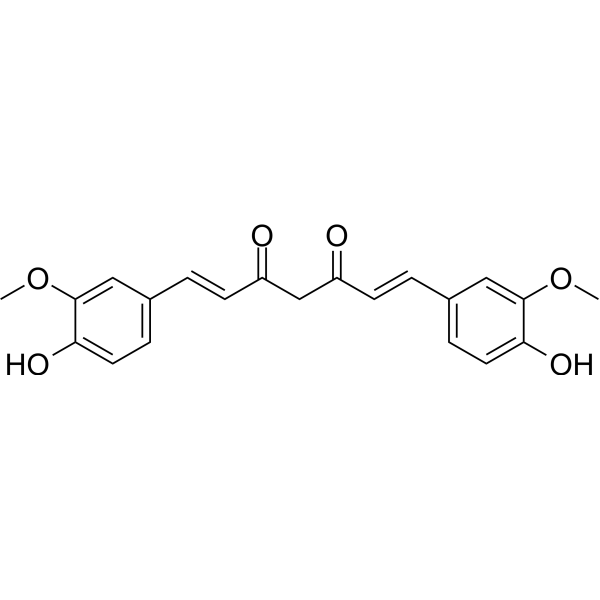
HY-N0005
Curcuminp300 Histone Acetylatransferase Inhibitor -
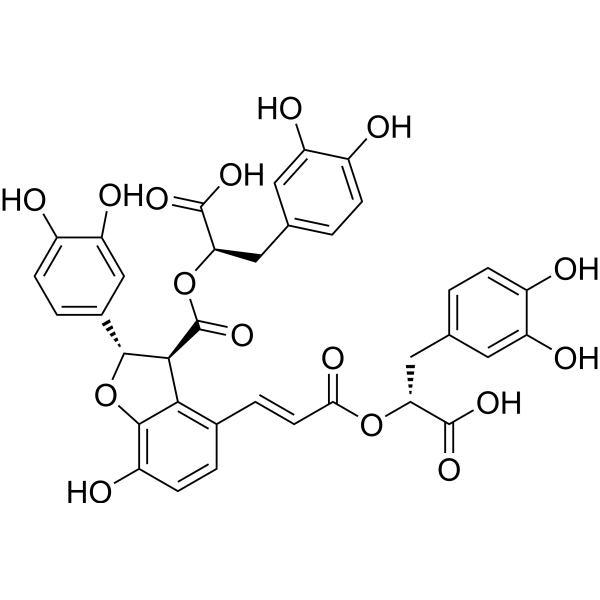
HY-N1362
Salvianolic acid BAntioxidant -
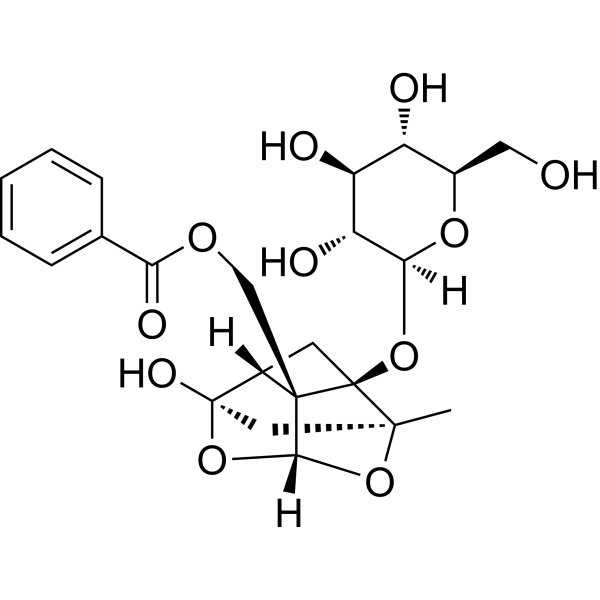
HY-N0293
PaeoniflorinHSP Activator -
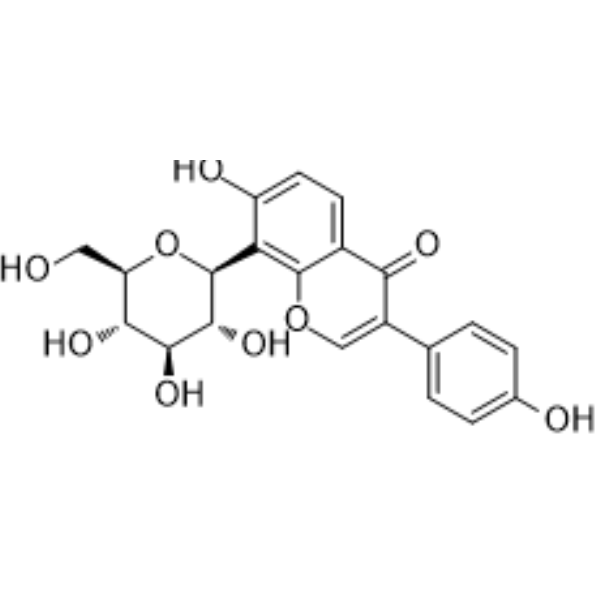
HY-N0145
Puerarin5-HT Receptor Antagonist -
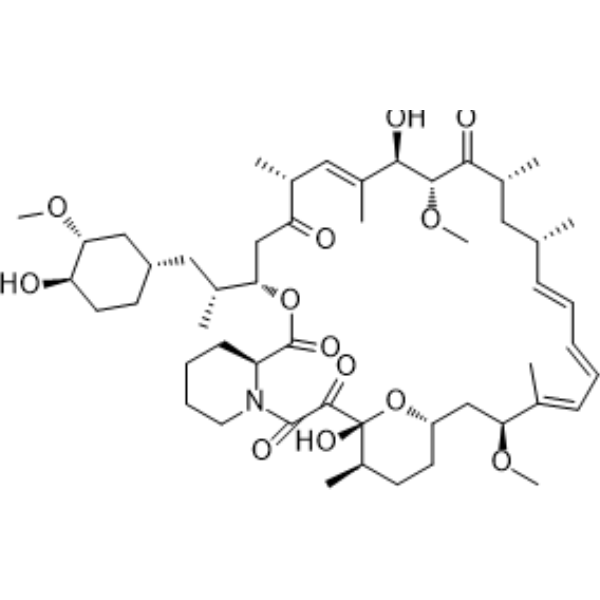
HY-10219
RapamycinmTOR Inhibitor -
HY-Y0873
PEG300Neutral Polymer
Publications Citing Use of MedChemExpress (MCE) Astragaloside IV
More- Exploration. 2025 Dec 18;5(6):20240396. [Abstract]
- J Nanobiotechnology. 2025 Feb 28;23(1):155. [Abstract]
- Phytomedicine. 2026 Jun:155:158081. [Abstract]
- Phytomedicine. 2026 Jun:155:158158. [Abstract]
- Phytomedicine. 2025 May:140:156484. [Abstract]
- Phytomedicine. 2024 Nov:134:155991. [Abstract]
- Int J Mol Med. 2026 Jun;57(6):151. [Abstract]
- Phytother Res. 2025 Oct;39(10):4744-4765. [Abstract]
- Phytother Res. 2025 Mar;39(3):1438-1452. [Abstract]
- Am J Chin Med. 2026;54(4):1281-1307. [Abstract]
- Chin Med. 2026 Jan 12;21(1):29. [Abstract]
- Biochem Pharmacol. 2026 Jul 23;253(Pt 1):118285.
- Drug Des Devel Ther. 2025 Jul 16:19:6073-6088. [Abstract]
- Eur J Pharmacol. 2020 Oct 15:885:173399. [Abstract]
- Int Immunopharmacol. 2026 Feb 15:171:116135. [Abstract]
- Int Immunopharmacol. 2025 Jan 27:146:113842. [Abstract]
- Int Immunopharmacol. 2020 Dec;89(Pt A):107169. [Abstract]
- Mol Neurobiol. 2025 Nov 7;63(1):11. [Abstract]
- Front Pharmacol. 2018 Apr 16:9:345. [Abstract]
- Mol Med Rep. 2026 Jan;33(1):38. [Abstract]
- J Mol Med (Berl). 2025 Dec 16;104(1):6. [Abstract]
- Sci Rep. 2025 Jan 15;15(1):2028. [Abstract]
- Cell Signal. 2026 Sep:145:112571. [Abstract]
- J Inflamm Res. 2025 Mar 17:18:3951-3967. [Abstract]
- BMC Cancer. 2024 Jun 4;24(1):682. [Abstract]
- Funct Integr Genomics. 2023 Apr 21;23(2):133. [Abstract]
- Neurotoxicology. 2026 May:114:103451. [Abstract]
- Reprod Toxicol. 2026 Oct:145:109328.
- Chin J Integr Med. 2025 May;31(5):422-433. [Abstract]
- Biochim Biophys Acta Gen Subj. 2026 Nov;1870(11):130992.
- Vet Microbiol. 2026 Feb:313:110858. [Abstract]
- J Mol Histol. 2025 Aug 8;56(4):260. [Abstract]
- Hereditas. 2025 Jun 13;162(1):104. [Abstract]
- Methods Protoc. 2023 Dec 9;6(6):119. [Abstract]
- Exp Ther Med. 2019 Oct;18(4):2877-2884. [Abstract]
- In Vitro Cell Dev Biol Anim. 2025 Jan;61(1):93-106. [Abstract]
- Eur J Histochem. 2026 Apr 20;70(2). [Abstract]
- Eur J Histochem. 2024 Oct 23;68(4). [Abstract]
- SSRN. 2026 Apr 14.
- Biomed Pharmacother. 2024 Aug:177:117008. [Abstract]
- Heliyon. 2024 May 9;10(10):e30984. [Abstract]
- Heliyon. 2023 Apr 11;9(4):e15436. [Abstract]
- Research Square Preprint. 2022 Jun.
- Bioengineered. 2022 Apr;13(4):8240-8254. [Abstract]
- Research Square Preprint. 2021 Aug.
 Customer Validation & Images

-
WB
-
Cell Proliferation/Viability Assay
-
RT-PCR
-
WB


Biological Activity
Description
IC50 & Target
[4]|
MMP-2 |
MMP-9 |
ERK1 |
ERK2 |
JNK |
Cellular Effect
|
Cell Line

|
Type | Value | Description | References |
|---|---|---|---|---|
| HepG2 | IC50 |
>100 μM
Compound: 20
|
Anticancer activity against human HepG2 cells assessed as cell viability after 48 hrs by MTT assay
Anticancer activity against human HepG2 cells assessed as cell viability after 48 hrs by MTT assay
|
[PMID: 24974349] |
| Vero | CC50 |
>1000 μg/mL
Compound: Astragaloside-IV
|
Cytotoxicity against African green monkey Vero cells assessed as reduction in cell viability measured after 72 hrs by MTT assay
Cytotoxicity against African green monkey Vero cells assessed as reduction in cell viability measured after 72 hrs by MTT assay
|
[PMID: 37159959] |
| Vero | EC50 |
1.56 μg/mL
Compound: Astragaloside-IV
|
Antiviral activity against Dengue virus 2 infected in African green monkey Vero cells assessed as suppression of viral replication
Antiviral activity against Dengue virus 2 infected in African green monkey Vero cells assessed as suppression of viral replication
|
[PMID: 37159959] |
In Vitro
Astragaloside IV (10, 20, 40 ng/mL) inhibits NSCLC cell growth, whereas low concentrations of astragaloside IV (1, 2.5, 5 ng/mL) has no obvious cytotoxicity on cell viability. Moreover, combined treatment with astragaloside IV significantly increases chemosensitivity to cisplatin in NSCLC cells. On the molecular level, astragaloside IV co-treatment significantly inhibits the mRNA and protein levels of B7-H3 in the presence of cisplatin[2]. Astragaloside IV inhibits the viability and invasive potential of MDA-MB-231 breast cancer cells, suppresses the activation of the mitogen activated protein kinase (MAPK) family members ERK1/2 and JNK, and downregulates matrix metalloproteases (MMP)-2 and -9[4].
MedChemExpress (MCE) has not independently confirmed the accuracy of these methods. They are for reference only. Further protocols information, click here.
In Vivo
In the mice model, the high-dose astragaloside IV group has a significant increase in the 48-hour survival rate [60% (9/15) vs 13.3% (2/15), P < 0.05], significant reductions in the serum ALT and AST levels (P < 0.01), and significant reductions in liver histopathological indices and the degree of apoptosis of hepatocytes (P < 0.01), as well as a significant reduction in the content of MDA in liver homogenate (P < 0.01) and a significant increase in the activity of SOD[3].
MedChemExpress (MCE) has not independently confirmed the accuracy of these methods. They are for reference only.


Chemical Information
-
CAS No. 84687-43-4
-
Appearance Solid
-
Molecular Weight 784.97
-
Formula C41H68O14
-
Color White to off-white
-
SMILES
O[C@H]1[C@H](O)[C@@H](O)[C@]([H])(O[C@@H]2C(C)(C)[C@@]([C@@H](O[C@]3([H])O[C@H](CO)[C@@H](O)[C@H](O)[C@H]3O)C[C@]4([H])[C@@]56CC[C@@]7(C)[C@@]4(C)C[C@H](O)[C@]7([H])[C@]8(C)O[C@H](C(C)(O)C)CC8)([H])[C@]5(C6)CC2)OC1
-
Structure Classification
-
Shipping
Room temperature in continental US; may vary elsewhere.
-
Storage
Powder -20°C 3 years 4°C 2 years In solvent -80°C 6 months -20°C 1 month


Publications (45)
-
Journal Impact Factor
-
Most Recent
-
Exploration
A Bioorthogonal and Programmable Bacterial Delivery System for Spatiotemporally Targeted Therapy of Solid Tumors. [Abstract]2025 Dec 18;5(6):20240396. PMID: 41476656 -
J Nanobiotechnology
Astragaloside IV- loaded biomimetic nanoparticles target IκBα to regulate neutrophil extracellular trap formation for sepsis therapy. [Abstract]2025 Feb 28;23(1):155. PMID: 40022068 -
Phytomedicine
Astragaloside IV remodels gastric inflammation-cancer transformation by modulating the CXCL5-CXCR2 axis-mediated epithelial-mesenchymal transition. [Abstract]2026 Jun:155:158081. PMID: 41861684 -
Phytomedicine
Astragaloside IV directly targets PPP1R14B to sensitize prostate cancer to anti-PD-1 immunotherapy by remodeling the CX3CL1/CD8+ T cell axis. [Abstract]2026 Jun:155:158158. PMID: 41950731 -
Phytomedicine
Fangchinoline suppresses nasopharyngeal carcinoma progression by inhibiting SQLE to regulate the PI3K/AKT pathway dysregulation. [Abstract]2025 May:140:156484. PMID: 40090046 -
Phytomedicine
Astragaloside IV attenuates fatty acid-induced renal tubular injury in diabetic kidney disease by inhibiting fatty acid transport protein-2. [Abstract]2024 Nov:134:155991. PMID: 39217653 -
Int J Mol Med
Astragaloside IV targets TUBB4B to inhibit proliferation and promote apoptosis of pituitary tumor cells via the STMN1/ERK pathway. [Abstract]2026 Jun;57(6):151. PMID: 41930558 -
Phytother Res
Astragaloside IV Pretreatment Alleviates Pulmonary Ischemia-Reperfusion Injury via the TLR4/MyD88/NF-κB p65 Pathway in Rats. [Abstract]2025 Oct;39(10):4744-4765. PMID: 40907985 -
Phytother Res
Astragaloside IV Relieves Central Sensitization by Regulating Astrocytic ROS/NF-κB Nuclear Translocation Signaling in Chronic Migraine Male Rats. [Abstract]2025 Mar;39(3):1438-1452. PMID: 39801364 -
Am J Chin Med
Astragaloside IV Ameliorates Diabetic Kidney Disease via Inhibiting MAPK Pathway and Alleviating Metabolic Dysregulation. [Abstract]2026;54(4):1281-1307. PMID: 42289390 -
Chin Med
Therapeutic potential of Sheng-Xian-Tang in doxorubicin-induced chronic heart failure by regulation of phenylalanine metabolism disruption. [Abstract]2026 Jan 12;21(1):29. PMID: 41527105 -
-
Drug Des Devel Ther
Astragaloside IV Promotes Osteogenic Differentiation of Periodontal Ligament Stem Cells via Activating PI3K/AKT/eNOS/NO Signaling Pathway: In vitro and in vivo Study. [Abstract]2025 Jul 16:19:6073-6088. PMID: 40687900 -
Eur J Pharmacol
Daidzein ameliorates LPS-induced hepatocyte injury by inhibiting inflammation and oxidative stress. [Abstract]2020 Oct 15:885:173399. PMID: 32712091 -
Int Immunopharmacol
Astragaloside IV alleviates ulcerative colitis via gut microbiota - butyrate metabolism axis to reshape Th17/Treg balance. [Abstract]2026 Feb 15:171:116135. PMID: 41483616 -
Int Immunopharmacol
Astragaloside IV ameliorates atherosclerosis by targeting TAK1 to suppress endothelial cell proinflammatory activation. [Abstract]2025 Jan 27:146:113842. PMID: 39706043 -
Int Immunopharmacol
Protective effect of taraxasterol on ischemia/reperfusion-induced acute kidney injury via inhibition of oxidative stress, inflammation, and apoptosis. [Abstract]2020 Dec;89(Pt A):107169. PMID: 33183976 -
Mol Neurobiol
Potential Therapeutic Effects of Astragaloside IV in Parkinson's Disease Models via Modulation of α-syn-γH2AX-STING-IFN-I Axis. [Abstract]2025 Nov 7;63(1):11. PMID: 41204052 -
Front Pharmacol
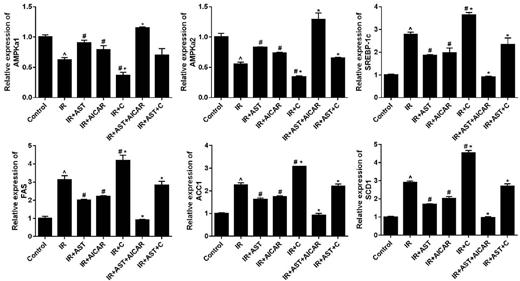
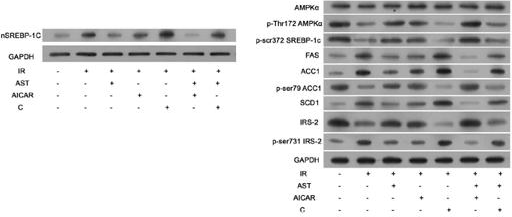
Astragaloside IV Inhibits Triglyceride Accumulation in Insulin-Resistant HepG2 Cells via AMPK-Induced SREBP-1c Phosphorylation. [Abstract]2018 Apr 16:9:345. PMID: 29713279
Astragaloside IV purchased from MedChemExpress. Usage Cited in: Front Pharmacol. 2018 Apr 16:9:345. [Abstract]
AMP-activated protein kinase activation by AST inhibits the expression of sterol regulatory element binding protein-1c (SREBP-1c) and SREBP-1c related genes. AST promotes AMPKa1 mRNA expression, AMPKa2 mRNA expression, and suppresses the expression of SREBP-1c, and its downstream genes FAS, ACC1, and also AMPK downstream gene SCD1.
Astragaloside IV purchased from MedChemExpress. Usage Cited in: Front Pharmacol. 2018 Apr 16:9:345. [Abstract]
AMP-activated protein kinase (AMPK) activation by AST blunts dysfunction of lipid metabolism and insulin resistance in HepG2 cells. Representative bands of SREBP-1c nuclear protein and cytoplasmic proteins are visualized in the immunoblotting assay.
-
Mol Med Rep
Astragaloside IV promotes the apoptosis of pancreatic cancer cells by activating endoplasmic reticulum stress through the PERK/ATF4/CHOP signaling pathway. [Abstract]2026 Jan;33(1):38. PMID: 41235672 -
J Mol Med (Berl)
Astragaloside IV inhibits the progression of hypertensive heart disease via the RXRA/PPARG/SIRT3 axis. [Abstract]2025 Dec 16;104(1):6. PMID: 41402523 -
Sci Rep
2025 Jan 15;15(1):2028. PMID: 39815001 -
Cell Signal
Astragaloside IV enhances autophagy to suppress endoplasmic reticulum stress and pyroptosis after spinal cord injury. [Abstract]2026 Sep:145:112571. PMID: 42086120 -
J Inflamm Res
Astragaloside IV Attenuates Angiotensin II-Induced Inflammatory Responses in Endothelial Cells: Involvement of Mitochondria. [Abstract]2025 Mar 17:18:3951-3967. PMID: 40125084 -
BMC Cancer
Astragaloside IV inhibits cell viability and glycolysis of hepatocellular carcinoma by regulating KAT2A-mediated succinylation of PGAM1. [Abstract]2024 Jun 4;24(1):682. PMID: 38835015 -
Funct Integr Genomics
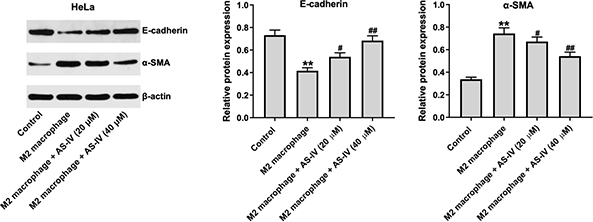
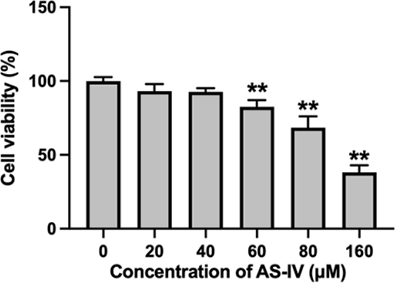
Astragaloside IV suppresses the migration and EMT progression of cervical cancer cells by inhibiting macrophage M2 polarization through TGFβ/Smad2/3 signaling. [Abstract]2023 Apr 21;23(2):133. PMID: 37081108
Astragaloside IV purchased from MedChemExpress. Usage Cited in: Funct Integr Genomics. 2023 Apr 21;23(2):133. [Abstract]
Astragaloside IV (AS-IV; 20, 40 μM; 24 h) reverses the conditioned medium (CM) downregulated expression of E-cadherin and the conditioned medium (CM) upregulated expression of α-SMA in CC cells (the CM from M2 macrophages).
Astragaloside IV purchased from MedChemExpress. Usage Cited in: Funct Integr Genomics. 2023 Apr 21;23(2):133. [Abstract]
Astragaloside IV (AS-IV; 60, 80, 160 μM; 48 h) signifcantly inhibits the viability of M2 macrophages.
-
Neurotoxicology
Astragaloside IV attenuates cisplatin-induced ototoxicity by preserving mitochondrial function and activating the Nrf2 signaling pathway. [Abstract]2026 May:114:103451. PMID: 41990879 -
-
Chin J Integr Med
Astragaloside IV Alleviates Podocyte Injury in Diabetic Nephropathy through Regulating IRE-1α/NF-κ B/NLRP3 Pathway. [Abstract]2025 May;31(5):422-433. PMID: 39039342 -
-
Vet Microbiol
AS-IV exhibits anti-SADS-CoV effects through the inhibition of the MAPK/JNK signaling pathway mediated by the S1 protein. [Abstract]2026 Feb:313:110858. PMID: 41477941 -
J Mol Histol
Protocol for the purification and culture of primary retinal ganglion cells and development of common pathological models. [Abstract]2025 Aug 8;56(4):260. PMID: 40779178 -
Hereditas
Astragaloside IV regulates FOXM1 deubiquitination to ameliorate trophoblast damage caused by high glucose. [Abstract]2025 Jun 13;162(1):104. PMID: 40514721 -
Methods Protoc
Development of a 3D Perfused In Vitro System to Assess Proangiogenic Properties of Compounds. [Abstract]2023 Dec 9;6(6):119. PMID: 38133139 -
Exp Ther Med
Astragaloside IV alleviates the symptoms of experimental ulcerative colitis in vitro and in vivo. [Abstract]2019 Oct;18(4):2877-2884. PMID: 31572532 -
In Vitro Cell Dev Biol Anim
Astragaloside promotes the secretion of MSC-derived exosomal miR-146a-5p by regulating TRAF6/NF-κB pathway to attenuate inflammation in high glucose-impaired endothelial cells. [Abstract]2025 Jan;61(1):93-106. PMID: 39441504 -
Eur J Histochem
Astragaloside IV inhibits nasopharyngeal carcinoma progression by inhibiting SATB2/Wnt/PD-L1 pathway and enhancing the killing activity of T cells. [Abstract]2026 Apr 20;70(2). PMID: 42206678 -
Eur J Histochem
Astragaloside IV augments anti-PD-1 therapy to suppress tumor growth in lung cancer by remodeling the tumor microenvironment. [Abstract]2024 Oct 23;68(4). PMID: 39440587 -
-
Biomed Pharmacother
Phenylsulfate-induced oxidative stress and mitochondrial dysfunction in podocytes are ameliorated by Astragaloside IV activation of the SIRT1/PGC1α /Nrf1 signaling pathway. [Abstract]2024 Aug:177:117008. PMID: 38901196 -
Heliyon
Astragaloside IV inhibits angiotensin II-induced atrial fibrosis and atrial fibrillation by SIRT1/PGC-1α/FNDC5 pathway. [Abstract]2024 May 9;10(10):e30984. PMID: 38803993 -
Heliyon
Astragaloside IV attenuates lipopolysaccharide induced liver injury by modulating Nrf2-mediated oxidative stress and NLRP3-mediated inflammation. [Abstract]2023 Apr 11;9(4):e15436. PMID: 37113780 -
-
Bioengineered
Astragaloside-IV alleviates high glucose-induced ferroptosis in retinal pigment epithelial cells by disrupting the expression of miR-138-5p/Sirt1/Nrf2. [Abstract]2022 Apr;13(4):8240-8254. PMID: 35302431 -


Solvent & Solubility
In Vitro:
DMSO : ≥ 100 mg/mL (127.39 mM; Hygroscopic DMSO has a significant impact on the solubility of product, please use newly opened DMSO)
* "≥" means soluble, but saturation unknown.
Please refer to the solubility information to select the appropriate solvent. Once prepared, please aliquot and store the solution to prevent product inactivation from repeated freeze-thaw cycles.
Storage method and period of stock solution: -80°C, 6 months; -20°C, 1 month. When stored at -80°C, please use it within 6 months. When stored at -20°C, please use it within 1 month.
Please refer to the solubility information to select the appropriate solvent. Once prepared, please aliquot and store the solution to prevent product inactivation from repeated freeze-thaw cycles.
Storage method and period of stock solution: -80°C, 6 months; -20°C, 1 month. When stored at -80°C, please use it within 6 months. When stored at -20°C, please use it within 1 month.
Concentration (start) × Volume (start) = Concentration (final) × Volume (final)
In Vivo:
Select the appropriate dissolution method based on your experimental animal and administration route.
- For the following dissolution methods, please ensure to first prepare a clear stock solution using an In Vitro approach and then sequentially add co-solvents:
- To ensure reliable experimental results, the clarified stock solution can be appropriately stored based on storage conditions. As for the working solution for In Vivo experiments, it is recommended to prepare freshly and use it on the same day.
- The percentages shown for the solvents indicate their volumetric ratio in the final prepared solution. If precipitation or phase separation occurs during preparation, heat and/or sonication can be used to aid dissolution.
Add each solvent one by one: 10% DMSO 40% PEG300 5% Tween-80 45% Saline
Solubility: 2.5 mg/mL (3.18 mM); Suspended solution; Need ultrasonic
This protocol yields a suspended solution of 2.5 mg/mL. Suspended solution can be used for oral and intraperitoneal injection.
Taking 1 mL working solution as an example, add 100 μL DMSO stock solution (25.0 mg/mL) to 400 μL PEG300, and mix evenly; then add 50 μL Tween-80 and mix evenly; then add 450 μL Saline to adjust the volume to 1 mL.
Preparation of Saline: Dissolve 0.9 g sodium chloride in ddH₂O and dilute to 100 mL to obtain a clear Saline solution.
Add each solvent one by one: 10% DMSO 90% (20% SBE-β-CD in Saline)
Solubility: ≥ 2.5 mg/mL (3.18 mM); Clear solution
This protocol yields a clear solution of ≥ 2.5 mg/mL (saturation unknown).
Taking 1 mL working solution as an example, add 100 μL DMSO stock solution (25.0 mg/mL) to 900 μL 20% SBE-β-CD in Saline, and mix evenly.
Preparation of 20% SBE-β-CD in Saline (4°C, storage for one week): 2 g SBE-β-CD powder is dissolved in 10 mL Saline, completely dissolve until clear.
For the following dissolution methods, please prepare the working solution directly:
It is recommended to prepare fresh solutions and use them promptly within a short period of time.
The percentages shown for the solvents indicate their volumetric ratio in the final prepared solution. If precipitation or phase separation occurs during preparation, heat and/or sonication can be used to aid dissolution.
Add each solvent one by one: 50% PEG300 50% Saline
Solubility: 8 mg/mL (10.19 mM); Suspended solution; Need ultrasonic
Add each solvent one by one: 15% Cremophor EL 85% Water
Solubility: 8 mg/mL (10.19 mM); Suspended solution; Need ultrasonic
In Vivo Dissolution Calculator
Please enter the basic information of animal experiments:
-
-
-
-
Recommended: Prepare an additional quantity of animals to account for potential losses during experiments.
Please enter your animal formula composition:
-
%DMSO +
Recommended: Keep the proportion of DMSO in working solution below 2% if your animal is weak.
-
%+
-
+%Tween-80 + +
-
%Saline +
The co-solvents required include: DMSO, . All of co-solvents are available by MedChemExpress (MCE). , Tween 80. All of co-solvents are available by MedChemExpress (MCE).
Working solution concentration: 0.22 mg/mL
Method for preparing stock solution: mg drug dissolved in μL DMSO. Stock solution concentration: mg/mL.
1. Take μL DMSO stock solution;
2. Add μL .
μL , mix evenly;
3. Then add μL Tween 80, mix evenly;
4. Then add μL
Please ensure that the stock solution in the first step is dissolved to a clear state, and add co-solvents in sequence. You can use ultrasonic heating (ultrasonic cleaner, recommended frequency 20-40 kHz), vortexing, etc. to assist dissolution.

Protocols
-
Mitochondrial membrane-potential fluorescent assay
Mitochondrial membrane potential fluorescent assays estimate ΔΨm in living cells using lipophilic cationic dyes such as TMRM, TMRE, rhodamine 123, and JC-1, which accumulate in mitochondria according to membrane polarization; loss of signal after FCCP or CCCP treatment is interpreted as mitochondrial depolarization. TMRM/TMRE and rhodamine 123 are commonly used for semi-quantitative live-cell microscopy or flow cytometry, while JC-1 can report a shift from red aggregate fluorescence to green monomer fluorescence during depolarization; interpretation requires controls because dye concentration, quenching mode, cell type, dye efflux, and mitochondrial mass can affect fluorescence independently of ΔΨm.
-
Mitochondrial membrane-potential and mitochondrial mass staining
Mitochondrial membrane potential staining measures the electrochemical polarization across the mitochondrial inner membrane in live cells using lipophilic cationic fluorescent probes; early rhodamine-based work showed that selective mitochondrial dye accumulation is lost when the mitochondrial transmembrane potential is dissipated. JC-1 reports mitochondrial polarization by shifting from green monomer fluorescence to red J-aggregate fluorescence as dye concentration increases within energized mitochondria; therefore, the red/green fluorescence ratio is used as a relative readout of mitochondrial membrane potential. TMRE or TMRM staining provides a single-channel relative readout because these cationic rhodamine esters accumulate in polarized mitochondria, and lower fluorescence indicates reduced mitochondrial polarization when acquisition and dye-loading conditions are controlled. Mitochondrial mass staining is commonly performed with MitoTracker Green FM or related MitoTracker dyes as
-
Breast Cancer Modeling
Breast cancer is a heterogeneous cancer, and it has been distinguished into four subtypes: luminal A, luminal B, HER2-positive and basal-like. Molecular mutations, epigenetic alterations, hormone exposure and immune microenvironment are related to the progression of breast cancer.


Purity & Documentation
-
Data Sheet (287 KB)
-
SDS (393 KB)
- English - EN (393 KB)
- Français - FR (393 KB)
- Deutsch - DE (393 KB)
- Norwegian - NO (393 KB)
- Español - ES (393 KB)
- Swedish - SV (393 KB)
- Italian - IT (393 KB)
- Korean - KR (393 KB)
- Portuguese - PT (393 KB)
-
Handling Instructions (2659 KB)
References
[1]. Li M, et al. Astragaloside IV attenuates cognitive impairments induced by transient cerebral ischemia and reperfusion in mice via anti-inflammatory mechanisms. Neurosci Lett. 2016 Dec 20. pii: S0304-3940(16)30994- [Content Brief]
[2]. He CS, et al. Astragaloside IV Enhances Cisplatin Chemosensitivity in Non-Small Cell Lung Cancer Cells Through Inhibition of B7-H3. Cell Physiol Biochem. 2016;40(5):1221-1229. Epub 2016 Dec 14. [Content Brief]
[3]. Liu L, et al. [Protective effect of astragaloside IV against acute liver failure in experimental mice]. Zhonghua Gan Zang Bing Za Zhi. 2016 Oct 20;24(10):772-777 [Content Brief]
[4]. Jiang K, et al. Astragaloside IV inhibits breast cancer cell invasion by suppressing Vav3 mediated Rac1/MAPK signaling. Int Immunopharmacol. 2016 Dec 5;42:195-20 [Content Brief]


Complete Stock Solution Preparation Table
Please refer to the solubility information to select the appropriate solvent. Once prepared, please aliquot and store the solution to prevent product inactivation from repeated freeze-thaw cycles.
Storage method and period of stock solution: -80°C, 6 months; -20°C, 1 month. When stored at -80°C, please use it within 6 months. When stored at -20°C, please use it within 1 month.
| Optional Solvent | Concentration Solvent Mass | 1 mg | 5 mg | 10 mg | 25 mg |
|---|---|---|---|---|---|
| DMSO | 1 mM | 1.2739 mL | 6.3697 mL | 12.7393 mL | 31.8484 mL |
| 5 mM | 0.2548 mL | 1.2739 mL | 2.5479 mL | 6.3697 mL | |
| 10 mM | 0.1274 mL | 0.6370 mL | 1.2739 mL | 3.1848 mL | |
| 15 mM | 0.0849 mL | 0.4246 mL | 0.8493 mL | 2.1232 mL | |
| 20 mM | 0.0637 mL | 0.3185 mL | 0.6370 mL | 1.5924 mL | |
| 25 mM | 0.0510 mL | 0.2548 mL | 0.5096 mL | 1.2739 mL | |
| 30 mM | 0.0425 mL | 0.2123 mL | 0.4246 mL | 1.0616 mL | |
| 40 mM | 0.0318 mL | 0.1592 mL | 0.3185 mL | 0.7962 mL | |
| 50 mM | 0.0255 mL | 0.1274 mL | 0.2548 mL | 0.6370 mL | |
| 60 mM | 0.0212 mL | 0.1062 mL | 0.2123 mL | 0.5308 mL | |
| 80 mM | 0.0159 mL | 0.0796 mL | 0.1592 mL | 0.3981 mL | |
| 100 mM | 0.0127 mL | 0.0637 mL | 0.1274 mL | 0.3185 mL |


Astragaloside IV Related Classifications
HY-N0431 Related Classifications
 Powered by Bioz