



IKK-β
IKK-β (IKBKB) is a catalytic subunit of the IκB kinase (IKK) complex and functions as a central signal integration node that regulates canonical NF-κB signaling, inflammatory responses, cell survival, and immune activation[1]. Mechanistically, activated IKK-β phosphorylates inhibitory IκB proteins, promoting their ubiquitin-dependent degradation and releasing NF-κB transcription factors for nuclear translocation and target gene expression[2]. Through this pathway, IKK-β links extracellular inflammatory stimuli to transcriptional programs that control cytokine production, stress responses, and cellular adaptation[1][3]. In disease contexts, dysregulated IKK-β/NF-κB signaling has been associated with chronic inflammation, cancer, metabolic disorders, cardiovascular disease, and pathogen-driven pathology, making the kinase a widely studied experimental target[1][3]. Compared with the related catalytic isoform IKK-α (CHUK), IKK-β is the predominant kinase mediating canonical NF-κB activation in a NEMO-dependent manner, whereas IKK family members also participate in additional signaling networks beyond classical NF-κB regulation[4]. This functional distinction is important for mechanistic studies aimed at dissecting pathway-specific signaling outputs and inflammatory phenotypes[4]. For experimental applications, pharmacological or genetic inhibition of IKK-β is commonly used to suppress NF-κB activation and evaluate the contribution of inflammatory signaling to disease models, while the expanding spectrum of IKK substrates continues to inform the interpretation of inhibitor-based studies[3][4].
Verweise:
- [1]. Zhang J, et al. IκB kinase β (IKKβ): Structure, transduction mechanism, biological function, and discovery of its inhibitors. Int J Biol Sci. 2023 Aug 6;19(13):4181-4203. [Content Brief]
- [2]. IKK-β gene information from NCBI.
- [3]. Hinz M. The IκB kinase complex in NF-κB regulation and beyond. EMBO Rep. 2014 Jan;15(1):46-61. [Content Brief]
- [4]. Antonia RJ, et al. Expanding the View of IKK: New Substrates and New Biology. Trends Cell Biol. 2021 Mar;31(3):166-178. [Content Brief]
-
IKK-β Verwandte Produkte (69)
Verwandte Produkte (69)

-
Antibodies (1)
-
Resveratrol
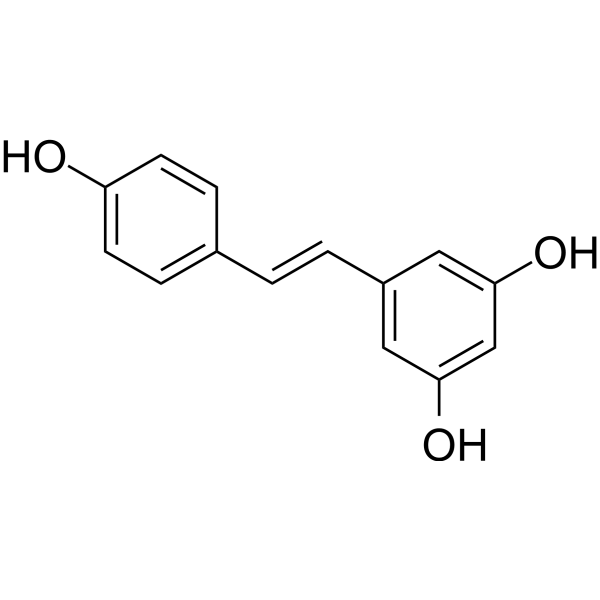 0 ImagesResveratrol (trans-Resveratrol; SRT501) is a CNS-penetrant natural polyphenolic phytoalexin that possesses anti-oxidant, anti-inflammatory, cardioprotective, and anti-cancer properties. Resveratrol (SRT 501) has a wide spectrum of targets including mTOR, JAK, β-amyloid, Adenylyl cyclase, IKKβ, DNA polymerase. Resveratrol also is a specific SIRT1 activator. Resveratrol is a potent pregnane X receptor (PXR) inhibitor. Resveratrol is an Nrf2 activator, ameliorates aging-related progressive renal injury in mice model. Resveratrol increases production of NO in endothelial cells.
-
Parthenolide
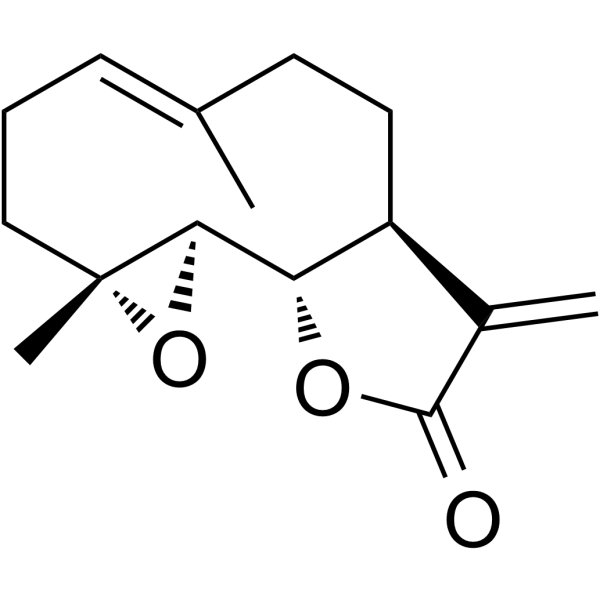 0 ImagesSynonyms: (-)-Parthenolide
-
IKK 16
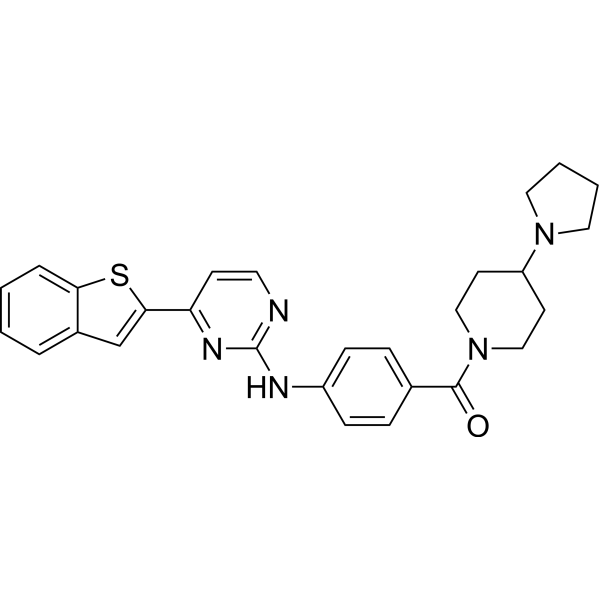 0 ImagesIKK 16 is an orally active IKK inhibitor. IKK 16 shows IC50s of 40 nM, 70 nM, 200 nM, and 50 nM for IKK2, IKK complex, IKK1, and LRRK 2, respectively. IKK 16 is also a pan-PKD inhibitor, inhibiting PKD1, PKD2, and PKD3 with IC50s of 153.9, 115, and 99.7 nM, respectively. IKK 16 is also an ABCB1 inhibitor, interfering with the binding of ABCB1 to its substrates. IKK 16 protects against LPS (HY-D1056)-induced multiple organ dysfunction by reducing the acute inflammatory response induced by endotoxin exposure. IKK 16 can restore renal function and alleviate fibrosis in acute kidney injury. IKK 16 attenuates cardiac dysfunction associated with polymicrobial sepsis in mice with type 2 diabetes mellitus (T2DM) by inhibiting the NF-κB pathway.
-
Resveratrol (Standard)
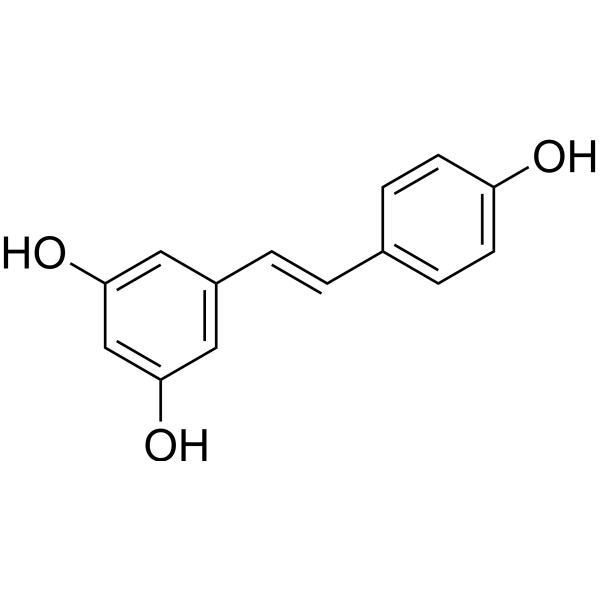 0 ImagesSynonyms: trans-Resveratrol (Standard); SRT501 (Standard)Resveratrol (Standard) is the analytical standard of Resveratrol. This product is intended for research and analytical applications. Resveratrol (trans-Resveratrol; SRT501), a natural polyphenolic phytoalexin that possesses anti-oxidant, anti-inflammatory, cardioprotective, and anti-cancer properties. Resveratrol (SRT 501) has a wide spectrum of targets including mTOR, JAK, β-amyloid, Adenylyl cyclase, IKKβ, DNA polymerase. Resveratrol also is a specific SIRT1 activator. Resveratrol is a potent pregnane X receptor (PXR) inhibitor. Resveratrol is an Nrf2 activator, ameliorates aging-related progressive renal injury in mice model. Resveratrol increases production of NO in endothelial cells.
-
CDDO-biotin
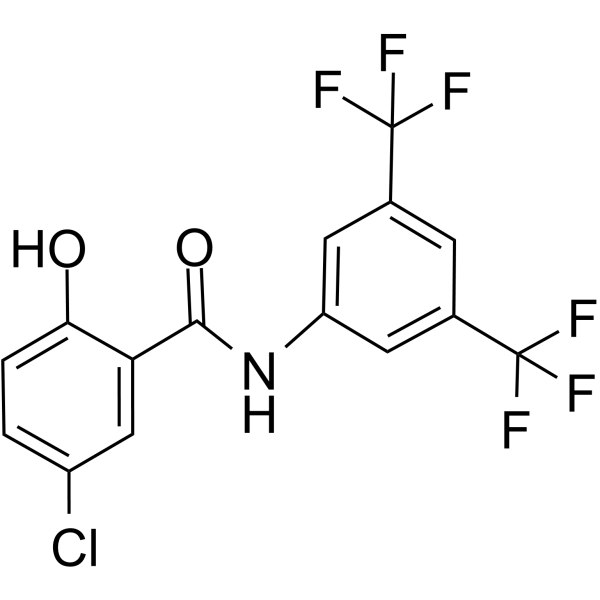
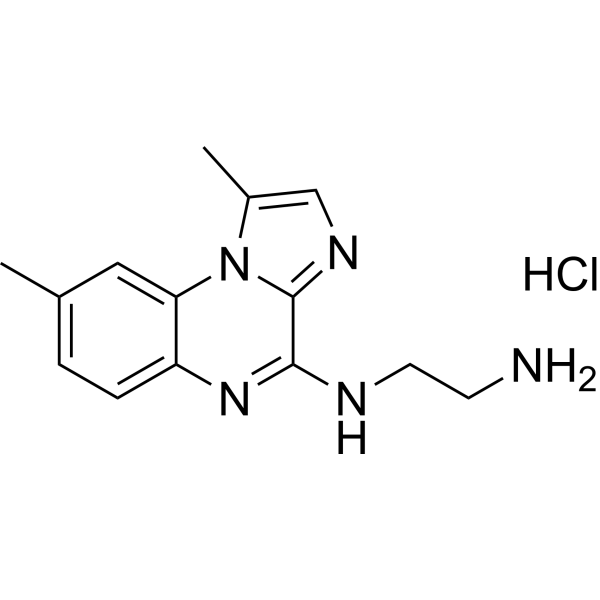
 0 ImagesArt. -Nr.: HY-186167CAS. Nr.: 3110422-01-7CDDO-biotin is an IKKβ inhibitor with cancer cell inhibitory activity. CDDO-biotin directly interacts with and oxidizes Cys-179 in the activation loop of IKKβ, forming an adduct with wild-type IKKβ. CDDO-biotin can be used in the research of myeloid leukemia, osteosarcoma, multiple myeloma, lung cancer, breast cancer and pancreatic cancer.
-
β-1,3-Glucan
 0 ImagesSynonyms: β Glucanβ-1,3-Glucan (β Glucan) is an orally active polysaccharide composed of glucose polymers. β-1,3-Glucan increase the activity of IKKβ kinase, enhances the production of nitric oxide. β-1,3-Glucan improves resistance to Vibrio harveyi infection. β-1,3-Glucan enhances immune response, promotes blood pressure recovery, reduces lung, kidney and liver damage, inhibits the growth of syngeneic tumors.
-
MLN120B
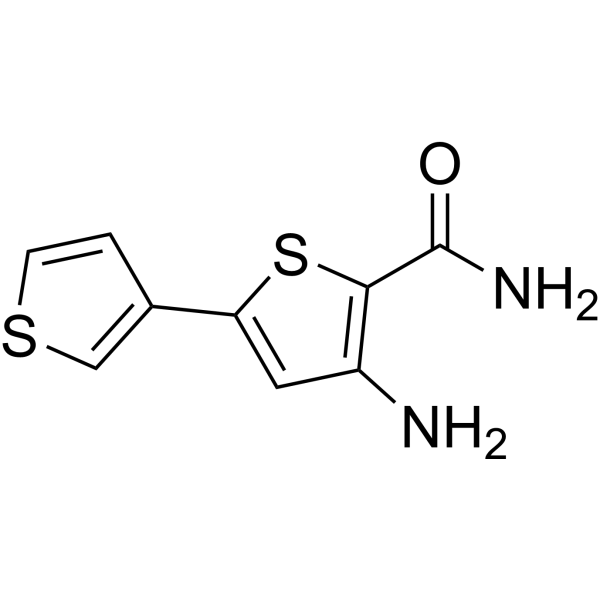
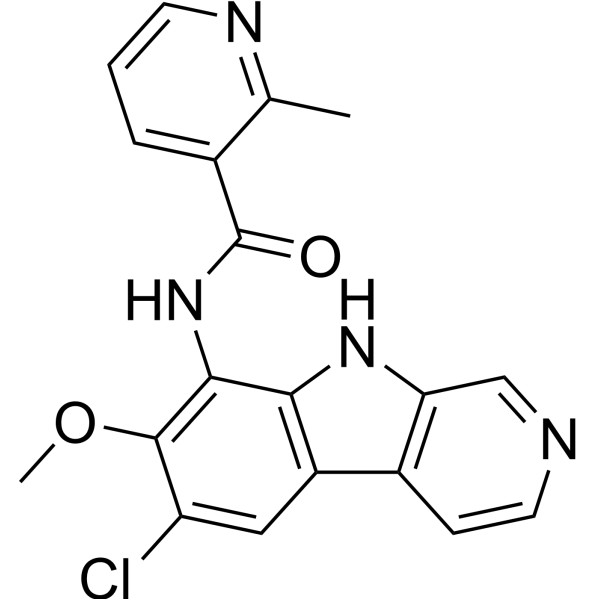 0 ImagesSynonyms: ML120BMLN120B (ML120B) is a potent, ATP competitive, and orally active inhibitor of IKKβ with an IC50 of 60 nM. MLN120B inhibits multiple myeloma cell growth in vitro and in vivo and also can be used for the research of rheumatoid arthritis.
-
Plantainoside D
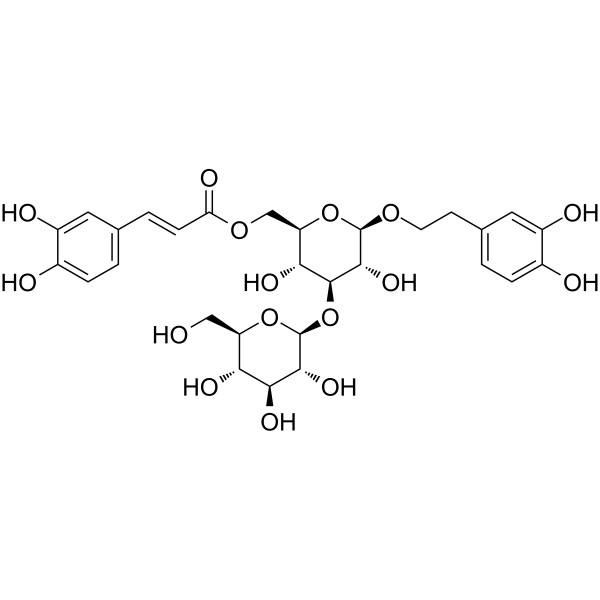 0 ImagesPlantainoside D, a phenylethanoid glycosides, is a IKK-β inhibitor with diverse biological activities. Plantainoside D shows inhibitory activity of angiotensin-converting enzyme (ACE) with an IC50 of 2.17 mM. Plantainoside D significantly reduces the release of glutamate from nerve terminals in the cerebral cortex of rats by inhibiting the voltage-dependent calcium channel (VDCCs) and protein kinase C (PKC) signaling cascade. Plantainoside D significantly alleviates cell apoptosis by inhibiting the generation of ROS and the activation of NF-κB. Plantainoside D significantly improves acute lung injury (ALI) induced by sepsis by regulating the Sirt3/NLRP3 signaling pathway. Plantainoside D can be used for the study of neuroprotection, antioxidant, anti-inflammation, antihypertension.
-
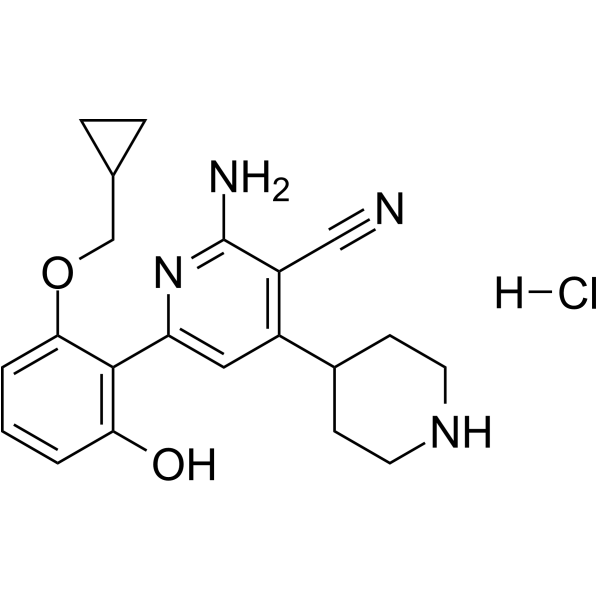
BI605906
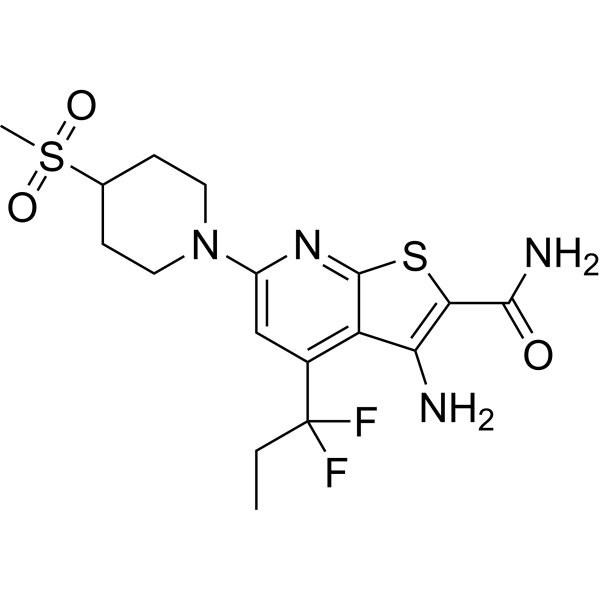 0 ImagesBI605906, a chemical probe, is a novel IKKβ inhibitor with an IC50 value of 380 nM when assayed at 0.1 mM ATP.
-
IKK 16 hydrochloride
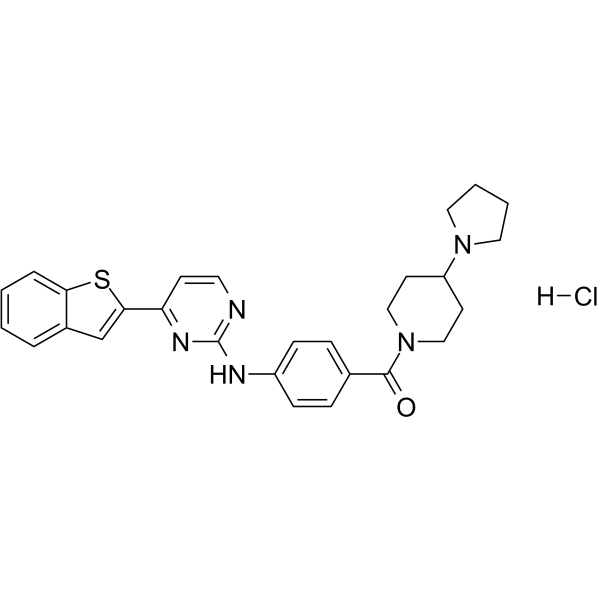 0 ImagesIKK 16 hydrochloride is an orally active IKK inhibitor. IKK 16 hydrochloride shows IC50s of 40 nM, 70 nM, 200 nM, and 50 nM for IKK2, IKK complex, IKK1, and LRRK 2, respectively. IKK 16 hydrochloride is also a pan-PKD inhibitor, inhibiting PKD1, PKD2, and PKD3 with IC50s of 153.9, 115, and 99.7 nM, respectively. IKK 16 hydrochloride is also an ABCB1 inhibitor, interfering with the binding of ABCB1 to its substrates. IKK 16 hydrochloride protects against LPS (HY-D1056)-induced multiple organ dysfunction by reducing the acute inflammatory response induced by endotoxin exposure. IKK 16 hydrochloride can restore renal function and alleviate fibrosis in acute kidney injury. IKK 16 hydrochloride attenuates cardiac dysfunction associated with polymicrobial sepsis in mice with type 2 diabetes mellitus (T2DM) by inhibiting the NF-κB pathway.
-
Bay 65-1942 hydrochloride
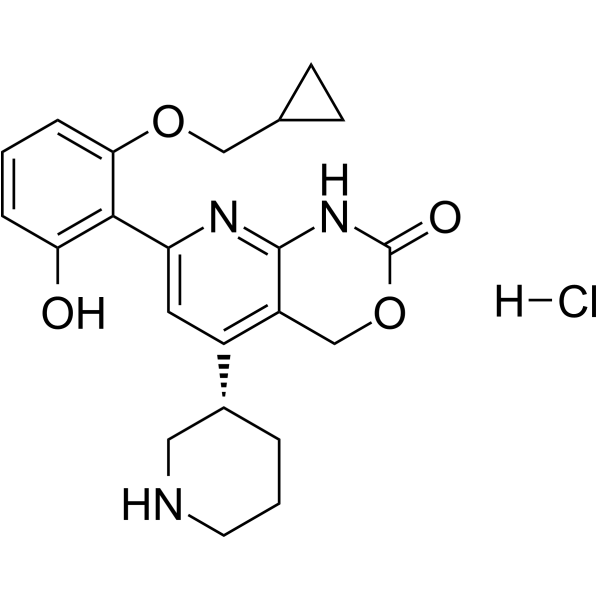 0 ImagesBay 65-1942 hydrochloride is an ATP-competitive and selective IKKβ inhibitor.
-
LY2409881 trihydrochloride
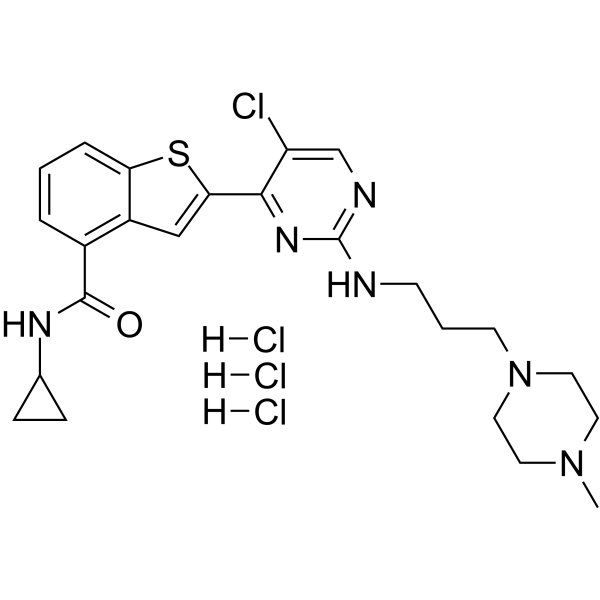 0 ImagesLY2409881 trihydrochloride is a selective IκB kinase β (IKK2) inhibitor with an IC50 of 30 nM.
-
SU1261
 0 ImagesSU1261 is an IKK inhibitor with Ki values of 10 nM and 680 nM for IKKα and IKKβ, respectively. SU1261 can inhibit non-canonical NF-κB signaling in U2OS osteosarcoma cells.




