



Atrial Fibrillation
-
Atrial Fibrillation (24)

- 1
- 2
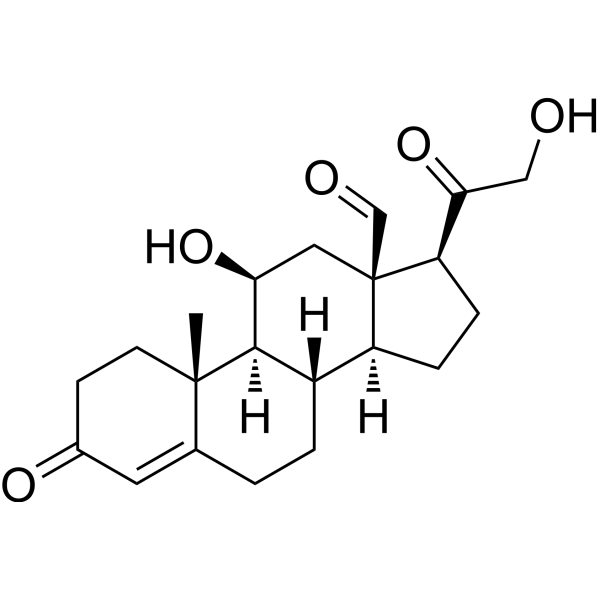
- Formula: C21H28O5
- Molecular Weight: 360.44
Aldosterone is the primary mineralocorticoid. Aldosterone is a steroid hormone, and it is synthesized and secreted in response to renin-angiotensin system activation (RAS) or high dietary potassium by the zona glomerulosa (ZG) of the adrenal cortex. Aldosterone activity is dependent by the binding and activation of the cytoplasmic/nuclear mineralocorticoid receptor (MR) at cellular level.
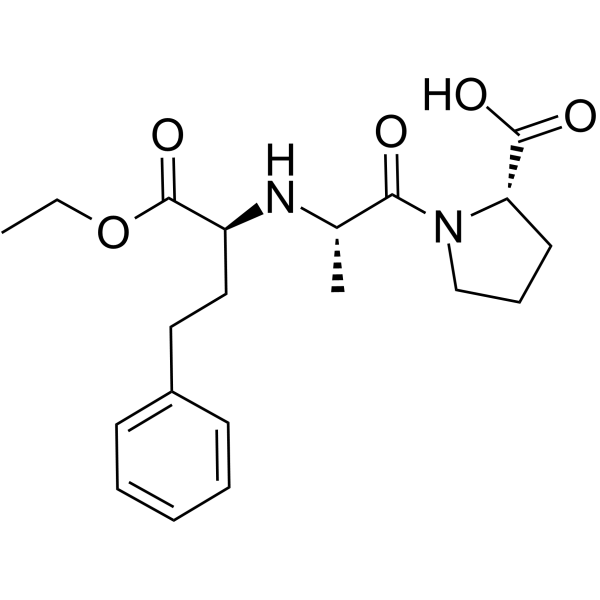
- Formula: C20H28N2O5
- Molecular Weight: 376.45
Enalapril (MK-421) is an orally active angiotensin-converting enzyme inhibitor. Enalapril blocks the conversion of angiotensin I to angiotensin II, regulates the renin-angiotensin system, reduces preload and afterload, and decreases plasma angiotensin II levels. Enalapril inhibits apoptosis, reduces nitric oxide metabolite levels, stabilizes endothelial cells, enhances endothelial antioxidant defense, scavenges reactive oxygen species (ROS), and alleviates neuronal damage. Enalapril attenuates glutathione depletion, protein/lipid oxidation, tissue damage, and type III collagen immunolabeling in organs of diabetic rats. Enalapril reduces systolic blood pressure and urinary albumin excretion, and delays the progression of diabetic cardiac/renal injury. Enalapril is used in research related to asymptomatic left ventricular dysfunction, congestive heart failure, Alzheimer's disease, diabetes mellitus, acute myocardial infarction, atrial fibrillation, hypertension, cerebral ischemia, chronic heart failure, and single-ventricle physiology.
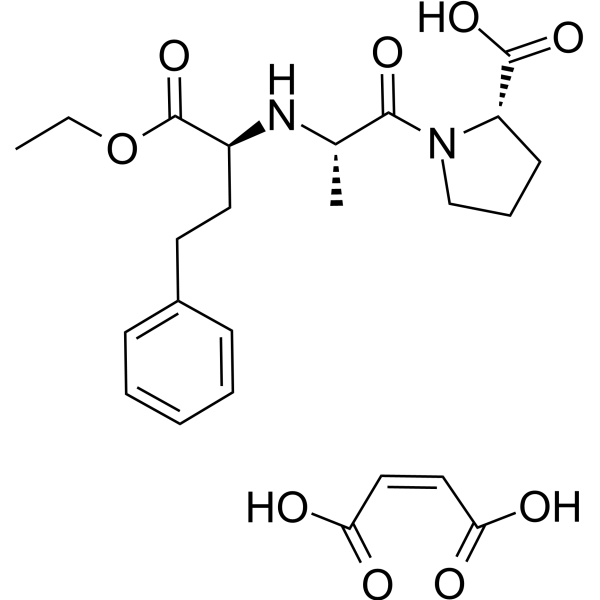
- Formula: C24H32N2O9
- Molecular Weight: 492.52
Enalapril maleate (MK-421 maleate) is an orally active angiotensin-converting enzyme inhibitor. Enalapril maleate blocks the conversion of angiotensin I to angiotensin II, regulates the renin-angiotensin system, reduces preload and afterload, and decreases plasma angiotensin II levels. Enalapril maleate inhibits apoptosis, reduces nitric oxide metabolite levels, stabilizes endothelial cells, enhances endothelial antioxidant defense, scavenges reactive oxygen species (ROS), and alleviates neuronal damage. Enalapril maleate attenuates glutathione depletion, protein/lipid oxidation, tissue damage, and type III collagen immunolabeling in organs of diabetic rats. Enalapril maleate reduces systolic blood pressure and urinary albumin excretion, and delays the progression of diabetic cardiac/renal injury. Enalapril maleate is used in research related to asymptomatic left ventricular dysfunction, congestive heart failure, Alzheimer's disease, diabetes mellitus, acute myocardial infarction, atrial fibrillation, hypertension, cerebral ischemia, chronic heart failure, and single-ventricle physiology.
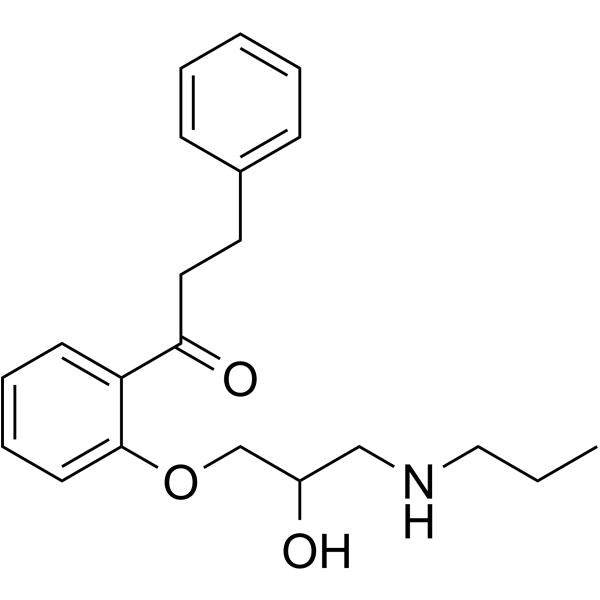
- Formula: C21H27NO3
- Molecular Weight: 341.44
Propafenone (SA-79), a sodium-channel blocker, acts an antiarrhythmic agent. Propafenone also has high affinity for the β receptor (IC50=32 nM). Propafenone blocks the transient outward current (Ito) and the sustained delayed rectifier K current (Isus) with IC50 values of 4.9 μm and 8.6 μm, respectively. Propafenone suppresses esophageal cancer proliferation through inducing mitochondrial dysfunction and induce apoptosis.
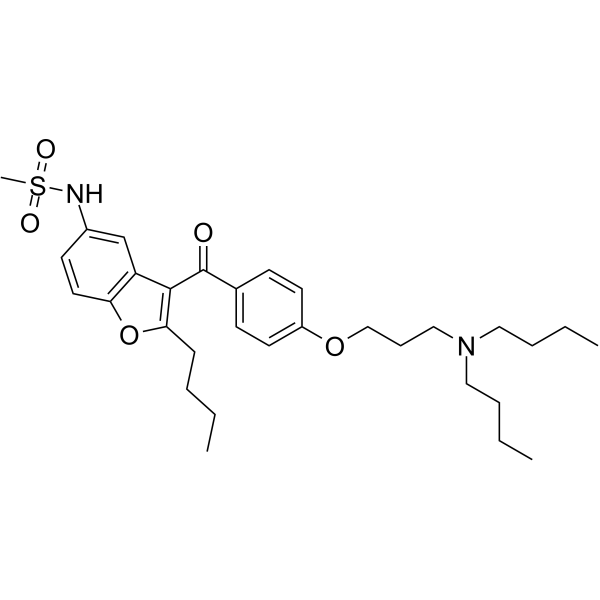
- Formula: C31H44N2O5S
- Molecular Weight: 556.76
Dronedarone (SR 33589), a derivative of amiodarone (HY-14187), is a class III antiarrhythmic agent for the study of atrial fibrillation (AF) and atrial flutter. Dronedarone is a potent blocker of multiple ion currents, including potassium current, sodium current, and L-type calcium current, and exhibits antiadrenergic effects by noncompetitive binding to β-adrenergic receptors. Dronedarone is a substrate for and a moderate inhibitor of CYP3A4.

- Formula: C24H16FN3OS2
- Molecular Weight: 445.53
AM-001 is a selective Epac1 inhibitor with an IC50 value of 47.8-53.7 μM. AM-001 blocks cAMP (Cyclic AMP) (HY-B1511)-induced conformational changes of Epac1, inhibits Epac1-dependent activation of Rap1, and does not compete with cAMP for binding to Epac1. AM-001 disrupts the formation of the Epac1-GRK5 complex, blocks nuclear import of GRK5, and inhibits GRK5-mediated nuclear export of HDAC5 and activation of MEF2. AM-001 can be used in research related to heart disease, myocardial ischemia/reperfusion injury, SARS-CoV-2 infection, influenza A virus infection, atrial fibrillation and idiopathic pulmonary fibrosis.

- Formula: C27H36N2O5S
- Molecular Weight: 500.65
Debutyldronedarone (SR35021) is a Cytochrome P450 enzyme inhibitor and a Thyroid Hormone Receptor inhibitor, and it is a metabolite of Dronedarone (HY-A0016). Debutyldronedarone inhibits the binding of T3 to TRα1 and TRβ1. Debutyldronedarone reduces the incidence of reperfusion-induced ventricular fibrillation in anesthetized rats, while decreasing their heart rate and blood pressure. Debutyldronedarone can be used in studies related to ventricular fibrillation and atrial fibrillation.
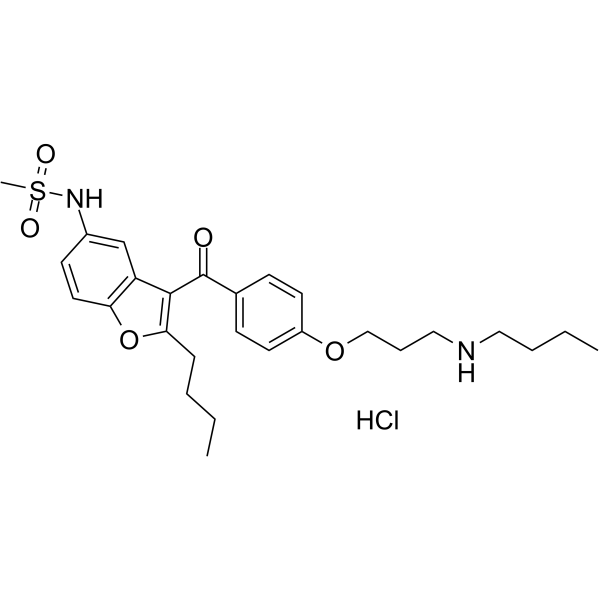
- Formula: C27H37ClN2O5S
- Molecular Weight: 537.11
Debutyldronedarone hydrochloride (SR35021 hydrochloride) is a Cytochrome P450 enzyme inhibitor and a Thyroid Hormone Receptor inhibitor, and it is a metabolite of Dronedarone (HY-A0016). Debutyldronedarone hydrochloride inhibits the binding of T3 to TRα1 and TRβ1. Debutyldronedarone hydrochloride reduces the incidence of reperfusion-induced ventricular fibrillation in anesthetized rats, while decreasing their heart rate and blood pressure. Debutyldronedarone hydrochloride can be used in studies related to ventricular fibrillation and atrial fibrillation.
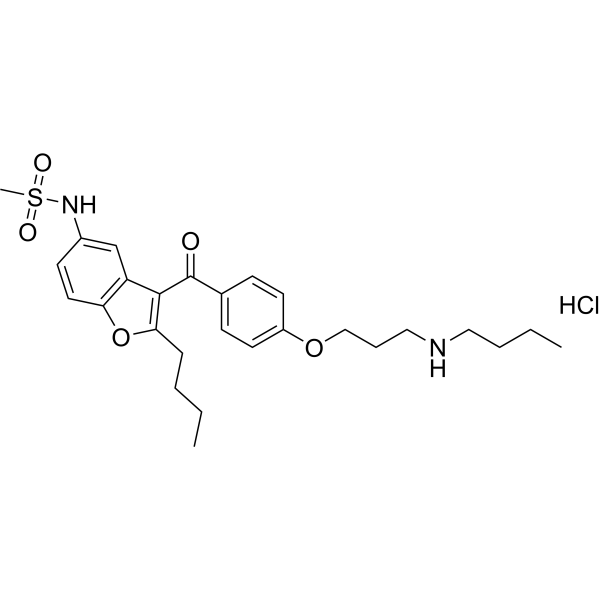
- Formula: C27H37ClN2O5S
- Molecular Weight: 537.11
Debutyldronedarone hydrochloride (Standard) (SR35021 hydrochloride (Standard)) is the analytical standard of Debutyldronedarone (hydrochloride) (HY-12753A). This product is intended for research and analytical applications. Debutyldronedarone hydrochloride (SR35021 hydrochloride) is a Cytochrome P450 enzyme inhibitor and a Thyroid Hormone Receptor inhibitor, and it is a metabolite of Dronedarone (HY-A0016). Debutyldronedarone hydrochloride inhibits the binding of T3 to TRα1 and TRβ1. Debutyldronedarone hydrochloride reduces the incidence of reperfusion-induced ventricular fibrillation in anesthetized rats, while decreasing their heart rate and blood pressure. Debutyldronedarone hydrochloride can be used in studies related to ventricular fibrillation and atrial fibrillation.
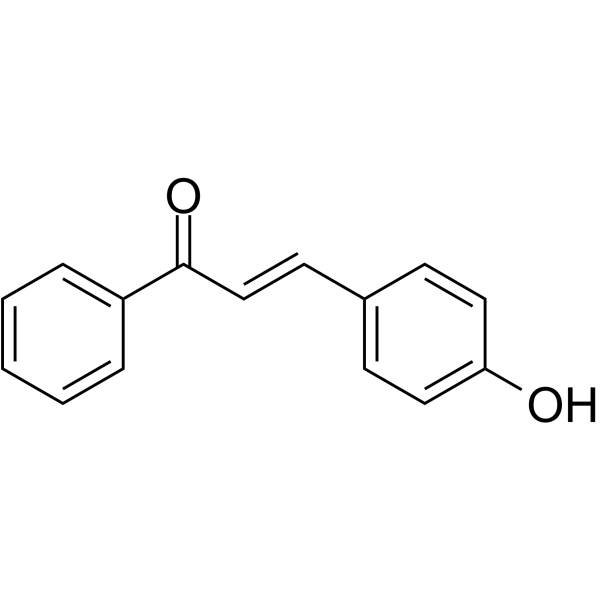
- Formula: C15H12O2
- Molecular Weight: 224.25
4-Hydroxychalcone is an orally active flavonoid precursor. 4-Hydroxychalcone inhibits VEGF- and bFGF-induced phosphorylation of ERK1/2 and Akt. 4-Hydroxychalcone suppresses resistant hypertension by alleviating hyperaldosteronism, inflammation and renal injury in cryptochrome gene knockout mice. 4-Hydroxychalcone possesses anti-angiogenic activity.
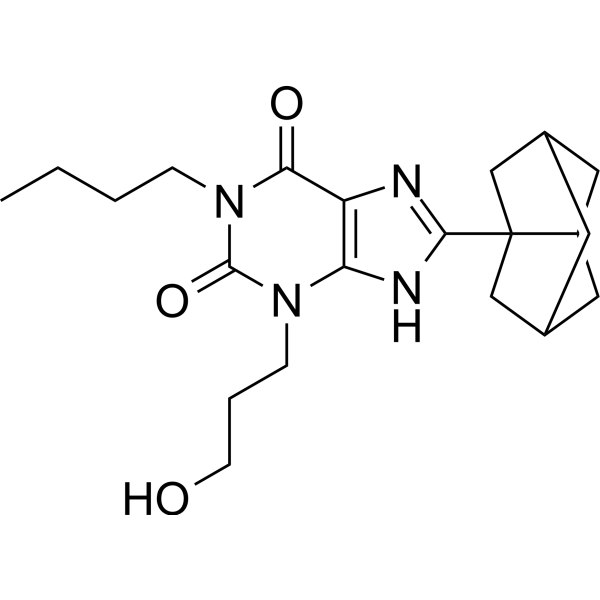
- Formula: C21H30N4O3
- Molecular Weight: 386.49
PSB36 is a highly selective A1 adenosine receptor antagonist, with a Ki of 0.12 nM and a Kd of 0.7 nM. Systemic administration of PSB36 reduces formalin- and Carrageenan (HY-125474)-induced edema in mice and decreases pain-related behaviors, with no local paw activity. PSB36 prolongs the APD90 of rat and human atria, produces a frequency-dependent prolongation of rat atrial ERP, increases the diastolic threshold of rat atria, and shortens the duration of atrial fibrillation episodes. PSB36 can be used in research related to inflammatory pain, inflammatory hyperalgesia, edema and atrial fibrillation.
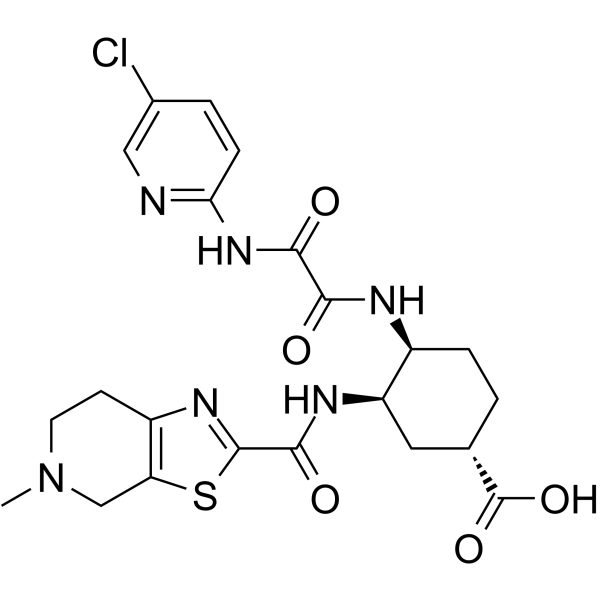
- Formula: C22H25ClN6O5S
- Molecular Weight: 520.99
Edoxaban M4 (D21-2393) is an orally active and selective Factor Xa inhibitor with a human Factor Xa IC50 of 1.8 nM. Edoxaban M4 exhibits anticoagulant activity via Factor Xa inhibition. Edoxaban M4 can be used for the research of non-valvular atrial fibrillation, venous thromboembolisms, pulmonary embolism.

- Formula: C14H22N2O2
- Molecular Weight: 250.34
Lignocaine N-oxide (Lidocaine N-oxide) is a hypoxia-activated prodrug of lidocaine (HY-B0185). Lignocaine N-oxide exerts exactly the same sodium current-blocking effect as lidocaine only when it is converted to lidocaine under ischemic conditions. Lignocaine N-oxide possesses antiarrhythmic activity against ischemia-induced ventricular fibrillation. Lignocaine N-oxide can be used in studies related to ischemia-induced ventricular fibrillation.
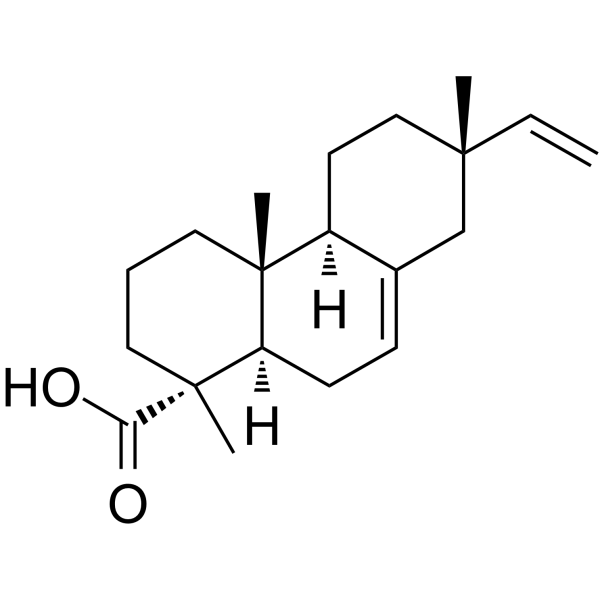
- Formula: C20H30O2
- Molecular Weight: 302.45
Isopimaric acid is a coniferous tree defense compound. Isopimaric acid binds to AKT and inhibits mTOR phosphorylation, thereby regulating the AKT/mTOR pathway. Isopimaric acid inhibits oxidative stress, inflammation, microglial migration, apoptosis, autophagic flux, ornithine decarboxylase activity, breast cancer proliferation and metastasis, and fungal spore germination. Isopimaric acid also induces M2 microglial polarization, mitochondrial damage, ROS accumulation, starvation-induced colon cancer cell apoptosis, and breast cancer cell cycle arrest. Isopimaric acid activates potassium channels, regulates sodium channels and calcium channels, reduces myocardial excitability, and improves arrhythmia. Isopimaric acid acts as an oxidative substrate for CYP6BW1/3, down-regulates PINK1/Parkin, and regulates calcium homeostasis, oxidative phosphorylation, EMT, and the Wnt pathway. Isopimaric acid exhibits activity against drug-resistant Staphylococcus aureus, repels feeding, and promotes the growth of rice seedlings. Isopimaric acid is suitable for research related to epilepsy, tumors, drug-resistant bacterial infections, atrial fibrillation, hypertension, hyperlipidemia, pulmonary tuberculosis, etc.
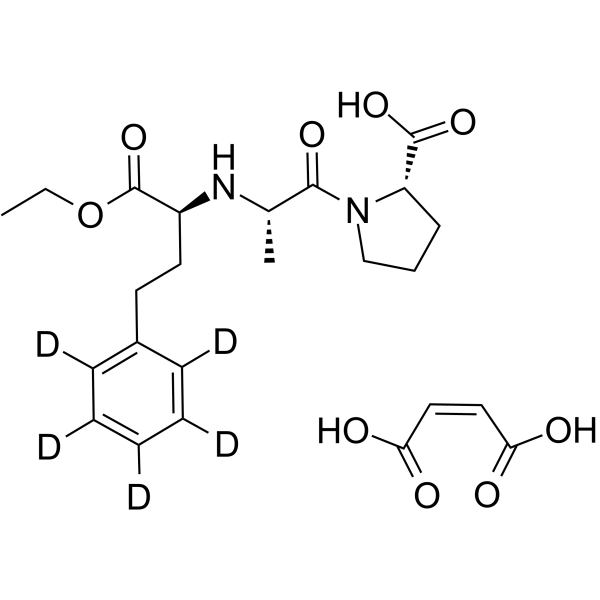
- Formula: C24H27D5N2O9
- Molecular Weight: 497.55
Enalapril-d5 maleate (MK-421 D5 maleate) is the deuterated-labeled Enalapril maleate (HY-B0331A). Enalapril maleate is an orally active angiotensin-converting enzyme inhibitor. Enalapril maleate blocks the conversion of angiotensin I to angiotensin II, regulates the renin-angiotensin system, reduces preload and afterload, and decreases plasma angiotensin II levels. Enalapril maleate inhibits apoptosis, reduces nitric oxide metabolite levels, stabilizes endothelial cells, enhances endothelial antioxidant defense, scavenges reactive oxygen species (ROS), and alleviates neuronal damage. Enalapril maleate attenuates glutathione depletion, protein/lipid oxidation, tissue damage, and type III collagen immunolabeling in organs of diabetic rats. Enalapril maleate reduces systolic blood pressure and urinary albumin excretion, and delays the progression of diabetic cardiac/renal injury. Enalapril maleate is used in research related to asymptomatic left ventricular dysfunction, congestive heart failure, Alzheimer's disease, diabetes mellitus, acute myocardial infarction, atrial fibrillation, hypertension, cerebral ischemia, chronic heart failure, and single-ventricle physiology.
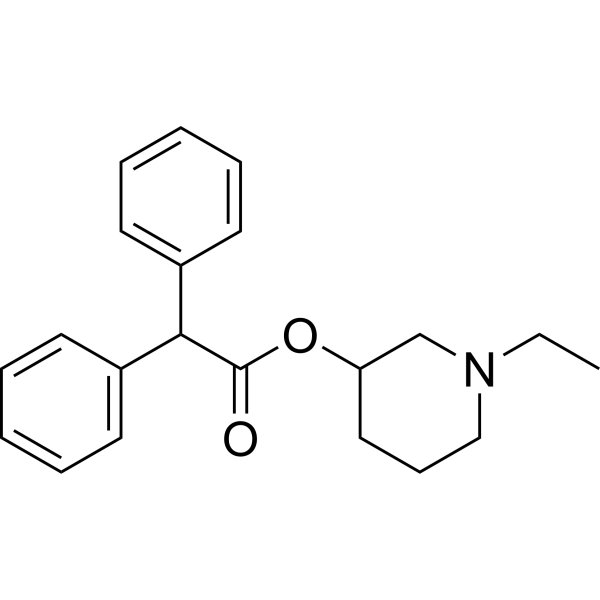
- Formula: C21H25NO2
- Molecular Weight: 323.43
Piperidolate is a cholinergic antagonist. Piperidolate prevents ventricular fibrillation during hypothermic cardiac manipulations to support cardiac procedures post-preoperative defibrillation. Piperidolate causes dose-dependent cardiac depression. Piperidolate can be used for the research of ventricular fibrillation.
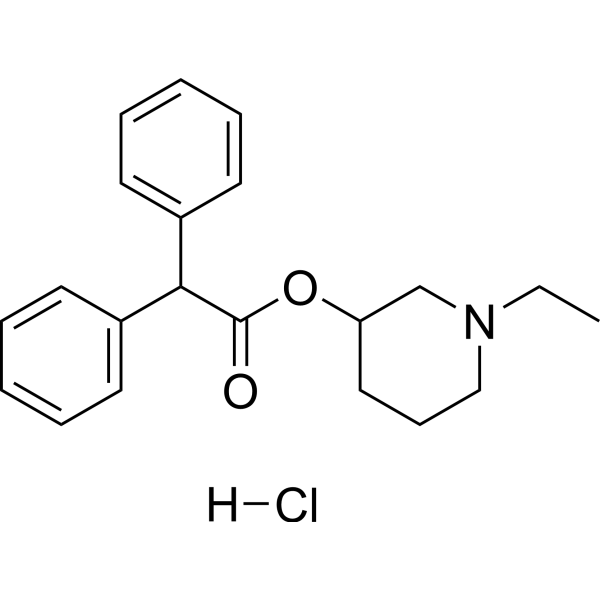
- Formula: C21H26ClNO2
- Molecular Weight: 359.89
Piperidolate hydrochloride is a cholinergic antagonist. Piperidolate hydrochloride prevents ventricular fibrillation during hypothermic cardiac manipulations to support cardiac procedures post-preoperative defibrillation. Piperidolate hydrochloride causes dose-dependent cardiac depression. Piperidolate hydrochloride can be used for the research of ventricular fibrillation.

- Formula: C₂₄H₃₂N₂O₉
- Molecular Weight: 492.52
Enalapril maleate (Standard) (MK-421 maleate (Standard)) is the analytical standard of Enalapril maleate (HY-B0331A). This product is intended for research and analytical applications. Enalapril maleate is an orally active angiotensin-converting enzyme inhibitor. Enalapril maleate blocks the conversion of angiotensin I to angiotensin II, regulates the renin-angiotensin system, reduces preload and afterload, and decreases plasma angiotensin II levels. Enalapril maleate inhibits apoptosis, reduces nitric oxide metabolite levels, stabilizes endothelial cells, enhances endothelial antioxidant defense, scavenges reactive oxygen species (ROS), and alleviates neuronal damage. Enalapril maleate attenuates glutathione depletion, protein/lipid oxidation, tissue damage, and type III collagen immunolabeling in organs of diabetic rats. Enalapril maleate reduces systolic blood pressure and urinary albumin excretion, and delays the progression of diabetic cardiac/renal injury. Enalapril maleate is used in research related to asymptomatic left ventricular dysfunction, congestive heart failure, Alzheimer's disease, diabetes mellitus, acute myocardial infarction, atrial fibrillation, hypertension, cerebral ischemia, chronic heart failure, and single-ventricle physiology.
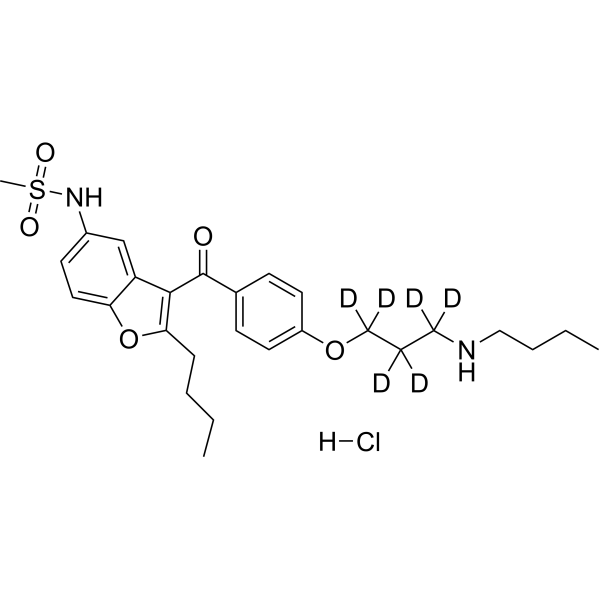
- Formula: C27H31D6ClN2O5S
- Molecular Weight: 543.15
Debutyldronedarone-d6 hydrochloride (SR35021-d6 hydrochloride) is the deuterated-labeled Debutyldronedarone (HY-12753). Debutyldronedarone (SR35021) is a Cytochrome P450 enzyme inhibitor and a Thyroid Hormone Receptor inhibitor, and it is a metabolite of Dronedarone (HY-A0016). Debutyldronedarone inhibits the binding of T3 to TRα1 and TRβ1. Debutyldronedarone reduces the incidence of reperfusion-induced ventricular fibrillation in anesthetized rats, while decreasing their heart rate and blood pressure. Debutyldronedarone can be used in studies related to ventricular fibrillation and atrial fibrillation.
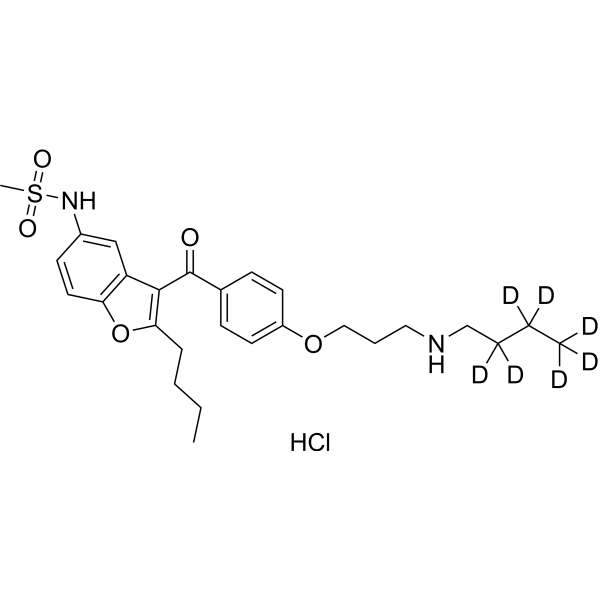
- Formula: C27H30D7ClN2O5S
- Molecular Weight: 544.15
Debutyldronedarone-d7 hydrochloride (SR35021-d7 hydrochloride) is the deuterated-labeled Debutyldronedarone (hydrochloride) (HY-12753A). Debutyldronedarone hydrochloride (SR35021 hydrochloride) is a Cytochrome P450 enzyme inhibitor and a Thyroid Hormone Receptor inhibitor, and it is a metabolite of Dronedarone (HY-A0016). Debutyldronedarone hydrochloride inhibits the binding of T3 to TRα1 and TRβ1. Debutyldronedarone hydrochloride reduces the incidence of reperfusion-induced ventricular fibrillation in anesthetized rats, while decreasing their heart rate and blood pressure. Debutyldronedarone hydrochloride can be used in studies related to ventricular fibrillation and atrial fibrillation.
- 1
- 2



