



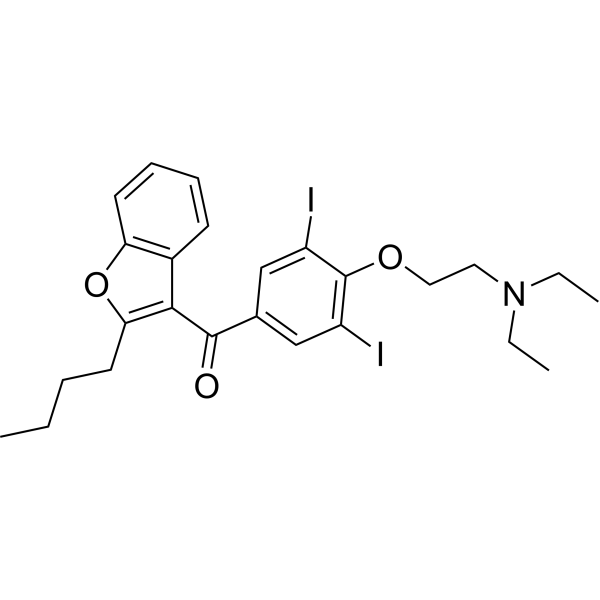
Amiodarone
Based on 13 publication(s) in Google Scholar
Amiodarone, a benzofuran-based Class III antiarrhythmic agent, inhibits WT outward ionic current (IhERG) tails with an IC50 of ∼45 nM. Amiodarone induces cell proliferation and myofibroblast differentiation via ERK1/2 and p38 MAPK signaling in fibroblasts. Amiodarone can be used in the research of both supraventricular and ventricular arrhythmias.
연구목적의 판매만을 진행합니다. 환자를 대상으로 한 판매는 하지 않습니다.
- Purity : 98.32%
- CAS No.: 1951-25-3
- 화학식: C25H29I2NO3
- 분자량:645.31
-
보관:
-20°C, sealed storage, away from moisture
* In solvent : -80°C, 6 months; -20°C, 1 month (sealed storage, away from moisture)

To place orders, for customer services and technical support, please contact: MedChemExpress USA
Tel: 609-228-6898 E-mail: [email protected] [email protected]


-
 Biological Activity
-
Chemical Information
-
용액&용해도
- Protocol
- 순도&문서
- References
-
 Help & FAQs


-
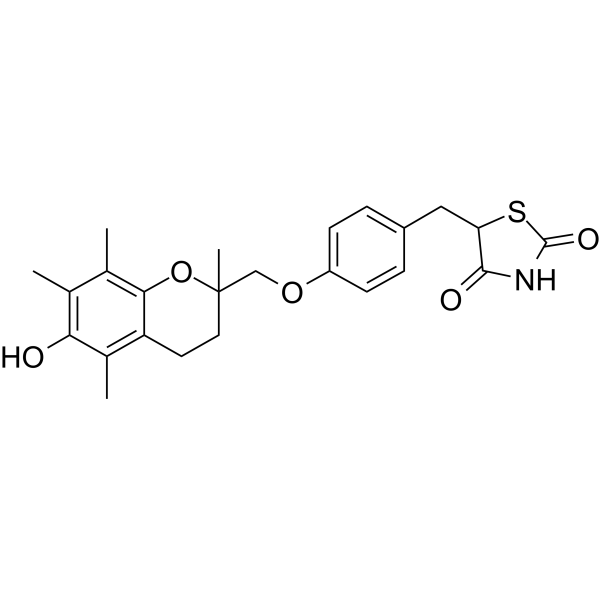
HY-50935
TroglitazonePPARγ Agonist -
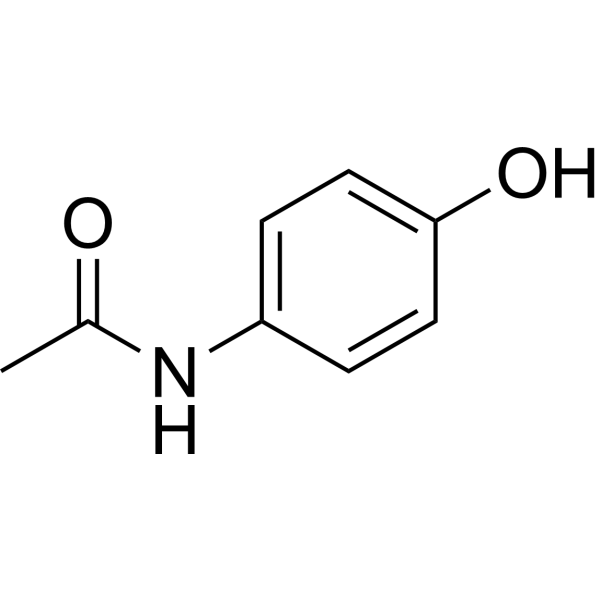
HY-66005
AcetaminophenCOX-2 Inhibitor -
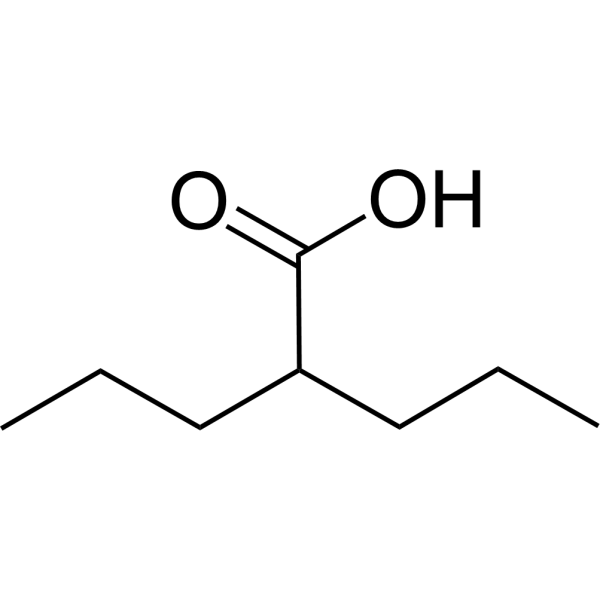
HY-10585
Valproic acidHDAC Inhibitor -
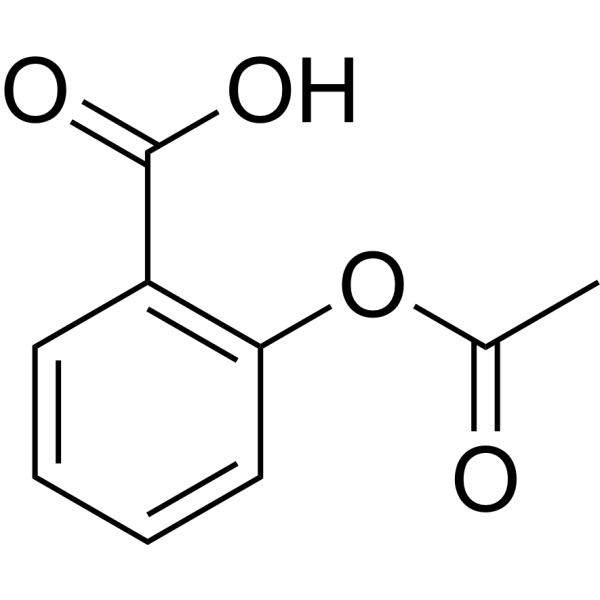
HY-14654
AspirinCOX Inhibitor -
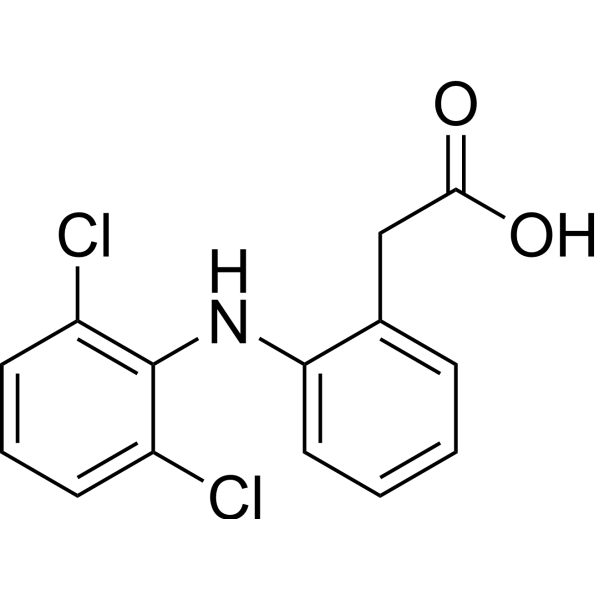
HY-15036
DiclofenacCOX Inhibitor -
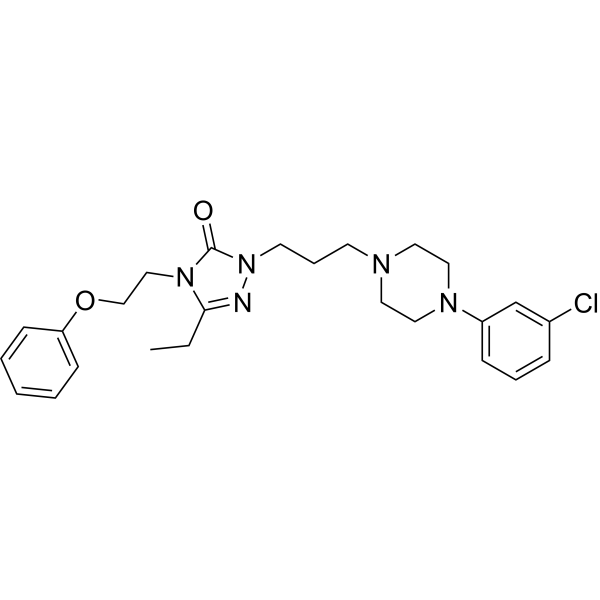
HY-119209
NefazodonePhenylpiperazine Antidepressant -
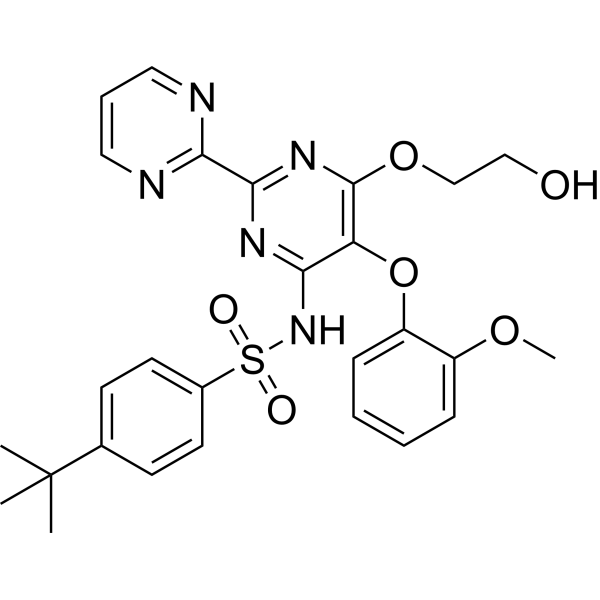
HY-A0013
BosentanET-1 Inhibtior -
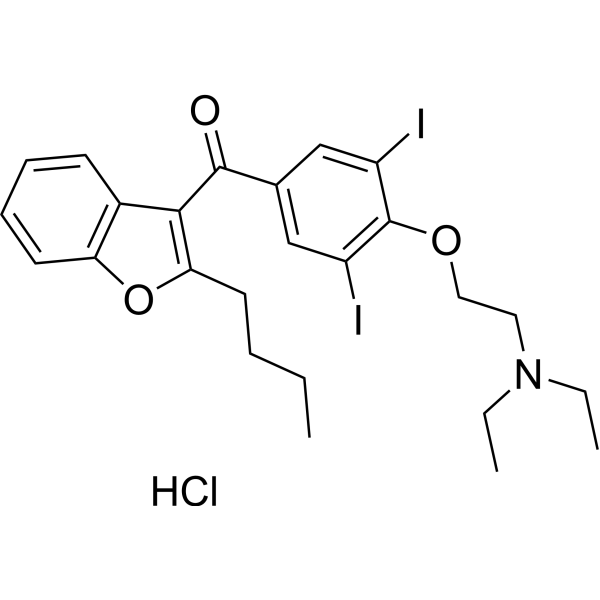
HY-14188
Amiodarone hydrochlorideAntiarrhythmic Agent -
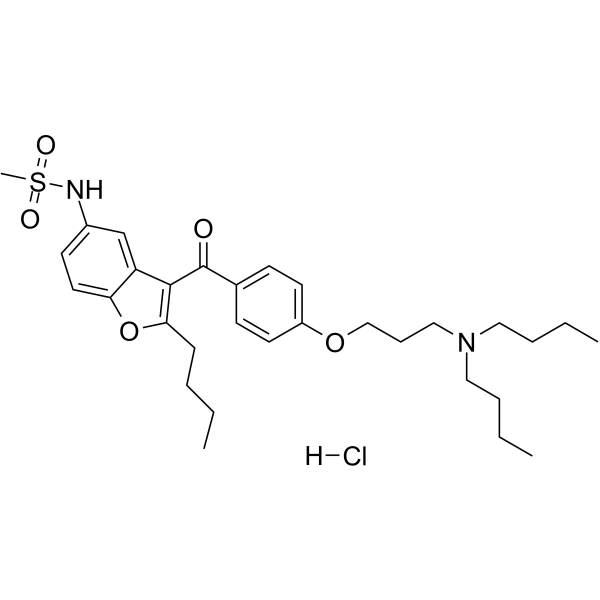
HY-75839
Dronedarone HydrochloridePotassium Channel Inhibitor -
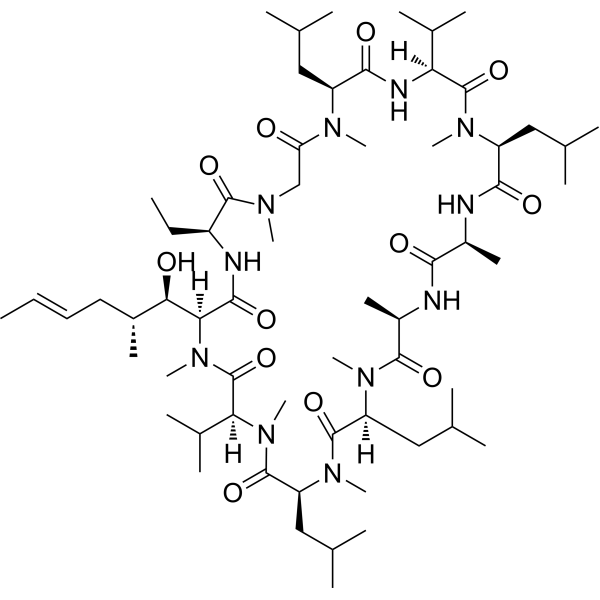
HY-B0579
Cyclosporin ACalcineurin Inhibitor -
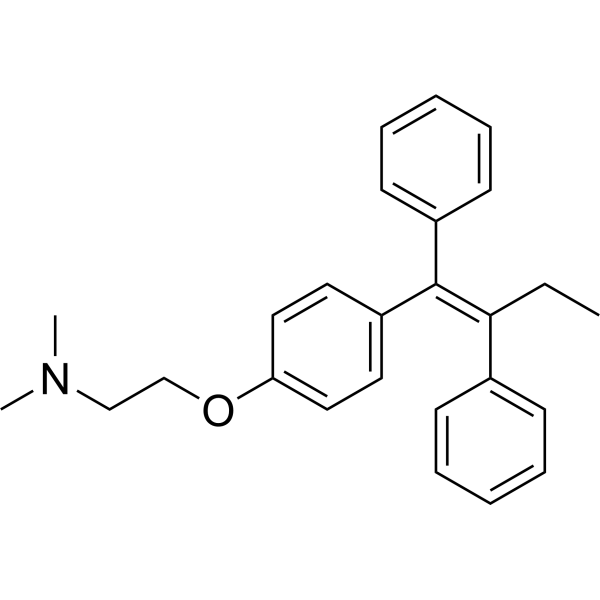
HY-13757A
TamoxifenEstrogen Receptor Modulator -
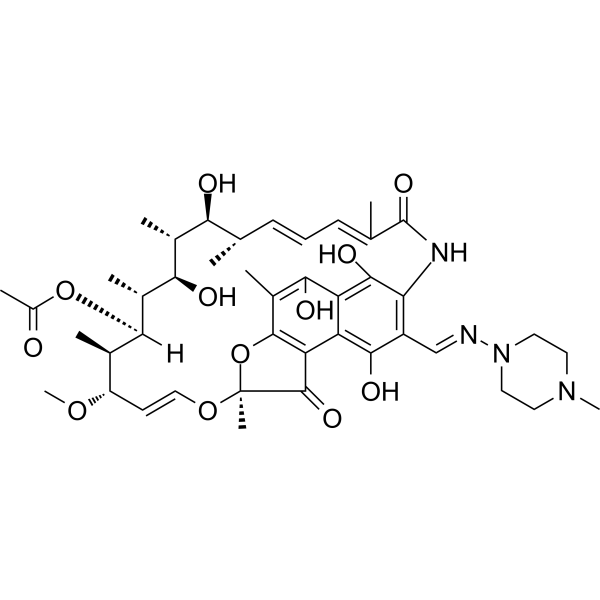
HY-B0272
RifampicinAntivirus Agent
Publications Citing Use of MedChemExpress (MCE) Amiodarone
More- Cell. 2025 May 29;188(11):3013-3029.e19. [Abstract]
- Cell. 2023 Nov 22;186(24):5363-5374.e16. [Abstract]
- Cell. 2022 Dec 8;185(25):4801-4810.e13. [Abstract]
- Sci Adv. 2026 Jun 12;12(24):eaed2731. [Abstract]
- Sci Adv. 2026 Mar 6;12(10):eadw0891. [Abstract]
- Ecotoxicol Environ Saf. 2025 Nov 15:307:119433. [Abstract]
- Ecotoxicol Environ Saf. 2021 Apr 1:212:111991. [Abstract]
- Front Bioeng Biotechnol. 2022 Mar 17;10:826093. [Abstract]
- Biotechnol Bioeng. 2021 Dec;118(12):4687-4698. [Abstract]
- Viruses. 2021 Jun 28;13(7):1255. [Abstract]
- Biochem Biophys Res Commun. 2020 Feb 19;522(4):862-868. [Abstract]
- SSRN. 2023 Nov 8.
- Patent. US20180263995A1.
 Customer Validation & Images

-
Cell Proliferation/Viability Assay
-
Bio/Physico-chemical Assay
-
Bio/Physico-chemical Assay
-
Cell Proliferation/Viability Assay
-
In Vivo Efficacy Study


Biological Activity
제품 설명
Cellular Effect
|
Cell Line

|
Type | Value | Description | References |
|---|---|---|---|---|
| CHO | IC50 |
1.9 μM
Compound: amiodarone
|
Inhibition of Cav1.2 current measured using QPatch automatic path clamp system in CHO cells expressing Cav1.2, beta-2 and alpha-2/delta-1 subunits
Inhibition of Cav1.2 current measured using QPatch automatic path clamp system in CHO cells expressing Cav1.2, beta-2 and alpha-2/delta-1 subunits
|
[PMID: 23812503] |
| CHO-K1 | IC50 |
>10 μM
Compound: Amiodarone
|
Antagonism of compound towards thyroid response element (TRAF alpha) in CHO-K1 cells
Antagonism of compound towards thyroid response element (TRAF alpha) in CHO-K1 cells
|
[PMID: 11806713] |
| CHO-K1 | IC50 |
>10 μM
Compound: Amiodarone
|
Antagonism of compound towards thyroid response element (TRAF beta) in CHO-K1 cells
Antagonism of compound towards thyroid response element (TRAF beta) in CHO-K1 cells
|
[PMID: 11806713] |
| CHO-K1 | IC50 |
0.6 μM
Compound: Amiodarone
|
Concentration required to inhibit 50% of binding of [125I]T3 to human Thyroid hormone receptor beta 1 in CHO-K1 cells
Concentration required to inhibit 50% of binding of [125I]T3 to human Thyroid hormone receptor beta 1 in CHO-K1 cells
|
[PMID: 11806713] |
| CHO-K1 | IC50 |
0.65 μM
Compound: Amiodarone
|
Concentration required to inhibit 50% of binding of [125I]-T3 to human Thyroid hormone receptor alpha-1 in CHO-K1 cells
Concentration required to inhibit 50% of binding of [125I]-T3 to human Thyroid hormone receptor alpha-1 in CHO-K1 cells
|
[PMID: 11806713] |
| CHRC5 cell line | EC50 |
2300 nM
Compound: amiodarone
|
Reversal of sensitivity of multidrug resistant chinese hamster ovary cell line CHRC/5 expressed as concentration that restores 50% of cytotoxic activity of 5 ug/mL toward doxorubicin
Reversal of sensitivity of multidrug resistant chinese hamster ovary cell line CHRC/5 expressed as concentration that restores 50% of cytotoxic activity of 5 ug/mL toward doxorubicin
|
[PMID: 7608906] |
| HEK293 | IC50 |
30 nM
Compound: Amiodarone
|
Inhibition of potassium current (Ikr) measured using whole-cell patch clamp experiments in HEK-293 cells stable transfected with hERG cDNA
Inhibition of potassium current (Ikr) measured using whole-cell patch clamp experiments in HEK-293 cells stable transfected with hERG cDNA
|
[PMID: 21300721] |
| HL-60 | IC50 |
5.27 μM
Compound: 17; ZINC03830212
|
Antiproliferative activity against human HL-60 cells measured after 24 hrs by MTT assay
Antiproliferative activity against human HL-60 cells measured after 24 hrs by MTT assay
|
[PMID: 34605238] |
| KB | IC50 |
16.6 μM
Compound: 45
|
Cytotoxicity in human KB cells
Cytotoxicity in human KB cells
|
[PMID: 21504156] |
| LLC-PK1 | IC50 |
22.5 μM
Compound: Amiodarone
|
TP_TRANSPORTER: inhibition of Daunorubicin transepithelial transport (basal to apical) (Daunorubicin: 0.035 uM) in MDR1-expressing LLC-PK1 cells
TP_TRANSPORTER: inhibition of Daunorubicin transepithelial transport (basal to apical) (Daunorubicin: 0.035 uM) in MDR1-expressing LLC-PK1 cells
|
[PMID: 11231118] |
| LLC-PK1 | IC50 |
45.6 μM
Compound: Amiodarone
|
TP_TRANSPORTER: inhibition of Digoxin transepithelial transport (basal to apical) (Digoxin: 0.025 uM) in MDR1-expressing LLC-PK1 cells
TP_TRANSPORTER: inhibition of Digoxin transepithelial transport (basal to apical) (Digoxin: 0.025 uM) in MDR1-expressing LLC-PK1 cells
|
[PMID: 11231118] |
| MCF7 | IC50 |
>50 μM
Compound: 17; ZINC03830212
|
Antiproliferative activity against human MCF7 cells measured after 24 hrs by MTT assay
Antiproliferative activity against human MCF7 cells measured after 24 hrs by MTT assay
|
[PMID: 34605238] |
| MDA-MB-231 | IC50 |
33.43 μM
Compound: 17; ZINC03830212
|
Antiproliferative activity against human MDA-MB-231 cells measured after 24 hrs by MTT assay
Antiproliferative activity against human MDA-MB-231 cells measured after 24 hrs by MTT assay
|
[PMID: 34605238] |
| MDA-MB-231 | IC50 |
33.43 μM
Compound: 16; ZINC03830212
|
Antiproliferative activity against human MDA-MB-231 cells assessed as reduction in cell viability incubated for 24 hrs by MTT assay
Antiproliferative activity against human MDA-MB-231 cells assessed as reduction in cell viability incubated for 24 hrs by MTT assay
|
[PMID: 38261767] |
| RAW264.7 | IC50 |
3.5 μM
Compound: Amiodarone
|
Protection against Bacillus anthracis lethal toxin-mediated cytotoxicity in mouse RAW264.7 cells assessed as change in viability after 24 hrs by WST1 dye reduction assay
Protection against Bacillus anthracis lethal toxin-mediated cytotoxicity in mouse RAW264.7 cells assessed as change in viability after 24 hrs by WST1 dye reduction assay
|
[PMID: 17485504] |
| U-937 | IC50 |
9.31 μM
Compound: 17; ZINC03830212
|
Antiproliferative activity against human U-937 cells measured after 24 hrs by MTT assay
Antiproliferative activity against human U-937 cells measured after 24 hrs by MTT assay
|
[PMID: 34605238] |
In Vitro
Amiodarone blocks inward IhERG tails in a high K+ external solution ([K+]e) of 94 mM with an IC50 of 117.8 nM[1].
Amiodarone (1 μM) blocks inward IhERG by 68.8%, with concentration response data yielding IC50 and h values of 765.5 nM and 0.9 for T623A hERG[1].
Amiodarone (1 μM) blocks inward IhERG with an IC50 and h values of 979.2 nM and 1.1 for S624A hERG[1].
Amiodarone (1-6 μg/mL) induces human embryonic lung fibroblasts (HELFs) cell proliferation and PD98059 or SB203580 suppresses this effect[2].
Amiodarone (1-6 μg/mL) does not induces HELFs cell apoptosis. Amiodarone (over 15 μg/mL) induces cell apoptosis[2].
Amiodarone (1, 3 and 6 μg/mL;24 hours) induces α-SMA and vimentin mRNA and protein expression accompanied by increased phosphorylation of ERK1/2 and p38 MAPK[2].
MedChemExpress (MCE) has not independently confirmed the accuracy of these methods. They are for reference only.
- BrdU Incorporation Assay
- Somatic Cell Culture
- CFSE Dye Dilution Proliferation Assay
- Dye-dilution cell tracking and proliferation staining
- CCK-8/WST-8 Cell Proliferation Assay
- Protocol for Cell Cycle
- Cell Counting-Based Growth Curve Assay
- Colony Formation (Clonogenic) Assay
- Cell Viability Determination by MTT Colorimetric Assay
- EdU Incorporation Assay (Click Chemistry-Based DNA Synthesis Measurement)
- Ki-67 Immunostaining Proliferation Assay
- PCNA Immunodetection Proliferation Assay
- Protocol for Cell Counting and Cell Density Analysis
- MTT Cell Proliferation Assay
Induced Disease Models
Please do not refer to only one article to determine the experimental conditions. It is recommended to determine the optimal experimental conditions (animal strain, age, dosage, frequency and cycle, detection time and indicators, etc.) through preliminary experiments before the formal experiment.
Amiodarone can be used in animal modeling to create pulmonary toxicity and liver injury models. After a single oral dose of Amiodarone in rats, the pharmacokinetic characteristics detectable include an absorption half-life of approximately 1.83 hours and a clearance half-life ranging from 15 hours (at a 100 mg/kg dose) to 105 hours (at a 200 mg/kg dose), with an average oral bioavailability of 39%. Amiodarone is primarily distributed in the lungs, liver, thyroid, and adipose tissue, with drug concentrations in the lungs and adipose tissue being significantly higher than in other tissues. Following long-term oral administration, the accumulation of Amiodarone in adipose tissue is notably increased[3][4][5].
Administration: 175 mg/kg • po • once daily, 5 days a week for 12 weeks
(2) The rats are weighed weekly and the drug dose is adjusted if necessary, higher doses of amiodarone could be fatal.
Phenotypic Observations: Lung sections of rats show interstitial thickening with accumulation of mononuclear cells, alveoli filled with numerous foamy macrophages, and mild fibrosis.
Administration: 1000 mg/kg • po • single dose
2. Prior to oral administration of Amiodarone, pre-treatment with Dexamethasone (HY-14648) was conducted to induce cytochrome P450 3A4 enzyme expression. Dexamethasone was dissolved in corn oil and administered at a dose of 60 mg/kg via intraperitoneal injection once daily for 3 days. Amiodarone was administered orally 24 hours after the final dose of Dexamethasone.
MedChemExpress (MCE) has not independently confirmed the accuracy of these methods. They are for reference only.


Chemical Information
-
CAS No. 1951-25-3
-
Appearance <54°C Solid, >55°C Liquid
-
분자량 645.31
-
화학식 C25H29I2NO3
-
Color Off-white to light yellow
-
SMILES
CCCCC1=C(C(C2=CC(I)=C(OCCN(CC)CC)C(I)=C2)=O)C3=C(O1)C=CC=C3
-
선적
Room temperature in continental US; may vary elsewhere.
-
보관
-20°C, sealed storage, away from moisture
* In solvent : -80°C, 6 months; -20°C, 1 month (sealed storage, away from moisture)


Publications (13)
-
Journal Impact Factor
-
Most Recent
-
Cell
2025 May 29;188(11):3013-3029.e19. PMID: 40252640 -
Cell
Structural basis for human Cav1.2 inhibition by multiple drugs and the neurotoxin calciseptine. [Abstract]2023 Nov 22;186(24):5363-5374.e16. PMID: 37972591 -
Cell
Structural basis for the severe adverse interaction of sofosbuvir and amiodarone on L-type Cav channels. [Abstract]2022 Dec 8;185(25):4801-4810.e13. PMID: 36417914
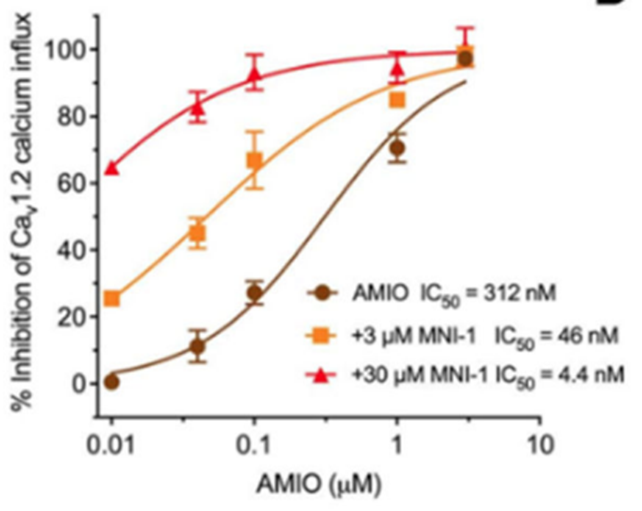
Amiodarone purchased from MedChemExpress. Usage Cited in: Cell. 2022 Dec 8;185(25):4801-4810.e13. [Abstract]
Amiodarone hydrochloride (AMIO; 0-10 μM; 30 min) enhanced inhibition by co-applied MNI-1 and AMIO indicates a strong synergistic effect between these two drugs in HEK293 cells.
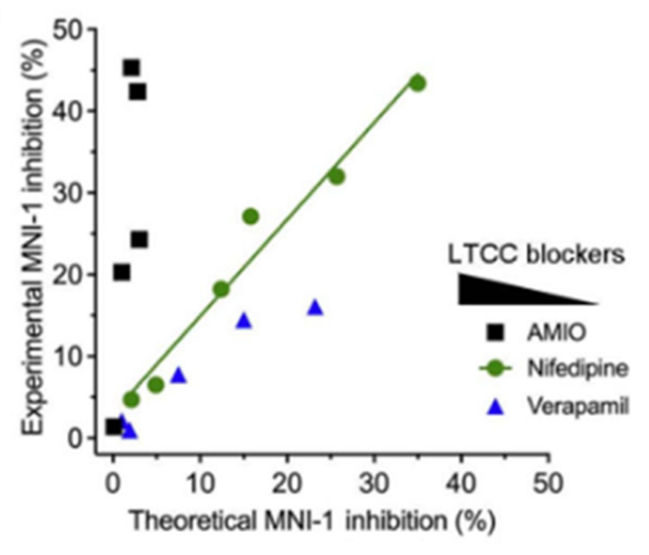
Amiodarone purchased from MedChemExpress. Usage Cited in: Cell. 2022 Dec 8;185(25):4801-4810.e13. [Abstract]
Modeling of pharmacodynamic effects of LTCC blockers on MNI-1. This figure was plotted from a batch of IC
50 experiment measuring LTCC blockers supplemented with 3 μM MNI-1 (Amiodarone hydrochloride; AMIO), or 90 μM MNI-1 (nifedipine and verapamil). The concentrations of LTCC blockers decrease from left to right. -
Sci Adv
Quantitative prediction of siRNA complexation by ionizable drugs enables their codelivery in nanoparticles. [Abstract]2026 Jun 12;12(24):eaed2731. PMID: 42284421 -
Sci Adv
A worm-like nucleic acid nanostructure for gene delivery and endosomal escape via ClC3 ion exchanger. [Abstract]2026 Mar 6;12(10):eadw0891. PMID: 41790895 -
Ecotoxicol Environ Saf
PPARγ-responsive luciferase reporter system for high-throughput screening of chemical toxins with potential pulmonary fibrosis effects. [Abstract]2025 Nov 15:307:119433. PMID: 41273832
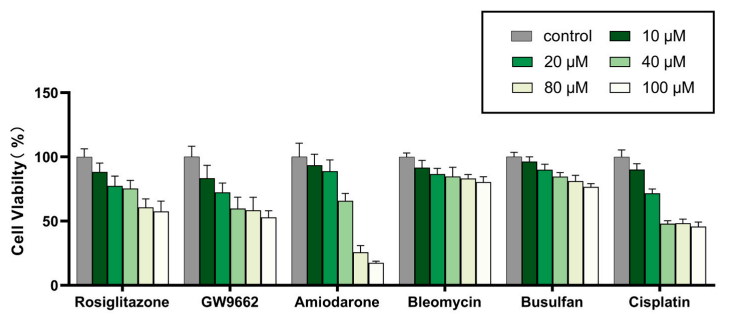
Amiodarone purchased from MedChemExpress. Usage Cited in: Ecotoxicol Environ Saf. 2025 Nov 15:307:119433. [Abstract]
Subcytotoxic concentrations of four chemicals (Amiodarone; 0-100 μM; 24 h) known to induce pulmonary fibrosis were assessed using the CCK-8 assay.
-
Ecotoxicol Environ Saf
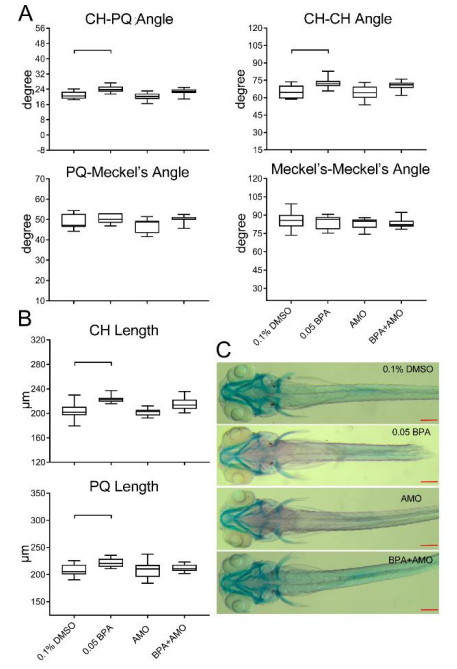
Effect of bisphenol A on craniofacial cartilage development in zebrafish (Danio rerio) embryos: A morphological study. [Abstract]2021 Apr 1:212:111991. PMID: 33548570
Amiodarone purchased from MedChemExpress. Usage Cited in: Ecotoxicol Environ Saf. 2021 Apr 1:212:111991. [Abstract]
Angle and length measured in 5- dpf zebrafish co-exposed from 0-5 dpf to 0.05 μM BPA+ 1.0 μM Amiodarone hydrochloride (AMO). (A-C) Data are presented as box-whisker plots (n = 7-8 fish per group), tick-down line indicates significant difference.(D) Representative images of whole-mounted alcian blue stained larval skull.
-
Front Bioeng Biotechnol
Application of 3D Hepatic Plate-Like Liver Model for Statin-Induced Hepatotoxicity Evaluation. [Abstract]2022 Mar 17;10:826093. PMID: 35372314
Amiodarone purchased from MedChemExpress. Usage Cited in: Front Bioeng Biotechnol. 2022 Mar 17;10:826093. [Abstract]
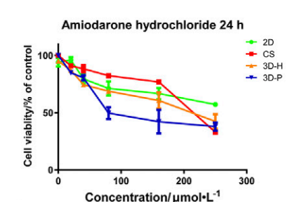
Amiodarone hydrochloride (AMD; 0-300 μM; 24 h) decreased cell viability in L-02 cells in two-dimensional co-culture (2D), collagen sandwich co-culture (CS), 3D hybrid hydrogel fiber (3D-H);3D hepatic plate-like Na-Alg hydrogel fiber co-culture model system (3D-P co-culture system)。
-
Biotechnol Bioeng
An integrated biomimetic array chip for establishment of collagen-based 3D primary human hepatocyte model for prediction of clinical drug-induced liver injury. [Abstract]2021 Dec;118(12):4687-4698. PMID: 34478150 -
Viruses
Screening and Identification of Lujo Virus Inhibitors Using a Recombinant Reporter Virus Platform. [Abstract]2021 Jun 28;13(7):1255. PMID: 34203149 -
Biochem Biophys Res Commun
Combinatorial screening of a panel of FDA-approved drugs identifies several candidates with anti-Ebola activities. [Abstract]2020 Feb 19;522(4):862-868. PMID: 31806372 -
-


용액&용해도
In Vitro:
DMSO : ≥ 175 mg/mL (271.19 mM; Hygroscopic DMSO has a significant impact on the solubility of product, please use newly opened DMSO)
* "≥" means soluble, but saturation unknown.
Please refer to the solubility information to select the appropriate solvent. Once prepared, please aliquot and store the solution to prevent product inactivation from repeated freeze-thaw cycles.
Storage method and period of stock solution: -80°C, 6 months; -20°C, 1 month (sealed storage, away from moisture). When stored at -80°C, please use it within 6 months. When stored at -20°C, please use it within 1 month.
Please refer to the solubility information to select the appropriate solvent. Once prepared, please aliquot and store the solution to prevent product inactivation from repeated freeze-thaw cycles.
Storage method and period of stock solution: -80°C, 6 months; -20°C, 1 month (sealed storage, away from moisture). When stored at -80°C, please use it within 6 months. When stored at -20°C, please use it within 1 month.
Concentration (start) × Volume (start) = Concentration (final) × Volume (final)
In Vivo:
Select the appropriate dissolution method based on your experimental animal and administration route.
- For the following dissolution methods, please ensure to first prepare a clear stock solution using an In Vitro approach and then sequentially add co-solvents:
- To ensure reliable experimental results, the clarified stock solution can be appropriately stored based on storage conditions. As for the working solution for In Vivo experiments, it is recommended to prepare freshly and use it on the same day.
- The percentages shown for the solvents indicate their volumetric ratio in the final prepared solution. If precipitation or phase separation occurs during preparation, heat and/or sonication can be used to aid dissolution.
Add each solvent one by one: 10% DMSO 90% (20% SBE-β-CD in Saline)
Solubility: 2.5 mg/mL (3.87 mM); Suspended solution; Need ultrasonic
This protocol yields a suspended solution of 2.5 mg/mL. Suspended solution can be used for oral and intraperitoneal injection.
Taking 1 mL working solution as an example, add 100 μL DMSO stock solution (25.0 mg/mL) to 900 μL 20% SBE-β-CD in Saline, and mix evenly.
Preparation of 20% SBE-β-CD in Saline (4°C, storage for one week): 2 g SBE-β-CD powder is dissolved in 10 mL Saline, completely dissolve until clear.
In Vivo Dissolution Calculator
Please enter the basic information of animal experiments:
-
-
-
-
Recommended: Prepare an additional quantity of animals to account for potential losses during experiments.
Please enter your animal formula composition:
-
%DMSO +
Recommended: Keep the proportion of DMSO in working solution below 2% if your animal is weak.
-
%+
-
+%Tween-80 + +
-
%Saline +
The co-solvents required include: DMSO, . All of co-solvents are available by MedChemExpress (MCE). , Tween 80. All of co-solvents are available by MedChemExpress (MCE).
Working solution concentration: 0.22 mg/mL
Method for preparing stock solution: mg drug dissolved in μL DMSO. Stock solution concentration: mg/mL. * In solvent : -80°C, 6 months; -20°C, 1 month (sealed storage, away from moisture)
1. Take μL DMSO stock solution;
2. Add μL .
μL , mix evenly;
3. Then add μL Tween 80, mix evenly;
4. Then add μL
Please ensure that the stock solution in the first step is dissolved to a clear state, and add co-solvents in sequence. You can use ultrasonic heating (ultrasonic cleaner, recommended frequency 20-40 kHz), vortexing, etc. to assist dissolution.


순도&문서
-
Data Sheet (286 KB)
-
SDS (393 KB)
- English - EN (393 KB)
- Français - FR (393 KB)
- Deutsch - DE (393 KB)
- Norwegian - NO (393 KB)
- Español - ES (393 KB)
- Swedish - SV (393 KB)
- Italian - IT (393 KB)
- Korean - KR (393 KB)
- Portuguese - PT (393 KB)
-
Handling Instructions (2659 KB)
References
[1]. Yihong Zhang,et al. Interactions between amiodarone and the hERG potassium channel pore determined with mutagenesis and in silico docking. Biochem Pharmacol. 2016 Aug 1;113:24-35. [Content Brief]
[2]. Jie Weng, et al. Amiodarone induces cell proliferation and myofibroblast differentiation via ERK1/2 and p38 MAPK signaling in fibroblasts. Biomed Pharmacother. 2019 Jul;115:108889. [Content Brief]
[3]. Plomp TA, et al. Pharmacokinetics and body distribution of amiodarone and desethylamiodarone in rats after oral administration. In Vivo. 1987 Sep-Oct;1(5):265-79. [Content Brief]
[4]. Wilson BD, et al. Amiodarone-induced pulmonary toxicity in the rat. Lung. 1989;167(5):301-11. [Content Brief]
[5]. Takai S, et al. Establishment of a mouse model for amiodarone-induced liver injury and analyses of its hepatotoxic mechanism. J Appl Toxicol. 2016 Jan;36(1):35-47. [Content Brief]


Complete Stock Solution Preparation Table
Please refer to the solubility information to select the appropriate solvent. Once prepared, please aliquot and store the solution to prevent product inactivation from repeated freeze-thaw cycles.
Storage method and period of stock solution: -80°C, 6 months; -20°C, 1 month (sealed storage, away from moisture). When stored at -80°C, please use it within 6 months. When stored at -20°C, please use it within 1 month.
| Optional Solvent | Concentration Solvent Mass | 1 mg | 5 mg | 10 mg | 25 mg |
|---|---|---|---|---|---|
| DMSO | 1 mM | 1.5496 mL | 7.7482 mL | 15.4964 mL | 38.7411 mL |
| 5 mM | 0.3099 mL | 1.5496 mL | 3.0993 mL | 7.7482 mL | |
| 10 mM | 0.1550 mL | 0.7748 mL | 1.5496 mL | 3.8741 mL | |
| 15 mM | 0.1033 mL | 0.5165 mL | 1.0331 mL | 2.5827 mL | |
| 20 mM | 0.0775 mL | 0.3874 mL | 0.7748 mL | 1.9371 mL | |
| 25 mM | 0.0620 mL | 0.3099 mL | 0.6199 mL | 1.5496 mL | |
| 30 mM | 0.0517 mL | 0.2583 mL | 0.5165 mL | 1.2914 mL | |
| 40 mM | 0.0387 mL | 0.1937 mL | 0.3874 mL | 0.9685 mL | |
| 50 mM | 0.0310 mL | 0.1550 mL | 0.3099 mL | 0.7748 mL | |
| 60 mM | 0.0258 mL | 0.1291 mL | 0.2583 mL | 0.6457 mL | |
| 80 mM | 0.0194 mL | 0.0969 mL | 0.1937 mL | 0.4843 mL | |
| 100 mM | 0.0155 mL | 0.0775 mL | 0.1550 mL | 0.3874 mL |


Amiodarone Related Classifications
HY-14187 Related Classifications
 Powered by Bioz