



Bosentan
Based on 33 publication(s) in Google Scholar
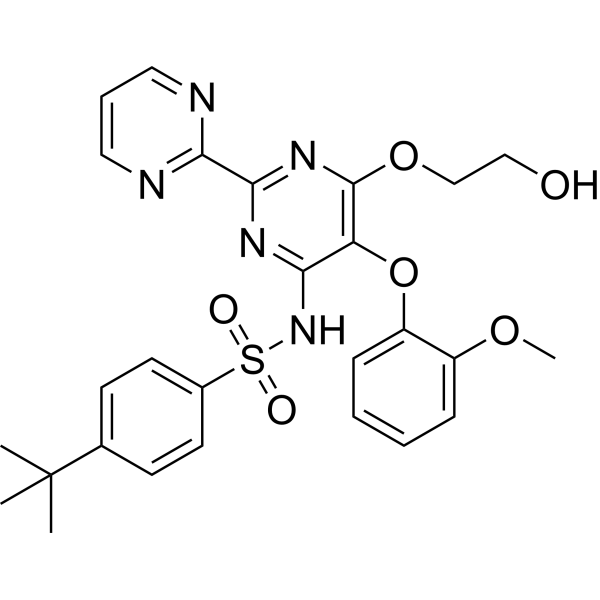
Bosentan is a competitive and dual antagonist of endothelin-1 (ET) for the ETA and ETB receptors with Ki of 4.7 nM and 95 nM in human SMC, respectively.
For research use only. We do not sell to patients.
- Purity : 99.94%
- CAS No.: 147536-97-8
- Formula: C27H29N5O6S
- Molecular Weight:551.61
-
Storage:Powder -20°C, 3 years , 4°C, 2 years ; In solvent -80°C, 1 year , -20°C, 6 months

To place orders, for customer services and technical support, please contact: MedChemExpress USA
Tel: 609-228-6898 E-mail: [email protected] [email protected]


-
 Biological Activity
-
Chemical Information
-
Solvent & Solubility
- Purity & Documentation
- References
-
 Help & FAQs


-
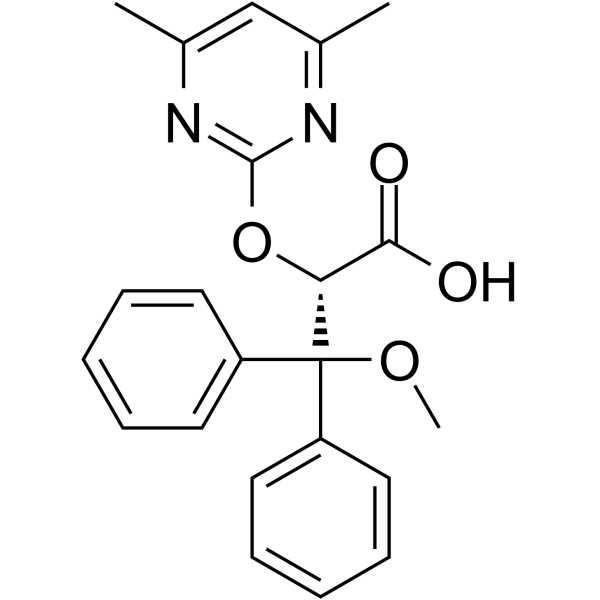
HY-13209
Ambrisentan -
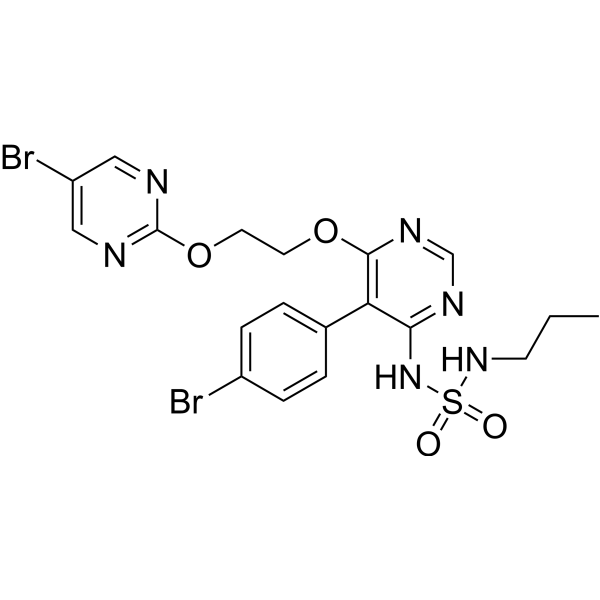
HY-14184
MacitentanETA/ETB Antagonist -
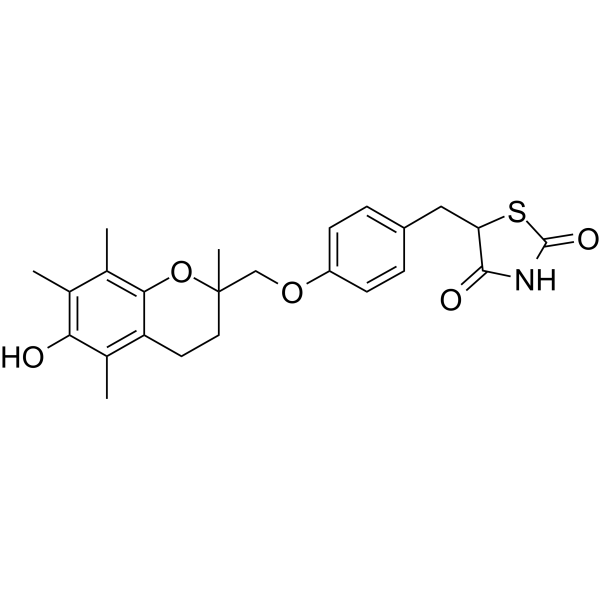
HY-50935
TroglitazonePPARγ Agonist -
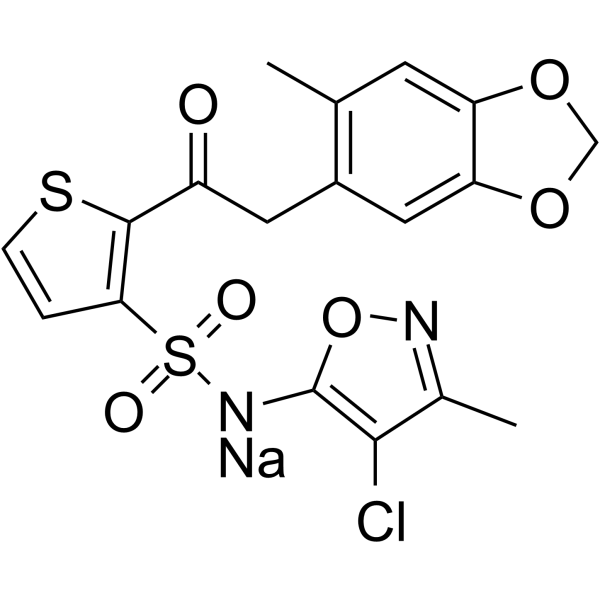
HY-11103
Sitaxsentan sodiumEndothelin A Receptor Antagonist -
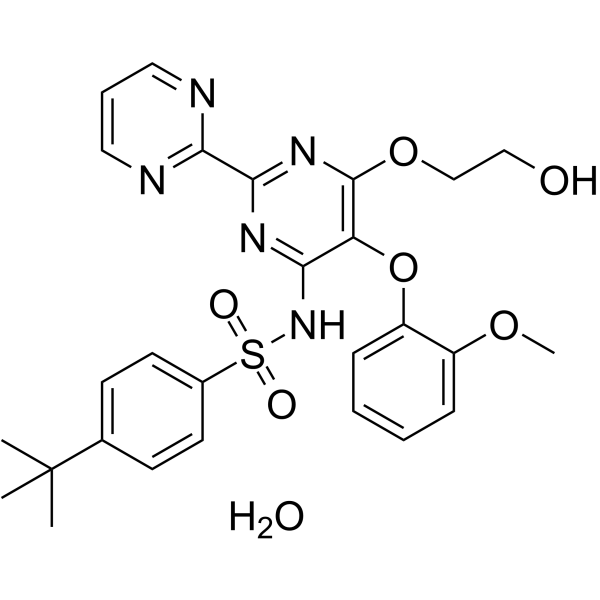
HY-A0013A
Bosentan hydrateET1 Receptor Antagonist -
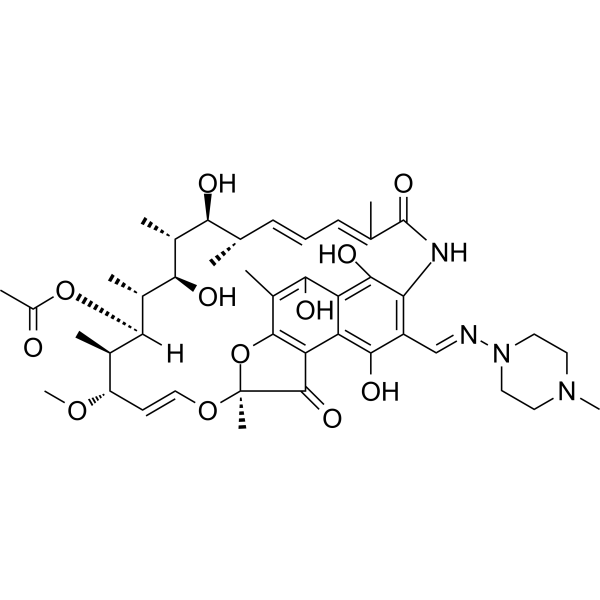
HY-B0272
RifampicinAntivirus Agent -
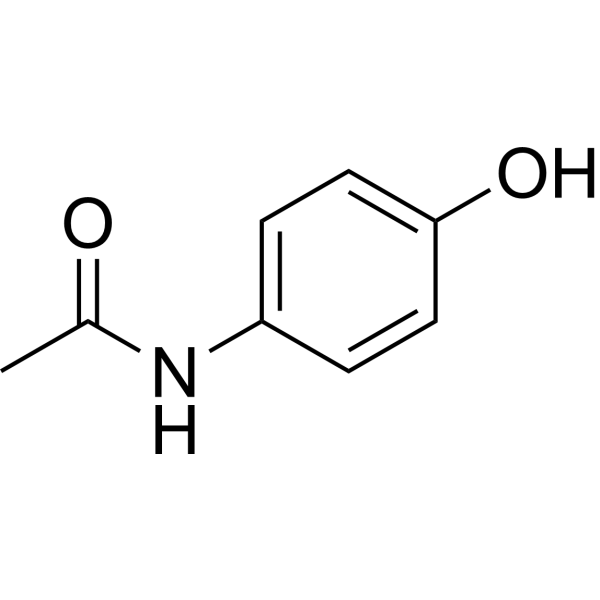
HY-66005
AcetaminophenCOX-2 Inhibitor -
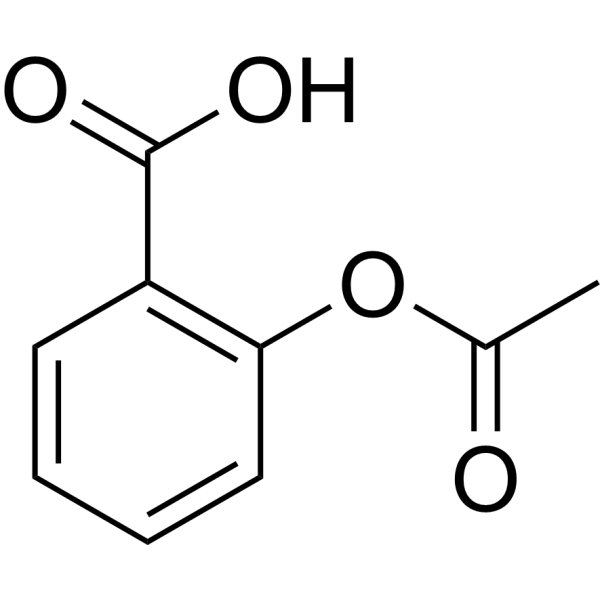
HY-14654
AspirinCOX Inhibitor -
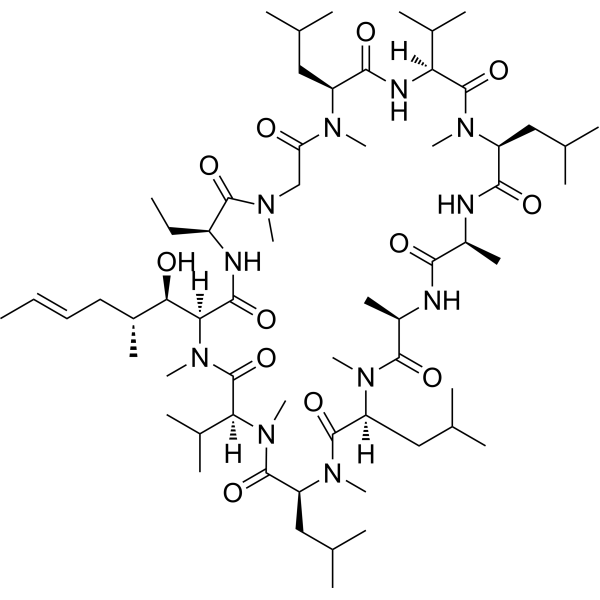
HY-B0579
Cyclosporin ACalcineurin Inhibitor -
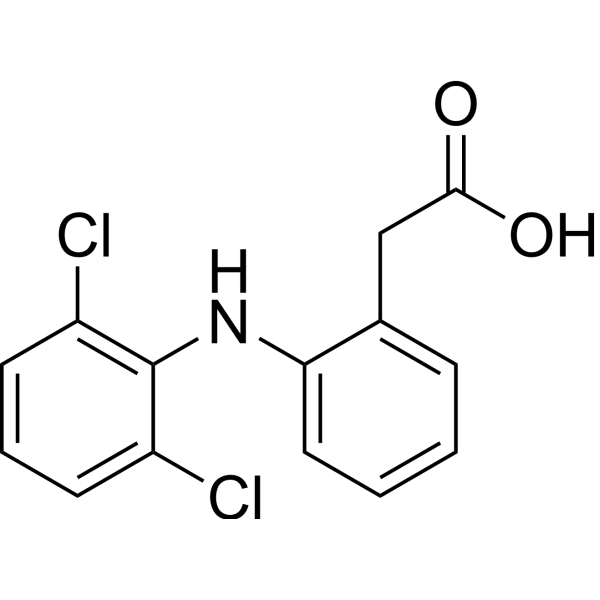
HY-15036
DiclofenacCOX Inhibitor -
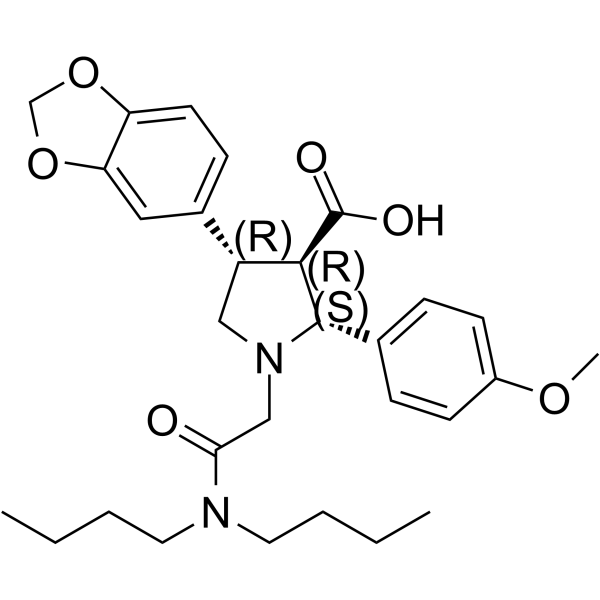
HY-15403
AtrasentanEndothelin Receptor Antagonist -
HY-13956
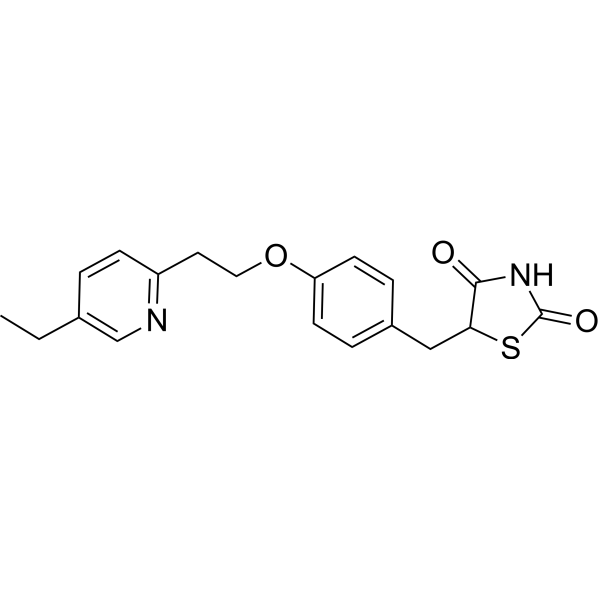
PioglitazonePPARγ Agonist
Publications Citing Use of MedChemExpress (MCE) Bosentan
More- J Exp Clin Cancer Res. 2025 Feb 21;44(1):64. [Abstract]
- Cell Death Dis. 2024 May 22;15(5):358. [Abstract]
- Phytomedicine. 2023 Dec:121:155054. [Abstract]
- Phytomedicine. 2019 Mar 15:56:175-182. [Abstract]
- Acta Pharmacol Sin. 2023 May;44(5):984-998. [Abstract]
- Biomater Res. 2025 Nov 7:29:0280. [Abstract]
- Hypertension. 2019 Dec;74(6):1409-1419. [Abstract]
- Biochem Pharmacol. 2026 Aug;250(Pt 2):118027. [Abstract]
- Cells. 2021 Nov 8;10(11):3072. [Abstract]
- Eur J Pharmacol. 2026 Jan 12:1011:178426. [Abstract]
- Cell Biol Toxicol. 2021 Dec;37(6):873-890. [Abstract]
- Bone Joint Res. 2026 Aug 17;15(8):1017-1032.
- Am J Physiol Cell Physiol. 2026 Jun 18. [Abstract]
- Toxicology. 2025 Nov:517:154210. [Abstract]
- Toxicology. 2020 May 15:437:152445. [Abstract]
- Sci Rep. 2022 Sep 28;12(1):16156. [Abstract]
- Am J Physiol Endocrinol Metab. 2019 Sep 1;317(3):E548-E558. [Abstract]
- Chem Res Toxicol. 2025 Feb 17;38(2):281-295. [Abstract]
- Clin Immunol. 2023 Sep:254:109687. [Abstract]
- Curr Issues Mol Biol. 2023 Jan 8;45(1):555-570. [Abstract]
- BMC Cancer. 2018 Feb 6;18(1):154. [Abstract]
- Biotechnol Bioeng. 2021 Dec;118(12):4687-4698. [Abstract]
- Am J Physiol Heart Circ Physiol. 2019 Nov 1;317(5):H1166-H1172. [Abstract]
- PLoS One. 2016 Dec 28;11(12):e0167713. [Abstract]
- J Chromatogr B Analyt Technol Biomed Life Sci. 2025 Feb 1:1252:124443. [Abstract]
- Microcirculation. 2022 Oct;29(6-7):e12724. [Abstract]
- Biopharm Drug Dispos. 2022 Dec;43(6):265-271. [Abstract]
- J Toxicol Sci. 2024;49(8):337-348. [Abstract]
- Biomed Pharmacother. 2025 Aug:189:118341. [Abstract]
- bioRxiv. 2023 Apr 22.
- Patent. US20220317132A1.
- Patent. US20220288064A1.
- University of Manitoba. 2020 Sep.
 Customer Validation & Images

-
WB
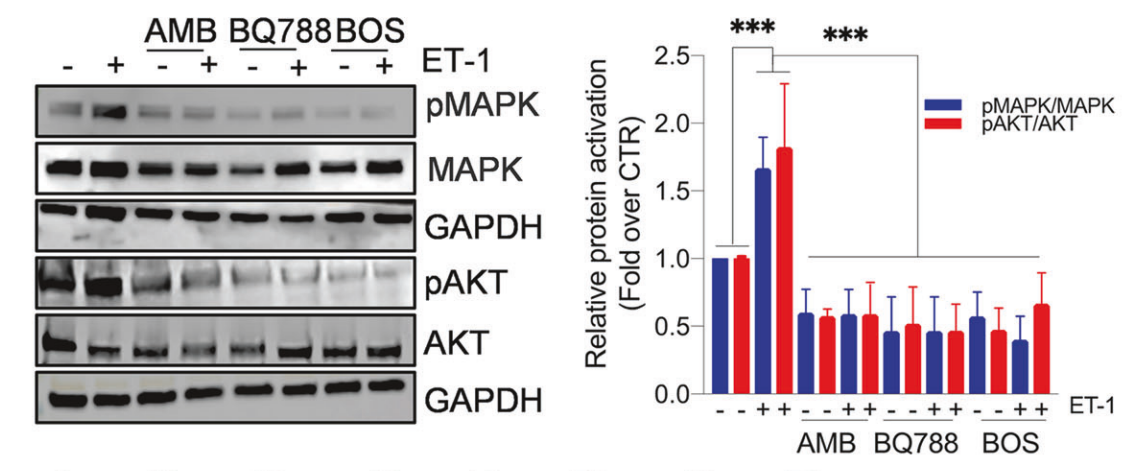
-
Cell Imaging/Staining
-
In Vivo Efficacy Study
-
WB
-
IF


Biological Activity
Description
IC50 & Target
Ki: 4.7 nM (ETA receptor, in human SMC), 95 nM (ETA receptor, in human SMC)[1]
Cellular Effect
|
Cell Line

|
Type | Value | Description | References |
|---|---|---|---|---|
| A-375 | IC50 |
67.36 μM
Compound: bosentan
|
Cytotoxicity against human A-375 cells assessed as reduction in cell viability incubated for 24 hrs by CCK-8 assay
Cytotoxicity against human A-375 cells assessed as reduction in cell viability incubated for 24 hrs by CCK-8 assay
|
[PMID: 34473510] |
| B16 | IC50 |
>80 μM
Compound: bosentan
|
Cytotoxicity against mouse B16 cells assessed as reduction in cell viability incubated for 24 hrs by CCK-8 assay
Cytotoxicity against mouse B16 cells assessed as reduction in cell viability incubated for 24 hrs by CCK-8 assay
|
[PMID: 34473510] |
| CHO | IC50 |
202 nM
Compound: 1
|
Displacement of [I125]ET1 from recombinant ETB receptor expressed in CHO cells after 2 hrs by TopCount analysis
Displacement of [I125]ET1 from recombinant ETB receptor expressed in CHO cells after 2 hrs by TopCount analysis
|
[PMID: 22862294] |
| CHO | IC50 |
280 nM
Compound: Bosentan 1
|
In vitro inhibitory concentration required against [125I]ET1 binding to membranes of CHO cells expressing human ETB receptor
In vitro inhibitory concentration required against [125I]ET1 binding to membranes of CHO cells expressing human ETB receptor
|
[PMID: 12617929] |
| CHO | IC50 |
40 nM
Compound: Bosentan 1
|
In vitro inhibitory concentration required against [125I]ET1 binding to membranes of CHO cells expressing human ETA receptor
In vitro inhibitory concentration required against [125I]ET1 binding to membranes of CHO cells expressing human ETA receptor
|
[PMID: 12617929] |
| CHO | IC50 |
45 nM
Compound: 1
|
Displacement of [I125]ET1 from recombinant ETA receptor expressed in CHO cells after 2 hrs by TopCount analysis
Displacement of [I125]ET1 from recombinant ETA receptor expressed in CHO cells after 2 hrs by TopCount analysis
|
[PMID: 22862294] |
| CHO | IC50 |
8 nM
Compound: 1a
|
Receptor binding affinity was determined in a radioligand binding assay against [125I]ET1 with recombinant human ETA receptor, expressed in baculovirus-infected CHO cells
Receptor binding affinity was determined in a radioligand binding assay against [125I]ET1 with recombinant human ETA receptor, expressed in baculovirus-infected CHO cells
|
10.1016/S0960-894X(97)00400-9 |
| CHO-K1 | IC50 |
195.9 μM
Compound: 1
|
Cytotoxicity against CHOK1 cells assessed as decrease in cell viability after 24 hrs by MTT assay
Cytotoxicity against CHOK1 cells assessed as decrease in cell viability after 24 hrs by MTT assay
|
[PMID: 27318985] |
| CHO-K1 | IC50 |
8.4 nM
Compound: Bosentan
|
Displacement of 125I-labelled endothelin-1 from human ETA receptor expressed in CHOK1 cell membranes
Displacement of 125I-labelled endothelin-1 from human ETA receptor expressed in CHOK1 cell membranes
|
10.1039/C5MD00169B |
| CHO-K1 | IC50 |
8.9 nM
Compound: Bosentan
|
Antagonist activity at human endothelin receptor subtype A expressed in CHO-K1 cells
Antagonist activity at human endothelin receptor subtype A expressed in CHO-K1 cells
|
[PMID: 22750010] |
| HepG2 | EC50 |
12.6 μM
Compound: Bosentan
|
Activation of human PXR expressed in human HepG2 (DPX-2) cells assessed as induction of CYP3A4 after 24 hrs by luminescent analysis
Activation of human PXR expressed in human HepG2 (DPX-2) cells assessed as induction of CYP3A4 after 24 hrs by luminescent analysis
|
[PMID: 20966043] |
| HepG2 | EC50 |
14.1 μM
Compound: Bosentan
|
Activation of human PXR expressed in human HepG2 (DPX-2) cells after 24 hrs by luciferase reporter gene based luminescent analysis
Activation of human PXR expressed in human HepG2 (DPX-2) cells after 24 hrs by luciferase reporter gene based luminescent analysis
|
[PMID: 20966043] |
| Sf21 | IC50 |
30.6 μM
Compound: Bosentan
|
Inhibition of Sprague-Dawley rat Bsep expressed in plasma membrane vesicles of Sf21 cells assessed as inhibition of ATP-dependent [3H]taurocholate uptake
Inhibition of Sprague-Dawley rat Bsep expressed in plasma membrane vesicles of Sf21 cells assessed as inhibition of ATP-dependent [3H]taurocholate uptake
|
[PMID: 21965623] |
| Sf21 | IC50 |
38.1 μM
Compound: Bosentan
|
Inhibition of human BSEP expressed in plasma membrane vesicles of Sf21 cells assessed as inhibition of ATP-dependent [3H]taurocholate uptake
Inhibition of human BSEP expressed in plasma membrane vesicles of Sf21 cells assessed as inhibition of ATP-dependent [3H]taurocholate uptake
|
[PMID: 21965623] |
| Sf9 | IC50 |
0.08 μM
Compound: 6
|
Displacement of radioligand from ETA receptor (unknown origin) expressed in fall armyworm sf9 cell membranes
Displacement of radioligand from ETA receptor (unknown origin) expressed in fall armyworm sf9 cell membranes
|
[PMID: 27321813] |
| Sf9 | IC50 |
80 nM
Compound: 1a
|
Receptor binding affinity was determined against [125I]ET1 with recombinant human ETA receptor, expressed in baculovirus-infected Sf9 cells
Receptor binding affinity was determined against [125I]ET1 with recombinant human ETA receptor, expressed in baculovirus-infected Sf9 cells
|
10.1016/S0960-894X(97)00400-9 |
| SK-MEL-28 | IC50 |
53.65 μM
Compound: bosentan
|
Cytotoxicity against human SK-MEL-28 cells assessed as reduction in cell viability incubated for 24 hrs by CCK-8 assay
Cytotoxicity against human SK-MEL-28 cells assessed as reduction in cell viability incubated for 24 hrs by CCK-8 assay
|
[PMID: 34473510] |
In Vitro
Bosentan (BOS) competitively and specifically antagonizes binding of 125I-labelled ET-1 to ETA receptors on human smooth muscle cells (SMC) and ETB receptors on human placenta cells. The in vitro binding affinity of Bosentan to ETA receptors on human SMC is 4.7 nM and to ETB receptors on human SMC or placenta cells is 41 or 95 nM. Bosentan has 67-fold greater selectivity for ETA than ETB receptors (mean IC50=7.1 vs 474.8 nM) in an in vitro 125I-labeling assay[1].
MedChemExpress (MCE) has not independently confirmed the accuracy of these methods. They are for reference only. .
In Vivo
MedChemExpress (MCE) has not independently confirmed the accuracy of these methods. They are for reference only.
Clinical Trial
| NCT Number | Sponsor | Condition | Start Date |
Phase
|
|---|---|---|---|---|
| NCT01329991 | Plexxikon| | 2011-05 | PHASE1 |


Chemical Information
-
CAS No. 147536-97-8
-
Appearance Solid
-
Molecular Weight 551.61
-
Formula C27H29N5O6S
-
Color White to off-white
-
SMILES
O=S(NC1=NC(C2=NC=CC=N2)=NC(OCCO)=C1OC3=CC=CC=C3OC)(C4=CC=C(C(C)(C)C)C=C4)=O
-
Shipping
Room temperature in continental US; may vary elsewhere.
-
Storage
Powder -20°C 3 years 4°C 2 years In solvent -80°C 1 year -20°C 6 months


Publications (33)
-
Journal Impact Factor
-
Most Recent
-
J Exp Clin Cancer Res
The extracellular matrix protein type I collagen and fibronectin are regulated by β-arrestin-1/endothelin axis in human ovarian fibroblasts. [Abstract]2025 Feb 21;44(1):64. PMID: 39985042 -
Cell Death Dis
The β-arrestin1/endothelin axis bolsters ovarian fibroblast-dependent invadosome activity and cancer cell metastatic potential. [Abstract]2024 May 22;15(5):358. PMID: 38777849
Bosentan purchased from MedChemExpress. Usage Cited in: Cell Death Dis. 2024 May 22;15(5):358. [Abstract]
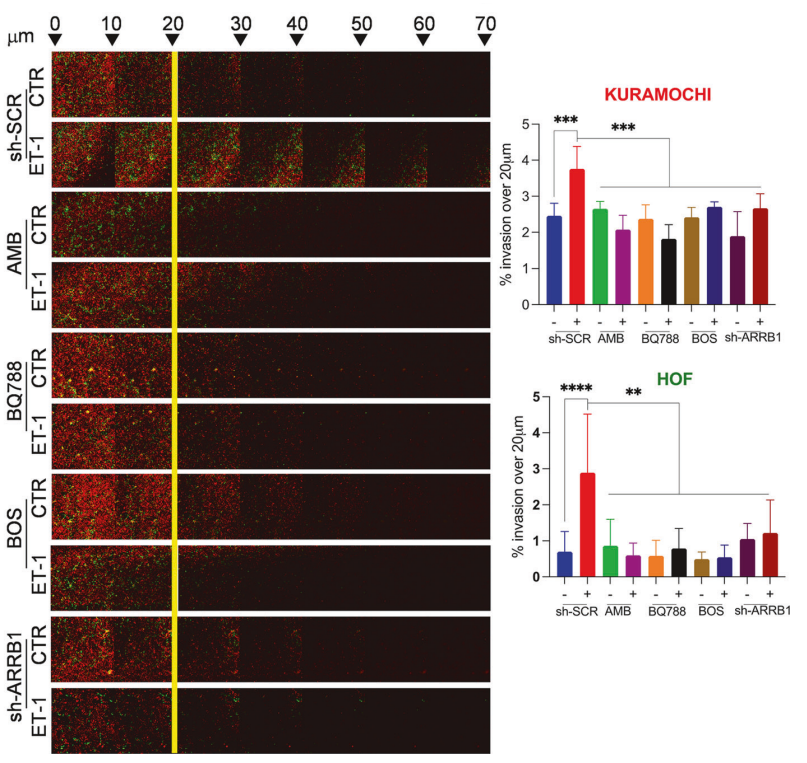
Bosentan (BOS) (1 μM; 5 min) abolished the increased HOF invasive potential induced by ET-1.
Bosentan purchased from MedChemExpress. Usage Cited in: Cell Death Dis. 2024 May 22;15(5):358. [Abstract]
Bosentan (BOS) (1 μM; 5 min) inhibited the enhanced average invasion depth into the ECM of Kuramochi cells and HOFs induced by ET-1.
Bosentan purchased from MedChemExpress. Usage Cited in: Cell Death Dis. 2024 May 22;15(5):358. [Abstract]
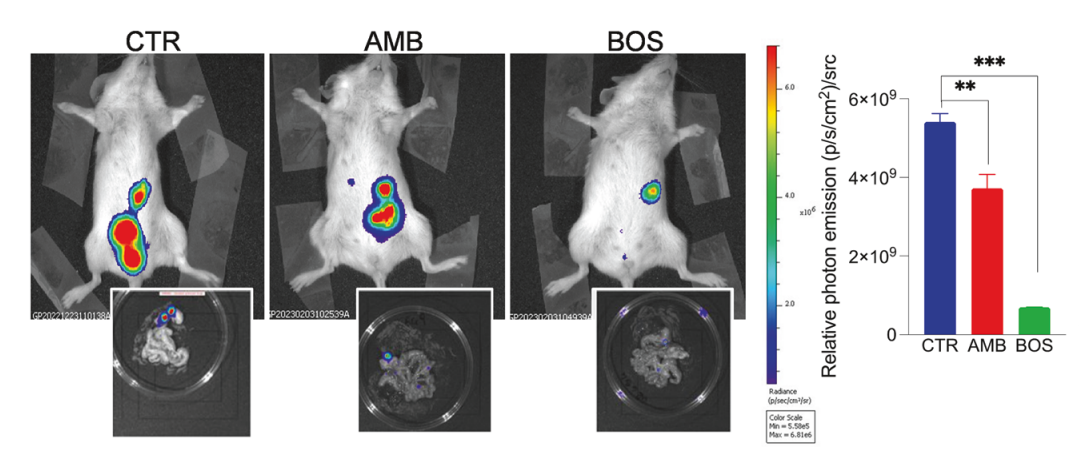
Bosentan (BOS) (10 mg/kg; i.p.; once daily for 5 weeks) significantly inhibited intraperitoneal spreading of tumors in NOD/SCID mice.
Bosentan purchased from MedChemExpress. Usage Cited in: Cell Death Dis. 2024 May 22;15(5):358. [Abstract]
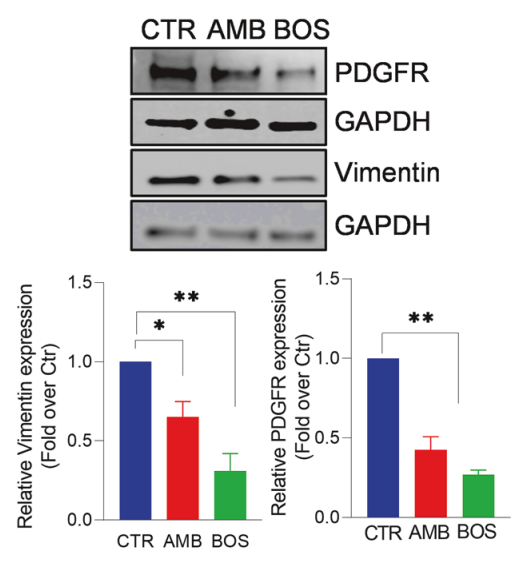
Bosentan (BOS) (10 mg/kg; i.p.; once daily for 5 weeks) markedly reduced the expression of PDGFR and Vimentin in metastatic nodules of NOD/SCID mice.
Bosentan purchased from MedChemExpress. Usage Cited in: Cell Death Dis. 2024 May 22;15(5):358. [Abstract]
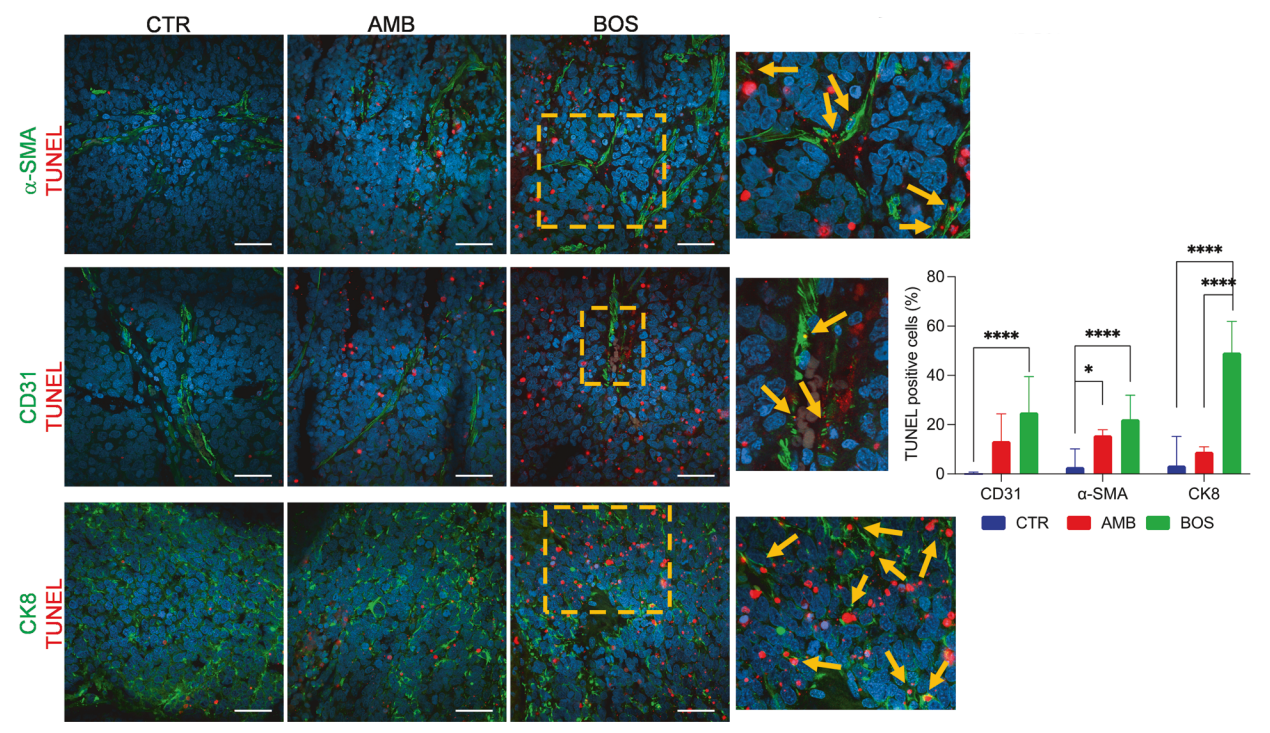
Bosentan (BOS) (10 mg/kg; i.p.; once daily for 5 weeks) significantly enhanced the number of apoptotic cells in the tumors of NOD/SCID mice.
-
Phytomedicine
Celastrol as an intestinal FXR inhibitor triggers tripolide-induced intestinal bleeding: Underlying mechanism of gastrointestinal injury induced by Tripterygium wilfordii. [Abstract]2023 Dec:121:155054. PMID: 37738906 -
Phytomedicine
Potential detoxification effect of active ingredients in liquorice by upregulating efflux transporter. [Abstract]2019 Mar 15:56:175-182. PMID: 30668338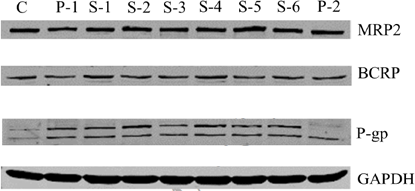
Bosentan purchased from MedChemExpress. Usage Cited in: Phytomedicine. 2019 Mar 15:56:175-182. [Abstract]
Representative Western blots for P-gp、BCRP、MRP2 in LS-180 treated with six active compounds in liquorice. C: control, P-1: Rifampicin, P-2: Bosentan, S-1: Liquiritin, S-2: Liquiritigenin, S-3: Isoliquiritin, S-4: Isoliquiritigenin, S-5: Glycyrrhetinic acid, S-6: Licochalcone A.
-
Acta Pharmacol Sin
Circulating small extracellular vesicles promote proliferation and migration of vascular smooth muscle cells via AXL and MerTK activation. [Abstract]2023 May;44(5):984-998. PMID: 36450791 -
Biomater Res
Distinct Roles of Matrigel Enabled the Production of Expandable Hepatoblast and Polarized Hepatocyte Organoids from Human Embryonic Stem Cells under 3-Dimensional Suspension Conditions. [Abstract]2025 Nov 7:29:0280. PMID: 41209312 -
Hypertension
Chronic Elevation of Endothelin-1 Alone May Not Be Sufficient to Impair Endothelium-Dependent Relaxation. [Abstract]2019 Dec;74(6):1409-1419. PMID: 31630572 -
Biochem Pharmacol
Bosentan confers cardioprotection against cisplatin toxicity: Involvement of β-arrestin-linked ETA receptor signaling. [Abstract]2026 Aug;250(Pt 2):118027. PMID: 42069228 -
Cells
2021 Nov 8;10(11):3072. PMID: 34831300 -
Eur J Pharmacol
tRF-31-PS5P4PW3FJHP inhibits hypoxia-induced proliferation of pulmonary artery endothelial cells by regulating EDN1 splicing via binding to LSM4. [Abstract]2026 Jan 12:1011:178426. PMID: 41354297 -
Cell Biol Toxicol
Endothelial ERG alleviates cardiac fibrosis via blocking endothelin-1-dependent paracrine mechanism. [Abstract]2021 Dec;37(6):873-890. PMID: 33469864 -
-
Am J Physiol Cell Physiol
Redox-sensitive GPCR signaling drives Gq-dependent Ca²⁺ mobilization and cytokine production in human bronchial epithelial cells. [Abstract]2026 Jun 18. PMID: 42314770 -
Toxicology
In vitro test battery for testing molecular initiating events in chemical-induced cholestasis. [Abstract]2025 Nov:517:154210. PMID: 40473197 -
Toxicology
Drug interaction study of flavonoids toward OATP1B1 and their 3D structure activity relationship analysis for predicting hepatoprotective effects. [Abstract]2020 May 15:437:152445. PMID: 32259555 -
Sci Rep
Involvement of endothelins in neuroprotection of valosin-containing protein modulators against retinal ganglion cell damage. [Abstract]2022 Sep 28;12(1):16156. PMID: 36171250 -
Am J Physiol Endocrinol Metab
Overproduction of endothelin-1 impairs glucose tolerance but does not promote visceral adipose tissue inflammation or limit metabolic adaptations to exercise. [Abstract]2019 Sep 1;317(3):E548-E558. PMID: 31310581 -
Chem Res Toxicol
Inhibitory Effects of Alkaloids on OATP1B1 In Vitro and In Vivo: Prediction for Food/Herb-Drug Interactions and Hepatoprotective Effects Based on Structure-Activity Relationships. [Abstract]2025 Feb 17;38(2):281-295. PMID: 39899883 -
Clin Immunol
NETosis promotes chronic inflammation and fibrosis in systemic lupus erythematosus and COVID-19. [Abstract]2023 Sep:254:109687. PMID: 37419296 -
Curr Issues Mol Biol
Deciphering the Mechanism of Wogonin, a Natural Flavonoid, on the Proliferation of Pulmonary Arterial Smooth Muscle Cells by Integrating Network Pharmacology and In Vitro Validation. [Abstract]2023 Jan 8;45(1):555-570. PMID: 36661523 -
BMC Cancer
Overexpression of endothelin B receptor in glioblastoma: a prognostic marker and therapeutic target?. [Abstract]2018 Feb 6;18(1):154. PMID: 29409474 -
Biotechnol Bioeng
An integrated biomimetic array chip for establishment of collagen-based 3D primary human hepatocyte model for prediction of clinical drug-induced liver injury. [Abstract]2021 Dec;118(12):4687-4698. PMID: 34478150 -
Am J Physiol Heart Circ Physiol
Persistent insulin signaling coupled with restricted PI3K activation causes insulin-induced vasoconstriction. [Abstract]2019 Nov 1;317(5):H1166-H1172. PMID: 31603345 -
PLoS One
Endothelin Regulates Porphyromonas gingivalis-Induced Production of Inflammatory Cytokines. [Abstract]2016 Dec 28;11(12):e0167713. PMID: 28030574 -
J Chromatogr B Analyt Technol Biomed Life Sci
A simple HPLC-UV method for monitoring therapeutic adherence in pulmonary arterial hypertension. [Abstract]2025 Feb 1:1252:124443. PMID: 39787725 -
Microcirculation
Lymphatic microcirculation profile in the progression of hypertension in spontaneously hypertensive rats. [Abstract]2022 Oct;29(6-7):e12724. PMID: 34351675 -
Biopharm Drug Dispos
Inhibition of canalicular and sinusoidal taurocholate efflux by cholestatic drugs in human hepatoma HepaRG cells. [Abstract]2022 Dec;43(6):265-271. PMID: 36195987 -
J Toxicol Sci
Validation of a new protocol for a zebrafish MEFL (malformation or embryo-fetal lethality) test method that conforms to the ICH S5 (R3) guideline. [Abstract]2024;49(8):337-348. PMID: 39098043 -
Biomed Pharmacother
GKB202 suppresses endothelin-1/ERK signaling in pancreatic cancer cells: Potential implications for circulating tumor cell regulation. [Abstract]2025 Aug:189:118341. PMID: 40669304 -
-
-
-


Solvent & Solubility
In Vitro:
DMSO : ≥ 100 mg/mL (181.29 mM; Hygroscopic DMSO has a significant impact on the solubility of product, please use newly opened DMSO)
* "≥" means soluble, but saturation unknown.
Please refer to the solubility information to select the appropriate solvent. Once prepared, please aliquot and store the solution to prevent product inactivation from repeated freeze-thaw cycles.
Storage method and period of stock solution: -80°C, 1 year; -20°C, 6 months. When stored at -80°C, please use it within 1 year. When stored at -20°C, please use it within 6 months.
Please refer to the solubility information to select the appropriate solvent. Once prepared, please aliquot and store the solution to prevent product inactivation from repeated freeze-thaw cycles.
Storage method and period of stock solution: -80°C, 1 year; -20°C, 6 months. When stored at -80°C, please use it within 1 year. When stored at -20°C, please use it within 6 months.
Concentration (start) × Volume (start) = Concentration (final) × Volume (final)
In Vivo:
Select the appropriate dissolution method based on your experimental animal and administration route.
- For the following dissolution methods, please ensure to first prepare a clear stock solution using an In Vitro approach and then sequentially add co-solvents:
- To ensure reliable experimental results, the clarified stock solution can be appropriately stored based on storage conditions. As for the working solution for In Vivo experiments, it is recommended to prepare freshly and use it on the same day.
- The percentages shown for the solvents indicate their volumetric ratio in the final prepared solution. If precipitation or phase separation occurs during preparation, heat and/or sonication can be used to aid dissolution.
Add each solvent one by one: 10% DMSO 40% PEG300 5% Tween-80 45% Saline
Solubility: ≥ 2.5 mg/mL (4.53 mM); Clear solution
This protocol yields a clear solution of ≥ 2.5 mg/mL (saturation unknown).
Taking 1 mL working solution as an example, add 100 μL DMSO stock solution (25.0 mg/mL) to 400 μL PEG300, and mix evenly; then add 50 μL Tween-80 and mix evenly; then add 450 μL Saline to adjust the volume to 1 mL.
Preparation of Saline: Dissolve 0.9 g sodium chloride in ddH₂O and dilute to 100 mL to obtain a clear Saline solution.
Add each solvent one by one: 10% DMSO 90% (20% SBE-β-CD in Saline)
Solubility: ≥ 2.5 mg/mL (4.53 mM); Clear solution
This protocol yields a clear solution of ≥ 2.5 mg/mL (saturation unknown).
Taking 1 mL working solution as an example, add 100 μL DMSO stock solution (25.0 mg/mL) to 900 μL 20% SBE-β-CD in Saline, and mix evenly.
Preparation of 20% SBE-β-CD in Saline (4°C, storage for one week): 2 g SBE-β-CD powder is dissolved in 10 mL Saline, completely dissolve until clear.
For the following dissolution methods, please prepare the working solution directly:
It is recommended to prepare fresh solutions and use them promptly within a short period of time.
The percentages shown for the solvents indicate their volumetric ratio in the final prepared solution. If precipitation or phase separation occurs during preparation, heat and/or sonication can be used to aid dissolution.
Add each solvent one by one: 50% PEG300 50% Saline
Solubility: 2.5 mg/mL (4.53 mM); Suspended solution; Need ultrasonic
In Vivo Dissolution Calculator
Please enter the basic information of animal experiments:
-
-
-
-
Recommended: Prepare an additional quantity of animals to account for potential losses during experiments.
Please enter your animal formula composition:
-
%DMSO +
Recommended: Keep the proportion of DMSO in working solution below 2% if your animal is weak.
-
%+
-
+%Tween-80 + +
-
%Saline +
The co-solvents required include: DMSO, . All of co-solvents are available by MedChemExpress (MCE). , Tween 80. All of co-solvents are available by MedChemExpress (MCE).
Working solution concentration: 0.22 mg/mL
Method for preparing stock solution: mg drug dissolved in μL DMSO. Stock solution concentration: mg/mL.
1. Take μL DMSO stock solution;
2. Add μL .
μL , mix evenly;
3. Then add μL Tween 80, mix evenly;
4. Then add μL
Please ensure that the stock solution in the first step is dissolved to a clear state, and add co-solvents in sequence. You can use ultrasonic heating (ultrasonic cleaner, recommended frequency 20-40 kHz), vortexing, etc. to assist dissolution.


Purity & Documentation
-
Data Sheet (284 KB)
-
SDS (623 KB)
- English - EN (623 KB)
- Français - FR (623 KB)
- Deutsch - DE (623 KB)
- Norwegian - NO (623 KB)
- Español - ES (623 KB)
- Swedish - SV (623 KB)
- Italian - IT (623 KB)
- Korean - KR (623 KB)
- Portuguese - PT (623 KB)
-
Handling Instructions (2659 KB)
References
[1]. Dhillon S, et al. Bosentan: a review of its use in the management of mildly symptomatic pulmonary arterial hypertension. Am J Cardiovasc Drugs. 2009;9(5):331-50. [Content Brief]
[2]. Akamata K, et al. Bosentan reverses the pro-fibrotic phenotype of systemic sclerosis dermal fibroblasts via increasing DNA binding ability of transcription factor Fli1. Arthritis Res Ther. 2014 Apr 3;16(2):R86. [Content Brief]
[3]. Iglarz M, et al. Comparison of pharmacological activity of macitentan and bosentan in preclinical models of systemic and pulmonary hypertension. Life Sci. 2014 Nov 24;118(2):333-9. [Content Brief]
[4]. Son GY, et al. Endothelin Regulates Porphyromonas gingivalis-Induced Production of Inflammatory Cytokines. PLoS One. 2016 Dec 28;11(12):e0167713. [Content Brief]


Complete Stock Solution Preparation Table
Please refer to the solubility information to select the appropriate solvent. Once prepared, please aliquot and store the solution to prevent product inactivation from repeated freeze-thaw cycles.
Storage method and period of stock solution: -80°C, 1 year; -20°C, 6 months. When stored at -80°C, please use it within 1 year. When stored at -20°C, please use it within 6 months.
| Optional Solvent | Concentration Solvent Mass | 1 mg | 5 mg | 10 mg | 25 mg |
|---|---|---|---|---|---|
| DMSO | 1 mM | 1.8129 mL | 9.0644 mL | 18.1288 mL | 45.3219 mL |
| 5 mM | 0.3626 mL | 1.8129 mL | 3.6258 mL | 9.0644 mL | |
| 10 mM | 0.1813 mL | 0.9064 mL | 1.8129 mL | 4.5322 mL | |
| 15 mM | 0.1209 mL | 0.6043 mL | 1.2086 mL | 3.0215 mL | |
| 20 mM | 0.0906 mL | 0.4532 mL | 0.9064 mL | 2.2661 mL | |
| 25 mM | 0.0725 mL | 0.3626 mL | 0.7252 mL | 1.8129 mL | |
| 30 mM | 0.0604 mL | 0.3021 mL | 0.6043 mL | 1.5107 mL | |
| 40 mM | 0.0453 mL | 0.2266 mL | 0.4532 mL | 1.1330 mL | |
| 50 mM | 0.0363 mL | 0.1813 mL | 0.3626 mL | 0.9064 mL | |
| 60 mM | 0.0302 mL | 0.1511 mL | 0.3021 mL | 0.7554 mL | |
| 80 mM | 0.0227 mL | 0.1133 mL | 0.2266 mL | 0.5665 mL | |
| 100 mM | 0.0181 mL | 0.0906 mL | 0.1813 mL | 0.4532 mL |


Bosentan Related Classifications
HY-A0013 Related Classifications
 Powered by Bioz