



Glycopeptide
Glycopeptide antibiotics are a class of complex glycosylated peptides that exert potent activity against Gram-positive bacteria by targeting bacterial cell-wall biosynthesis[1][2]. Mechanistically, representative glycopeptides such as vancomycin and teicoplanin recognize the terminal D-Ala-D-Ala motif of lipid II precursors, thereby blocking peptidoglycan maturation and preventing the transglycosylation and transpeptidation reactions required for cell-wall assembly[1][3][4]. This highly selective interaction underlies their clinical importance in severe infections caused by resistant Gram-positive pathogens, including methicillin-resistant Staphylococcus aureus and enterococci[5][6]. In disease-relevant settings, the emergence of glycopeptide resistance has become a major concern because resistant bacteria remodel cell-wall precursors from D-Ala-D-Ala to D-Ala-D-Lac or D-Ala-D-Ser, markedly reducing antibiotic binding affinity and therapeutic efficacy[2][7]. Compared with first-generation glycopeptides such as vancomycin and teicoplanin, newer semisynthetic lipoglycopeptides, including telavancin, dalbavancin, and oritavancin, possess structural modifications that enhance antibacterial activity and expand pharmacological properties[5][8]. These distinctions among glycopeptide subclasses provide valuable experimental models for investigating target recognition, resistance evolution, and structure-activity relationships[5][7]. For research applications, glycopeptides remain widely used as molecular probes for studying peptidoglycan biosynthesis, lipid II-mediated pathways, and antibiotic resistance mechanisms, while chemically modified derivatives continue to support the development of next-generation antibacterial agents against drug-resistant pathogens[2][9].
References:
- [1]. Reynolds PE. Structure, et al. Structure, biochemistry and mechanism of action of glycopeptide antibiotics. Eur J Clin Microbiol Infect Dis. 1989 Nov;8(11):943-50. [Content Brief]
- [2]. Stauch B, et al. Structural insights into melatonin receptors. FEBS J. 2020 Apr;287(8):1496-1510. [Content Brief]
- [3]. Glycopeptide Antibiotic.
- [4]. Gavriilidou A, et al. Animating insights into the biosynthesis of glycopeptide antibiotics. Curr Opin Microbiol. 2024 Dec;82:102561.
- [5]. Butler MS, et al. Glycopeptide antibiotics: back to the future. J Antibiot (Tokyo). 2014 Sep;67(9):631-44. [Content Brief]
- [6]. Johnson AP, et al. Resistance to vancomycin and teicoplanin: an emerging clinical problem. Clin Microbiol Rev. 1990 Jul;3(3):280-91. [Content Brief]
- [7]. Binda E, et al. Old and New Glycopeptide Antibiotics: Action and Resistance. Antibiotics (Basel). 2014 Nov 4;3(4):572-94. [Content Brief]
- [8]. Yim G, et al. Glycopeptide antibiotic biosynthesis. J Antibiot (Tokyo). 2014 Jan;67(1):31-41. [Content Brief]
- [9]. Rabezanahary H, et al. Live virus neutralizing antibodies against pre and post Omicron strains in food and retail workers in Québec, Canada. Heliyon. 2024 May 21;10(10):e31026. [Content Brief]
-
Glycopeptide Related Products (20)
Related Products (20)

- 1
-
Vancomycin hydrochloride
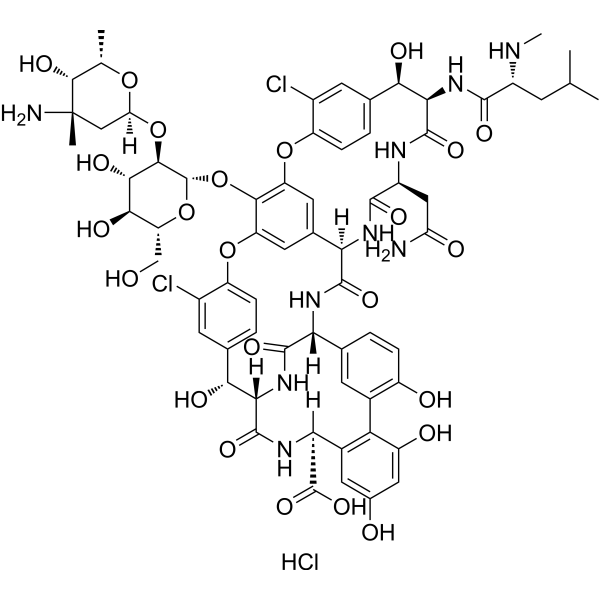 0 ImagesVancomycin hydrochloride is an antibiotic for the treatment of bacterial infections. It acts by inhibiting the second stage of cell wall synthesis of susceptible bacteria. Vancomycin also alters the permeability of the cell membrane and selectively inhibits ribonucleic acid synthesis.
-
Vancomycin
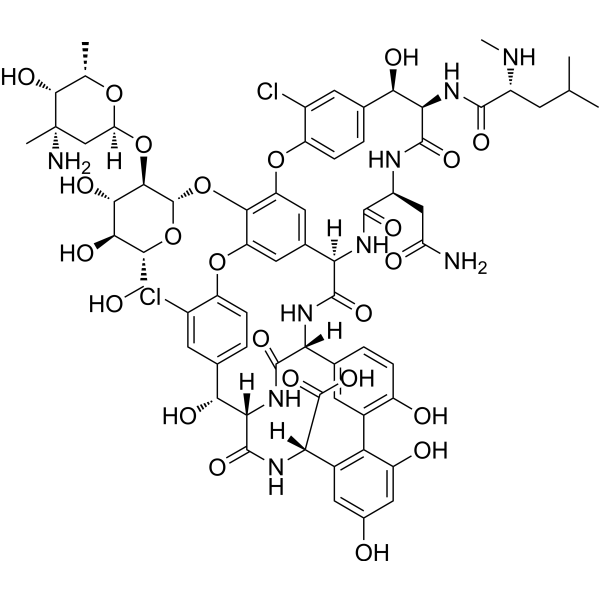 0 ImagesVancomycin is an antibiotic for the treatment of bacterial infections.
-
Teicoplanin
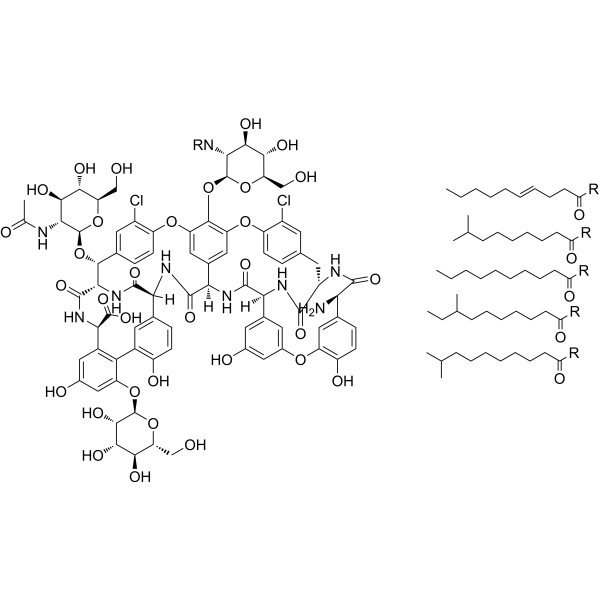 0 ImagesCat. No.: HY-A0097CAS No.: 61036-62-2Synonyms: Antibiotic MDL-507; MDL-507Teicoplanin is a glycopeptide antibiotic indicated for use in serious infections caused by Gram-positive bacteria, including Methicillin-resistant Staphylococcus aureus and Enterococcus aureus.Teicoplanin shows antiviral activity for HIV-1, SARS-CoV1 and SARS-CoV2. Teicoplanin sodium shows anti-MRSA activity.
-
Oritavancin diphosphate
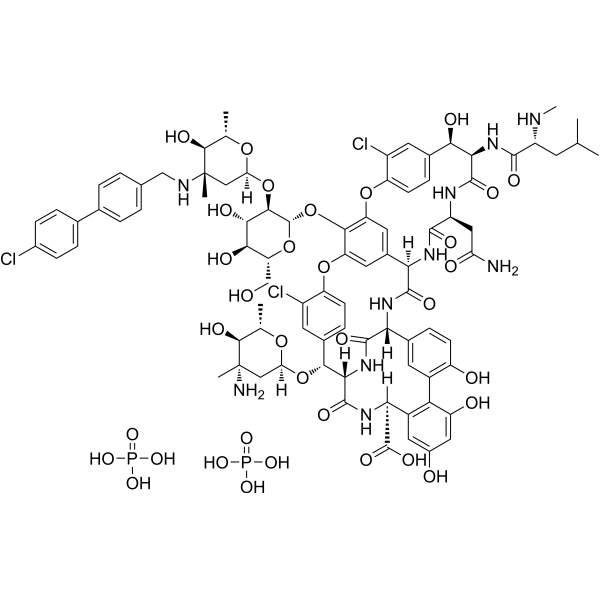 0 ImagesSynonyms: LY333328 diphosphateOritavancin diphosphate (LY333328 diphosphate), a semisynthetic derivative of Vancomycin (HY-B0671), is an orally active glycopeptide antibiotic with bactericidal activity against gram-positive organisms. Oritavancin diphosphate shows antibacterial effect against B. anthracis, such as Ames strain with a MIC value of 0.015 g/mL. Oritavancin diphosphate inhibits cell wall synthesis and disrupts the membrane potential. Oritavancin diphosphate inhibits ArlS kinase activity thereby interfering the signal transduction. Oritavancin diphosphate enters cells by adsorptive endocytosis, which drives it to lysosomes, where it exerts antibiotic activity.
-
Bleomycin A5
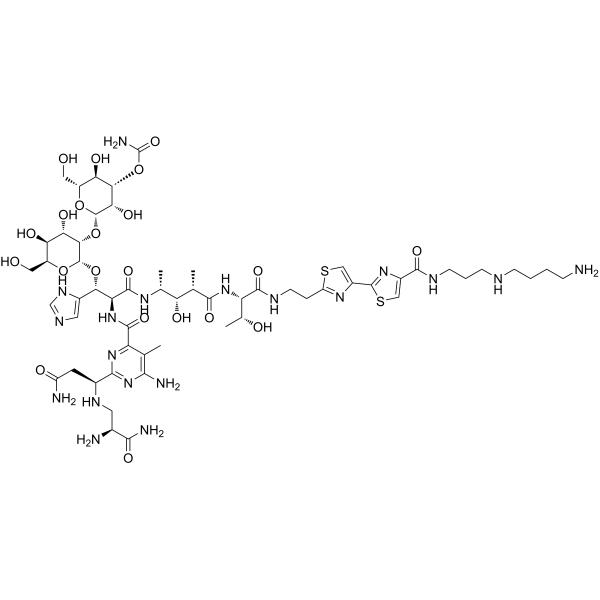 0 ImagesSynonyms: PingyangmycinBleomycin A5 (Pingyangmycin) is a glycopeptide antibiotic with multiple biological activities, which can be isolated from Streptomyces. Bleomycin A5 exerts cytotoxic effects by binding to Fe2+ to form a complex, inducing single-strand and double-strand DNA breaks, and inhibiting DNA replication. Bleomycin A5 inhibits Drp1-mediated mitochondrial fission and suppresses PINK1/Parkin pathway-mediated mitophagy, ultimately triggering mitochondria-mediated cellular apoptosis. Bleomycin A5 can be used in cancer research.
-
Dalbavancin hydrochloride
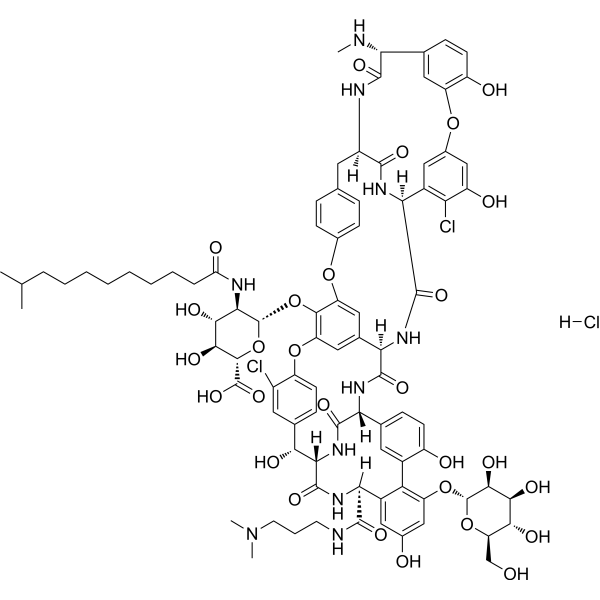 0 ImagesSynonyms: MDL-63397 hydrochloride; BI-397 hydrochlorideDalbavancin hydrochloride (MDL-63397 hydrochloride) is a semisynthetic lipoglycopeptide antibiotic with potent bactericidal activity against Gram-positive bacteria. Dalbavancin hydrochloride inhibits Staphylococcus aureus and Bacillus anthracis with MIC90s of 0.06 μg/mL and 0.25 μg/mL, respectively.
-
Phleomycin
 0 ImagesCat. No.: HY-126490CAS No.: 11006-33-0Phleomycin is a copper-dependent DNA damaging agent and antibiotic with antitumor activity. Phleomycin binds to DNA and produces ROS in the presence of reducing agents (such as dithiothreitol and glutathione), inducing single-strand and double-strand breaks in DNA. Phleomycin can induce cell apoptosis or mutation and is widely used in cancer inhibition, microbial genetic transformation (as a screening marker to improve fungal transformation efficiency) and DNA repair mechanism research.
-
Dalbavancin
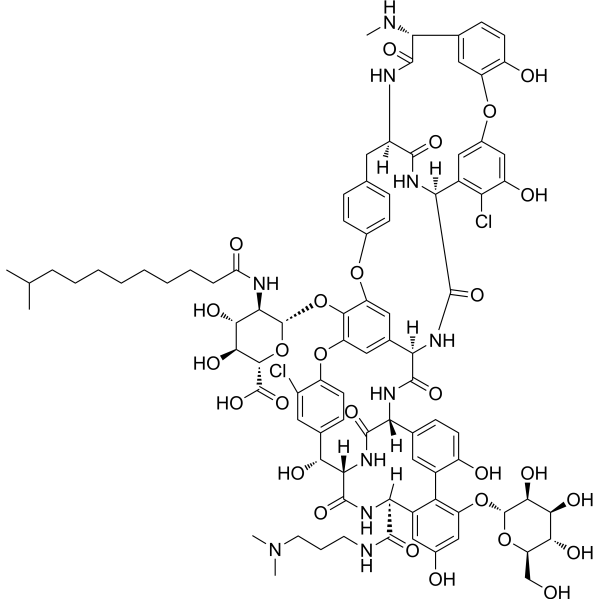 0 ImagesSynonyms: MDL-63397; BI-397Dalbavancin (MDL-63397) is a semisynthetic lipoglycopeptide antibiotic with potent bactericidal activity against Gram-positive bacteria. Dalbavancin inhibits Staphylococcus aureus and Bacillus anthracis with MIC90s of 0.06 μg/mL and 0.25 μg/mL, respectively.
-
Ristomycin sulfate
 0 ImagesCat. No.: HY-131150CAS No.: 11140-99-1Ristomycin sulfate is an antibacterial antibiotic and platelet aggregation inducer. Ristomycin sulfate interacts with the D-alanyl-D-alanine terminus of bacterial cell wall precursors to regulate bacterial cell wall synthesis. Ristomycin sulfate induces platelet aggregation in vitro and inhibits the growth of Gram-positive bacteria. Ristomycin sulfate serves as an in vitro diagnostic compound for detecting von Willebrand factor activity. Ristomycin sulfate is applicable to research related to von Willebrand disease and Bernard-Soulier syndrome.
-
Ramoplanin
 0 ImagesCat. No.: HY-129034CAS No.: 76168-82-6Ramoplanin is a broad-spectrum lipoglycodepsipeptide antibiotic derived from the Actinoplanes spp with with activity against gram-positive bacteria.
-
Phleomycin D1
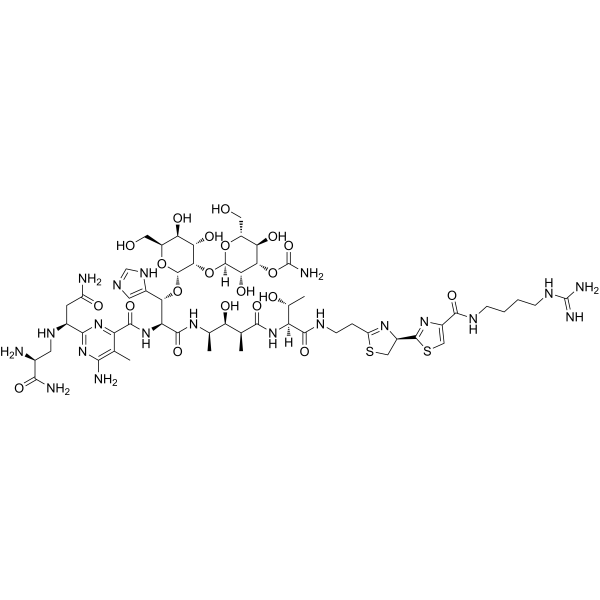 0 ImagesSynonyms: PLM D1Phleomycin D1 (PLM D1), a glycopeptide antibiotic, is a member of the Bleomycin/Phleomycin family. Phleomycin D1 causes cell death by binding and cleaving DNA. Phleomycin D1 induces cell cycle arrest at S phase.
-
A40926
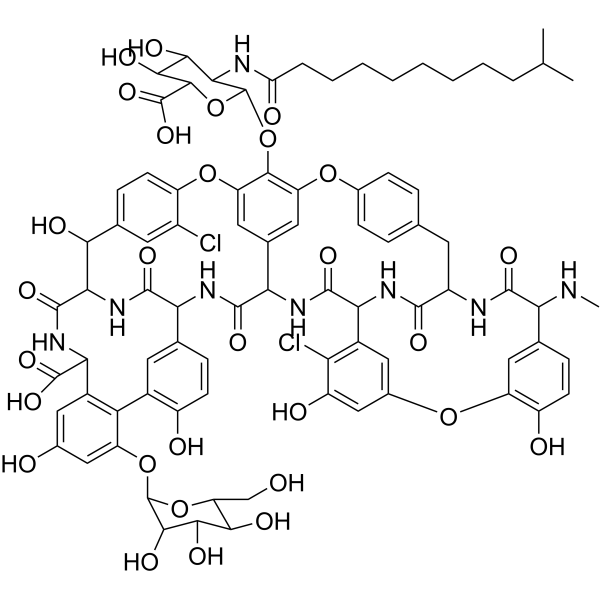 0 ImagesCat. No.: HY-107833CAS No.: 102961-72-8A40926 is a glycopeptide antibiotic that targets the bacterial cell wall peptidoglycan precursor D-alanyl-D-alanine (D-Ala-D-Ala). A40926 irreversibly inhibits cell wall synthesis by competitively binding to this target, and has high bactericidal activity against Gram-positive bacteria (such as Staphylococcus, Streptococcus) and Neisseria gonorrhoeae, with MIC=0.06-2 μg/mL, and is also effective against penicillin-resistant strains. A40926 blocks peptidoglycan cross-linking, destroys cell wall integrity, and causes bacterial lysis and death. A40926 has a fat-soluble fatty acid structure, which can increase serum concentrations and prolong the duration of action (e.g., the terminal half-life in rats is 61.22 h).
-
Norvancomycin hydrochloride
 0 ImagesCat. No.: HY-N13150ACAS No.: 198774-23-1Synonyms: N-Demethylvancomycin hydrochloride; NVCM hydrochlorideNorvancomycin hydrochloride is a glycopeptide antibiotic which can be found in Nocardia orientalis and active against several strains of S. aureus and S. epidermidis. Norvancomycin hydrochloride can be used for infection research.
-
Telavancin
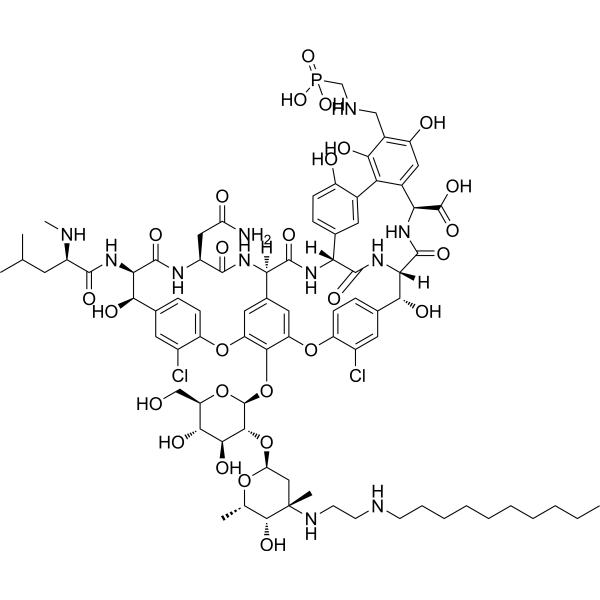 0 ImagesCat. No.: HY-112959CAS No.: 372151-71-8Synonyms: TD-6424Telavancin (TD-6424) is a semisynthetic lipoglycopeptide vancomycin-derivative, is a novel antimicrobial agent developed by Theravance for overcoming resistant Gram-positive bacterial infections, specifically methicillin-resistant Staphylococcus aureus (MRSA). Telavancin disrupts cell membrane integrity, can be used for research of complicated skin and skin structure infections (cSSSIs) caused by Gram-positive bacteria.
-
Oritavancin
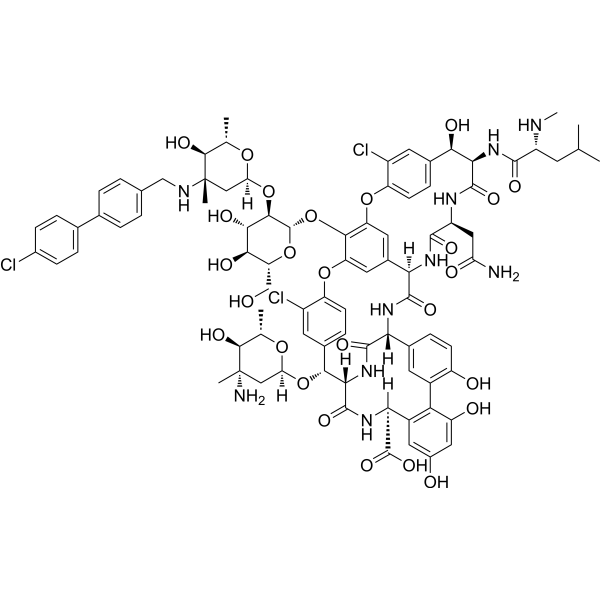 0 ImagesCat. No.: HY-B1831CAS No.: 171099-57-3Synonyms: LY 333328; OrbactivOritavancin (LY 333328), a semisynthetic derivative of Vancomycin (HY-B0671), is an orally active glycopeptide antibiotic with bactericidal activity against gram-positive organisms. Oritavancin shows antibacterial effect against B. anthracis, such as Ames strain with a MIC value of 0.015 g/mL. Oritavancin inhibits cell wall synthesis and disrupts the membrane potential. Oritavancin inhibits ArlS kinase activity thereby interfering the signal transduction. Oritavancin enters cells by adsorptive endocytosis, which drives it to lysosomes, where it exerts antibiotic activity.
-
Balhimycin
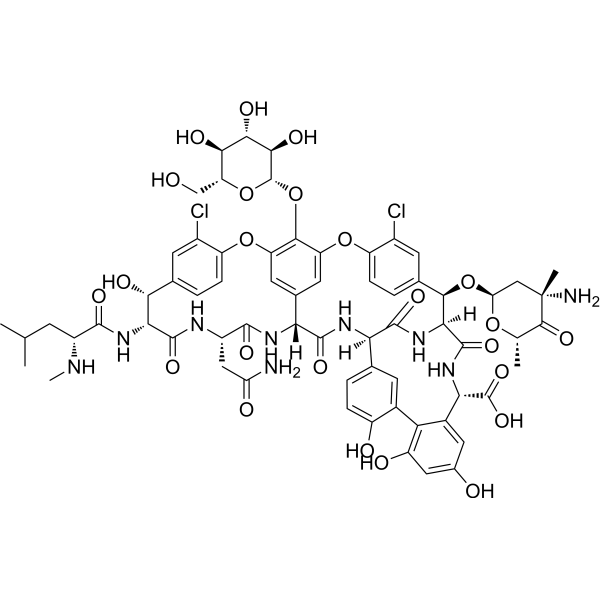 0 ImagesCat. No.: HY-148209CAS No.: 140932-79-2Balhimycin is a glycopeptide antibiotic, found from the fermentation broth of a Amycolatopsis sp. Balhimycin shows anti-bacterial activity against staphylococci and anaerobes.
-
Bleomycin
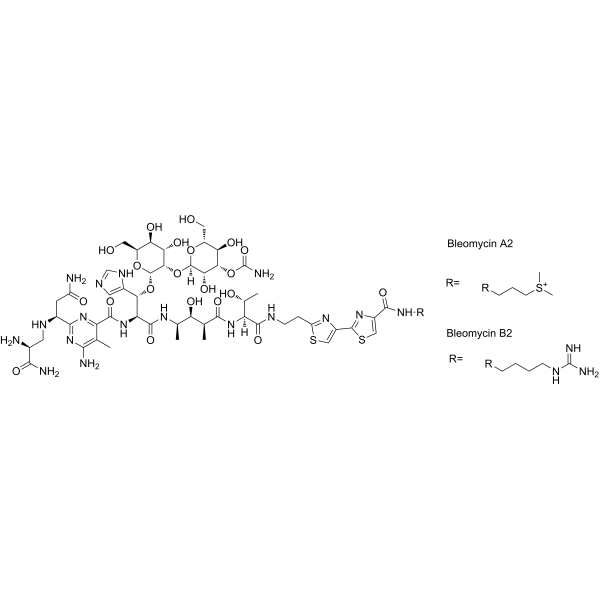 0 ImagesCat. No.: HY-108345CAS No.: 11056-06-7Bleomycin is a glycopeptide antibiotic. Bleomycin has potent antitumour activities against a range of lymphomas, head and neck cancers and germ-cell tumours. Bleomycin can be used for the research of cancer and chemotherapy.
-
Teicoplanin sodium
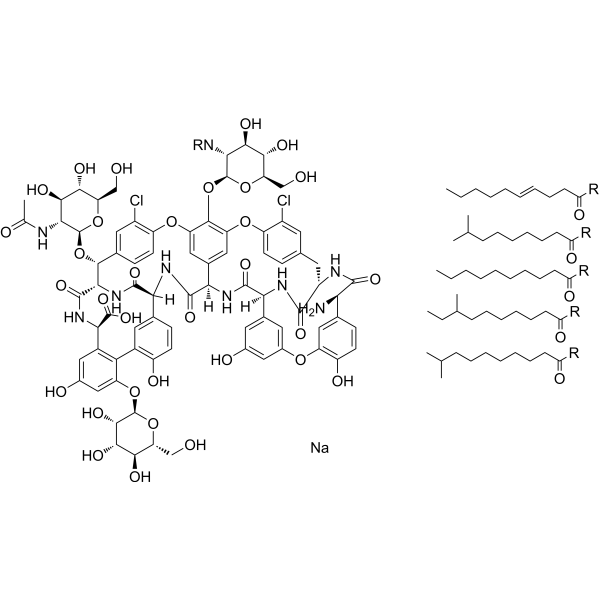 0 ImagesCat. No.: HY-A0097ACAS No.: 184539-13-7Synonyms: Antibiotic MDL-507 sodium; MDL-507 sodiumTeicoplanin sodium is a glycopeptide antibiotic indicated for use in serious infections caused by Gram-positive bacteria, including Methicillin-resistant Staphylococcus aureus and Enterococcus aureus.Teicoplanin sodium shows antiviral activity for HIV-1, SARS-CoV1 and SARS-CoV2. Teicoplanin sodium shows anti-MRSA activity.
-
Chloroorienticin A
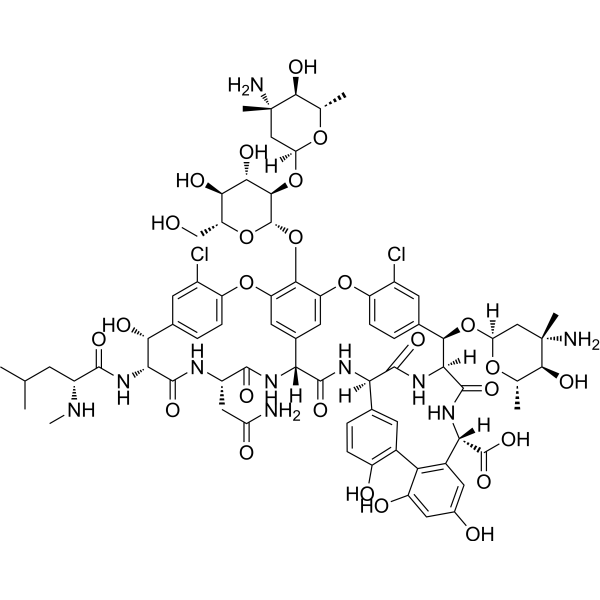 0 ImagesCat. No.: HY-100997CAS No.: 118395-73-6Synonyms: A82846B; LY 264826; PA 45052AChloroorienticin A (A82846B) is a glycopeptide antibiotic. Chloroorienticin A exhibits excellent activity against staphylococci and streptococci.
-
Bleomycin A2
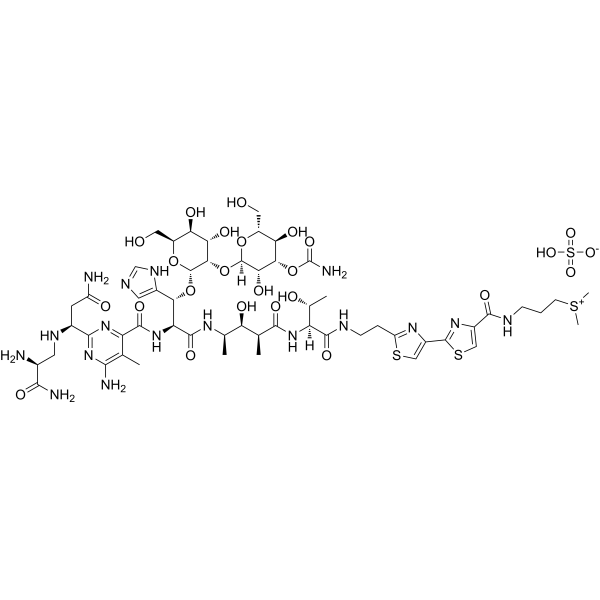 0 ImagesBleomycin A2 is an antitumor Antibiotic and also an aspartate/asparagine-β-hydroxylase (AspH) inhibitor with an IC50 of 1.47 μM. Bleomycin A2 inhibits the polynucleotide ligase reaction in E. coli B infected by T4 phage. Bleomycin A2 promotes DNA degradation, induces DNA strand breaks and regulates DNA polymerase activity. Bleomycin A2 can be used in research related to leukemia, head and neck cancer, and Ehrlich carcinoma.
- 1



