



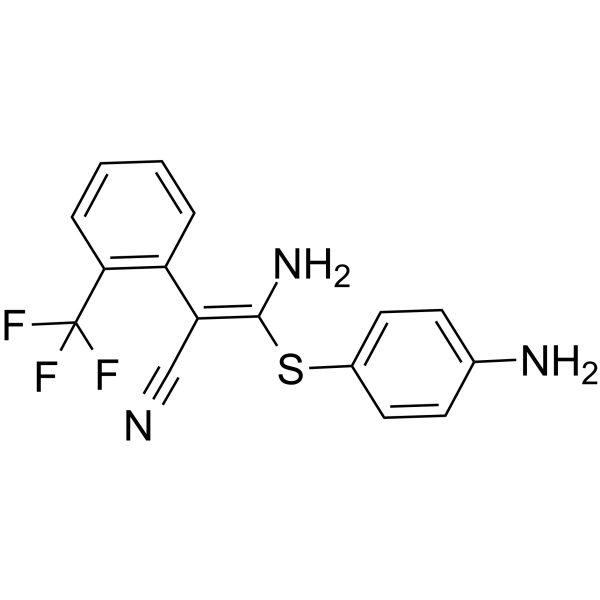
SL327
Based on 8 publication(s) in Google Scholar
SL327 inhibits MEK1 and MEK2, with IC50 values of 180 nM and 220 nM, respectively.
For research use only. We do not sell to patients.
- Purity : 99.57%
- CAS No.: 305350-87-2
- Formula: C16H12F3N3S
- Molecular Weight:335.35
-
Storage:Powder -20°C, 3 years , 4°C, 2 years ; In solvent -80°C, 2 years , -20°C, 1 year

To place orders, for customer services and technical support, please contact: MedChemExpress USA
Tel: 609-228-6898 E-mail: [email protected] [email protected]


-
 Biological Activity
-
Chemical Information
-
Solvent & Solubility
- Purity & Documentation
- References
-
 Help & FAQs


-
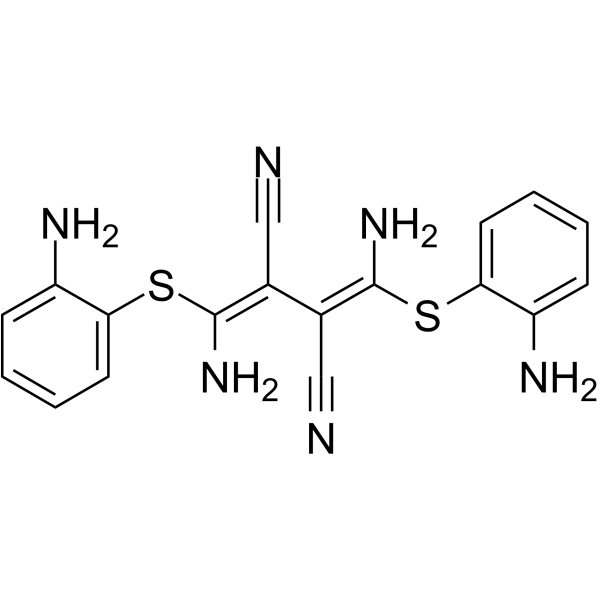
HY-12031A
U0126MEK1/2 Inhibitor -
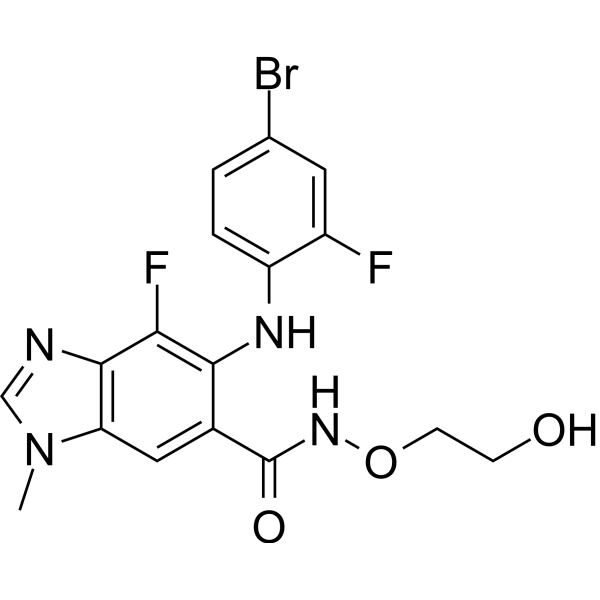
HY-15202
BinimetinibMEK1/2 Inhibitor -
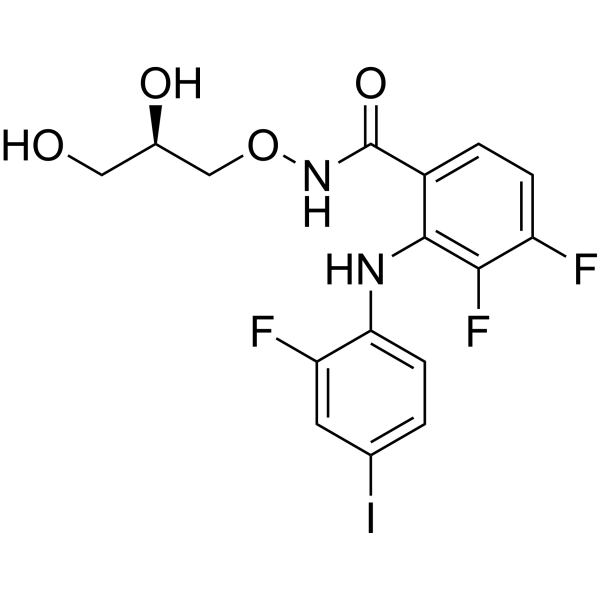
HY-10254
MirdametinibMEK Inhibitor -
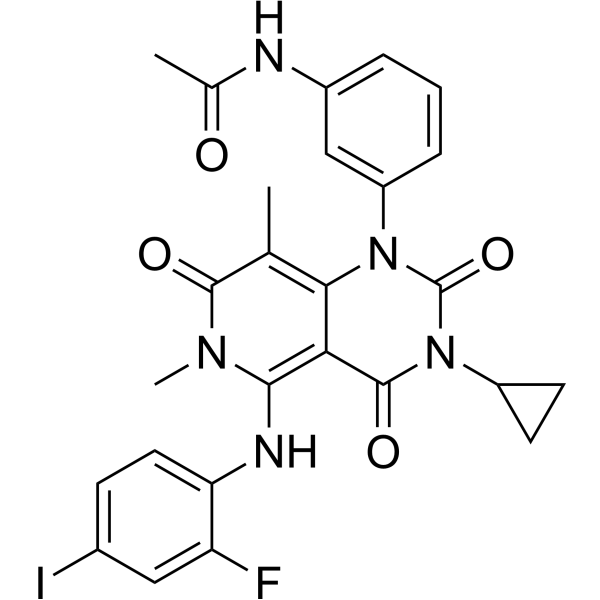
HY-10999
TrametinibMEK Inhibitor -
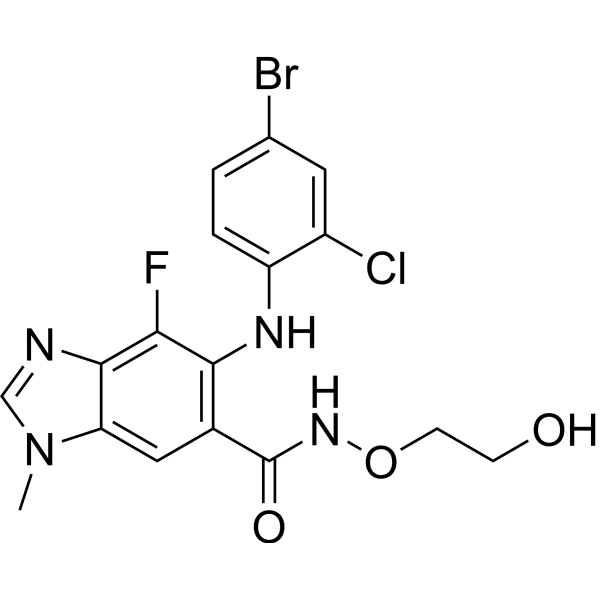
HY-50706
SelumetinibMEK1/2 Inhibitor -
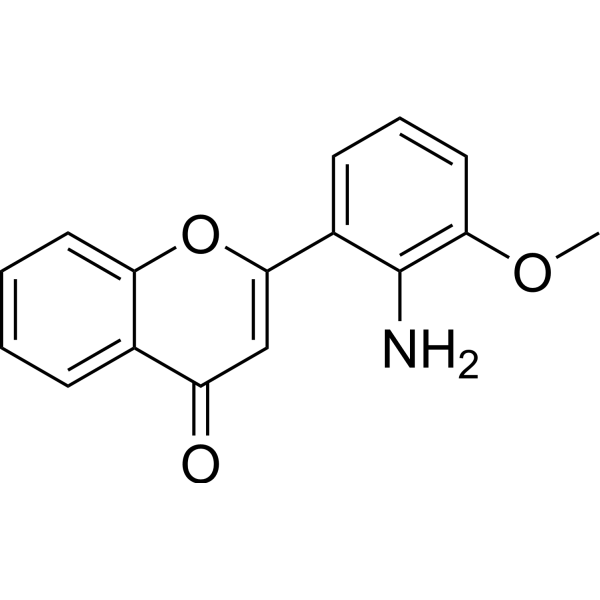
HY-12028
PD98059MEK Inhibitor -
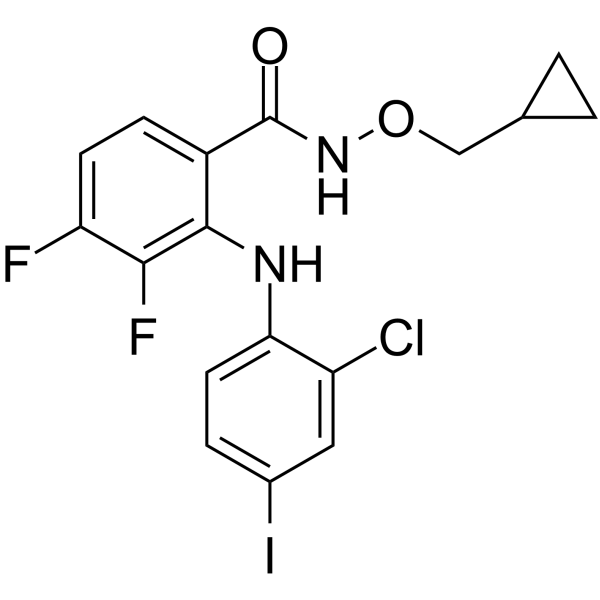
HY-50295
CI-1040MEK Inhibitor -
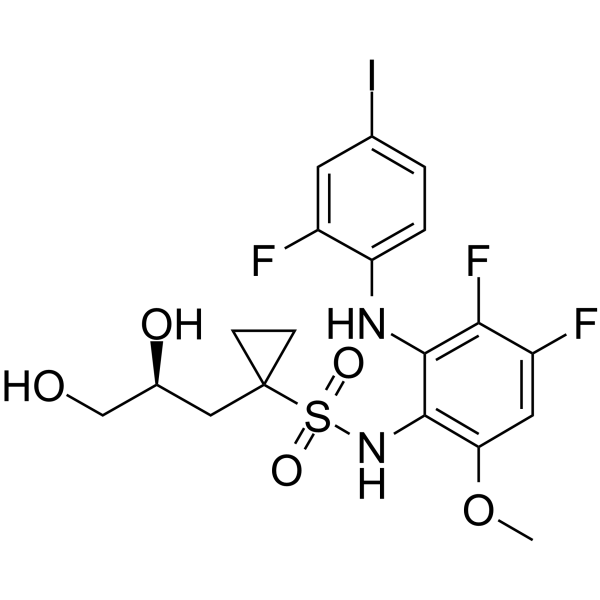
HY-14691
RefametinibMEK1/MEK2 Inhibitor -
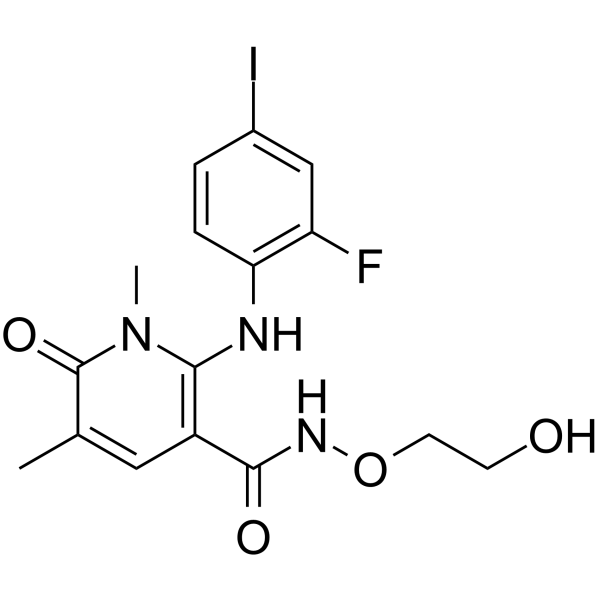
HY-12058
AZD8330MEK Inhibitor -
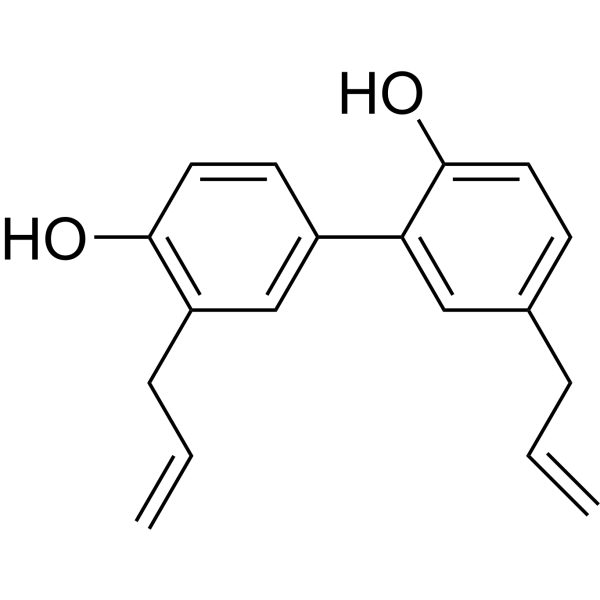
HY-N0003
HonokiolAutophagy Inducer -
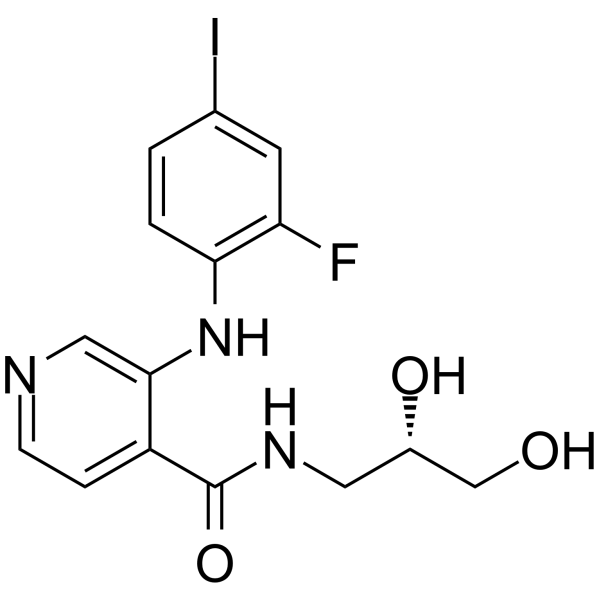
HY-12042
PimasertibMEK1/2 Inhibitor -
HY-15610
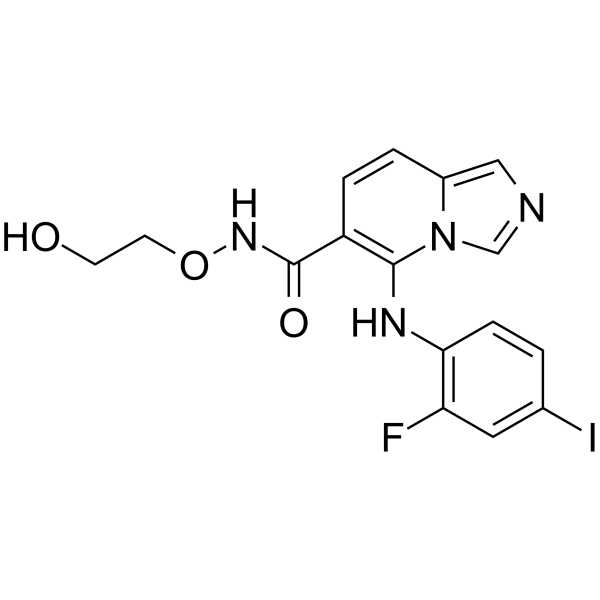
GDC-0623MEK1 Inhibitor
Publications Citing Use of MedChemExpress (MCE) SL327
More- J Nanobiotechnology. 2025 Mar 11;23(1):201. [Abstract]
- Brain Behav Immun. 2022 Nov:106:147-160. [Abstract]
- Eur J Pharmacol. 2023 Dec 15:961:176161. [Abstract]
- Neuropharmacology. 2024 Nov 15:259:110118. [Abstract]
- Neuropharmacology. 2023 Dec 1:240:109693. [Abstract]
- Brain Res Bull. 2016 Jun:124:40-7. [Abstract]
- Front Mol Neurosci. 2018 Aug 21:11:287. [Abstract]
- Anal Cell Pathol. 2021 Jun 18:2021:6668947. [Abstract]
 Customer Validation & Images

-
WB
-
WB
All MEK Isoforms
More

Biological Activity
Description
IC50 & Target
[1]|
MEK1 180 nM (IC50) |
MEK2 220 nM (IC50) |
In Vitro
The specificity of SL327 for MEK is investigated. Kinase activity is assessed by measuring the incorporation of [32P]phosphate during phosphorylation of substrate peptides specific for each kinase. Although SL327 inhibits MEK with an IC50 of 0.27 μM, 10 μM SL327 has no significant effect on PKA, CaMKII, or PKC[2].
MedChemExpress (MCE) has not independently confirmed the accuracy of these methods. They are for reference only.
In Vivo
MedChemExpress (MCE) has not independently confirmed the accuracy of these methods. They are for reference only.


Chemical Information
-
CAS No. 305350-87-2
-
Appearance Solid
-
Molecular Weight 335.35
-
Formula C16H12F3N3S
-
Color White to off-white
-
SMILES
FC(F)(F)C1=C(/C(C#N)=C(N)/SC2=CC=C(N)C=C2)C=CC=C1
-
Shipping
Room temperature in continental US; may vary elsewhere.
-
Storage
Powder -20°C 3 years 4°C 2 years In solvent -80°C 2 years -20°C 1 year


Publications (8)
-
Journal Impact Factor
-
Most Recent
-
J Nanobiotechnology
Mesenchymal stem cell-derived extracellular vesicles alleviate autism by regulating microglial glucose metabolism reprogramming and neuroinflammation through PD-1/PD-L1 interaction. [Abstract]2025 Mar 11;23(1):201. PMID: 40069859 -
Brain Behav Immun
ERK1/2-dependent BDNF synthesis and signaling is required for the antidepressant effect of microglia stimulation. [Abstract]2022 Nov:106:147-160. PMID: 35995236 -
Eur J Pharmacol
β-glucan, a specific immuno-stimulant, produces rapid antidepressant effects by stimulating ERK1/2-dependent synthesis of BDNF in the hippocampus. [Abstract]2023 Dec 15:961:176161. PMID: 37939990 -
Neuropharmacology
Intranasal LAG3 antibody infusion induces a rapid antidepressant effect via the hippocampal ERK1/2-BDNF signaling pathway in chronically stressed mice. [Abstract]2024 Nov 15:259:110118. PMID: 39153731 -
Neuropharmacology
Microglial stimulation triggered by intranasal lipopolysaccharide administration produces antidepressant-like effect through ERK1/2-mediated BDNF synthesis in the hippocampus. [Abstract]2023 Dec 1:240:109693. PMID: 37678448 -
Brain Res Bull
ERK-dependent brain-derived neurotrophic factor regulation by hesperidin in mice exposed to chronic mild stress. [Abstract]2016 Jun:124:40-7. PMID: 27018164
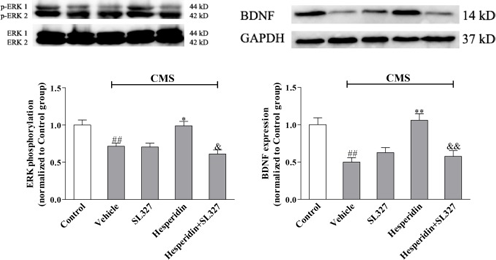
SL327 purchased from MedChemExpress. Usage Cited in: Brain Res Bull. 2016 Jun:124:40-7. [Abstract]
SL327 (30 mg/kg) abolishes the effects of hesperidin (25 mg/kg) on ERK phosphorylation (A) and BDNF expression (B) in the hippocampus.
-
Front Mol Neurosci
2018 Aug 21:11:287. PMID: 30186110
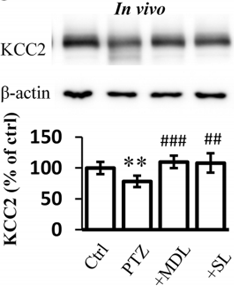
SL327 purchased from MedChemExpress. Usage Cited in: Front Mol Neurosci. 2018 Aug 21:11:287. [Abstract]
KCC2 level of in vivo rats pre-treated with either MDL-28170 or SL-327 before pentylenetetrazole (PTZ) kindling, in compared with vehicle PTZ treated rats.
-
Anal Cell Pathol
Activation of MEK1/2/Nrf-2 Signaling Pathway by Epstein-Barr Virus-Latent Membrane Protein 1 Enhances Autophagy and Cisplatin Resistance in T-Cell Lymphoma. [Abstract]2021 Jun 18:2021:6668947. PMID: 34239803


Solvent & Solubility
In Vitro:
DMSO : 68 mg/mL (202.77 mM; Need ultrasonic; Hygroscopic DMSO has a significant impact on the solubility of product, please use newly opened DMSO)
Ethanol : 0.1 mg/mL (0.30 mM; Need ultrasonic and warming)
Please refer to the solubility information to select the appropriate solvent. Once prepared, please aliquot and store the solution to prevent product inactivation from repeated freeze-thaw cycles.
Storage method and period of stock solution: -80°C, 2 years; -20°C, 1 year. When stored at -80°C, please use it within 2 years. When stored at -20°C, please use it within 1 year.
Please refer to the solubility information to select the appropriate solvent. Once prepared, please aliquot and store the solution to prevent product inactivation from repeated freeze-thaw cycles.
Storage method and period of stock solution: -80°C, 2 years; -20°C, 1 year. When stored at -80°C, please use it within 2 years. When stored at -20°C, please use it within 1 year.
Concentration (start) × Volume (start) = Concentration (final) × Volume (final)
In Vivo:
Select the appropriate dissolution method based on your experimental animal and administration route.
- For the following dissolution methods, please ensure to first prepare a clear stock solution using an In Vitro approach and then sequentially add co-solvents:
- To ensure reliable experimental results, the clarified stock solution can be appropriately stored based on storage conditions. As for the working solution for In Vivo experiments, it is recommended to prepare freshly and use it on the same day.
- The percentages shown for the solvents indicate their volumetric ratio in the final prepared solution. If precipitation or phase separation occurs during preparation, heat and/or sonication can be used to aid dissolution.
Add each solvent one by one: 10% DMSO 40% PEG300 5% Tween-80 45% Saline
Solubility: ≥ 2.5 mg/mL (7.45 mM); Clear solution
This protocol yields a clear solution of ≥ 2.5 mg/mL (saturation unknown).
Taking 1 mL working solution as an example, add 100 μL DMSO stock solution (25.0 mg/mL) to 400 μL PEG300, and mix evenly; then add 50 μL Tween-80 and mix evenly; then add 450 μL Saline to adjust the volume to 1 mL.
Preparation of Saline: Dissolve 0.9 g sodium chloride in ddH₂O and dilute to 100 mL to obtain a clear Saline solution.
Add each solvent one by one: 10% DMSO 90% (20% SBE-β-CD in Saline)
Solubility: ≥ 2.5 mg/mL (7.45 mM); Clear solution
This protocol yields a clear solution of ≥ 2.5 mg/mL (saturation unknown).
Taking 1 mL working solution as an example, add 100 μL DMSO stock solution (25.0 mg/mL) to 900 μL 20% SBE-β-CD in Saline, and mix evenly.
Preparation of 20% SBE-β-CD in Saline (4°C, storage for one week): 2 g SBE-β-CD powder is dissolved in 10 mL Saline, completely dissolve until clear.
In Vivo Dissolution Calculator
Please enter the basic information of animal experiments:
-
-
-
-
Recommended: Prepare an additional quantity of animals to account for potential losses during experiments.
Please enter your animal formula composition:
-
%DMSO +
Recommended: Keep the proportion of DMSO in working solution below 2% if your animal is weak.
-
%+
-
+%Tween-80 + +
-
%Saline +
The co-solvents required include: DMSO, . All of co-solvents are available by MedChemExpress (MCE). , Tween 80. All of co-solvents are available by MedChemExpress (MCE).
Working solution concentration: 0.22 mg/mL
Method for preparing stock solution: mg drug dissolved in μL DMSO. Stock solution concentration: mg/mL.
1. Take μL DMSO stock solution;
2. Add μL .
μL , mix evenly;
3. Then add μL Tween 80, mix evenly;
4. Then add μL
Please ensure that the stock solution in the first step is dissolved to a clear state, and add co-solvents in sequence. You can use ultrasonic heating (ultrasonic cleaner, recommended frequency 20-40 kHz), vortexing, etc. to assist dissolution.


Purity & Documentation
-
Data Sheet (281 KB)
-
SDS (393 KB)
- English - EN (393 KB)
- Français - FR (393 KB)
- Deutsch - DE (393 KB)
- Norwegian - NO (393 KB)
- Español - ES (393 KB)
- Swedish - SV (393 KB)
- Italian - IT (393 KB)
- Korean - KR (393 KB)
- Portuguese - PT (393 KB)
-
Handling Instructions (2659 KB)
References


Complete Stock Solution Preparation Table
Please refer to the solubility information to select the appropriate solvent. Once prepared, please aliquot and store the solution to prevent product inactivation from repeated freeze-thaw cycles.
Storage method and period of stock solution: -80°C, 2 years; -20°C, 1 year. When stored at -80°C, please use it within 2 years. When stored at -20°C, please use it within 1 year.
| Optional Solvent | Concentration Solvent Mass | 1 mg | 5 mg | 10 mg | 25 mg |
|---|---|---|---|---|---|
| DMSO | 1 mM | 2.9820 mL | 14.9098 mL | 29.8196 mL | 74.5490 mL |
| 5 mM | 0.5964 mL | 2.9820 mL | 5.9639 mL | 14.9098 mL | |
| 10 mM | 0.2982 mL | 1.4910 mL | 2.9820 mL | 7.4549 mL | |
| 15 mM | 0.1988 mL | 0.9940 mL | 1.9880 mL | 4.9699 mL | |
| 20 mM | 0.1491 mL | 0.7455 mL | 1.4910 mL | 3.7274 mL | |
| 25 mM | 0.1193 mL | 0.5964 mL | 1.1928 mL | 2.9820 mL | |
| 30 mM | 0.0994 mL | 0.4970 mL | 0.9940 mL | 2.4850 mL | |
| 40 mM | 0.0745 mL | 0.3727 mL | 0.7455 mL | 1.8637 mL | |
| 50 mM | 0.0596 mL | 0.2982 mL | 0.5964 mL | 1.4910 mL | |
| 60 mM | 0.0497 mL | 0.2485 mL | 0.4970 mL | 1.2425 mL | |
| 80 mM | 0.0373 mL | 0.1864 mL | 0.3727 mL | 0.9319 mL | |
| 100 mM | 0.0298 mL | 0.1491 mL | 0.2982 mL | 0.7455 mL |


SL327 Related Classifications
HY-15437 Related Classifications
 Powered by Bioz