



MEK
Mitogen-activated protein kinase kinase (MEK), primarily represented by MEK1 (MAP2K1) and MEK2 (MAP2K2), is a dual-specificity protein kinase that phosphorylates and activates extracellular signal-regulated kinases ERK1 and ERK2, thereby functioning as a central signaling relay within the MAPK/ERK cascade[1][2]. MEK operates downstream of RAS and RAF kinases and transduces extracellular and intracellular signals into programs controlling cell proliferation, differentiation, survival, transcriptional regulation, and development[2][3][4]. Mechanistically, RAF-mediated activation of MEK enables phosphorylation of ERK proteins at the conserved Thr-Glu-Tyr motif, leading to signal propagation through the canonical MAPK pathway[2][5]. Aberrant activation of MEK signaling has been associated with multiple human diseases, including melanoma, lung cancer, ovarian cancer, leukemia, lymphoma, and developmental disorders linked to dysregulated RAS/MAPK signaling[2][6][7]. Compared with other MAP2K family members that regulate the p38 or JNK pathways, MEK1 and MEK2 function specifically within the ERK signaling branch, providing pathway selectivity and making them key experimental targets for dissecting MAPK-dependent biological responses[1]. For experimental applications, pharmacological MEK inhibitors including trametinib, selumetinib, cobimetinib, binimetinib, mirdametinib, and avutometinib are widely used to suppress ERK activation and investigate MEK-dependent signaling mechanisms in cancer and developmental biology models[2].
-
MEK Related Products (154)
Related Products (154)

-
Antibodies (2)
-
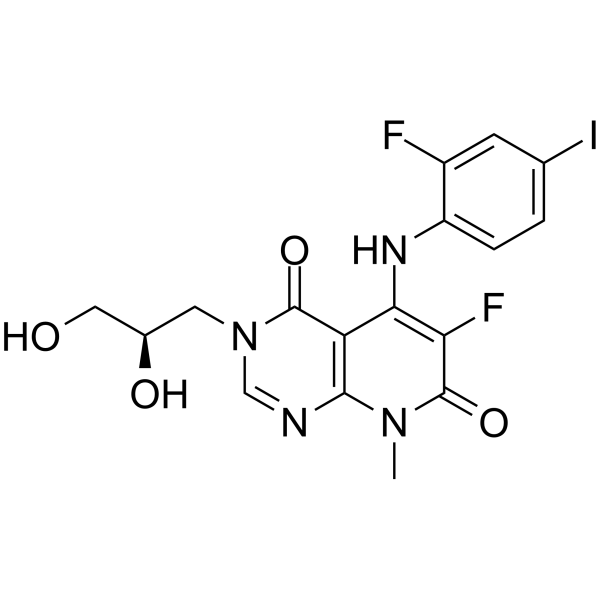
Mirdametinib
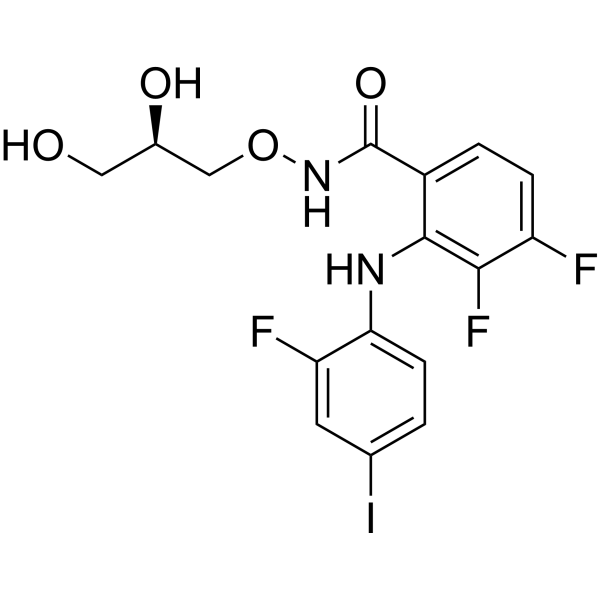 0 ImagesSynonyms: PD0325901; PD325901Mirdametinib (PD0325901) is an orally active, selective and non-ATP-competitive MEK inhibitor with an IC50 of 0.33 nM. Mirdametinib exhibits a Kiapp of 1 nM against activated MEK1 and MEK2. Mirdametinib suppresses the expression of p-ERK1/2 and induces apoptosis. Mirdametinib has anti-cancer activity for a broad spectrum of human tumor xenografts.
-
C16-PAF
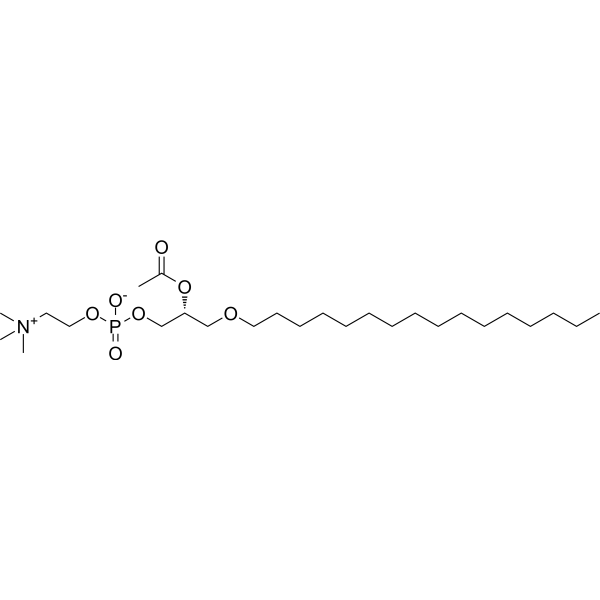 0 ImagesSynonyms: PAF (C16)C16-PAF (PAF (C16)), a phospholipid mediator, is a platelet-activating factor and ligand for PAF G-protein-coupled receptor (PAFR). C16-PAF exhibits anti-apoptotic effect and inhibits caspase-dependent death by activating the PAFR. C16-PAF is a potent MAPK and MEK/ERK activator. C16-PAF induces increased vascular permeability.
-
Lidocaine
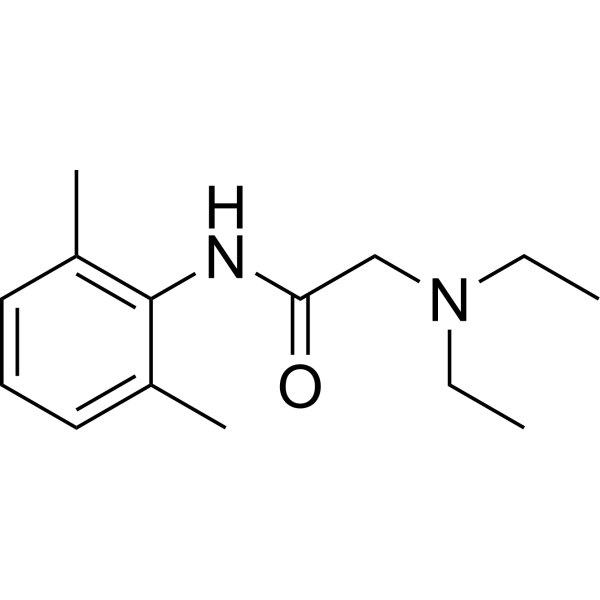 0 ImagesLidocaine (Lignocaine) inhibits sodium channels involving complex voltage and using dependence. Lidocaine decreases growth, migration and invasion of gastric carcinoma cells via up-regulating miR-145 expression and further inactivation of MEK/ERK and NF-κB signaling pathways. Lidocaine is an amide derivative and has potential for the research of ventricular arrhythmia.
-
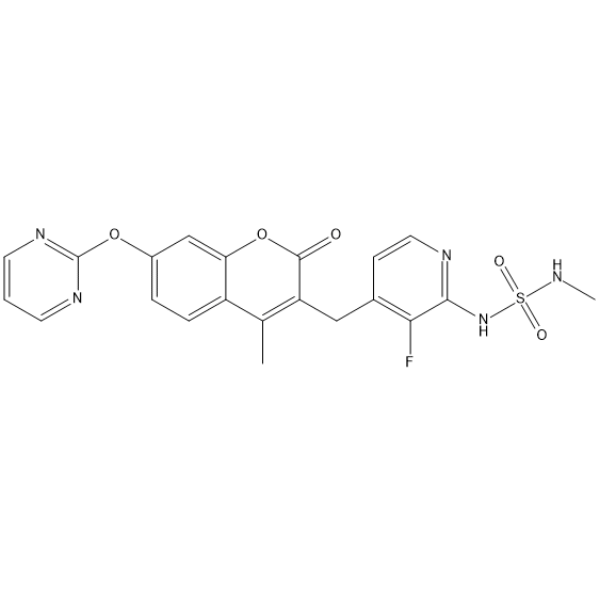
NST-628
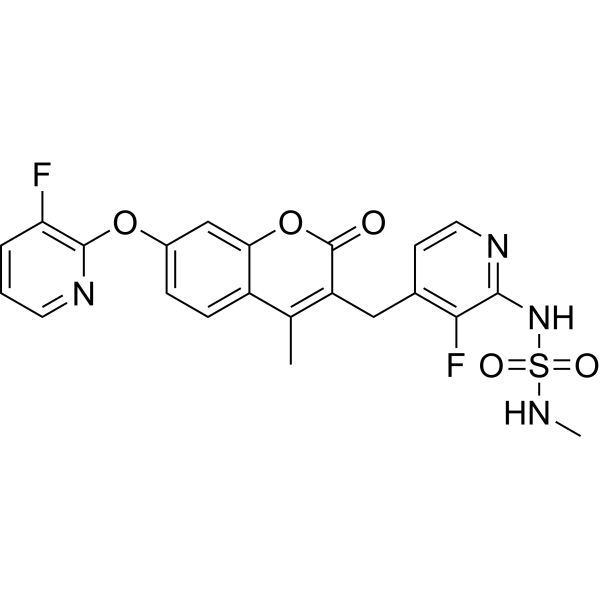 0 ImagesNST-628 is a brain-permeable MAPK pathway molecule glue that inhibits RAF phosphorylation and MEK activation. NST-628 also binds RAF and prevents the formation of BRAF-CRAF and BRAF-ARAF heterodimers, effectively inhibiting the RAS-MAPK pathway. NST-628 inhibits RAS- and RAF-driven cancers and demonstrated potent inhibition in mutant KRAS, NRAS, BRAF class II/III, and NF1-mutant tumors.
-
Lidocaine hydrochloride
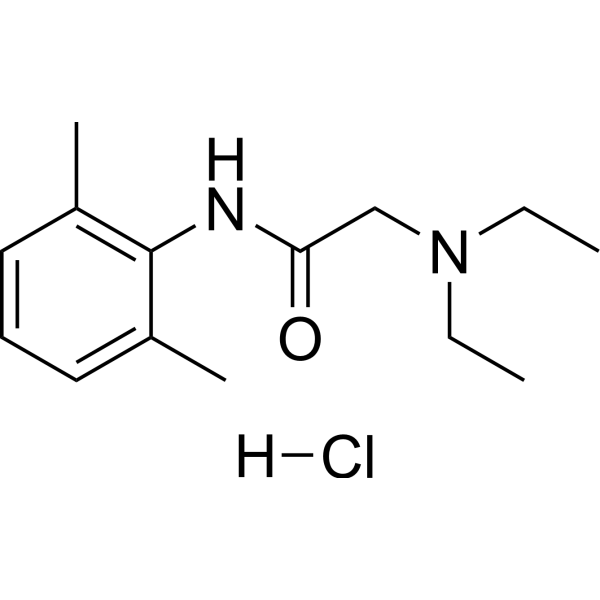 0 ImagesLidocaine hydrochloride (Lignocaine hydrochloride) inhibits sodium channels involving complex voltage and using dependence. Lidocaine hydrochloride decreases growth, migration and invasion of gastric carcinoma cells via up-regulating miR-145 expression and further inactivation of MEK/ERK and NF-κB signaling pathways. Lidocaine hydrochloride is an amide derivative and a agent to treat ventricular arrhythmia and an effective tumor-inhibitor.
-
Selumetinib sulfate
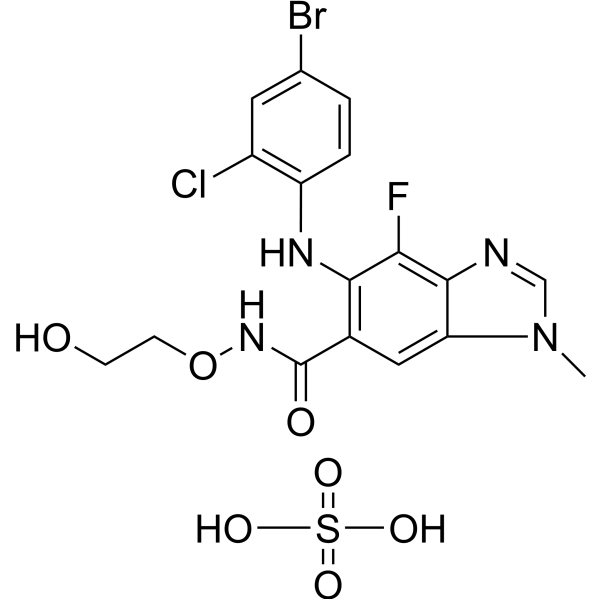 0 ImagesSynonyms: AZD6244 sulfate; ARRY-142886 sulfateSelumetinib (AZD6244) sulfate is selective, non-ATP-competitive oral MEK1/2 inhibitor, with an IC50 of 14 nM for MEK1. Selumetinib (AZD6244) sulfate inhibits ERK1/2 phosphorylation. Selumetinib sulfate can penetrate the blood brain barrier (BBB).

-
Lidocaine (Standard)
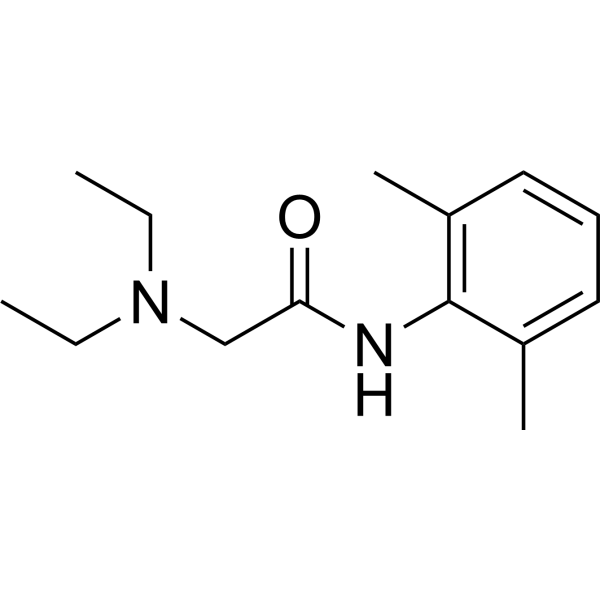 0 ImagesLidocaine (Standard) is the analytical standard of Lidocaine. This product is intended for research and analytical applications. Lidocaine (Lignocaine) inhibits sodium channels involving complex voltage and using dependence. Lidocaine decreases growth, migration and invasion of gastric carcinoma cells via up-regulating miR-145 expression and further inactivation of MEK/ERK and NF-κB signaling pathways. Lidocaine is an amide derivative and has potential for the research of ventricular arrhythmia.
-
CS640
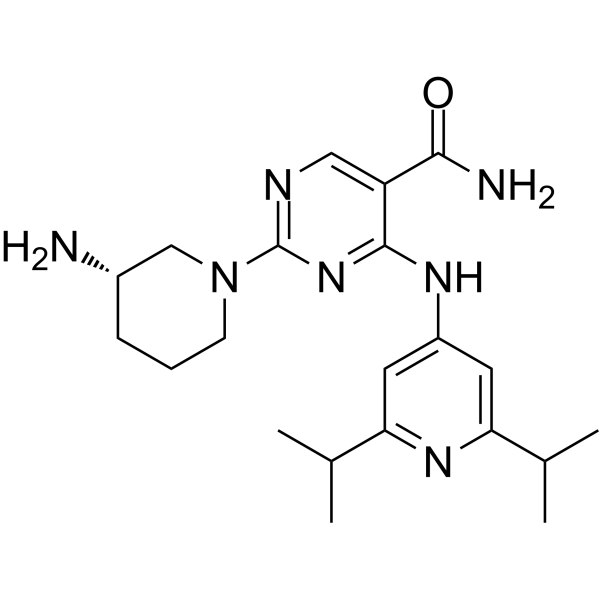 0 ImagesCS640 (Compound 19) is a chemical probe and a calmodulin-dependent kinase inhibitor. CS640 inhibits CaMK1D, CaMK1B, CaMK1A, CaMK1G, MEK5, RIPK4, mLK3 and PIP5K1, with IC50 values of 8, 3, 1, 1, 25 nM, 5.69, 2.75 and 11.2 μM, respectively. CS640 blocks Aβ-induced hyperphosphorylation of tau protein at the Thr181 site, but fails to protect primary mouse cortical neurons from Aβ-induced toxic damage. CS640 is applicable to research related to Alzheimer's disease.
-
Lidocaine hydrochloride hydrate
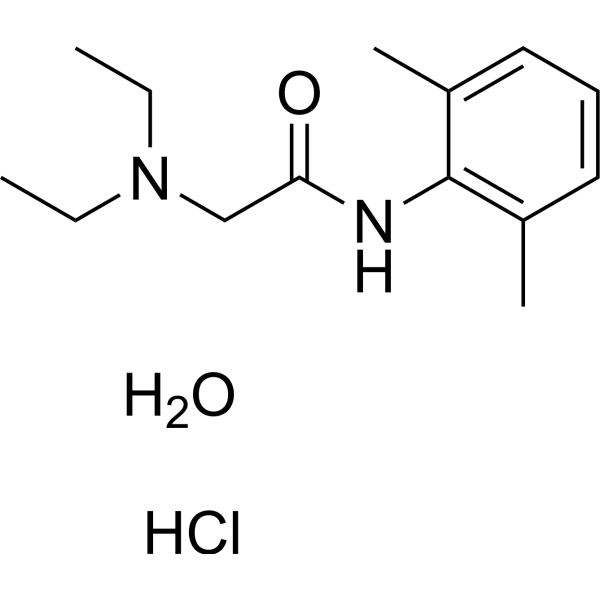 0 ImagesLidocaine (Lignocaine) hydrochloride hydrate inhibits sodium channels involving complex voltage and using dependence. Lidocaine hydrochloride hydrate decreases growth, migration and invasion of gastric carcinoma cells via up-regulating miR-145 expression and further inactivation of MEK/ERK and NF-κB signaling pathways. Lidocaine hydrochloride hydrate is an amide derivative and has potential for the research of ventricular arrhythmia.
-
HRX-0233
 0 ImagesHRX-0233 is an orally potent MAP2K4 inhibitor. HRX-0233 inhibits the MAP2K4-JNK-JUN signaling pathway, blocks the feedback activation of receptor tyrosine kinases, and sustains the inhibitory effect on KRAS signaling. HRX-0233 exerts synergistic inhibition on the mTORC1 and MAPK pathways. When combined with Ipatasertib (HY-15186) or Sotorasib (HY-114277), it produces synergistic antiproliferative, pro-apoptotic (apoptosis) and antitumor effects, and shows good tolerability in mouse models. HRX-0233 can be used in CRISPR knockout screens to identify vulnerability-related genes. HRX-0233 is applicable to research related to prostate cancer, non-small cell lung cancer and colorectal cancer.
-
Mirdametinib (GMP)
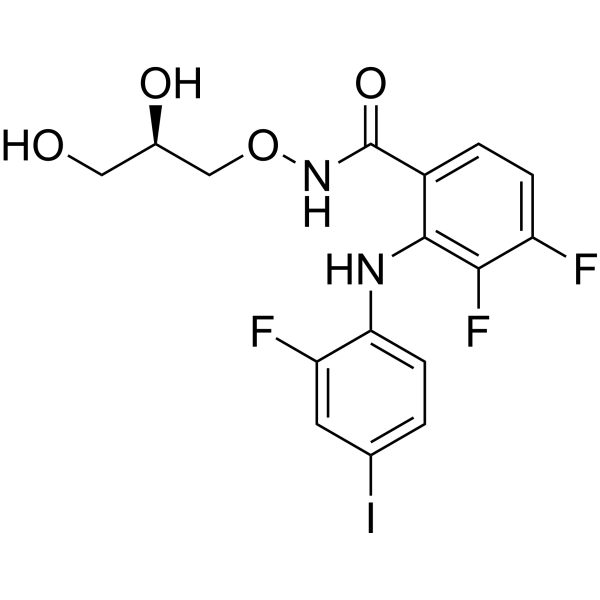 0 ImagesCat. No.: HY-10254GCAS No.: 391210-10-9Synonyms: PD0325901 (GMP); PD325901 (GMP)Mirdametinib (PD0325901) (GMP) is Mirdametinib (HY-10254) produced by using GMP guidelines. GMP small molecules works appropriately as an auxiliary reagent for cell therapy manufacture. Mirdametinib is an orally active, selective and non-ATP-competitive MEK inhibitor.
-
Trametinib (Standard)
 0 ImagesSynonyms: GSK1120212 (Standard); JTP-74057 (Standard)Trametinib (Standard) is the analytical standard of Trametinib. This product is intended for research and analytical applications. Trametinib (GSK1120212; JTP-74057) is an orally active MEK inhibitor that inhibits MEK1 and MEK2 with IC50s of about 2 nM. Trametinib activates autophagy and induces apoptosis.
-
5-O-Methylvisammioside
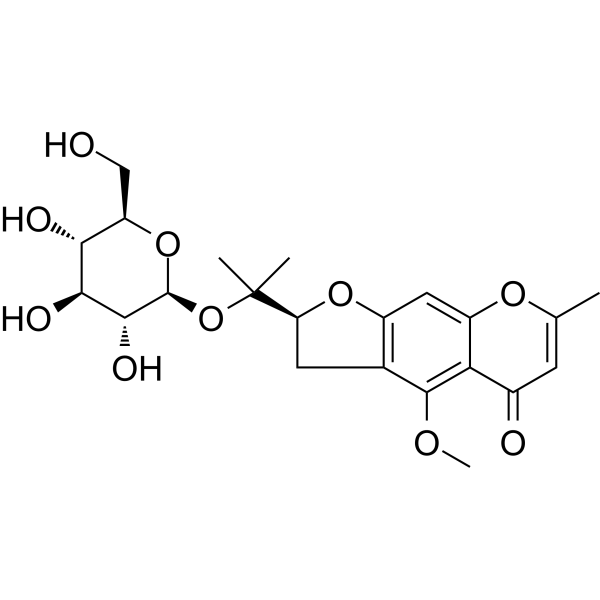 0 ImagesSynonyms: 4'-O-β-D-Glucosyl-5-O-methylvisamminol5-O-Methylvisammioside (4'-O-β-D-Glucosyl-5-O-methylvisamminol) is an orally active natural chromone glycoside and multiple biological activities. 5-O-Methylvisammioside inhibits ferroptosis by activating the Nrf2/HO-1 signaling axis. 5-O-Methylvisammioside alleviates intestinal barrier damage by inhibiting the ROS/NF-κB/NLRP3 pathway. 5-O-Methylvisammioside exerts a protective effect against acute liver injury by reducing ALT/AST, decreasing inflammatory infiltration, and inhibiting IκB-α phosphorylation and NF-κB nuclear translocation. 5-O-Methylvisammioside blocks the HMGB1/RAGE/MEK/ERK signaling axis to exert anti-tumor and anti-angiogenic effects. 5-O-Methylvisammioside improves depression-like behaviors by inhibiting Src kinase and the NF-κB pathway.
-
IK-595
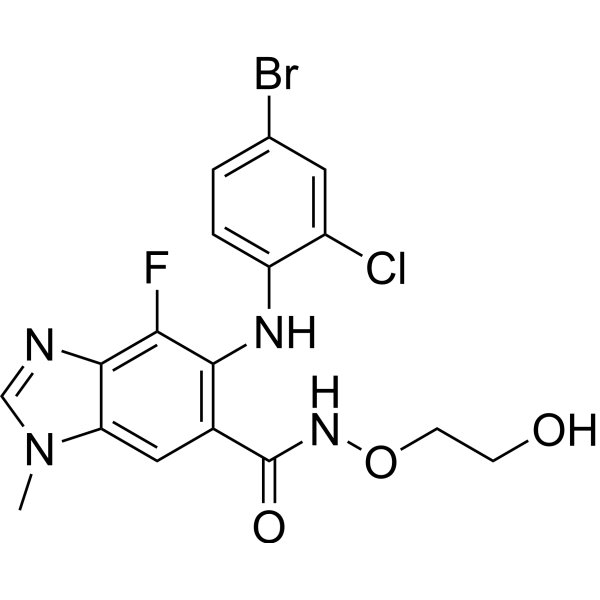
 0 ImagesIK-595 is a MEK1/MEK2 inhibitor with high affinity (7.39 nM).IK-595 blocks EGF-induced ERK1/2 phosphorylation in AsPC-1 cells with IC50 value of 0.1 nM. IK-595 has oral activity and blood-brain barrier penetration. IK-595 can be used for the research of Ras/MAPK pathway-altered cancers.




