



Mite
Mites are diverse acarine arthropods that function as parasites, herbivores, decomposers, and disease-associated organisms across medical, veterinary, and agricultural systems, making them important experimental models for host-parasite interactions and pesticide resistance research[1][2]. In host tissues, mite infestation can activate innate and adaptive immune responses through cytokine, chemokine, and Toll-like receptor-associated pathways, thereby driving local inflammation and tissue remodeling[3][4]. Mechanistically, studies of Demodex and scabies mites have linked mite-associated immune activation to increased expression of inflammatory mediators, including cytokine signaling networks and JAK-STAT pathway components[3][4]. In disease models, elevated mite burdens are associated with inflammatory skin disorders, and transcriptomic analyses of mite-infested tissues have identified conserved immune-response signatures across human and animal models[3][4]. Compared with other arthropod pests, several phytophagous and parasitic mite species have emerged as powerful systems for investigating rapid adaptation to environmental and chemical stressors because of their pronounced capacity to evolve acaricide resistance[5][6]. Among these species, the two-spotted spider mite Tetranychus urticae has become a widely used model for functional genomics, resistance genetics, and genome-editing studies[5]. For experimental applications, RNA interference, CRISPR/Cas9-mediated mutagenesis, genome sequencing, and transcriptomic profiling have enabled mechanistic dissection of resistance pathways and target-site mutations that influence acaricide efficacy[5][6].
References:
- [1]. El-Moamly A, et al. Raising awareness of Demodex mites: a neglected cause of skin disease. Infection. 2025 Aug;53(4):1273-1298. [Content Brief]
- [2]. Lee JH, et al. Roles of indole as an interspecies and interkingdom signaling molecule. Trends Microbiol. 2015 Nov;23(11):707-718. [Content Brief]
- [3]. Shehwana H, et al. Transcriptome Analysis of Host Inflammatory Responses to the Ectoparasitic Mite Sarcoptes scabiei var. hominis. Front Immunol. 2021;12:778840.
- [4]. Bhat SA, et al. Early immune suppression leads to uncontrolled mite proliferation and potent host inflammatory responses in a porcine model of crusted versus ordinary scabies. PLoS Negl Trop Dis. 2020 Sep 4;14(9):e0008601. [Content Brief]
- [5]. De Rouck S, et al. A review of the molecular mechanisms of acaricide resistance in mites and ticks. Insect Biochem Mol Biol. 2023 Aug;159:103981. [Content Brief]
- [6]. Dermauw W, et al. Targeted mutagenesis using CRISPR-Cas9 in the chelicerate herbivore Tetranychus urticae. Insect Biochem Mol Biol. 2020 May;120:103347. [Content Brief]
All Product Categories
-
Mite Related Products (28)
Related Products (28)

- 1
- 2
-
Fluralaner
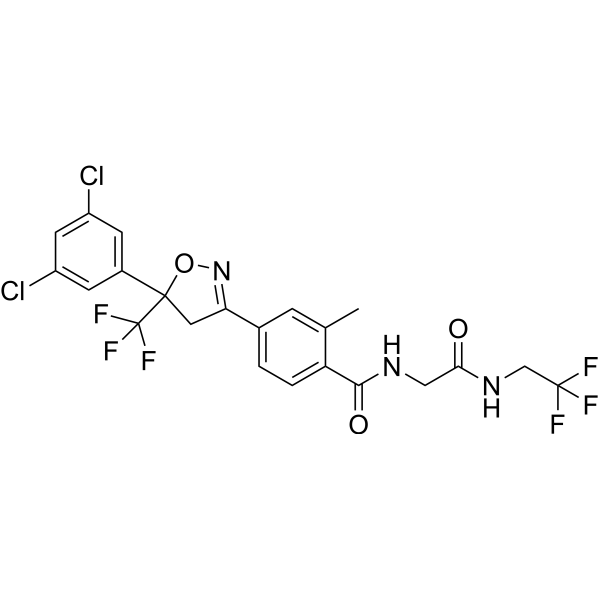 0 ImagesSynonyms: A1443; AH252723Fluralaner (INN) is a systemic insecticide and acaricide Fluralaner through potent blockage of GABA and L-glutamate gated chloride channels.
-
Afoxolaner
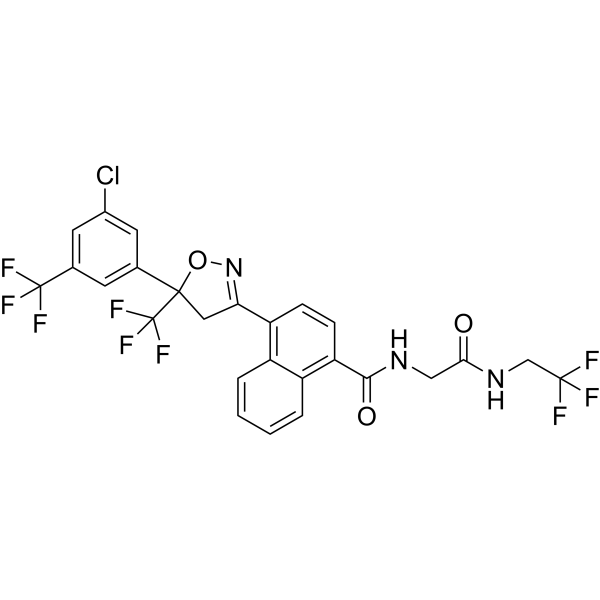 0 ImagesAfoxolaner is an orally active isoxazoline insecticide/acaricide against Ixodes scapularis in dogs. Afoxolaner acts on the insect γ-aminobutyric acid receptor (GABA) and glutamate receptors, inhibiting GABA & glutamate-regulated uptake of chloride ions, resulting in excess neuronal stimulation and death of the arthropod.
-
Benzyl benzoate
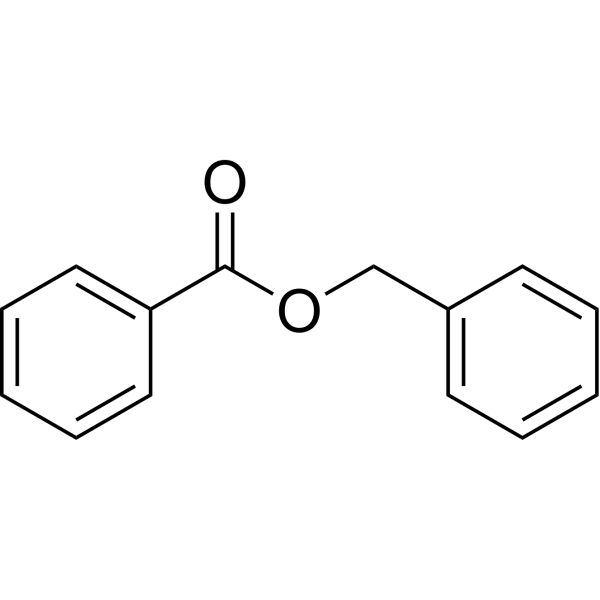 0 ImagesBenzyl benzoate (Phenylmethyl benzoate) is an orally active anti-scabies agent, acaricide (EC50= 0.06 g/m2) and fungicide. Benzyl benzoate is an angiotensin II (Ang II) inhibitor with antihypertensive effects. Benzyl benzoate can be used in perfumes, pharmaceuticals and the food industry.
-
Emamectin Benzoate
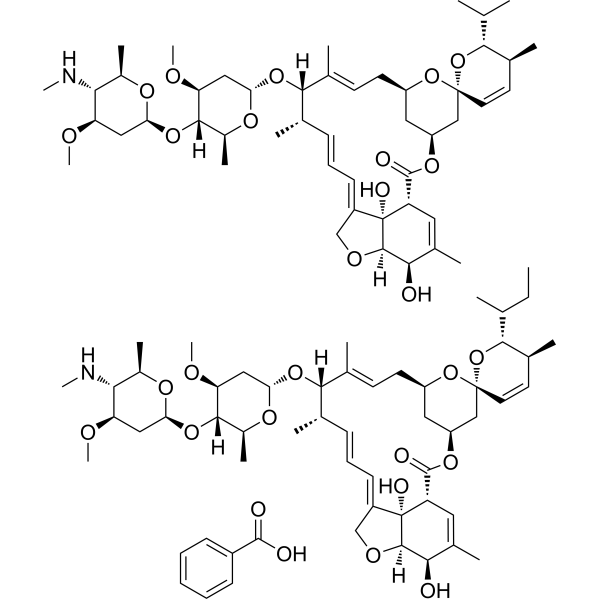 0 ImagesSynonyms: MK-244Emamectin Benzoate (MK-244) is an orally active nervoussystem toxicant by binding g-aminobutyric (GABA) receptor in insects. Emamectin Benzoate is one of semi-synthetic derivative of Avermectin (HY-15311) with a broadspectrum of insecticidal and acaricidal activity. Emamectin Benzoate induces ROS-mediated DNA damage and cell apoptosis. Emamectin Benzoate, a mixture of the natural Emamectin B1a benzoate and Emamectin B1b benzoate, has the main component of Emamectin B1a benzoate.
-
Pyridaben
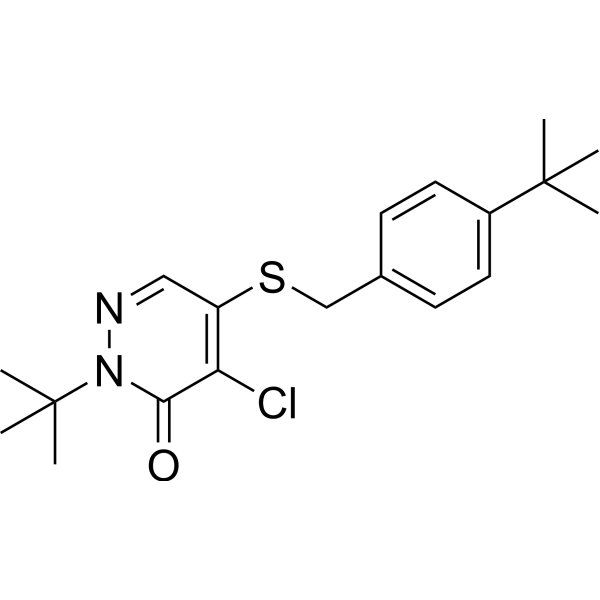 0 ImagesPyridaben is a mitochondrial electron transport inhibitor (METI) acaricide that promotes the formation of damaging oxygen and nitrogen radicals. Pyridaben selectively inhibits complex I (NADH dehydrogenase) with an IC50 value of 2.4 nM (assay sites: rat liver and bovine heart mitochondria). Pyridaben also significantly inhibits rat mitochondrial mtNOS function.
-
Eprinomectin
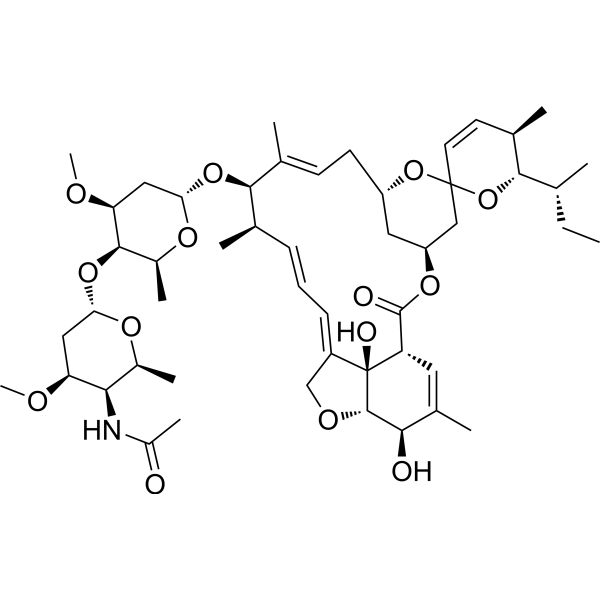 0 ImagesSynonyms: MK-397Eprinomectin (MK-397) is a type of avermectin. Eprinomectin, as a broad-spectrum fungicide, has insecticidal, insecticidal and acaricidal activities. Eprinomectin induces apoptosis and autophagy in prostate cancer cells and has antitumor activity.
-
Diethyltoluamide
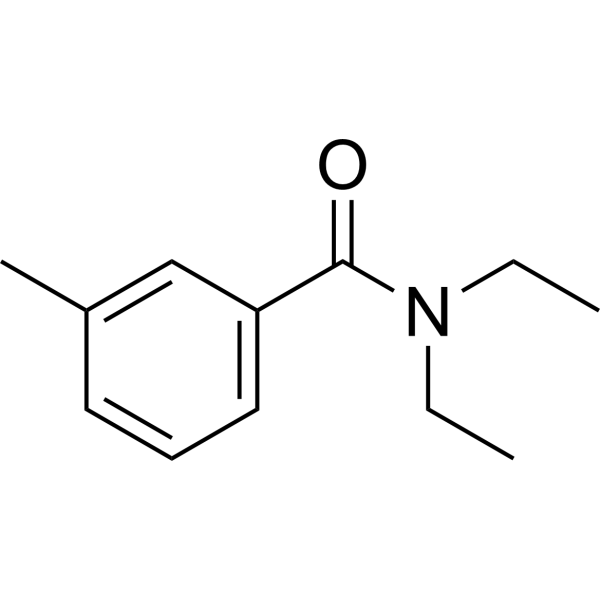 0 ImagesDiethyltoluamide (DEET) is the most common active ingredient in insect repellents. It is intended to provide protection against mosquitoes, ticks, fleas, chiggers, leeches, and many other biting insects. Diethyltoluamide is toxic to hepatocytes and can lead to many physiological, pharmacological, and behavioral abnormalities, particularly motor deficits and learning and memory dysfunction.
-
Nemadectin
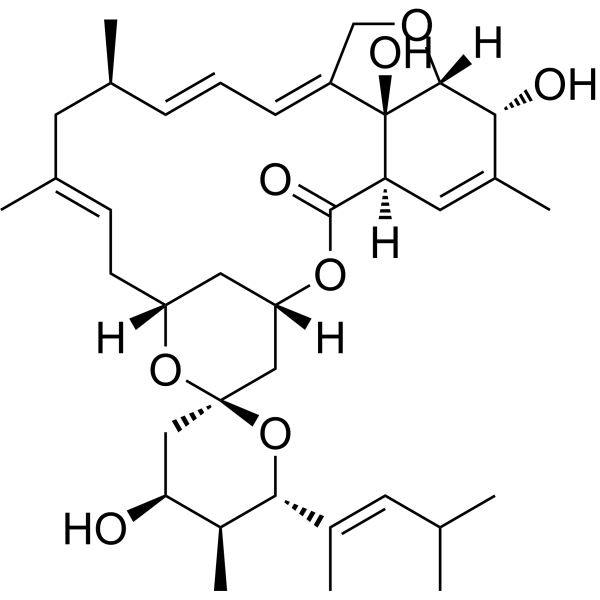 0 ImagesSynonyms: CL-287088; LL-F28249 αNemadectin (CL-287088), an orally active broad-spectrum endectocide, is highly efficacious against natural infections of all the major canine gastrointestinal helminthes. Anthelmintic activity.
-
Crotamiton
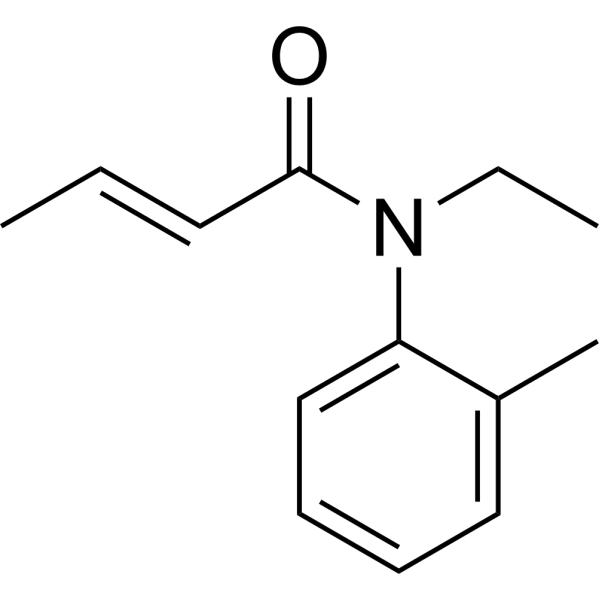 0 ImagesCrotamiton is a TRPV4 inhibitor. Crotamiton inhibits TRPV4 currents. Crotamiton inhibits TRPV4 selective agonist-induced pruritus-related behaviors in mice. Crotamiton inhibits Histamine- and Chloroquine-induced calcium influx via the H1R/TRPV1, MRGPRA3/TRPA1 pathways, and also suppresses calcium influx in primary mouse dorsal root ganglion neurons. Crotamiton is applicable to research related to pruritus, scabies, and non-scabietic pruritus.
-
Chlorfenapyr
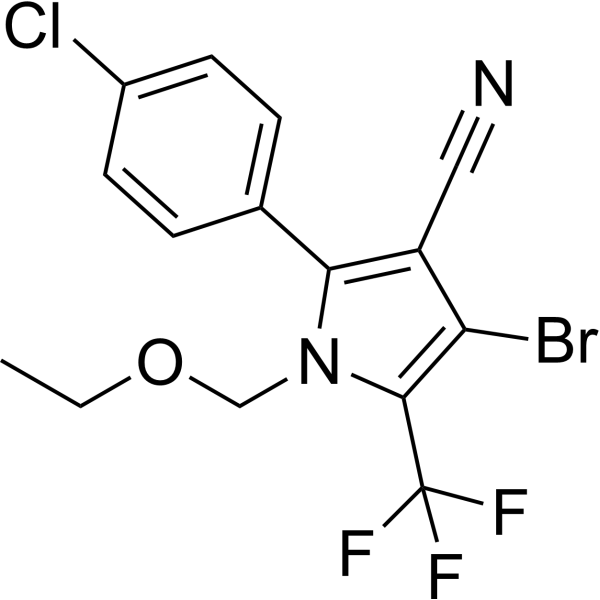 0 ImagesChlorfenapyr is a pyrrole insecticide. Chlorfenapyr has a mode of action: the mixed function oxidase oxidizes and removes the Nethoxymethyl group to form the active metabolite, CL 303268. Chlorfenapyr is used for termite control and crop protection against a variety of insect and mite pests.
-
Fenitrothion
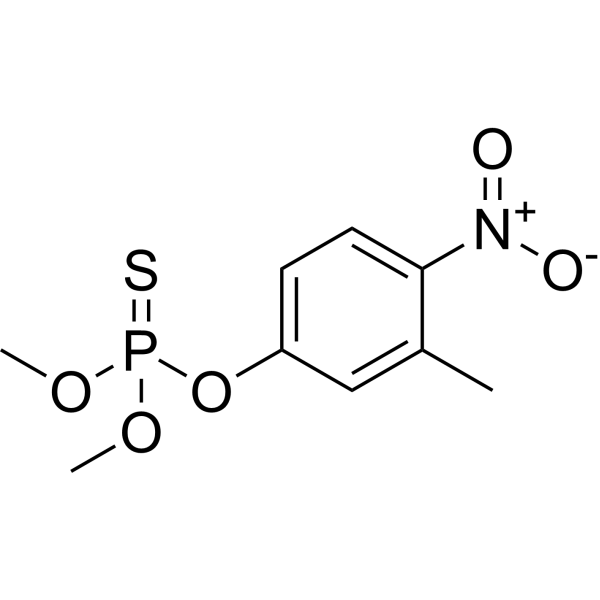 0 ImagesFenitrothion is a broad-spectrum and orally active insecticide/acaricide. Fenitrothion inhibits cholinesterase, AMPKα and IRS1/PI3K/AKT. Fenitrothion causes Apoptosis, reduces SOD activity. Fenitrothion shows insecticidal effect against Rhyzopertha dominica and Tribolium castaneum adults. Fenitrothion is widely used in cotton crops, vegetable crops, fruit crops and field crops, especially rice. Fenitrothion can be used for brain and spleen toxicology studies.
-
Amitraz
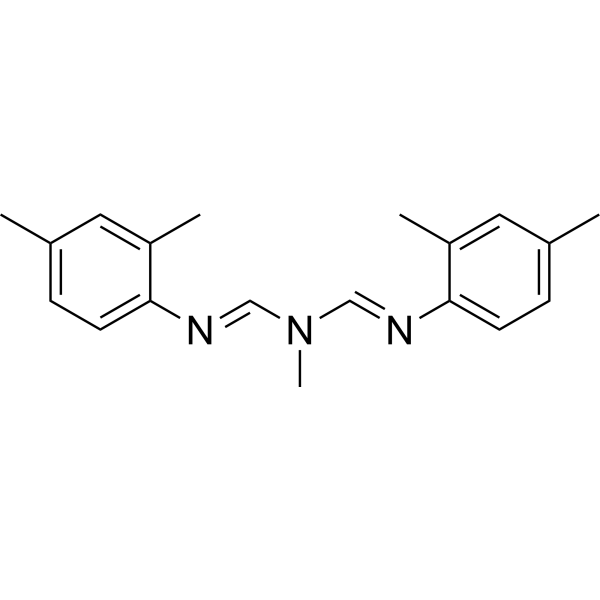 0 ImagesSynonyms: BTS-27419Amitraz is a non-systemic acaricide and insecticide with alpha-adrenergic agonist activity that interacts with octopamine receptors in the central nervous system and inhibits monoamine oxidase and prostaglandin synthesis.
-
(E)-Fenpyroximate
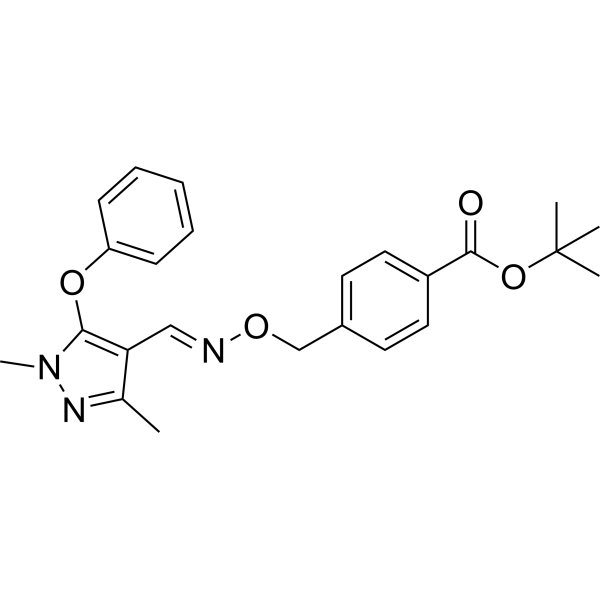 0 Images(E)-Fenpyroximate is a potent acaricide.
-
Spirodiclofen
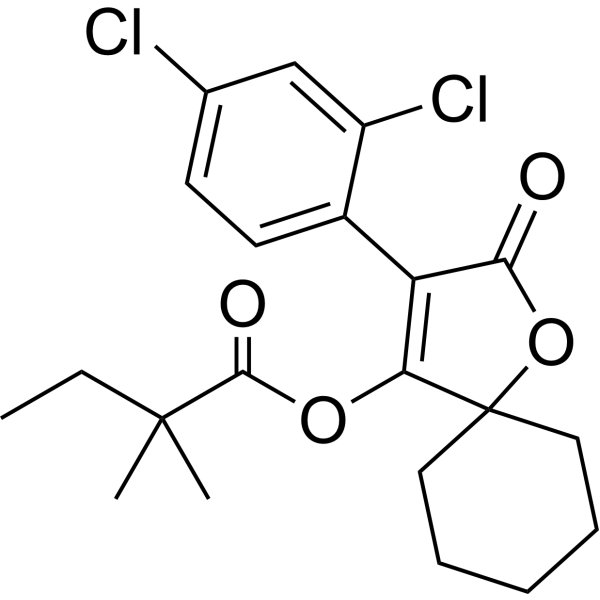 0 ImagesSynonyms: BAJ-2740Spirodiclofen (BAJ-2740) is a broad spectrum acaricide acting via lipid biosynthesis inhibition (LBI) with no cross resistance to currently available acaricides and with additional insecticidal properties.
-
Pirimiphos-methyl
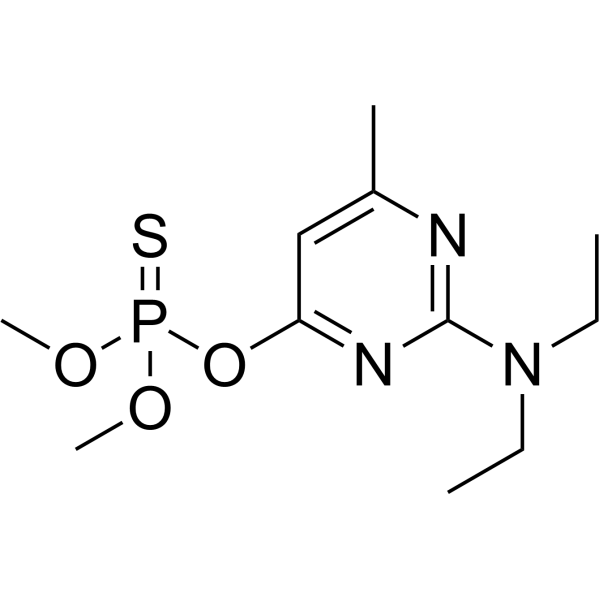 0 ImagesPirimiphos-methyl is an organophosphorus insecticide and acaricide that can inhibit AChE in target organisms. Pirimiphos-methyl is often used for prevention and control of beetles, snout beetles, moths and Ephestia cautella during storage of agricultural grains.
-
Amitraz-d3
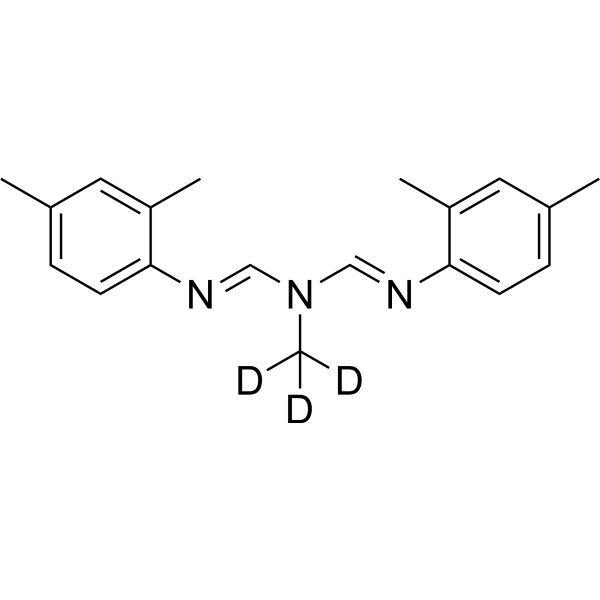 0 ImagesCat. No.: HY-B1111S1Purity: 99.5%Synonyms: BTS-27419-d3Amitraz-d3 is the deuterium labeled Amitraz. Amitraz is a non-systemic acaricide and insecticide, with alpha-adrenergic agonist activity, interaction with octopamine receptors of the central nervous system and inhibition of monoamine oxidases and prostaglandin synthesis.
-
Clofentezine
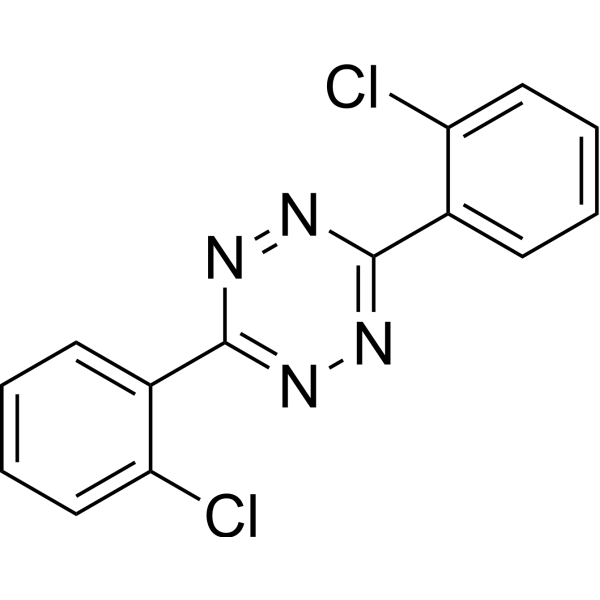 0 ImagesClofentezine is a growth inhibitor that is highly lethal to mites.
-
Pirimicarb
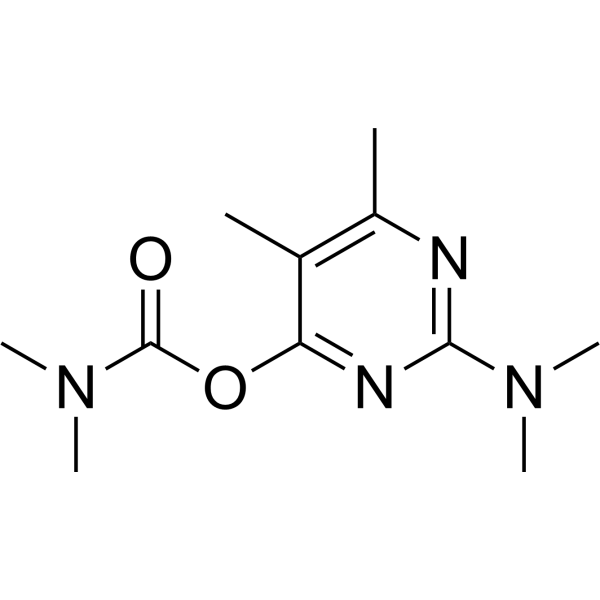 0 ImagesPirimicarb is a fast-acting selective carbamate insecticide on a wide range of crops including cereals, sugar beet, potatoes, fruits and vegetables. Pirimicarb is an AChE inhibitor and an acaricide.
-
Hexythiazox
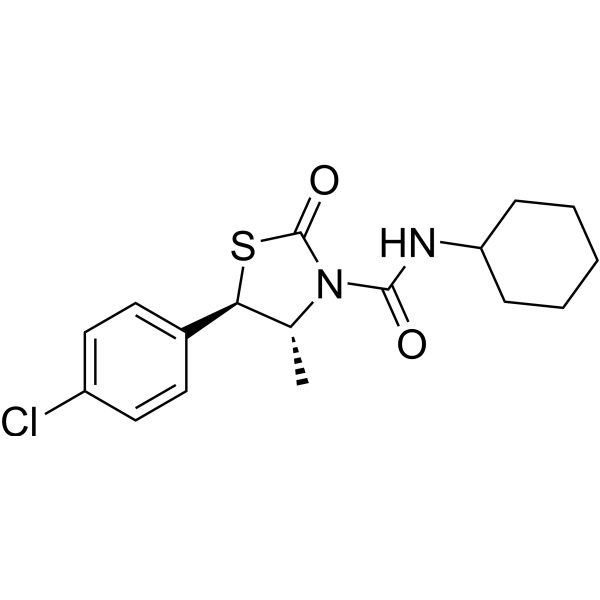 0 ImagesHexythiazox is a selective acaricide with ovicidal, larvicidal and nymphicidal activities. Hexythiazox is widely used for chemical control of mites on cotton, fruits and vegetables. Hexythiazox is harmless to mammals and has no effect on beneficial insects and predators of mites.
-
Fluralaner-13C2,15N,d3
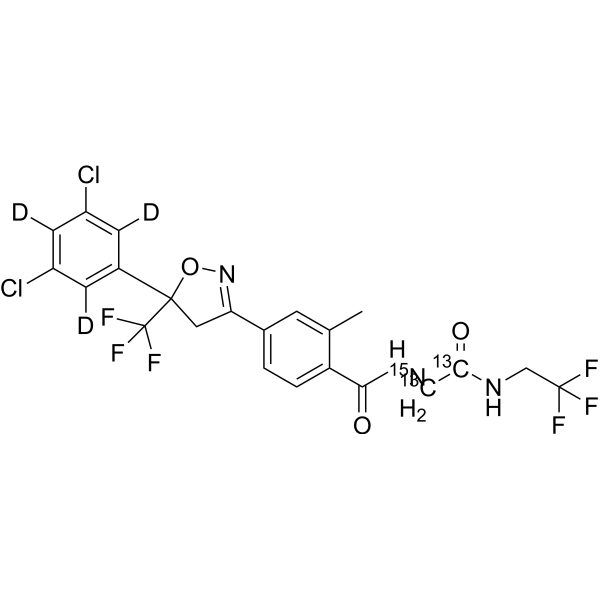 0 ImagesCat. No.: HY-16973SPurity: 98.35%Synonyms: A1443-13C2,15N,d3; AH252723-13C2,15N,d3Fluralaner-13C2,15N,d3 is the deuterium, 13C-, and 15-labeled Fluralaner. Fluralaner (INN) is a systemic insecticide and acaricide Fluralaner through potent blockage of GABA and L-glutamate gated chloride channels.
- 1
- 2



