



Oxazolidinone
Oxazolidinones are a synthetic class of antibacterial agents that inhibit bacterial protein synthesis through interactions with the large ribosomal subunit, making ribosome-mediated translation their primary biological target[3]. Mechanistically, oxazolidinones bind within the peptidyl transferase center (PTC) of the 50S ribosomal subunit, where they interact with 23S rRNA and disrupt critical steps required for productive translation[4][1]. Early biochemical studies demonstrated that linezolid, the prototypical oxazolidinone, inhibits formation of the initiator tRNA-mRNA-ribosome complex and thereby interferes with translation initiation[5]. Structural and in vivo analyses further showed that oxazolidinones occupy the ribosomal A site near the catalytic center, where they impede proper positioning of aminoacyl-tRNA and perturb ribosomal function required for protein synthesis[1][6][7]. This mechanism distinguishes oxazolidinones from many other protein synthesis inhibitors because they target a unique ribosomal region and exhibit minimal cross-resistance with previously established translation-targeting antibiotic classes[2]. Clinically, oxazolidinones display potent activity against multidrug-resistant Gram-positive pathogens, including methicillin-resistant Staphylococcus aureus and vancomycin-resistant enterococci, supporting their value in experimental and therapeutic studies of antimicrobial resistance[5]. Compared with other ribosome-targeting antibiotic classes, oxazolidinones achieve selectivity through preferential interaction with bacterial ribosomes, although prolonged exposure can affect mitochondrial ribosomes and contribute to mechanism-related adverse effects[4][1]. For experimental applications, linezolid remains the most extensively characterized oxazolidinone and is widely used to investigate ribosome structure, translation control, antibiotic resistance mechanisms, and 23S rRNA-mediated drug-target interactions[4][6][8].
References:
- [1]. Leach KL, et al. The Site of Action of Oxazolidinone Antibiotics in Living Bacteria and in Human Mitochondria. Mol Cell. 2007;26(3):393-402.
- [2]. Kloss P, et al. Resistance mutations in 23 S rRNA identify the site of action of the protein synthesis inhibitor linezolid in the ribosomal peptidyl transferase center. J Mol Biol. 1999;294(1):93-101.
- [3]. Hashemian SMR, et al. Linezolid: a review of its properties, function, and use in critical care. Drug Des Devel Ther. 2018;12:1759-1767. [Content Brief]
- [4]. Long KS, et al. Mutations in 23S rRNA at the peptidyl transferase center and their relationship to linezolid binding and cross-resistance. Antimicrob Agents Chemother. 2010;54(11):4705-4713. [Content Brief]
- [5]. Swaney SM, et al. The oxazolidinone linezolid inhibits initiation of protein synthesis in bacteria. Antimicrob Agents Chemother. 1998;42(12):3251-3255. [Content Brief]
- [6]. Ippolito JA, et al. Crystal structure of the oxazolidinone antibiotic linezolid bound to the 50S ribosomal subunit. J Med Chem. 2008 Jun 26;51(12):3353-6. [Content Brief]
- [7]. Wilson DN, et al. The oxazolidinone antibiotics perturb the ribosomal peptidyl-transferase center and effect tRNA positioning. Proc Natl Acad Sci U S A. 2008;105(36):13339-13344. [Content Brief]
- [8]. Belousoff MJ, et al. Structural Basis for Linezolid Binding Site Rearrangement in the Staphylococcus aureus Ribosome. mBio. 2017 May 9;8(3):e00395-17. [Content Brief]
-
Oxazolidinone Related Products (16)
Related Products (16)

- 1
-
Linezolid
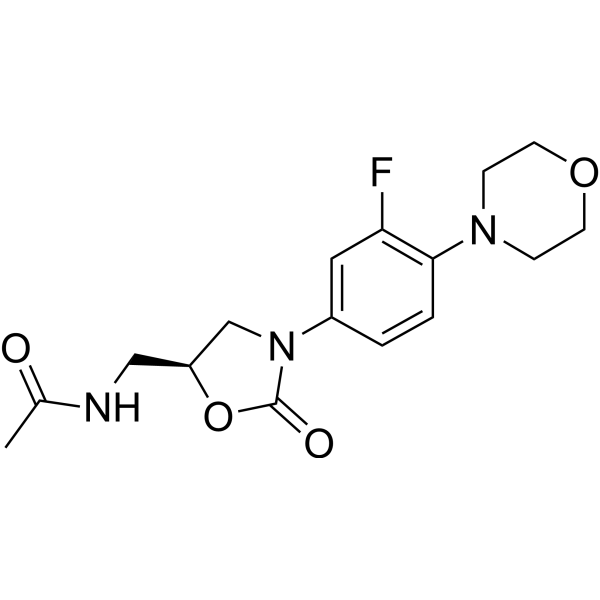 0 ImagesSynonyms: PNU-100766Linezolid (PNU-100766) is the first member of the class of oxazolidinone synthetic antibiotic. Linezolid acts by inhibiting the initiation of bacterial protein synthesis. Linezolid is used for the treatment of serious infections caused by Gram-positive bacteria that are resistant to several other antibiotics.
-
Tedizolid
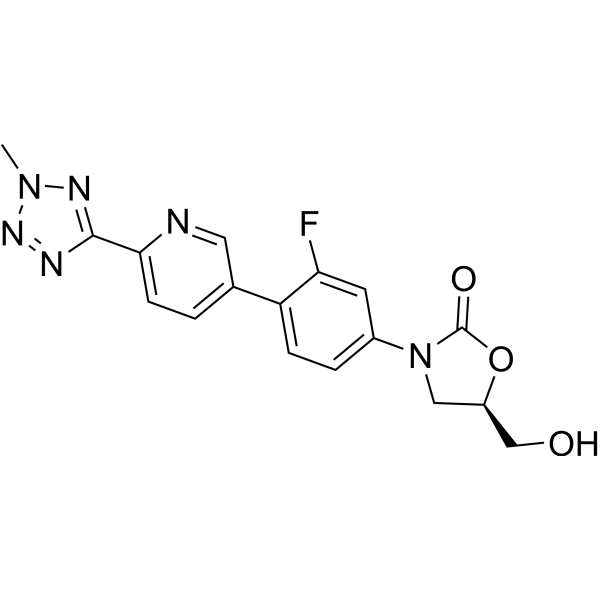 0 ImagesSynonyms: TR 700; Torezolid; DA-7157Tedizolid (TR 700; Torezolid; DA-7157) is a novel oxazolidinone, acting through inhibition of bacterial protein synthesis by binding to 23S ribosomal RNA (rRNA) of the 50S subunit of the ribosome.
-
Cadazolid
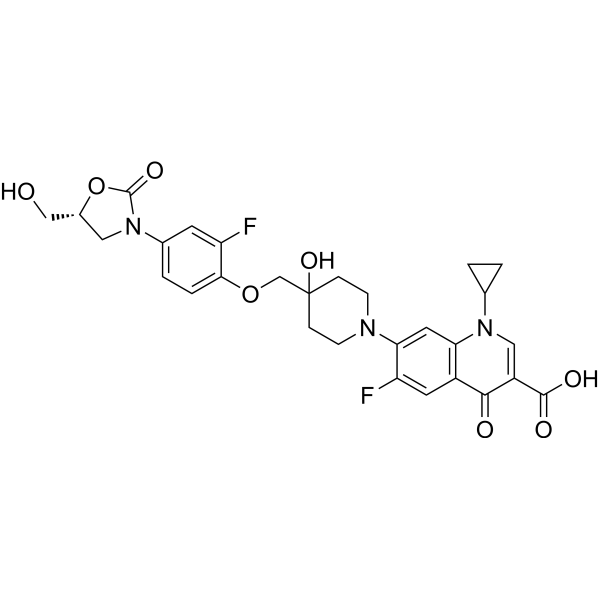 0 ImagesSynonyms: ACT-179811Cadazolid (ACT-179811) is a new oxazolidinone antibiotic with potent activity against Clostridium difficile.
-
Delpazolid
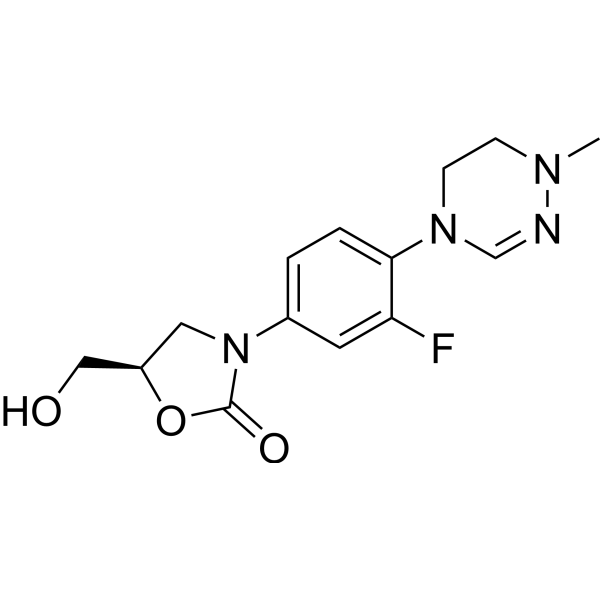 0 ImagesSynonyms: LCB01-0371Delpazolid is a novel oxazolidinone antibiotic agent which can inhibit the growth of MSSA and MRSA with a MIC90 of 2 μg/mL for both of them.
-
Sutezolid
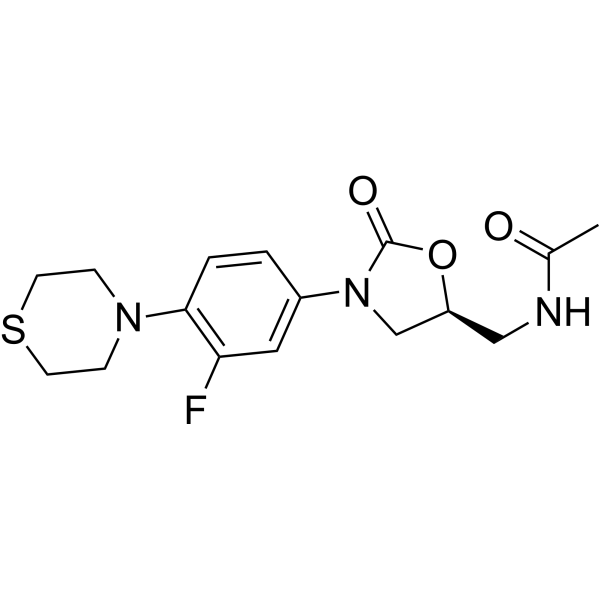 0 ImagesSynonyms: PNU-100480; U-100480; PF-02341272Sutezolid (PNU-100480), an orally active oxazolidinone antimicrobial agent, acts by inhibiting bacterial protein synthesis. Sutezolid has potent activity against mycobacteria, and is used for the research of drug-resistant tuberculosis.
-
Contezolid
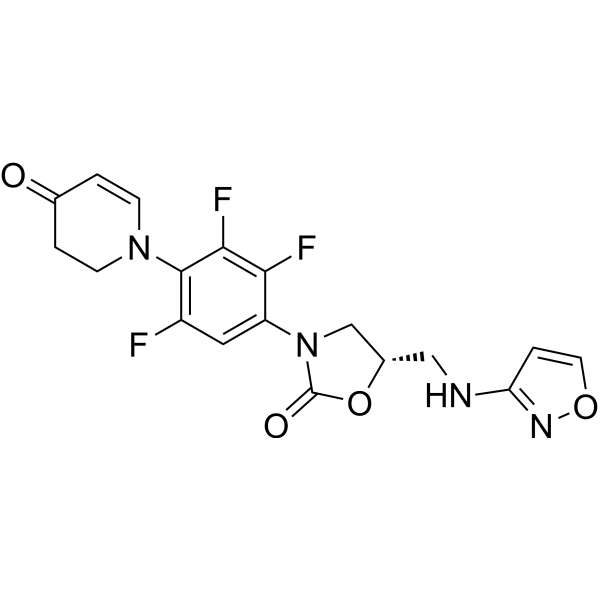 0 ImagesSynonyms: MRX-IContezolid (MRX-I), a new and orally active oxazolidinone, is an antibiotic in study for complicated skin and soft tissue infections (cSSTI) caused by resistant Gram-positive bacteria. Contezolid (MRX-I) markedly reduces potential for myelosuppression and monoamine oxidase inhibition (MAOI).
-
Radezolid
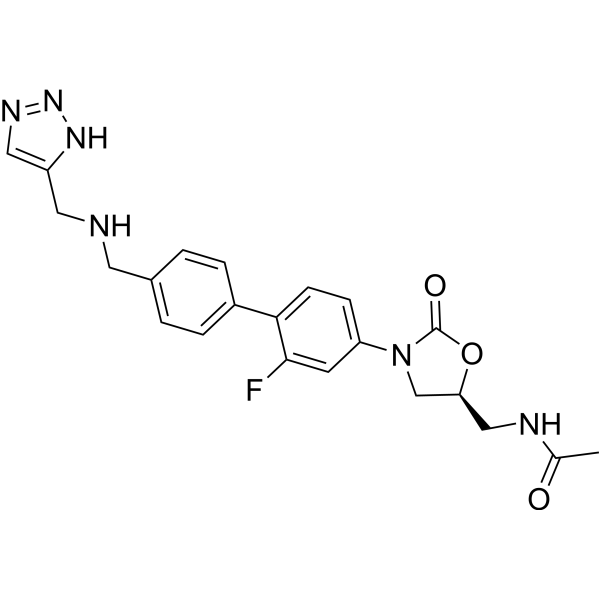 0 ImagesSynonyms: RX-1741Radezolid (RX-1741) is a oxazolidinone antibiotic. Radezolid is active against Staphylococcus, Chlamydia, and Legionella species, and remains active against Linezolid-resistant strains.
-
TBI-223
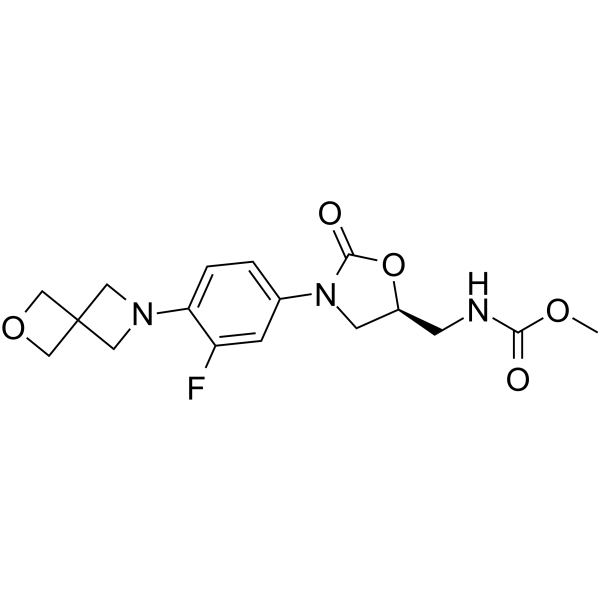 0 ImagesTBI-223 is an orally active oxazolidinone antibiotic and an antimicrobial. TBI-223 shows activity against Mycobacterium tuberculosis (Mtb). TBI-223 exhibits an IC50 of 68 μg/mL for inhibiting mitochondrial protein synthesis (MPS) in HepG2 cells. TBI-223 is effective in three mouse models (bloodstream infection, skin infection, and bone infection) of methicillin-resistant staphylococcus aureus infection. TBI-223 can be used for the study of tuberculosis.
-
Eperezolid
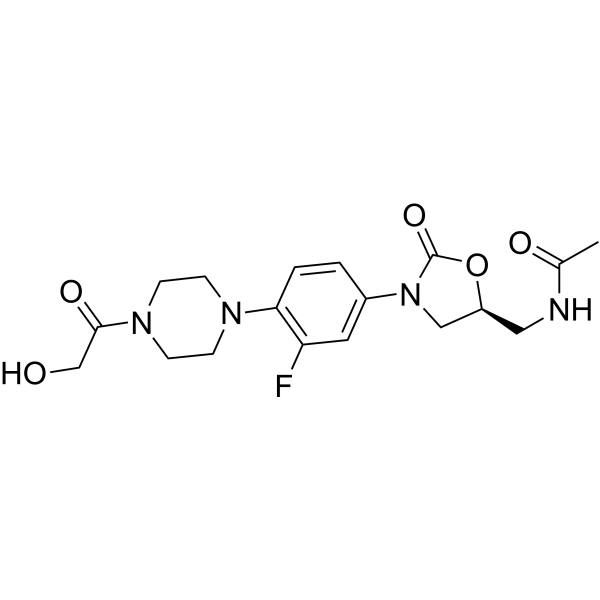 0 ImagesCat. No.: HY-10393CAS No.: 165800-04-4Synonyms: PNU-100592Eperezolid (PNU-100592) is an orally active protein synthesis inhibitor that targets the bacterial 50S ribosomal subunit. Eperezolid competitively binds to a specific site on the ribosomal 50S subunit (overlapping with the binding sites of chloramphenicol (HY-B0239) and lincomycin (HY-117660)) to inhibit the translation initiation stage and exert antibacterial activity. Eperezolid can induce host cell autophagy to enhance the clearance of intracellular mycobacteria, and its MIC90 for Staphylococcus aureus and Enterococcus is 1-4 μg/mL. Eperezolid is mainly used for antibacterial research on infections with Gram-positive bacteria such as methicillin-resistant (HY-121544) Staphylococci and vancomycin-resistant (HY-B0671) Enterococci, as well as infections with intracellular bacteria such as Mycobacterium tuberculosis.
-
(S)-Tedizolid
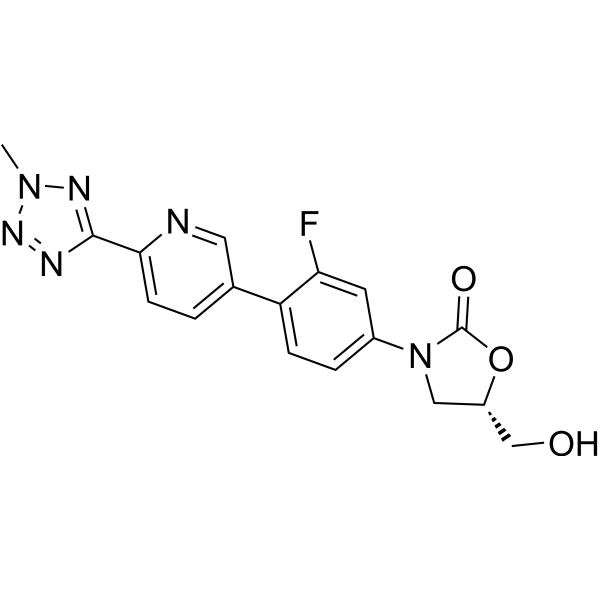 0 ImagesSynonyms: (S)-TR 700; (S)-DA 7157(S)-Tedizolid is the S-enantiomer of Tedizolid. Tedizolid is a novel oxazolidinone with activity against Gram-positive pathogens. (S)-Tedizolid is the less active isomer.
-
Contezolid acefosamil sodium
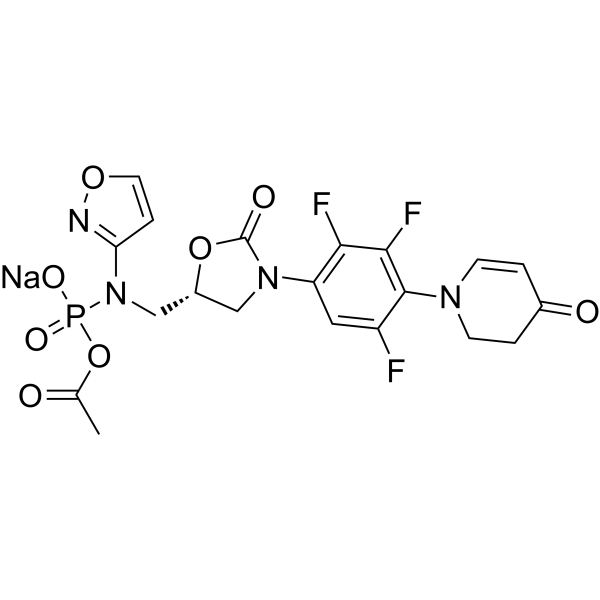 0 ImagesCat. No.: HY-19915BCAS No.: 1807365-35-0Synonyms: MRX-4 sodiumContezolid acefosamil sodium (MRX-4), a new and orally active oxazolidinone, is an antibiotic in study for complicated skin and soft tissue infections (cSSTI) caused by resistant Gram-positive bacteria. Contezolid acefosamil sodium (MRX-4) markedly reduces potential for myelosuppression and monoamine oxidase inhibition (MAOI).
-
Contezolid acefosamil
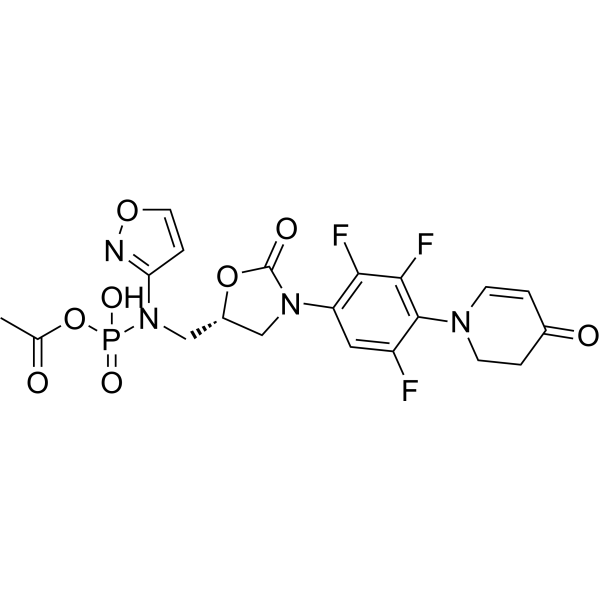 0 ImagesCat. No.: HY-19915ACAS No.: 1807497-11-5Synonyms: MRX-4Contezolid acefosamil (MRX-4) is the orally active proagent of the active antimicrobial metabolite Contezolid (MRX-I), an oxazolidinone which shows potent in vitro activity against various multidrug-resistant Gram-positive bacteria, including MRSA.
-
T504
 0 ImagesCat. No.: HY-180810T504 is an oxazolidinone antibiotic. T504 exhibits significant growth inhibitory effects on Mycobacterium tuberculosis H37Rv, Mycobacterium bovis BCG, and Mycobacterium abscessus, and the MIC value for the reference strain Mycobacterium tuberculosis H37Rv is 0.5-1.0 μg/mL. T504 effectively inhibits the growth of Mycobacterium tuberculosis within macrophages and does not show obvious cytotoxicity. T504 can be used in the research of mycobacterial infections.
-
S-6123
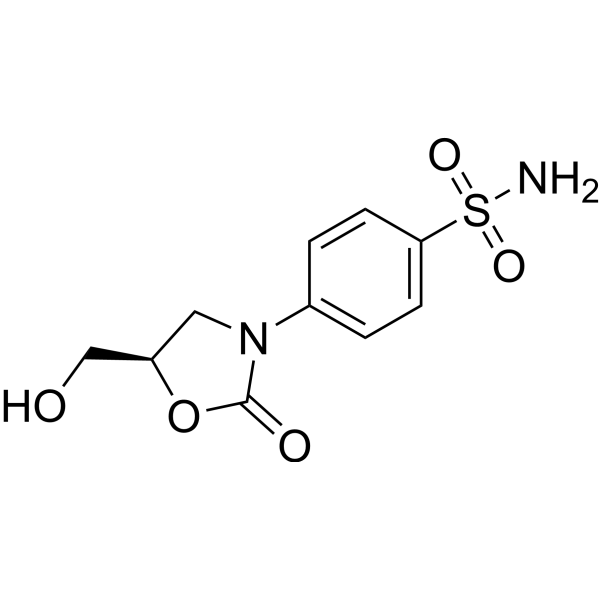 0 ImagesCat. No.: HY-122123CAS No.: 87508-45-0S-6123 is a potent antimicrobial compound of the oxazolidinone series. S-6123 inhibits ribosomal protein synthesis without inhibiting DNA or RNA synthesis.
-
Posizolid
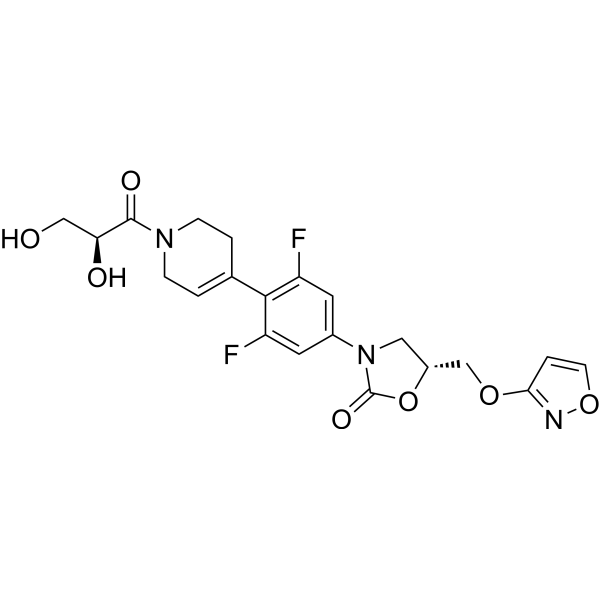 0 ImagesCat. No.: HY-15993CAS No.: 252260-02-9Synonyms: AZD2563; AZD5847Posizolid (AZD2563), an oxazolidinone antibiotic, is developed by AstraZeneca for the study of bacterial infections. Posizolid shows very good anti-mycobacterial activity.
-
PNU288034
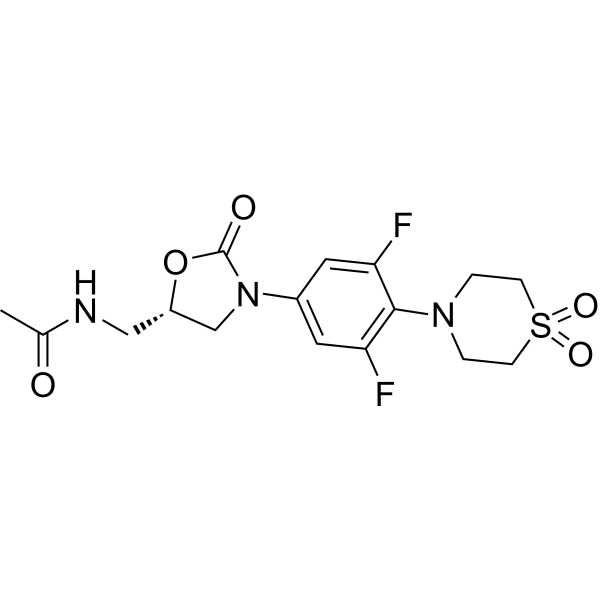 0 ImagesCat. No.: HY-101818CAS No.: 383199-88-0PNU288034 is a potent oxazolidinone antibiotic.
- 1



