



Tetracycline
Tetracycline is a ribosome-targeting antibiotic that inhibits bacterial growth by interfering with protein synthesis, making translation control its core biological function[1]. Mechanistically, tetracyclines interact with the ribosome and inhibit translation, while structural studies show that resistance proteins protect the 70S ribosome from tetracycline binding[2][3]. In bacterial disease and resistance models, tetracycline resistance occurs mainly through energy-dependent efflux, ribosomal protection, target mutation, drug modification, or rare enzymatic inactivation[1][4][5]. Compared with related tetracycline-family compounds, including doxycycline, minocycline, and tigecycline, tetracycline shares ribosomal binding and translation inhibition, but resistance determinants can differ in host range and genetic mobility[1][4][5]. Tet(O) and Tet(M) are key ribosomal protection proteins, and Tet(O) resembles elongation factor EF-G while using domain-specific ribosome contacts to mediate resistance[3][6]. For experimental applications, tetracycline remains useful for studying antibiotic uptake, ribosomal inhibition, efflux pumps, mobile resistance genes, and environmental selection of resistant bacteria[4][5].
References:
- [1]. Nguyen F, et al. Tetracycline antibiotics and resistance mechanisms. Biol Chem. 2014 May;395(5):559-75. [Content Brief]
- [2]. Spahn CM, et al. Localization of the ribosomal protection protein Tet(O) on the ribosome and the mechanism of tetracycline resistance. Mol Cell. 2001 May;7(5):1037-45. [Content Brief]
- [3]. Li W, et al. Mechanism of tetracycline resistance by ribosomal protection protein Tet(O). Nat Commun. 2013;4:1477. [Content Brief]
- [4]. Taylor DE, et al. Tetracycline resistance mediated by ribosomal protection. Antimicrob Agents Chemother. 1996 Jan;40(1):1-5. [Content Brief]
- [5]. Roberts MC. Tetracycline resistance determinants: mechanisms of action, et al. Tetracycline resistance determinants: mechanisms of action, regulation of expression, genetic mobility, and distribution. FEMS Microbiol Rev. 1996 Oct;19(1):1-24. [Content Brief]
- [6]. Connell SR, et al. Ribosomal protection proteins and their mechanism of tetracycline resistance. Antimicrob Agents Chemother. 2003 Dec;47(12):3675-81. [Content Brief]
-
Tetracycline Related Products (42)
Related Products (42)

-
Doxycycline
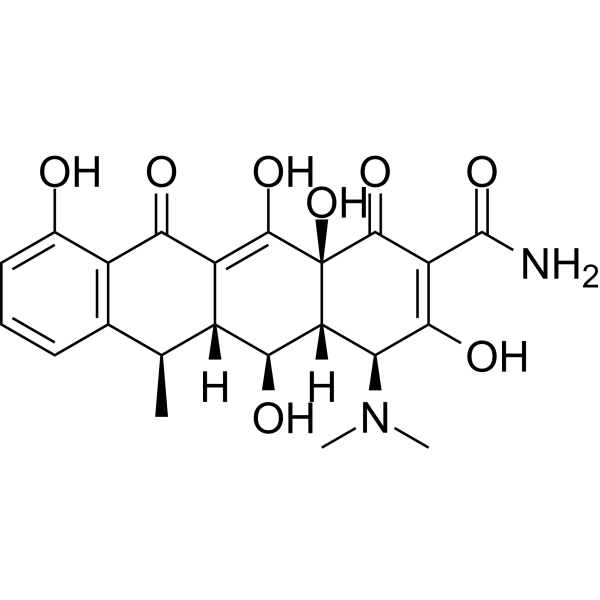 0 ImagesDoxycycline, an antibiotic, is an orally active and broad-spectrum metalloproteinase (MMP) inhibitor. Doxycycline shows antibacterial activity and anti-cancer cell proliferation activity.
-
Doxycycline hyclate
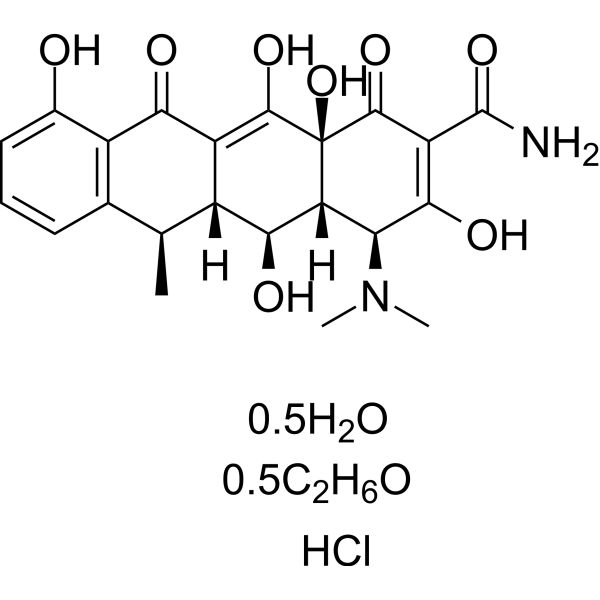 0 ImagesSynonyms: Doxycycline hydrochloride hemiethanolate hemihydrate; WC2031Doxycycline hyclate, an antibiotic, is an orally active and broad-spectrum metalloproteinase (MMP) inhibitor. Doxycycline hyclate shows antibacterial activity and anti-cancer cell proliferation activity. Doxycycline hyclate can be used to construct gene expression regulation models.
-
Doxycycline hydrochloride
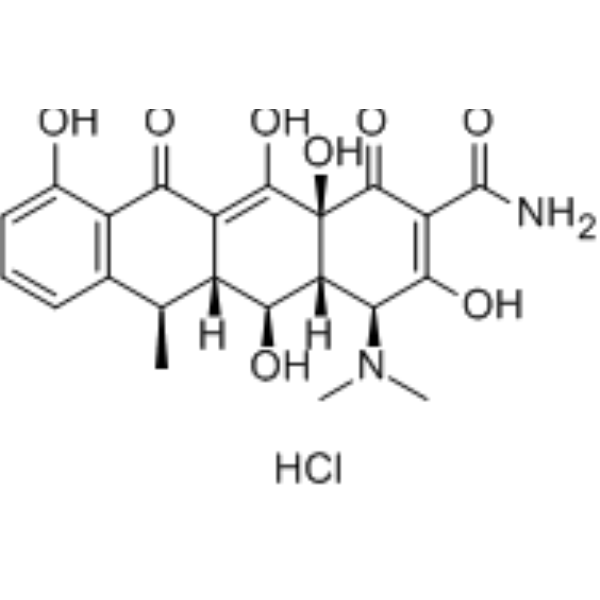 0 ImagesDoxycycline hydrochloride, an antibiotic, is an orally active and broad-spectrum metalloproteinase (MMP) inhibitor. Doxycycline hydrochloride shows antibacterial activity and anti-cancer cell proliferation activity. Doxycycline hydrochloride can be used to construct gene expression regulation models.
-
Tetracycline
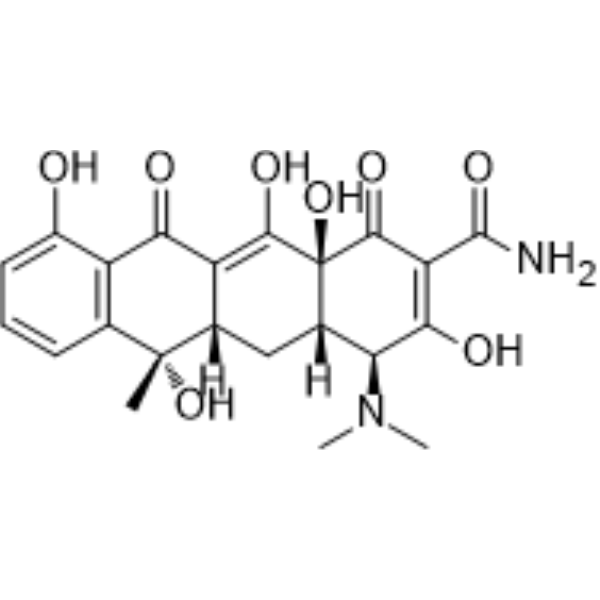 0 ImagesTetracycline is a broad-spectrum antibiotic with oral activity. Tetracycline exhibits activity against a wide range of bacteria including gram-positive, gram-negative bacteria, chlamydiae, mycoplasmas and rickettsiae. Tetracycline can be used for the research of infections.
-
Tetracycline hydrochloride
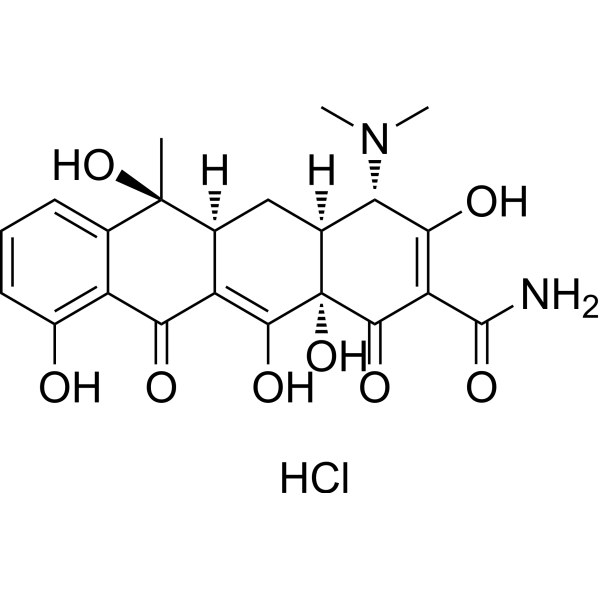 0 ImagesTetracycline hydrochloride is a broad-spectrum antibiotic with oral activity. Tetracycline hydrochloride exhibits activity against a wide range of bacteria including gram-positive, gram-negative bacteria, chlamydiae, mycoplasmas and rickettsiae. Tetracycline hydrochloride can be used for the research of infections.
-
Anhydrotetracycline hydrochloride
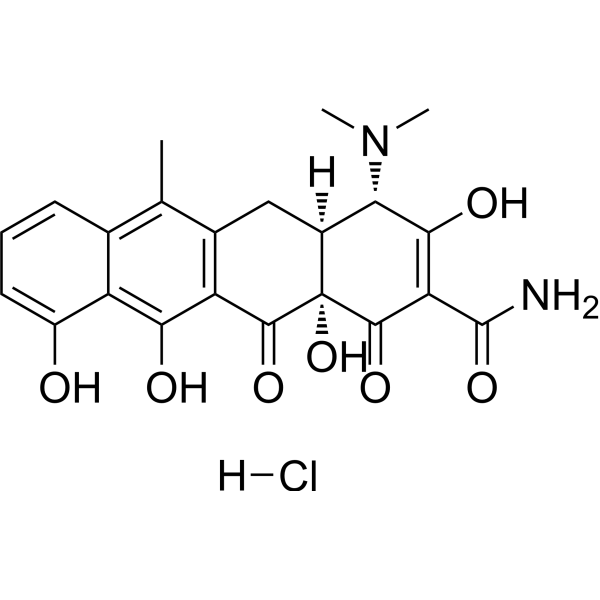 0 ImagesAnhydrotetracycline hydrochloride, a tetracycline biosynthetic precursor, is a potent competitive broad-spectrum tetracycline destructase enzymes inhibitor. Anhydrotetracycline hydrochloride is an effector for tetracycline controlled gene expression systems in eukaryotic cells.
-
Chlortetracycline hydrochloride
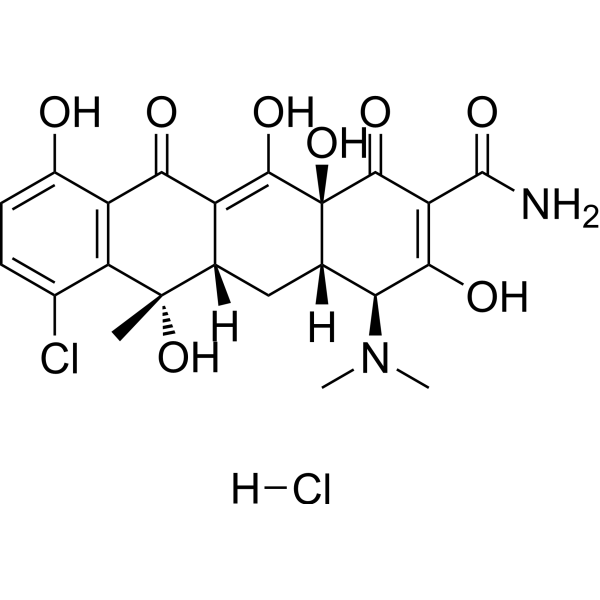 0 ImagesChlortetracycline hydrochloride (7-Chlorotetracycline hydrochloride) is an orally active, effective and selectively methanogenic bacteria inhibitor with bactericidal effects. Chlortetracycline hydrochloride is also a antibiotic that acts by inhibiting bacterial protein synthesis. Additionally, Chlortetracycline hydrochloride is a specific and potent calcium ionophore antibiotic, inhibiting binding of aminoacyl-tRNA to ribosomes.
-
Omadacycline
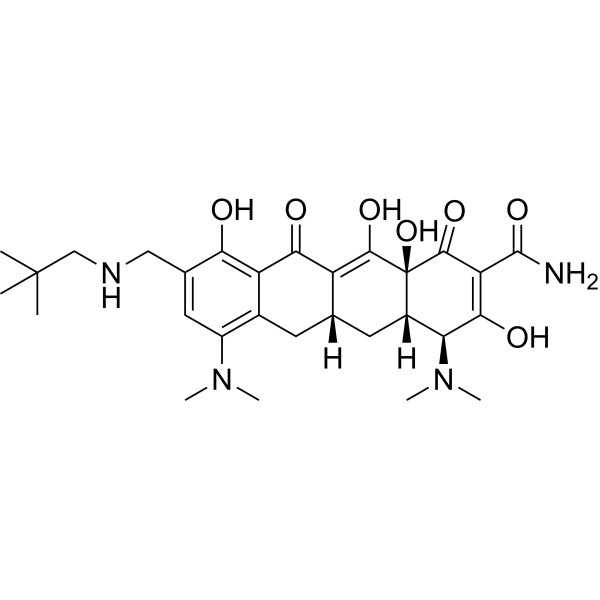 0 ImagesSynonyms: PTK 0796; AmadacyclineOmadacycline (PTK 0796), a first-in-class orally active aminomethylcycline antibacterial, is a member of the tetracycline class of antibiotics. Omadacycline acts through the inhibition of bacterial protein synthesis by binding to the 30S ribosomal subunit. Omadacycline possesses broad-spectrum antibacterial activity against aerobic and anaerobic Gram-positive and Gram-negative bacteria, as well as atypical bacteria. Omadacycline can be used for the research of acute bacterial skin and skin-structure infections, community-acquired pneumonia, and urinary tract infections.
-
Oxytetracycline
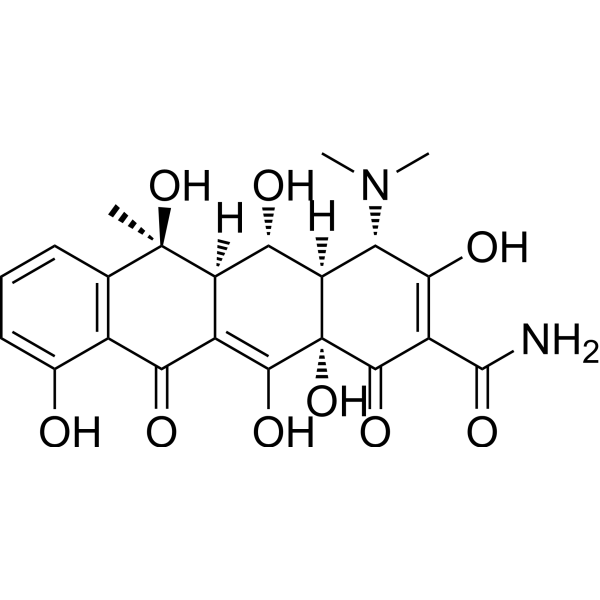 0 ImagesOxytetracycline is an antibiotic belonging to the tetracycline class. Oxytetracycline potent inhibits Gram-negative and Gram-positive bacteria. Oxytetracycline is a protein synthesis inhibitor and prevents the binding from aminoacil-tRNA to the complex m-ribosomal RNA. Oxytetracycline also possesses anti-HSV-1 activity.
-
Methacycline hydrochloride
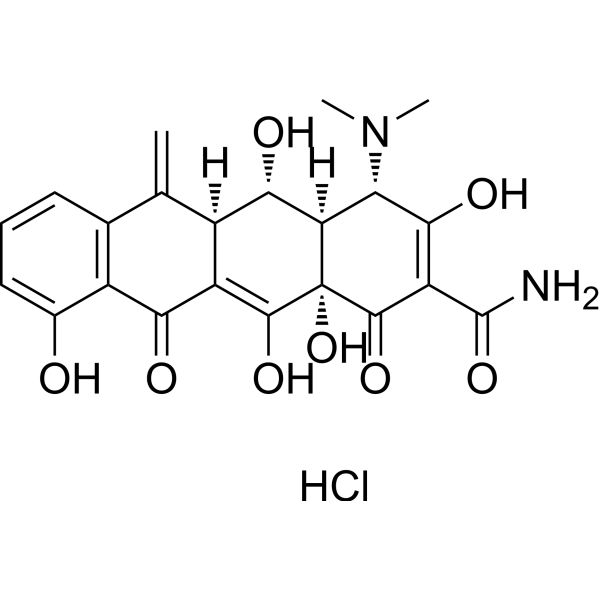 0 ImagesMethacycline hydrochloride is a tetracycline antibiotic and can inhibits bacterial protein synthesis. Methacycline hydrochloride is a potent epithelial-mesenchymal transition (EMT) inhibitor. Methacycline hydrochloride blocks EMT in vitro and fibrogenesis in vivo without directly affecting TGF-β1 Smad signaling. Methacycline hydrochloride is an antimicrobial and has the potential for pulmonary fibrosis.
-
Omadacycline hydrochloride
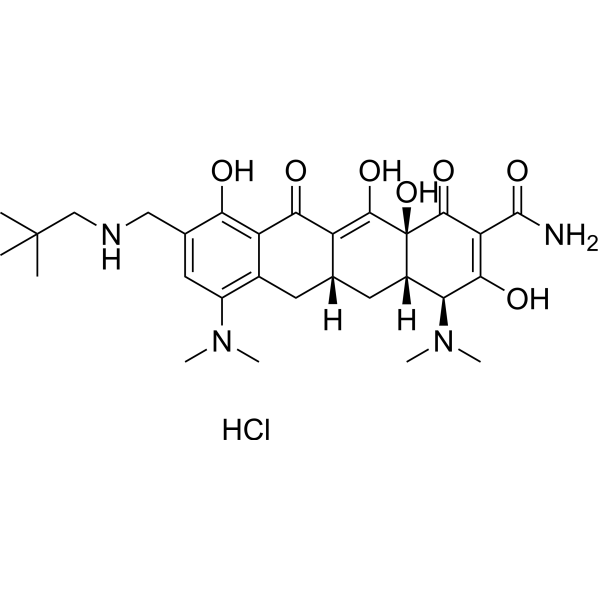 0 ImagesSynonyms: PTK0796 hydrochloride; Amadacycline hydrochlorideOmadacycline (PTK 0796) hydrochloride, a first-in-class orally active aminomethylcycline antibacterial, is a member of the tetracycline class of antibiotics. Omadacycline hydrochloride acts through the inhibition of bacterial protein synthesis by binding to the 30S ribosomal subunit. Omadacycline hydrochloride possesses broad-spectrum antibacterial activity against aerobic and anaerobic Gram-positive and Gram-negative bacteria, as well as atypical bacteria. Omadacycline hydrochloride can be used for the research of acute bacterial skin and skin-structure infections, community-acquired pneumonia, and urinary tract infections.
-
Omadacycline tosylate
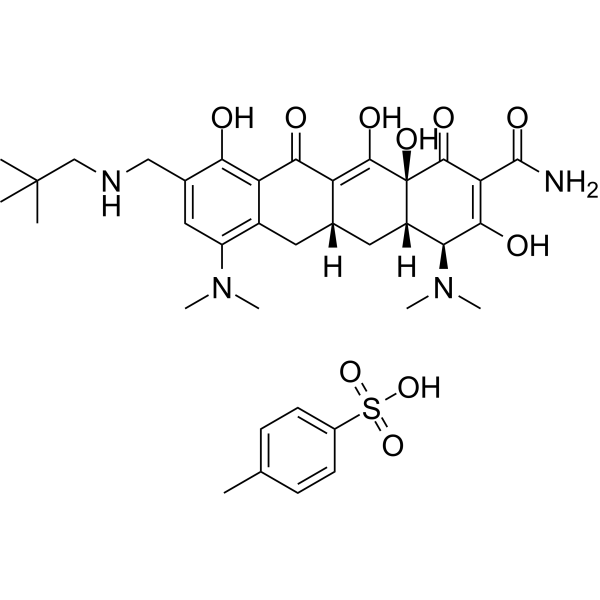 0 ImagesSynonyms: PTK 0796 tosylate; Amadacycline tosylateOmadacycline (PTK 0796) tosylate, a first-in-class orally active aminomethylcycline antibacterial, is a member of the tetracycline class of antibiotics. Omadacycline tosylate acts through the inhibition of bacterial protein synthesis by binding to the 30S ribosomal subunit. Omadacycline tosylate possesses broad-spectrum antibacterial activity against aerobic and anaerobic Gram-positive and Gram-negative bacteria, as well as atypical bacteria. Omadacycline tosylate can be used for the research of acute bacterial skin and skin-structure infections, community-acquired pneumonia, and urinary tract infections.
-
Doxycycline monohydrate
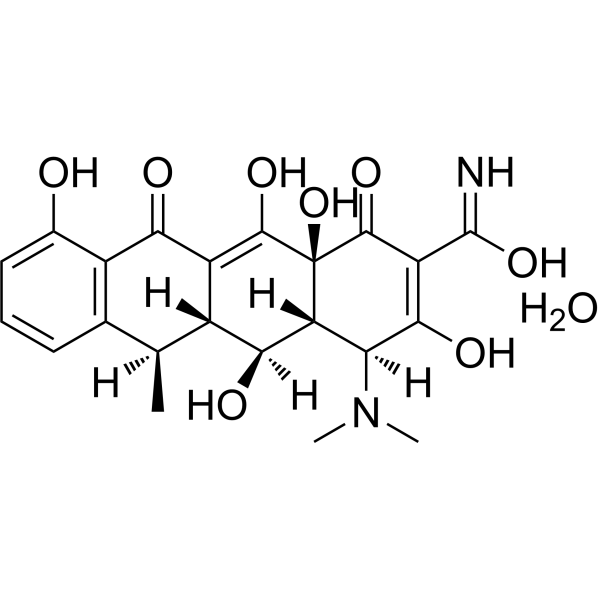 0 ImagesDoxycycline monohydrate is an orally active highly lipophilic, tissue-permeable MMP inhibitor with broad-spectrum antibacterial activity. Doxycycline monohydrate is also a semi-synthetic antibiotic with chelating properties, which blocks bacterial protein synthesis and inhibits extracellular matrix degradation through interactions with zinc and calcium atoms. Doxycycline monohydrate also inhibits mitochondrial biogenesis, translation, and the expression of respiratory chain proteins. Doxycycline monohydrate induces apoptosis, inhibits autophagy and EMT, downregulates stem cell markers, and activates the PI3K-AKT pathway, thereby effectively inhibiting the viability and proliferation of cancer cells such as breast cancer cells. Doxycycline monohydrate also promotes the survival and self-renewal of embryonic stem cells and neural stem cells, and reduces the frequency of medium changes in culture. Doxycycline monohydrate has been applied in studies related to breast cancer, prostate cancer, bladder cancer, and other cancers.
-
Anhydrotetracycline
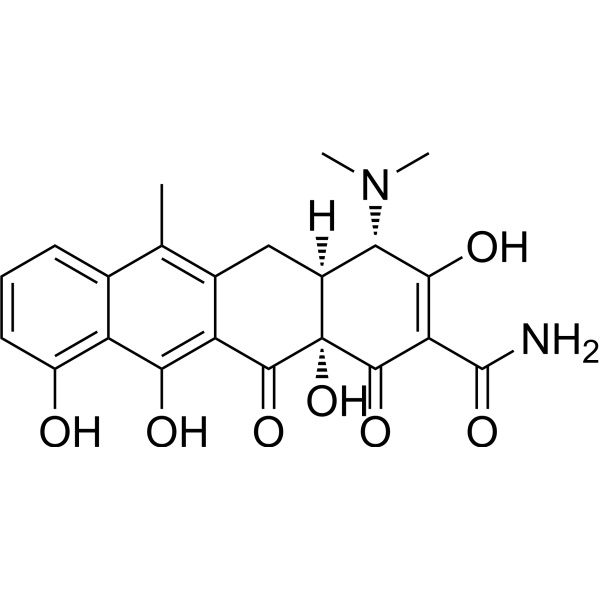 0 ImagesAnhydrotetracycline shows dose-dependent and potent inhibition of tetracycline destructases in vitro.
-
Rolitetracycline
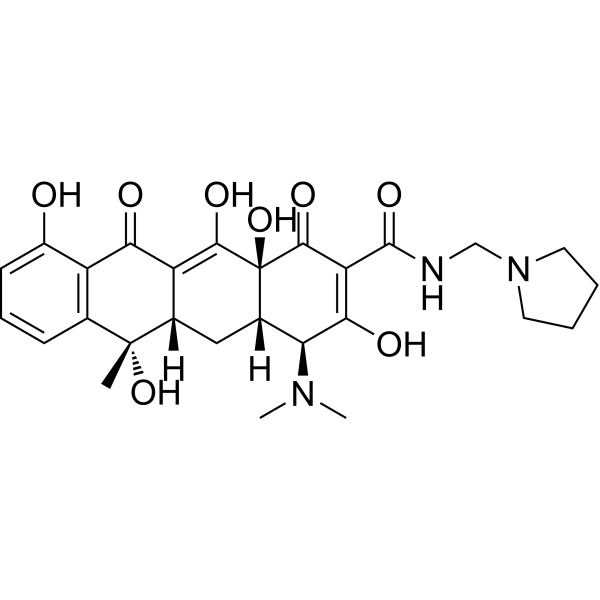 0 ImagesRolitetracycline is a highly soluble, broad-spectrum antibiotic derived from tetracycline. Rolitetracycline binds to and stabilizes bovine serum albumin, and also inhibits HIV-1 integrase, blocks Aβ fibril formation and suppresses dengue virus proliferation. Rolitetracycline mediates the inhibition of Aβ fibrils via a specific three-dimensional pharmacophore conformation, and exerts bacteriostatic and bactericidal activities. Rolitetracycline acts synergistically with Penicillin G (HY-N7139) or Cephalothin (HY-B1275A) to alter the effects on microbial growth. Rolitetracycline serves as an important tool compound for the study of bacterial infections (urinary tract infections, sepsis), HIV-1 and dengue virus infections, as well as Alzheimer's disease.
-
Cloxacillin sodium
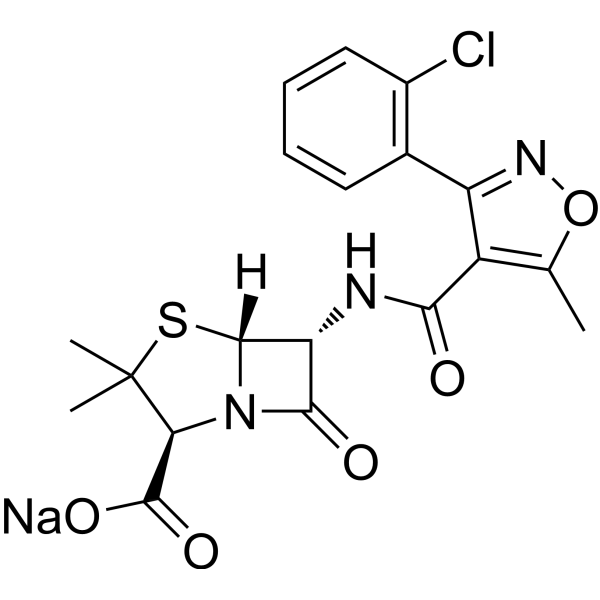 0 ImagesCloxacillin sodium is an orally active antibacterial agent and β-lactamase inhibitor with an IC50 of 0.04 µM. Cloxacillin sodium can suppress the S. aureus-induced inflammatory response by inhibiting the activation of MAPKs, NF-кB and NLRP3-related proteins.
-
Demeclocycline
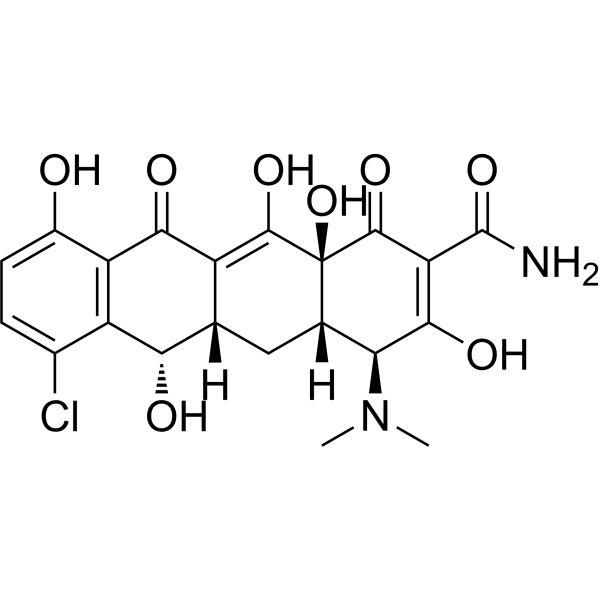 0 ImagesDemeclocycline is an orally active tetracycline antibiotic. Demeclocycline impairs protein synthesis by binding to the 30S ribosomal subunit to inhibit binding of aminoacyl tRNA. Demeclocycline shows anti-bacterial activitise to a wide variety of bacterial infections.
-
Oxytetracycline hydrochloride
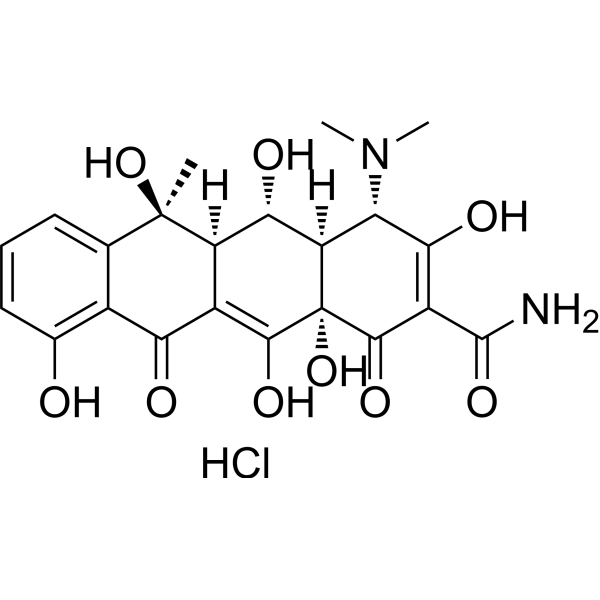 0 ImagesOxytetracycline hydrochloride is an antibiotic belonging to the tetracycline class. Oxytetracycline hydrochloride potent inhibits Gram-negative and Gram-positive bacteria. Oxytetracycline hydrochloride is a protein synthesis inhibitor and prevents the binding from aminoacil-tRNA to the complex m-ribosomal RNA. Oxytetracycline hydrochloride also possesses anti-HSV-1 activity.
-
Demeclocycline hydrochloride
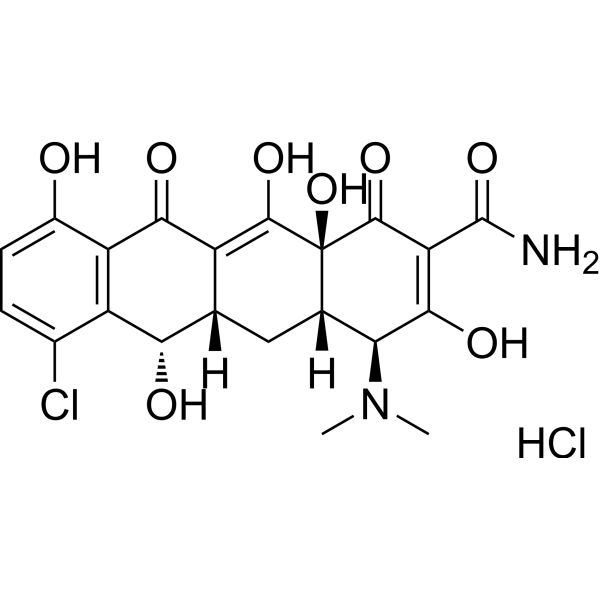 0 ImagesDemeclocycline hydrochloride is an orally active tetracycline antibiotic that inhibits the binding of aminoacyl tRNA by binding to the 30S ribosomal subunit, thereby affecting protein synthesis. Demeclocycline hydrochloride exhibits antibacterial activity against a broad spectrum of bacterial infections.
-
Cloxacillin sodium monohydrate
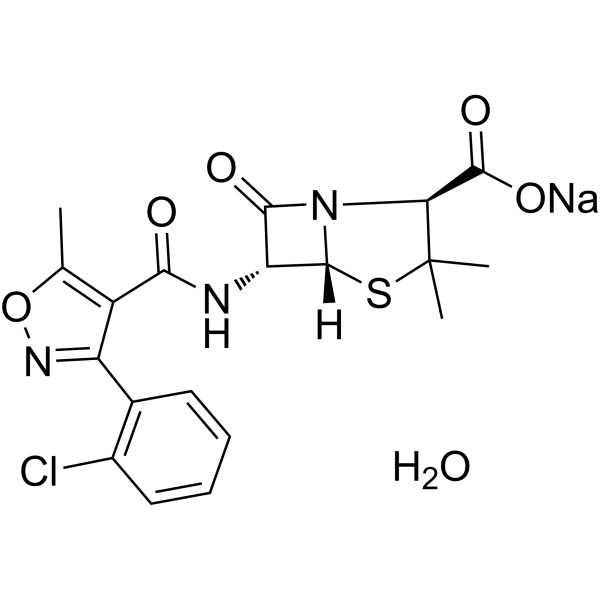 0 ImagesCloxacillin sodium monohydrate is an orally active antibacterial agent and β-lactamase inhibitor with an IC50 of 0.04 µM. Cloxacillin sodium monohydrate can suppress the S. aureus-induced inflammatory response by inhibiting the activation of MAPKs, NF-кB and NLRP3-related proteins.



