



Tetracycline hydrochloride
Based on 56 publication(s) in Google Scholar
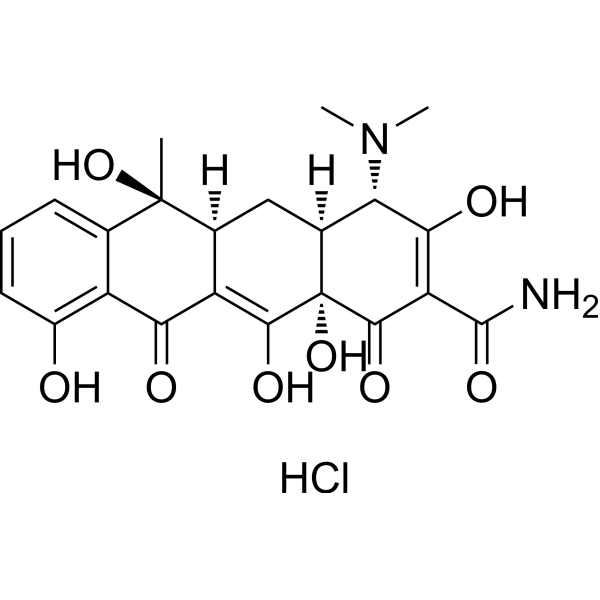
Tetracycline hydrochloride is a broad-spectrum antibiotic with oral activity. Tetracycline hydrochloride exhibits activity against a wide range of bacteria including gram-positive, gram-negative bacteria, chlamydiae, mycoplasmas and rickettsiae. Tetracycline hydrochloride can be used for the research of infections.
For research use only. We do not sell to patients.
- Purity : 98.66%
- CAS No.: 64-75-5
- Formula: C22H25ClN2O8
- Molecular Weight:480.90
-
Storage:
-20°C, sealed storage, away from moisture and light
* In solvent : -80°C, 6 months; -20°C, 1 month (sealed storage, away from moisture and light)

To place orders, for customer services and technical support, please contact: MedChemExpress USA
Tel: 609-228-6898 E-mail: [email protected] [email protected]


-
 Biological Activity
-
Chemical Information
-
Solvent & Solubility
- Protocols
- Purity & Documentation
- References
-
 Help & FAQs


-
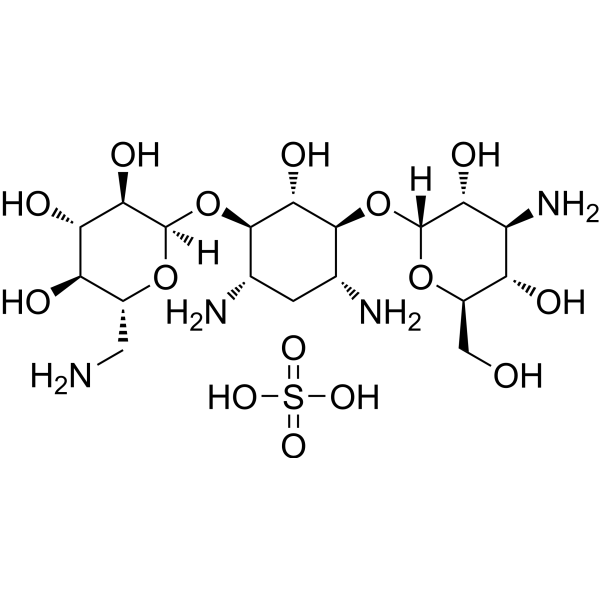
HY-16566A
Kanamycin sulfateAntibacterial Agent -
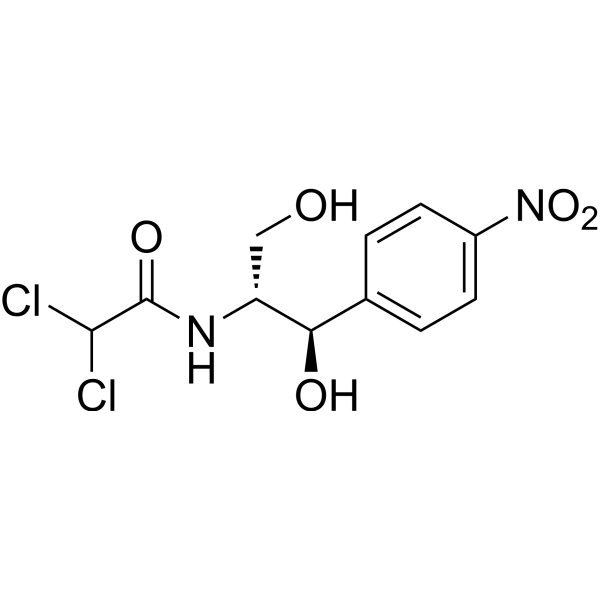
HY-B0239
ChloramphenicolHIF-1α Inhibitor -
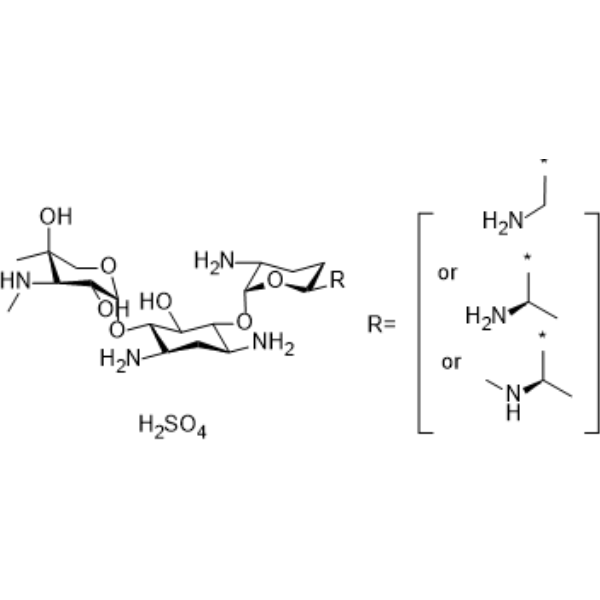
HY-A0276
Gentamicin sulfateAminoglycoside Antibiotic -
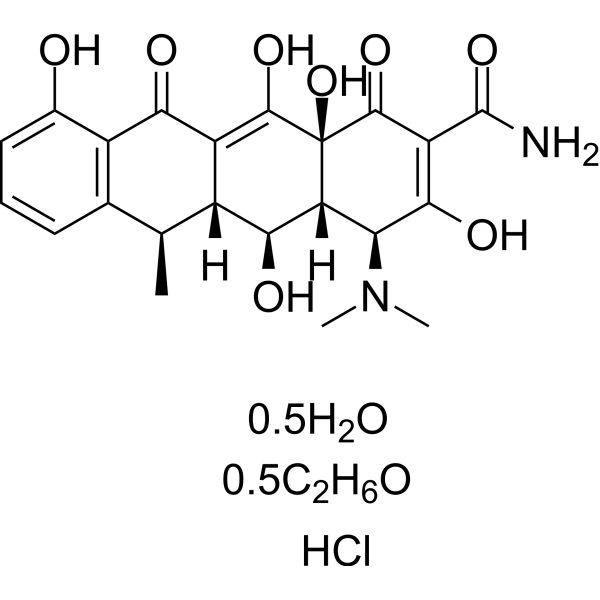
HY-N0565B
Doxycycline hyclateMMP Inhibitor -
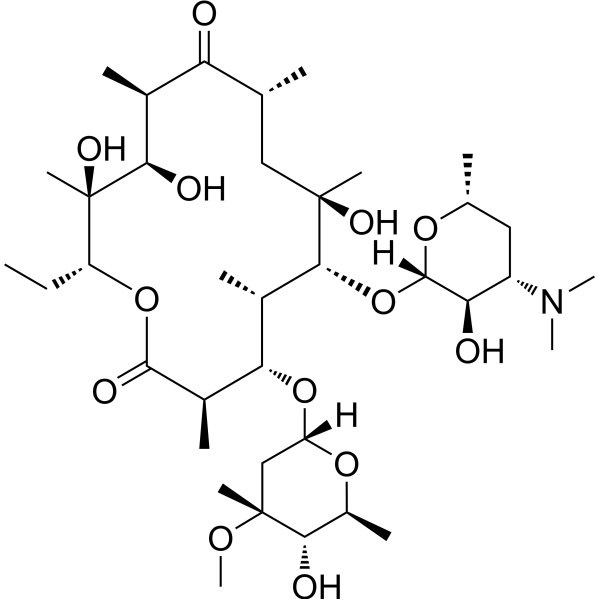
HY-B0220
ErythromycinAntibiotic -
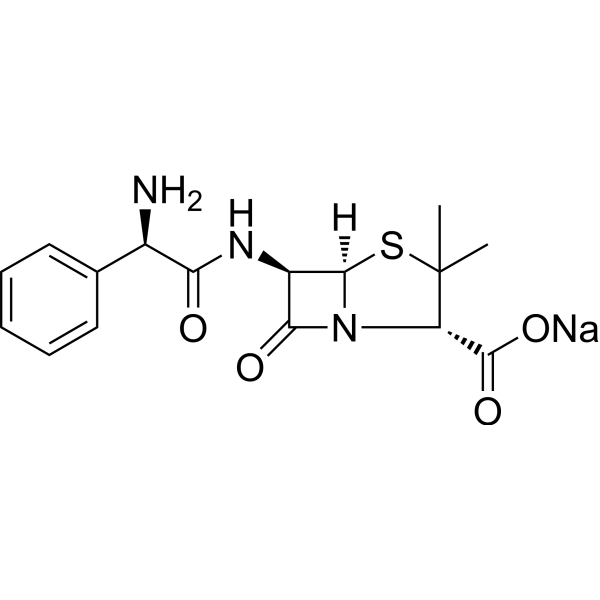
HY-B0522A
Ampicillin sodiumBacterial Inhibitor -
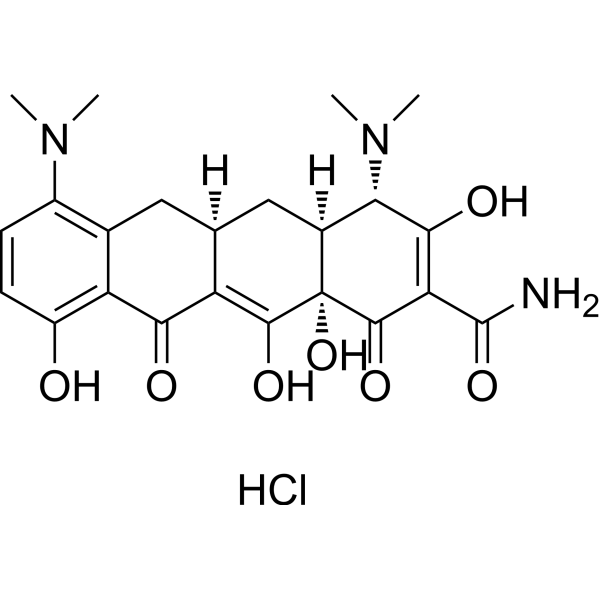
HY-17412
Minocycline hydrochlorideHIF-1α/Glutamate Inhibitor -
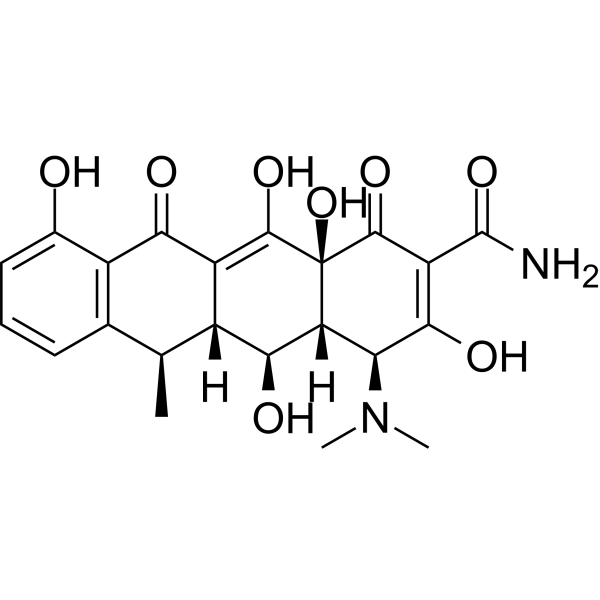
HY-N0565
DoxycyclineMMP Inhibitor -
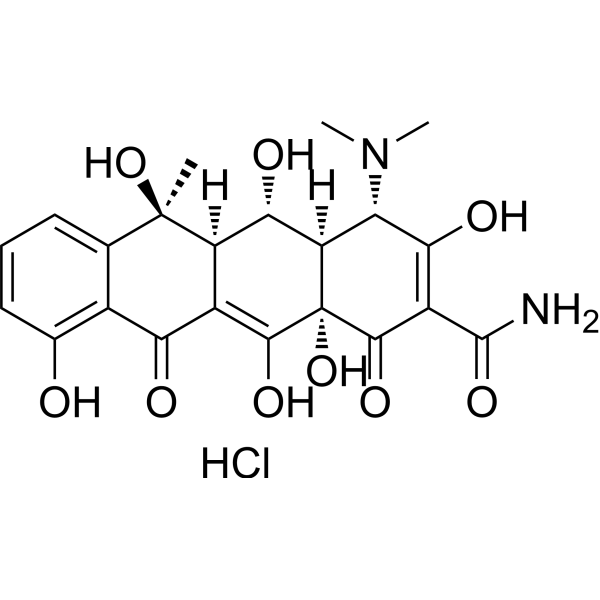
HY-B0275A
Oxytetracycline hydrochlorideAntibiotic Agent -
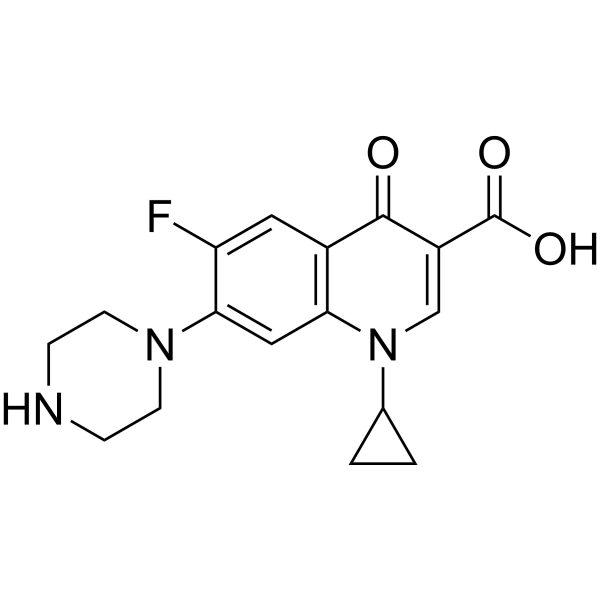
HY-B0356
CiprofloxacinTopoisomerase IV Inhibitor -
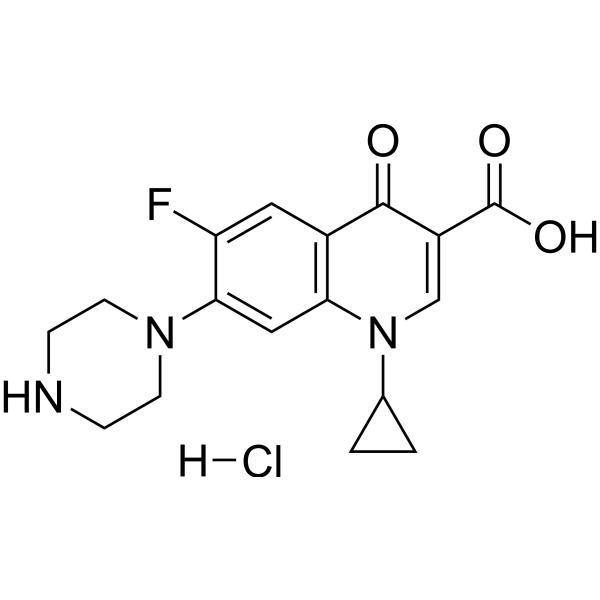
HY-B0356A
Ciprofloxacin monohydrochlorideTopoisomerase IV Inhibitor -
HY-K1050
Gentamicin, Sterile
Publications Citing Use of MedChemExpress (MCE) Tetracycline hydrochloride
More- Cell Res. 2023 Jan;33(1):30-45. [Abstract]
- Cell Res. 2020 Dec;30(12):1063-1077. [Abstract]
- Mater Today. 2026 Apr 7;96:103326.
- Mater Today. 2025 Sep 12.
- Cancer Res. 2023 Apr 4;83(7):1048-1061. [Abstract]
- J Extracell Vesicles. 2024 Jul;13(7):e12468. [Abstract]
- Nat Commun. 2025 Oct 27;16(1):9450. [Abstract]
- Nat Commun. 2022 Mar 2;13(1):1116. [Abstract]
- Nucleic Acids Res. 2026 Jun 8;54(11):gkag592. [Abstract]
- J Clin Invest. 2023 Apr 17;133(8):e159941. [Abstract]
- Adv Sci (Weinh). 2020 Jul 21;7(17):2001374. [Abstract]
- Research (Wash D C). 2024 Jul 16:7:0415. [Abstract]
- Water Res. 2023 Jul 15:240:120110. [Abstract]
- Chem Eng J. 2023 Oct 15, 474, 145978.
- EBioMedicine. 2022 Apr;78:103943. [Abstract]
- Adv Healthc Mater. 2025 Oct 21:e02853. [Abstract]
- Food Chem X. 2026 Feb 8:34:103646. [Abstract]
- Aging Cell. 2026 May;25(5):e70539. [Abstract]
- Microb Biotechnol. 2021 Nov;14(6):2538-2551. [Abstract]
- Drug Des Devel Ther. 2022 Nov 15:16:3929-3946. [Abstract]
- mBio. 2019 Aug 27;10(4):e01949-19. [Abstract]
- mSystems. 2023 Dec 21;8(6):e0102623. [Abstract]
- PLoS Pathog. 2024 Dec 31;20(12):e1012783. [Abstract]
- Toxics. 2023 Jul 13;11(7):611. [Abstract]
- Sci Rep. 2022 Aug 25;12(1):14502. [Abstract]
- Microorganisms. 2025 Apr 18;13(4):938. [Abstract]
- Microorganisms. 2024 Mar 13;12(3):575. [Abstract]
- Aquat Toxicol. 2025 Mar:280:107284. [Abstract]
- iScience. 2025 Nov 17;28(12):114102. [Abstract]
- Saudi Pharm J. 2021 Jun;29(6):566-575. [Abstract]
- Antimicrob Agents Chemother. 2021 Feb 17;65(3):e01921-20. [Abstract]
- Microbiol Spectr. 2025 Oct 15:e0122125. [Abstract]
- Microbiol Spectr. 2025 Aug 29:e0059025. [Abstract]
- Microbiol Spectr. 2022 Feb 23;10(1):e0099121. [Abstract]
- AMB Express. 2024 Dec 24;14(1):141. [Abstract]
- Pathogens. 2024 Nov 15;13(11):1003. [Abstract]
- J Med Virol. 2026 Jul;98(7):e71046.
- J Med Virol. 2025 May;97(5):e70356. [Abstract]
- Chemistry. 2026 May;8(5):65.
- Water. 2025 Jun 6.
- Exp Cell Res. 2020 Aug 15;393(2):112090. [Abstract]
- Anim Dis. 2021;1(1):26. [Abstract]
- Vet Microbiol. 2024 May:292:110046. [Abstract]
- Future Microbiol. 2025 Oct 13:1-10. [Abstract]
- Biochem Biophys Res Commun. 2024 Dec 20:739:150914. [Abstract]
- Vet Res Commun. 2024 Dec;48(6):3859-3872. [Abstract]
- Diagn Microbiol Infect Dis. 2020 Nov;98(3):115129. [Abstract]
- SSRN. 2025 Jul 29.
- SSRN. 2025 Jan 2.
- bioRxiv. 2024 Jan 18.
- Chemosphere. 2023 Dec:344:140353. [Abstract]
- bioRxiv. 2023 Feb 5.
- Charles University. 2020 Jul.
- Research Square Preprint. 2020 Jun.
- Patent. US20200101105A1.
- Chemosphere. 2019 Jun:225:378-387. [Abstract]
 Customer Validation & Images

-
Bio/Physico-chemical Assay
-
WB
-
Microbiological Assay
-
Microbiological Assay
-
Flow Cytometry
All Antibiotic Isoforms
More

Biological Activity
Description
IC50 & Target
|
Tetracycline |
In Vitro
Tetracycline hydrochloride shows susceptibilfty of V. vulnlflcus strain B3547 with MIC value of 0.5 g/mL[2]. Tetracycline hydrochloride inhibits the L-amyloid aggregates formation and disassembles the pre-formed fibrils[3].
MedChemExpress (MCE) has not independently confirmed the accuracy of these methods. They are for reference only. Further protocols information, click here.
Induced Disease Models
Please do not refer to only one article to determine the experimental conditions. It is recommended to determine the optimal experimental conditions (animal strain, age, dosage, frequency and cycle, detection time and indicators, etc.) through preliminary experiments before the formal experiment.
Tetracycline can be used in animal modeling to create genetically engineered disease models. The pharmacokinetics of Tetracycline after intraperitoneal administration in broiler chickens exhibit unique distribution and elimination characteristics. Tetracycline distributes widely in the body, with rapid elimination, high clearance, and a large volume of distribution. After oral administration, Tetracycline shows high gastrointestinal absorption and moderate elimination rates. Although the absorption rate of Tetracycline is higher than that of most other tetracycline drugs, its overall drug exposure is relatively low[4].
Administration: 200 μg/ml • po • single dose
2. Mouse tumor model construction: To induce visible tumors, Ba/F3 cells transduced with SIN-p210 (a retrovirus carrying and inducing tetracycline-dependent BCR-ABL gene expression) are subcutaneously injected into nude mice.
MedChemExpress (MCE) has not independently confirmed the accuracy of these methods. They are for reference only.


Chemical Information
-
CAS No. 64-75-5
-
Appearance Solid
-
Molecular Weight 480.90
-
Formula C22H25ClN2O8
-
Color Light yellow to yellow
-
SMILES
O[C@@]1(C(C(C(N)=O)=C2O)=O)[C@@]([C@@H]2N(C)C)([H])C[C@@]([C@](O)(C3=CC=C4)C)([H])C(C(C3=C4O)=O)=C1O.Cl
-
Initial Source
Streptomyces
-
Shipping
Room temperature in continental US; may vary elsewhere.
-
Storage
-20°C, sealed storage, away from moisture and light
* In solvent : -80°C, 6 months; -20°C, 1 month (sealed storage, away from moisture and light)


Publications (56)
-
Journal Impact Factor
-
Most Recent
-
Cell Res
A novel protein RASON encoded by a lncRNA controls oncogenic RAS signaling in KRAS mutant cancers. [Abstract]2023 Jan;33(1):30-45. PMID: 36241718 -
Cell Res
Myofiber necroptosis promotes muscle stem cell proliferation via releasing Tenascin-C during regeneration. [Abstract]2020 Dec;30(12):1063-1077. PMID: 32839552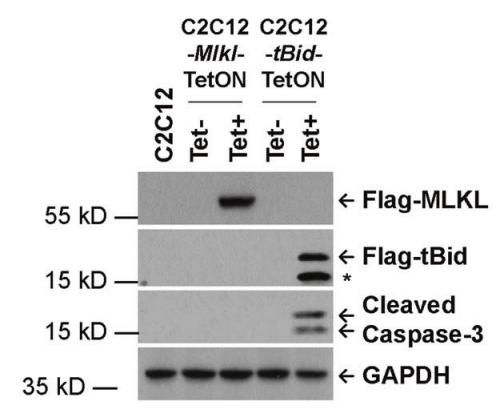
Tetracycline hydrochloride purchased from MedChemExpress. Usage Cited in: Cell Res. 2020 Dec;30(12):1063-1077. [Abstract]
Immunoblotting analysis of MLKL-Flag, tBid-Flag, and Cleaved Caspase-3 expression in cell death-inducible C2C12 cell lines with or without tetracycline treatment. C2C12-Mlkl-TetON cells were treated with 1 μg/mL Tetracycline hydrochloride for 12 h to induce necroptosis, and C2C12-tBid-TetON cells were treated with 1 μg/mL Tetracycline hydrochloride for 6 h to induce apoptosis.
Tetracycline hydrochloride purchased from MedChemExpress. Usage Cited in: Cell Res. 2020 Dec;30(12):1063-1077. [Abstract]
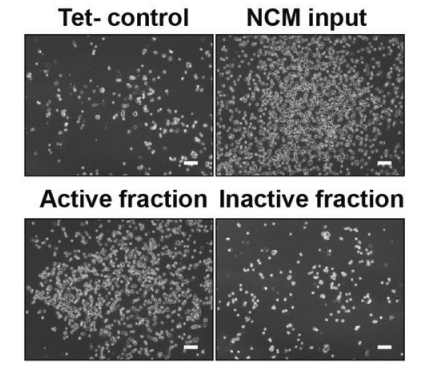
Representative phase-contrast images of MuSCs cultured in different fractions of NCM after purification. The complete NCM was used as the positive control (NCM input); C2C12-Mlkl-TetON medium without Tetracycline hydrochloride treatment was used as the negative control (Tet-control). Cells were cultured for 48 h. Scale bars, 100 μm.
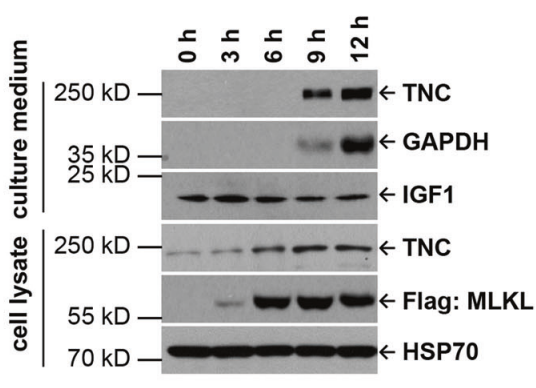
Tetracycline hydrochloride purchased from MedChemExpress. Usage Cited in: Cell Res. 2020 Dec;30(12):1063-1077. [Abstract]
Immunoblotting analysis of the expression and extracellular release of TNC upon necroptosis induction at different time points as indicated. C2C12-Mlkl-TetON cells were treated with 1 μg/mL Tetracycline hydrochloride for 12 h to induce necroptosis. Both the whole cell lysates and NCM were harvested and then subjected to immunoblotting analysis using antibodies as indicated.
-
-
-
Cancer Res
HBx-induced HSPA8 stimulates HBV replication and suppresses ferroptosis to support liver cancer progression. [Abstract]2023 Apr 4;83(7):1048-1061. PMID: 36745032 -
J Extracell Vesicles
Oxidative stress induces extracellular vesicle release by upregulation of HEXB to facilitate tumour growth in experimental hepatocellular carcinoma. [Abstract]2024 Jul;13(7):e12468. PMID: 38944674
Tetracycline hydrochloride purchased from MedChemExpress. Usage Cited in: J Extracell Vesicles. 2024 Jul;13(7):e12468. [Abstract]
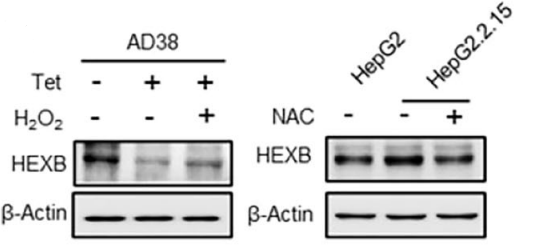
The protein levels of HEXB in HBV replication cell model. Left, Tetracycline was added to inhibit HBV replication in HepAD38 cells. Right, HepG2.2.15 was treated with NAC (1 mM, 12 h) to abolish ROS produced by HBV replication.
-
Nat Commun
DirectRM: integrated detection of landscape and crosstalk between multiple RNA modifications using direct RNA sequencing. [Abstract]2025 Oct 27;16(1):9450. PMID: 41145497 -
Nat Commun
Antimicrobial resistance and population genomics of multidrug-resistant Escherichia coli in pig farms in mainland China. [Abstract]2022 Mar 2;13(1):1116. PMID: 35236849 -
Nucleic Acids Res
Enhancing small-molecule-mediated translational control through multivalent RNA aptamers. [Abstract]2026 Jun 8;54(11):gkag592. PMID: 42273917 -
J Clin Invest
Mycobacterium tuberculosis hijacks host TRIM21- and NCOA4-dependent ferritinophagy to enhance intracellular growth. [Abstract]2023 Apr 17;133(8):e159941. PMID: 37066876
Tetracycline hydrochloride purchased from MedChemExpress. Usage Cited in: J Clin Invest. 2023 Apr 17;133(8):e159941. [Abstract]
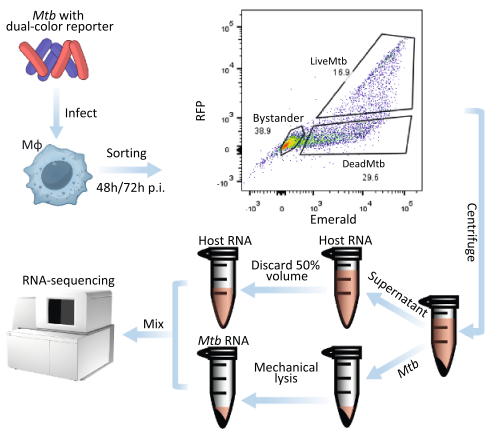
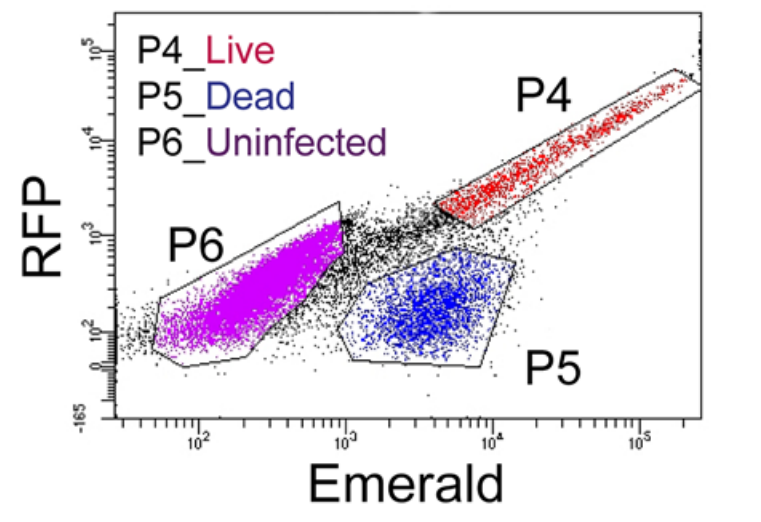
THP-1–derived macrophages were infected for 72 hours with Mtb strain H37Ra carrying a dual-color reporter that comprises a constitutively green (Emerald) and a Tetracycline-inducible red (TagRFP) fluorescent protein. Tetracycline (500 ng/mL) was added 24 hours before analysis of the live or dead status of the H37Ra strain in macrophages by flow cytometry.
-
Adv Sci (Weinh)
A Macromolecule Reversing Antibiotic Resistance Phenotype and Repurposing Drugs as Potent Antibiotics. [Abstract]2020 Jul 21;7(17):2001374. PMID: 32995131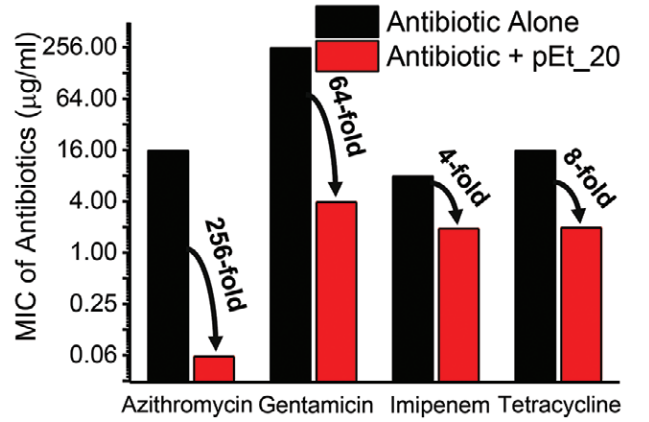
Tetracycline hydrochloride purchased from MedChemExpress. Usage Cited in: Adv Sci (Weinh). 2020 Jul 21;7(17):2001374. [Abstract]
The pEt_20 polymer mitigates resistance to Azithromycin, Gentamicin, Imipenem, and Tetracycline, and reduces their minimum inhibitory concentration (MIC) to sensitive levels or even lower.
-
Research (Wash D C)
Bacillus siamensis Targeted Screening from Highly Colitis-Resistant Pigs Can Alleviate Ulcerative Colitis in Mice. [Abstract]2024 Jul 16:7:0415. PMID: 39015206 -
Water Res
Quantifying community-wide antibiotic usage via urban water fingerprinting: Focus on contrasting resource settings in South Africa. [Abstract]2023 Jul 15:240:120110. PMID: 37247434 -
-
EBioMedicine
A novel inhibitor of monooxygenase reversed the activity of tetracyclines against tet(X3)/tet(X4)-positive bacteria. [Abstract]2022 Apr;78:103943. PMID: 35306337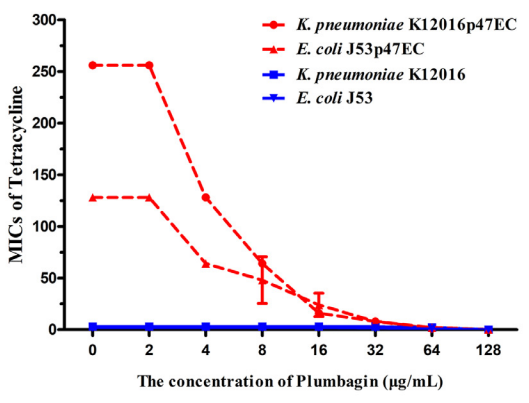
Tetracycline hydrochloride purchased from MedChemExpress. Usage Cited in: EBioMedicine. 2022 Apr;78:103943. [Abstract]
Microdilution checkerboard analysis showed that plumbagin restored the susceptibility of tet(X4)-carrying E. coli J53p47EC and K. pneumoniae K12016p47EC to Tetracycline, in comparison to the tet(X4)-negative strains E. coli J53 and K. pneumoniae K12016.
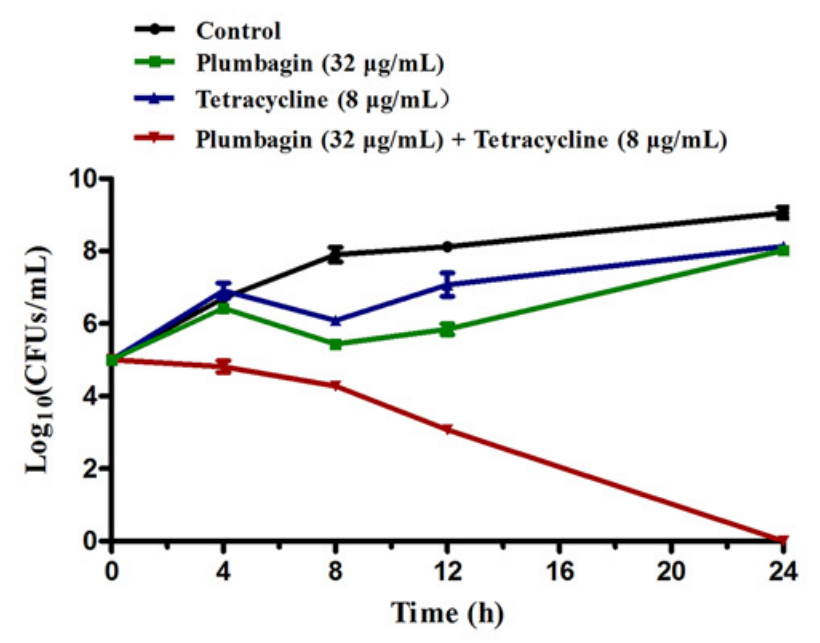
Tetracycline hydrochloride purchased from MedChemExpress. Usage Cited in: EBioMedicine. 2022 Apr;78:103943. [Abstract]
Time-killing assays of resistant E. coli DH5α+pAM401-tet(X4) by a combination of Tetracycline (8 μg/mL, 0-24 h) and Plumbagin.
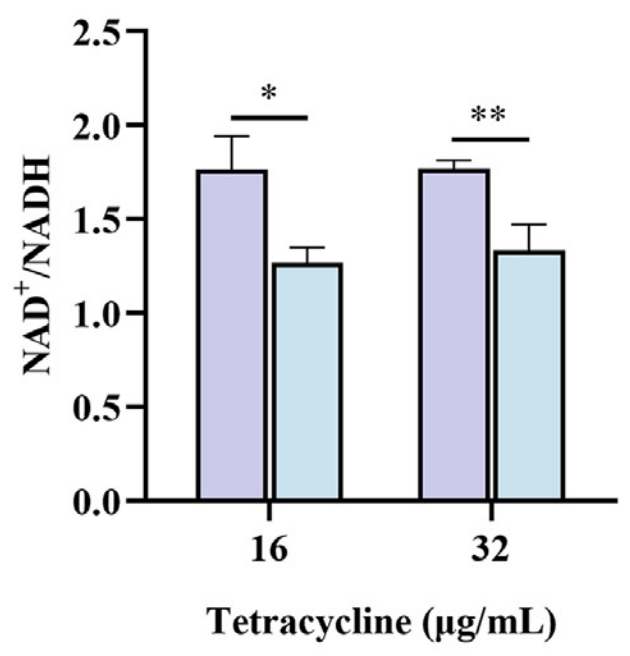
Tetracycline hydrochloride purchased from MedChemExpress. Usage Cited in: EBioMedicine. 2022 Apr;78:103943. [Abstract]
Synergistic mechanisms of plumbagin in combination with tetracycline. An accelerated TCA cycle was observed after the treatment with the combination of Plumbagin and Tetracycline (16 and 32 μg/mL).
-
Adv Healthc Mater
Enhancing Vascularized Bone Regeneration Through Oscillatory Fluid Flow-Regulated Gradient Lattice Gradient Lattice Implants Porous Titanium Alloy. [Abstract]2025 Oct 21:e02853. PMID: 41121591 -
Food Chem X
Machine learning prioritization of antibiotic residues in aquatic foods reveals exposure-driven genotoxic risk mediated by BCL2. [Abstract]2026 Feb 8:34:103646. PMID: 41756597 -
Aging Cell
BNIP3-Dependent Mitophagy Non-Autonomously Regulates Systemic Aging via NF-κB Suppression in Drosophila. [Abstract]2026 May;25(5):e70539. PMID: 42128879 -
Microb Biotechnol
Attenuator LRR - a regulatory tool for modulating gene expression in Gram-positive bacteria. [Abstract]2021 Nov;14(6):2538-2551. PMID: 33720523 -
Drug Des Devel Ther
ED-71 Prevents Glucocorticoid-Induced Osteoporosis by Regulating Osteoblast Differentiation via Notch and Wnt/β-Catenin Pathways. [Abstract]2022 Nov 15:16:3929-3946. PMID: 36411860 -
mBio
CD157 Confers Host Resistance to Mycobacterium tuberculosis via TLR2-CD157-PKCzeta-Induced Reactive Oxygen Species Production. [Abstract]2019 Aug 27;10(4):e01949-19. PMID: 31455656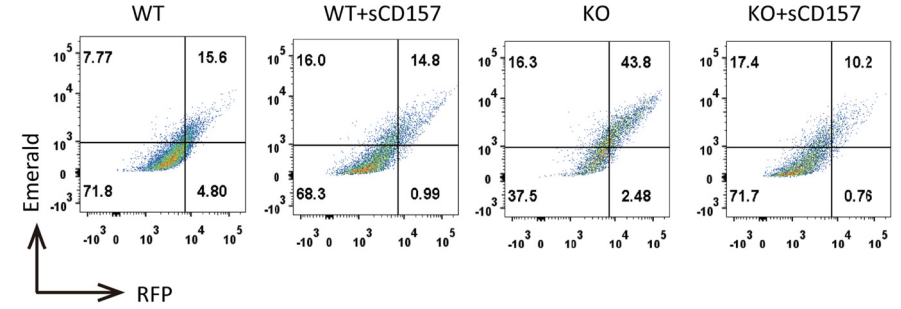
Tetracycline hydrochloride purchased from MedChemExpress. Usage Cited in: mBio. 2019 Aug 27;10(4):e01949-19. [Abstract]
CD157 deficiency impairs macrophage bactericidal capacity. Peritoneal macrophages from WT mice and Cd157 KO mice treated with sCD157 (+sCD157) (5 μg/ml) or not treated with sCD157 were infected with strain H37Ra harboring a dual-color reporter that comprises a constitutively green (Emerald) and a Tetracycline hydrochloride-inducible red (TagRFP) fluorescent protein for 3 days. Tetracycline hydrochloride (500 ng/ml) was added 24 h before flow cytometry. Macrophages were then harvested and fixed with 4% PFA, and the percentage of cells with live M. tuberculosis (MTB) (red) were determined by FACS.
-
mSystems
2023 Dec 21;8(6):e0102623. PMID: 38047647 -
PLoS Pathog
Differential contribution of PBP occupancy and efflux on the effectiveness of β-lactams at their target site in clinical isolates of Neisseria gonorrhoeae. [Abstract]2024 Dec 31;20(12):e1012783. PMID: 39739989 -
Toxics
Comparative Metagenomic and Metatranscriptomic Analyses Reveal the Response of Black Soldier Fly (Hermetia illucens) Larvae Intestinal Microbes and Reduction Mechanisms to High Concentrations of Tetracycline. [Abstract]2023 Jul 13;11(7):611. PMID: 37505576 -
Sci Rep
Qualitative immunoassay for the determination of tetracycline antibiotic residues in milk samples followed by a quantitative improved HPLC-DAD method. [Abstract]2022 Aug 25;12(1):14502. PMID: 36008564 -
Microorganisms
Isolation, Antimicrobial Susceptibility, and Genotypes of Three Pasteurellaeae Species Prevalent on Pig Farms in China Between 2021 and 2023. [Abstract]2025 Apr 18;13(4):938. PMID: 40284774 -
Microorganisms
Antimicrobial Resistance and Genomic Characteristics of Escherichia coli Strains Isolated from the Poultry Industry in Henan Province, China. [Abstract]2024 Mar 13;12(3):575. PMID: 38543626
Tetracycline hydrochloride purchased from MedChemExpress. Usage Cited in: Microorganisms. 2024 Mar 13;12(3):575. [Abstract]
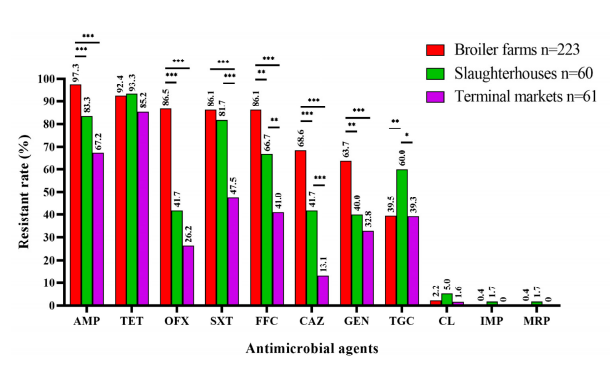
Percentages of E. coli strains showing antimicrobial resistance to different antimicrobial agents. AMP, Ampicillin; CAZ, Ceftazidime; IPM, Imipenem; MRP, Meropenem; GEN, Gentamicin; OFX, Ofloxacin; SXT, Trimethoprim–sulfamethoxazole; TET, Tetracycline; TGC, Tigecycline; CL, Colistin; FFC, Florfenicol.
-
Aquat Toxicol
Antibacterials exert toxic effects on aquatic organisms by inhibiting respiration, inducing oxidative stress, mitochondrial dysfunction and autophagy. [Abstract]2025 Mar:280:107284. PMID: 39951902 -
iScience
Dual transcriptomic analysis unraveling the immune landscape and host-pathogen interactions during Mycobacterium tuberculosis infection. [Abstract]2025 Nov 17;28(12):114102. PMID: 41492386
Tetracycline hydrochloride purchased from MedChemExpress. Usage Cited in: iScience. 2025 Nov 17;28(12):114102. [Abstract]
We performed dual RNA-seq on phorbol 12-myristate 13-acetate (PMA)-differentiated THP-1 macrophages sub-populations infected with double-fluorescent-engineered H37Ra in vitro. This strain constitutively expressed Emerald (green) and expressed TagRFP (red) only upon Tetracycline hydrochloride induction, enabling discrimination of bacterial viability by fluorescence-activated cell sorting (FACS).
-
Saudi Pharm J
Determination of tetracycline, oxytetracycline and chlortetracycline residues in seafood products of Saudi Arabia using high performance liquid chromatography-Photo diode array detection. [Abstract]2021 Jun;29(6):566-575. PMID: 34194263 -
Antimicrob Agents Chemother
Dihydrotanshinone I Is Effective against Drug-Resistant Helicobacter pylori In Vitro and In Vivo. [Abstract]2021 Feb 17;65(3):e01921-20. PMID: 33318002 -
Microbiol Spectr
Montelukast treats Streptococcus pneumoniae-induced sepsis via antibacterial and anti-inflammatory activities. [Abstract]2025 Oct 15:e0122125. PMID: 41090944 -
Microbiol Spectr
2025 Aug 29:e0059025. PMID: 40879403 -
Microbiol Spectr
The Mechanism of Action of Ginkgolic Acid (15:1) against Gram-Positive Bacteria Involves Cross Talk with Iron Homeostasis. [Abstract]2022 Feb 23;10(1):e0099121. PMID: 35019708 -
AMB Express
Repurposing pinaverium bromide against Staphylococcus and its biofilms with new mechanisms. [Abstract]2024 Dec 24;14(1):141. PMID: 39718732
Tetracycline hydrochloride purchased from MedChemExpress. Usage Cited in: AMB Express. 2024 Dec 24;14(1):141. [Abstract]
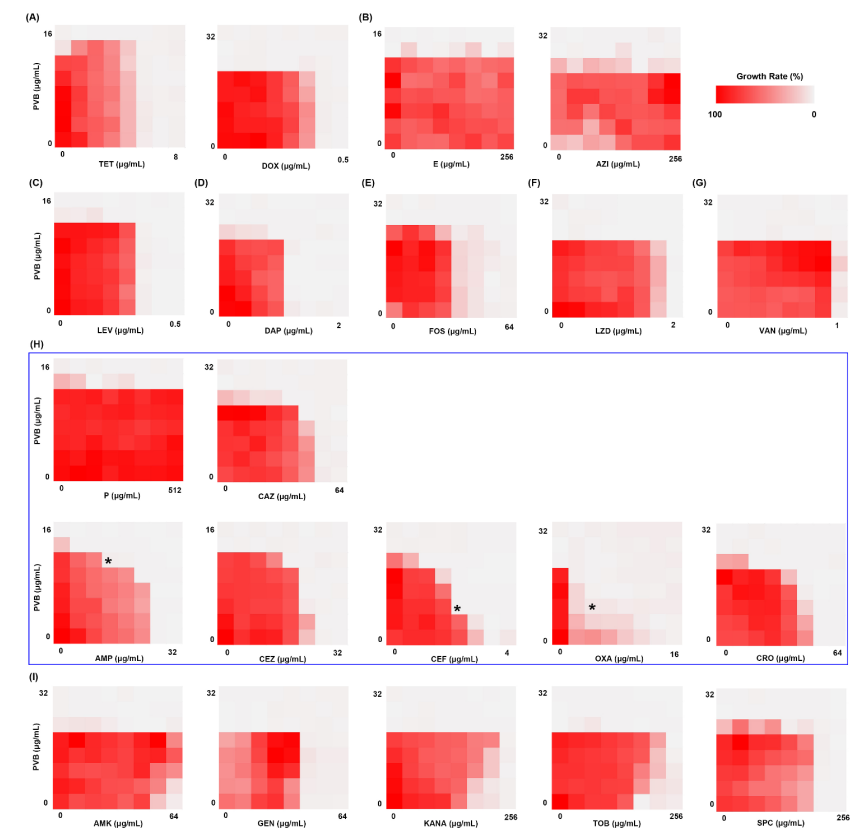
Combinational antimicrobial effects between PVB and conventional antibiotics against MRSA ATCC 43,300. TET, Tetracycline. DOX, Doxycycline. E, Erythromycin. AZI, Azithromycin. P, Penicillin. CAZ, Ceftazidime. AMP, Ampicillin. CEZ, Cefazolin. CEF, Cefotaxime. OXA, Oxacillin. CRO, Ceftriaxone. AMK, Amikacin. GEN, Gentamycin, KANA, Kanamycin. TOB, Tobramycin. SPC, Spectinomycin.
-
Pathogens
Mycoplasma bovis Invades Non-Phagocytic Cells by Clathrin-Dependent Endocytic Pathways and Escapes from Phagocytic Vesicles. [Abstract]2024 Nov 15;13(11):1003. PMID: 39599557 -
-
J Med Virol
Hepatitis B Virus Promotes Angiogenesis in Hepatocellular Carcinoma by Increasing m6A Modification of VEGFA mRNA via IGF2BP3. [Abstract]2025 May;97(5):e70356. PMID: 40260505 -
-
-
Exp Cell Res
Lamin B2 promotes the malignant phenotype of non-small cell lung cancer cells by upregulating dimethylation of histone 3 lysine 9. [Abstract]2020 Aug 15;393(2):112090. PMID: 32416090 -
Anim Dis
Pasteurella multocida capsular: lipopolysaccharide types D:L6 and A:L3 remain to be the main epidemic genotypes of pigs in China. [Abstract]2021;1(1):26. PMID: 34778886 -
Vet Microbiol
Discovery of the tigecycline resistance gene cluster tmexCD3-toprJ1 in Pasteurella multocida strains isolated from pigs in China. [Abstract]2024 May:292:110046. PMID: 38471428 -
Future Microbiol
2025 Oct 13:1-10. PMID: 41082411 -
Biochem Biophys Res Commun
2024 Dec 20:739:150914. PMID: 39536412 -
Vet Res Commun
Biological characterization of lipoic acid- and heme-dependent Escherichia coli small colony variants isolated from sheep in Xinjiang, China. [Abstract]2024 Dec;48(6):3859-3872. PMID: 39325108 -
Diagn Microbiol Infect Dis
In vitro activity of new tetracycline analogues omadacycline and eravacycline against clinical isolates of Helicobacter pylori collected in China. [Abstract]2020 Nov;98(3):115129. PMID: 32739761 -
-
-
-
Chemosphere
Sustainable production of Fe-doped MnO2 nanoparticles for accelerated tetracycline antibiotic detoxification. [Abstract]2023 Dec:344:140353. PMID: 37797898 -
-
-
-
-
Chemosphere
Mass-balance-model-based evaluation of sewage treatment plant contribution to residual pharmaceuticals in environmental waters. [Abstract]2019 Jun:225:378-387. PMID: 30884299


Solvent & Solubility
In Vitro:
DMSO : 62.5 mg/mL (129.96 mM; Need ultrasonic; Hygroscopic DMSO has a significant impact on the solubility of product, please use newly opened DMSO)
H2O : 50 mg/mL (103.97 mM; Need ultrasonic)
Please refer to the solubility information to select the appropriate solvent. Once prepared, please aliquot and store the solution to prevent product inactivation from repeated freeze-thaw cycles.
Storage method and period of stock solution: -80°C, 6 months; -20°C, 1 month (sealed storage, away from moisture and light). When stored at -80°C, please use it within 6 months. When stored at -20°C, please use it within 1 month.
* Note: If you choose water as the stock solution, please dilute it to the working solution, then filter and sterilize it with a 0.22 μm filter before use.
Please refer to the solubility information to select the appropriate solvent. Once prepared, please aliquot and store the solution to prevent product inactivation from repeated freeze-thaw cycles.
Storage method and period of stock solution: -80°C, 6 months; -20°C, 1 month (sealed storage, away from moisture and light). When stored at -80°C, please use it within 6 months. When stored at -20°C, please use it within 1 month.
* Note: If you choose water as the stock solution, please dilute it to the working solution, then filter and sterilize it with a 0.22 μm filter before use.
Concentration (start) × Volume (start) = Concentration (final) × Volume (final)
In Vivo:
Select the appropriate dissolution method based on your experimental animal and administration route.
- For the following dissolution methods, please ensure to first prepare a clear stock solution using an In Vitro approach and then sequentially add co-solvents:
- To ensure reliable experimental results, the clarified stock solution can be appropriately stored based on storage conditions. As for the working solution for In Vivo experiments, it is recommended to prepare freshly and use it on the same day.
- The percentages shown for the solvents indicate their volumetric ratio in the final prepared solution. If precipitation or phase separation occurs during preparation, heat and/or sonication can be used to aid dissolution.
Add each solvent one by one: 10% DMSO 40% PEG300 5% Tween-80 45% Saline
Solubility: ≥ 2.08 mg/mL (4.33 mM); Clear solution
This protocol yields a clear solution of ≥ 2.08 mg/mL (saturation unknown).
Taking 1 mL working solution as an example, add 100 μL DMSO stock solution (20.8 mg/mL) to 400 μL PEG300, and mix evenly; then add 50 μL Tween-80 and mix evenly; then add 450 μL Saline to adjust the volume to 1 mL.
Preparation of Saline: Dissolve 0.9 g sodium chloride in ddH₂O and dilute to 100 mL to obtain a clear Saline solution.
Add each solvent one by one: 10% DMSO 90% (20% SBE-β-CD in Saline)
Solubility: ≥ 2.08 mg/mL (4.33 mM); Clear solution
This protocol yields a clear solution of ≥ 2.08 mg/mL (saturation unknown).
Taking 1 mL working solution as an example, add 100 μL DMSO stock solution (20.8 mg/mL) to 900 μL 20% SBE-β-CD in Saline, and mix evenly.
Preparation of 20% SBE-β-CD in Saline (4°C, storage for one week): 2 g SBE-β-CD powder is dissolved in 10 mL Saline, completely dissolve until clear.
In Vivo Dissolution Calculator
Please enter the basic information of animal experiments:
-
-
-
-
Recommended: Prepare an additional quantity of animals to account for potential losses during experiments.
Working solution concentration: 0.22 mg/mL
This product has good water solubility, please refer to the measured solubility data in water/PBS/Saline for details.

Protocols
-
Gram Staining of Tissue Sections
Gram staining of tissue sections is a histochemical technique used to differentiate Gram-positive and Gram-negative bacteria within histological specimens based on differences in bacterial cell wall structure and dye retention, adapted from classical bacteriological Gram staining into tissue-compatible “histological Gram stain” variants. In tissue applications, modifications of the Brown-Hopps and Brown-Brenn methods are commonly used to improve differentiation of microorganisms embedded within host connective tissue and to reduce overstaining or loss of Gram-negative signal, which are known limitations of earlier approaches. The principle relies on crystal violet-iodine complex retention in Gram-positive organisms and subsequent decolorization and counterstaining steps that allow contrast visualization of Gram-negative organisms against tissue background.


Purity & Documentation
-
Data Sheet (284 KB)
-
SDS (419 KB)
- English - EN (419 KB)
- Français - FR (419 KB)
- Deutsch - DE (419 KB)
- Norwegian - NO (419 KB)
- Español - ES (419 KB)
- Swedish - SV (419 KB)
- Italian - IT (419 KB)
- Korean - KR (419 KB)
- Portuguese - PT (419 KB)
-
Handling Instructions (2659 KB)
References
[1]. Chopra I, et al.Tetracycline antibiotics: mode of action, applications, molecular biology, and epidemiology ofbacterial resistance.Microbiol Mol Biol Rev. 2001 Jun;65(2):232-60 [Content Brief]
[2]. Bowdre JH, et al. Antibiotic efficacy against Vibrio vulnificus in the mouse: superiority of tetracycline. J Pharmacol Exp Ther. 1983 Jun;225(3):595-8. [Content Brief]
[3]. Forloni G, et al. Anti-amyloidogenic activity of tetracyclines: studies in vitro. FEBS Lett. 2001 Jan 5;487(3):404-7. [Content Brief]
[4]. Dugray A, et al. Rapid generation of a tetracycline-inducible BCR-ABL defective retrovirus using a single autoregulatory retroviral cassette. Leukemia. 2001 Oct;15(10):1658-62. [Content Brief]
[5]. Ziółkowski H, et al. Comparative pharmacokinetics of chlortetracycline, tetracycline, minocycline, and tigecycline in broiler chickens. Poult Sci. 2020 Oct;99(10):4750-4757. [Content Brief]


Complete Stock Solution Preparation Table
Please refer to the solubility information to select the appropriate solvent. Once prepared, please aliquot and store the solution to prevent product inactivation from repeated freeze-thaw cycles.
Storage method and period of stock solution: -80°C, 6 months; -20°C, 1 month (sealed storage, away from moisture and light). When stored at -80°C, please use it within 6 months. When stored at -20°C, please use it within 1 month.
| Optional Solvent | Concentration Solvent Mass | 1 mg | 5 mg | 10 mg | 25 mg |
|---|---|---|---|---|---|
| H2O / DMSO | 1 mM | 2.0794 mL | 10.3972 mL | 20.7943 mL | 51.9859 mL |
| 5 mM | 0.4159 mL | 2.0794 mL | 4.1589 mL | 10.3972 mL | |
| 10 mM | 0.2079 mL | 1.0397 mL | 2.0794 mL | 5.1986 mL | |
| 15 mM | 0.1386 mL | 0.6931 mL | 1.3863 mL | 3.4657 mL | |
| 20 mM | 0.1040 mL | 0.5199 mL | 1.0397 mL | 2.5993 mL | |
| 25 mM | 0.0832 mL | 0.4159 mL | 0.8318 mL | 2.0794 mL | |
| 30 mM | 0.0693 mL | 0.3466 mL | 0.6931 mL | 1.7329 mL | |
| 40 mM | 0.0520 mL | 0.2599 mL | 0.5199 mL | 1.2996 mL | |
| 50 mM | 0.0416 mL | 0.2079 mL | 0.4159 mL | 1.0397 mL | |
| 60 mM | 0.0347 mL | 0.1733 mL | 0.3466 mL | 0.8664 mL | |
| 80 mM | 0.0260 mL | 0.1300 mL | 0.2599 mL | 0.6498 mL | |
| 100 mM | 0.0208 mL | 0.1040 mL | 0.2079 mL | 0.5199 mL |
* Note: If you choose water as the stock solution, please dilute it to the working solution, then filter and sterilize it with a 0.22 μm filter before use.


Tetracycline hydrochloride Related Classifications
HY-B0474 Related Classifications
 Powered by Bioz
Keywords