



Doxycycline monohydrate
Based on 202 publication(s) in Google Scholar
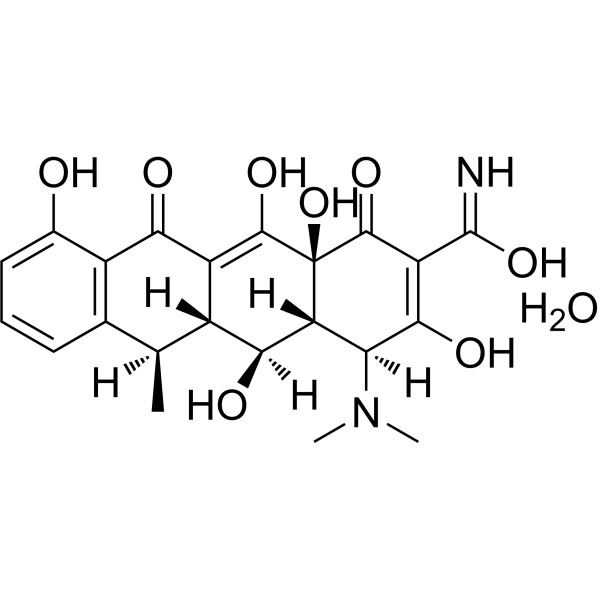
Doxycycline monohydrate is an orally active highly lipophilic, tissue-permeable MMP inhibitor with broad-spectrum antibacterial activity. Doxycycline monohydrate is also a semi-synthetic antibiotic with chelating properties, which blocks bacterial protein synthesis and inhibits extracellular matrix degradation through interactions with zinc and calcium atoms. Doxycycline monohydrate also inhibits mitochondrial biogenesis, translation, and the expression of respiratory chain proteins. Doxycycline monohydrate induces apoptosis, inhibits autophagy and EMT, downregulates stem cell markers, and activates the PI3K-AKT pathway, thereby effectively inhibiting the viability and proliferation of cancer cells such as breast cancer cells. Doxycycline monohydrate also promotes the survival and self-renewal of embryonic stem cells and neural stem cells, and reduces the frequency of medium changes in culture. Doxycycline monohydrate has been applied in studies related to breast cancer, prostate cancer, bladder cancer, and other cancers.
Nur für Forschungszwecke. Wir verkaufen nicht an Patienten.
- Reinheit : 98.95%
- CAS. Nr.: 17086-28-1
- Formel: C22H26N2O9
- Molecular Weight:462.45
-
Speicherung:
4°C, sealed storage, away from moisture
* In solvent : -80°C, 6 months; -20°C, 1 month (sealed storage, away from moisture)

To place orders, for customer services and technical support, please contact: MedChemExpress USA
Tel: 609-228-6898 E-mail: [email protected] [email protected]


-
 Biologische Aktivität
-
Chemical Information
-
Lösungsmittel & Löslichkeit
- Protokoll
- Reinheit & Dokumentation
- Verweise
-
 Help & FAQs


-
HY-N0565B
Doxycycline hyclateMMP Inhibitor -

HY-N0565BR
Doxycycline hyclate (Standard)Reference Standard -

HY-W008923R
Doxycycline monohydrate (Standard)Reference Standard -
HY-N0565
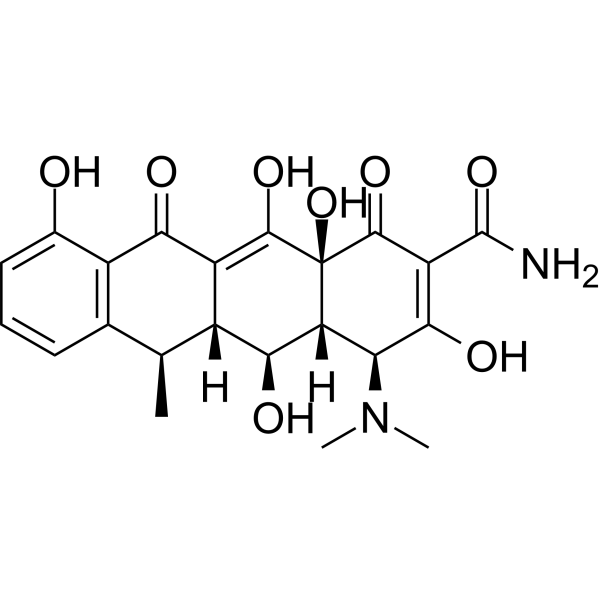
DoxycyclineMMP Inhibitor -
HY-12169
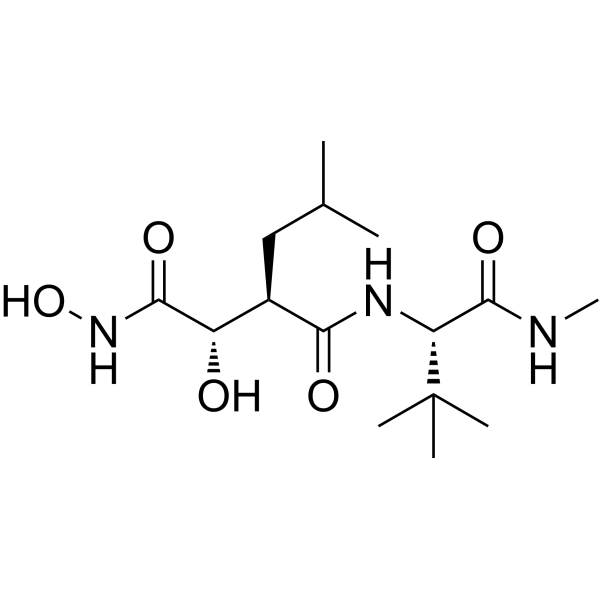
MarimastatMMP Inhibitor -
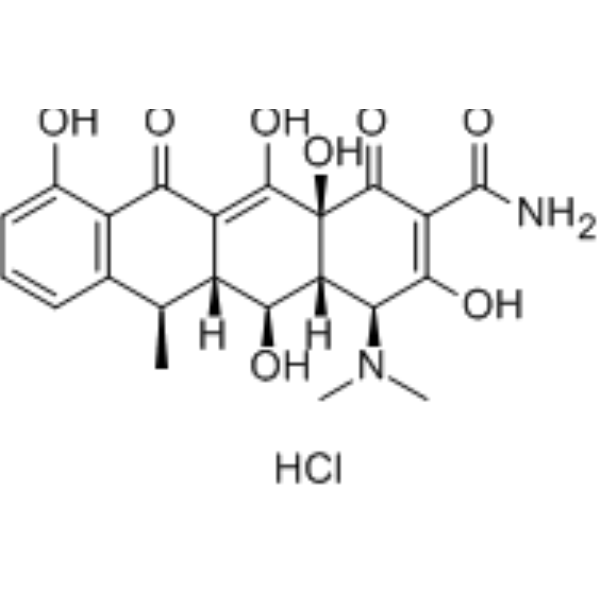
HY-N0565A
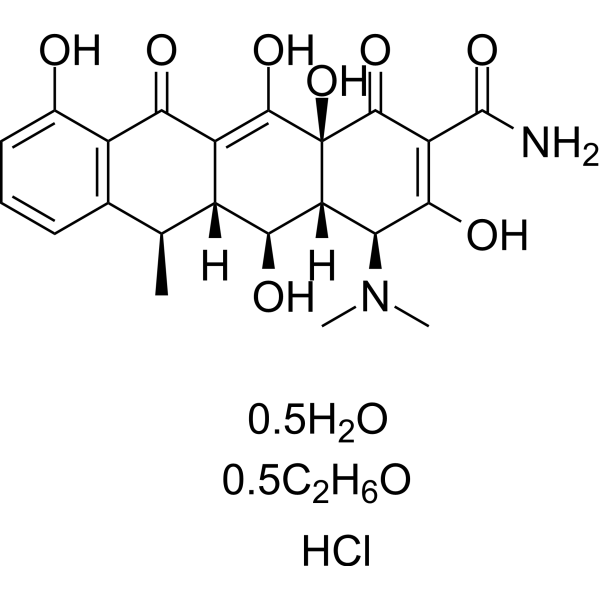
Doxycycline hydrochlorideMMP Inhibitor -
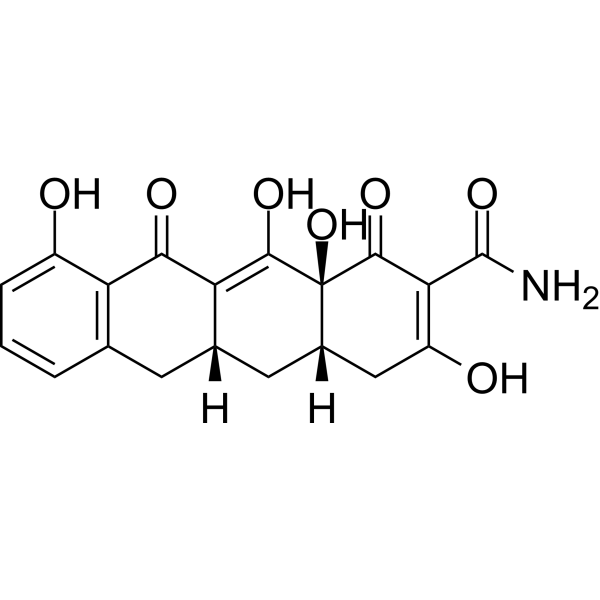
HY-13648
IncyclinideMMP Inhibitor -
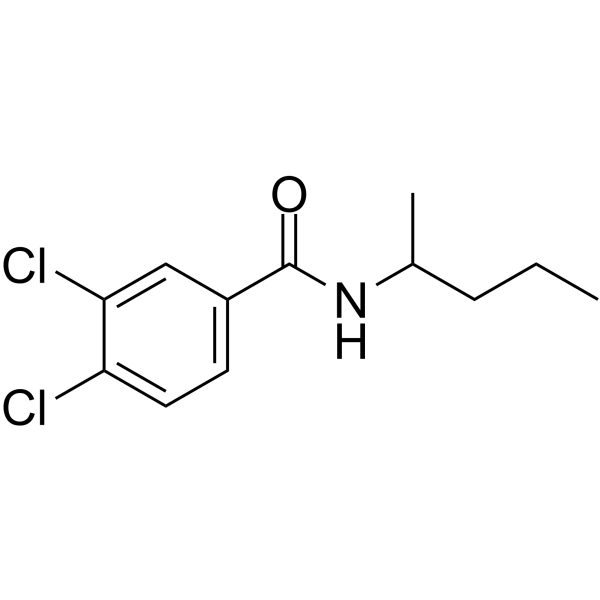
HY-15827
NSC 405020MMP14 Inhibitor -
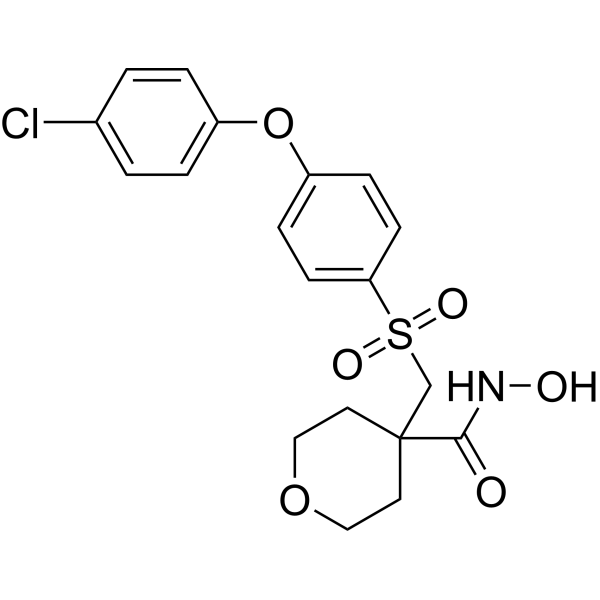
HY-10398
CTS-1027MMP Inhibitor -
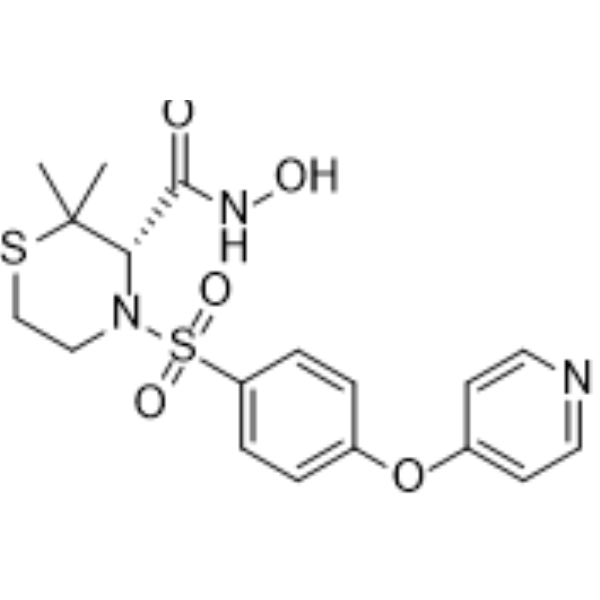
HY-12170
PrinomastatMMP Inhibitor -

HY-N0565R
Doxycycline (Standard)Reference Standard -
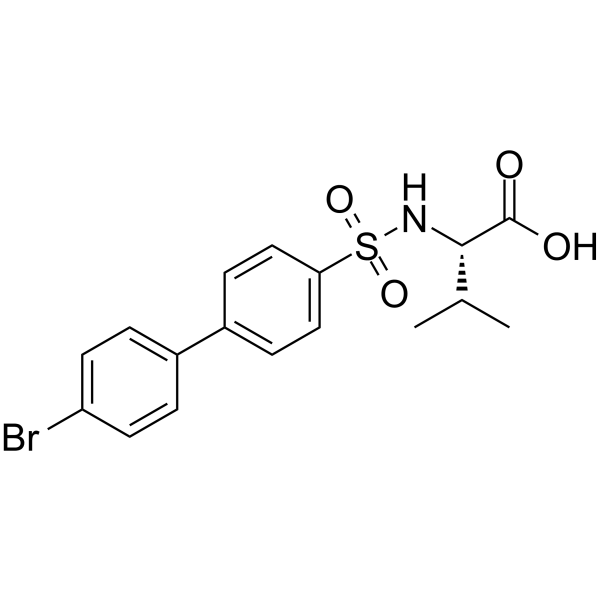
HY-107428
PD-166793MMP Inhibitor
Publications Citing Use of MedChemExpress (MCE) Doxycycline monohydrate
More- Nature. 2026 Apr;652(8112):1339-1348. [Abstract]
- Cell. 2026 Aug 20;189(17):5396-5410.e8.
- Cell. 2026 Mar 5;189(5):1323-1340.e25. [Abstract]
- Cell. 2025 Jun 26;188(13):3405-3421.e27. [Abstract]
- Cell. 2023 Feb 2;186(3):591-606.e23. [Abstract]
- Mol Cancer. 2020 Sep 9;19(1):139. [Abstract]
- Mol Cancer. 2020 Mar 30;19(1):68. [Abstract]
- Adv Mater. 2025 Dec 1:e16597. [Abstract]
- Cancer Commun (Lond). 2026 Sep 11:46:0048.
- Cancer Commun (Lond). 2025 May;45(5):608-631. [Abstract]
- Cancer Commun (Lond). 2024 Feb;44(2):251-272. [Abstract]
- Nat Genet. 2024 Feb;56(2):294-305. [Abstract]
- Cell Stem Cell. 2024 Jan 4;31(1):52-70.e8. [Abstract]
- Nat Cell Biol. 2026 Apr;28(4):812-827. [Abstract]
- Nat Cell Biol. 2026 Apr;28(4):783-796. [Abstract]
- Nat Cell Biol. 2025 Apr;27(4):641-653. [Abstract]
- Cancer Res. 2025 Feb 1;85(3):585-601. [Abstract]
- Cancer Res. 2023 Oct 2;83(19):3220-3236. [Abstract]
- Drug Resist Updat. 2026 Jan:84:101319. [Abstract]
- Drug Resist Updat. 2024 Sep:76:101112. [Abstract]
- Nat Microbiol. 2023 Mar;8(3):410-423. [Abstract]
- Nat Protoc. 2025 Oct 8. [Abstract]
- Protein Cell. 2026 Mar 14:pwag014. [Abstract]
- Nat Commun. 2026 Apr 17;17(1):5369. [Abstract]
- Nat Commun. 2026 Apr 13;17(1):5061. [Abstract]
- Nat Commun. 2026 Feb 20;17(1):2963. [Abstract]
- Nat Commun. 2026 Jan 8;17(1):1253. [Abstract]
- Nat Commun. 2025 Jul 1;16(1):5425. [Abstract]
- Nat Commun. 2024 Apr 6;15(1):2989. [Abstract]
- Nat Commun. 2023 Dec 20;14(1):8461. [Abstract]
- Neuron. 2025 Jul 29:S0896-6273(25)00509-4. [Abstract]
- Neuron. 2025 Jul 23;113(14):2310-2324.e7. [Abstract]
- Cell Discov. 2024 Nov 5;10(1):112. [Abstract]
- Redox Biol. 2023 Jun:62:102686. [Abstract]
- Mol Cell. 2026 Jun 25:S1097-2765(26)00378-3. [Abstract]
- Mol Cell. 2026 May 12:S1097-2765(26)00270-4. [Abstract]
- Mol Cell. 2025 Oct 2;85(19):3588-3604.e11. [Abstract]
- Mol Cell. 2025 Jul 17;85(14):2654-2672.e7. [Abstract]
- Mol Cell. 2025 Apr 3:S1097-2765(25)00259-X. [Abstract]
- Nucleic Acids Res. 2026 Jun 8;54(11):gkag592. [Abstract]
- Nucleic Acids Res. 2024 Oct 14;52(18):10879-10896. [Abstract]
- Theranostics. 2022 Mar 28;12(7):3131-3149. [Abstract]
- Theranostics. 2022 Jan 1;12(3):1187-1203. [Abstract]
- J Clin Invest. 2026 Aug 4:e206270.
- J Exp Clin Cancer Res. 2025 Mar 19;44(1):99. [Abstract]
- J Clin Invest. 2024 Jan 18;134(5):e171995. [Abstract]
- Adv Sci (Weinh). 2026 Apr;13(21):e18975. [Abstract]
- Adv Sci (Weinh). 2025 Oct 13:e09383. [Abstract]
- Adv Sci (Weinh). 2025 Sep;12(34):e03865. [Abstract]
- Adv Sci (Weinh). 2025 Mar;12(10):e2407942. [Abstract]
- Adv Sci (Weinh). 2024 Dec;11(45):e2404756. [Abstract]
- Adv Sci (Weinh). 2022 Aug;9(22):e2104823. [Abstract]
- Adv Sci (Weinh). 2021 Mar 15;8(10):2004344. [Abstract]
- Sci Adv. 2025 Jan 31;11(5):eadr8837. [Abstract]
- Sci Adv. 2024 Apr 19;10(16):eadi1782. [Abstract]
- Sci Adv. 2022 Jan 28;8(4):eabl5220. [Abstract]
- Cell Death Differ. 2026 Apr 4. [Abstract]
- Cell Death Differ. 2025 Jul 5. [Abstract]
- Cell Death Differ. 2023 Jul;30(7):1811-1828. [Abstract]
- Cell Death Differ. 2019 Nov;26(11):2400-2415. [Abstract]
- Water Res. 2023 Jul 15:240:120110. [Abstract]
- Chem Eng J. 2025 Oct 8;524:169421.
- J Control Release. 2026 Feb 10:390:114586. [Abstract]
- Cell Death Dis. 2025 Mar 12;16(1):170. [Abstract]
- Cell Death Dis. 2022 Feb 10;13(2):138. [Abstract]
- Cell Death Dis. 2021 Apr 20;12(5):413. [Abstract]
- Cell Death Dis. 2020 May 7;11(5):331. [Abstract]
- Cell Death Dis. 2017 Mar 23;8(3):e2702. [Abstract]
- Cancer Lett. 2026 Apr 1:642:218280. [Abstract]
- Cancer Lett. 2016 Jun 28;376(1):188-96. [Abstract]
- Cell Commun Signal. 2022 Apr 12;20(1):52. [Abstract]
- J Neuroinflammation. 2025 Oct 11;22(1):230. [Abstract]
- Phytomedicine. 2024 Nov:134:155958. [Abstract]
- Acta Pharmacol Sin. 2024 Nov;45(11):2420-2431. [Abstract]
- J Transl Med. 2024 Oct 10;22(1):923. [Abstract]
- Dev Cell. 2025 Apr 18:S1534-5807(25)00206-0. [Abstract]
- Oncogene. 2026 Sep;45(33):3385-3400.
- Oncogene. 2024 Dec;43(50):3660-3672. [Abstract]
- Oncogene. 2024 Feb;43(6):434-446. [Abstract]
- Apoptosis. 2026 Mar 11;31(3):98. [Abstract]
- NPJ Parkinsons Dis. 2022 Aug 6;8(1):100. [Abstract]
- Int J Mol Med. 2020 Apr;45(4):1187-1194. [Abstract]
- J Genet Genomics. 2020 Nov 20;47(11):705-712. [Abstract]
- Stem Cell Res Ther. 2024 Oct 8;15(1):350. [Abstract]
- Cell Rep. 2026 Mar 20;45(4):117130. [Abstract]
- Cell Rep. 2025 Dec 5;44(12):116659. [Abstract]
- Cell Rep. 2025 Nov 25;44(11):116496. [Abstract]
- Cell Rep. 2025 Jul 26;44(8):116076. [Abstract]
- Cell Rep. 2025 May 26;44(6):115748. [Abstract]
- Cell Rep. 2024 Aug 22;43(9):114662. [Abstract]
- Cell Rep. 2024 Jul 3;43(7):114431. [Abstract]
- Cell Rep. 2021 Sep 21;36(12):109739. [Abstract]
- Cell Rep. 2021 Jun 8;35(10):109225. [Abstract]
- Cell Prolif. 2026 Apr 27:e70216. [Abstract]
- Cell Prolif. 2024 Feb;57(2):e13534. [Abstract]
- Emerg Microbes Infect. 2026 Dec;15(1):2686472. [Abstract]
- Fundam Res. 2025 Jul 8.
- Sci Signal. 2025 Mar 18;18(878):eadi5174. [Abstract]
- Emerg Microbes Infect. 2024 Dec;13(1):2321981. [Abstract]
- Virulence. 2026 Dec 31;17(1):2646808. [Abstract]
- JCI Insight. 2025 Dec 16:e193221. [Abstract]
- Cell Mol Life Sci. 2026 Jul 18.
- J Bone Miner Res. 2026 May 28:zjag091. [Abstract]
- Biochem Pharmacol. 2025 Jul:237:116948. [Abstract]
- Cell Mol Life Sci. 2025 Jun 5;82(1):224. [Abstract]
- Cell Mol Life Sci. 2025 Apr 6;82(1):139. [Abstract]
- Cell Mol Life Sci. 2024 Nov 16;81(1):456. [Abstract]
- Inflammopharmacology. 2025 Apr;33(4):1935-1947. [Abstract]
- Food Funct. 2021 Dec 13;12(24):12535-12549. [Abstract]
- Transl Res. 2026 Jun 24:S1931-5244(26)00135-0. [Abstract]
- EMBO Rep. 2025 Oct 20. [Abstract]
- EMBO Rep. 2025 Sep 22. [Abstract]
- Oncogenesis. 2025 Aug 11;14(1):28. [Abstract]
- Acta Physiol. 2026 Apr;242(4):e70187. [Abstract]
- Cancer Biol Ther. 2022 Dec 31;23(1):328-335. [Abstract]
- Int J Mol Sci. 2026 Apr 9;27(8):3381. [Abstract]
- Int Immunopharmacol. 2026 Feb 1:170:116107. [Abstract]
- Int J Mol Sci. 2025 Mar 18;26(6):2712. [Abstract]
- Int Immunopharmacol. 2024 Sep 10:138:112518. [Abstract]
- Front Cell Infect Microbiol. 2021 Apr 28:11:640847. [Abstract]
- Biol Res. 2024 Nov 24;57(1):90. [Abstract]
- Molecules. 2025 Jul 7;30(13):2881. [Abstract]
- Molecules. 2023 Jul 26;28(15):5668. [Abstract]
- PLoS Pathog. 2026 Jan 30;22(1):e1013906. [Abstract]
- PLoS Pathog. 2025 Jul 3;21(7):e1013258. [Abstract]
- Neoplasia. 2026 Oct:80:101354.
- Microorganisms. 2026 Aug 23;14(9):1872.
- J Cell Mol Med. 2025 Sep;29(17):e70815. [Abstract]
- Rheumatology (Oxford). 2025 Aug 13:keaf437. [Abstract]
- J Cell Mol Med. 2024 Sep;28(17):e70053. [Abstract]
- Virol Sin. 2022 Aug;37(4):558-568. [Abstract]
- iScience. 2026 Jul 15;29(8):116690.
- Mol Oncol. 2024 Oct;18(10):2510-2523. [Abstract]
- ACS Infect Dis. 2024 Apr 12;10(4):1327-1338. [Abstract]
- iScience. 2023 Mar 16;26(4):106421. [Abstract]
- Ann Lab Med. 2021 May 1;41(3):293-301. [Abstract]
- FASEB J. 2024 Apr 30;38(8):e23628. [Abstract]
- FASEB J. 2020 Dec;34(12):16716-16735. [Abstract]
- Neurobiol Stress. 2025 Oct 28:39:100768. [Abstract]
- J Virol. 2026 May 14:e0003526. [Abstract]
- Microbiol Spectr. 2026 Mar 30;14(5):e0147325. [Abstract]
- Microbiol Spectr. 2025 Jul;13(7):e0307424. [Abstract]
- J Virol. 2024 Oct 22;98(10):e0133524. [Abstract]
- J Biol Chem. 2023 May;299(5):104621. [Abstract]
- J Biol Chem. 2022 Sep;298(9):102374. [Abstract]
- mSphere. 2026 Jun 30;11(6):e0031226. [Abstract]
- Cancer Res Commun. 2024 Jul 1;4(7):1815-1833. [Abstract]
- AMB Express. 2024 Dec 24;14(1):141. [Abstract]
- J Med Virol. 2025 May;97(5):e70356. [Abstract]
- J Med Virol. 2024 May;96(5):e29634. [Abstract]
- Water. 2025 Jun 6.
- J Neurooncol. 2026 Jun 8;178(2):50. [Abstract]
- Infect Drug Resist. 2026 May 8;19.
- Infect Drug Resist. 2025 Oct 4:18:5239-5247. [Abstract]
- Infect Drug Resist. 2025 Apr 23:18:2005-2020. [Abstract]
- FEBS Lett. 2025 Sep 1. [Abstract]
- Acta Histochem. 2026 Apr 27;128(3):152335. [Abstract]
- Vet Microbiol. 2024 May:292:110046. [Abstract]
- Clin Exp Pharmacol Physiol. 2023 Jul;50(7):604-609. [Abstract]
- Biochem Biophys Res Commun. 2022 Oct 15:625:23-30. [Abstract]
- Biochem Biophys Res Commun. 2022 Jul 30:615:163-171. [Abstract]
- Arch Oral Biol. 2026 May:185:106556. [Abstract]
- Diagn Microbiol Infect Dis. 2026 Feb;114(2):117181. [Abstract]
- STAR Protoc. 2023 Feb 3;4(1):102092. [Abstract]
- STAR Protoc. 2022 Apr 13;3(2):101296. [Abstract]
- STAR Protoc. 2021 Nov 5;2(4):100881. [Abstract]
- STAR Protoc. 2021 May 20;2(2):100548. [Abstract]
- bioRxiv. 2026 Sep 8:2026.09.03.749183.
- bioRxiv. 2026 Jul 22:2026.07.21.736123.
- Res Sq. 2026 May 20.
- Res Sq. 2026 Apr 22:rs.3.rs-9172690. [Abstract]
- bioRxiv. 2026 Jan 26.
- bioRxiv. 2026 Jan 29:2026.01.28.702105. [Abstract]
- bioRxiv. 2025 Sep 10.
- bioRxiv. 2025 August 09.
- bioRxiv. 2025 July 10.
- bioRxiv. 2025 Jun 19.
- bioRxiv. 2025 May 14.
- bioRxiv. 2025 April 15.
- bioRxiv. 2025 March 25.
- bioRxiv. 2025 January 15.
- Research Square Preprint. 2024 Dec 04.
- Patent. US20190366064A1.
- Patent. US11576860B2.
- Patent. US20190365645A1.
- bioRxiv. 2024 July 05.
- Heliyon. 2024 May 15;10(10):e31346. [Abstract]
- Res Sq. 2024 Apr 8:rs.3.rs-4013392. [Abstract]
- bioRxiv. 2024 Jan 23.
- Research Square Preprint. 2024 Jan 23.
- Biomed Pharmacother. 2023 Aug:164:114998. [Abstract]
- Research Square Preprint. 2023 Jul 11.
- bioRxiv. 2023 Jun 14:2023.06.13.544756. [Abstract]
- Research Square Print. 2023 Mar 1.
- bioRxiv. 2023 Mar 31:2023.03.29.534783. [Abstract]
- Research Square Print. 2022 May.
- Elife. 2021 Oct 27;10:e65759. [Abstract]
- Charles University. 2020 Jul.
- Research Square Preprint. 2020 Jun.
- Patent. US2019/0365645A1.
- University of Zürich. 2019 Nov.
- bioRxiv. 2019 Apr.
 Customer Validation & Images

-
IF

-
In Vivo Imaging
-
Cell Imaging/Staining
-
WB
-
In Vivo Imaging
Alle Parasite Isoform-spezifische Produkte anzeigen
MoreAlle Antibiotic Isoform-spezifische Produkte anzeigen
More

Biologische Aktivität
Beschreibung
IC50 & Target
|
Tetracycline |
Cellular Effect
|
Cell Line

|
Type | Value | Description | References |
|---|---|---|---|---|
| HeLa | IC50 |
30 μM
Compound: Doxycycline
|
Compound was evaluated for the inhibition of cell proliferation of human cervix epithelioid carcinoma, HeLa (ATCC CCL2).
Compound was evaluated for the inhibition of cell proliferation of human cervix epithelioid carcinoma, HeLa (ATCC CCL2).
|
10.1016/0960-894X(96)00418-0 |
| HepG2 | CC50 |
20 μM
Compound: Doxycycline
|
Cytotoxicity against human HepG2 cells after 72 hrs by MTT assay
Cytotoxicity against human HepG2 cells after 72 hrs by MTT assay
|
[PMID: 21741131] |
| HepG2 | CC50 |
20 μM
Compound: Doxycycline
|
Cytotoxicity against human HepG2 cells after 72 hrs by MTT assay
Cytotoxicity against human HepG2 cells after 72 hrs by MTT assay
|
[PMID: 21852132] |
| HepG2 | CC50 |
20 μM
Compound: Doxycycline
|
Cytotoxicity against human HepG2 cells after 72 hrs by MTT assay
Cytotoxicity against human HepG2 cells after 72 hrs by MTT assay
|
[PMID: 22889559] |
| HepG2 | CC50 |
20 μM
Compound: Doxycycline
|
Cytotoxicity against human HepG2 cells after 72 hrs by MTT assay
Cytotoxicity against human HepG2 cells after 72 hrs by MTT assay
|
[PMID: 24946216] |
| HepG2 | CC50 |
20 μM
Compound: Doxycycline
|
Cytotoxicity against human HepG2 cells incubated for 72 hrs by MTT assay
Cytotoxicity against human HepG2 cells incubated for 72 hrs by MTT assay
|
[PMID: 25282267] |
| HepG2 | CC50 |
20 μM
Compound: Doxycycline
|
Cytotoxicity against human HepG2 cells assessed as cell viability after 72 hrs by MTT assay
Cytotoxicity against human HepG2 cells assessed as cell viability after 72 hrs by MTT assay
|
[PMID: 25791675] |
| HepG2 | CC50 |
20 μM
Compound: Doxycycline
|
Cytotoxicity against human HepG2 cells measured after 72 hrs by MTT assay
Cytotoxicity against human HepG2 cells measured after 72 hrs by MTT assay
|
[PMID: 27155463] |
| HepG2 | CC50 |
20 μM
Compound: Doxycycline
|
Cytotoxicity against human HepG2 cells assessed as reduction in cell viability after 72 hrs by MTT assay
Cytotoxicity against human HepG2 cells assessed as reduction in cell viability after 72 hrs by MTT assay
|
[PMID: 27654395] |
| HepG2 | CC50 |
20 μM
Compound: Doxycycline
|
Cytotoxicity against human HepG2 cells assessed as reduction in cell viability measured after 72 hrs by MTT assay
Cytotoxicity against human HepG2 cells assessed as reduction in cell viability measured after 72 hrs by MTT assay
|
[PMID: 34364164] |
| HepG2 | IC50 |
20 μM
Compound: Doxycycline
|
Cytotoxicity against human HepG2 cells after 72 hrs by MTT assay
Cytotoxicity against human HepG2 cells after 72 hrs by MTT assay
|
[PMID: 19482476] |
| HepG2 | IC50 |
20 μM
Compound: doxycycline
|
Cytotoxicity against human HepG2 cells after 72 hrs by MTT assay
Cytotoxicity against human HepG2 cells after 72 hrs by MTT assay
|
[PMID: 19926173] |
| HepG2 | IC50 |
53 μM
Compound: Doxycycline
|
Compound was evaluated for the inhibition of cell proliferation of human hepatocellular carcinoma, HepG2 (ATCC HB8065).
Compound was evaluated for the inhibition of cell proliferation of human hepatocellular carcinoma, HepG2 (ATCC HB8065).
|
10.1016/0960-894X(96)00418-0 |
| HT-1080 | IC50 |
21.4 μM
Compound: 7
|
Inhibition of cell invasion in human HT-1080 cells for 24 hrs by Calcein AM staining based fluorometric analysis
Inhibition of cell invasion in human HT-1080 cells for 24 hrs by Calcein AM staining based fluorometric analysis
|
[PMID: 35969157] |
| K562 | IC50 |
15 μM
Compound: Doxycycline
|
Cytotoxicity against human K562 cells after 72 hrs by flow cytometry
Cytotoxicity against human K562 cells after 72 hrs by flow cytometry
|
[PMID: 19482476] |
| K562 | IC50 |
15 μM
Compound: doxycycline
|
Cytotoxicity against human K562 cells after 72 hrs by flow cytometry
Cytotoxicity against human K562 cells after 72 hrs by flow cytometry
|
[PMID: 19926173] |
| THP-1 | IC50 |
20 μM
Compound: Doxycycline
|
Cytotoxicity against human THP1 cells after 72 hrs by propidium iodide staining-based flow cytometry
Cytotoxicity against human THP1 cells after 72 hrs by propidium iodide staining-based flow cytometry
|
[PMID: 19748781] |
| THP-1 | IC50 |
3.1 μM
Compound: Doxycycline
|
Selectivity index, ratio of IC50 for human THP1 cells to IC50 for Plasmodium falciparum
Selectivity index, ratio of IC50 for human THP1 cells to IC50 for Plasmodium falciparum
|
[PMID: 19748781] |
| Vero | IC50 |
50 μM
Compound: Doxycycline
|
Antiviral activity against DENV2 infected in African green monkey Vero cells assessed as reduction in virus titer after 72 hrs by naphthol blue-black dye based assay
Antiviral activity against DENV2 infected in African green monkey Vero cells assessed as reduction in virus titer after 72 hrs by naphthol blue-black dye based assay
|
[PMID: 31128447] |
In Vitro
Doxycycline (11.39 μM + MCF-7; 7.13 μM + MDA-MB-468; 72 h) monohydrate significantly reduces the population of CD44+/CD24-/low breast cancer stem cells in MCF-7 and MDA-MB-468 cells[2].
Doxycycline (11.39 μM+MCF-7; 7.13 μM+MDA-MB-468; 72 h) monohydrate significantly downregulates the mRNA and protein expression of stem cell markers (Nanog, Oct4, Sox2, c-Myc, CD44) in MCF-7 and MDA-MB-468 breast cancer cells[2].
Doxycycline (1 μg/mL; 5 d) monohydrate increases the colony formation efficiency of undifferentiated human embryonic stem cells (H9, HSF6, H1, H7, HUES6) and human induced pluripotent stem cells (retrovirus-derived, lentivirus-derived, protein-induced lines), and elevates the number of colonies expressing undifferentiated markers under various culture conditions[3].
Doxycycline (1 μg/mL; 5 d) monohydrate promotes the survival and proliferation of H9 human embryonic stem cells (hESC) more effectively than Y-27632 (HY-10071), resulting in larger cell colonies, a higher proportion of undifferentiated AP+ cells, as well as downregulated expression of pro-apoptotic genes and upregulated expression of pluripotency-related genes[3].
Doxycycline (1 μg/mL; 6 d; passage 12) monohydrate reduces cell apoptosis, increases S-phase cell accumulation, supports the long-term expansion of H9 human embryonic stem cells (H9 hESCs) and Lenti-1 induced pluripotent stem cells (Lenti-1 hiPSCs) cultured in clusters on MEF feeder layers, and maintains the pluripotency and normal karyotype of the cells during repeated passaging[3].
Doxycycline (1 μg/mL; 7 d) monohydrate maintains the viability, proliferation and expression of undifferentiated markers of H9 human embryonic stem cells for up to 7 days without medium change, and reduces apoptotic cell death of newly seeded dissociated cells and preformed cell clusters within 3 days without medium change[5].
Doxycycline (1 μg/mL; 30-72 d) monohydrate supports long-term subculture of H9, HSF6 human embryonic stem cells as well as Retro-1, Lenti-1, Pro-1 human induced pluripotent stem cells. The culture medium is replaced every 3 days, and the growth rate remains consistent with that under the standard daily medium change condition during passages 5 to 12[5].
Doxycycline (1 μg/mL; 72 d) monohydrate maintains normal karyotype, expression of undifferentiated markers and pluripotency (the ability to differentiate into all cells of the three germ layers in vitro) of H9 human embryonic stem cells that are subcultured 12 times with medium replacement every 3 days[5].
MedChemExpress (MCE) has not independently confirmed the accuracy of these methods. They are for reference only.
-
Cell Line:LNT-229, G55 and U343
-
Concentration:1-10 µg/mL
-
Incubation Time:96 h
-
Result:Reduced the cell density at a dose of 10 µg/mL.
In Vivo
Doxycycline (60 mg/kg; intraperitoneal injection; once daily for 15 consecutive days) monohydrate significantly inhibits the growth of CD44v9-expressing prostate cancer xenografts by reducing the proliferation of CD44v9-positive cells[4].
Supplementary culture of H9 human embryonic stem cells (H9 hESCs) with Doxycycline (1 μg/mL; medium changed every 3 days; up to passage 12) monohydrate maintains their pluripotency and enables in vivo teratoma formation, which contains all three embryonic germ layers[5].
Note:
Please do not refer to only one article to determine the experimental conditions. It is recommended to determine the optimal experimental conditions (animal strain, age, dosage, frequency and cycle, detection time and indicators, etc.) through preliminary experiments before the formal experiment.
Doxycycline and Tetracycline (HY-A0107), act systemically after absorption from the upper gastrointestinal tract. The main advantage of Doxycycline over Tetracycline is its longer activity, and it can be taken twice or once a day. The peak concentration of both agents is similar, but in the case of Doxycycline the time to peak concentration is shorter, and half life is significantly longer[6].
Doxycycline (Dox) is often used as an inducer in molecular biology studies to induce gene expression. In cells or model animals that have constructed tetracycline induced expression systems (Tet-On/Tet-Off systems), the expression of target genes can be precisely controlled by adding or removing Dox[7][8].
Dose reference for Dox induction[7][8]:
(1) Model animal: male Sprague-Dawley rats
Tet regulatory system: 20-3000 ppm of Dox is supplied in diet.
(2) Model animal: Cags mice
Tet regulatory system: 625 ppm of Dox is supplied in diet.
Administration: (for GDNF as targeted gene) 3g/kg (dietary with regular food) • po • once daily for 6 days
(2) 3 g/kg dietary DOX produced DOX serum levels equivalent to 1mg/ml DOX in drinking water.
MedChemExpress (MCE) has not independently confirmed the accuracy of these methods. They are for reference only.
-
Animal Model:Heterozygous (HT) Col3a1 knockout mouse model[3]
-
Dosage:25-100 mg/kg/day
-
Administration:po, added to feed for 3 months
-
Result:Restored collagen content to levels comparable to those in wildtype mice.
Prevented the vascular lesion.
- Research Protocol for Infectious Diseases
- Collagen: Sirius Red Staining
- RNA extraction experimental
- Mitochondrial membrane-potential fluorescent assay
- Annexin V plus membrane-impermeant dye apoptosis staining
- ECM-Embedded Organoid (Matrigel/Dome) Culture
- Bacterial live/dead nucleic-acid viability staining
- Breast Cancer Modeling
- Matrigel Transwell/Boyden Chamber Invasion Assay
- Cell Viability Determination by MTT Colorimetric Assay
- Fibrosis/Collagen Morphometry
- Invadopodia/Fluorescent Gelatin Degradation Assay
- Detection of Apoptosis
- TUNEL staining for apoptotic DNA fragmentation
- Mitochondrial membrane-potential and mitochondrial mass staining
- Autophagy
- Apoptosis Solutions
- Matrigel/ECM Transwell Invasion Assay
- Lysosome and acidic-vesicle live-cell staining
- Macroautophagy Solutions
- hPSC maintenance and expansion


Chemical Information
-
CAS. Nr. 17086-28-1
-
Appearance Solid
-
Molecular Weight 462.45
-
Formel C22H26N2O9
-
Color Light yellow to yellow
-
SMILES
C[C@@]([C@]([C@]1([H])O)([H])C2=C(O)[C@@]3(O)[C@]1([H])[C@@](N(C)C)([H])C(O)=C(C(O)=N)C3=O)([H])C4=C(C2=O)C(O)=CC=C4.O
-
Versand
Room temperature in continental US; may vary elsewhere.
-
Speicherung
4°C, sealed storage, away from moisture
* In solvent : -80°C, 6 months; -20°C, 1 month (sealed storage, away from moisture)


Publications (202)
-
Journal Impact Factor
-
Most Recent
-
Nature
2026 Apr;652(8112):1339-1348. PMID: 41813904 -
-
Cell
Sympathetic-epithelial crosstalk governs tissue-resident memory T cell immunosurveillance in the skin. [Abstract]2026 Mar 5;189(5):1323-1340.e25. PMID: 41616781
Doxycycline monohydrate purchased from MedChemExpress. Usage Cited in: Cell. 2026 Mar 5;189(5):1323-1340.e25. [Abstract]
Skin CD8+ T cells in control and K14-Cxcl16 cKO mice (n = 12–18 skin areas from 2–3 mice per group, two-tailed unpaired t test). To examine whether CXCL16 reduction mediates the decrease in TRM cells following sympathetic activation, CXCL16 levels were reduced by Doxycycline (Dox, 200 mg/kg; i.p.; once daily for 3 consecutive days before euthanasia)-induced Cxcl16 gene knockout in K14rtTA; TetOCre; Cxcl16fl/fl mice. The results showed a rapid decrease in all skin CD8+ TRM cells.
-
Cell
Extrachromosomal DNA replication and maintenance couple with DNA damage pathway in tumors. [Abstract]2025 Jun 26;188(13):3405-3421.e27. PMID: 40300601 -
Cell
2023 Feb 2;186(3):591-606.e23. PMID: 36669483 -
Mol Cancer
Loss of FBXW7-mediated degradation of BRAF elicits resistance to BET inhibitors in adult T cell leukemia cells. [Abstract]2020 Sep 9;19(1):139. PMID: 32907612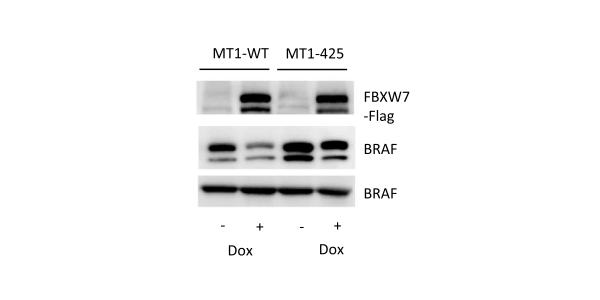
Doxycycline monohydrate purchased from MedChemExpress. Usage Cited in: Mol Cancer. 2020 Sep 9;19(1):139. [Abstract]
ATL cells MT1 stably transfected with a TET-inducible FBXW7 wild type or W425R were induced with doxycycline (2 μg/ml, 24 h) and degradation (WT) or lack thereof (W425R) of endogenous BRAF was confirmed by Western blot.
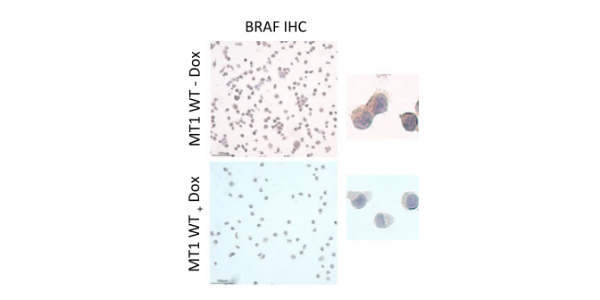
Doxycycline monohydrate purchased from MedChemExpress. Usage Cited in: Mol Cancer. 2020 Sep 9;19(1):139. [Abstract]
ATL cells MT1 stably transfected with a TET-inducible FBXW7 wild type, endogenous degradation of BRAF by wild type FBXW7 was confirmed by immunohistochemistry following induction of FBXW7 with doxycycline (2 μg/ml, 24 h).
-
Mol Cancer
Dying tumor cell-derived exosomal miR-194-5p potentiates survival and repopulation of tumor repopulating cells upon radiotherapy in pancreatic cancer. [Abstract]2020 Mar 30;19(1):68. PMID: 32228703 -
Adv Mater
Senescence Reprogramming Unleashes Tumor Immune Surveillance via Coordinated Gene Modulation. [Abstract]2025 Dec 1:e16597. PMID: 41324273 -
-
Cancer Commun (Lond)
Helicobacter pylori CagA elevates FTO to induce gastric cancer progression via a "hit-and-run" paradigm. [Abstract]2025 May;45(5):608-631. PMID: 39960839
Doxycycline monohydrate purchased from MedChemExpress. Usage Cited in: Cancer Commun (Lond). 2025 May;45(5):608-631. [Abstract]
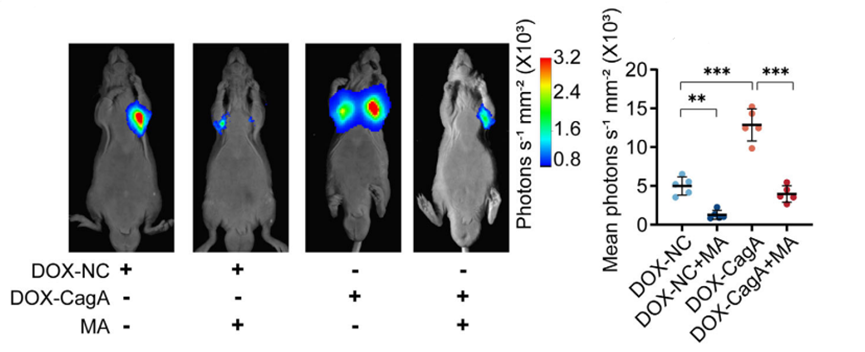
Bioluminescence imaging of the lung metastasis burden after inoculation of MKN45 cells with DOX (500 mg/kg, daily, 30 days)-induced CagA expression and MA treatment.
Doxycycline monohydrate purchased from MedChemExpress. Usage Cited in: Cancer Commun (Lond). 2025 May;45(5):608-631. [Abstract]
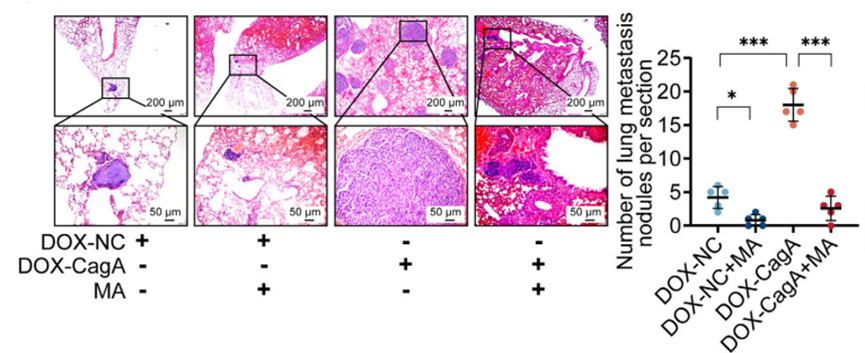
After inoculating MKN45 cells with DOX-induced CagA expression and MA treatment, HE staining was performed on lung tissue sections of a specified group. The quantitative results of the number of lung metastases are shown on the right.
-
Cancer Commun (Lond)
NHE7 upregulation potentiates the uptake of small extracellular vesicles by enhancing maturation of macropinosomes in hepatocellular carcinoma. [Abstract]2024 Feb;44(2):251-272. PMID: 38152992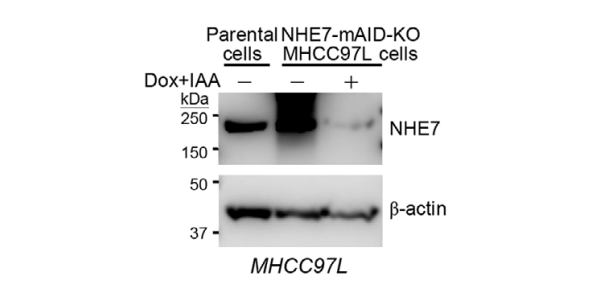
Doxycycline monohydrate purchased from MedChemExpress. Usage Cited in: Cancer Commun (Lond). 2024 Feb;44(2):251-272. [Abstract]
The expression of NHE7 in Dox-inducible NHE7-mAID-KO MHCC97L cells with or without doxycycline (DOX, 2 mg/mL) and indole-3-acetic acid (IAA, 50 μg/mL) treatment for 24 h was examined by immunoblotting.
Doxycycline monohydrate purchased from MedChemExpress. Usage Cited in: Cancer Commun (Lond). 2024 Feb;44(2):251-272. [Abstract]
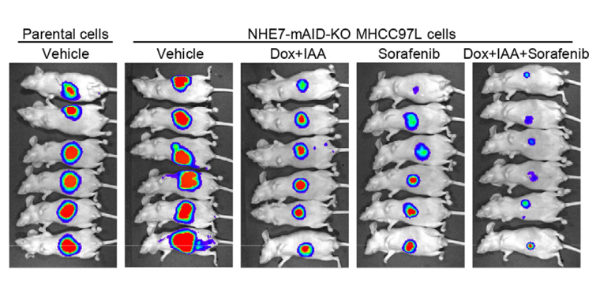
Mice orthotopically injected with NHE7-mAID-KO MHCC97L cells were administered vehicle (DMSO), DOX (2 mg/mL in drinking water containing 5% sucrose), IAA (25 mg/kg/day) and sorafenib (30 mg/kg/day) for 2 weeks (n = 6). Bioluminescence imaging of whole mice was performed at the end of the experiment, and the signal intensity was quantified.
Doxycycline monohydrate purchased from MedChemExpress. Usage Cited in: Cancer Commun (Lond). 2024 Feb;44(2):251-272. [Abstract]
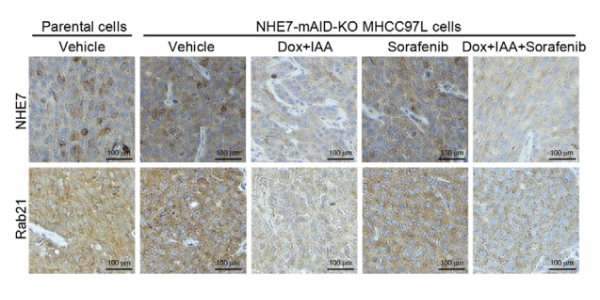
Mice orthotopically injected with NHE7-mAID-KO MHCC97L cells were administered vehicle (DMSO), DOX (2 mg/mL in drinking water containing 5% sucrose), IAA (25 mg/kg/day) and sorafenib (30 mg/kg/day) for 2 weeks (n = 6). Immunohistochemistry of NHE7 and Rab21 in liver tumor tissues.
-
Nat Genet
Single-nucleus multi-omic profiling of human placental syncytiotrophoblasts identifies cellular trajectories during pregnancy. [Abstract]2024 Feb;56(2):294-305. PMID: 38267607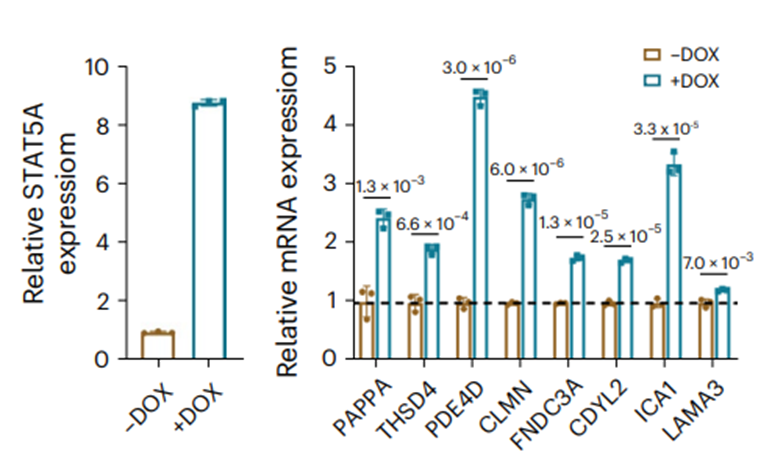
Doxycycline monohydrate purchased from MedChemExpress. Usage Cited in: Nat Genet. 2024 Feb;56(2):294-305. [Abstract]
RT-qPCR analysis of STAT5A and target gene expression in STB-BL with DOX (5 μM, 6 days)-inducible overexpression of STAT5A.
Doxycycline monohydrate purchased from MedChemExpress. Usage Cited in: Nat Genet. 2024 Feb;56(2):294-305. [Abstract]
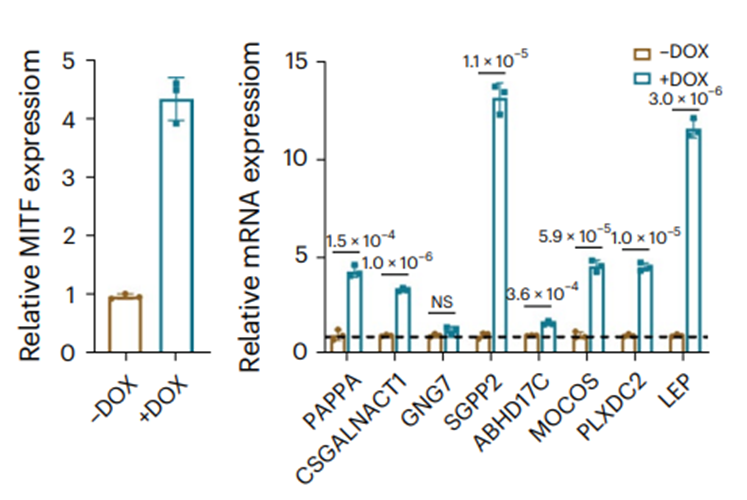
RT-qPCR analysis of MITF and target gene expression in STB-BL with DOX (5 μM, 6 days)-inducible overexpression of MITF.
Doxycycline monohydrate purchased from MedChemExpress. Usage Cited in: Nat Genet. 2024 Feb;56(2):294-305. [Abstract]
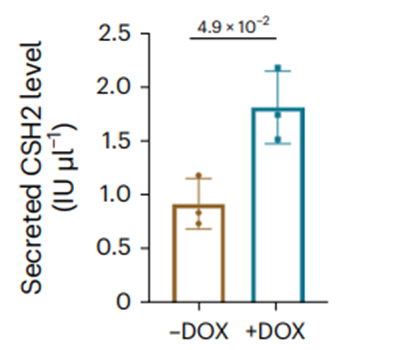
ELISA analysis of CSH2 expression in trophoblast organoids derived from hTSCs-BL with DOX (5 μM, 6 days)-inducible overexpression of MITF.
Doxycycline monohydrate purchased from MedChemExpress. Usage Cited in: Nat Genet. 2024 Feb;56(2):294-305. [Abstract]
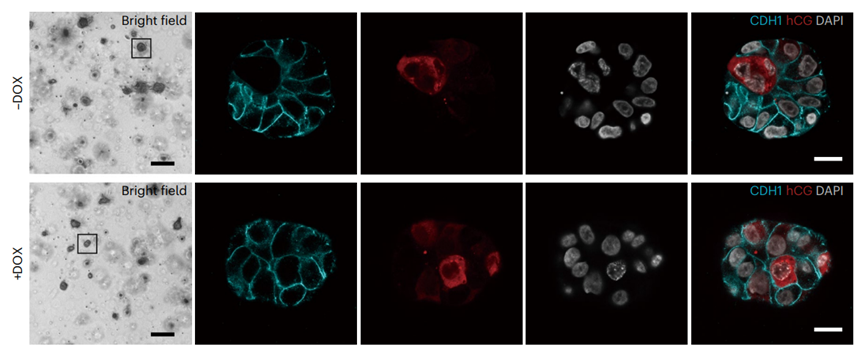
Bright fields and immunofluorescence analysis of trophoblast markers (CDH1 and hCG) in trophoblast organoids derived from hTSCs-BL with DOX (5 μM, 6 days)-inducible overexpression of MITF.
-
Cell Stem Cell
Kidney organoid models reveal cilium-autophagy metabolic axis as a therapeutic target for PKD both in vitro and in vivo. [Abstract]2024 Jan 4;31(1):52-70.e8. PMID: 38181751 -
Nat Cell Biol
TOLLIP targets GSDME-NT-carrying endocytic vesicles for autophagy to regulate pyroptosis and chemotherapy efficacy. [Abstract]2026 Apr;28(4):812-827. PMID: 41803502 -
Nat Cell Biol
Peritumoural adipose tissue promotes ferroptosis resistance by 3-hydroxykynurenine-mediated suppression of ferritinophagy. [Abstract]2026 Apr;28(4):783-796. PMID: 41813885 -
Nat Cell Biol
2025 Apr;27(4):641-653. PMID: 40033101
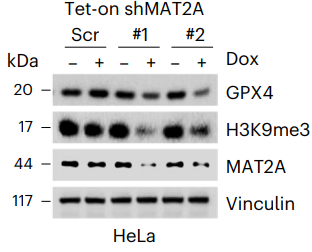
Doxycycline monohydrate purchased from MedChemExpress. Usage Cited in: Nat Cell Biol. 2025 Apr;27(4):641-653. [Abstract]
HeLa cells stably expressing tet-on-shScramble (Scr) or tet-on-shMAT2A were pretreated with Doxycycline hydrochloride (Dox, 1 μg/ mL) for two days, and the cell lysates were analysed by immunoblotting with the indicated antibodies.
-
Cancer Res
Loss of CDKN2A Enhances the Efficacy of Immunotherapy in EGFR-Mutant Non-Small Cell Lung Cancer. [Abstract]2025 Feb 1;85(3):585-601. PMID: 39514336 -
Cancer Res
2023 Oct 2;83(19):3220-3236. PMID: 37463119 -
Drug Resist Updat
ZBP1 antagonizes MRE11-mediated DNA end resection and confers synthetic lethality to PARP inhibition in ovarian cancer. [Abstract]2026 Jan:84:101319. PMID: 41192279 -
Drug Resist Updat
Intercellular adhesion molecule-1 suppresses TMZ chemosensitivity in acquired TMZ-resistant gliomas by increasing assembly of ABCB1 on the membrane. [Abstract]2024 Sep:76:101112. PMID: 38924997 -
Nat Microbiol
Characterization of antibiotic resistomes by reprogrammed bacteriophage-enabled functional metagenomics in clinical strains. [Abstract]2023 Mar;8(3):410-423. PMID: 36759752 -
Nat Protoc
Inducible CRISPR-Cas9 screening platform to interrogate non-proliferative cellular states. [Abstract]2025 Oct 8. PMID: 41062702 -
Protein Cell
Phase separation of DUX family proteins drives totipotent-like state via 3D genome reorganization and retrotransposon activation. [Abstract]2026 Mar 14:pwag014. PMID: 41832971 -
Nat Commun
ELMO2 is a therapeutic vulnerability in mesenchymal-like and drug-resistant non-small cell lung cancer. [Abstract]2026 Apr 17;17(1):5369. PMID: 41997974 -
Nat Commun
Intraovarian injection of securinine stimulates the growth of small ovarian follicles by reducing stromal suppression. [Abstract]2026 Apr 13;17(1):5061. PMID: 41974717 -
Nat Commun
2026 Feb 20;17(1):2963. PMID: 41720774 -
Nat Commun
2026 Jan 8;17(1):1253. PMID: 41507162 -
Nat Commun
Protein kinase A is a dependent factor and therapeutic target in mouse models of fibrous dysplasia. [Abstract]2025 Jul 1;16(1):5425. PMID: 40593719 -
Nat Commun
2024 Apr 6;15(1):2989. PMID: 38582902 -
Nat Commun
Reassessing endothelial-to-mesenchymal transition in mouse bone marrow: insights from lineage tracing models. [Abstract]2023 Dec 20;14(1):8461. PMID: 38123537 -
Neuron
Social interaction in mice suppresses breast cancer progression via a corticoamygdala neural circuit. [Abstract]2025 Jul 29:S0896-6273(25)00509-4. PMID: 40752486 -
Neuron
The paraventricular thalamus mediates visceral pain and anxiety-like behaviors via two distinct pathways. [Abstract]2025 Jul 23;113(14):2310-2324.e7. PMID: 40345185 -
Cell Discov
2024 Nov 5;10(1):112. PMID: 39500876 -
Redox Biol
Targeting PKLR/MYCN/ROMO1 signaling suppresses neuroendocrine differentiation of castration-resistant prostate cancer. [Abstract]2023 Jun:62:102686. PMID: 36963289 -
Mol Cell
Longitudinal monitoring of cytoplasmic RBP-RNA interactions and transcriptome in living cells by engineered protein nanocages. [Abstract]2026 Jun 25:S1097-2765(26)00378-3. PMID: 42349405 -
Mol Cell
2026 May 12:S1097-2765(26)00270-4. PMID: 42127907 -
Mol Cell
2025 Oct 2;85(19):3588-3604.e11. PMID: 41043392 -
Mol Cell
Lactylation of XLF promotes non-homologous end-joining repair and chemoresistance in cancer. [Abstract]2025 Jul 17;85(14):2654-2672.e7. PMID: 40680721 -
Mol Cell
2025 Apr 3:S1097-2765(25)00259-X. PMID: 40209701 -
Nucleic Acids Res
Enhancing small-molecule-mediated translational control through multivalent RNA aptamers. [Abstract]2026 Jun 8;54(11):gkag592. PMID: 42273917 -
Nucleic Acids Res
ALKBH5 governs human endoderm fate by regulating the DKK1/4-mediated Wnt/β-catenin activation. [Abstract]2024 Oct 14;52(18):10879-10896. PMID: 39166492 -
Theranostics
Shh and Olig2 sequentially regulate oligodendrocyte differentiation from hiPSCs for the treatment of ischemic stroke. [Abstract]2022 Mar 28;12(7):3131-3149. PMID: 35547747 -
Theranostics
Antibiotic Azithromycin inhibits brown/beige fat functionality and promotes obesity in human and rodents. [Abstract]2022 Jan 1;12(3):1187-1203. PMID: 35154482 -
-
J Exp Clin Cancer Res
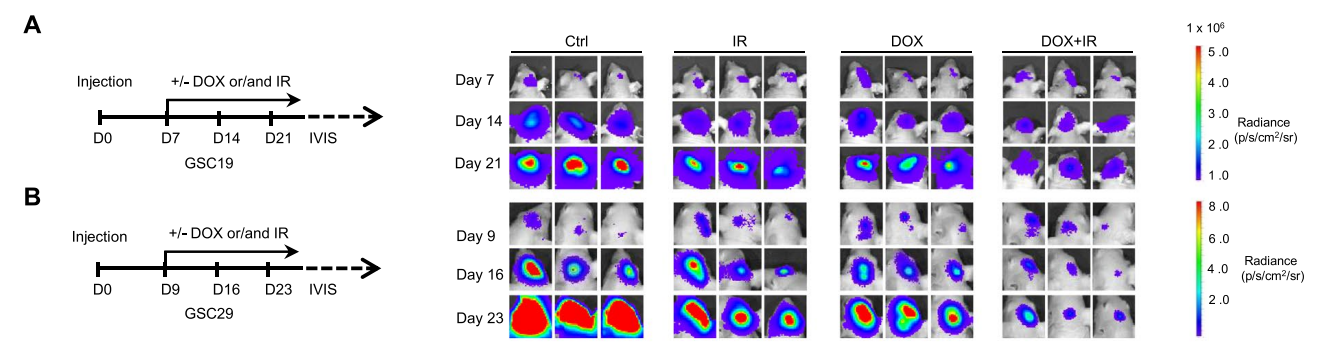
PHGDH activation fuels glioblastoma progression and radioresistance via serine synthesis pathway. [Abstract]2025 Mar 19;44(1):99. PMID: 40102981
Doxycycline monohydrate purchased from MedChemExpress. Usage Cited in: J Exp Clin Cancer Res. 2025 Mar 19;44(1):99. [Abstract]
Nude mice (nu/nu) were surgically engrafted intracranially with GSCs labeled with luciferase and transduced with a Doxycycline hydrochloride (DOX)-inducible system for shPHGDH expression. Mice harboring either GSC19 (A) or GSC29 (B) were randomly assigned to treatment groups (6 mice per group). Starting from day 7 or day 9 post-engraftment, as per the study design (A, B, left), treatments were administered: control, 3 Gy ionizing radiation (IR) delivered weekly over three sessions, 2 mg/mL DOX in the drinking water or a combination of IR and DOX. The progression of GBM xenografts was monitored through bioluminescence imaging, and representative images are displayed (A, B, right).
-
J Clin Invest
Targeting mitochondrial dynamics of morphine-responsive dopaminergic neurons ameliorates opiate withdrawal. [Abstract]2024 Jan 18;134(5):e171995. PMID: 38236644 -
Adv Sci (Weinh)
Targeting PRKCN, an Essential Driver Orchestrating mTOR-IRF4 Axis Independently of Kinase Activity, in Multiple Myeloma. [Abstract]2026 Apr;13(21):e18975. PMID: 41655233 -
Adv Sci (Weinh)
Faecalibaculum rodentium Alleviates Ionizing Radiation-Induced Damage in Mice by Improving Intestinal Integrity and Hematopoiesis via Its Metabolite Butyrate. [Abstract]2025 Oct 13:e09383. PMID: 41082369 -
Adv Sci (Weinh)
2025 Sep;12(34):e03865. PMID: 40525588 -
Adv Sci (Weinh)
HACD2 Promotes Pancreatic Cancer Progression by Enhancing PKM2 Dissociation From PRKN in a Dehydratase-Independent Manner. [Abstract]2025 Mar;12(10):e2407942. PMID: 39836601 -
Adv Sci (Weinh)
ASH1L in Hepatoma Cells and Hepatic Stellate Cells Promotes Fibrosis-Associated Hepatocellular Carcinoma by Modulating Tumor-Associated Macrophages. [Abstract]2024 Dec;11(45):e2404756. PMID: 39377228 -
Adv Sci (Weinh)
A Temporal PROTAC Cocktail-Mediated Sequential Degradation of AURKA Abrogates Acute Myeloid Leukemia Stem Cells. [Abstract]2022 Aug;9(22):e2104823. PMID: 35652200 -
Adv Sci (Weinh)
Dual Inhibition of DKC1 and MEK1/2 Synergistically Restrains the Growth of Colorectal Cancer Cells. [Abstract]2021 Mar 15;8(10):2004344. PMID: 34026451 -
Sci Adv
Epstein-Barr virus-driven cardiolipin synthesis sustains metabolic remodeling during B cell transformation. [Abstract]2025 Jan 31;11(5):eadr8837. PMID: 39879311 -
Sci Adv
RIPK3 deficiency blocks R-2-hydroxyglutarate-induced necroptosis in IDH-mutated AML cells. [Abstract]2024 Apr 19;10(16):eadi1782. PMID: 38630819 -
Sci Adv
2022 Jan 28;8(4):eabl5220. PMID: 35080973 -
Cell Death Differ
RIPK3 sequentially recruits MLKL and RIPK1 to induce PANoptosis and chemokine production. [Abstract]2026 Apr 4. PMID: 41935203 -
Cell Death Differ
The PLEKHA1-TACC2 fusion gene drives tumorigenesis via vascular mimicry formation in esophageal squamous-cell carcinoma. [Abstract]2025 Jul 5. PMID: 40615663 -
Cell Death Differ
2023 Jul;30(7):1811-1828. PMID: 37322264 -
Cell Death Differ
MEK nuclear localization promotes YAP stability via sequestering β-TrCP in KRAS mutant cancer cells. [Abstract]2019 Nov;26(11):2400-2415. PMID: 30833665 -
Water Res
Quantifying community-wide antibiotic usage via urban water fingerprinting: Focus on contrasting resource settings in South Africa. [Abstract]2023 Jul 15:240:120110. PMID: 37247434 -
Doxycycline monohydrate purchased from MedChemExpress. Usage Cited in: Chem Eng J. 2025 Oct 8;524:169421.
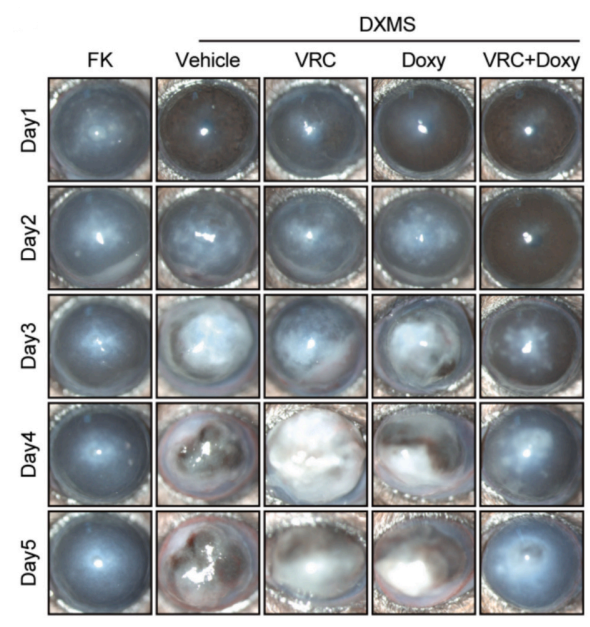
Therapeutic effect of VRC, Doxycycline hydrochloride (Doxy, 0.05 %, 5 μl, 4 times per day for 5 days) on DXMS- associated severe FK. Dynamic phenotype of corneas with different groups observed by slit lamp on each day after infection (n = 6/group).
-
J Control Release
Hypoxia-responsive Azocalixarene-doxycycline host-guest complex for synergistic myopia control. [Abstract]2026 Feb 10:390:114586. PMID: 41475499 -
Cell Death Dis
Both direct and indirect suppression of MCL1 synergizes with BCLXL inhibition in preclinical models of gastric cancer. [Abstract]2025 Mar 12;16(1):170. PMID: 40075071 -
Cell Death Dis
Acquired temozolomide resistance in MGMTlow gliomas is associated with regulation of homologous recombination repair by ROCK2. [Abstract]2022 Feb 10;13(2):138. PMID: 35145081 -
Cell Death Dis
Mitochondrial quality control protects photoreceptors against oxidative stress in the H2O2-induced models of retinal degeneration diseases. [Abstract]2021 Apr 20;12(5):413. PMID: 33879768 -
Cell Death Dis
SOX1 promotes differentiation of nasopharyngeal carcinoma cells by activating retinoid metabolic pathway. [Abstract]2020 May 7;11(5):331. PMID: 32382038 -
Cell Death Dis
FTO is required for myogenesis by positively regulating mTOR-PGC-1α pathway-mediated mitochondria biogenesis. [Abstract]2017 Mar 23;8(3):e2702. PMID: 28333151 -
Cancer Lett
Dysregulation of the ALDH1A3/PML-RARα axis promotes the progression of acute promyelocytic leukemia. [Abstract]2026 Apr 1:642:218280. PMID: 41580016 -
Cancer Lett
An integrin beta4-EGFR unit promotes hepatocellular carcinoma lung metastases by enhancing anchorage independence through activation of FAK-AKT pathway. [Abstract]2016 Jun 28;376(1):188-96. PMID: 26996299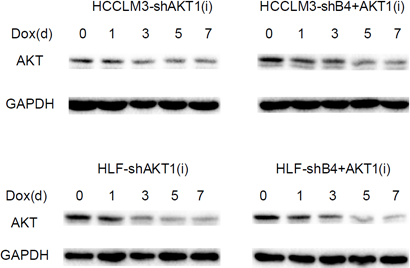
Doxycycline monohydrate purchased from MedChemExpress. Usage Cited in: Cancer Lett. 2016 Jun 28;376(1):188-96. [Abstract]
Doxycycline inducible shRNA can effectivly knockdown the expression of AKT in HCC cells. Cells are treated with 100ng/mL Doxcycline and cultured for the indicated times.
-
Cell Commun Signal
Receptor activity-modifying protein 1 regulates mouse skin fibroblast proliferation via the Gαi3-PKA-CREB-YAP axis. [Abstract]2022 Apr 12;20(1):52. PMID: 35413847 -
J Neuroinflammation
MMPs and NETs are detrimental in CNS-tuberculosis with MMP Inhibition in CNS-tuberculosis mice improving survival. [Abstract]2025 Oct 11;22(1):230. PMID: 41076519 -
Phytomedicine
LW-213, a derivative of wogonin, triggers reticulophagy-mediated cell death in NSCLC via lysosomal damage combined with NPC1 inhibition. [Abstract]2024 Nov:134:155958. PMID: 39241385 -
Acta Pharmacol Sin
Chromosome instability functions as a potential therapeutic reference by enhancing chemosensitivity to BCL-XL inhibitors in colorectal carcinoma. [Abstract]2024 Nov;45(11):2420-2431. PMID: 39187678 -
J Transl Med
KLF14 directly downregulates the expression of GPX4 to exert antitumor effects by promoting ferroptosis in cervical cancer. [Abstract]2024 Oct 10;22(1):923. PMID: 39390559 -
Dev Cell
2025 Apr 18:S1534-5807(25)00206-0. PMID: 40280135 -
-
Oncogene
TMSB4Y restrains sphingomyelin synthesis via de novo purine synthesis to exert a tumor suppressor function in male esophageal squamous cell carcinoma. [Abstract]2024 Dec;43(50):3660-3672. PMID: 39443723 -
Oncogene
SOX10 deficiency-mediated LAMB3 upregulation determines the invasiveness of MAPKi-resistant melanoma. [Abstract]2024 Feb;43(6):434-446. PMID: 38102338 -
Apoptosis
2026 Mar 11;31(3):98. PMID: 41813919 -
NPJ Parkinsons Dis
Harmol promotes α-synuclein degradation and improves motor impairment in Parkinson's models via regulating autophagy-lysosome pathway. [Abstract]2022 Aug 6;8(1):100. PMID: 35933473 -
Int J Mol Med
Overexpression of IFIT2 inhibits the proliferation of chronic myeloid leukemia cells by regulating the BCR‑ABL/AKT/mTOR pathway. [Abstract]2020 Apr;45(4):1187-1194. PMID: 32124954 -
J Genet Genomics
A tunable, rapid, and precise drug control of protein expression by combining transcriptional and post-translational regulation systems. [Abstract]2020 Nov 20;47(11):705-712. PMID: 33549479 -
Stem Cell Res Ther
SMYD1 modulates the proliferation of multipotent cardiac progenitor cells derived from human pluripotent stem cells during myocardial differentiation through GSK3β/β-catenin&ERK signaling. [Abstract]2024 Oct 8;15(1):350. PMID: 39380045 -
Cell Rep
Autoinhibitory control of MLKL governs pseudokinase domain phosphorylation and oligomerization during necroptosis. [Abstract]2026 Mar 20;45(4):117130. PMID: 41863805 -
Cell Rep
circATF6 triggers calcium overload to synergize with EGFR-TKI in non-small cell lung cancer via modulation of proteostasis. [Abstract]2025 Dec 5;44(12):116659. PMID: 41351835 -
Cell Rep
A generalized strategy to kill leukemic cells by targeting the regulatory systems governing mitochondrial membrane potential. [Abstract]2025 Nov 25;44(11):116496. PMID: 41166305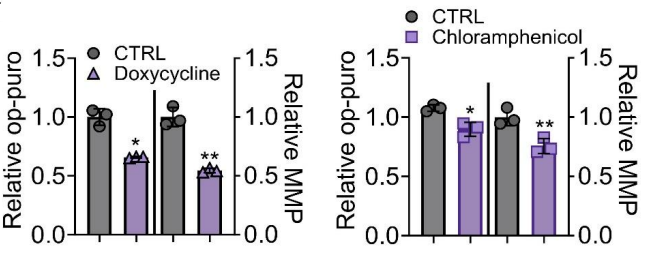
Doxycycline monohydrate purchased from MedChemExpress. Usage Cited in: Cell Rep. 2025 Nov 25;44(11):116496. [Abstract]
MOLM-13 cells were treated with Doxycycline hydrochloride (25 µM) or Chloramphenicol (25 µM) for 24 h. Mitochondrial translation and MMP were examined (n=3)
-
Cell Rep
The Hippo pathway kinase MST1 mediates a feedback loop to maintain NLRP3 inflammasome homeostasis. [Abstract]2025 Jul 26;44(8):116076. PMID: 40716062 -
Cell Rep
A genome-wide base-editing screen uncovers a pivotal role of paxillin δ ubiquitination in influenza virus infection. [Abstract]2025 May 26;44(6):115748. PMID: 40434888 -
Cell Rep
CRISPR screening identifies PRMT1 as a key pro-ferroptotic gene via a two-layer regulatory mechanism. [Abstract]2024 Aug 22;43(9):114662. PMID: 39178116 -
Cell Rep
Elevating PLK1 overcomes BETi resistance in prostate cancer via triggering BRD4 phosphorylation-dependent degradation in mitosis. [Abstract]2024 Jul 3;43(7):114431. PMID: 38968071 -
Cell Rep
DOT1L O-GlcNAcylation promotes its protein stability and MLL-fusion leukemia cell proliferation. [Abstract]2021 Sep 21;36(12):109739. PMID: 34551297 -
Cell Rep
miR-24 controls the regenerative competence of hair follicle progenitors by targeting Plk3. [Abstract]2021 Jun 8;35(10):109225. PMID: 34107258 -
Cell Prolif
Dissection of Mitochondrial Function via Chemical Perturbation and Single-Cell Profiling. [Abstract]2026 Apr 27:e70216. PMID: 42044679 -
Cell Prolif
NELFA and BCL2 induce the 2C-like state in mouse embryonic stem cells in a chemically defined medium. [Abstract]2024 Feb;57(2):e13534. PMID: 37592709 -
Emerg Microbes Infect
Deep mutational scanning reveals the antibody escape and infectivity landscape of SARS-CoV-2 Omicron JN.1 and XEC receptor-binding domains. [Abstract]2026 Dec;15(1):2686472. PMID: 42324717 -
-
Sci Signal
The kinase PLK1 promotes Hedgehog signaling-dependent resistance to the antiandrogen enzalutamide in metastatic prostate cancer. [Abstract]2025 Mar 18;18(878):eadi5174. PMID: 40100956 -
Emerg Microbes Infect
AMXT-1501 targets membrane phospholipids against Gram-positive and -negative multidrug-resistant bacteria. [Abstract]2024 Dec;13(1):2321981. PMID: 38422452 -
Virulence
Antibacterial efficacy and mechanism of the novel antimicrobial peptide lachnospirin-1 against Acinetobacter baumannii. [Abstract]2026 Dec 31;17(1):2646808. PMID: 41838520 -
JCI Insight
Therapeutic targeting of YOD1 disrupts the PAX-FOXO1-N-Myc feedback loop in rhabdomyosarcoma. [Abstract]2025 Dec 16:e193221. PMID: 41401084 -
-
J Bone Miner Res
Injectable Matrix Metalloproteinase-Responsive Nanoparticle Hydrogel Scaffold for Sustained Local Drug Delivery in Fibrous Dysplasia. [Abstract]2026 May 28:zjag091. PMID: 42207164 -
Biochem Pharmacol
2025 Jul:237:116948. PMID: 40228640 -
Cell Mol Life Sci
The ADCY1-mediated cAMP signaling pathway mediates functional effects of montelukast treatment in brain organoids. [Abstract]2025 Jun 5;82(1):224. PMID: 40471331 -
Cell Mol Life Sci
Single-cell transcriptomics reveals liver developmental trajectory during lineage reprogramming of human induced hepatocyte-like cells. [Abstract]2025 Apr 6;82(1):139. PMID: 40188417 -
Cell Mol Life Sci
rTM reprograms macrophages via the HIF-1α/METTL3/PFKM axis to protect mice against sepsis. [Abstract]2024 Nov 16;81(1):456. PMID: 39549085 -
Inflammopharmacology
Casticin reduces rosacea-related inflammation by inhibiting mast cell activation via Mas-related G protein-coupled receptor X2. [Abstract]2025 Apr;33(4):1935-1947. PMID: 39821787 -
Food Funct
Lactobacillus johnsonii 3-1 and Lactobacillus crispatus 7-4 promote the growth performance and ileum development and participate in lipid metabolism of broilers. [Abstract]2021 Dec 13;12(24):12535-12549. PMID: 34812468 -
Transl Res
SynNotch-iNOS CAR-macrophages remodel the tumor immune microenvironment and exhibit antitumor efficacy via a CD4+ T cell-dependent mechanism. [Abstract]2026 Jun 24:S1931-5244(26)00135-0. PMID: 42341916 -
EMBO Rep
Tudor-based proteomic strategy pan-specifically enriches and identifies protein arginine methylation. [Abstract]2025 Oct 20. PMID: 41116072 -
EMBO Rep
UBE2O-mediated ubiquitylation directs cytoplasmic CTNNA1 to promote cell-to-ECM adhesions. [Abstract]2025 Sep 22. PMID: 40983751 -
Oncogenesis
Inhibition of LDHB triggers DNA damage and increases cisplatin sensitivity in pleural mesothelioma. [Abstract]2025 Aug 11;14(1):28. PMID: 40790017 -
Acta Physiol
Pax8-rtTA/LC1-Driven Inducible Ketohexokinase Deletion Protects Against High Fructose-Induced Metabolic Syndrome in Mice. [Abstract]2026 Apr;242(4):e70187. PMID: 41792046 -
Cancer Biol Ther
Curcumin activates NLRC4, AIM2, and IFI16 inflammasomes and induces pyroptosis by up-regulated ISG3 transcript factor in acute myeloid leukemia cell lines. [Abstract]2022 Dec 31;23(1):328-335. PMID: 35435150 -
Int J Mol Sci
A Clozapine-Responsive GPCR-Based Gene Switch for Pharmacological Control of Gene Expression in Mammalian Cells and In Vivo. [Abstract]2026 Apr 9;27(8):3381. PMID: 42074026 -
Int Immunopharmacol
2026 Feb 1:170:116107. PMID: 41455370 -
Int J Mol Sci
O-GlcNAcylation in Gli1+ Mesenchymal Stem Cells Is Indispensable for Bone Formation and Fracture Healing. [Abstract]2025 Mar 18;26(6):2712. PMID: 40141354 -
Int Immunopharmacol
Targeting lipid peroxidation-associated ferroptosis suppresses lung carcinoma progression by regulating cell cycle arrest. [Abstract]2024 Sep 10:138:112518. PMID: 38917528 -
Front Cell Infect Microbiol
Doxycycline Induces Apoptosis of Brucella Suis S2 Strain-Infected HMC3 Microglial Cells by Activating Calreticulin-Dependent JNK/p53 Signaling Pathway. [Abstract]2021 Apr 28:11:640847. PMID: 33996626 -
Biol Res
Perturbation of mammary epithelial cell apicobasal polarity by RHBDF1-facilitated nuclear translocation of PKCζ. [Abstract]2024 Nov 24;57(1):90. PMID: 39582014 -
Molecules
Urolithin A Attenuates Periodontitis in Mice via Dual Anti-Inflammatory and Osteoclastogenesis Inhibition: A Natural Metabolite-Based Therapeutic Strategy. [Abstract]2025 Jul 7;30(13):2881. PMID: 40649395 -
Molecules
Antibacterial Activity and Mechanism of Canagliflozin against Methicillin-Resistant Staphylococcus aureus. [Abstract]2023 Jul 26;28(15):5668. PMID: 37570637 -
PLoS Pathog
YAP Inhibits HIV-1 transcription and promotes HIV-1 latency by regulating E3 ubiquitin ligase UHRF1 mediated tat degradation. [Abstract]2026 Jan 30;22(1):e1013906. PMID: 41616025 -
PLoS Pathog
The non-structural protein of SFTSV activates NLRP1 and CARD8 inflammasome through disrupting the DPP9-mediated ternary complex. [Abstract]2025 Jul 3;21(7):e1013258. PMID: 40608794 -
-
-
J Cell Mol Med
Pharmacological Targeting of DHHC9-Mediated STRN4 Palmitoylation to Suppress YAP-Driven Cancer Metastasis. [Abstract]2025 Sep;29(17):e70815. PMID: 40903842 -
Rheumatology (Oxford)
Autophagy inhibitors block pathogenic NET release in immune-mediated inflammatory disease without impairing host defence. [Abstract]2025 Aug 13:keaf437. PMID: 40802538 -
J Cell Mol Med
2024 Sep;28(17):e70053. PMID: 39224032 -
Virol Sin
Establishment and characterization of a new cell culture system for hepatitis B virus replication and infection. [Abstract]2022 Aug;37(4):558-568. PMID: 35568375 -
-
Mol Oncol
2024 Oct;18(10):2510-2523. PMID: 38775167 -
ACS Infect Dis
Lusutrombopag as a Repurposing Drug in Combination with Aminoglycosides against Vancomycin-Resistant Enterococcus. [Abstract]2024 Apr 12;10(4):1327-1338. PMID: 38567846 -
iScience
Hepatitis C virus hypervariable region 1 antibodies interrupt E2-SR-B1 interaction to suppress viral infection. [Abstract]2023 Mar 16;26(4):106421. PMID: 37034976 -
Ann Lab Med
In Vitro Activity of the Novel Tetracyclines, Tigecycline, Eravacycline, and Omadacycline, Against Moraxella catarrhalis. [Abstract]2021 May 1;41(3):293-301. PMID: 33303714 -
FASEB J
2024 Apr 30;38(8):e23628. PMID: 38661032 -
FASEB J
2020 Dec;34(12):16716-16735. PMID: 33124742 -
Neurobiol Stress
Electroacupuncture attenuates anxiety caused by chronic mild stress through inhibiting NOX2-derived oxidative stress in ventral hippocampus. [Abstract]2025 Oct 28:39:100768. PMID: 41280328 -
J Virol
Generation of HBV cccDNA using single-stranded M13 phage DNA for authentic minichromosome functionality. [Abstract]2026 May 14:e0003526. PMID: 42132423 -
Microbiol Spectr
Eravacycline for Mycobacterium abscessus infections: pharmacodynamic advantages of long-acting post-antibiotic effects and weekly dosing regimens. [Abstract]2026 Mar 30;14(5):e0147325. PMID: 41910138 -
Microbiol Spectr
Antimicrobial resistance of rapidly growing mycobacteria isolated from companion animals in Taiwan. [Abstract]2025 Jul;13(7):e0307424. PMID: 40387379 -
J Virol
2024 Oct 22;98(10):e0133524. PMID: 39212385 -
J Biol Chem
TRIM28 represses renal cell carcinoma cell proliferation by inhibiting TFE3/KDM6A-regulated autophagy. [Abstract]2023 May;299(5):104621. PMID: 36935008 -
J Biol Chem
Lysine demethylase KDM1A promotes cell growth via FKBP8-BCL2 axis in hepatocellular carcinoma. [Abstract]2022 Sep;298(9):102374. PMID: 35970393 -
mSphere
Aloe emodin isolated from Cassiae semen upregulates IFITM1 to suppress hepatitis B virus replication via the interferon signaling pathway. [Abstract]2026 Jun 30;11(6):e0031226. PMID: 42274254 -
Cancer Res Commun
N-Myristoytransferase Inhibition Causes Mitochondrial Iron Overload and Parthanatos in TIM17A-Dependent Aggressive Lung Carcinoma. [Abstract]2024 Jul 1;4(7):1815-1833. PMID: 38949950 -
AMB Express
Repurposing pinaverium bromide against Staphylococcus and its biofilms with new mechanisms. [Abstract]2024 Dec 24;14(1):141. PMID: 39718732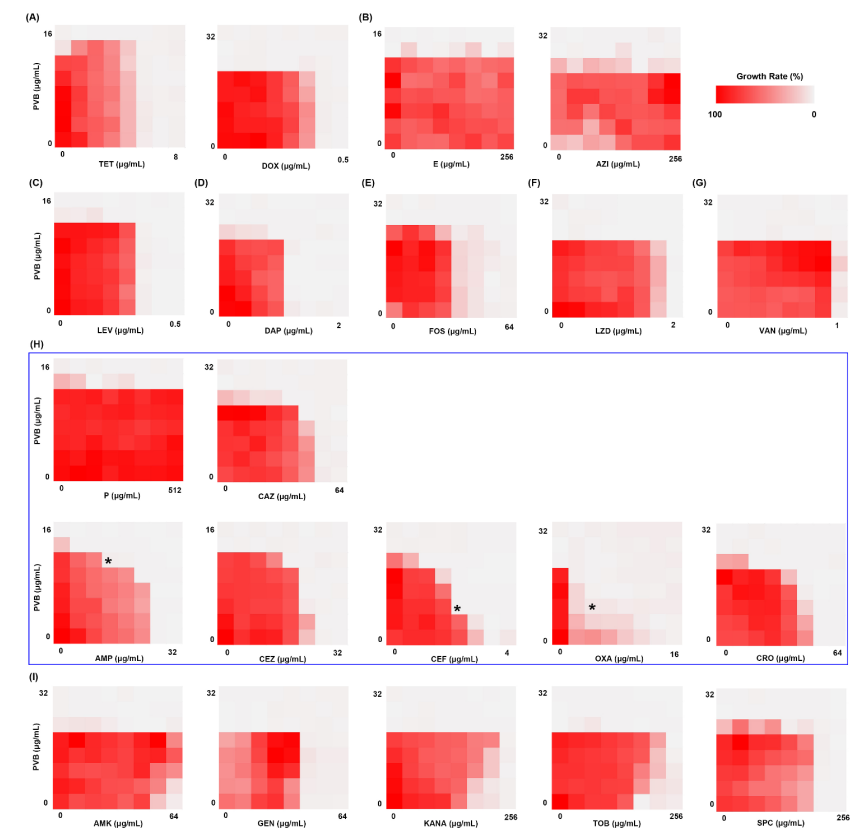
Doxycycline monohydrate purchased from MedChemExpress. Usage Cited in: AMB Express. 2024 Dec 24;14(1):141. [Abstract]
Combinational antimicrobial effects between PVB and conventional antibiotics against MRSA ATCC 43,300. TET, Tetracycline. DOX, Doxycycline. E, Erythromycin. AZI, Azithromycin. P, Penicillin. CAZ, Ceftazidime. AMP, Ampicillin. CEZ, Cefazolin. CEF, Cefotaxime. OXA, Oxacillin. CRO, Ceftriaxone. AMK, Amikacin. GEN, Gentamycin, KANA, Kanamycin. TOB, Tobramycin. SPC, Spectinomycin.
-
J Med Virol
Hepatitis B Virus Promotes Angiogenesis in Hepatocellular Carcinoma by Increasing m6A Modification of VEGFA mRNA via IGF2BP3. [Abstract]2025 May;97(5):e70356. PMID: 40260505 -
J Med Virol
Epstein-Barr virus-driven metabolic alterations contribute to the viral lytic reactivation and tumor progression in nasopharyngeal carcinoma. [Abstract]2024 May;96(5):e29634. PMID: 38682578 -
-
J Neurooncol
2026 Jun 8;178(2):50. PMID: 42257837 -
-
Infect Drug Resist
In vitro Activity of the Novel Tetracyclines Derivative, Zifanocycline Against Mycobacterium abscessus. [Abstract]2025 Oct 4:18:5239-5247. PMID: 41069760 -
Infect Drug Resist
Doxycycline-Induced Apoptosis in Brucella suis S2-Infected HMC3 Cells via Calreticulin Suppression and Activation of the IRE1/Caspase-3 Signaling Pathway. [Abstract]2025 Apr 23:18:2005-2020. PMID: 40290405 -
FEBS Lett
C9orf72 ALS-causing mutations lead to mislocalization and aggregation of nucleoporin Nup107 into stress granules. [Abstract]2025 Sep 1. PMID: 40891053 -
Acta Histochem
YAP promotes wound healing in diabetic mice by improving endothelial cell function via the regulation of SEMA3B. [Abstract]2026 Apr 27;128(3):152335. PMID: 42048860 -
Vet Microbiol
Discovery of the tigecycline resistance gene cluster tmexCD3-toprJ1 in Pasteurella multocida strains isolated from pigs in China. [Abstract]2024 May:292:110046. PMID: 38471428 -
Clin Exp Pharmacol Physiol
In vitro susceptibility testing of tetracycline-class antibiotics against slowly growing non-tuberculous mycobacteria. [Abstract]2023 Jul;50(7):604-609. PMID: 37086075 -
Biochem Biophys Res Commun
TRABID targets DDB2 for deubiquitination to promote proliferation of hepatocellular carcinoma cells. [Abstract]2022 Oct 15:625:23-30. PMID: 35944360 -
Biochem Biophys Res Commun
Identification of mutant p53-specific proteins interaction network using TurboID-based proximity labeling. [Abstract]2022 Jul 30:615:163-171. PMID: 35665610 -
Arch Oral Biol
ATF5-mediated mitochondrial UPR inhibited RANKL in Porphyromonas gingivalis LPS-treated osteoblasts. [Abstract]2026 May:185:106556. PMID: 41759254 -
Diagn Microbiol Infect Dis
2026 Feb;114(2):117181. PMID: 41205476 -
STAR Protoc
2023 Feb 3;4(1):102092. PMID: 36853659 -
STAR Protoc
Protocol for inducible piggyBac transposon system for efficient gene overexpression in human pluripotent stem cells. [Abstract]2022 Apr 13;3(2):101296. PMID: 35496784 -
STAR Protoc
2021 Nov 5;2(4):100881. PMID: 34806042 -
STAR Protoc
Protocol for genome-scale CRISPR screening in engineered lineage reporter hPSCs to study cell fate determination. [Abstract]2021 May 20;2(2):100548. PMID: 34095862 -
-
-
-
Res Sq
2026 Apr 22:rs.3.rs-9172690. PMID: 42078886 -
-
bioRxiv
A HaloTag-4R-Tau Pulse-Chase Sensor Reveals Neddylation Inhibition Promotes Degradation of Tau in iNeurons. [Abstract]2026 Jan 29:2026.01.28.702105. PMID: 41659571 -
-
-
-
-
-
-
-
-
-
-
-
-
-
Heliyon
Pancreatic cancer cells hijack tumor suppressive microRNA-26a to promote radioresistance and potentiate tumor repopulation. [Abstract]2024 May 15;10(10):e31346. PMID: 38807872 -
Res Sq
Epstein-Barr-Virus-Driven Cardiolipin Synthesis Sustains Metabolic Remodeling During B-cell Lymphomagenesis. [Abstract]2024 Apr 8:rs.3.rs-4013392. PMID: 38659762 -
-
-
Biomed Pharmacother
Anti-photoaging effect and mechanism of flexible liposomes co-loaded with apigenin and doxycycline. [Abstract]2023 Aug:164:114998. PMID: 37301137 -
-
bioRxiv
2023 Jun 14:2023.06.13.544756. PMID: 37398283 -
-
bioRxiv
2023 Mar 31:2023.03.29.534783. PMID: 37034813 -
-
Elife
RNF43 inhibits WNT5A-driven signaling and suppresses melanoma invasion and resistance to the targeted therapy. [Abstract]2021 Oct 27;10:e65759. PMID: 34702444 -
-
-
-
-


Lösungsmittel & Löslichkeit
In Vitro:
DMSO : 200 mg/mL (432.48 mM; Need ultrasonic; Hygroscopic DMSO has a significant impact on the solubility of product, please use newly opened DMSO)
Please refer to the solubility information to select the appropriate solvent. Once prepared, please aliquot and store the solution to prevent product inactivation from repeated freeze-thaw cycles.
Storage method and period of stock solution: -80°C, 6 months; -20°C, 1 month (sealed storage, away from moisture). When stored at -80°C, please use it within 6 months. When stored at -20°C, please use it within 1 month.
Please refer to the solubility information to select the appropriate solvent. Once prepared, please aliquot and store the solution to prevent product inactivation from repeated freeze-thaw cycles.
Storage method and period of stock solution: -80°C, 6 months; -20°C, 1 month (sealed storage, away from moisture). When stored at -80°C, please use it within 6 months. When stored at -20°C, please use it within 1 month.
Konzentration (Stammlösung) × Volumen (Stammlösung) = Konzentration (Ziellösung) × Volumen (Ziellösung)
In Vivo:
Select the appropriate dissolution method based on your experimental animal and administration route.
- For the following dissolution methods, please ensure to first prepare a clear stock solution using an In Vitro approach and then sequentially add co-solvents:
- To ensure reliable experimental results, the clarified stock solution can be appropriately stored based on storage conditions. As for the working solution for In Vivo experiments, it is recommended to prepare freshly and use it on the same day.
- The percentages shown for the solvents indicate their volumetric ratio in the final prepared solution. If precipitation or phase separation occurs during preparation, heat and/or sonication can be used to aid dissolution.
Add each solvent one by one: 10% DMSO 40% PEG300 5% Tween-80 45% Saline
Solubility: ≥ 5 mg/mL (10.81 mM); Clear solution
This protocol yields a clear solution of ≥ 5 mg/mL (saturation unknown).
Taking 1 mL working solution as an example, add 100 μL DMSO stock solution (50.0 mg/mL) to 400 μL PEG300, and mix evenly; then add 50 μL Tween-80 and mix evenly; then add 450 μL Saline to adjust the volume to 1 mL.
Preparation of Saline: Dissolve 0.9 g sodium chloride in ddH₂O and dilute to 100 mL to obtain a clear Saline solution.
Add each solvent one by one: 10% DMSO 90% (20% SBE-β-CD in Saline)
Solubility: ≥ 5 mg/mL (10.81 mM); Clear solution
This protocol yields a clear solution of ≥ 5 mg/mL (saturation unknown).
Taking 1 mL working solution as an example, add 100 μL DMSO stock solution (50.0 mg/mL) to 900 μL 20% SBE-β-CD in Saline, and mix evenly.
Preparation of 20% SBE-β-CD in Saline (4°C, storage for one week): 2 g SBE-β-CD powder is dissolved in 10 mL Saline, completely dissolve until clear.
In Vivo Dissolution Calculator
Please enter the basic information of animal experiments:
-
-
-
-
Recommended: Prepare an additional quantity of animals to account for potential losses during experiments.
Please enter your animal formula composition:
-
%DMSO +
Recommended: Keep the proportion of DMSO in working solution below 2% if your animal is weak.
-
%+
-
+%Tween-80 + +
-
%Saline +
The co-solvents required include: DMSO, . All of co-solvents are available by MedChemExpress (MCE). , Tween 80. All of co-solvents are available by MedChemExpress (MCE).
Working solution concentration: 0.22 mg/mL
Method for preparing stock solution: mg drug dissolved in μL DMSO. Stock solution concentration: mg/mL. * In solvent : -80°C, 6 months; -20°C, 1 month (sealed storage, away from moisture)
1. Take μL DMSO stock solution;
2. Add μL .
μL , mix evenly;
3. Then add μL Tween 80, mix evenly;
4. Then add μL
Please ensure that the stock solution in the first step is dissolved to a clear state, and add co-solvents in sequence. You can use ultrasonic heating (ultrasonic cleaner, recommended frequency 20-40 kHz), vortexing, etc. to assist dissolution.


Reinheit & Dokumentation
-
Data Sheet (293 KB)
-
SDS (393 KB)
- English - EN (393 KB)
- Français - FR (393 KB)
- Deutsch - DE (393 KB)
- Norwegian - NO (393 KB)
- Español - ES (393 KB)
- Swedish - SV (393 KB)
- Italian - IT (393 KB)
- Korean - KR (393 KB)
- Portuguese - PT (393 KB)
-
Handling Instructions (2659 KB)
Verweise
[1]. El-Neweshy MS, et al. Experimental doxycycline overdose in rats causes cardiomyopathy. Int J Exp Pathol. 2013;94(2):109-114. [Content Brief]
[2]. Zhang L, et al. Doxycycline inhibits the cancer stem cell phenotype and epithelial-to-mesenchymal transition in breast cancer. Cell Cycle. 2017;16(8):737-745. [Content Brief]
[5]. Chang MY, et al. Doxycycline supplementation allows for the culture of human ESCs/iPSCs with media changes at 3-day intervals. Stem Cell Res. 2015;15(3):608-613. [Content Brief]
[6]. Manfredsson FP, et al. Tight Long-term dynamic doxycycline responsive nigrostriatal GDNF using a single rAAV vector. Mol Ther. 2009 Nov;17(11):1857-67. [Content Brief] [Content Brief]
[7]. Kistner A, et al. Doxycycline-mediated quantitative and tissue-specific control of gene expression in transgenic mice. Proc Natl Acad Sci U S A. 1996 Oct 1;93(20):10933-8. [Content Brief]
[8]. Niv Y. Doxycycline in Eradication Therapy of Helicobacter pylori--a Systematic Review and Meta-Analysis. Digestion. 2016;93(2):167-73. [Content Brief]


Complete Stock Solution Preparation Table
Please refer to the solubility information to select the appropriate solvent. Once prepared, please aliquot and store the solution to prevent product inactivation from repeated freeze-thaw cycles.
Storage method and period of stock solution: -80°C, 6 months; -20°C, 1 month (sealed storage, away from moisture). When stored at -80°C, please use it within 6 months. When stored at -20°C, please use it within 1 month.
| Optional Solvent | Concentration Solvent Mass | 1 mg | 5 mg | 10 mg | 25 mg |
|---|---|---|---|---|---|
| DMSO | 1 mM | 2.1624 mL | 10.8120 mL | 21.6240 mL | 54.0599 mL |
| 5 mM | 0.4325 mL | 2.1624 mL | 4.3248 mL | 10.8120 mL | |
| 10 mM | 0.2162 mL | 1.0812 mL | 2.1624 mL | 5.4060 mL | |
| 15 mM | 0.1442 mL | 0.7208 mL | 1.4416 mL | 3.6040 mL | |
| 20 mM | 0.1081 mL | 0.5406 mL | 1.0812 mL | 2.7030 mL | |
| 25 mM | 0.0865 mL | 0.4325 mL | 0.8650 mL | 2.1624 mL | |
| 30 mM | 0.0721 mL | 0.3604 mL | 0.7208 mL | 1.8020 mL | |
| 40 mM | 0.0541 mL | 0.2703 mL | 0.5406 mL | 1.3515 mL | |
| 50 mM | 0.0432 mL | 0.2162 mL | 0.4325 mL | 1.0812 mL | |
| 60 mM | 0.0360 mL | 0.1802 mL | 0.3604 mL | 0.9010 mL | |
| 80 mM | 0.0270 mL | 0.1351 mL | 0.2703 mL | 0.6757 mL | |
| 100 mM | 0.0216 mL | 0.1081 mL | 0.2162 mL | 0.5406 mL |


Doxycycline monohydrate Related Classifications
HY-W008923 Related Classifications
 Powered by Bioz
Keywords