



Amebae
Amebae, represented here by Entamoeba histolytica, function as invasive protozoan parasites whose trophozoites adhere to host cells, ingest erythrocytes, and contribute to intestinal and extraintestinal amebiasis[1][2]. Mechanistically, Gal/GalNAc lectin mediates adherence required for cytolysis and phagocytosis, linking surface recognition to tissue damage[2]. Cysteine proteases cleave MUC2 mucin and dissolve the protective colonic mucus gel, supporting epithelial invasion in invasive amebiasis[3]. In disease models, reduced phagocytosis decreased virulence, and PATMK inhibition blocked red-cell ingestion and impaired gut colonization and invasion[1][4]. Compared with morphologically similar E. dispar, E. histolytica is the pathogenic species, while molecular assays distinguish these related amebae in diagnostic and research settings[5]. For experimental applications, high-throughput screening identified auranofin as active against E. histolytica and implicated thioredoxin reductase as a drug target[6].
References:
- [1]. Orozco E, et al. Entamoeba histolytica. Phagocytosis as a virulence factor. J Exp Med. 1983 Nov 1;158(5):1511-21. [Content Brief]
- [2]. Chadee K, et al. Rat and human colonic mucins bind to and inhibit adherence lectin of Entamoeba histolytica. J Clin Invest. 1987 Nov;80(5):1245-54. [Content Brief]
- [3]. Lidell ME, et al. Entamoeba histolytica cysteine proteases cleave the MUC2 mucin in its C-terminal domain and dissolve the protective colonic mucus gel. Proc Natl Acad Sci U S A. 2006 Jun 13;103(24):9298-303. [Content Brief]
- [4]. Boettner DR, et al. Entamoeba histolytica phagocytosis of human erythrocytes involves PATMK, a member of the transmembrane kinase family. PLoS Pathog. 2008 Jan;4(1):e8. [Content Brief]
- [5]. Gonin P, et al. Detection and differentiation of Entamoeba histolytica and Entamoeba dispar isolates in clinical samples by PCR and enzyme-linked immunosorbent assay. J Clin Microbiol. 2003 Jan;41(1):237-41. [Content Brief]
- [6]. Debnath A, et al. A high-throughput drug screen for Entamoeba histolytica identifies a new lead and target. Nat Med. 2012 Jun;18(6):956-60. [Content Brief]
All Product Categories
-
Amebae Related Products (17)
Related Products (17)

- 1
-
Paromomycin sulfate
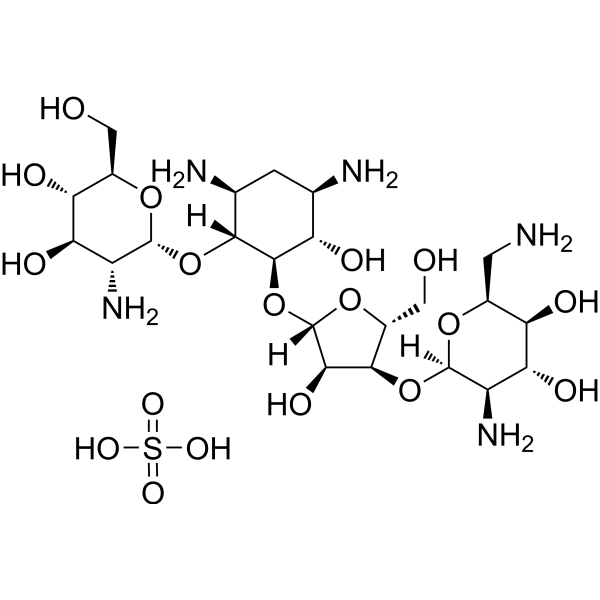 0 ImagesParomomycin (Aminosidine) sulfate, a neomycin (HY-B0470) derivative, is a broad spectrum aminoglycoside antibiotic with amebicidal and bactericidal effects. Paromomycin sulfate prematures termination of translation of mRNA and inhibits protein synthesis by specifically binds to the RNA oligonucleotide at the A site of bacterial 30S ribosomes. Paromomycin sulfate can be used for the research of bacterial and parasitic infections.
-
Cloxiquine
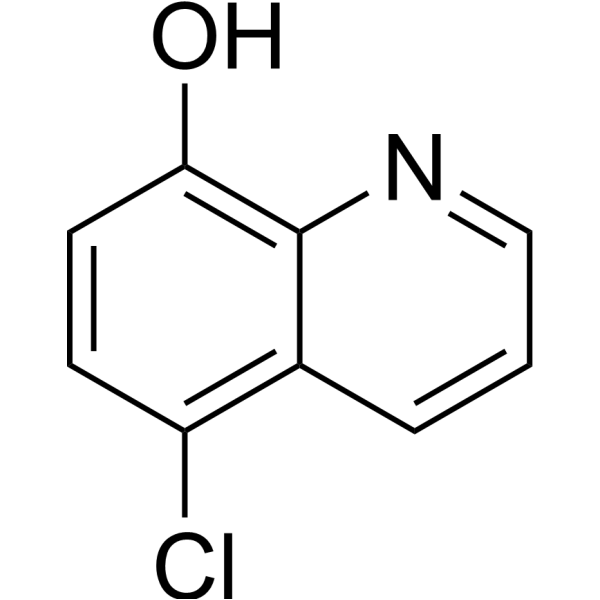 0 ImagesCloxiquine (5-Chloro-8-quinolinol) is an antibacterial, antifungal and antiamoebic agent. Cloxiquine can be used for the research of tuberculosis and dermatoses. Cloxiquine suppresses the growth and metastasis of melanoma cells through activation of PPARγ.
-
Chloroxine
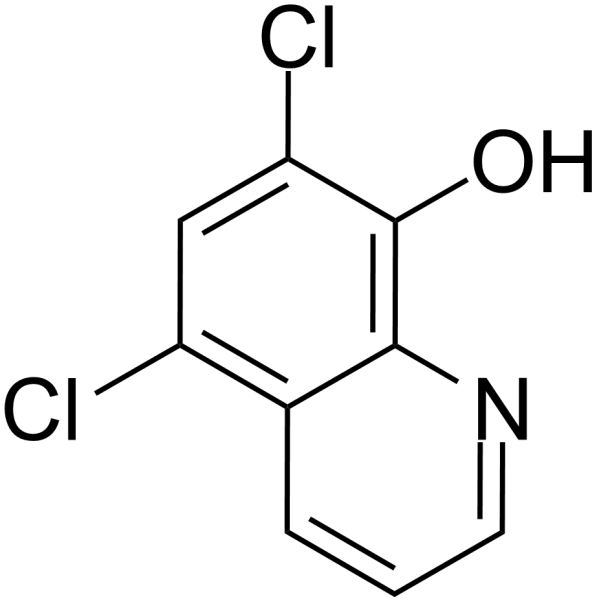 0 ImagesChloroxine is one of the important 8-hydroxyquinoline derivative. Chloroxine has effective antibacterial, antifungal, antiprotozoal and antiamoebic activities, especially used in treating the intestinal amebiasis. Chloroxine is also used in the treatment of dandruff and seborrheic dermatitis of the scalp.
-
Fumagillin
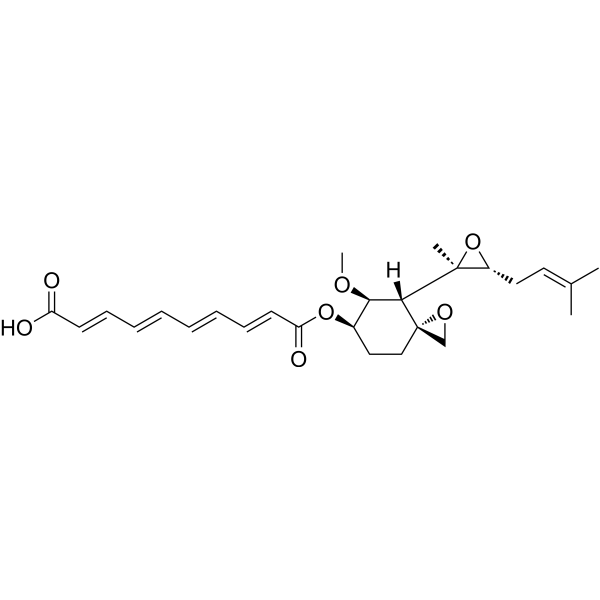 0 ImagesCat. No.: HY-B0751CAS No.: 23110-15-8Synonyms: Amebacilin; NSC9168
-
Secnidazole
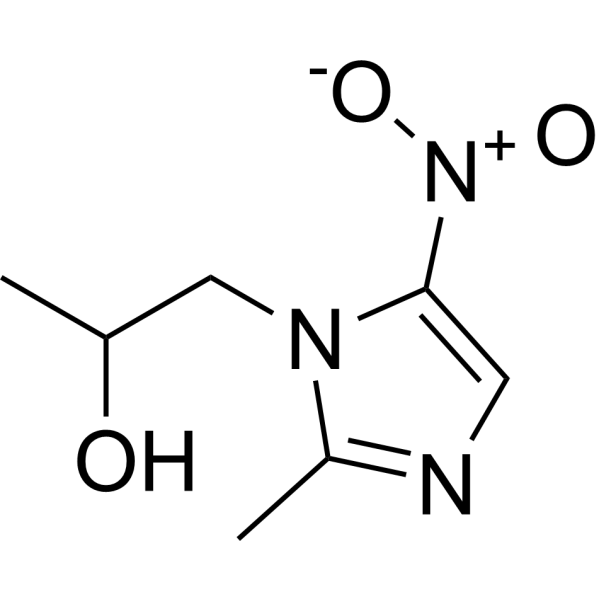 0 ImagesSecnidazole (RP-14539) is an orally active azole antibiotic and a imidazole mitigator of Serratia marcescens virulence. Secnidazole, as an analog of acylhomoserine lactones, effectively inhibits QS resulting in the attenuation of Pseudomonas aeruginosa pathogenesis. Secnidazole has antimicrobial activity against many anaerobic Gram-negative and Gram-positive bacterial species in vitro. Secnidazole can be used for the research of various diseases, such as amoebiasis and giardiasis, and bacterial vaginitis.
-
Diloxanide
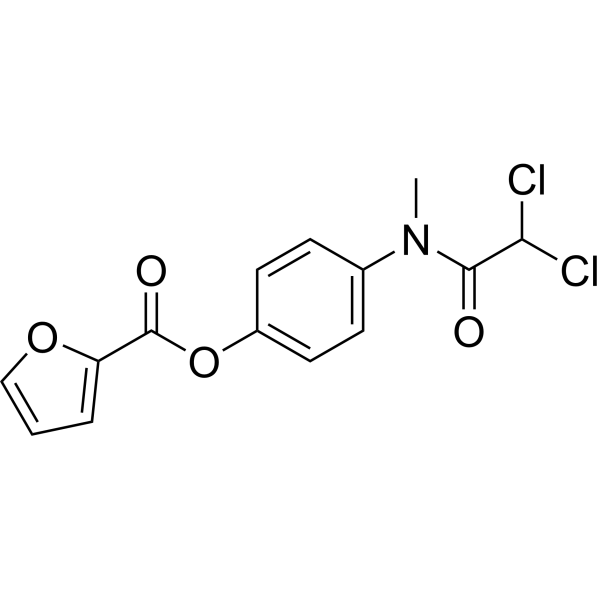
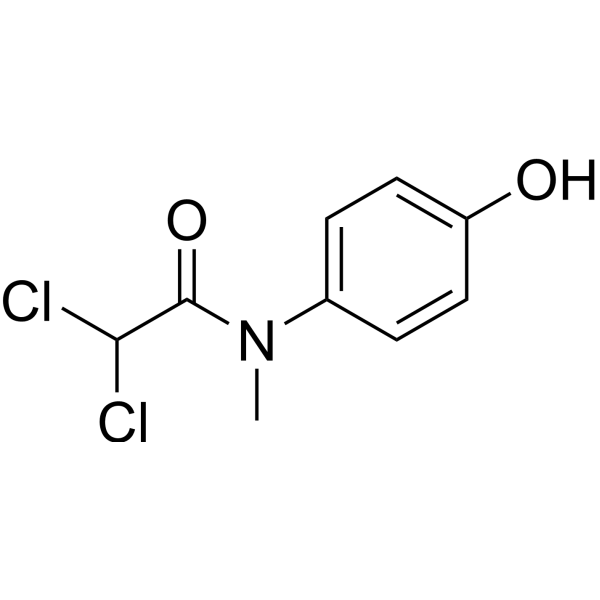 0 ImagesDiloxanide is an anti-protozoal agent and can be used for the research of asymptomatic-intestinal amebiasis caused by Entamoeba histolytica or some other protozoal infections. Diloxanide is an active luminal amebicide and hydrolyzed in the gastrointestinal tract from its proagent Diloxanide furoate (HY-B1147).
-
Quinfamide
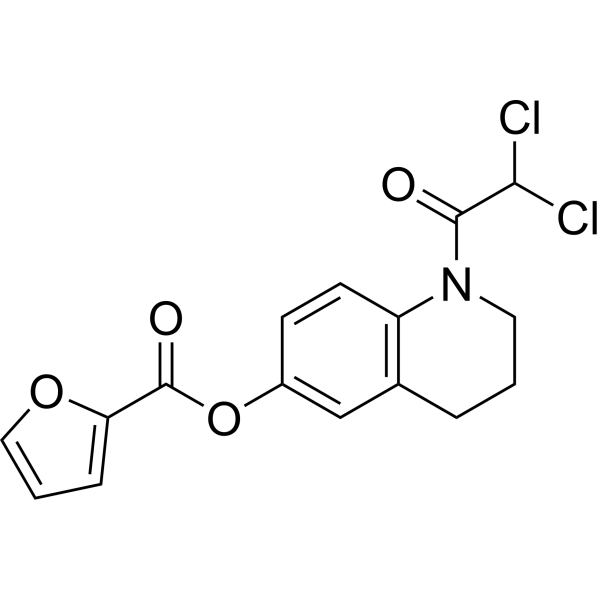 0 ImagesSynonyms: WIN-40014Quinfamide (WIN-40014) is an orally active class of dichloroacetyl derivative with significant anti-intestinal protozoan, particularly mmoeba histolytica activity. Quinfamide exhibits antiamoebic activity under solvent-free conditions with an IC50 of 28.15 μg/mL in a suspension condition. Quinfamide particles are actively engulfed by the amoebas, then cells are affected, and finally, amoebas are killed and lysed, and this process directly relies on the physical intake of the drug particles. Quinfamide can be used in the research of tropical parasitic infections such as amoebiasis and helminthiasis.
-
Tilbroquinol
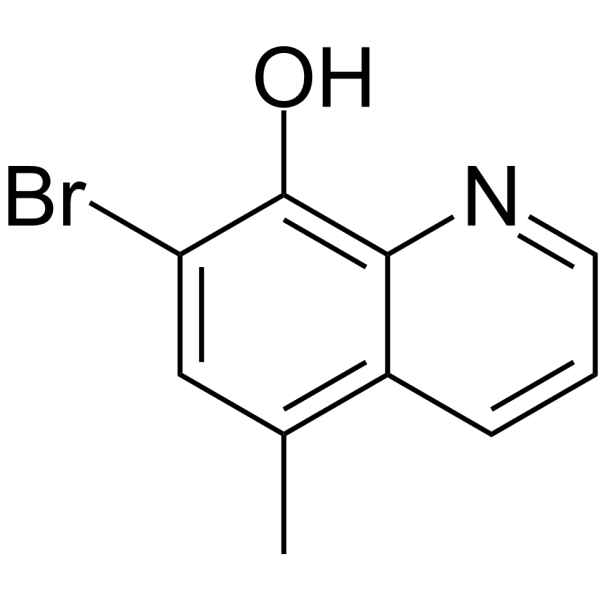 0 ImagesTilbroquinol is an orally active halogenated hydroxyquinoline antiprotozoal agent, mainly used for anti-amoebic infections. Tilbroquinol targets intestinal protozoa and Entamoeba histolytica to eliminate parasites in the intestinal lumen. Tilbroquinol can be used in research related to intestinal infections, intestinal amoebiasis and hepatic amoebiasis.
-
Panidazole
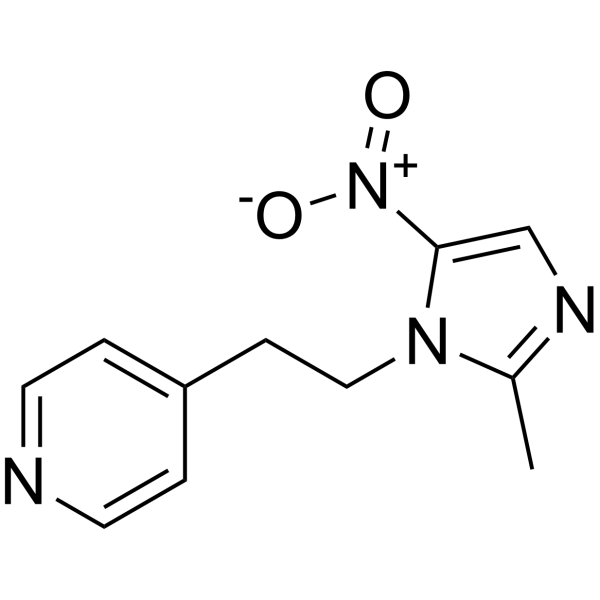 0 ImagesPanidazole is an amoebicide.
-
Secnidazole-d6
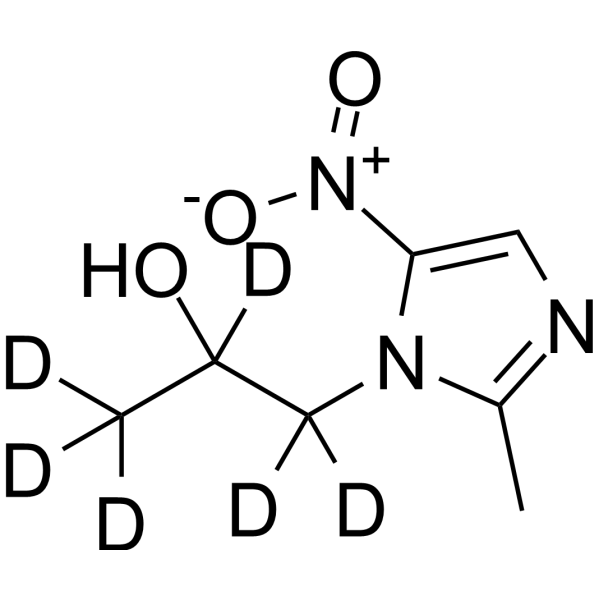 0 ImagesCat. No.: HY-B1118SCAS No.: 1346603-27-7Synonyms: RP-14539-d6; PM-185184-d6Secnidazole-d6 is the deuterium labeled Secnidazole. Secnidazole (RP-14539;PM-185184) is an orally active azole antibiotic with a longer half-life than metronidazole (HY-B0318). Secnidazole is against the vaginosis-associated bacteria and has the potential for bacterial vaginosis research.
-
Secnidazole hemihydrate
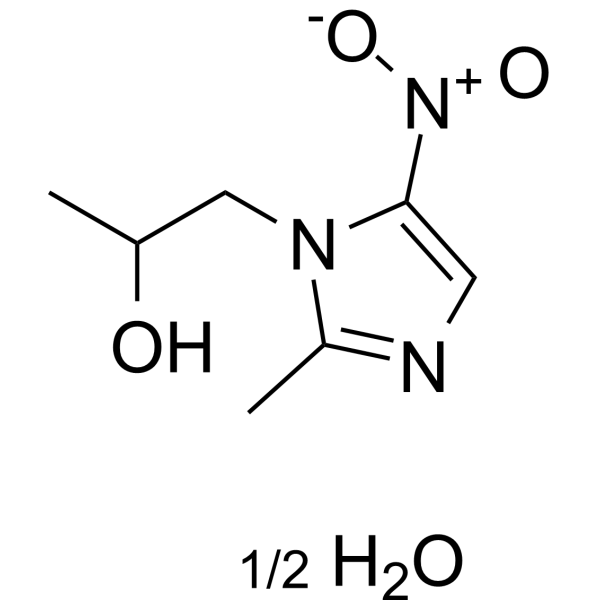 0 ImagesCat. No.: HY-B1118ACAS No.: 227622-73-3Synonyms: RP-14539 hemihydrate; PM-185184 hemihydrateSecnidazole (RP-14539) hemihydrate is an orally active azole antibiotic and a imidazole mitigator of Serratia marcescens virulence. Secnidazole hemihydrate, as an analog of acylhomoserine lactones, effectively inhibits QS resulting in the attenuation of Pseudomonas aeruginosa pathogenesis. Secnidazole hemihydrate has antimicrobial activity against many anaerobic Gram-negative and Gram-positive bacterial species in vitro. Secnidazole hemihydrate can be used for the research of various diseases, such as amoebiasis and giardiasis, and bacterial vaginitis.
-
BC-3205 hydrochloride
 0 ImagesCat. No.: HY-U00029CAS No.: 404577-28-2BC-3205 hydrochloride is an anti-amoeba agent. BC-3205 hydrochloride inhibits N. fowleri.
-
Secnidazole-13C2, 15N2
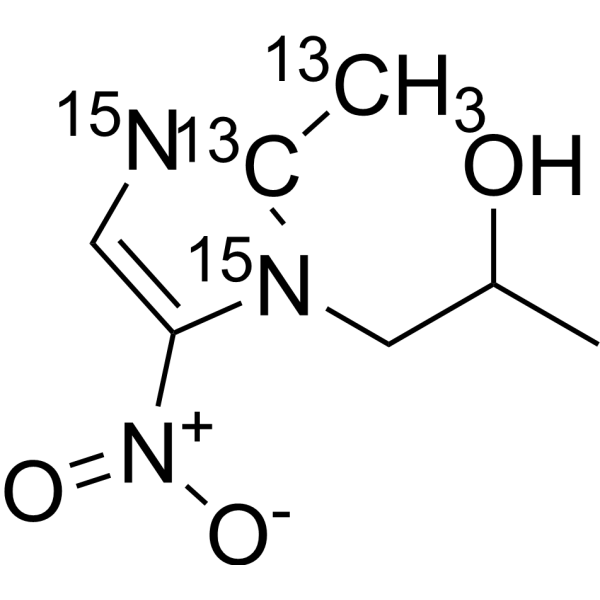 0 ImagesCat. No.: HY-B1118S1Synonyms: RP-14539-13C2, 15N2; PM-185184-13C2, 15N2Secnidazole-13C2, 15N2 is the 13C2, 15N2 labeled Secnidazole. Secnidazole (RP-14539;PM-185184) is an orally active azole antibiotic with a longer half-life than metronidazole (HY-B0318). Secnidazole is against the vaginosis-associated bacteria and has the potential for bacterial vaginosis research.
-
F3226-1387
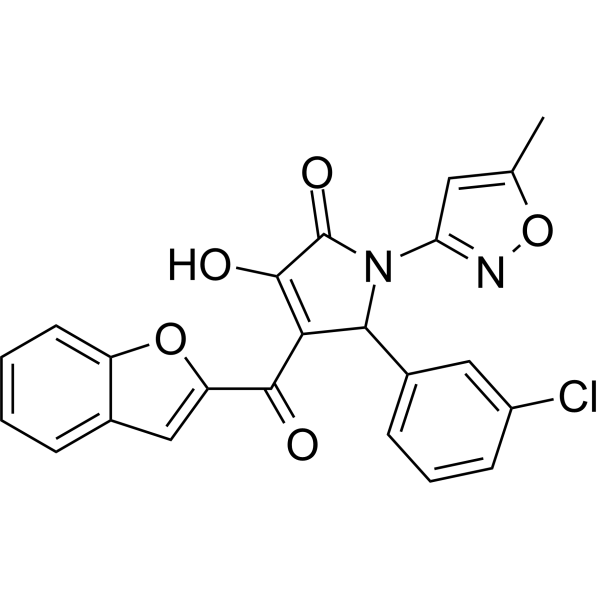 0 ImagesCat. No.: HY-N10471CAS No.: 618877-25-1F3226-1387 is a potent Entamoeba histolytica O-acetylserine sulfhydrylase EhOASS3 inhibitor with an IC50 value of 38 μM. F3226-1387 can suppress the growth of the amoeba.
-
Tirandamycin A
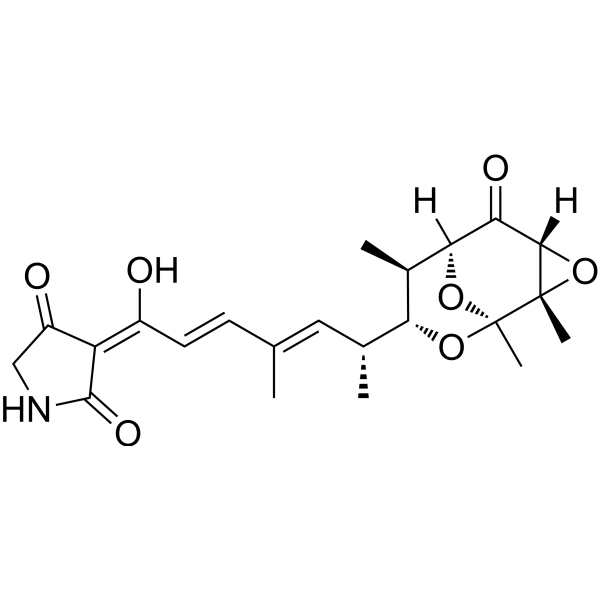 0 ImagesCat. No.: HY-126406CAS No.: 34429-70-4Tirandamycin A, an antibiotic, is a bacterial RNA polymerase inhibitor. Tirandamycin A has antiamoebic and antibacterial properties.
-
Paromomycin
 0 ImagesParomomycin (Aminosidine) is an orally active broad-spectrum aminoglycoside aminocyclitol. Paromomycin is produced by Streptomyces riomosus var. Paromomycinus. Paromomycin binding induces local conformational changes in the 16S rRNA A-site. Paromomycin exhibits inhibitory activity against C. parvum. Paromomycin can be used in research related to leishmaniasis, amoebiasis and cryptosporidiosis.
- 1



