



Aminoglycoside
Aminoglycosides are broad-spectrum antibacterial compounds whose major target is the bacterial ribosome, where treatment decreases protein synthesis by repressing initiation and elongation[1]. Mechanistically, aminoglycosides bind determinants in the 16S rRNA A site and ribosomal proteins, causing messenger RNA decoding errors, blocking mRNA-tRNA translocation, and inhibiting ribosome recycling[1][2]. In Escherichia coli 70S ribosome structures, aminoglycoside binding to helix H69 restored intersubunit contacts disrupted by ribosome recycling factor, providing a structural basis for recycling inhibition[2]. Disease relevance centers on serious bacterial infections, where aminoglycosides remain medically important, but resistance limits experimental and clinical utility[3][4]. Compared with related antibacterial classes, aminoglycosides show target-specific resistance through aminoglycoside-modifying enzymes, altered transport, ribosomal mutation, and 16S rRNA methylation[1][4][5]. Compared with streptomycin, 16S rRNA methylation confers high-level resistance to clinically available systemic aminoglycosides except streptomycin, distinguishing isoform-like class behavior within aminoglycoside agents[5]. For experimental applications, kanamycin derivatives modified by resistance enzymes showed diminished binding to bacterial 16S rRNA A-site RNA, linking chemical modification, target affinity, and antibacterial loss[6].
References:
- [1]. David D. Boehr, et al. Aminoglycoside Resistance Mechanisms. 30 August 2005.
- [2]. Borovinskaya MA, et al. Structural basis for aminoglycoside inhibition of bacterial ribosome recycling. Nat Struct Mol Biol. 2007 Aug;14(8):727-32. [Content Brief]
- [3]. Davies J, et al. Bacterial resistance to aminoglycoside antibiotics. Trends Microbiol. 1997 Jun;5(6):234-40. [Content Brief]
- [4]. Shakil S, et al. Aminoglycosides versus bacteria--a description of the action, resistance mechanism, and nosocomial battleground. J Biomed Sci. 2008 Jan;15(1):5-14. [Content Brief]
- [5]. Doi Y, et al. 16S ribosomal RNA methylation: emerging resistance mechanism against aminoglycosides. Clin Infect Dis. 2007 Jul 1;45(1):88-94. [Content Brief]
- [6]. Llano-Sotelo B, et al. Aminoglycosides modified by resistance enzymes display diminished binding to the bacterial ribosomal aminoacyl-tRNA site. Chem Biol. 2002 Apr;9(4):455-63. [Content Brief]
-
Aminoglycoside Related Products (46)
Related Products (46)

-
G-418 disulfate
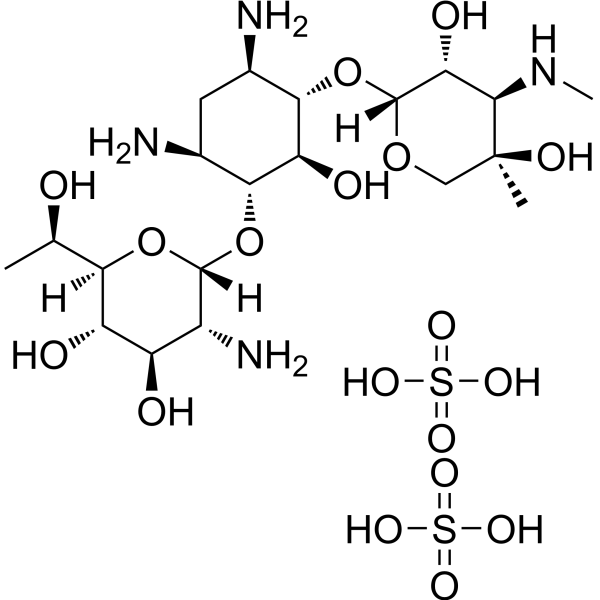 0 ImagesSynonyms: Geneticin sulfate; Antibiotic G-418 sulfateG-418 disulfate (Geneticin sulfate), is an aminoglycoside antibiotic, inhibits protein synthesis in eukaryotes and prokaryotes. G-418 disulfate is commonly used as a selective agent for eukaryotic cells.
-
Puromycin dihydrochloride
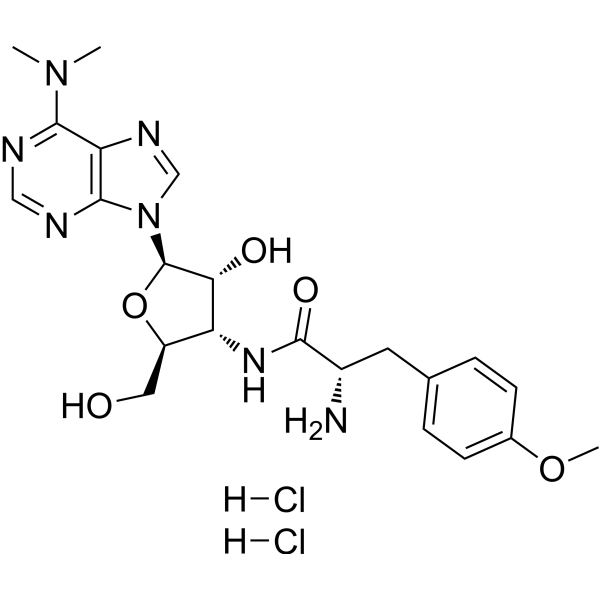 0 ImagesPuromycin dihydrochloride (CL13900 dihydrochloride), an aminonucleoside antibiotic, inhibits protein synthesis.
-
Hygromycin B
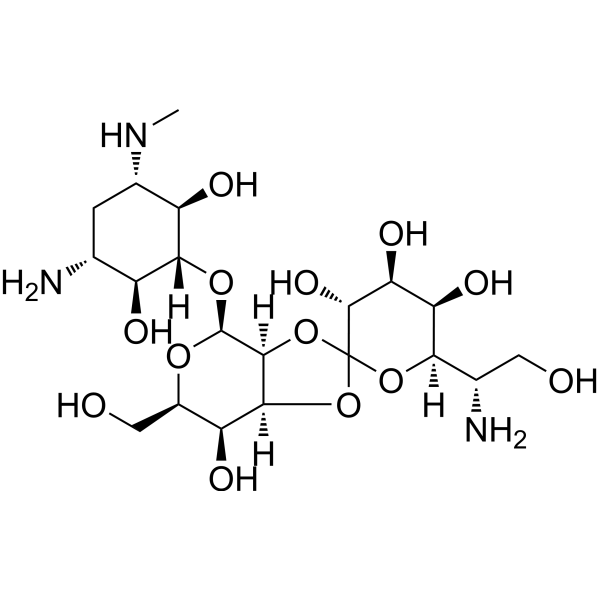 0 ImagesSynonyms: HygrovetineHygromycin B is an aminoglycoside antibiotic active against prokaryotic and eukaryotic cells.
-
Neomycin sulfate
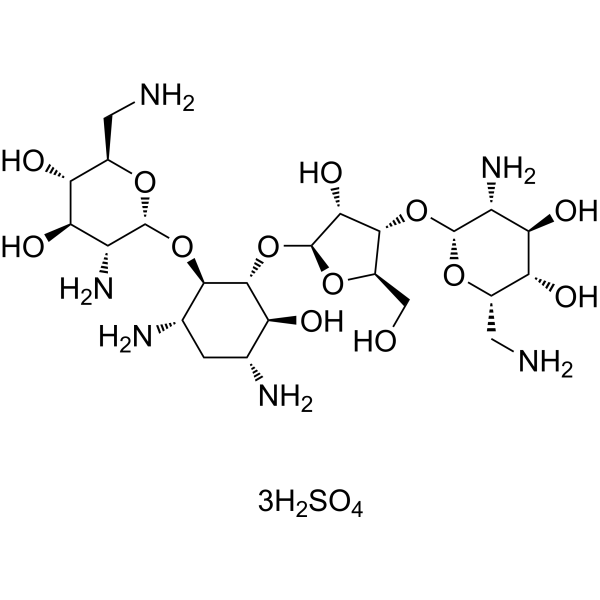 0 ImagesNeomycin sulfate, an aminoglycoside antibiotic, exerts antibacterial activity through irreversible binding of the nuclear 30S ribosomal subunit, thereby blocking bacterial protein synthesis. Neomycin sulfate is a known phospholipase C (PLC) inhibitor. Neomycin sulfate potently inhibits both the nuclear translocation of angiogenin and angiogenin-induced cell proliferation and angiogenesis. Neomycin sulfate inhibits IP3-mediated Ca2+ release, MgATP-dependent Ca2+ uptake, and electrical excitation-evoked skeletal muscle Ca2+ transients. Neomycin sulfate depletes gut microbiota in specific mouse models, causes hearing impairment, and kidney damage with prolonged exposure. Neomycin sulfate can be used for the research of cancer.
-
Puromycin
 0 ImagesPuromycin dihydrochloride is the dihydrochloride salt of puromycin. Puromycin is an aminoglycoside antibiotic that inhibits protein synthesis.
-
Kanamycin
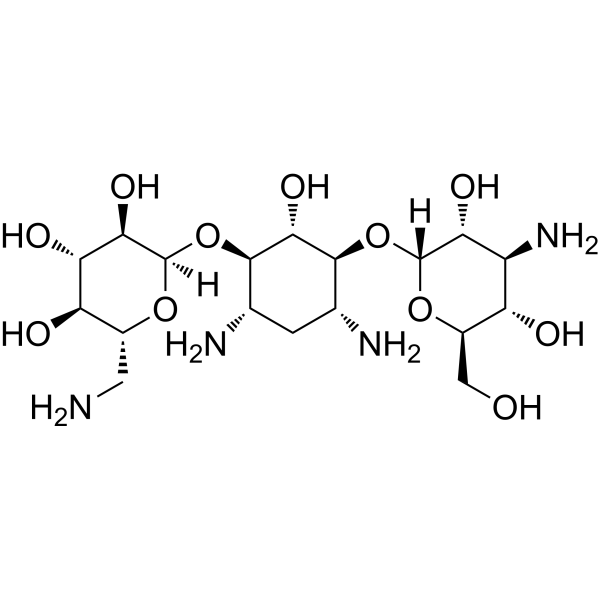 0 ImagesKanamycin (Kanamycin A) is an orally active antibacterial (gram-negative/positive bacteria) agent, inhibits translocation and causes misencoding by binding to the 70 S ribosomal subunit. Kanamycin shows good inhibitory activity to both M. tuberculosis (sensitive and drug-resistant ) and K. pneumonia, which can be used in studies of tuberculosis and pneumonia.
-
Amikacin sulfate
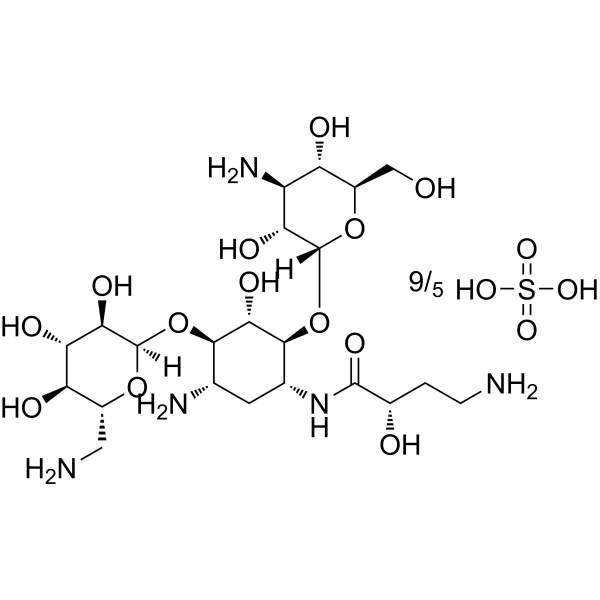 0 ImagesSynonyms: BAY 41-6551 sulfateAmikacin sulfate (BAY 41-6551 sulfate) is an aminoglycoside antibiotic and a semisynthetic analog of kanamycin. Amikacin sulfate is bactericidal, acting directly on the 30S and 50S bacerial ribosomal subunits to inhibit protein synthesis. Amikacin sulfate is very active against most Gram-negative bacteria including gentamicin- and tobramycin-resistant strains. Amikacin sulfate also inhibits the infections caused by susceptible Nocardia and nontuberculous mycobacteria.
-
Spectinomycin
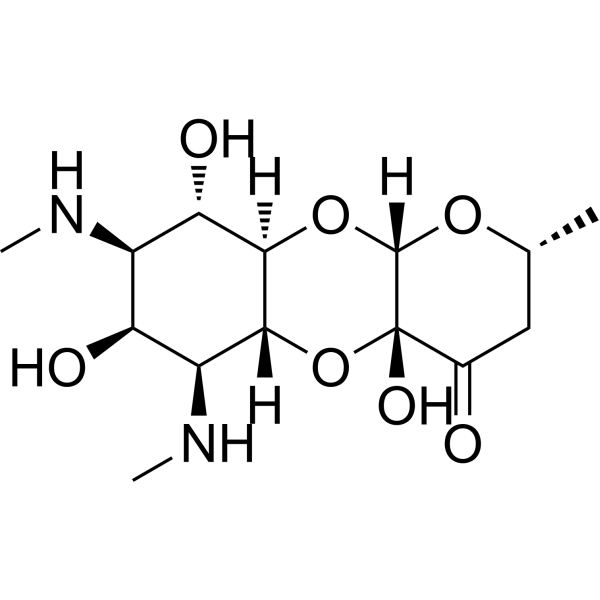 0 ImagesSpectinomycin is a broad-spectrum antibiotic and inhibits the growth of a variety of gram-positive and gram-negative organisms. Spectinomycin acts by selectively targeting to the bacterial ribosome and interrupting protein synthesis. Spectinomycin is also a noncompetitive inhibitor of td intron RNA.
-
Gentamicin sulfate
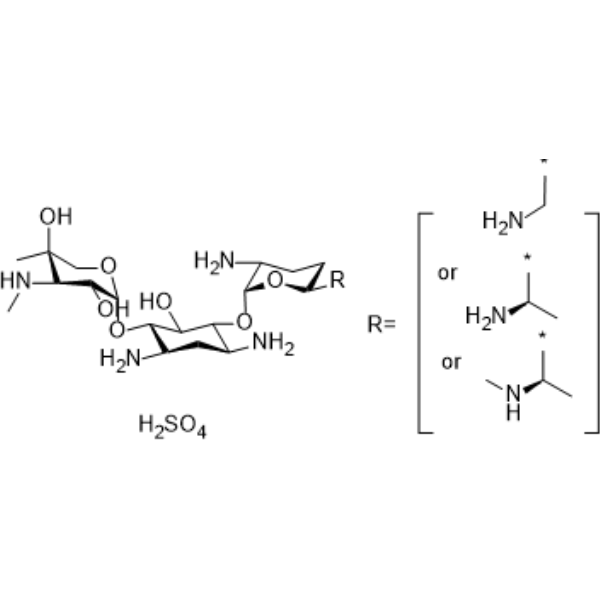 0 ImagesGentamicin sulfate, an aminoglycoside antibiotic, inhibits the growth of both gram-positive and gram-negative bacteria and to inhibit several strains of mycoplasma in tissue culture. Gentamicin sulfate inhibits DNase I with an IC50 of 0.57 mM.
-
Streptomycin
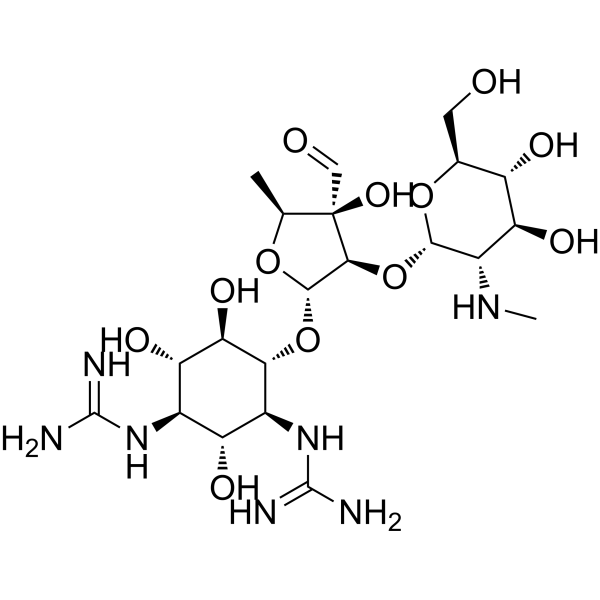 0 ImagesStreptomycin (Agrept) is an effective antibiotic against M. tuberculosis, is used for the research of tuberculosis (TB). Streptomycin also is a bacteriocidal agent that can be used for the research of a number of bacterial infections. Streptomycin can bind strongly to nucleic acids, interferes and blocks protein synthesis while permitting continued RNA and DNA synthesis. Streptomycin, as a common antibiotic used in culture media, also is a blocker of stretch-activated and mechanosensitive ion channels in neurons and cardiac myocytes .
-
Amikacin
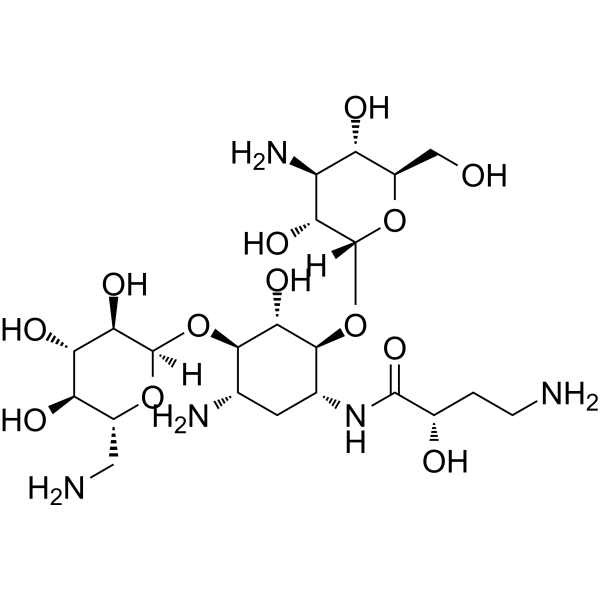 0 ImagesSynonyms: BAY 41-6551Amikacin (BAY 41-6551) is a semisynthetic kanamycin analog that is active against most Gram-negative bacteria, including gentamicin- and tobramycin-resistant strains. Significant inhibitory effect. Amikacin is ototoxic and nephrotoxic. Amikacin can be used in bacteriostatic, anti-cancer and analgesic studies.
-
Gentamicin
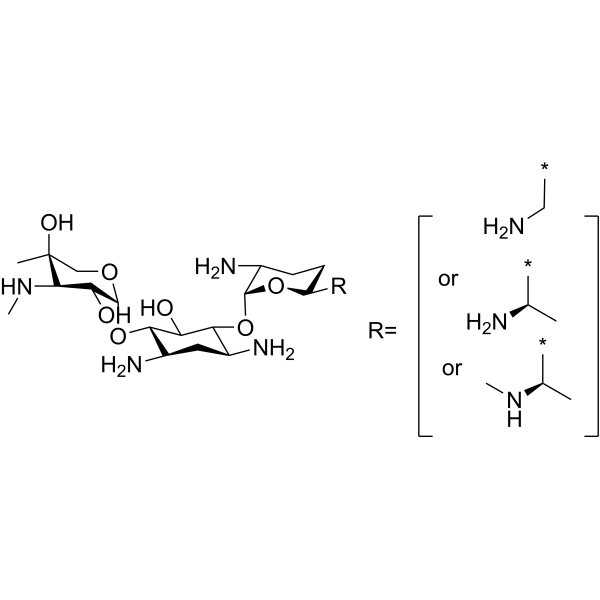 0 ImagesGentamicin, an aminoglycoside antibiotic, inhibits the growth of both gram-positive and gram-negative bacteria and to inhibit several strains of mycoplasma in tissue culture. Gentamicin inhibits DNase I with an IC50 of 0.57 mM.
-
Apramycin sulfate
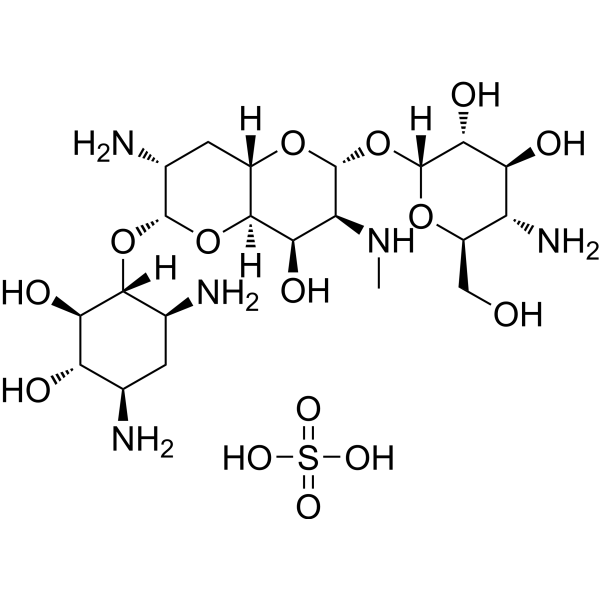 0 ImagesSynonyms: Nebramycin II sulfateApramycin (EBL 1003) sulfate is an orally active, acidic pH tolerant and aminoglycoside-modifying-enzymes-tolerant aminoglycoside antibiotic which inhibits protein biosynthesis by targeting the bacterial ribosome. Apramycin sulfate is a potential anti-drug-resistance antibiotic.
-
Streptomycin sulfate
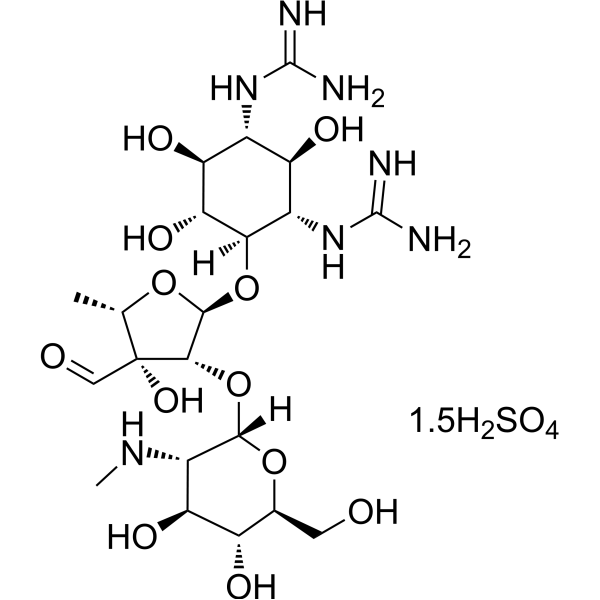 0 ImagesStreptomycin sulfate is an aminoglycoside antibiotic, that inhibits protein synthesis.
-
G-418
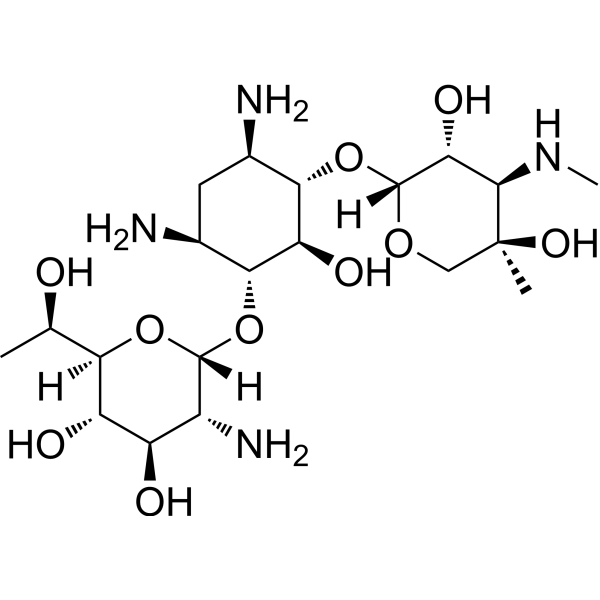 0 ImagesSynonyms: Geneticin; Antibiotic G-418G-418 (Geneticin) is an aminoglycoside antibiotic with a structure similar to gentamicin. It is toxic to both eukaryotic and prokaryotic cells and works by interfering with protein synthesis.
-
Tobramycin
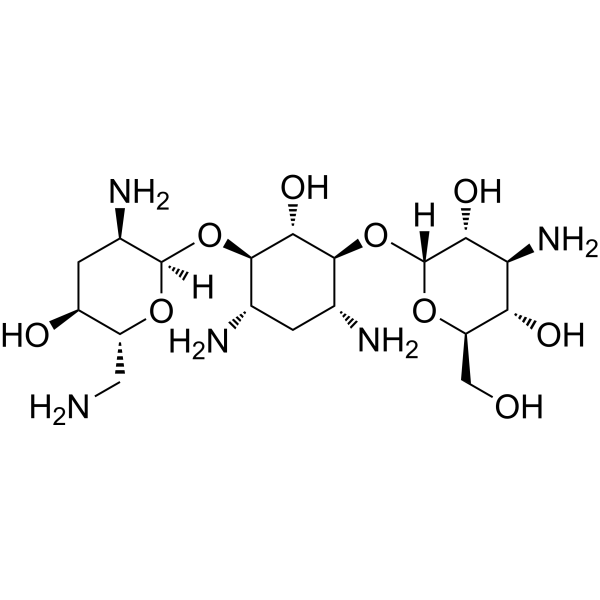 0 ImagesSynonyms: Nebramycin Factor 6; Deoxykanamycin BTobramycin (Nebramycin Factor 6) is a parenterally administered, broad spectrum aminoglycoside antibiotic that is widely used in the treatment of moderate to severe bacterial infections due to sensitive organisms.Tobramycin can be used to pneumonia research caused by Pseudomonas aeruginosa.
-
Bekanamycin
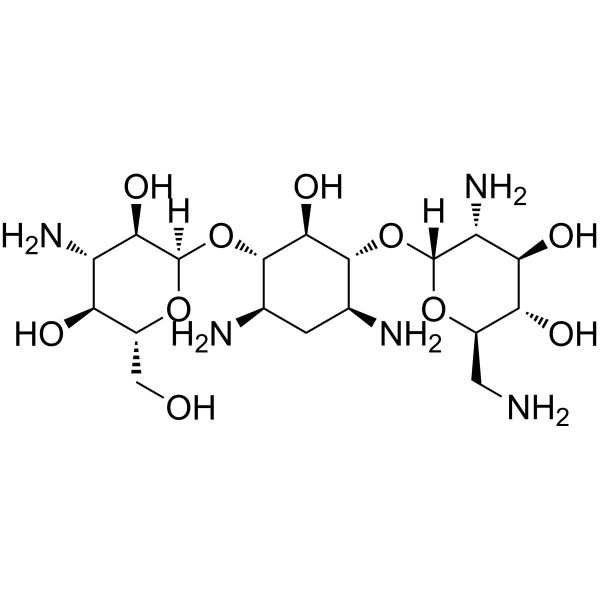 0 ImagesBekanamycin (Kanamycin B) is an aminoglycoside antibiotic produced by Streptomyces kanamyceticus, against an array of Gram-positive and Gram-negative bacterial strain.
-
Paromomycin sulfate
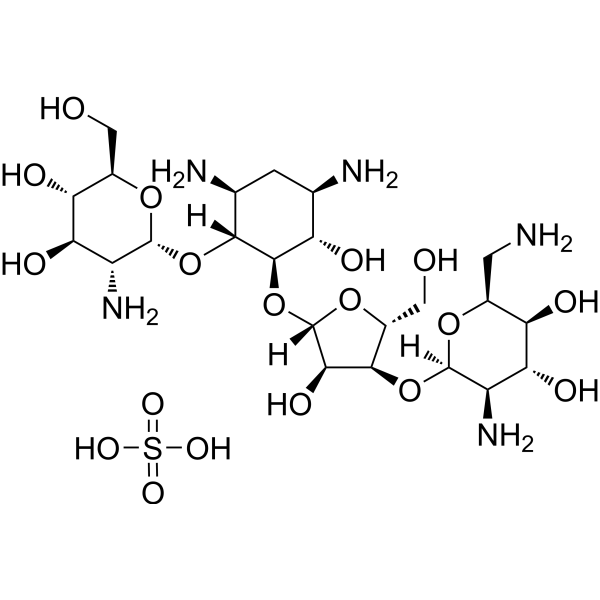 0 ImagesParomomycin (Aminosidine) sulfate, a neomycin (HY-B0470) derivative, is a broad spectrum aminoglycoside antibiotic with amebicidal and bactericidal effects. Paromomycin sulfate prematures termination of translation of mRNA and inhibits protein synthesis by specifically binds to the RNA oligonucleotide at the A site of bacterial 30S ribosomes. Paromomycin sulfate can be used for the research of bacterial and parasitic infections.
-
Netilmicin sulfate
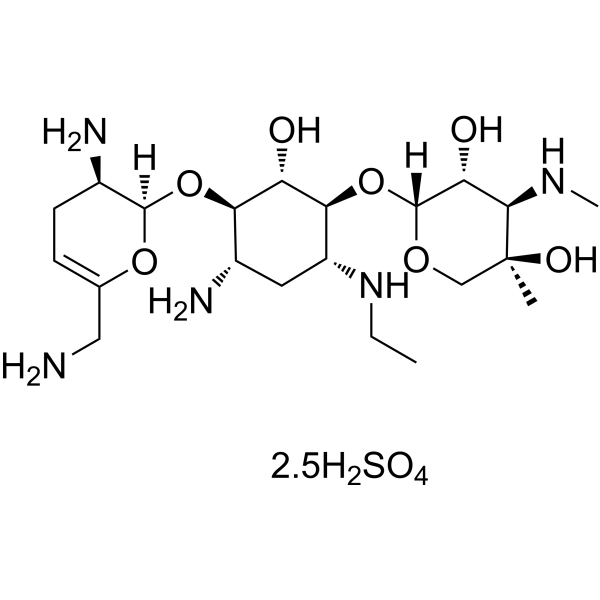 0 ImagesSynonyms: SCH-20569 sulfateNetilmicin (Sch 20569) sulfate is a broad-spectrum semisynthetic aminoglycoside antibiotic. Netilmicin sulfate exhibits antibacterial activity against aminoglycoside-susceptible gram-negative strains and aminoglycoside-resistant strain, such as Escherichia coli, Pseudomonas aeruginosa, Proteus, Staphylococcus aureus, Streptococcus, Serratia, and Enterobacter, with MIC of 0.125-8 μg/mL.
-
Framycetin
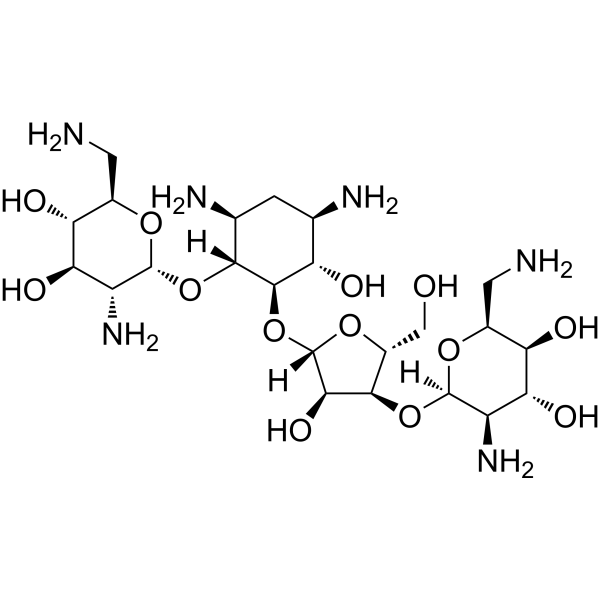 0 ImagesFramycetin (Neomycin B), an aminoglycoside antibiotic, is a potent RNase P cleavage activity inhibitor with a Ki of 35 μM. Framycetin competes for specific divalent metal ion binding sites in RNase P RNA. Framycetin inhibits hammerhead ribozyme with a Ki of 13.5 μM. Framycetin, a 5″-azido neomycin B precursor, binds the Drosha site in miR-525 and is used for hepatic encephalopathy and enteropathogenic E. coli infections.



