



Quinolone
Quinolones are synthetic antibacterial agents that exert bactericidal activity by targeting the bacterial type II topoisomerases DNA gyrase and topoisomerase IV, two enzymes essential for DNA replication, chromosome segregation, and maintenance of DNA topology[1][2]. Mechanistically, quinolones stabilize enzyme-DNA cleavage complexes and block DNA strand passage catalysis, thereby arresting DNA replication and generating DNA damage that contributes to bacterial cell death[1][3]. The key biological process affected by quinolone exposure is bacterial DNA metabolism, including DNA replication, supercoiling control, and chromosome decatenation, which are coordinated by DNA gyrase and topoisomerase IV during cell division[2][4]. In bacterial infection models and clinical antimicrobial therapy, inhibition of these enzymes underlies the broad-spectrum activity of quinolone antibiotics against diverse Gram-negative and Gram-positive pathogens[1][5]. Compared with the related isoform DNA gyrase, topoisomerase IV primarily mediates chromosome decatenation, and the relative contribution of each target to quinolone susceptibility varies among bacterial species[2][5][6]. This distinction is particularly important because quinolones can display different target preferences, with DNA gyrase often representing the primary target in many Gram-negative bacteria and topoisomerase IV frequently contributing more substantially in Gram-positive organisms[5][6]. For experimental applications, quinolones remain widely used chemical probes for investigating bacterial chromosome dynamics, topoisomerase function, and mechanisms of antimicrobial resistance[1][3]. Resistance commonly arises through mutations affecting DNA gyrase or topoisomerase IV and through mechanisms that reduce intracellular drug accumulation, making quinolone-topoisomerase interactions a continuing focus of antibacterial drug discovery and resistance research[1][7][8].
References:
- [1]. Hooper DC, et al. Topoisomerase Inhibitors: Fluoroquinolone Mechanisms of Action and Resistance. Cold Spring Harb Perspect Med. 2016 Sep 1;6(9):a025320. [Content Brief]
- [2]. Drlica K, et al. DNA gyrase, topoisomerase IV, and the 4-quinolones. Microbiol Mol Biol Rev. 1997 Sep;61(3):377-92. [Content Brief]
- [3]. Bush NG, et al. Quinolones: Mechanism, Lethality and Their Contributions to Antibiotic Resistance. Molecules. 2020 Dec 1;25(23):5662.
- [4]. Pan XS, et al. DNA gyrase and topoisomerase IV are dual targets of clinafloxacin action in Streptococcus pneumoniae. Antimicrob Agents Chemother. 1998 Nov;42(11):2810-6.
- [5]. Hooper DC. Mechanisms of action and resistance of older and newer fluoroquinolones. Clin Infect Dis. 2000 Aug;31 Suppl 2:S24-8.
- [6]. Tanaka M, et al. Inhibitory activities of quinolones against DNA gyrase and topoisomerase IV purified from Staphylococcus aureus. Antimicrob Agents Chemother. 1997 Nov;41(11):2362-6. [Content Brief]
- [7]. Weigel LM, et al. DNA gyrase and topoisomerase IV mutations associated with fluoroquinolone resistance in Proteus mirabilis. Antimicrob Agents Chemother. 2002 Aug;46(8):2582-7. [Content Brief]
- [8]. Spencer AC, et al. DNA Gyrase as a Target for Quinolones. Biomedicines. 2023 Jan 27;11(2):371. [Content Brief]
-
Quinolone Related Products (101)
Related Products (101)

-
Ciprofloxacin
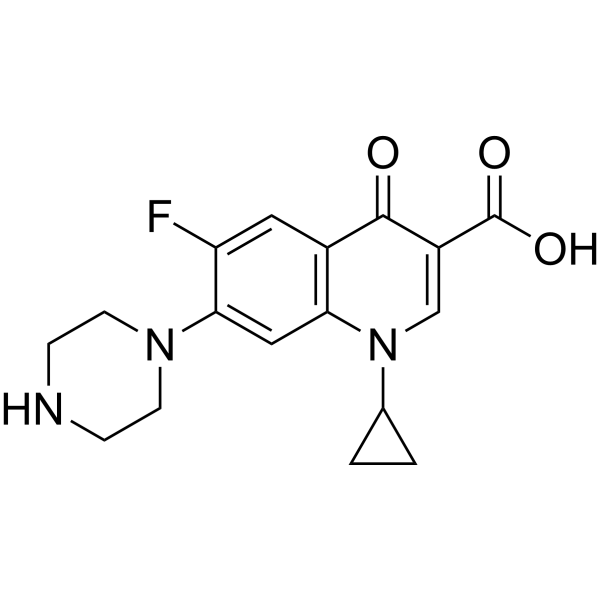 0 ImagesSynonyms: Bay-09867Ciprofloxacin (Bay-09867) is a potent, orally active topoisomerase IV inhibitor. Ciprofloxacin induces mitochondrial DNA and nuclear DNA damage and lead to mitochondrial dysfunction, ROS production. Ciprofloxacin has anti-proliferative activity and induces apoptosis. Ciprofloxacin is a fluoroquinolone antibiotic, exhibiting potent antibacterial activity.
-
Levofloxacin
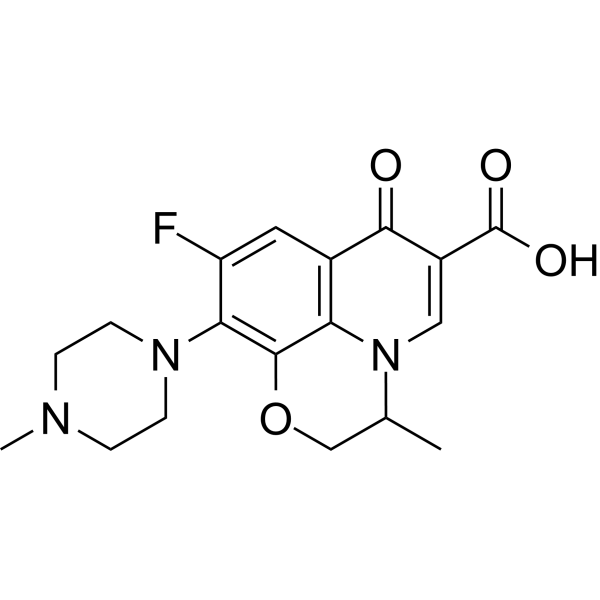
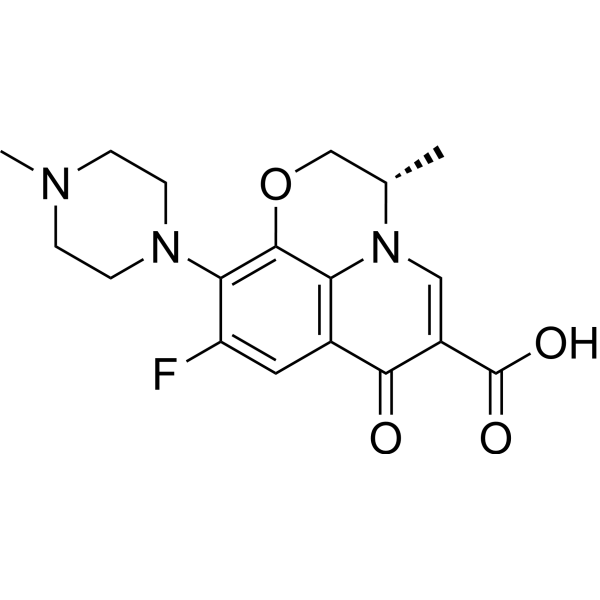 0 ImagesSynonyms: (-)-OfloxacinLevofloxacin ((-)-Ofloxacin) is an orally active antibiotic and is active against both Gram-positive and Gram-negative bacteria. Levofloxacin inhibits the DNA gyrase and topoisomerase IV. Levofloxacin can be used for chronic periodontitis, airway inflammation and BK Viremia research. Levofloxacin shows anti-orthopoxvirus activity.
-
Clofazimine
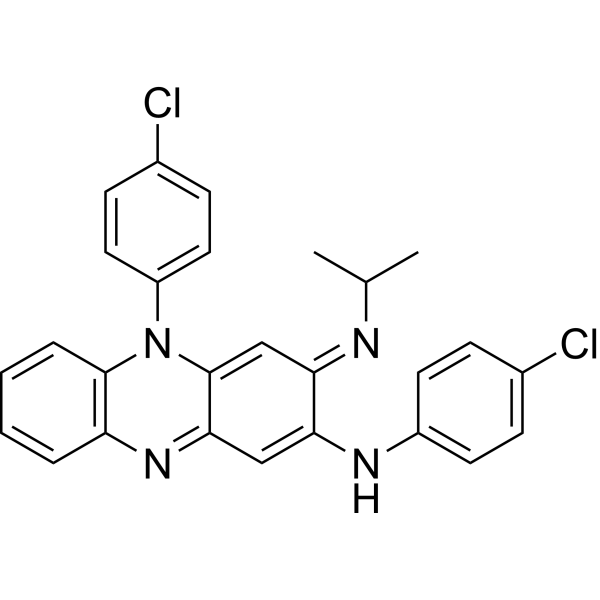 0 ImagesClofazimine is an orally-active anti-mycobacterial agent with a wide range of anti-mycobacterial activity including leprosy and tuberculosis. Clofazimine exerts anti-inflammatory activities and anti-tumor activities by interfering DNA replication and inhibiting IL2 (IC50 = 1.10 ± 0.26 μM, Jurkat T) production. Clofazimine can be used in mycobacterial and cancer research.
-
Moxifloxacin
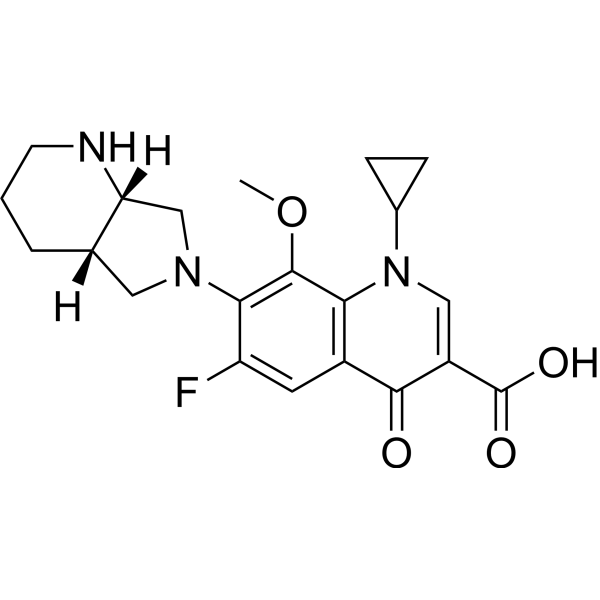 0 ImagesSynonyms: BAY 12-8039 free baseMoxifloxacin is an orally active 8-methoxyquinolone antimicrobial for use in the treatment of acute bacterial sinusitis, acute bacterial exacerbations of chronic bronchitis, and community-acquired pneumonia.
-
Ciprofloxacin monohydrochloride
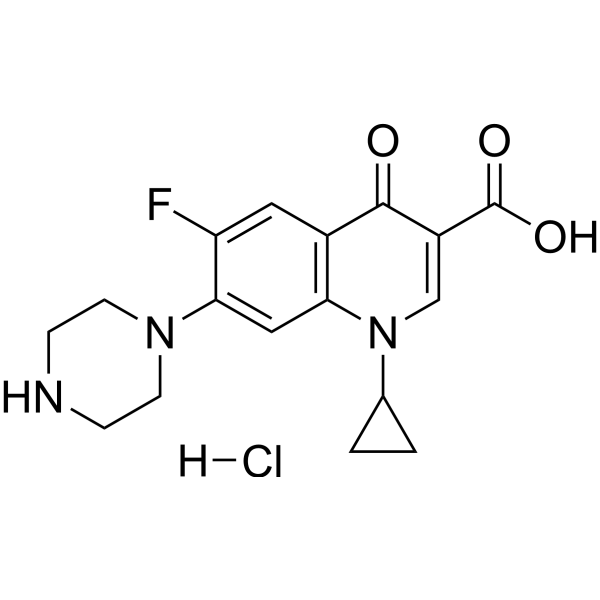 0 ImagesSynonyms: Bay-09867 monohydrochlorideCiprofloxacin (Bay-09867) monohydrochloride is an orally active, blood-brain barrier permeable fluoroquinolone antibacterial agent. Ciprofloxacin monohydrochloride exerts bactericidal effects primarily by inhibiting topoisomerase II and IV. Ciprofloxacin monohydrochloride inhibits the proliferation of human dental pulp stem cells and chondrocytes from young rats, and also activates the Akt signaling pathway and upregulates markers such as β-catenin and Nanog to maintain the morphological characteristics of stem cells. Ciprofloxacin monohydrochloride induces significant neurotoxicity and tissue damage, including reducing serotonin and glutathione levels in the brain, inducing oxidative stress and depression-like behaviors, and causing articular cartilage damage. Ciprofloxacin monohydrochloride can be applied to research related to infections of necrotic young permanent teeth and neurotoxicity.
-
Finafloxacin
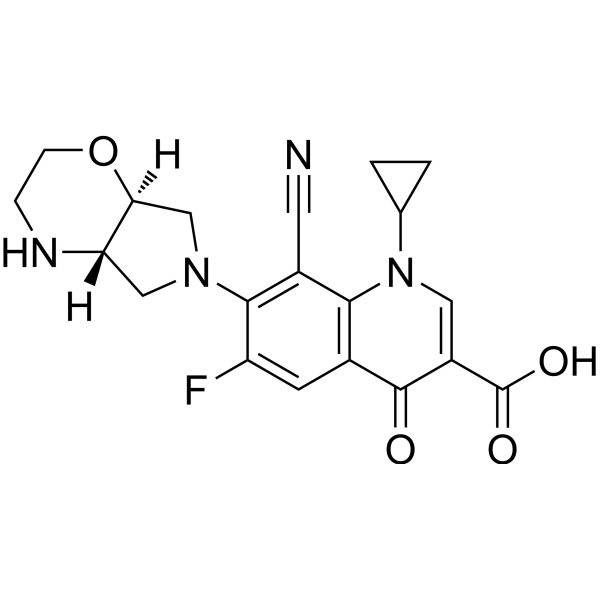 0 ImagesFinafloxacin is an orally active fourth-generation fluoroquinolone broad-spectrum antibiotic. Finafloxacin exhibits stronger antibacterial activity in acidic pH environments and is not easily affected by bacterial multidrug efflux transporters. Finafloxacin is effective against a variety of extracellular pathogenic bacteria, and can also accumulate in macrophages, showing excellent antibacterial activity against intracellular Staphylococcus aureus, Listeria monocytogenes, Legionella pneumophila, Burkholderia pseudomallei, and other pathogens. Finafloxacin has been approved by the U.S. FDA for research on acute otitis externa mediated by Pseudomonas aeruginosa. Finafloxacin is also used in studies related to diseases such as melioidosis, inhalational tularemia, and inhalational plague.
-
Ibafloxacine
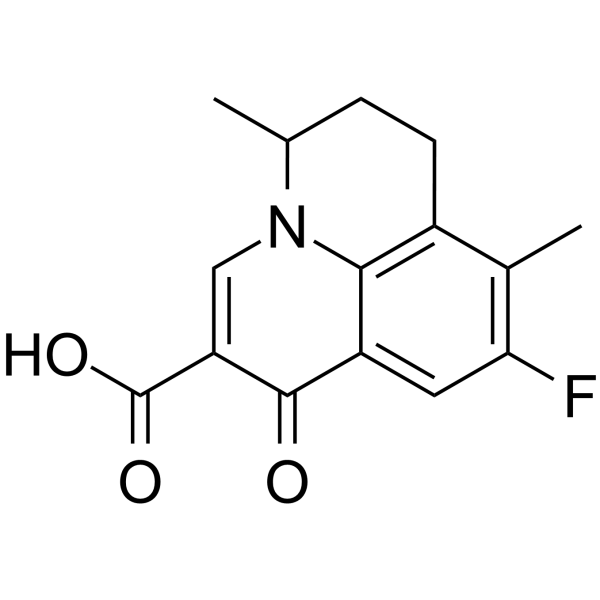 0 ImagesCat. No.: HY-U00214CAS No.: 91618-36-9Synonyms: S25930Ibafloxacine (S25930) is a fluoroquinolone antibiotic agent that is developed exclusively for veterinary use.
-
Trovafloxacin
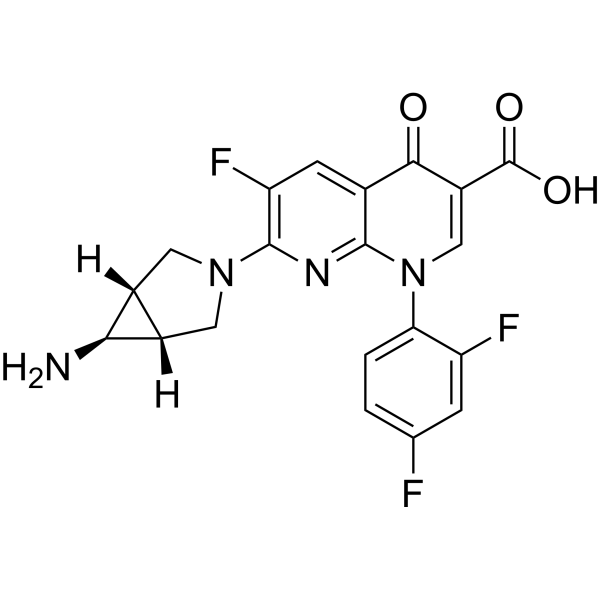 0 ImagesTrovafloxacin is a broad-spectrum quinolone antibiotic with potent activity against Gram-positive, Gram-negative and anaerobic organisms. Trovafloxacin blocks the DNA gyrase and topoisomerase IV activity. Trovafloxacin is also a potent, selective and orally active pannexin 1 channel (PANX1) inhibitor with an IC50 of 4 μM for PANX1 inward current. Trovafloxacin does not inhibit connexin 43 gap junction or PANX2. Trovafloxacin leads to dysregulated fragmentation of apoptotic cells by inhibiting PANX1.
-
Enrofloxacin
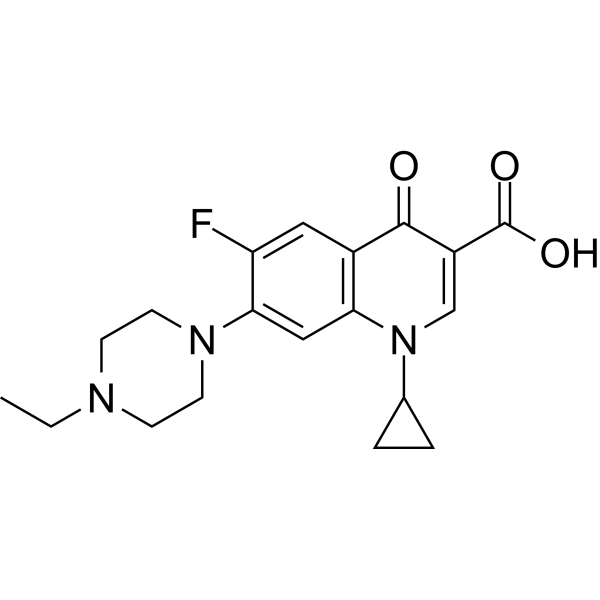 0 ImagesSynonyms: BAY Vp 2674; PD160788Enrofloxacin (BAY Vp 2674) is an effective antibiotic with an MIC90 of 0.312 μg/mL for Mycoplasma bovis.
-
Nalidixic acid
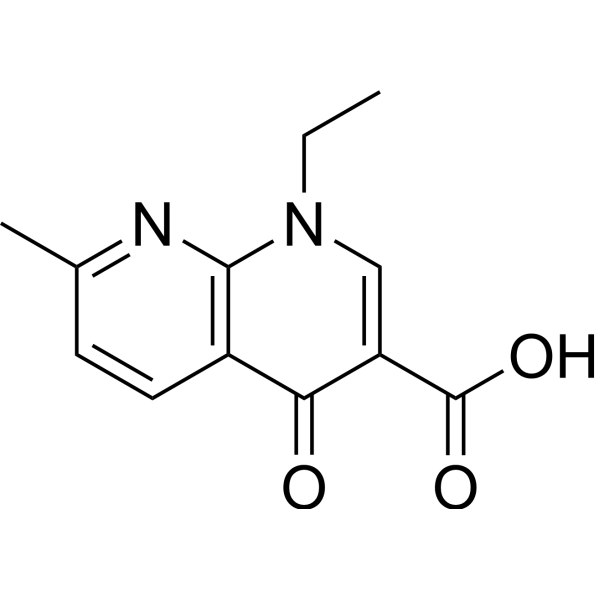 0 ImagesNalidixic acid, a quinolone antibiotic, is effective against both gram-positive and gram-negative bacteria. Nalidixic acid acts in a bacteriostatic manner in lower concentrations and is bactericidal in higher concentrations. Nalidixic acid inhibits a subunit of DNA gyrase and topoisomerase IV and reversibly blocks DNA replication in susceptible bacteria.
-
Moxifloxacin Hydrochloride
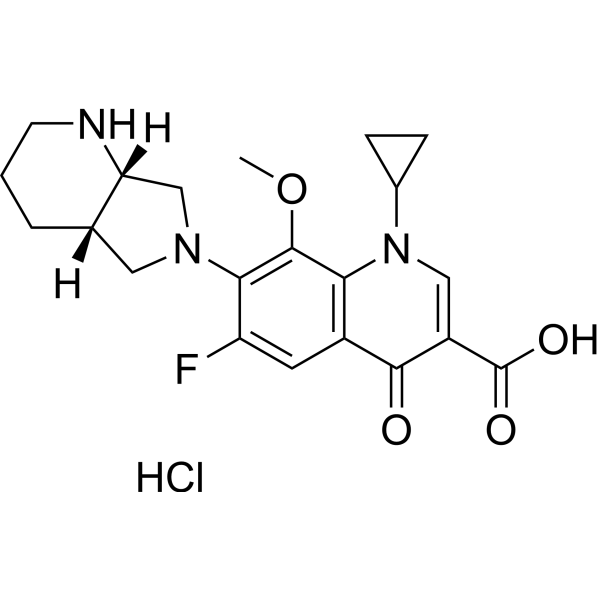 0 ImagesSynonyms: BAY 12-8039Moxifloxacin Hydrochloride (BAY 12-8039) is an oral 8-methoxyquinolone antimicrobial for use in the treatment of acute bacterial sinusitis, acute bacterial exacerbations of chronic bronchitis, and community-acquired pneumonia.
-
Ciprofloxacin hydrochloride monohydrate
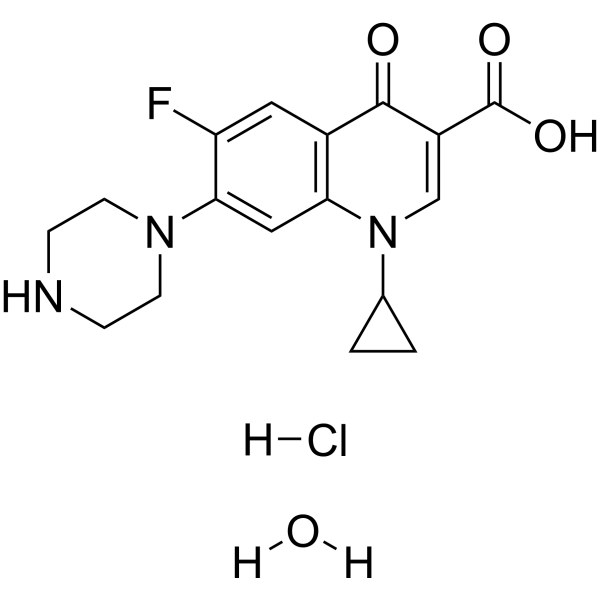 0 ImagesSynonyms: Bay-09867 hydrochloride monohydrateCiprofloxacin (Bay-09867) hydrochloride monohydrate is an orally active, blood-brain barrier permeable fluoroquinolone antibacterial agent. Ciprofloxacin hydrochloride monohydrate exerts bactericidal effects primarily by inhibiting topoisomerase II and IV. Ciprofloxacin hydrochloride monohydrate inhibits the proliferation of human dental pulp stem cells and chondrocytes from young rats, and also activates the Akt signaling pathway and upregulates markers such as β-catenin and Nanog to maintain the morphological characteristics of stem cells. Ciprofloxacin hydrochloride monohydrate induces significant neurotoxicity and tissue damage, including reducing serotonin and glutathione levels in the brain, inducing oxidative stress and depression-like behaviors, and causing articular cartilage damage. Ciprofloxacin hydrochloride monohydrate can be applied to research related to infections of necrotic young permanent teeth and neurotoxicity.
-
Trovafloxacin mesylate
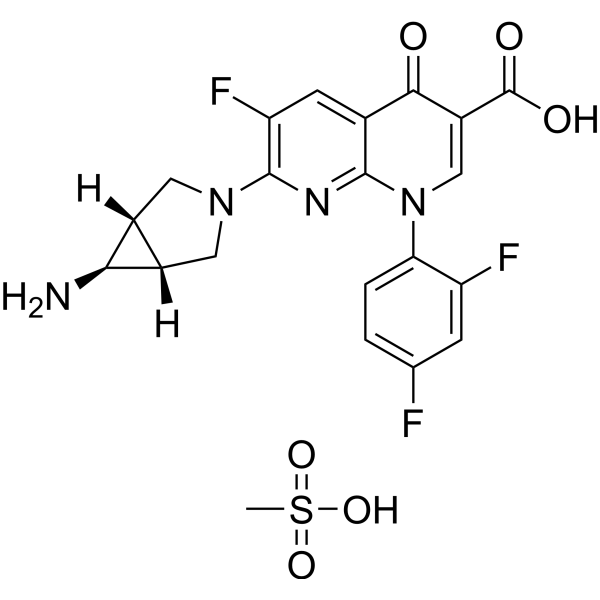 0 ImagesTrovafloxacin mesylate is a broad-spectrum quinolone antibiotic with potent activity against Gram-positive, Gram-negative and anaerobic organisms. Trovafloxacin mesylate blocks the DNA gyrase and topoisomerase IV activity. Trovafloxacin mesylate is also a potent, selective and orally active pannexin 1 channel (PANX1) inhibitor with an IC50 of 4 μM for PANX1 inward current. Trovafloxacin mesylate does not inhibit connexin 43 gap junction or PANX2. Trovafloxacin mesylate leads to dysregulated fragmentation of apoptotic cells by inhibiting PANX1.
-
Norfloxacin
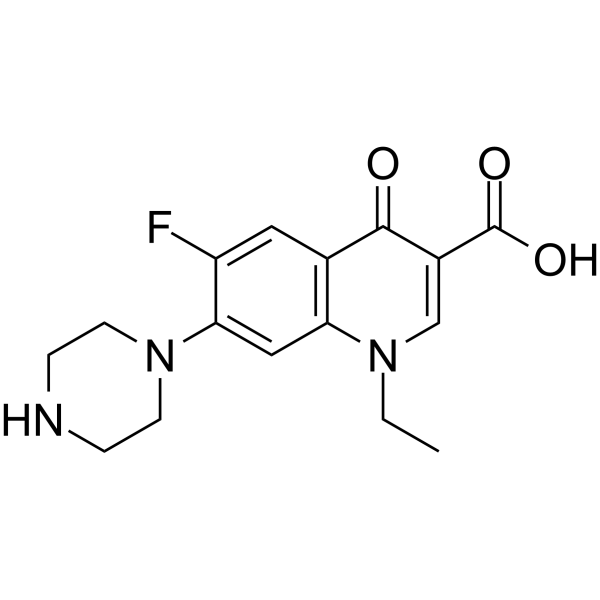 0 ImagesSynonyms: MK-0366Norfloxacin (MK-0366) is a broad-spectrum antibiotic that is active against both Gram-positive and Gram-negative bacteria, which functions by inhibiting DNA gyrase.
-
Enrofloxacin monohydrochloride
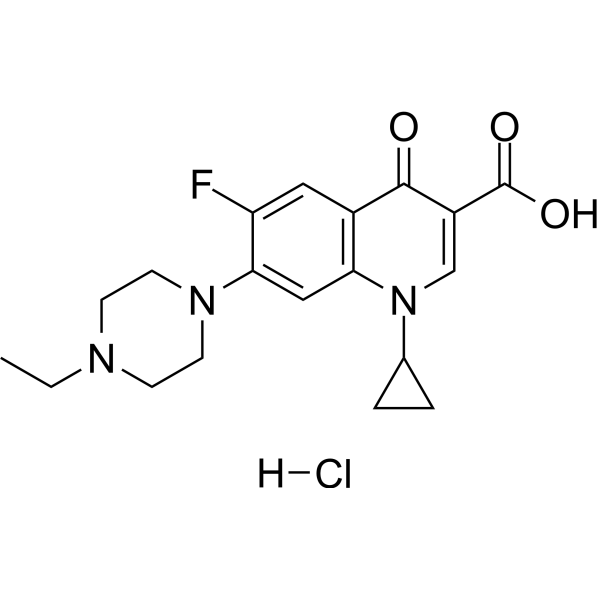 0 ImagesSynonyms: BAY Vp 2674 monohydrochloride; PD160788 monohydrochlorideEnrofloxacin monohydrochloride (BAY Vp 2674 monohydrochloride) is an effective antibiotic with an MIC90 of 0.312 μg/mL for Mycoplasma bovis. Enrofloxacin monohydrochloride shows inhibitory activity against vaccinia virus (VV).
-
Gatifloxacin
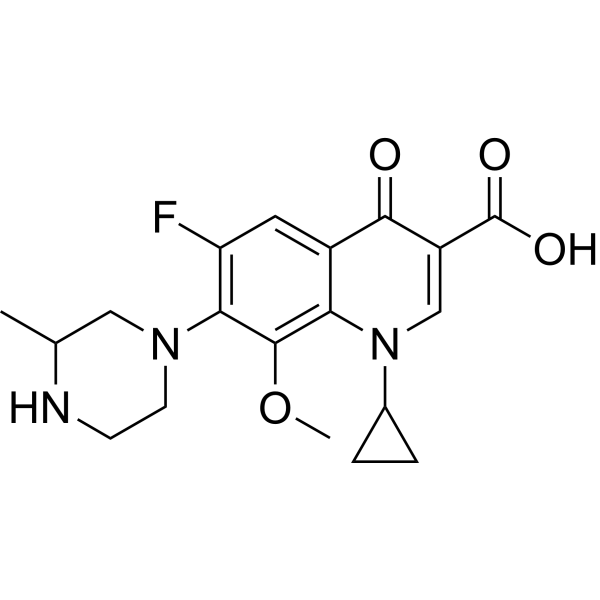 0 ImagesSynonyms: AM-1155; BMS-206584; PD135432Gatifloxacin (AM-1155; BMS-206584; PD135432) is a potent fluoroquinolone antibiotic that can cross the blood-brain barrier, with broad-spectrum antibacterial activity. Gatifloxacin inhibits bacterial type II topoisomerases (IC50=13.8 μg/ml for S. aureus topoisomerase IV) and E. coli DNA gyrase (IC50=0.109 μg/ml). Gatifloxacin can be used to treat bacterial conjunctivitis in vivo.
-
Delafloxacin
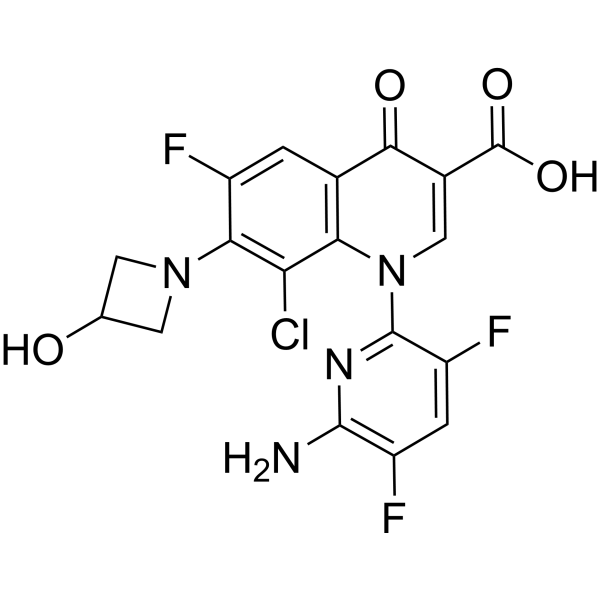 0 ImagesSynonyms: RX-3341; WQ-3034; ABT492Delafloxacin (RX-3341; WQ-3034; ABT492) is a broad-spectrum fluoroquinolone antibiotic. Delafloxacin has a broad spectrum of activity that includes drug-resistant Staphylococcus aureus, Streptococcus pneumoniae, and Klebsiella pneumonia.
-
Zoliflodacin
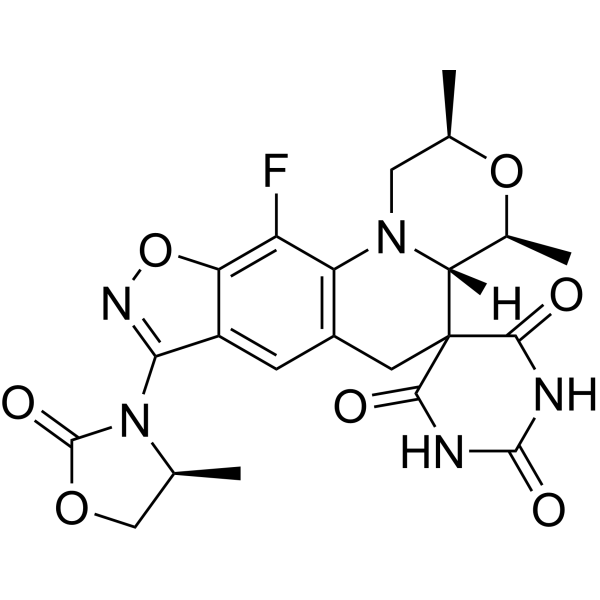 0 ImagesSynonyms: ETX0914; AZD0914Zoliflodacin (ETX0914;AZD0914) is a novel spiropyrimidinetrione bacterial DNA gyrase/topoisomerase inhibitor. Zoliflodacin has potent in vitro antibacterial activity against Gram-positive and Gram-negative organisms, including S. aureus with the MIC90 of 0.25 μg/mL.
-
Sparfloxacin
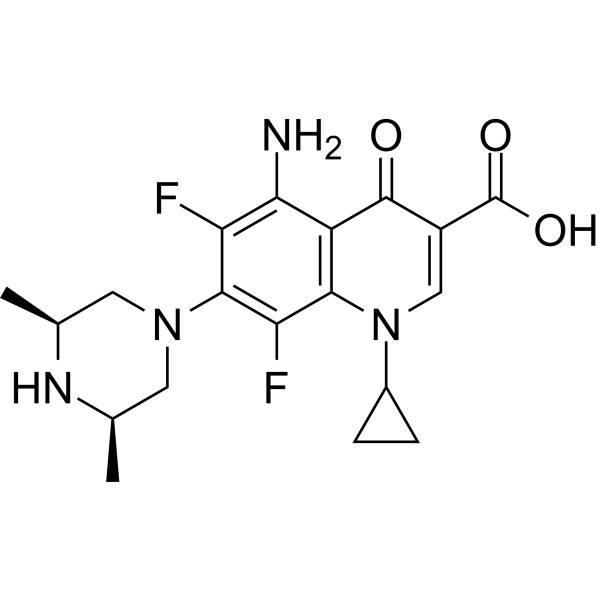 0 ImagesSynonyms: CI-978; AT-4140Sparfloxacin (CI-978) is a fluoroquinolone antibiotic, shows broad and potent antibacterial activity.



