



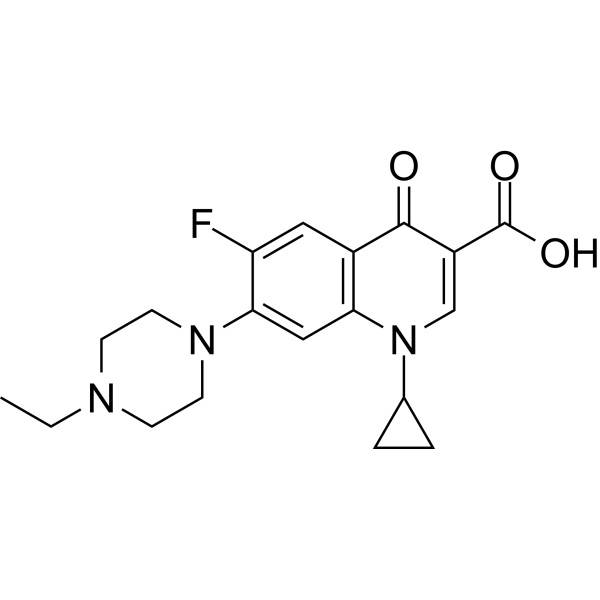
Enrofloxacin
Based on 19 publication(s) in Google Scholar
Enrofloxacin (BAY Vp 2674) is an effective antibiotic with an MIC90 of 0.312 μg/mL for Mycoplasma bovis.
For research use only. We do not sell to patients.
- Purity : 99.87%
- CAS No.: 93106-60-6
- Formula: C19H22FN3O3
- Molecular Weight:359.39
-
Storage:Powder -20°C, 3 years , 4°C, 2 years ; In solvent -80°C, 2 years , -20°C, 1 year

To place orders, for customer services and technical support, please contact: MedChemExpress USA
Tel: 609-228-6898 E-mail: [email protected] [email protected]


-
 Biological Activity
-
Chemical Information
-
Solvent & Solubility
- Purity & Documentation
- References
-
 Help & FAQs


-
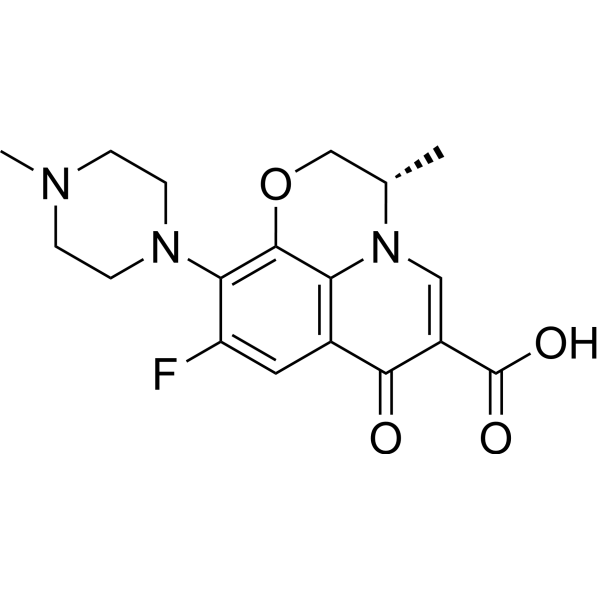
HY-B0330
LevofloxacinDNA Gyrase/Topoisomerase Inhibitor -
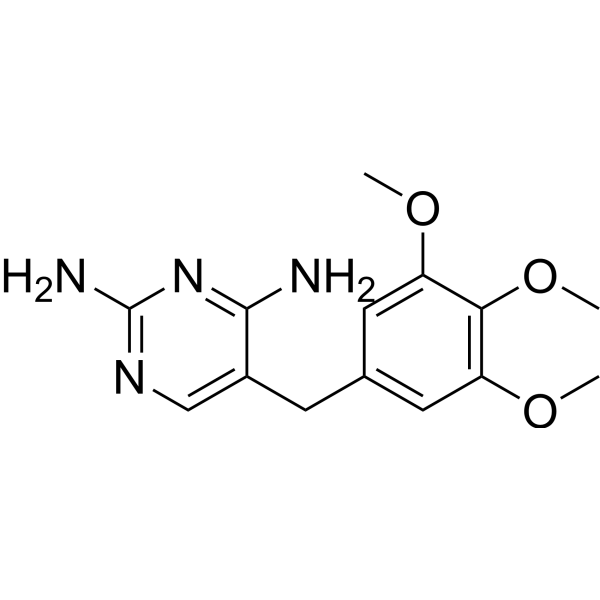
HY-B0510
TrimethoprimBacteriostatic Antibiotic -
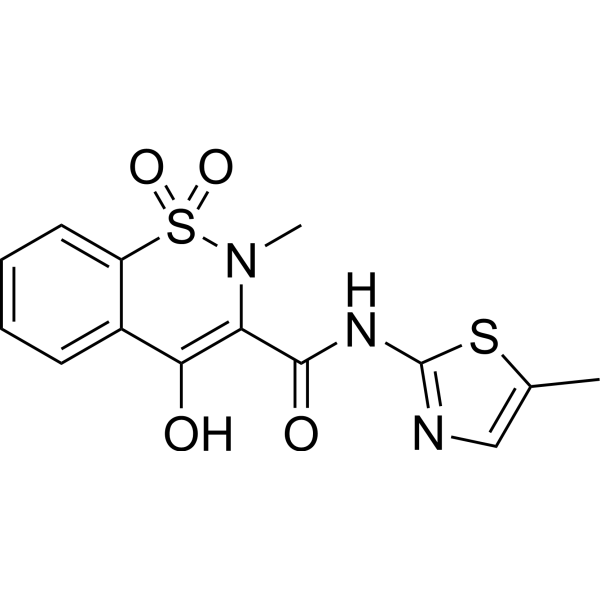
HY-B0261
MeloxicamCOX Inhibitor -
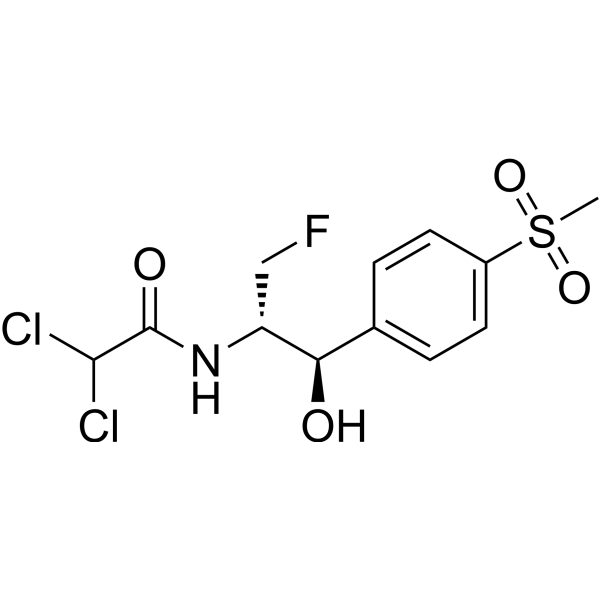
HY-B1374
FlorfenicolBacterial Inhibitor -

HY-B0502R
Enrofloxacin (Standard)Bacterial Inhibitor -
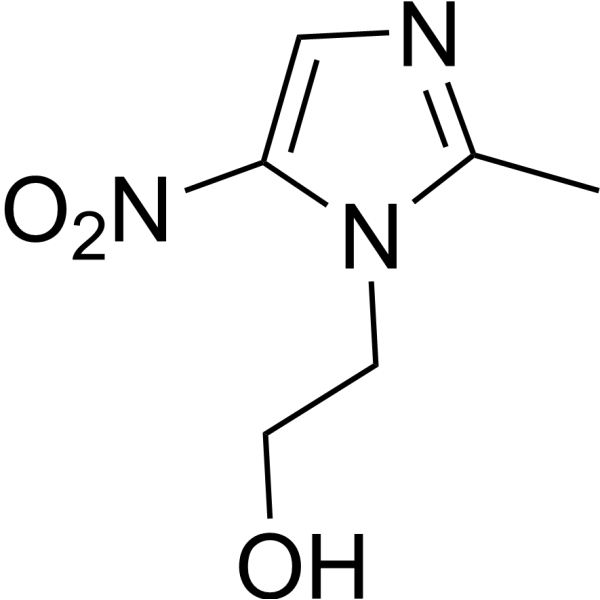
HY-B0318
MetronidazoleAntibiotic -
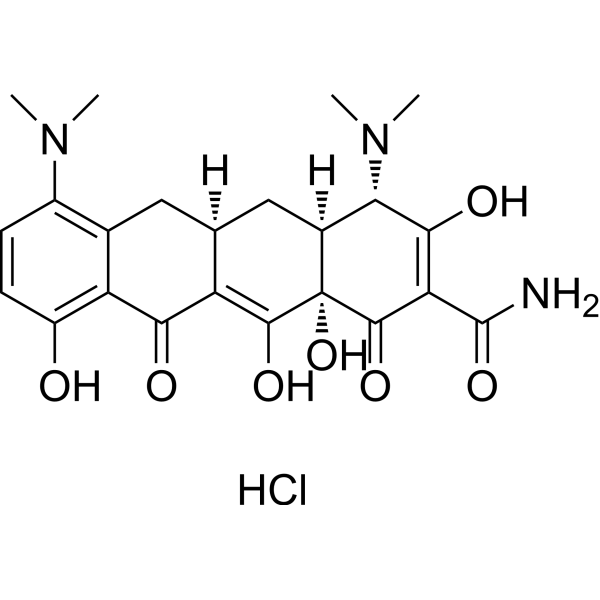
HY-17412
Minocycline hydrochlorideHIF-1α/Glutamate Inhibitor -
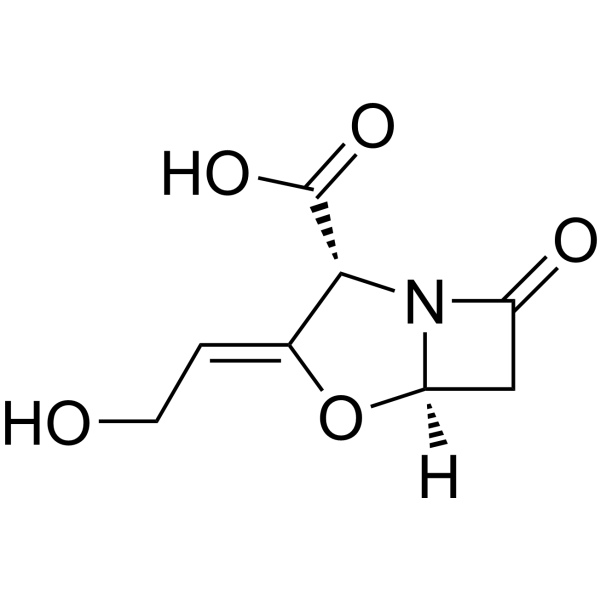
HY-A0256
Clavulanic acidβ-lactamase Inhibitor -
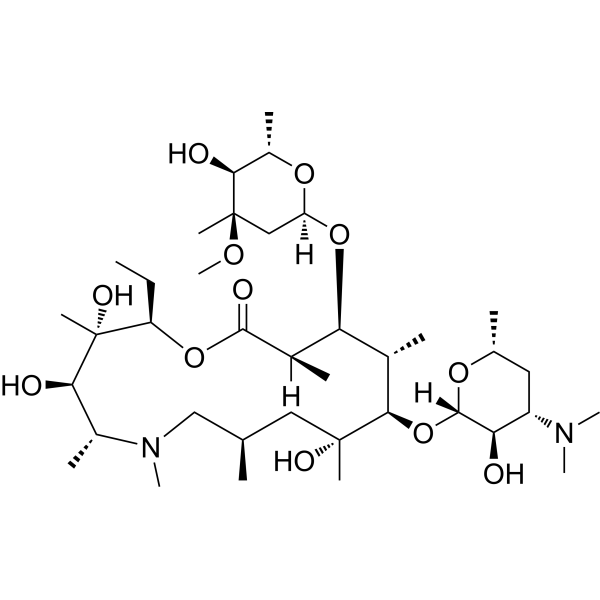
HY-17506
Azithromycin -
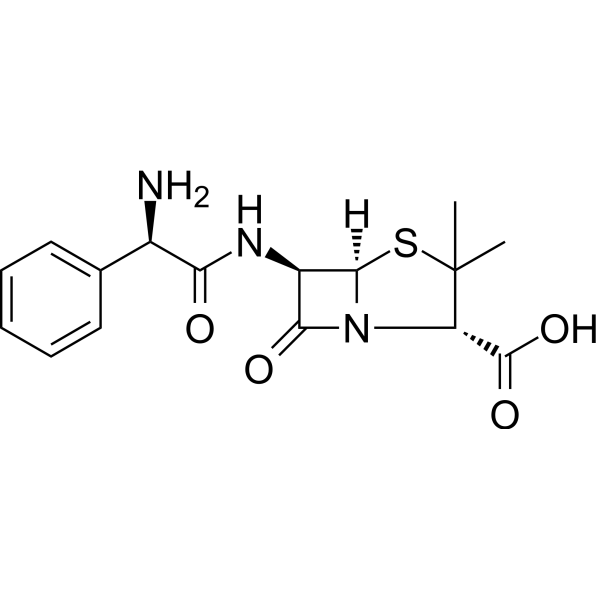
HY-B0522
AmpicillinBacterial Inhibitor -
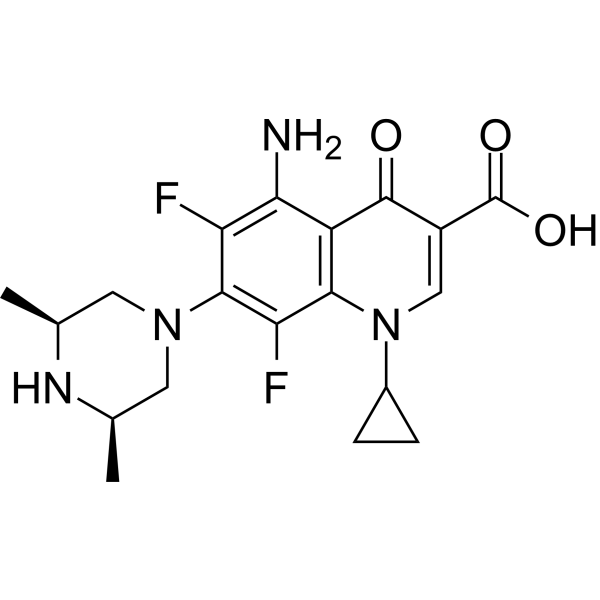
HY-B0308
SparfloxacinBacterial Inhibitor -
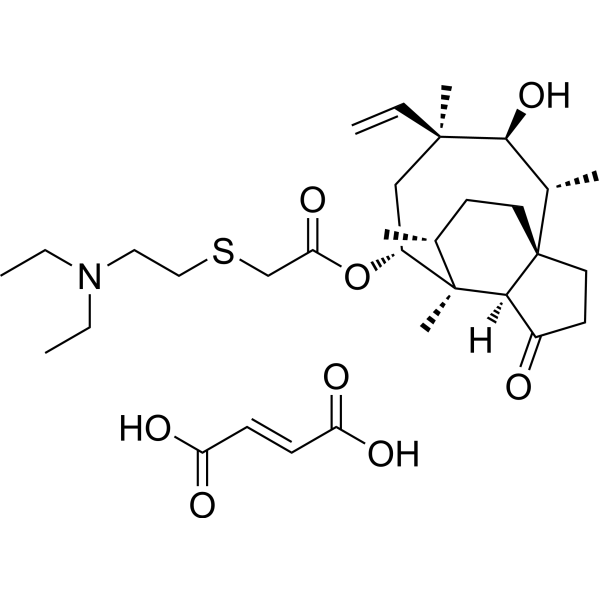
HY-B2060A
Tiamulin fumarateAntibiotic
Publications Citing Use of MedChemExpress (MCE) Enrofloxacin
More- Neuron. 2025 Oct 10:S0896-6273(25)00706-8. [Abstract]
- Neuron. 2021 Aug 18;109(16):2573-2589.e9. [Abstract]
- Adv Sci (Weinh). 2025 Jan;12(1):e2406766. [Abstract]
- Food Chem X. 2026 Feb 8:34:103646. [Abstract]
- Curr Biol. 2024 Jun 17;34(12):2644-2656.e7. [Abstract]
- Cell Rep. 2024 Feb 17;43(2):113804. [Abstract]
- Cell Rep. 2023 Mar 21;42(4):112290. [Abstract]
- Virulence. 2025 Dec;16(1):2595767. [Abstract]
- RSC Adv. 2026 Jan 2;16(1):657-666. [Abstract]
- PLoS Pathog. 2026 Jan 26;22(1):e1013903. [Abstract]
- Microorganisms. 2025 Apr 18;13(4):938. [Abstract]
- Aquaculture. 30 January 2022, 737541.
- Microbiol Spectr. 2025 Jul;13(7):e0307424. [Abstract]
- Vet Microbiol. 2024 May:292:110046. [Abstract]
- J Immunotoxicol. 2026 Dec;23(1):2660647. [Abstract]
- bioRxiv. 2024 Nov 06.
- Chemosphere. 2023 Nov:340:139892. [Abstract]
- Phys Chem Res. 2021 9(2): 327-344.
- Chemosphere. 2019 Jun:225:378-387. [Abstract]
All Antibiotic Isoforms
More

Biological Activity
Description
IC50 & Target
|
Quinolone |
In Vitro
Mycoplasma bovis is a worldwide pathogen, causative agent of pneumonia, mastitis, arthritis, and a variety of other symptoms in cattle. The antibiotic susceptibility profiles of the Hungarian strains are consistent within the tested group of fluoroquinolones. Three isolates (MYC44, MYC45 and MYC46) have high MIC values (≥10 μg/mL) to Enrofloxacin, while the rest of the strains are inhibited by Enrofloxacin with MICs ≤0.312 or 0.625 μg/mL[1].
MedChemExpress (MCE) has not independently confirmed the accuracy of these methods. They are for reference only. .
In Vivo
MedChemExpress (MCE) has not independently confirmed the accuracy of these methods. They are for reference only.


Chemical Information
-
CAS No. 93106-60-6
-
Appearance Solid
-
Molecular Weight 359.39
-
Formula C19H22FN3O3
-
Color Off-white to yellow
-
SMILES
O=C(C1=CN(C2CC2)C3=C(C=C(F)C(N4CCN(CC)CC4)=C3)C1=O)O
-
Synonyms
BAY Vp 2674; PD160788
-
Shipping
Room temperature in continental US; may vary elsewhere.
-
Storage
Powder -20°C 3 years 4°C 2 years In solvent -80°C 2 years -20°C 1 year


Publications (19)
-
Journal Impact Factor
-
Most Recent
-
Neuron
Lcn2 from neutrophil extracellular traps induces astrogliosis and post-stroke emotional disorders. [Abstract]2025 Oct 10:S0896-6273(25)00706-8. PMID: 41075784 -
Neuron
Early-life inflammation promotes depressive symptoms in adolescence via microglial engulfment of dendritic spines. [Abstract]2021 Aug 18;109(16):2573-2589.e9. PMID: 34233151 -
Adv Sci (Weinh)
2025 Jan;12(1):e2406766. PMID: 39487959 -
Food Chem X
Machine learning prioritization of antibiotic residues in aquatic foods reveals exposure-driven genotoxic risk mediated by BCL2. [Abstract]2026 Feb 8:34:103646. PMID: 41756597 -
Curr Biol
2024 Jun 17;34(12):2644-2656.e7. PMID: 38810638 -
Cell Rep
A microglial activation cascade across cortical regions underlies secondary mechanical hypersensitivity to amputation. [Abstract]2024 Feb 17;43(2):113804. PMID: 38368612 -
Cell Rep
2023 Mar 21;42(4):112290. PMID: 36947545 -
Virulence
Negative regulation of reassortant canine influenza virus replication and key site identification in porcine and ferret bronchial epithelial cell lines. [Abstract]2025 Dec;16(1):2595767. PMID: 41307451 -
RSC Adv
Multifunctional Cu-DEOD porous polymeric nanocomposite for broad-spectrum biomedical applications. [Abstract]2026 Jan 2;16(1):657-666. PMID: 41488521 -
PLoS Pathog
Anti-orthopoxvirus drugs inhibit lumpy skin disease virus replication by targeting viral DNA polymerase. [Abstract]2026 Jan 26;22(1):e1013903. PMID: 41587213 -
Microorganisms
Isolation, Antimicrobial Susceptibility, and Genotypes of Three Pasteurellaeae Species Prevalent on Pig Farms in China Between 2021 and 2023. [Abstract]2025 Apr 18;13(4):938. PMID: 40284774 -
-
Microbiol Spectr
Antimicrobial resistance of rapidly growing mycobacteria isolated from companion animals in Taiwan. [Abstract]2025 Jul;13(7):e0307424. PMID: 40387379 -
Vet Microbiol
Discovery of the tigecycline resistance gene cluster tmexCD3-toprJ1 in Pasteurella multocida strains isolated from pigs in China. [Abstract]2024 May:292:110046. PMID: 38471428 -
J Immunotoxicol
Lung microbiota dysbiosis mediates PM2.5-induced pulmonary inflammation through antibiotic-reversible mechanisms. [Abstract]2026 Dec;23(1):2660647. PMID: 42024669 -
-
Chemosphere
Enrofloxacin (ENR) exposure induces lipotoxicity by promoting mitochondrial fragmentation via dephosphorylation of DRP1 at S627 site. [Abstract]2023 Nov:340:139892. PMID: 37611774 -
-
Chemosphere
Mass-balance-model-based evaluation of sewage treatment plant contribution to residual pharmaceuticals in environmental waters. [Abstract]2019 Jun:225:378-387. PMID: 30884299


Solvent & Solubility
In Vitro:
DMSO : 10 mg/mL (27.82 mM; Need ultrasonic; Hygroscopic DMSO has a significant impact on the solubility of product, please use newly opened DMSO)
H2O : 1 mg/mL (2.78 mM; ultrasonic and warming and heat to 80°C)
Please refer to the solubility information to select the appropriate solvent. Once prepared, please aliquot and store the solution to prevent product inactivation from repeated freeze-thaw cycles.
Storage method and period of stock solution: -80°C, 2 years; -20°C, 1 year. When stored at -80°C, please use it within 2 years. When stored at -20°C, please use it within 1 year.
* Note: If you choose water as the stock solution, please dilute it to the working solution, then filter and sterilize it with a 0.22 μm filter before use.
Please refer to the solubility information to select the appropriate solvent. Once prepared, please aliquot and store the solution to prevent product inactivation from repeated freeze-thaw cycles.
Storage method and period of stock solution: -80°C, 2 years; -20°C, 1 year. When stored at -80°C, please use it within 2 years. When stored at -20°C, please use it within 1 year.
* Note: If you choose water as the stock solution, please dilute it to the working solution, then filter and sterilize it with a 0.22 μm filter before use.
Concentration (start) × Volume (start) = Concentration (final) × Volume (final)
In Vivo:
Select the appropriate dissolution method based on your experimental animal and administration route.
- For the following dissolution methods, please ensure to first prepare a clear stock solution using an In Vitro approach and then sequentially add co-solvents:
- To ensure reliable experimental results, the clarified stock solution can be appropriately stored based on storage conditions. As for the working solution for In Vivo experiments, it is recommended to prepare freshly and use it on the same day.
- The percentages shown for the solvents indicate their volumetric ratio in the final prepared solution. If precipitation or phase separation occurs during preparation, heat and/or sonication can be used to aid dissolution.
Add each solvent one by one: 10% DMSO 40% PEG300 5% Tween-80 45% Saline
Solubility: ≥ 1 mg/mL (2.78 mM); Clear solution
This protocol yields a clear solution of ≥ 1 mg/mL (saturation unknown).
Taking 1 mL working solution as an example, add 100 μL DMSO stock solution (10.0 mg/mL) to 400 μL PEG300, and mix evenly; then add 50 μL Tween-80 and mix evenly; then add 450 μL Saline to adjust the volume to 1 mL.
Preparation of Saline: Dissolve 0.9 g sodium chloride in ddH₂O and dilute to 100 mL to obtain a clear Saline solution.
Add each solvent one by one: 10% DMSO 90% (20% SBE-β-CD in Saline)
Solubility: ≥ 1 mg/mL (2.78 mM); Clear solution
This protocol yields a clear solution of ≥ 1 mg/mL (saturation unknown).
Taking 1 mL working solution as an example, add 100 μL DMSO stock solution (10.0 mg/mL) to 900 μL 20% SBE-β-CD in Saline, and mix evenly.
Preparation of 20% SBE-β-CD in Saline (4°C, storage for one week): 2 g SBE-β-CD powder is dissolved in 10 mL Saline, completely dissolve until clear.
For the following dissolution methods, please prepare the working solution directly:
It is recommended to prepare fresh solutions and use them promptly within a short period of time.
The percentages shown for the solvents indicate their volumetric ratio in the final prepared solution. If precipitation or phase separation occurs during preparation, heat and/or sonication can be used to aid dissolution.
In Vivo Dissolution Calculator
Please enter the basic information of animal experiments:
-
-
-
-
Recommended: Prepare an additional quantity of animals to account for potential losses during experiments.
Please enter your animal formula composition:
-
%DMSO +
Recommended: Keep the proportion of DMSO in working solution below 2% if your animal is weak.
-
%+
-
+%Tween-80 + +
-
%Saline +
The co-solvents required include: DMSO, . All of co-solvents are available by MedChemExpress (MCE). , Tween 80. All of co-solvents are available by MedChemExpress (MCE).
Working solution concentration: 0.22 mg/mL
Method for preparing stock solution: mg drug dissolved in μL DMSO. Stock solution concentration: mg/mL.
1. Take μL DMSO stock solution;
2. Add μL .
μL , mix evenly;
3. Then add μL Tween 80, mix evenly;
4. Then add μL
Please ensure that the stock solution in the first step is dissolved to a clear state, and add co-solvents in sequence. You can use ultrasonic heating (ultrasonic cleaner, recommended frequency 20-40 kHz), vortexing, etc. to assist dissolution.


Purity & Documentation
-
Data Sheet (277 KB)
-
SDS (396 KB)
- English - EN (396 KB)
- Français - FR (396 KB)
- Deutsch - DE (396 KB)
- Norwegian - NO (396 KB)
- Español - ES (396 KB)
- Swedish - SV (396 KB)
- Italian - IT (396 KB)
- Korean - KR (396 KB)
- Portuguese - PT (396 KB)
-
Handling Instructions (2659 KB)
References
[1]. Sulyok KM, et al.Antibiotic susceptibility profiles of Mycoplasma bovis strains isolated from cattle in Hungary, Central Europe. BMC Vet Res. 2014 Oct 25;10:256. [Content Brief]
[2]. Hetze S, et al. Superiority of preventive antibiotic treatment compared with standard treatment of poststroke pneumonia in experimental stroke: a bed to bench approach. J Cereb Blood Flow Metab. 2013 Jun;33(6):846-54. [Content Brief]
[3]. S Ikeda , et al. Antiviral activity and inhibition of topoisomerase by ofloxacin, a new quinolone derivative. Antiviral Res. 1987 Oct;8(3):103-13. [Content Brief]


Complete Stock Solution Preparation Table
Please refer to the solubility information to select the appropriate solvent. Once prepared, please aliquot and store the solution to prevent product inactivation from repeated freeze-thaw cycles.
Storage method and period of stock solution: -80°C, 2 years; -20°C, 1 year. When stored at -80°C, please use it within 2 years. When stored at -20°C, please use it within 1 year.
| Optional Solvent | Concentration Solvent Mass | 1 mg | 5 mg | 10 mg | 25 mg |
|---|---|---|---|---|---|
| H2O / DMSO | 1 mM | 2.7825 mL | 13.9125 mL | 27.8249 mL | 69.5623 mL |
| DMSO | 5 mM | 0.5565 mL | 2.7825 mL | 5.5650 mL | 13.9125 mL |
| 10 mM | 0.2782 mL | 1.3912 mL | 2.7825 mL | 6.9562 mL | |
| 15 mM | 0.1855 mL | 0.9275 mL | 1.8550 mL | 4.6375 mL | |
| 20 mM | 0.1391 mL | 0.6956 mL | 1.3912 mL | 3.4781 mL | |
| 25 mM | 0.1113 mL | 0.5565 mL | 1.1130 mL | 2.7825 mL |
* Note: If you choose water as the stock solution, please dilute it to the working solution, then filter and sterilize it with a 0.22 μm filter before use.


Enrofloxacin Related Classifications
HY-B0502 Related Classifications
 Powered by Bioz