



Macrolide
Macrolides are a class of antibiotics that exert their core biological function by inhibiting bacterial protein synthesis through interaction with the bacterial ribosome, thereby suppressing microbial growth[1][2]. Mechanistically, macrolides bind within the nascent peptide exit tunnel of the 50S ribosomal subunit and interfere with translation by preventing normal elongation of the growing peptide chain during protein biosynthesis[1][2][3]. This translational inhibition pathway is closely linked to interactions with 23S rRNA and ribosomal components that regulate peptide progression through the ribosome[2][3][4]. In disease settings, macrolides are widely used for bacterial infections and have also demonstrated anti-inflammatory and immunomodulatory activities that contribute to their application in chronic respiratory disorders, including chronic obstructive pulmonary disease and non-cystic fibrosis bronchiectasis[4][5]. Compared with other ribosome-targeting antibiotic classes, macrolides are distinguished by their binding site within the 50S subunit and their ability to selectively affect protein synthesis through obstruction of the peptide exit tunnel[2][3]. Research on related compounds has further shown that structural modification of the macrolide scaffold can generate derivatives with activity against macrolide-resistant bacteria, providing useful experimental tools for investigating resistance mechanisms and ribosome function[5][6]. Therefore, macrolides remain important molecular probes for studying translation regulation, antibiotic resistance, and host inflammatory responses in infection-related experimental models[1][4][6].
References:
- [1]. Nor Amdan NA, et al. Understanding the evolution of macrolides resistance: A mini review. J Glob Antimicrob Resist. 2024 Sep;38:368-375. [Content Brief]
- [2]. Kannan K, et al. The general mode of translation inhibition by macrolide antibiotics. Proc Natl Acad Sci U S A. 2014 Nov 11;111(45):15958-63.
- [3]. Vázquez-Laslop N, et al. How Macrolide Antibiotics Work. Trends Biochem Sci. 2018 Sep;43(9):668-684. [Content Brief]
- [4]. Patel PH, et al. Macrolides. 2023 May 16. In: StatPearls [Internet]. Treasure Island (FL): StatPearls Publishing; 2026 Jan–
- [5]. Black PN. Anti-inflammatory effects of macrolide antibiotics. Eur Respir J. 1997 May;10(5):971-2.
- [6]. Jelić D, et al. From Erythromycin to Azithromycin and New Potential Ribosome-Binding Antimicrobials. Antibiotics (Basel). 2016 Sep 1;5(3):29.
-
Macrolide 관련 제품 (76)
관련 제품 (76)

-
Bafilomycin A1
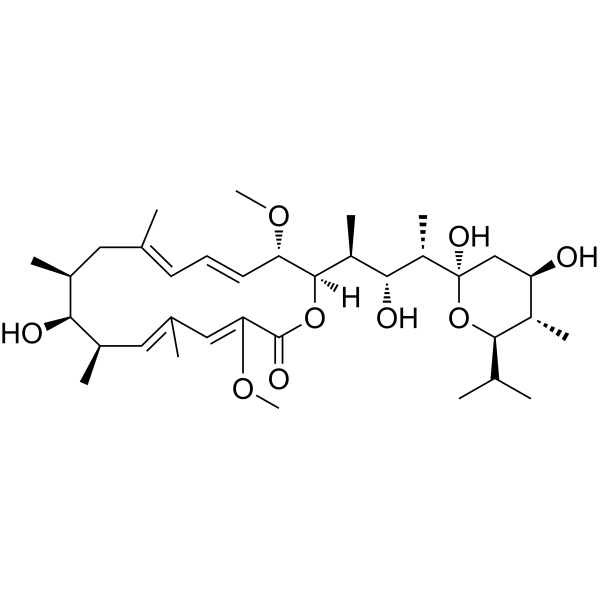 0 ImagesSynonyms: BafA1Bafilomycin A1 (BafA1) is a specific and reversible inhibitor of vacuolar H+-ATPase (V-ATPase) with IC50 values of 4-400 nmol/mg. Bafilomycin A1, a macrolide antibiotic, is also used as an autophagy inhibitor at the late stage. Bafilomycin A1 blocks autophagosome-lysosome fusion and inhibits acidification and protein degradation in lysosomes of cultured cells. Bafilomycin A1 induces apoptosis.
-
Tacrolimus
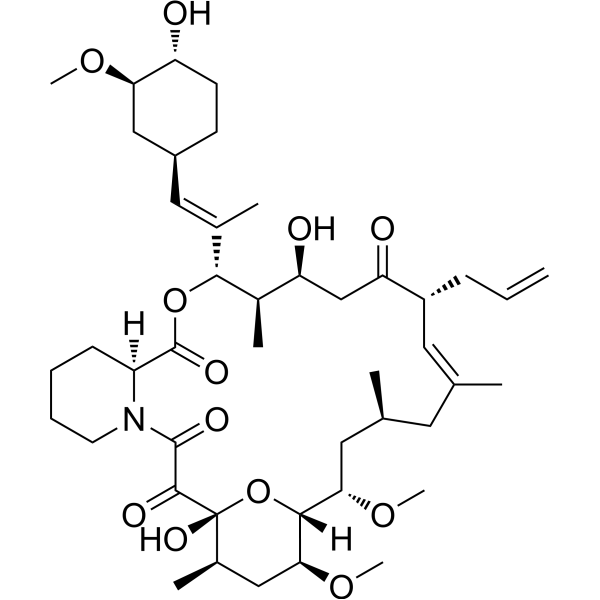 0 ImagesSynonyms: FK506; Fujimycin; FR900506Tacrolimus (FK506), a molecular glue, a macrocyclic lactone, binds to FK506 binding protein (FKBP) to form a complex. Tacrolimus inhibits calcineurin phosphatase, which inhibits T-lymphocyte signal transduction and IL-2 transcription. Immunosuppressive properties.
-
Filipin complex
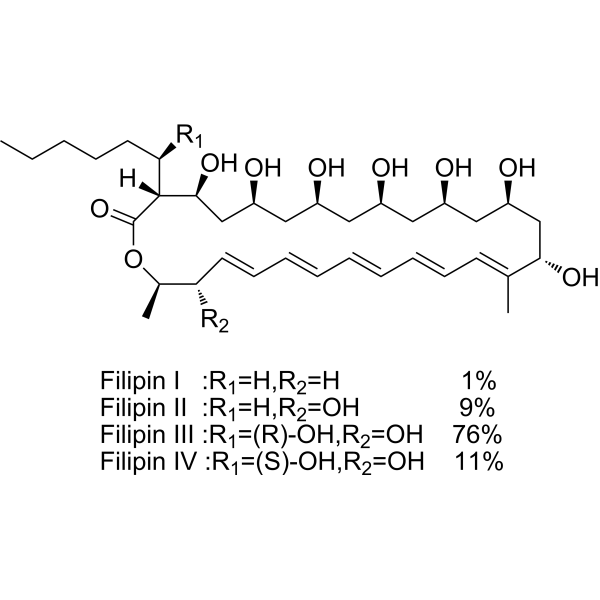 0 ImagesCat. No.: HY-N6716CAS No.: 11078-21-0Filipin complex is a potent polyene macrolide antifungal antibiotic. Filipin complex inserts into membranes and sequester cholesterol into complexes and inhibits PRRSV entry. The Filipin complex consists of about 75.8% Filipin III (HY-N6718), 10.8% Filipin IV, 9.1% Filipin II, and 1.2% Filipin I (Ex/Em = 380/430 nm).
-
Filipin III
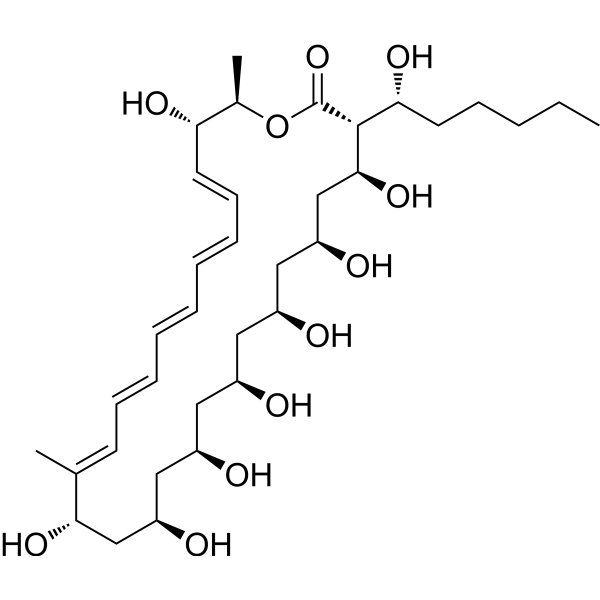 0 ImagesFilipin III is the major component of Filipin, a 28-membered ring pentaene macrolide antifungal antibiotic produced by S. filipinensis, S. avermitilis and S. miharaensis. Filipin interacts with membrane sterols causing the alteration of membrane structure.
-
Concanamycin A
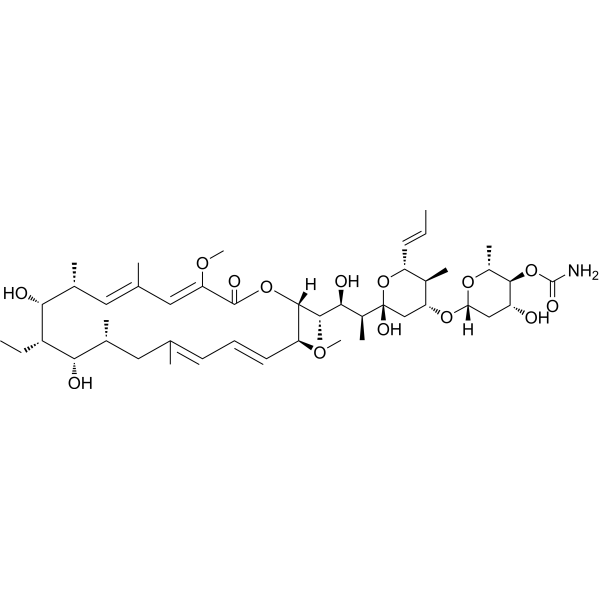 0 ImagesSynonyms: Antibiotic X 4357B; Folimycin; X 4357BConcanamycin A (Folimycin; Antibiotic X 4357B) is a macrolide antibiotic, a vacuolar type H+-ATPase (V-ATPase) inhibitor. Concanamycin A is also an inhibitor of lysosomal acidification, can be used to T cell-mediated inflammation research-.
-
Oleandomycin
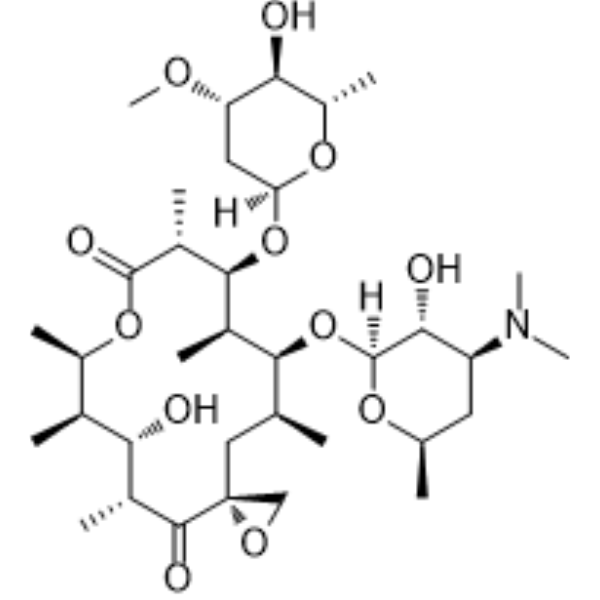 0 ImagesOleandomycin is a macrolide antibiotic structurally closely related to Erythromycin. Oleandomycin is similar to Erythromycin with antimicrobial activity. Oleandomycin inhibits protein synthesis by interference with translation of activated amino acids to nascent peptide chains on the ribosomes.
-
Azithromycin hydrate
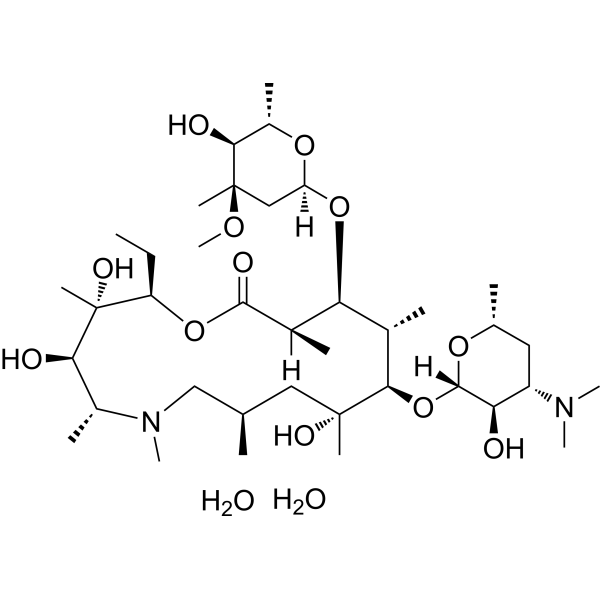 0 ImagesSynonyms: CP-62993 hydrateAzithromycin hydrate is a macrolide antibiotic useful for the treatment of a number of bacterial infections.
-
Clarithromycin (Standard)
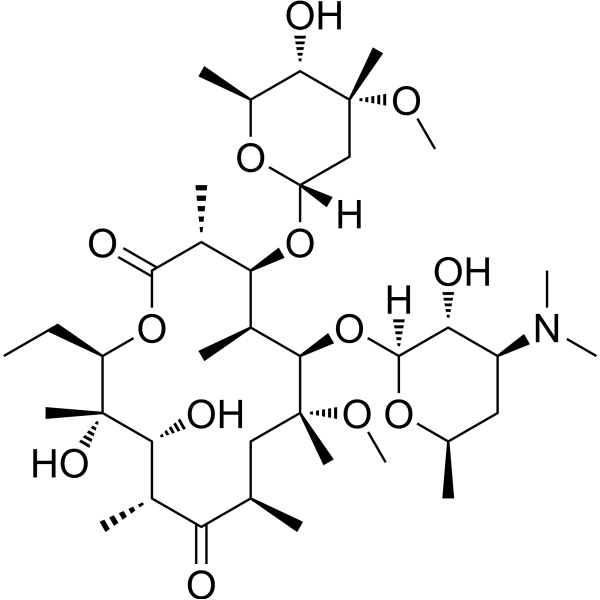 0 ImagesClarithromycin (Standard) is the analytical standard of Clarithromycin. This product is intended for research and analytical applications. Clarithromycin has a broad spectrum of antimicrobial activity. Clarithromycin inhibits the CYP3A4-catalyzed triazolam alpha-hydroxylation with the IC50 (Ki) value of 56 (43) μM. Clarithromycin significantly inhibits the HERG potassium current.Clarithromycin affects the autophagic flux by impairing the signaling pathway linking hERG1 and PI3K.
-
Azithromycin
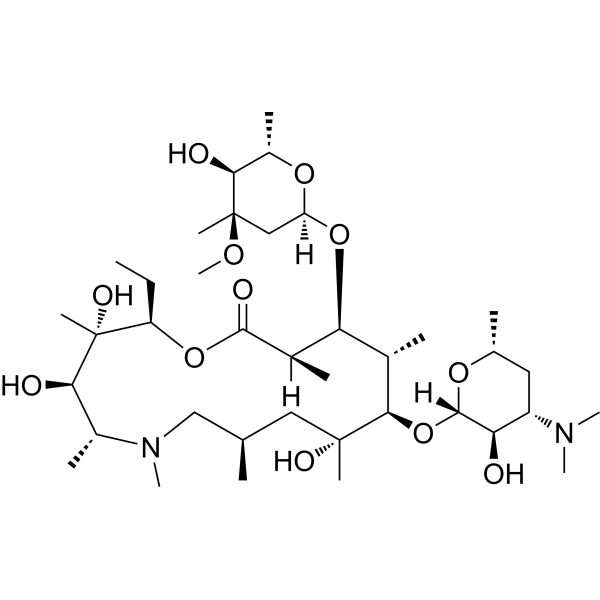 0 ImagesSynonyms: CP 62993Azithromycin is a macrolide antibiotic useful for the treatment of a number of bacterial infections.
-
Erythromycin
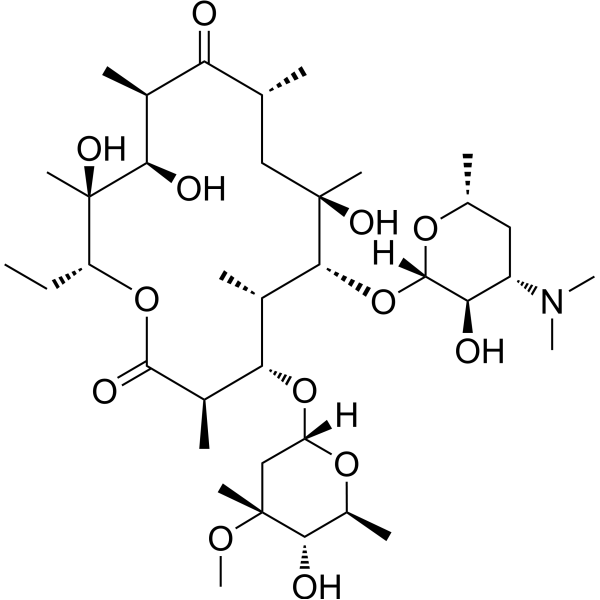 0 ImagesErythromycin is a macrolide antibiotic produced by actinomycete?Streptomyces erythreus?with a broad spectrum of antimicrobial activity. Erythromycin binds to bacterial 50S ribosomal subunits and inhibits?RNA-dependent protein synthesis?by blockage of transpeptidation and/or translocation reactions, without affecting synthesis of nucleic acid[1][2]. Erythromycin also exhibits antitumor and neuroprotective effect in different fields of research[3][4].
-
Clarithromycin
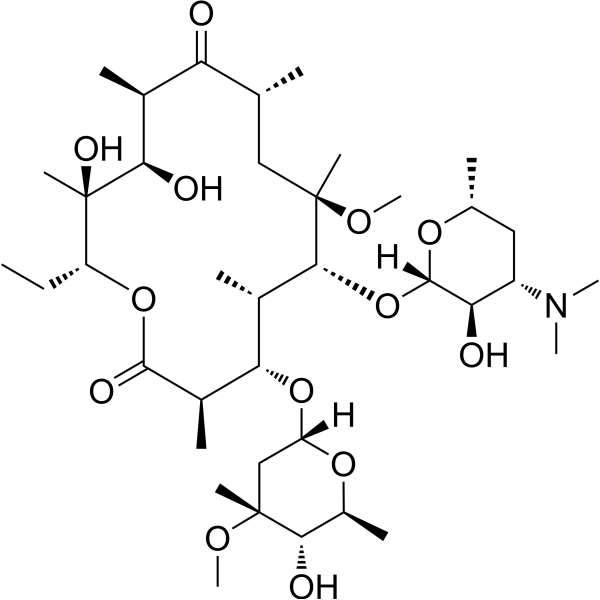 0 ImagesClarithromycin has a broad spectrum of antimicrobial activity. Clarithromycin inhibits the CYP3A4-catalyzed triazolam alpha-hydroxylation with the IC50 (Ki) value of 56 (43) μM. Clarithromycin significantly inhibits the HERG potassium current.Clarithromycin affects the autophagic flux by impairing the signaling pathway linking hERG1 and PI3K.
-
Tacrolimus monohydrate
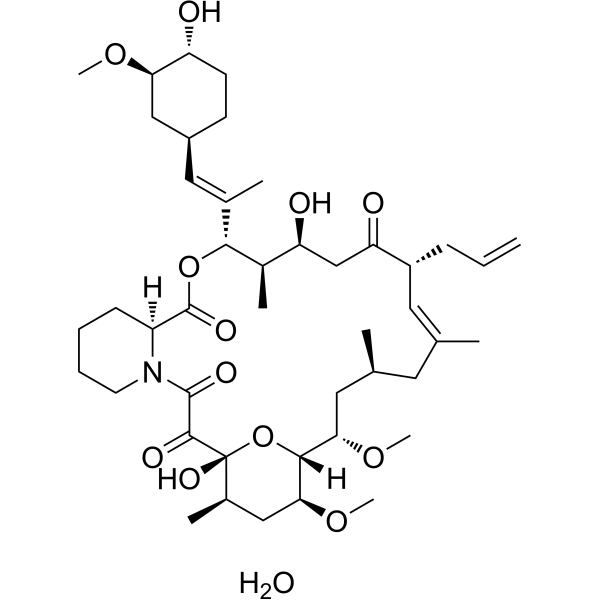 0 ImagesSynonyms: FK506 monohydrate; Fujimycin monohydrate; FR900506 monohydrateTacrolimus (FK506) monohydrate, a molecular glue, a macrocyclic lactone, binds to FK506 binding protein (FKBP) to form a complex. Tacrolimus monohydrate inhibits calcineurin phosphatase, which inhibits T-lymphocyte signal transduction and IL-2 transcription. Immunosuppressive properties.
-
Natamycin
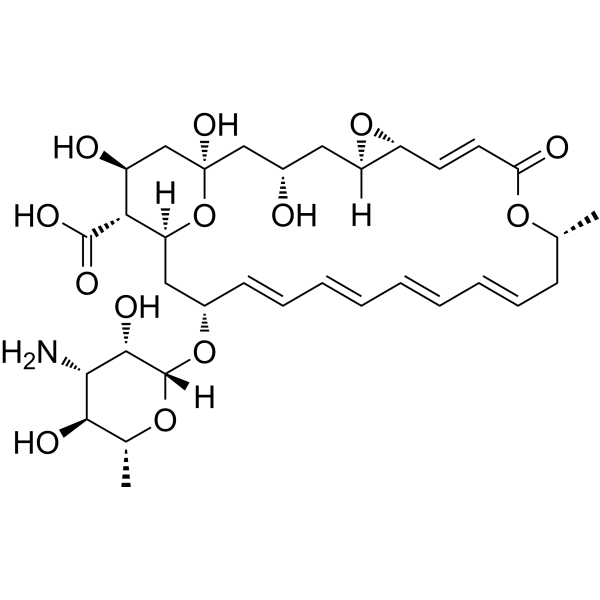 0 ImagesNatamycin (Pimaricin) is a macrolide antibiotic agent produced by several Streptomyces strains. Natamycin inhibits the growth of fungi via inhibition of amino acid and glucose transport across the plasma membrane. Natamycin is a food preservative, an antifungal agent in agriculture, and is widely used for fungal keratitis research.
-
Telithromycin
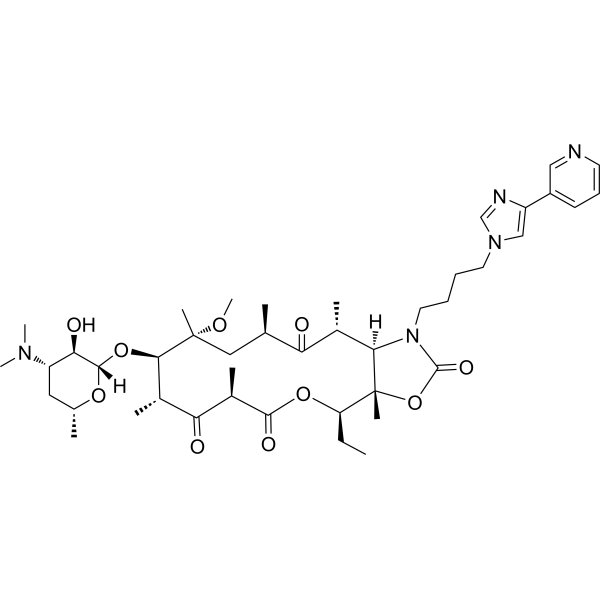 0 ImagesSynonyms: HMR3647; RU66647Telithromycin (HMR3647) is a novel ketolide antibiotic that structurally resembles macrolides. Telithromycin belongs to the ketolide family that is characterized by a keto group at position 3 of the macrolide ring and is active against bacteria causing community-acquired pneumonia, acute exacerbation of chronic bronchitis, and acute sinusitis. Telithromycin also has similar immunomodulatory effects as macrolides. Telithromycin can be used for the research of respiratory infections including bronchial asthma.
-
Moxidectin
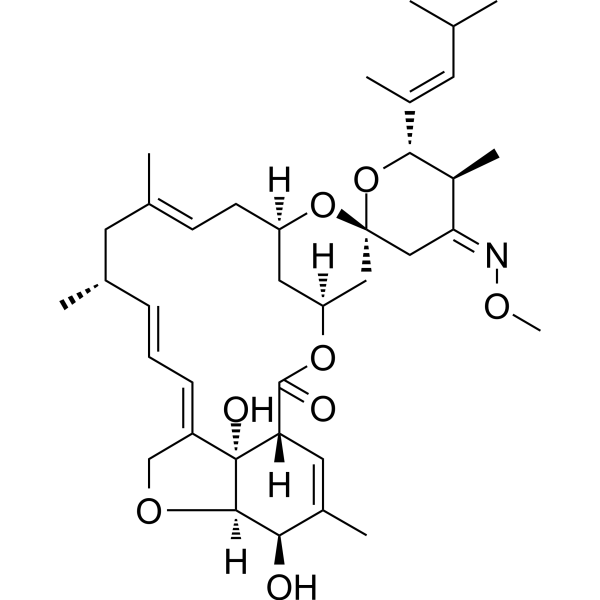 0 ImagesSynonyms: CL301423Moxidectin (CL301423) is an orally active and brain-penetrant macrolide (ML) anthelmintic for the prevention and control of heartworms and roundworms. Moxidectin is also a substrate of BCRP and P-glycoprotein (P-gp) in vivo, and is secreted into breast milk and effluxed from the host and parasite mediated by Bcrp1 and P-gp. This may be related to the presence of chemical residues in milk.
-
Tylosin
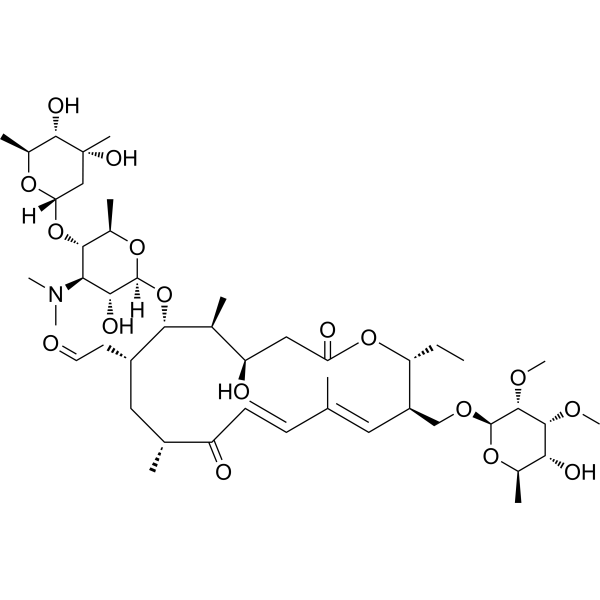 0 ImagesTylosin (Tylosin A) is a macrolide antibiotic found naturally as a fermentation product of Streptomyces fradiae. Tylosin exerts potent antimicrobial activity against Gram-positive bacteria. Tylosin is widely used as a feed additive for promoting animal growth. Tylosin is used for veterinary purposes against bacterial dysentery and respiratory diseases in poultry, pigs and cattle.
-
Spiramycin
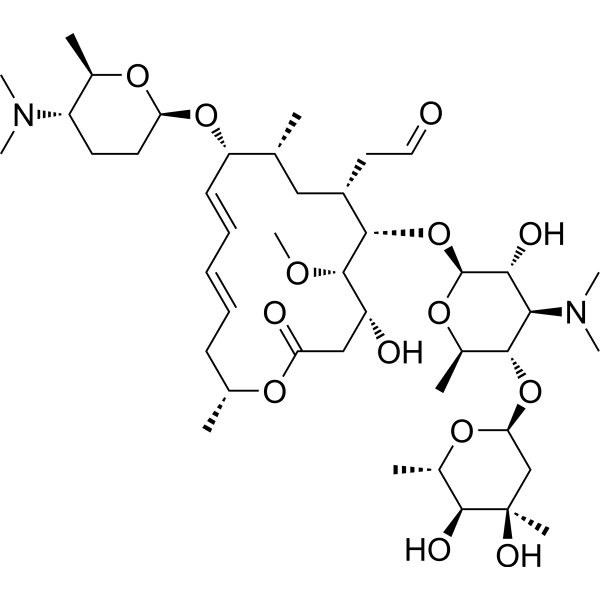 0 ImagesSpiramycin (Rovamycin) is a macrolide antibiotic produced by Streptomyces ambofaciens with against bacteria and Toxoplasma gondii activities, and also has antiparasitic effect. Spiramycin is composed of a 16-member lactone ring, on which three sugars (mycaminose, forosamine, and mycarose) are attached.
-
Roxithromycin
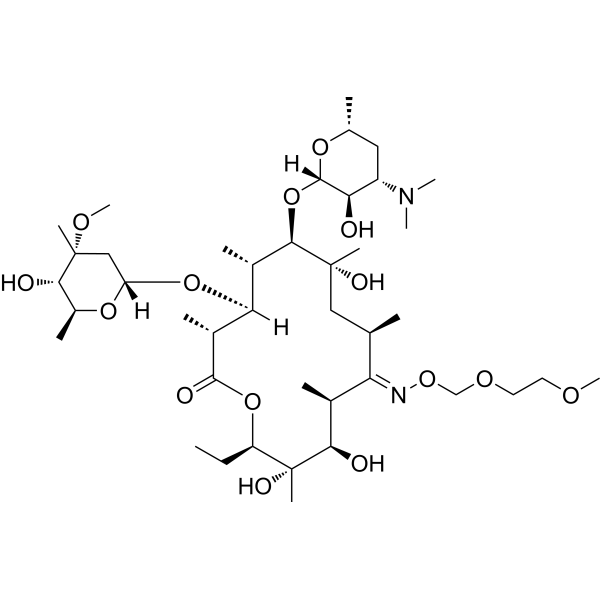 0 ImagesSynonyms: RU-28965Roxithromycin (RU-28965) is an orally active semi-synthethic macrolide antibiotic. Roxithromycin inhibits protein biosynthesis in the elongation step by binding to 50S bacterial ribosome. Roxithromycin has antimicrobial, antiproliferative, anti-inflammatory, tumour vasculature inhibiting and lung injury ameliorating effects.
-
Josamycin
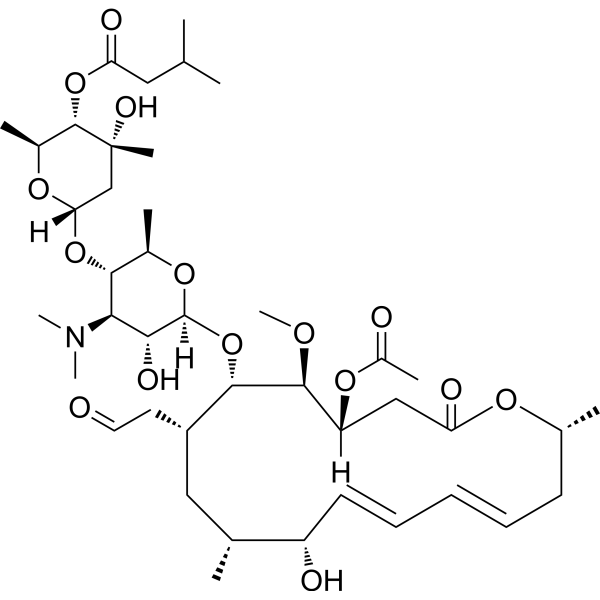 0 ImagesCat. No.: HY-B1920CAS No.: 16846-24-5Synonyms: EN-141Josamycin (EN-141) is an orally active macrolide antibiotic exhibiting antimicrobial activity against a wide spectrum of pathogens, such as bacteria. The dissociation constant Kd from ribosome for Josamycin is 5.5 nM.
-
Borrelidin
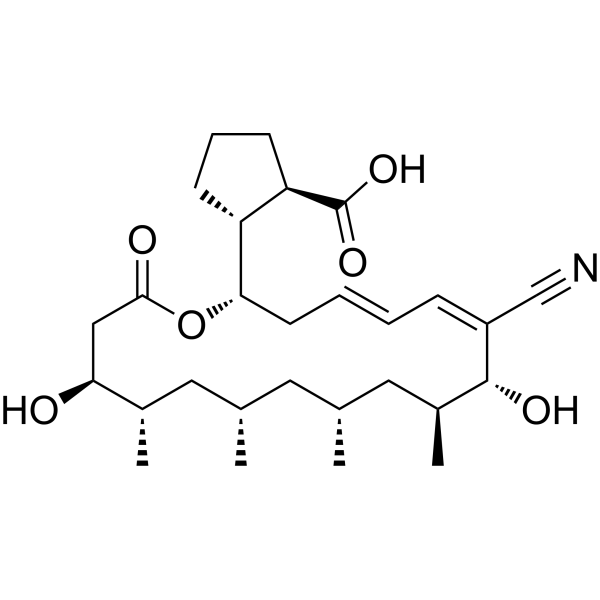 0 ImagesBorrelidin (Treponemycin) is a bacterial and eukaryal threonyl-tRNA synthetase inhibitor which is a nitrile-containing macrolide antibiotic isolated from Streptomyces rochei. Borrelidin is an inhibitor of Cdc28/Cln2 of the budding yeast, with an IC50 of 24 μM. Borrelidin is a potent angiogenesis inhibitor, with an IC50 of 0.8 nM. Borrelidin induces apoptosis in the tube-forming cells. Borrelidin has strong antimalarial activities, with IC50s of 1.9 nM and 1.8 nM against K1 and FCR3 strains of Plasmodium falciparum, respectively.



