



Toxoplasma
Toxoplasma gondii is an obligate intracellular apicomplexan parasite that actively invades host cells, builds a replication-permissive vacuole, and serves as a model for related parasites including Plasmodium and Cryptosporidium[1]. Mechanistically, Ca2+-dependent microneme exocytosis drives motility, invasion, and egress, with TgCDPK1 acting downstream of calcium to regulate these essential steps[2]. In disease models, tachyzoites support acute expansion, whereas bradyzoites within tissue cysts mediate chronic infection and can reconvert to tachyzoites during immunosuppression[3][4]. Compared with mammalian kinases, TgCDPKs provide parasite-selective targets because they are absent in mammals[5]. For experimental applications, bumped kinase inhibitors inhibit TgCDPK1 at low nanomolar levels and exploit a glycine gatekeeper residue in the ATP-binding site[5].
References:
- [1]. David L Sibley, et al. Invasion and Intracellular Survival by Toxoplasma. Madame Curie Bioscience Database [Internet].
- [2]. Lourido S, et al. Calcium-dependent protein kinase 1 is an essential regulator of exocytosis in Toxoplasma. Nature. 2010 May 20;465(7296):359-62. [Content Brief]
- [3]. Dubey JP, et al. Structures of Toxoplasma gondii tachyzoites, bradyzoites, and sporozoites and biology and development of tissue cysts. Clin Microbiol Rev. 1998 Apr;11(2):267-99. [Content Brief]
- [4]. Sullivan WJ Jr, et al. Mechanisms of Toxoplasma gondii persistence and latency. FEMS Microbiol Rev. 2012 May;36(3):717-33. [Content Brief]
- [5]. Ojo KK, et al. Toxoplasma gondii calcium-dependent protein kinase 1 is a target for selective kinase inhibitors. Nat Struct Mol Biol. 2010 May;17(5):602-7. [Content Brief]
All Product Categories
-
Toxoplasma Related Products (23)
Related Products (23)

- 1
- 2
-
Conoidin A
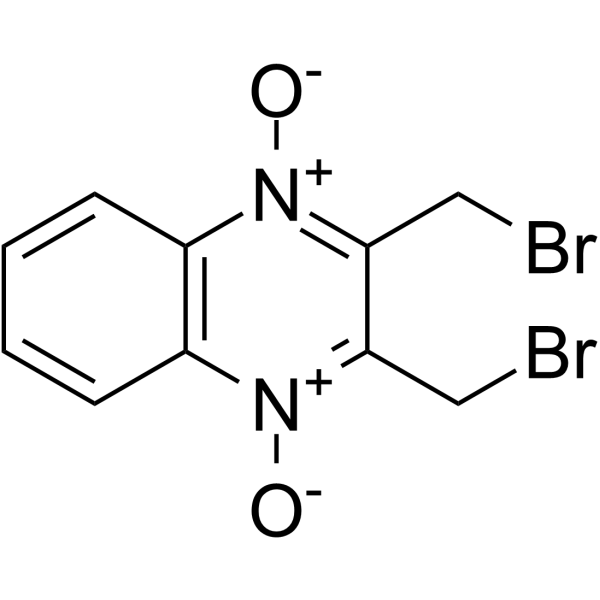 0 ImagesConoidin A is a cell permeable inhibitor of T. gondii enzyme peroxiredoxin II (TgPrxII) with nematicidal properties. Conoidin A covalently binds to the peroxidatic Cys47 of TgPrxII, irreversibly inhibiting its hyperperoxidation activity with an IC50 of 23 μM. Conoidin A also inhibits hyperoxidation of mammalian PrxI and PrxII (but not PrxIII). Conoidin A has antioxidant, neuroprotective effects and can be used for the research of ischaemic heart disease.
-
Trimetrexate
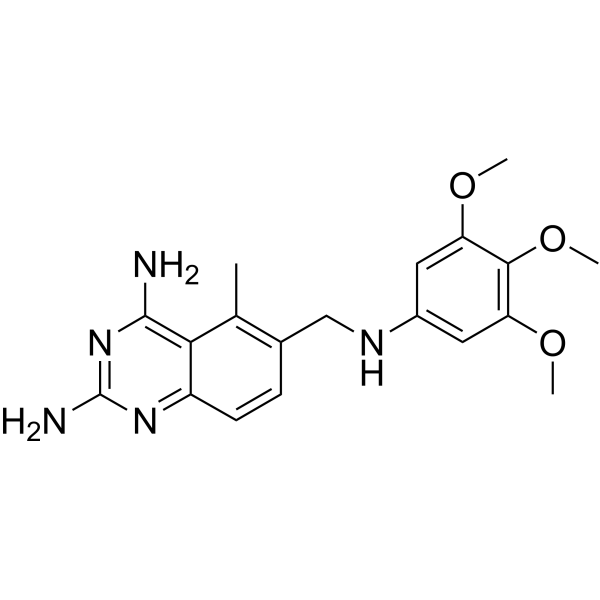 0 ImagesSynonyms: CI-898Trimetrexate (CI-898) is an antibiotic, also a potent and orally active dihydrofolate reductase (DHFR) inhibitor, reducing the production of DNA and RNA precursors and leading to cell death, with IC50 values of 4.74 nM and 1.35 nM for human DHFR and Toxoplasma gondii DHFR. Trimetrexate can also inhibit the growth of various cancer cells. Trimetrexate can be used for researching Pneumocystis carinii pneumonia (PCP) and cancer.
-
Spiramycin
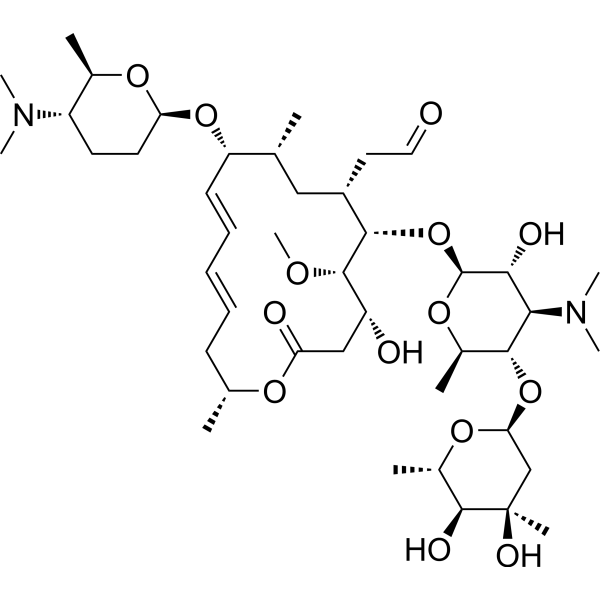 0 ImagesSpiramycin (Rovamycin) is a macrolide antibiotic produced by Streptomyces ambofaciens with against bacteria and Toxoplasma gondii activities, and also has antiparasitic effect. Spiramycin is composed of a 16-member lactone ring, on which three sugars (mycaminose, forosamine, and mycarose) are attached.
-
Sulfadiazine
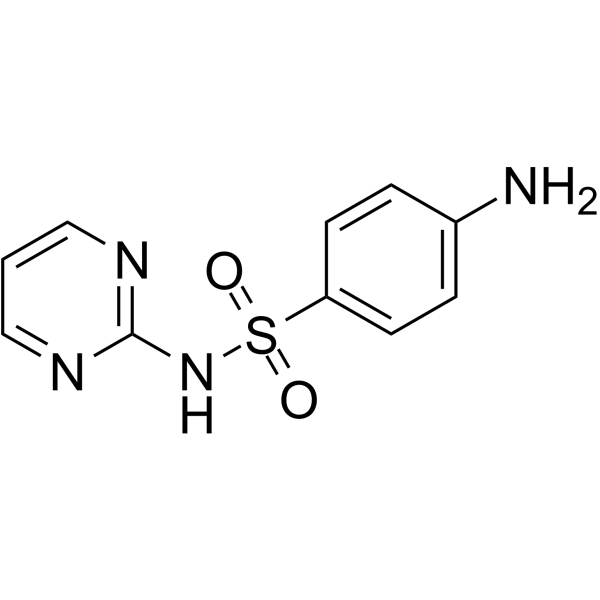 0 ImagesSulfadiazine is an orally active sulfonamide antibiotic. Sulfadiazine competitively inhibits p-aminobenzoic acid in the folic-acid-metabolism cycle, inhibiting multiplication of most Gram-positive and many Gram-negative bacteria. Sulfadiazine persists in soil long-term, and exerts selective pressure for sulfonamide-resistant microbial populations. Sulfadiazine targets Toxoplasma gondii DHPS enzyme. Sulfadiazine can be used for the research of congenital toxoplasmosis and bacterial infection.
-
Guanabenz
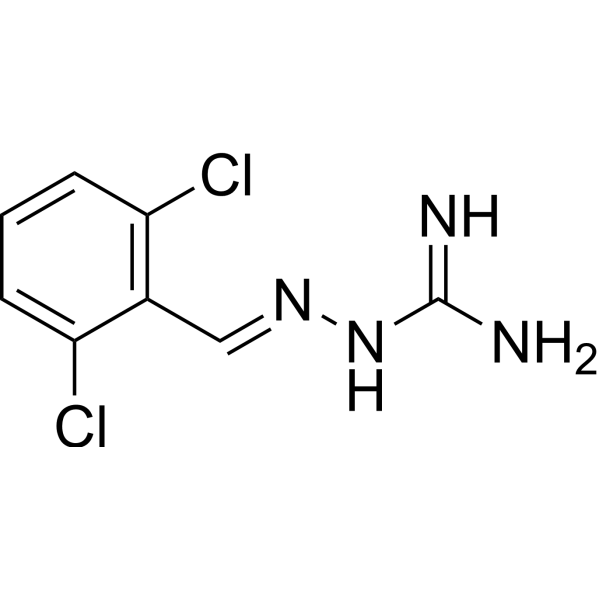 0 ImagesGuanabenz is an orally active α-2-adrenoceptor agonist. Guanabenz has antihypertensive effect and antiparasitic activity. Guanabenz interferes ER stress-signalling and has protective effects in cardiac myocytes. Guanabenz also is used for the research of high blood pressure.
-
CWHM-117
 0 ImagesCat. No.: HY-188134CAS No.: 1505452-80-1CWHM-117 is an orally active aspartic protease inhibitor with selective activity against Toxoplasma gondii. CWHM-117 inhibits the proliferation of Toxoplasma gondii tachyzoites in human fibroblasts, with an EC50 of 2.00 µM. CWHM-117 delays mortality in an acute mouse model of toxoplasmosis. In a chronic mouse model of toxoplasmosis, CWHM-117 reduces brain cyst burden and prolongs survival. CWHM-117 can be used for research on toxoplasmosis.
-
DHFR-IN-27
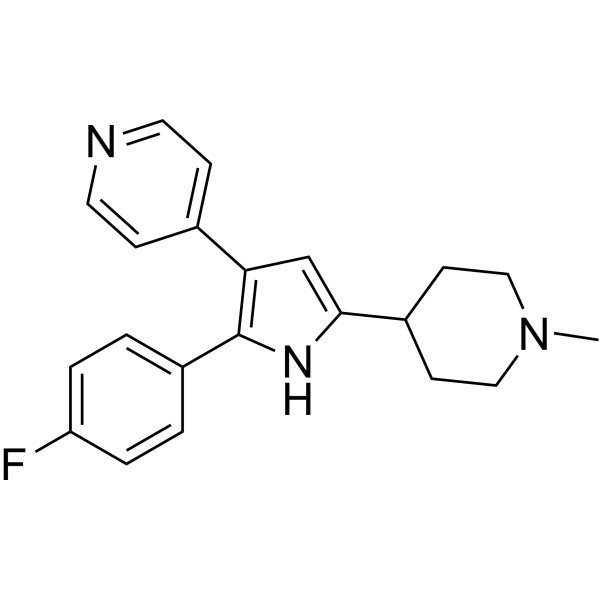
 0 ImagesCat. No.: HY-183286DHFR-IN-27 (Compound LA4) is an orally active DHFR inhibitor and antimalarial agent, with a Ki value of 1.71 nM against TgDHFR. DHFR-IN-27 reduces the parasitic load of Toxoplasma gondii in infected mice and prolongs the survival time of infected mice. DHFR-IN-27 exerts Antiparasitic effects against Toxoplasma gondii. DHFR-IN-27 can be used in the research of toxoplasmosis.
-
Estragole
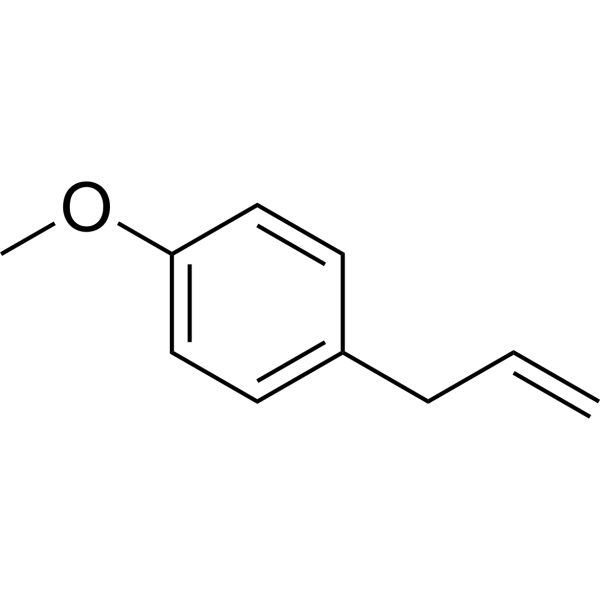 0 ImagesEstragole (4-Allylanisole) is a relatively nontoxic volatile terpenoid ether and major component of the essential oil from many plants. Estragole significantly triggers Apoptosis, suppresses LPS-induced intracellular ROS production. Estragole activats Nrf-2 and regulates NF-κB. Estragole has anti-toxoplasma, anti-inflammatory, anti-edema, antioxidant and immunomodulatory properties. Estragole blocks DRG neuron excitability. Estragole has improves gastric ulcer activity.
-
Guanabenz hydrochloride
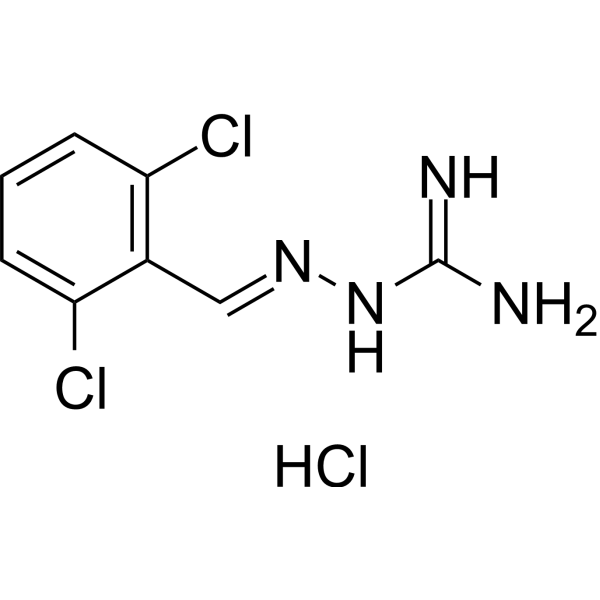 0 ImagesGuanabenz hydrochloride is an orally active α-2-adrenoceptor agonist. Guanabenz hydrochloride has antihypertensive effect and antiparasitic activity. Guanabenz hydrochloride interferes ER stress-signalling and has protective effects in cardiac myocytes. Guanabenz hydrochloride also is used for the research of high blood pressure.
-
Purfalcamine
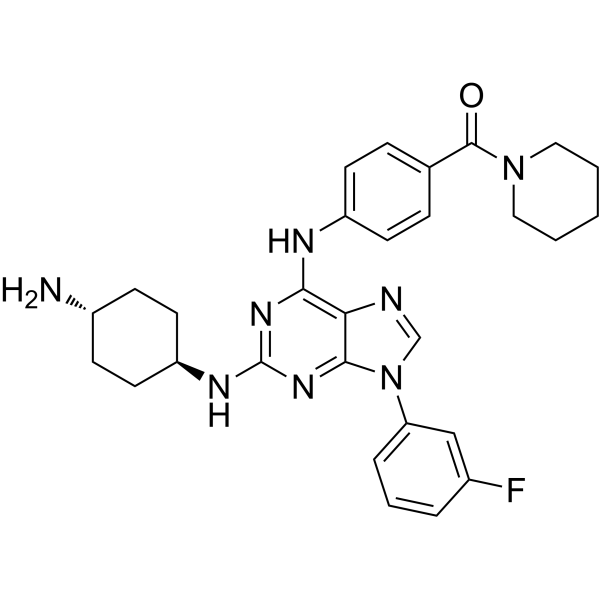 0 ImagesPurfalcamine is an orally active, selective Plasmodium falciparum calcium-dependent protein kinase 1 (PfCDPK1) inhibitor with an IC50 of 17 nM and an EC50 of 230 nM. Purfalcamine has antimalarial activity and causes malaria parasites developmental arrest at the schizont stage.
-
Sulfadiazine sodium
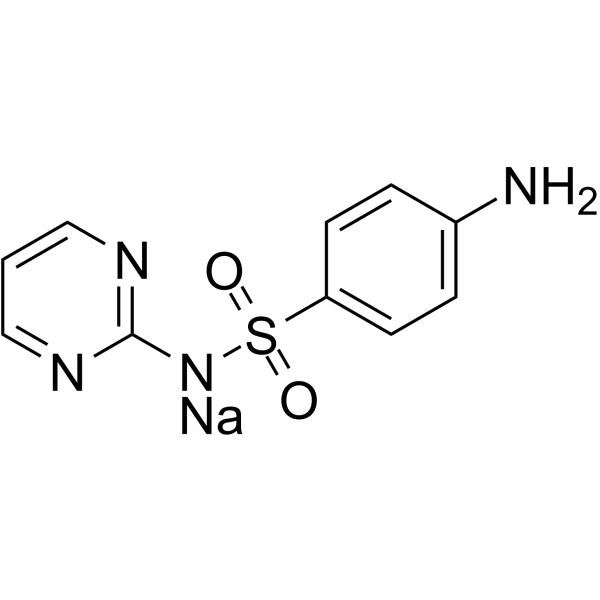 0 ImagesSulfadiazine sodium is an orally active sulfonamide antibiotic. Sulfadiazine sodium competitively inhibits p-aminobenzoic acid in the folic-acid-metabolism cycle, inhibiting multiplication of most Gram-positive and many Gram-negative bacteria. Sulfadiazine sodium persists in soil long-term, and exerts selective pressure for sulfonamide-resistant microbial populations. Sulfadiazine sodium targets Toxoplasma gondii DHPS enzyme. Sulfadiazine sodium can be used for the research of congenital toxoplasmosis and bacterial infection.
-
13,21-Dihydroeurycomanone
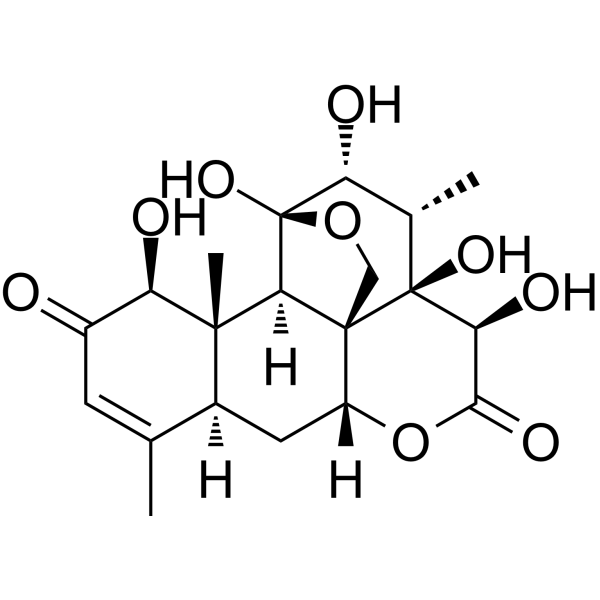 0 Images13,21-Dihydroeurycomanone, a natural compound isolated from Eurycoma longifolia root, possesses anti-parasite activity for Plasmodium falciparum and Toxoplasma gondii.
-
Dinitolmide
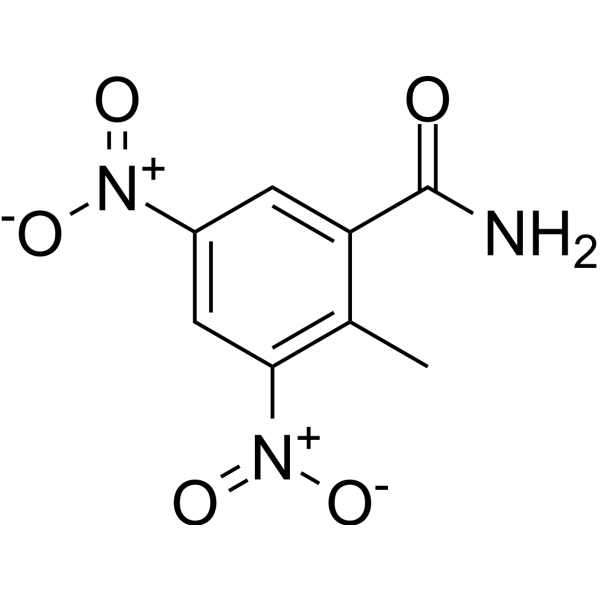 0 ImagesDinitolmide (Zoalene) is an orally active anticoccidial agent used as a fodder additive. Dinitolmide has a wide anticoccidial spectrum with no effect on host immunity. Dinitolmide mainly acts on the first generation merozoite stage of coccidia and also has an inhibitory effect on the sporulation process of oocysts. Dinitolmide has anti-Toxoplasma gondii effect in vitro with an EC50 of 3.625 μg/mL. Dinitolmide can be used to inhibits infections caused by Eimeria tenella.
-
Homobutein
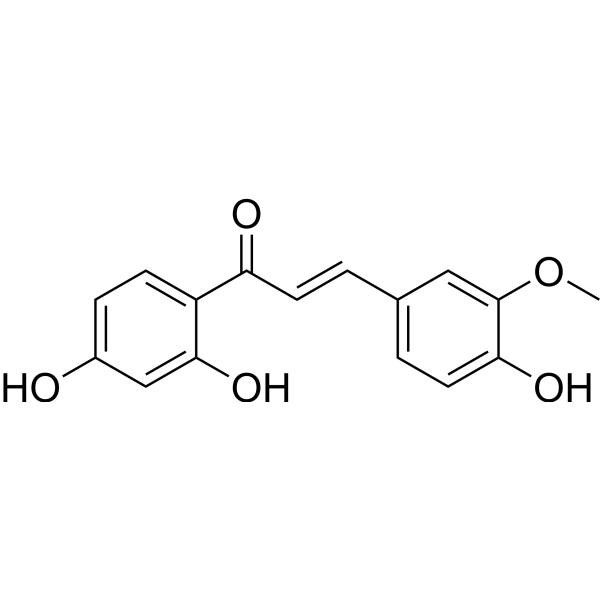 0 ImagesHomobutein a natural chalcones (can be found in many medicinal plants, fruits, vegetables, spices and nuts), is a potent HDACs/NF-κB dual inhibitor with IC50s of 190 and 38 μM, respectively. Homobutein also a chelator of iron (II and III) cations, shows various activities, including anticancer, anti-inflammatory, antiparasite and antioxidation.
-
Anti-Trypanosoma cruzi agent-2
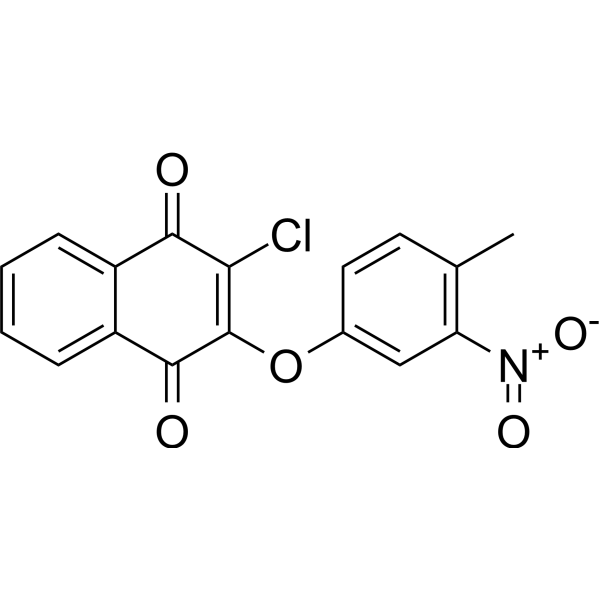 0 ImagesCat. No.: HY-115972CAS No.: 2863602-85-9Anti-Trypanosoma cruzi agent-1 (Compd 3b), selective compound against NINOA trypomastigote (IC50 = 0.51 µM) and INC-5 epimastigote form (IC50 = 3.06 µM), posseses anti-T. gondii activity.
-
Trimetrexate isethionate
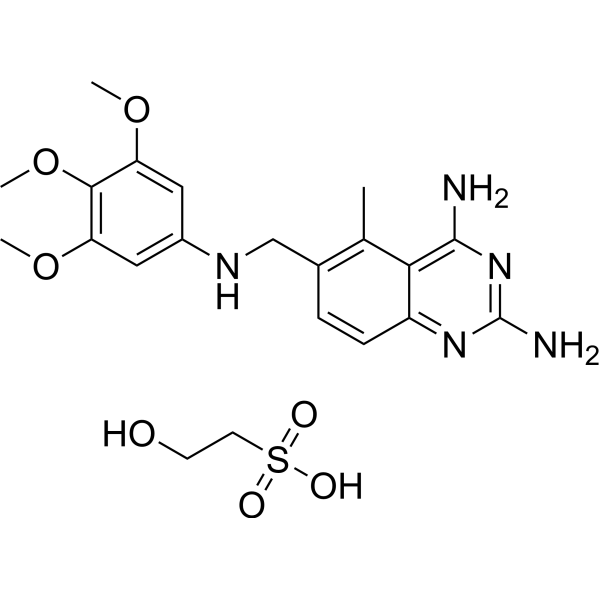 0 ImagesCat. No.: HY-10373BCAS No.: 82935-04-4Synonyms: CI-898 isethionateTrimetrexate (CI-898) isethionate is an antibiotic, also a potent and orally active dihydrofolate reductase (DHFR) inhibitor, reducing the production of DNA and RNA precursors and leading to cell death, with IC50 values of 4.74 nM and 1.35 nM for human DHFR and Toxoplasma gondii DHFR. Trimetrexate isethionate can also inhibit the growth of various cancer cells. Trimetrexate isethionate can be used for researching Pneumocystis carinii pneumonia (PCP) and cancer.
-
Trimetrexate trihydrochloride
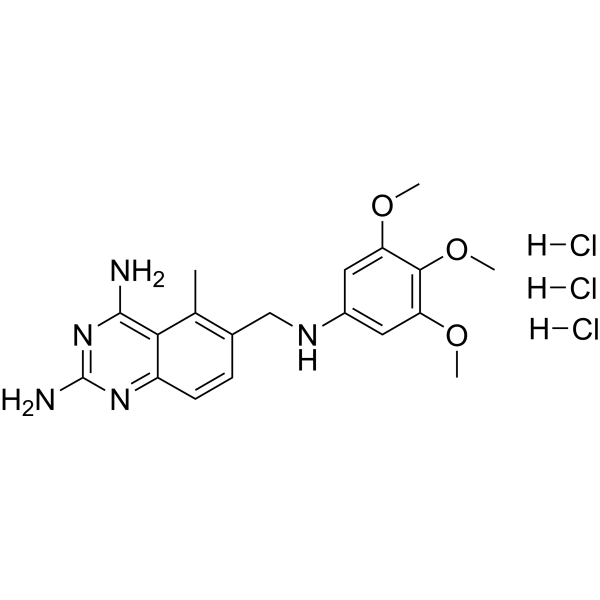 0 ImagesCat. No.: HY-10373ACAS No.: 1658520-97-8Synonyms: CI-898 trihydrochlorideTrimetrexate (CI-898) trihydrochloride is an antibiotic, also a potent and orally active dihydrofolate reductase (DHFR) inhibitor, reducing the production of DNA and RNA precursors and leading to cell death, with IC50 values of 4.74 nM and 1.35 nM for human DHFR and Toxoplasma gondii DHFR. Trimetrexate trihydrochloride can also inhibit the growth of various cancer cells. Trimetrexate trihydrochloride can be used for researching Pneumocystis carinii pneumonia (PCP) and cancer.
-
MMV687807
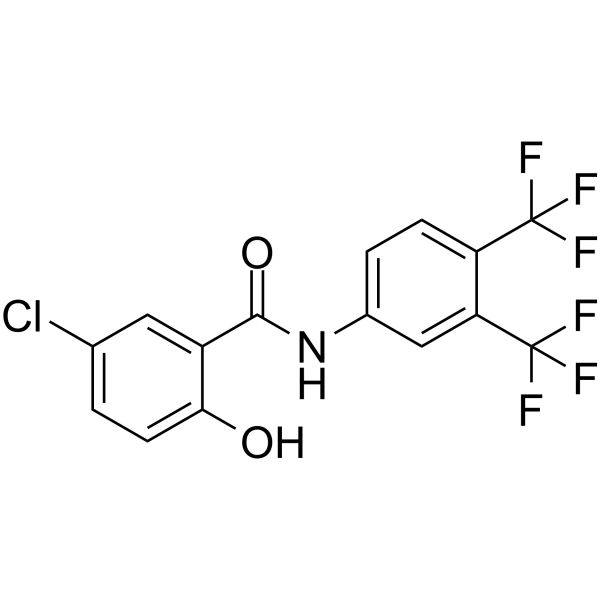 0 ImagesCat. No.: HY-147003CAS No.: 1417658-11-7MMV687807 is an anthelmintic agent which has a good activity against Toxoplasma gondii (T. gondii) with an IC50 value of 0.15 μM and a CC50 value of 1.69 μM.
-
Sulfadiazine-13C6
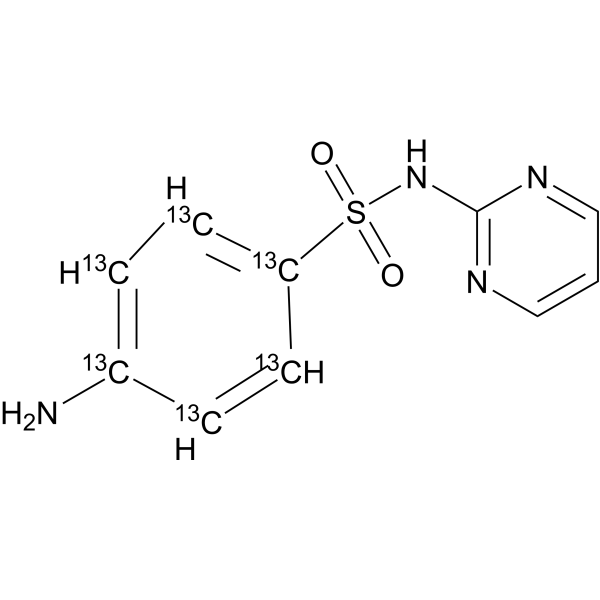 0 ImagesSulfadiazine-13C6 is a labeled Sulfadiazine (HY-B0273). Sulfadiazine is an orally active sulfonamide antibiotic. Sulfadiazine competitively inhibits p-aminobenzoic acid in the folic-acid-metabolism cycle, inhibiting multiplication of most Gram-positive and many Gram-negative bacteria. Sulfadiazine persists in soil long-term, and exerts selective pressure for sulfonamide-resistant microbial populations. Sulfadiazine targets Toxoplasma gondii DHPS enzyme. Sulfadiazine can be used for the research of congenital toxoplasmosis and bacterial infection.
- 1
- 2



