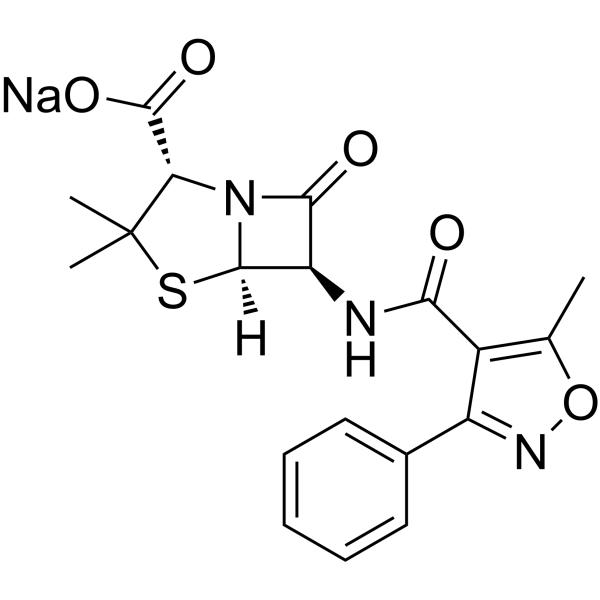
β-lactam
β-lactam antibiotics act on bacterial cell-wall biogenesis by covalently binding penicillin-binding proteins (PBPs), enzymes linked to peptidoglycan transpeptidation, growth, division, and cell-wall integrity[1]. Mechanistically, β-lactams disrupt peptidoglycan cross-linking, and experimental work shows that they can induce lethal malfunctioning of the cell-wall synthesis and degradation cycle[2]. In resistance models, bacteria reduce β-lactam activity through β-lactamases, altered PBPs, outer-membrane permeability changes, or alternative peptidoglycan cross-linking by L,D-transpeptidases[1][3]. Compared with high-molecular-weight PBPs, which are essential transpeptidases, low-molecular-weight PBPs show less defined physiological roles but contribute to β-lactam resistance through mutation or altered abundance[3]. Isoform-specific studies further show that PBP2a, PBP4, PBP5, PonA1, and PonA2 differ in affinity, structural behavior, and β-lactam inactivation capacity, making isoform selection critical for resistance-focused experiments[4][5][6]. For experimental applications, β-lactamase inhibitors and potentiators support resistance-mechanism studies, while β-lactone probes and PbpP-based sensing models help analyze PBP binding, isoform selectivity, and β-lactam response pathways[7][8][9].
References:
- [1]. Georgopapadakou NH. Penicillin-binding proteins and bacterial resistance to beta-lactams. Antimicrob Agents Chemother. 1993 Oct;37(10):2045-53. doi: 10.1128/AAC.37.10.2045. PMID: 8257121; PMCID: PMC192226. et al. Penicillin-binding proteins and bacterial resistance to beta-lactams. Antimicrob Agents Chemother. 1993 Oct;37(10):2045-53. [Content Brief]
- [2]. Cho H, et al. Beta-lactam antibiotics induce a lethal malfunctioning of the bacterial cell wall synthesis machinery. Cell. 2014 Dec 4;159(6):1300-11. [Content Brief]
- [3]. Ealand CS, et al. β-lactam resistance: The role of low molecular weight penicillin binding proteins, β-lactamases and ld-transpeptidases in bacteria associated with respiratory tract infections. IUBMB Life. 2018 Sep;70(9):855-868. [Content Brief]
- [4]. Ambade SS, et al. A Review on Five and Six-Membered Heterocyclic Compounds Targeting the Penicillin-Binding Protein 2 (PBP2A) of Methicillin-Resistant Staphylococcus aureus (MRSA). Molecules. 2023 Oct 10;28(20):7008. [Content Brief]
- [5]. Moon TM, et al. The structures of penicillin-binding protein 4 (PBP4) and PBP5 from Enterococci provide structural insights into β-lactam resistance. J Biol Chem. 2018 Nov 30;293(48):18574-18584. [Content Brief]
- [6]. Kumar G, et al. Penicillin Binding Proteins and β-Lactamases of Mycobacterium tuberculosis: Reexamination of the Historical Paradigm. mSphere. 2022 Feb 23;7(1):e0003922. [Content Brief]
- [7]. Narendrakumar L, et al. β-Lactam potentiators to re-sensitize resistant pathogens: Discovery, development, clinical use and the way forward. Front Microbiol. 2023 Mar 10;13:1092556. [Content Brief]
- [8]. Flanders PL, et al. Combined Structural Analysis and Molecular Dynamics Reveal Penicillin-Binding Protein Inhibition Mode with β-Lactones. ACS Chem Biol. 2022 Nov 18;17(11):3110-3120. [Content Brief]
- [9]. Nauta KM, et al. The Penicillin-Binding Protein PbpP Is a Sensor of β-Lactams and Is Required for Activation of the Extracytoplasmic Function σ Factor σP in Bacillus thuringiensis. mBio. 2021 Mar 23;12(2):e00179-21. [Content Brief]
-
β-lactam Related Products (199)
Related Products (199)

-
Ampicillin
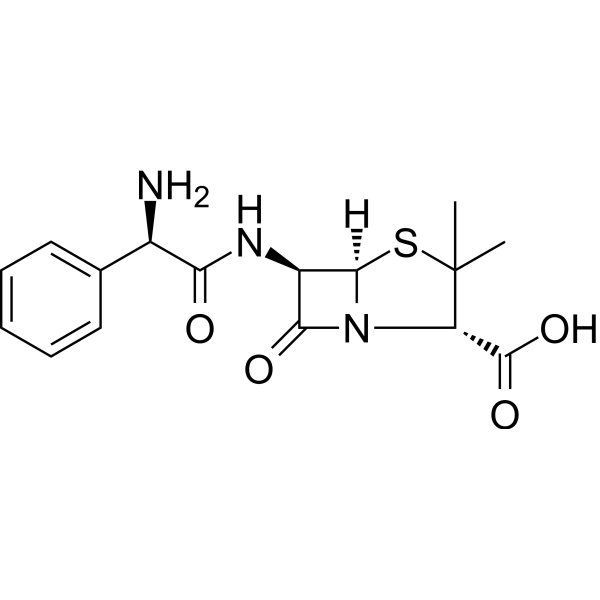 0 ImagesAmpicillin is a broad-spectrum beta-lactam antibiotic against a variety of gram-positive and gram-negative bacteria.
-
Ampicillin sodium
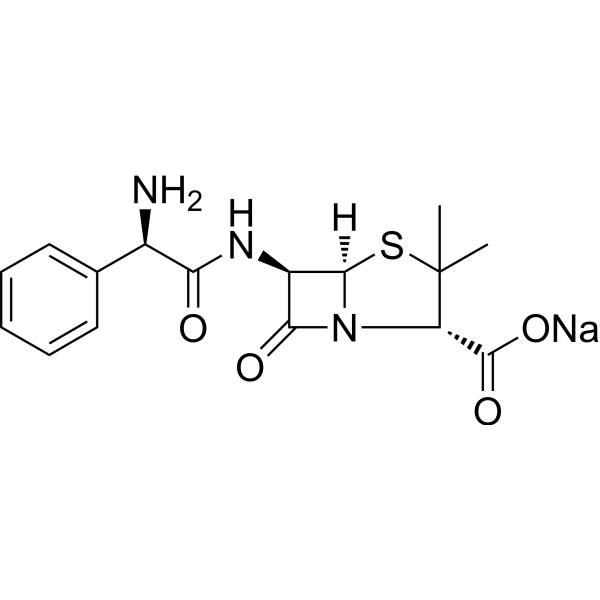 0 ImagesSynonyms: D-(-)-α-Aminobenzylpenicillin sodium saltAmpicillin sodium (D-(-)-α-Aminobenzylpenicillin sodium salt) is a broad-spectrum beta-lactam antibiotic against a variety of gram-positive and gram-negative bacteria.
-
Meropenem
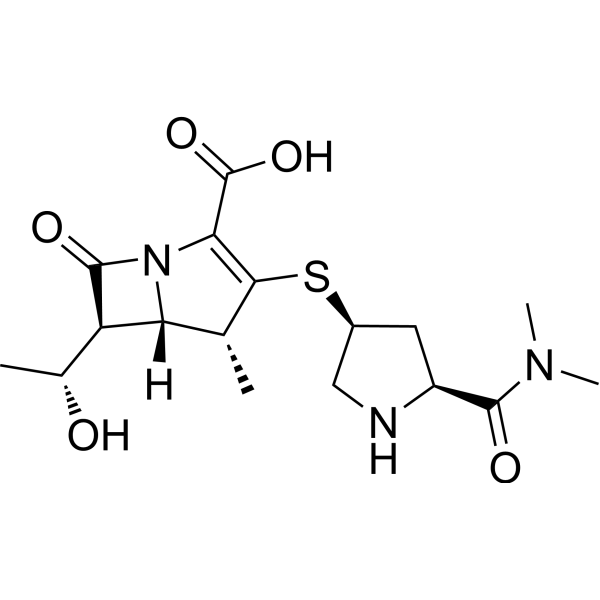 0 ImagesSynonyms: SM 7338Meropenem (SM 7338) is a carbapenem antibiotic with broad-spectrum antibacterial activity. Meropenem has activity against susceptible and resistant N. gonorrhoeae (MIC value of 0.02-0.06 mg/mL), H. influenzae (MIC value of 0.03-0.12 mg/mL), and H. ducreyi (MIC value of 0.015-0.12 mg/mL).
-
Carbenicillin disodium
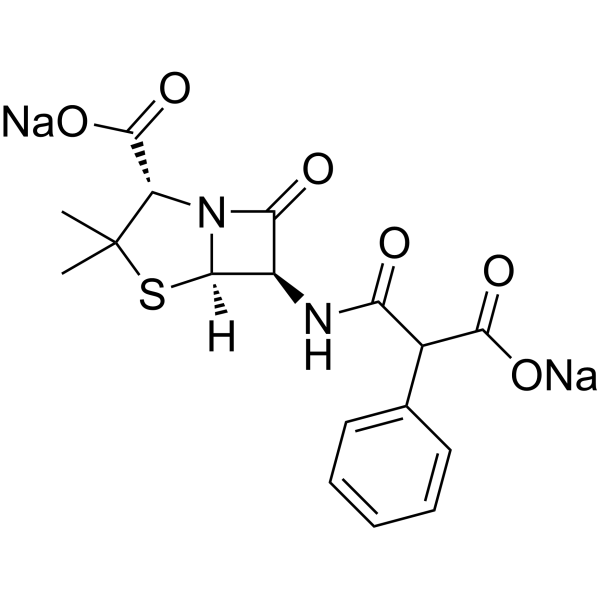 0 ImagesCarbenicillin disodium (Sodium carbenicillin) is a broad-spectrum semi-synthetic penicillin antibiotic for gram-negative bacteria. Carbenicillin disodium can interfere the cell wall synthesis while displaying low toxicity to plant tissue.
-
Imipenem
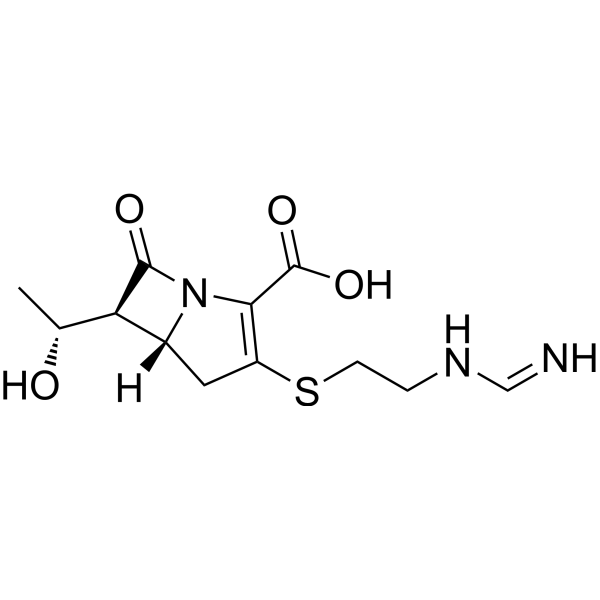 0 ImagesSynonyms: N-Formimidoyl thienamycin; MK0787Imipenem (MK0787), a stable crystalline derivative of thienamycin, is an antibiotic and has the excellent activity against a broad range of gram-positive and gram-negative aerobic and anaerobic bacteria. Imipenem can be used for the research of carbapenem-nonsusceptible and P. aeruginosa biofilm infections.
-
Novobiocin sodium
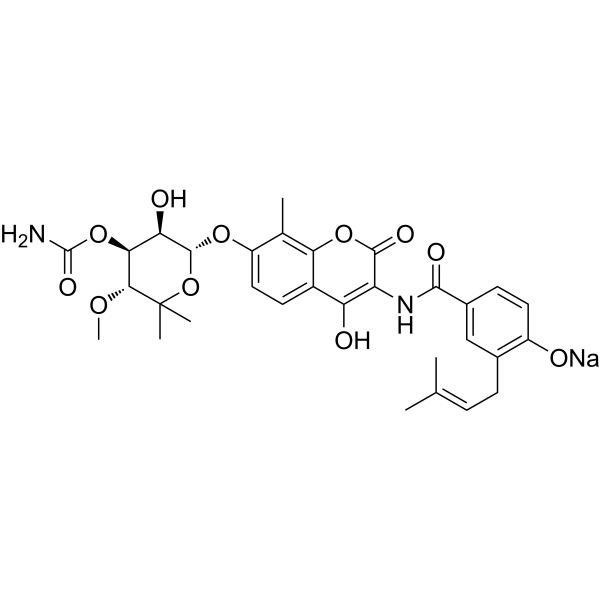 0 ImagesNovobiocin (Albamycin; Cathomycin) sodium is an orally active antibiotic and Hsp-90 antagonist that also inhibits the Polθ helicase/ATPase domain with IC50 values of 24 μM and 15-17 μM, respectively. Novobiocin sodium binds to Hsp90, GyrB, and POLθ, inhibiting their ATPase activity and ssDNA binding. Novobiocin sodium inhibits molecular chaperone function and DNA repair, and induces apoptosis and genomic instability. Novobiocin sodium exhibits bactericidal and antiparasitic activities. Novobiocin sodium inhibits tumor growth in vivo. Novobiocin sodium is used for research on equine piroplasmosis, ovarian cancer, breast cancer, anthrax, and melioidosis.
-
Novobiocin
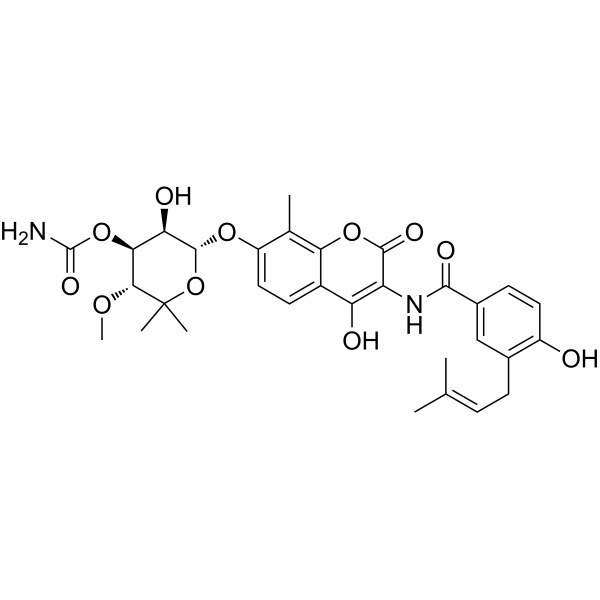 0 ImagesNovobiocin (Albamycin; Cathomycin) is an orally active antibiotic and Hsp-90 antagonist that also inhibits the Polθ helicase/ATPase domain with IC50 values of 24 μM and 15-17 μM, respectively. Novobiocin binds to Hsp90, GyrB, and POLθ, inhibiting their ATPase activity and ssDNA binding. Novobiocin inhibits molecular chaperone function and DNA repair, and induces apoptosis and genomic instability. Novobiocin exhibits bactericidal and antiparasitic activities. Novobiocin inhibits tumor growth in vivo. Novobiocin is used for research on equine piroplasmosis, ovarian cancer, breast cancer, anthrax, and melioidosis.
-
Ceftazidime
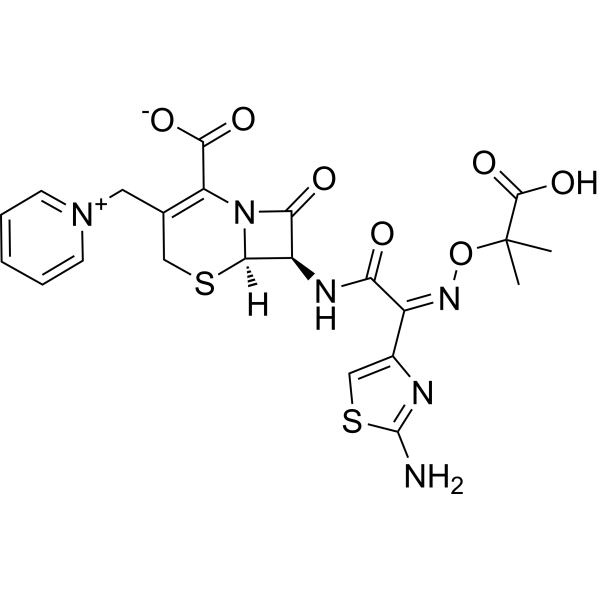 0 ImagesSynonyms: GR20263Ceftazidime (GR20263), an antibiotic, has a broad spectrum activity against Gram-positive and Gram-negative aerobic bacteria. Ceftazidime is also active against Enterobacteriaceae (including β-lactamase-positive strains) and is resistant to hydrolysis by most β-lactamases.
-
Imipenem monohydrate
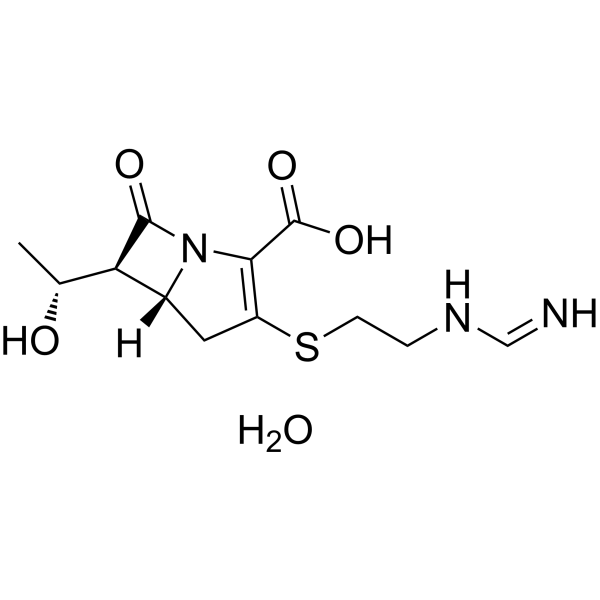 0 ImagesSynonyms: N-Formimidoyl thienamycin monohydrate; MK0787 monohydrateImipenem monohydrate, a stable crystalline derivative of thienamycin, is an antibiotic and has the excellent activity against a broad range of gram-positive and gram-negative aerobic and anaerobic bacteria. Imipenem monohydrate can be used for the research of carbapenem-nonsusceptible and P. aeruginosa biofilm infections.
-
Aztreonam
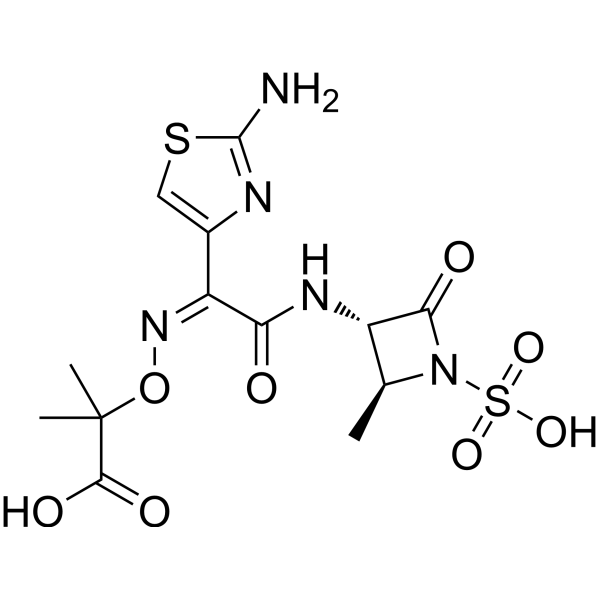 0 ImagesSynonyms: SQ-26,776Aztreonam (SQ-26,776) is a synthetic monocyclic beta-lactam antibiotic, which has a very high affinity for penicillin-binding protein 3 (PBP-3).
-
Nitrocefin
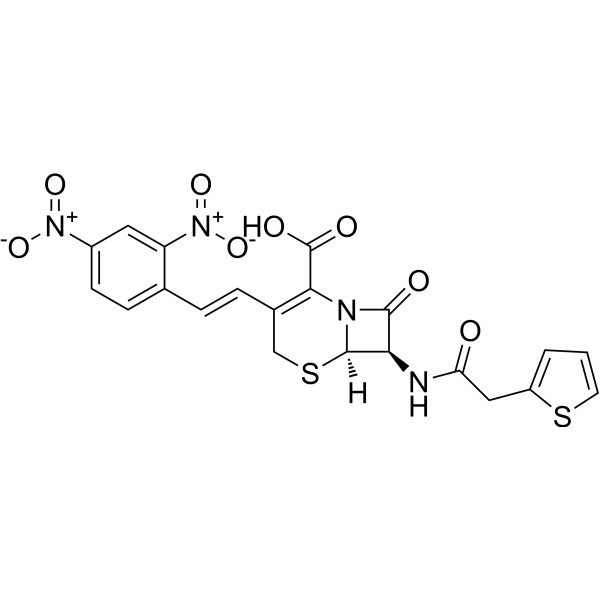 0 ImagesNitrocefin is a highly activated, chromogenic cephalosporin derivative. Nitrocefin is a chromogenic β-lactamase substrate. Nitrocefin undergoes a distinctive color change from yellow to red as the amide bond in the β-lactam ring is hydrolyzed by β-lactamase. Nitrocefin is used in competitive inhibition studies in developmental work on β-lactamase-resistant antibiotics.
-
Ertapenem sodium
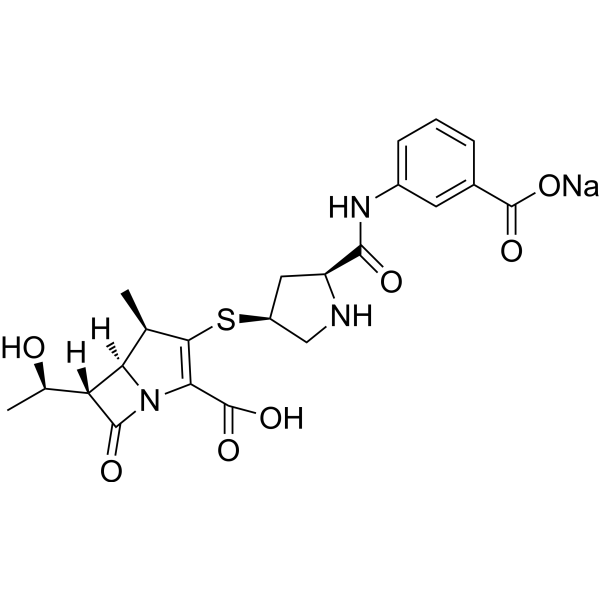 0 ImagesSynonyms: L-749345; MK-826Ertapenem sodium (L-749345) is a broad spectrum and long acting β-lactam antibiotic. Ertapenem sodium has a broad-spectrum anti-anaerobic activity against a variety of anaerobes with a mode MIC of 0.12 μg/mL. Ertapenem sodium can be used for the research of severe infections caused by bacteria in the skin, lungs, stomach, pelvis, and urinary tract.
-
Meropenem trihydrate
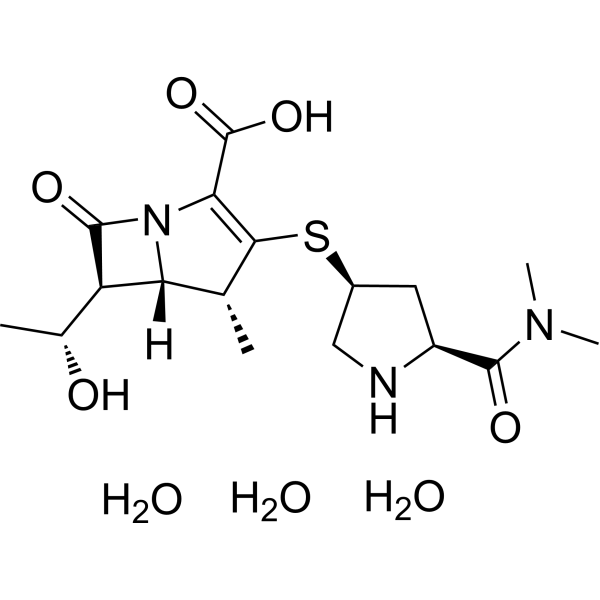 0 ImagesSynonyms: SM 7338 trihydrateMeropenem trihydrate (SM 7338 trihydrate) is a carbapenem antibiotic with broad-spectrum antibacterial activity. Meropenem trihydrate has activity against susceptible and resistant N. gonorrhoeae (MIC value of 0.02-0.06 mg/mL), H. influenzae (MIC value of 0.03-0.12 mg/mL), and H. ducreyi (MIC value of 0.015-0.12 mg/mL).
-
Cefepime
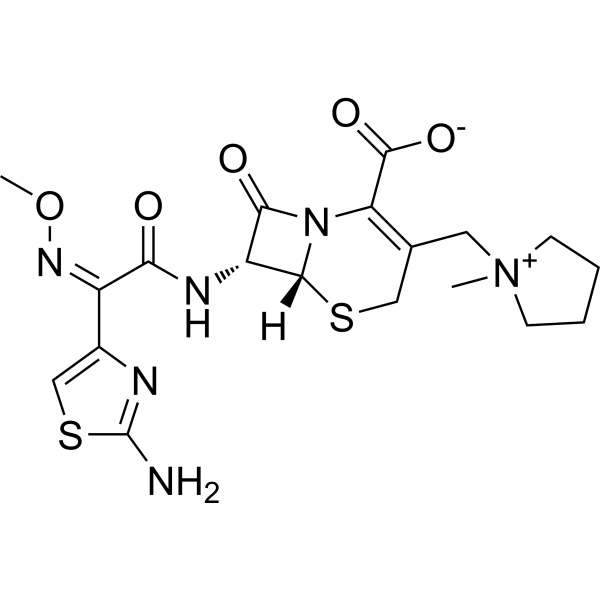 0 ImagesSynonyms: BMY-28142Cefepime (BMY-28142) is a broad-spectrum, blood-brain barrier-permeable cephalosporin antibiotic with hPON1 inhibitory activity, with an IC50 of 21.115 mM and a Ki of 35.092 mM. Cefepime inhibits hPON1 via a non-competitive mechanism and blocks GABAA receptors. Cefepime penetrates the outer membrane of Gram-negative bacteria, inhibits the growth of Gram-positive and Gram-negative bacteria, and does not induce the production of β-lactamase.
-
Sulbactam
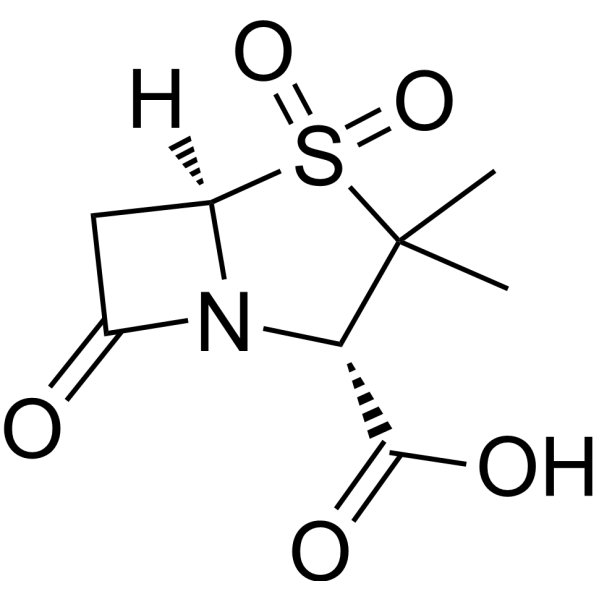 0 ImagesSynonyms: CP45899Sulbactam (CP45899) is a competitive, irreversible beta-lactamase inhibitor. Sulbactam shows antimicrobial activity against multidrug-resistant (MDR) acinetobacter calcoaceticus--Acinetobacter baumannii (Acb) complex.
-
Cefotaxime
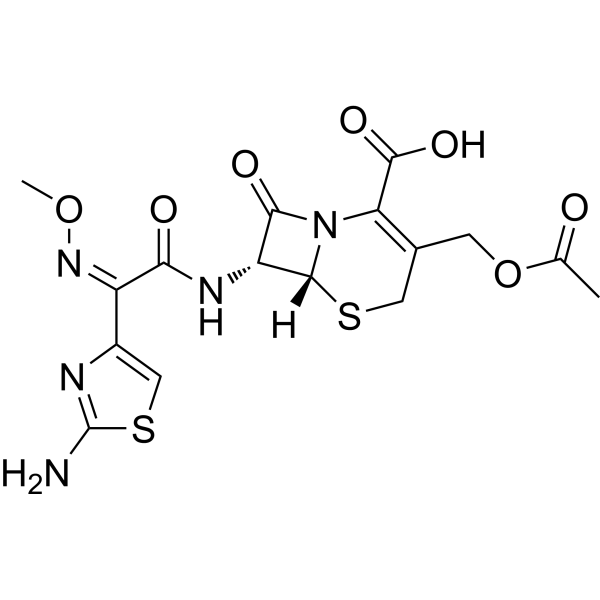 0 ImagesSynonyms: Cefotaxim; HR-756Cefotaxime, a β-lactamase stable cephalosporin and a third-generation cephalosporin antibiotic, possesses broad-spectrum antibiotic activity against numerous Gram-positive and Gram-negative bacteria.
-
Ceftriaxone sodium salt
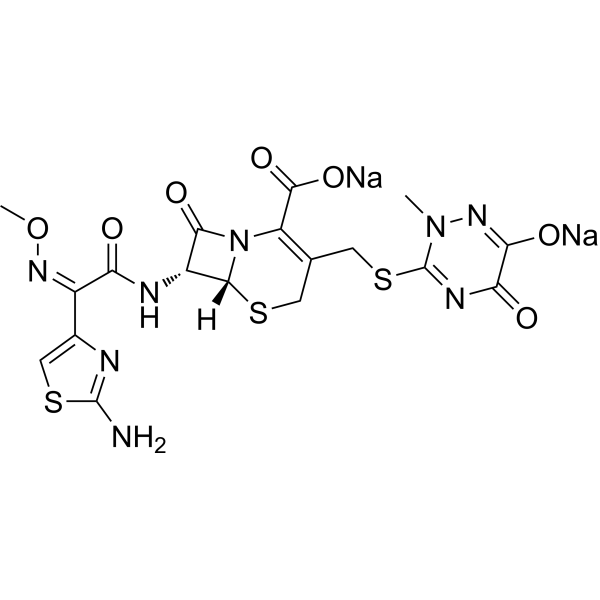 0 ImagesSynonyms: Ro 13-9904Ceftriaxone sodium salt (Ro 13-9904) is a broad spectrum β-lactam third-generation cephalosporin antibiotic, which has good antibacterial activity against a variety of gram-negative and positive bacteria. Ceftriaxone sodium salt is a covalent inhibitor of GSK3β with IC50 value of 0.78 μM. Ceftriaxone sodium salt is an inhibitor of Aurora B. Ceftriaxone sodium salt has anti-inflammatory, antitumor and antioxidant activities. Ceftriaxone sodium salt can be used in the study of bacterial infections and meningitis.