



Staphylococcus Aureus Infection
-
Staphylococcus Aureus Infection (266)

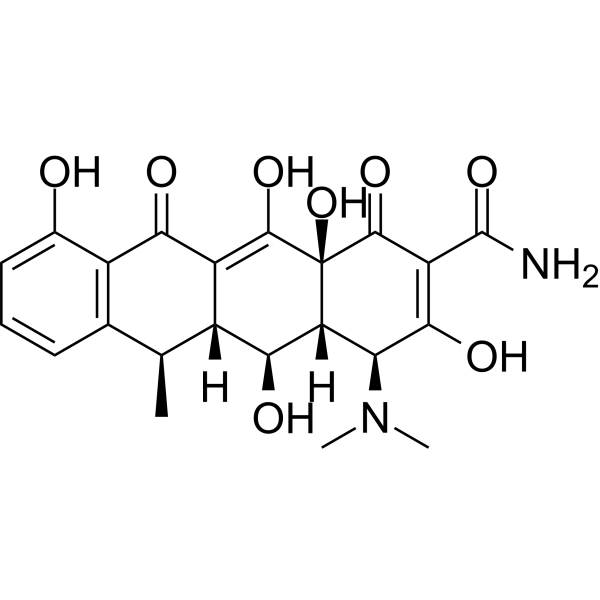
- Formula: C22H24N2O8
- Molecular Weight: 444.43
Doxycycline, an antibiotic, is an orally active and broad-spectrum metalloproteinase (MMP) inhibitor. Doxycycline shows antibacterial activity and anti-cancer cell proliferation activity.
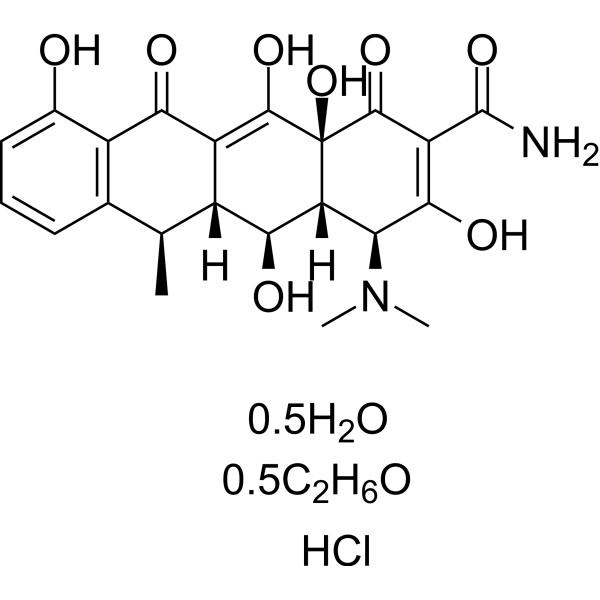
- Formula: C23H29ClN2O9
- Molecular Weight: 512.94
Doxycycline hyclate, an antibiotic, is an orally active and broad-spectrum metalloproteinase (MMP) inhibitor. Doxycycline hyclate shows antibacterial activity and anti-cancer cell proliferation activity. Doxycycline hyclate can be used to construct gene expression regulation models.

- Molecular Weight: 147 kDa
Dupilumab (REGN-668) is a fully human mAb to IL-4 receptor α (IL-4Rα) that inhibits both IL-4 and IL-13 signaling, markedly improved moderate-to-severe atopic dermatitis.
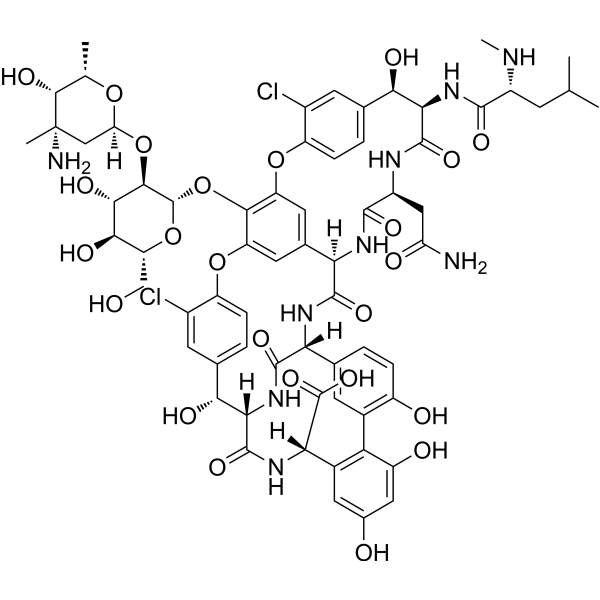
- Formula: C66H75Cl2N9O24
- Molecular Weight: 1449.25
Vancomycin is an antibiotic for the treatment of bacterial infections.
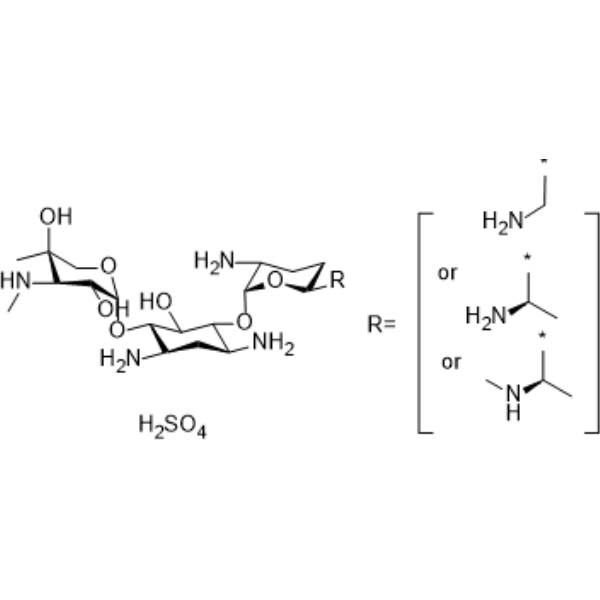
- Formula: C24H55N7O11S3*
- Molecular Weight: 561.65 (Average)
Gentamicin sulfate, an aminoglycoside antibiotic, inhibits the growth of both gram-positive and gram-negative bacteria and to inhibit several strains of mycoplasma in tissue culture. Gentamicin sulfate inhibits DNase I with an IC50 of 0.57 mM.
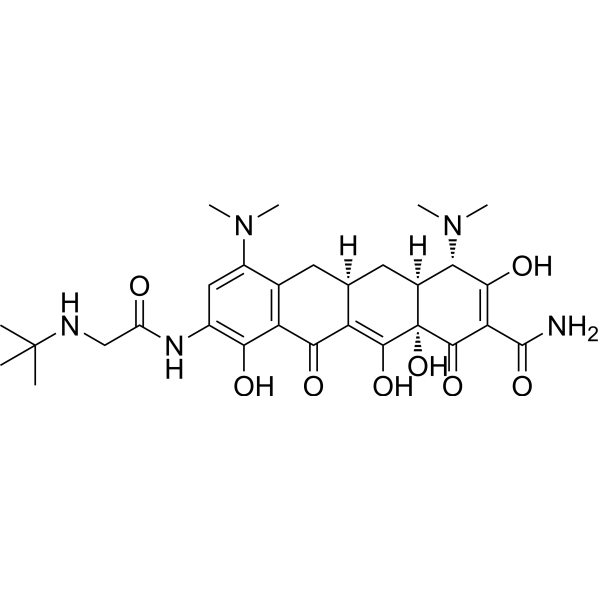
- Formula: C29H39N5O8
- Molecular Weight: 585.65
Tigecycline (GAR-936) is a broad-spectrum glycylcycline antibiotic. The mean inhibitory concentration (MIC) of Tigecycline for E. coli (MG1655 strain) is approximately 125 ng/mL. MIC50 and MIC90 are 1 and 2 mg/L for Acinetobacter baumannii (A. baumannii), respectively.
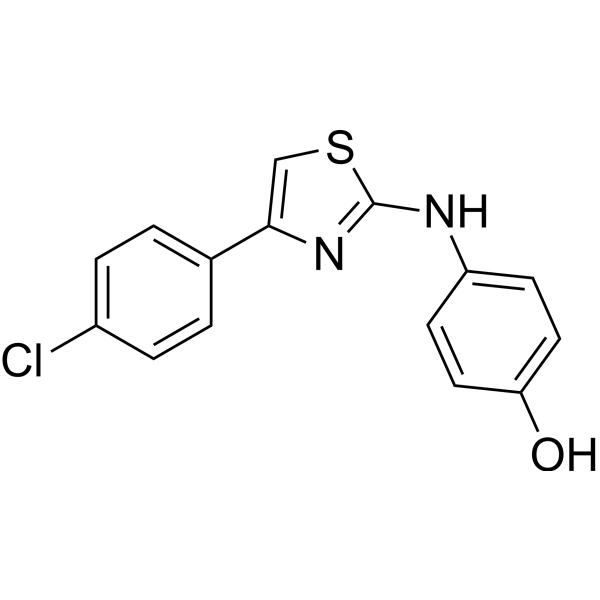
- Formula: C15H11ClN2OS
- Molecular Weight: 302.78
SKI-II is an orally active dual-target inhibitor of SphK1/2 and DES1, with Ki values of 16 µM and 0.3 µM against SphK1 and DES1, respectively. SKI-II activates the PERK-Nrf2 antioxidant pathway by stabilizing Nrf2, and synergizes with Temozolomide (HY-17364) to induce oxidative/endoplasmic reticulum stress and cancer cell death under hypoxic conditions. In vivo, SKI-II inhibits SphK activity, promotes ceramide accumulation and apoptosis, and synergizes with Cisplatin (HY-17394) to reverse drug resistance via the ras/MAPK pathway. SKI-II reduces measles virus replication by inhibiting mTORC1 activity. SKI-II binds to VCP to induce M1 polarization, enhances host tolerance to Staphylococcus aureus infection, and exerts radioprotective effects through Nrf2 activation and accelerated DNA repair. SKI-II can be used in research related to glioblastoma, acute myeloid leukemia, gastric cancer, measles virus infection, Staphylococcus aureus infection, and acute radiation syndrome.
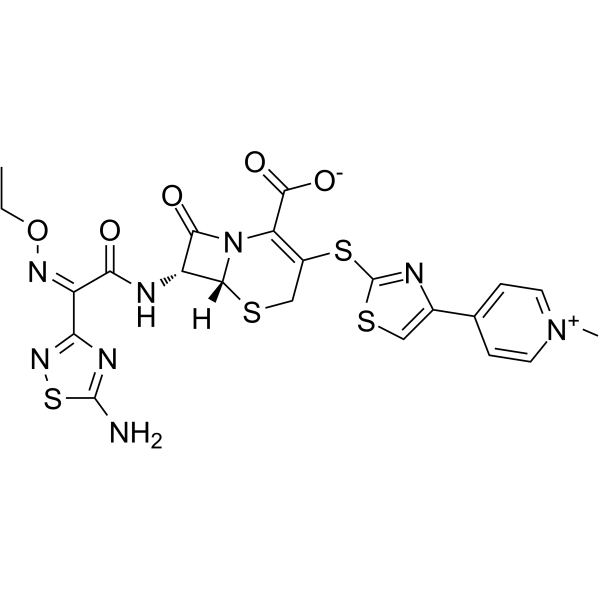
- Formula: C22H20N8O5S4
- Molecular Weight: 604.70
Ceftaroline (T-91825) is a cephalosporin compound and the active form of Ceftaroline fosamil (HY-14737). Ceftaroline exhibits activity against Gram-positive bacteria, Gram-negative bacteria, and some anaerobic bacteria. Ceftaroline binds to penicillin-binding proteins 2 and 2A, thereby inhibiting the synthesis of bacterial peptidoglycan and cell wall, and acts as a bactericide, synergist, and resistance inhibitor. Ceftaroline can be used in research related to complicated skin and soft tissue infections, community-acquired pneumonia, Enterococcus faecalis infective endocarditis, and bacterial infections.
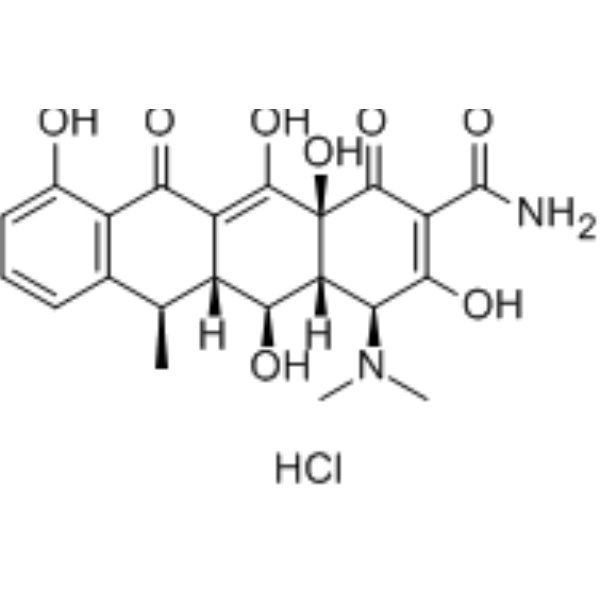
- Formula: C22H25ClN2O8
- Molecular Weight: 480.90
Doxycycline hydrochloride, an antibiotic, is an orally active and broad-spectrum metalloproteinase (MMP) inhibitor. Doxycycline hydrochloride shows antibacterial activity and anti-cancer cell proliferation activity. Doxycycline hydrochloride can be used to construct gene expression regulation models.
- Formula: CaCl2
- Molecular Weight: 110.98
Calcium chloride anhydrous, for cell culture is an inorganic salt for the preparation of various buffers. Calcium chloride anhydrous, for cell culture can be used for animal modeling, to construct abdominal aortic aneurysm models.
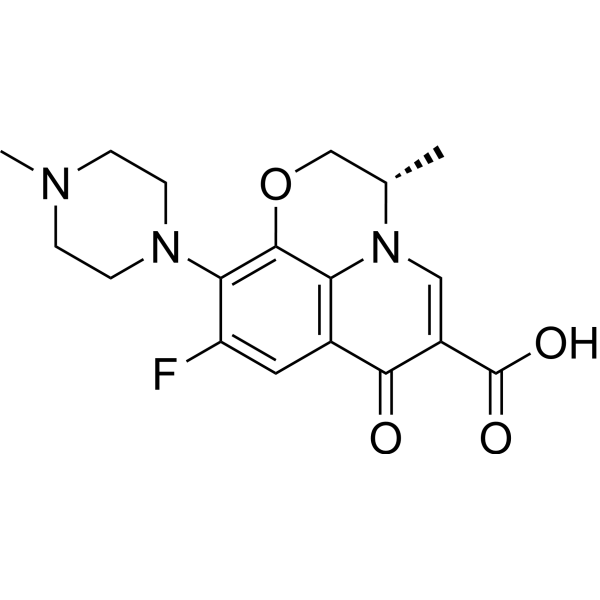
- Formula: C18H20FN3O4
- Molecular Weight: 361.37
Levofloxacin ((-)-Ofloxacin) is an orally active antibiotic and is active against both Gram-positive and Gram-negative bacteria. Levofloxacin inhibits the DNA gyrase and topoisomerase IV. Levofloxacin can be used for chronic periodontitis, airway inflammation and BK Viremia research. Levofloxacin shows anti-orthopoxvirus activity.
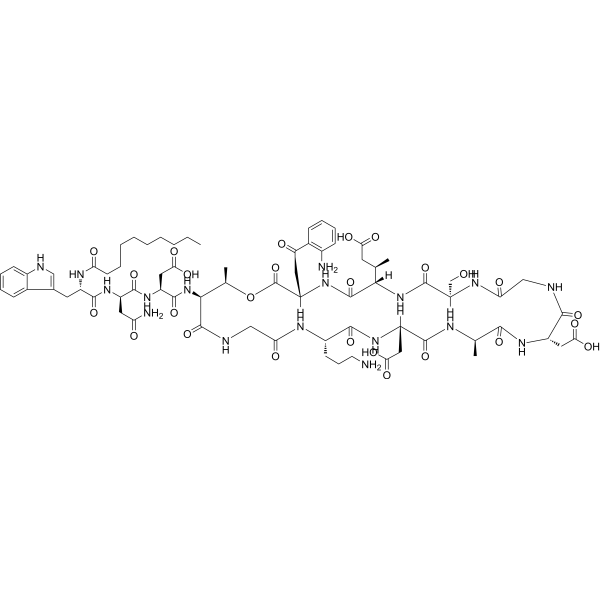
- Formula: C72H101N17O26
- Molecular Weight: 1620.67
Daptomycin is a lipopeptide antibiotic with rapid in vitro bactericidal activity against gram-positive organisms.
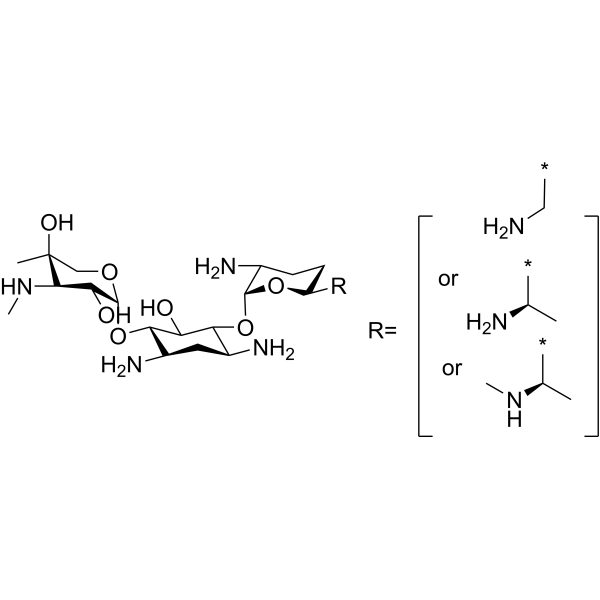
- Formula: C24H53N7O73*
Gentamicin, an aminoglycoside antibiotic, inhibits the growth of both gram-positive and gram-negative bacteria and to inhibit several strains of mycoplasma in tissue culture. Gentamicin inhibits DNase I with an IC50 of 0.57 mM.
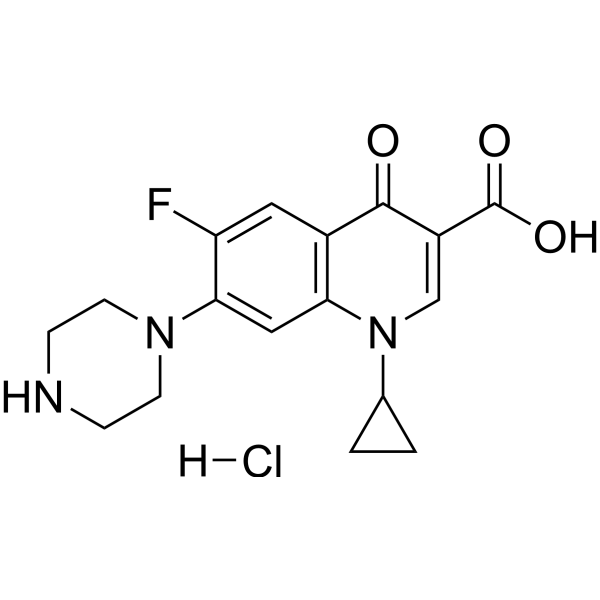
- Formula: C17H19ClFN3O3
- Molecular Weight: 367.81
Ciprofloxacin (Bay-09867) monohydrochloride is an orally active, blood-brain barrier permeable fluoroquinolone antibacterial agent. Ciprofloxacin monohydrochloride exerts bactericidal effects primarily by inhibiting topoisomerase II and IV. Ciprofloxacin monohydrochloride inhibits the proliferation of human dental pulp stem cells and chondrocytes from young rats, and also activates the Akt signaling pathway and upregulates markers such as β-catenin and Nanog to maintain the morphological characteristics of stem cells. Ciprofloxacin monohydrochloride induces significant neurotoxicity and tissue damage, including reducing serotonin and glutathione levels in the brain, inducing oxidative stress and depression-like behaviors, and causing articular cartilage damage. Ciprofloxacin monohydrochloride can be applied to research related to infections of necrotic young permanent teeth and neurotoxicity.

- Formula: C16H13NO3S
- Molecular Weight: 299.35
ANS (8-Anilino-1-naphthalenesulfonic acid) is a competitive inhibitor targeting thyroxine binding globulin (TBG) (Ki=2.09×10⁶ M-1). ANS is used in radioimmunoassay by displacing bound triiodothyronine (T3) to improve detection sensitivity. ANS can block the protein binding site of T3 and release free T3 for antibody recognition. As a fluorescent probe, ANS can specifically bind to the hydrophobic region of proteins (such as membrane proteins) and monitor the dynamics of protein conformation through changes in fluorescent signals. It is widely used in biochemical research and antibacterial material development.
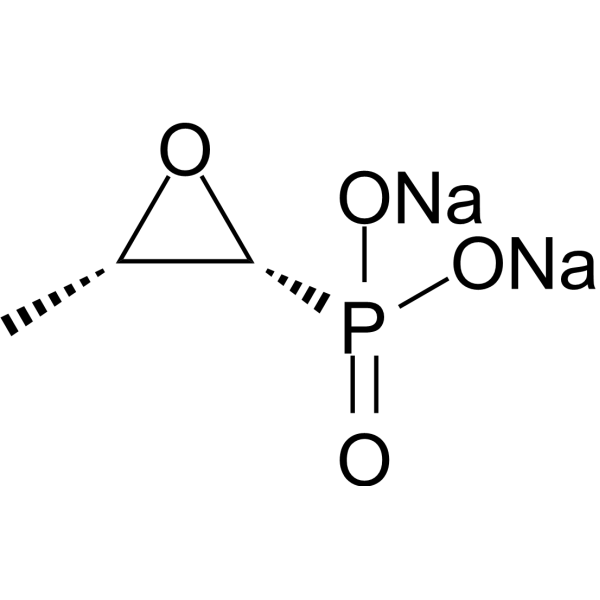
- Formula: C3H5Na2O4P
- Molecular Weight: 182.02
Fosfomycin (MK-0955) sodium is a blood-brain barrier penetrating, broad-spectrum antibiotic by irreversibly inhibiting an early stage in cell wall synthesis. Fosfomycin sodium shows both in vivo and in vitro activity against a wide range of bacteria, including multidrug-resistant (MDR), extensively drug-resistant (XDR), and pan-drug-resistant (PDR) bacteria.
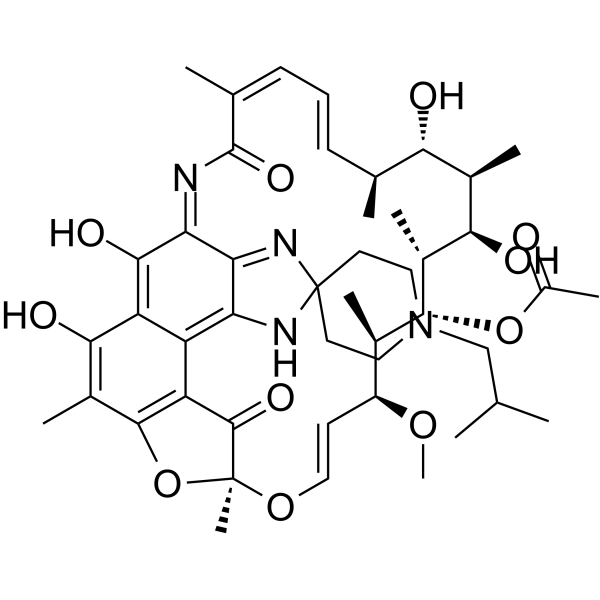
- Formula: C46H62N4O11
- Molecular Weight: 847.00
Rifabutin (Ansamycin) is a semisynthetic ansamycin antibiotic with potent antimycobacterial properties. Rifabutin inhibits DNA-dependent RNA polymerase.
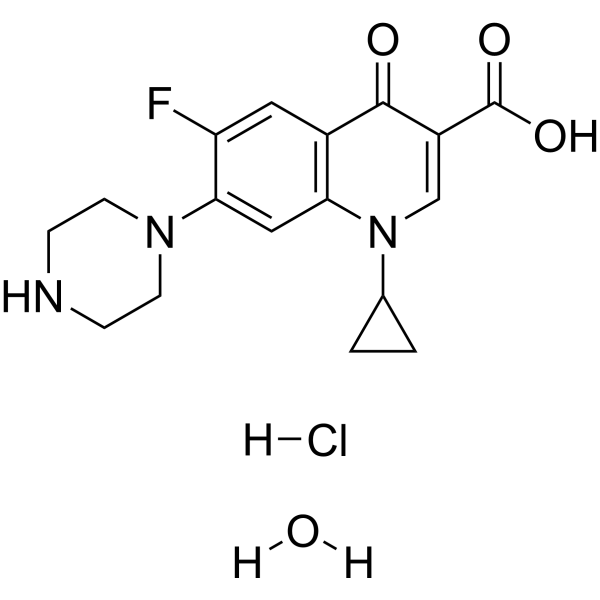
- Formula: C17H21ClFN3O4
- Molecular Weight: 385.82
Ciprofloxacin (Bay-09867) hydrochloride monohydrate is an orally active, blood-brain barrier permeable fluoroquinolone antibacterial agent. Ciprofloxacin hydrochloride monohydrate exerts bactericidal effects primarily by inhibiting topoisomerase II and IV. Ciprofloxacin hydrochloride monohydrate inhibits the proliferation of human dental pulp stem cells and chondrocytes from young rats, and also activates the Akt signaling pathway and upregulates markers such as β-catenin and Nanog to maintain the morphological characteristics of stem cells. Ciprofloxacin hydrochloride monohydrate induces significant neurotoxicity and tissue damage, including reducing serotonin and glutathione levels in the brain, inducing oxidative stress and depression-like behaviors, and causing articular cartilage damage. Ciprofloxacin hydrochloride monohydrate can be applied to research related to infections of necrotic young permanent teeth and neurotoxicity.
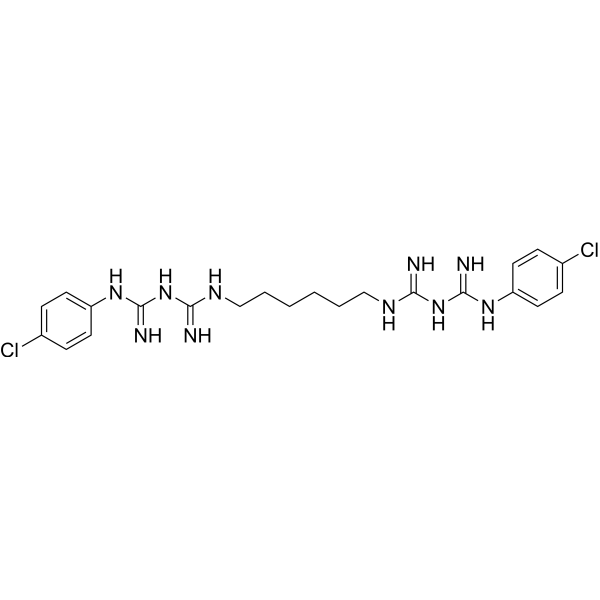
- Formula: C22H30Cl2N10
- Molecular Weight: 505.45
Chlorhexidine is a orally active cationic antimicrobial agent that targets microbial cell membranes. Chlorhexidine binds to cell membrane phospholipids non-specifically, destroys membrane structure and induces leakage of cell contents. Chlorhexidine has broad-spectrum bactericidal activity against both Gram-positive and Gram-negative bacteria. Chlorhexidine can interfere with membrane permeability, cause protein precipitation and energy metabolism disorders, such as rapid inhibition of microbial growth and induction of cell death (necrosis or apoptosis).

Ribonucleoside vanadyl complexes are a class of potent RNase and Taq polymerase inhibitors. Ribonucleoside vanadyl complexes protect RNA during RNA isolation by inhibiting ribonucleases, and also reduce the viability of bacteria and eukaryotic cells by interfering with ribosomal subunit assembly. Ribonucleoside vanadyl complexes block PCR and reverse transcription reactions templated by viral nucleic acids and enhance the effects of antibiotics against Staphylococcus aureus, but do not directly inhibit protein synthesis. Ribonucleoside vanadyl complexes can be effectively removed by phenol-chloroform extraction, thus enabling subsequent PCR analysis. Ribonucleoside vanadyl complexes can be applied in research related to chronic hepatitis C (HCV) and Staphylococcus aureus infection.



