



HIV
HIV-1 is an RNA retrovirus that infects immune cells through the envelope glycoprotein Env, whose mature gp120/gp41 trimer mediates viral entry into host cells[1]. Mechanistically, gp120 binds CD4 and then the chemokine coreceptors CCR5 or CXCR4, while gp41 refolding brings viral and cellular membranes together for fusion[2][3]. After entry, viral replication depends on reverse transcriptase, protease, and integrase, making these enzymes core targets for antiretroviral research[4][5]. In disease relevance, untreated HIV replication causes progressive CD4+ T-cell loss and immunological abnormalities, increasing infectious and oncological complications[6]. Compared with related forms, HIV-1 remains the main focus because it is described as the most virulent and pathogenic subtype in diagnostic and treatment literature[7]. For experimental applications, entry inhibitors target gp120, gp41, CCR5, or CXCR4, while enzyme inhibitors target reverse transcriptase, protease, or integrase to suppress distinct stages of the HIV life cycle[4][8].
References:
- [1]. Anang S, et al. Characterization of full-length and cytoplasmic tail-truncated envelope glycoproteins incorporated into human immunodeficiency virus (HIV-1) virions and virus-like particles. J Virol. 2025 Dec 23;99(12):e0158525. [Content Brief]
- [2]. Teixeira C, et al. Viral surface glycoproteins, gp120 and gp41, as potential drug targets against HIV-1: brief overview one quarter of a century past the approval of zidovudine, the first anti-retroviral drug. Eur J Med Chem. 2011 Apr;46(4):979-92. [Content Brief]
- [3]. Princen K, et al. HIV chemokine receptor inhibitors as novel anti-HIV drugs. Cytokine Growth Factor Rev. 2005 Dec;16(6):659-77. [Content Brief]
- [4]. De Clercq E. Emerging anti-HIV drugs. Expert Opin Emerg Drugs. 2005 May;10(2):241-73. doi: 10.1517/14728214.10.2.241. PMID: 15934866. et al. Emerging anti-HIV drugs. Expert Opin Emerg Drugs. 2005 May;10(2):241-73. [Content Brief]
- [5]. Palmisano L. Role of integrase inhibitors in the treatment of HIV disease. Expert Rev Anti Infect Ther. 2007 Feb;5(1):67-75. doi: 10.1586/14787210.5.1.67. PMID: 17266455. et al. Role of integrase inhibitors in the treatment of HIV disease. Expert Rev Anti Infect Ther. 2007 Feb;5(1):67-75. [Content Brief]
- [6]. Deeks SG, et al. HIV infection. Nat Rev Dis Primers. 2015 Oct 1;1:15035. [Content Brief]
- [7]. Zulfiqar HF, et al. HIV Diagnosis and Treatment through Advanced Technologies. Front Public Health. 2017 Mar 7;5:32. [Content Brief]
- [8]. Greenberg M, et al. HIV fusion and its inhibition in antiretroviral therapy. Rev Med Virol. 2004 Sep-Oct;14(5):321-37. [Content Brief]
All Product Categories
-
HIV Related Products (903)
Related Products (903)

-
5-Fluorouracil
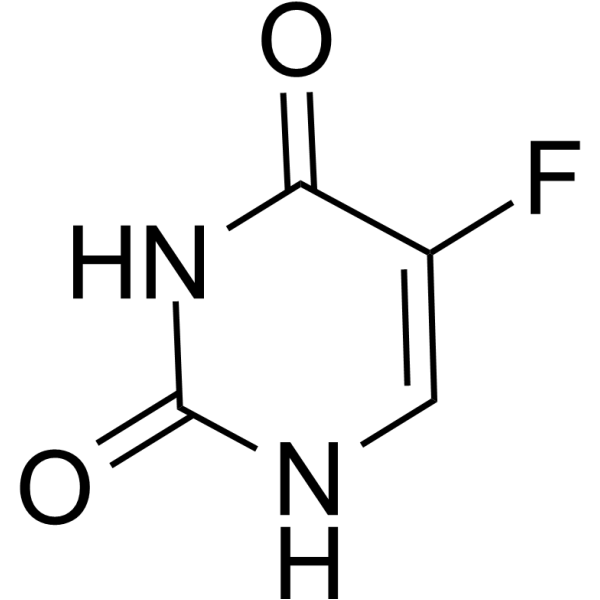 0 Images5-Fluorouracil (5-FU) is an analogue of uracil and a potent antitumor agent. 5-Fluorouracil affects pyrimidine synthesis by inhibiting thymidylate synthetase thus depleting intracellular dTTP pools. 5-Fluorouracil induces apoptosis and can be used as a chemical sensitizer. 5-Fluorouracil also inhibits HIV.
-
Dimethyl fumarate
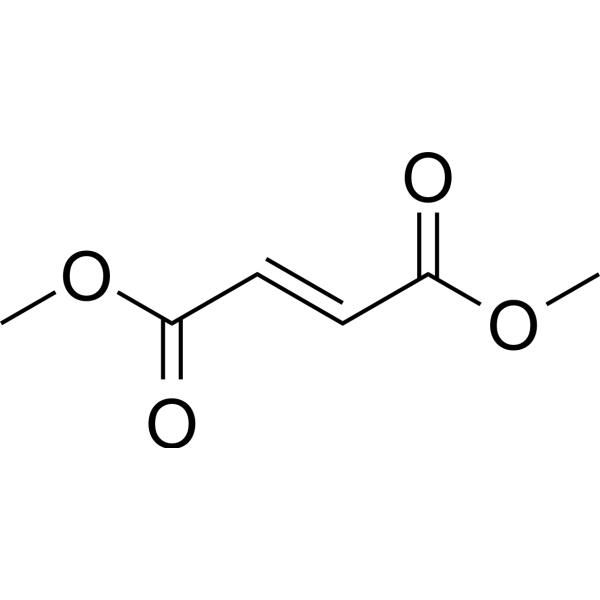 0 ImagesDimethyl fumarate (DMF) is an orally active and brain-penetrant Nrf2 activator and induces upregulation of antioxidant gene expression. Dimethyl fumarate induces necroptosis in colon cancer cells through GSH depletion/ROS increase/MAPKs activation pathway, and also induces cell autophagy. Dimethyl fumarate can be used for multiple sclerosis research.
-
Birinapant
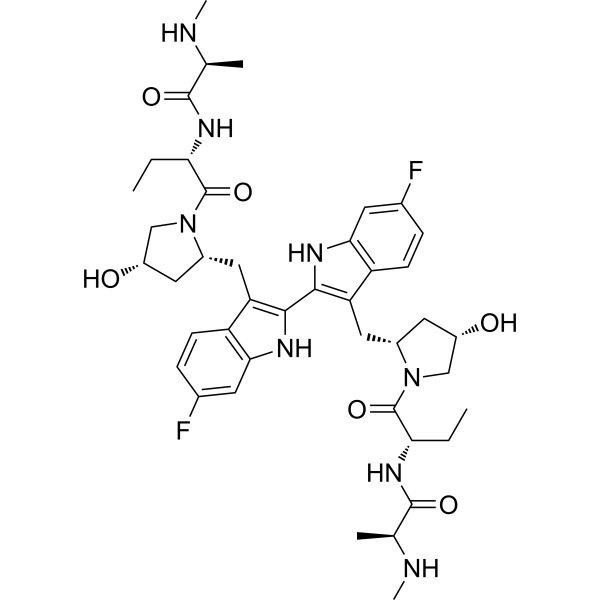 0 ImagesSynonyms: TL32711Birinapant (TL32711), a bivalent Smac mimetic, is a potent antagonist for XIAP and cIAP1 with Kds of 45 nM and less than 1 nM, respectively. Birinapant (TL32711) induces the autoubiquitylation and proteasomal degradation of cIAP1 and cIAP2 in intact cells, which results in formation of a RIPK1: caspase-8 complex, caspase-8 activation, and induction of tumor cell death. Birinapant (TL32711) targets TRAF2-associated cIAPs and abrogates TNF-induced NF-κB activation.
-
Dextran sulfate sodium salt (MW 5000)
 0 ImagesDextran sulfate sodium salt (DSS) (MW 5000) is a polymer of dehydrated glucose with a molecular weight of approximately 5000. Dextran sulfate sodium salt (DSS) with different molecular weights exhibits different biological activities. Dextran sulfate sodium salt (MW 5000) is an inhibitor of complement and coagulation pathways, and belongs to the glycosaminoglycans (GAG) family. Dextran sulfate sodium salt (MW 5000) acts as an anticoagulant, antiviral, and anti-lipemic agent. Dextran sulfate sodium salt (DSS) stops HIV-1 virus adsorption to host cells. Dextran sulfate sodium salt (MW 5000) prevents NK cell-mediated cytotoxicity. Dextran sulfate sodium salt (MW 5000) inhibits instant blood-mediated inflammatory reaction (IBMIR).
-
Doxorubicin hydrochloride (Standard)
 0 ImagesSynonyms: Hydroxydaunorubicin hydrochloride (Standard); ADR (Standard)Doxorubicin hydrochloride (Standard) is the analytical standard of Doxorubicin hydrochloride. This product is intended for research and analytical applications. Doxorubicin (Hydroxydaunorubicin) hydrochloride, a cytotoxic anthracycline antibiotic, is an anti-cancer chemotherapy agent. Doxorubicin hydrochloride is a potent human DNA topoisomerase I and topoisomerase II inhibitor with IC50s of 0.8 μM and 2.67 μM, respectively. Doxorubicin hydrochloride reduces basal phosphorylation of AMPK and its downstream target acetyl-CoA carboxylase. Doxorubicin hydrochloride induces apoptosis and autophagy.
-
Psoralen
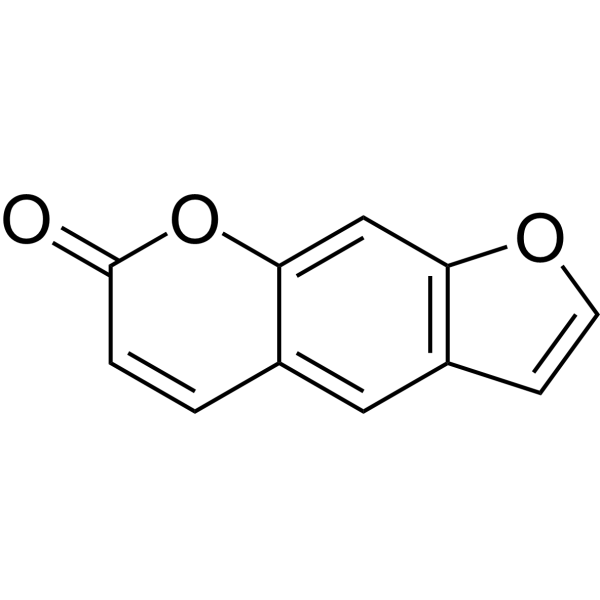 0 ImagesPsoralen (Ficusin) is a coumarin isolated from the seeds of Fructus Psoraleae. Psoralen exhibits a wide range of biological properties, including anti-cancer, antioxidant, antidepressant, anticancer, antibacterial, and antiviral, et al.
-
Aprepitant
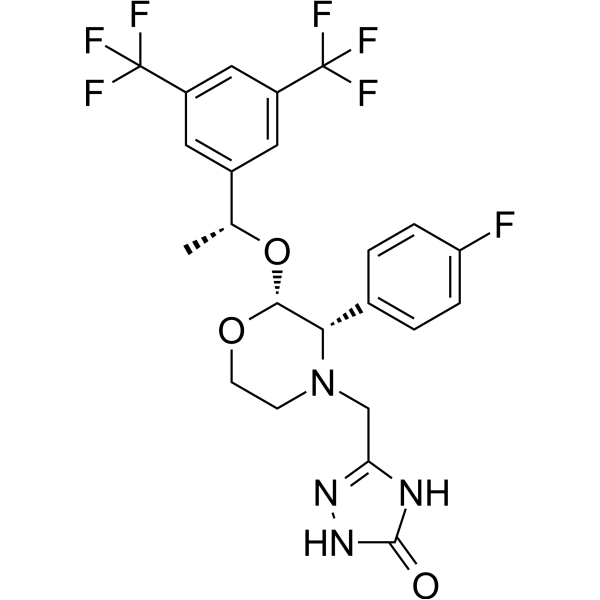 0 ImagesSynonyms: MK-0869; MK-869; L-754030Aprepitant (MK-0869) is a selective and high-affinity neurokinin 1 receptor antagonist with a Kd of 86 pM.

-
Lamivudine
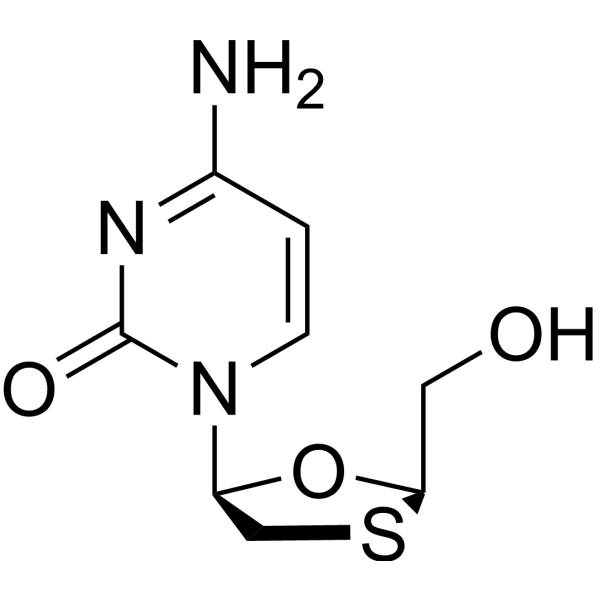 0 ImagesSynonyms: BCH-189Lamivudine (BCH-189) is an orally active nucleoside reverse transcriptase inhibitor (NRTI). Lamivudine can inhibit HIV reverse transcriptase 1/2 and also the reverse transcriptase of hepatitis B virus. Lamivudine salicylate can penetrate the CNS.
-
Cabotegravir
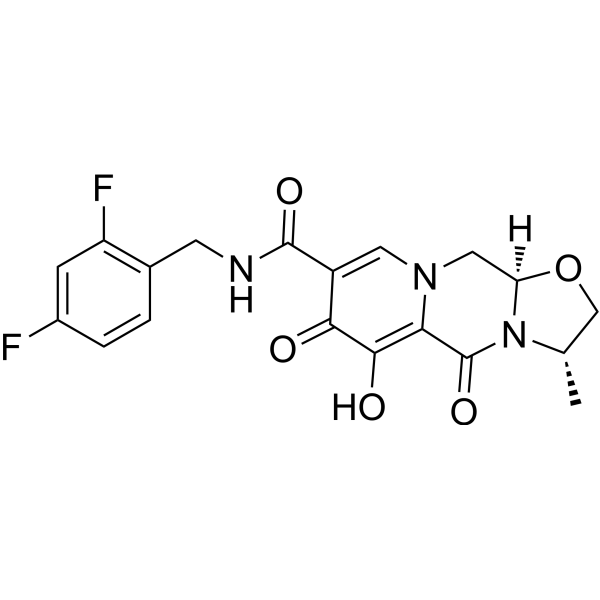 0 ImagesSynonyms: GSK-1265744; S/GSK1265744Cabotegravir (GSK-1265744) is a orally active and long-acting HIV integrase strand transfer inhibitor and organic anion transporter 1/3 (OAT1/OAT3) inhibitor with IC50 values of 2.5 nM, 0.41 μM and 0.81 μM for HIVADA, OAT3 and OAT1, respectively. Cabotegravir is primarily metabolized by uridine diphosphate glucuronosyltransferase (UGT) 1A1, with low potential to interact with other antiretroviral agents (ARVs). Cabotegravir can be used to research AIDS.
-
Chloroquine (Standard)
 0 ImagesCat. No.: HY-17589ARCAS No.: 54-05-7Chloroquine (Standard) is the analytical standard of Chloroquine. This product is intended for research and analytical applications. Chloroquine is an antimalarial and anti-inflammatory agent widely used to treat malaria and rheumatoid arthritis. Chloroquine is an autophagy and toll-like receptors (TLRs) inhibitor. Chloroquine is highly effective in the control of SARS-CoV-2 (COVID-19) infection in vitro (EC50=1.13 μM).
-
Pentoxifylline
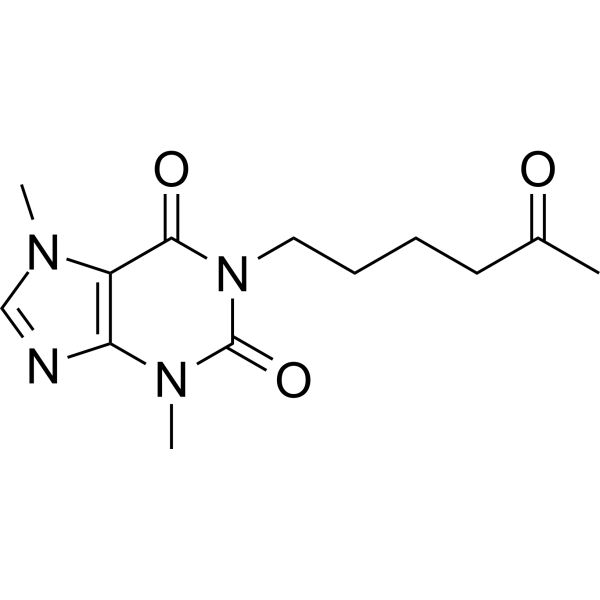 0 ImagesPentoxifylline (BL-191), a haemorheological agent, is an orally active non-selective phosphodiesterase (PDE) inhibitor, with immune modulation, anti-inflammatory, hemorheological, anti-fibrinolytic and anti-proliferation effects. Pentoxifylline can be used for the research of peripheral vascular disease, cerebrovascular disease and a number of other conditions involving a defective regional microcirculation.
-
Abacavir
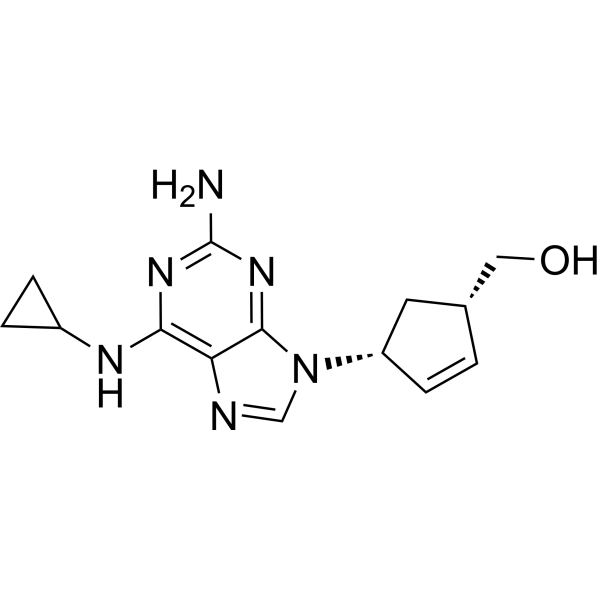 0 ImagesAbacavir is an orally active and competitive nucleoside reverse transcriptase inhibitor. Abacavir can inhibits the replication of HIV. Abacavir shows anticancer activity in prostate cancer cell lines. Abacavir can trespass the blood-brain-barrier and suppresses telomerase activity.
-
Aloperine
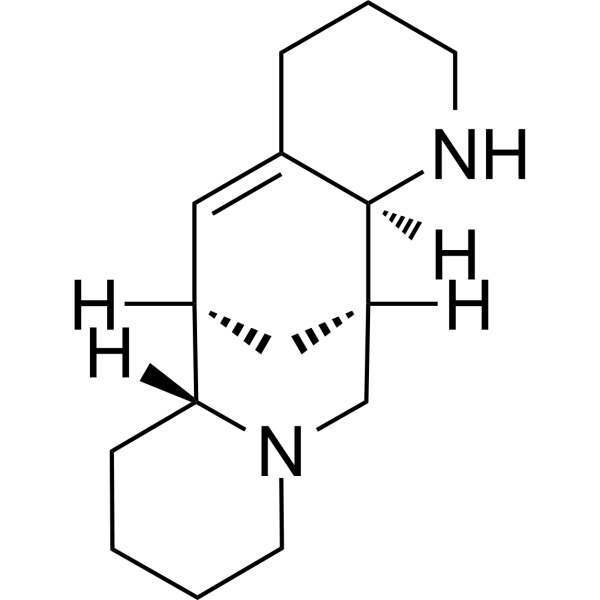 0 ImagesAloperine is an alkaloid in sophora plants such as Sophora alopecuroides L, which has shown anti-cancer, anti-inflammatory and anti-virus properties. Aloperine is widely used to treat patients with allergic contact dermatitis eczema and other skin inflammation in China. Aloperine induces apoptosis and autophagy in HL-60 cells.



