HIV-2
HIV-2 is a lentiviral human immunodeficiency virus that causes AIDS but usually shows lower plasma viral load, slower CD4+ T-cell decline, and reduced transmission compared with HIV-1[1][2]. Mechanistically, HIV-2 encodes Vpx, which induces proteasomal degradation of SAMHD1, relieves reverse-transcription restriction in myeloid cells and resting CD4+ T cells, and increases viral DNA synthesis in restrictive cellular models[3][4][5]. HIV-2/SIV Vpx also counteracts the HUSH repressor complex, linking intrinsic immunity with epigenetic control of proviral expression in primary CD4+ T cells[6]. In disease models and longitudinal cohorts, plasma viral load predicts CD4+ T-cell decline in HIV-2, and untreated HIV-2 can still progress to AIDS and death despite delayed disease kinetics[2][7]. Compared with related isoforms, HIV-2 encodes both Vpx and Vpr, whereas HIV-1 encodes Vpr but not Vpx, making Vpx a key experimental marker distinguishing HIV-2 biology[8]. For research applications, HIV-2 drug studies must account for intrinsic resistance to NNRTIs and enfuvirtide and for distinct resistance pathways under antiretroviral pressure[9].
References:
- [1]. Berry DJ, et al. Evaluation of genetic markers as instruments for Mendelian randomization studies on vitamin D. PLoS One. 2012;7(5):e37465. [Content Brief]
- [2]. Gottlieb GS, et al. Equal plasma viral loads predict a similar rate of CD4+ T cell decline in human immunodeficiency virus (HIV) type 1- and HIV-2-infected individuals from Senegal, West Africa. J Infect Dis. 2002 Apr 1;185(7):905-14. [Content Brief]
- [3]. Laguette N, et al. SAMHD1 is the dendritic- and myeloid-cell-specific HIV-1 restriction factor counteracted by Vpx. Nature. 2011 May 25;474(7353):654-7. [Content Brief]
- [4]. Hrecka K, et al. Vpx relieves inhibition of HIV-1 infection of macrophages mediated by the SAMHD1 protein. Nature. 2011 Jun 29;474(7353):658-61. [Content Brief]
- [5]. Baldauf HM, et al. SAMHD1 restricts HIV-1 infection in resting CD4(+) T cells. Nat Med. 2012 Nov;18(11):1682-7. [Content Brief]
- [6]. Chougui G, et al. HIV-2/SIV viral protein X counteracts HUSH repressor complex. Nat Microbiol. 2018 Aug;3(8):891-897. [Content Brief]
- [7]. Esbjörnsson J, et al. Long-term follow-up of HIV-2-related AIDS and mortality in Guinea-Bissau: a prospective open cohort study. Lancet HIV. 2018 Nov 1:S2352-3018(18)30254-6. [Content Brief]
- [8]. Fujita M, et al. SAMHD1-Dependent and -Independent Functions of HIV-2/SIV Vpx Protein. Front Microbiol. 2012 Aug 10;3:297. [Content Brief]
- [9]. Smith RA, et al. Antiretroviral drug resistance in HIV-2: three amino acid changes are sufficient for classwide nucleoside analogue resistance. J Infect Dis. 2009 May 1;199(9):1323-6. [Content Brief]
All Product Categories
-
HIV-2 Related Products (48)
Related Products (48)

-
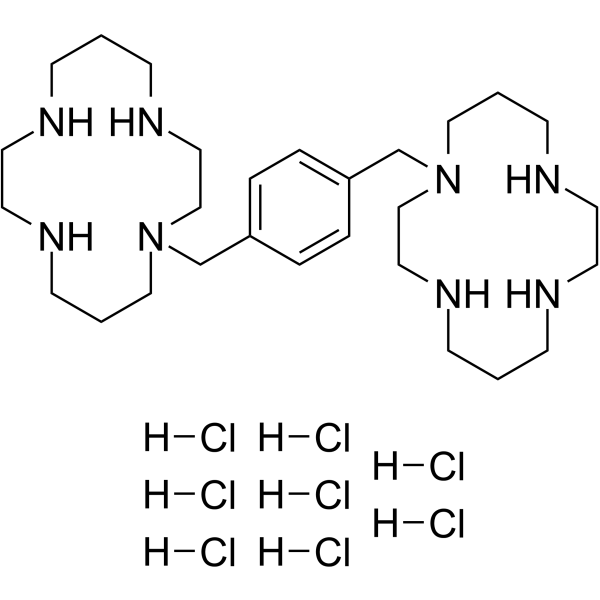
Plerixafor
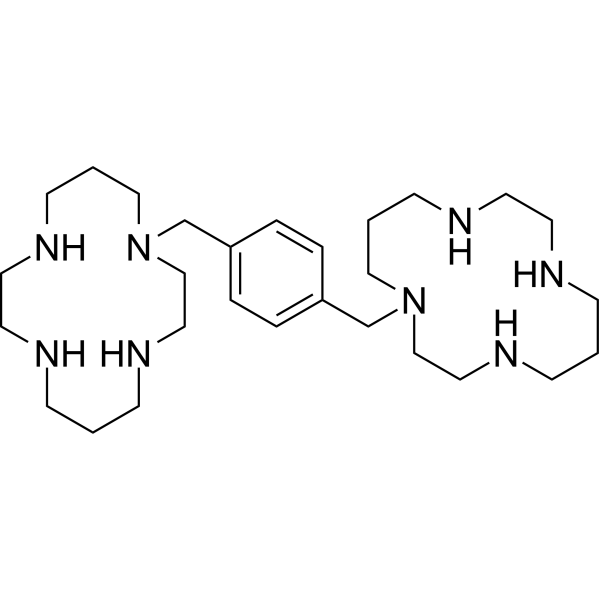 0 ImagesSynonyms: AMD 3100; JM3100; SID791
-
Emtricitabine
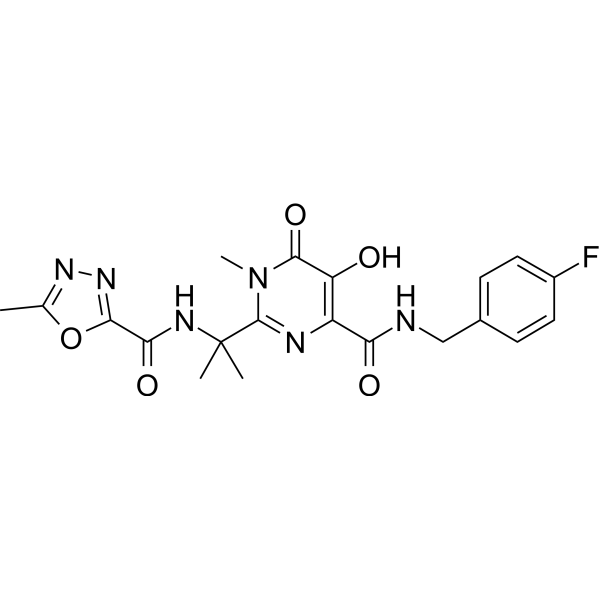
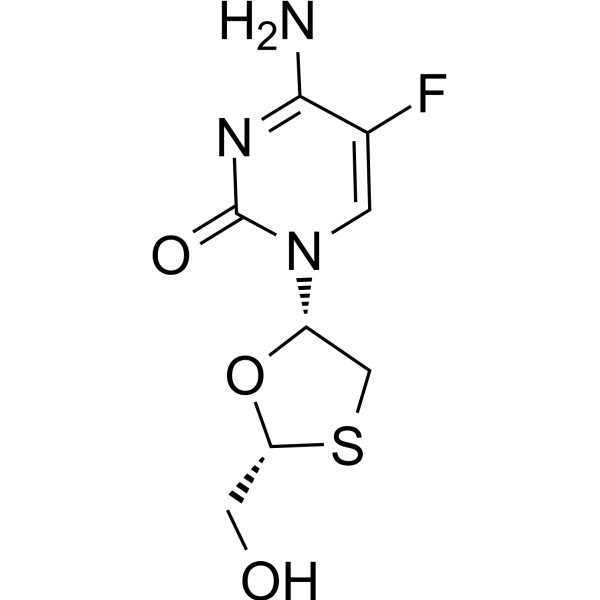 0 ImagesSynonyms: BW1592Emtricitabine is a nucleoside reverse transcriptase inhibitor (NRTI) with an EC50 value of 0.01 μM in PBMC cells. Emtricitabine inhibits HIV reverse transcriptase, preventing RNA from being transcribed into DNA. Emtricitabine has low brain permeability (logP <0)[1][2][3][4][5].
-
Tenofovir alafenamide
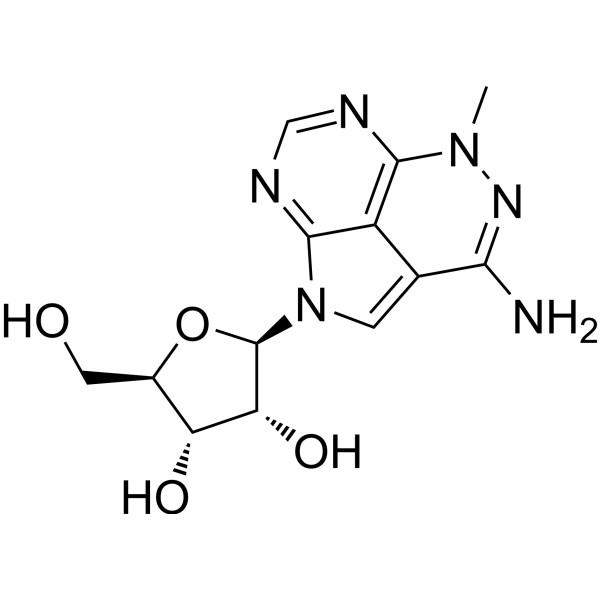
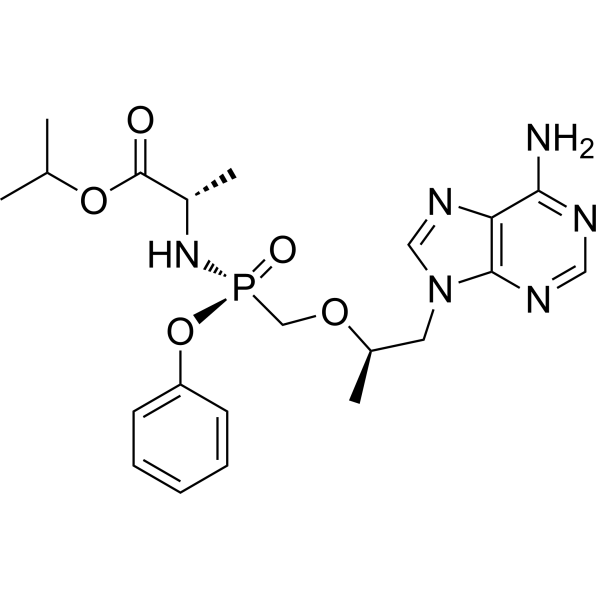 0 ImagesSynonyms: GS-7340Tenofovir alafenamide (GS-7340) is an investigational oral proagent of Tenofovir. Tenofovir is a HIV-1 nucleotide reverse transcriptase inhibitor.
-
Tenofovir exalidex
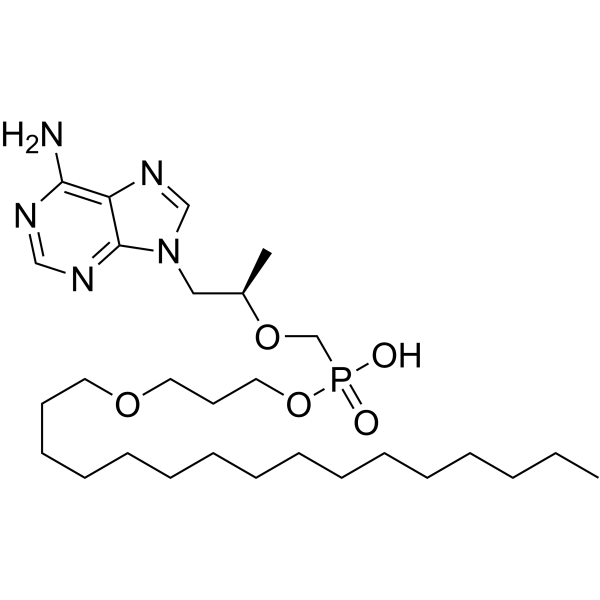 0 ImagesSynonyms: CMX-157Tenofovir exalidex (CMX157) is a lipid conjugate of the acyclic nucleotide analog Tenofovir with activity against both wild-type and antiretroviral drug-resistant HIV strains, including multidrug nucleoside/nucleotide analog-resistant viruses. Tenofovir exalidex is active against all major subtypes of HIV-1 and HIV-2 in fresh human PBMCs and against all HIV-1 strains evaluated in monocyte-derived macrophages, with EC50s ranging between 0.2 and 7.2 nM. CMX157 is orally available and has no apparent toxicity. Tenofovir exalidex also shows antiviral activity against HBV.
-
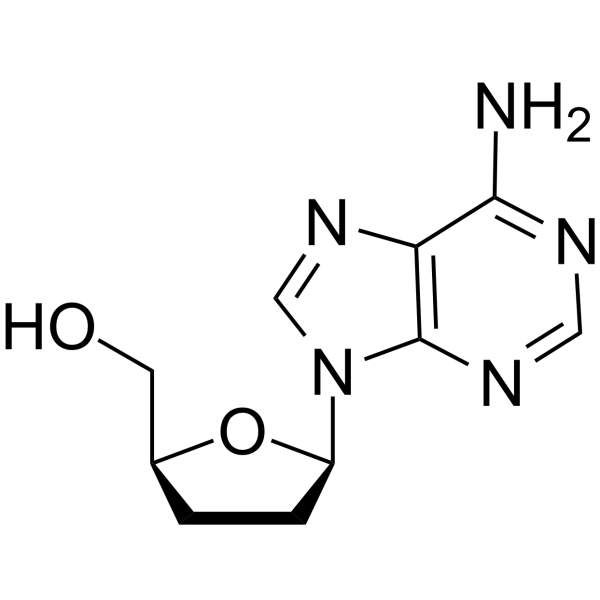
Stavudine
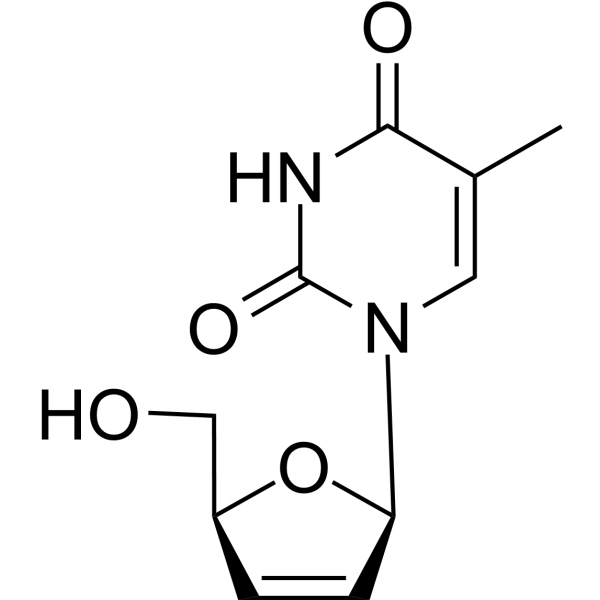 0 ImagesStavudine (d4T) is an orally active nucleoside reverse transcriptase inhibitor (NRTI). Stavudine has activity against HIV-1 and HIV-2. Stavudine also inhibits the replication of mitochondrial DNA (mtDNA). Stavudine reduces NLRP3 inflammasome activation and modulates Amyloid-β autophagy. Stavudine induces apoptosis.
-
Cenicriviroc
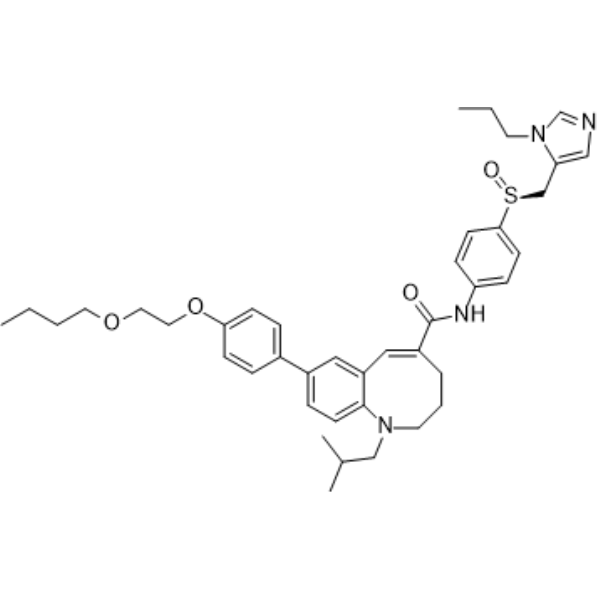 0 ImagesSynonyms: TAK-652; TBR-652
-
Elvitegravir
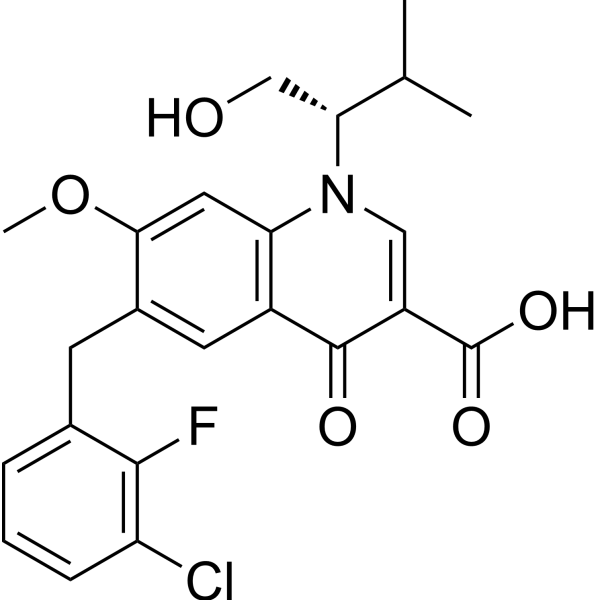 0 ImagesSynonyms: GS-9137; JTK-303; D06677Elvitegravir (GS-9137; JTK-303; D06677) is an HIV integrase inhibitor for HIV-1IIIB, HIV-2EHO and HIV-2ROD with IC50 of 0.7 nM, 2.8 nM and 1.4 nM, respectively.
-
Tenofovir alafenamide fumarate
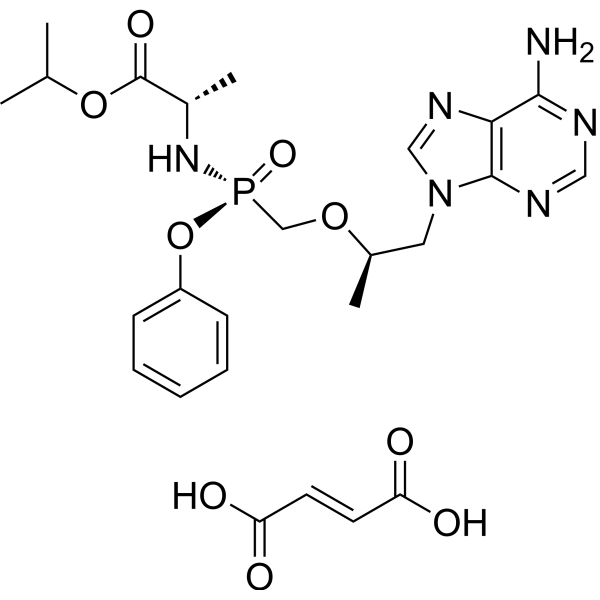 0 ImagesSynonyms: GS-7340 fumarateTenofovir alafenamide fumarate (GS-7340 fumarate) is an investigational oral proagent of Tenofovir. Tenofovir is a HIV-1 nucleotide reverse transcriptase inhibitor.
-
Etravirine
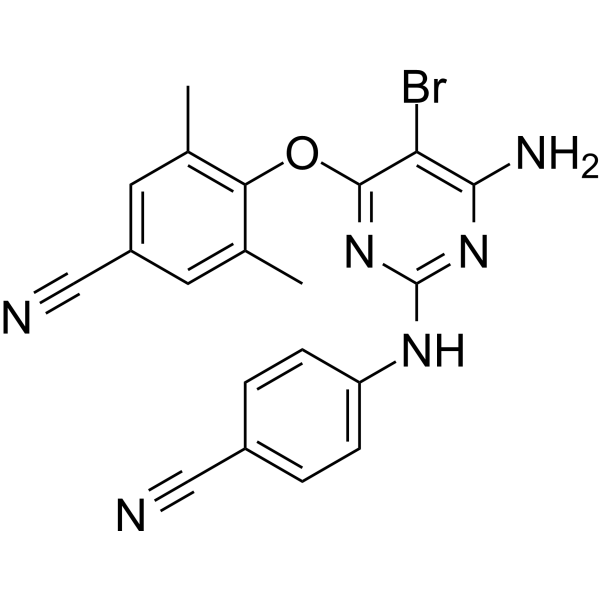 0 ImagesSynonyms: R165335; TMC125Etravirine (R165335; TMC125) is a non-nucleoside reverse transcriptase inhibitor (NNRTI) used for the treatment of HIV.
-
Azvudine
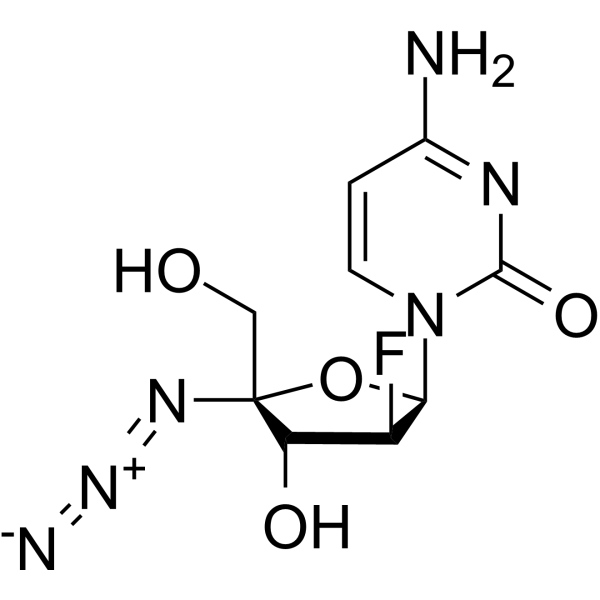 0 ImagesSynonyms: RO-0622; FNCAzvudine (RO-0622) is a potent nucleoside reverse transcriptase inhibitor (NRTI), with antiviral activity on HIV, HBV and HCV. Azvudine exerts highly potent inhibition on HIV-1 (EC50s ranging from 0.03 to 6.92 nM) and HIV-2 (EC50s ranging from 0.018 to 0.025 nM). Azvudine inhibits NRTI-resistant viral strains. Azvudine is a click chemistry reagent, it contains an Azide group and can undergo copper-catalyzed azide-alkyne cycloaddition reaction (CuAAc) with molecules containing Alkyne groups. It can also undergo strain-promoted alkyne-azide cycloaddition (SPAAC) reactions with molecules containing DBCO or BCN groups.
-
Censavudine
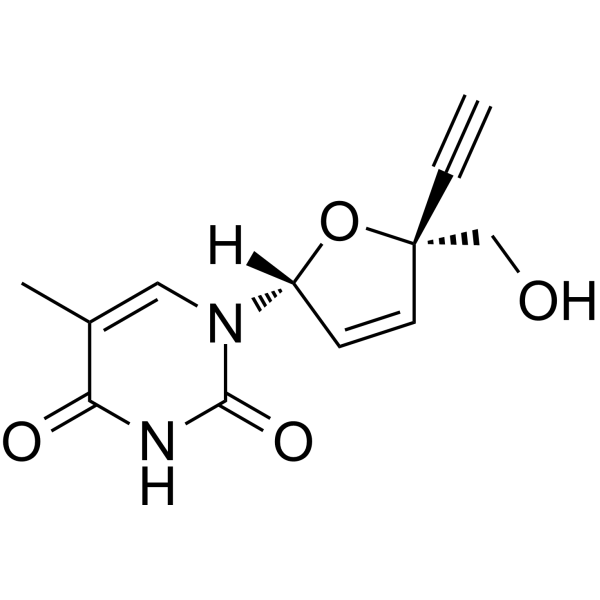 0 ImagesSynonyms: Festinavir; BMS-986001; OBP-601Censavudine (OBP-601; BMS-986001), a nucleoside analog, is a nucleoside reverse transcriptase inhibitor. Censavudine is a potent HIV inhibitor with EC50 ranges from 30 nM to 81 nM and 450 nM to 890 nM for HIV-2 and HIV-1, respectively. Censavudine is a click chemistry reagent, it contains an Alkyne group and can undergo copper-catalyzed azide-alkyne cycloaddition (CuAAc) with molecules containing Azide groups.
-
Cenicriviroc Mesylate
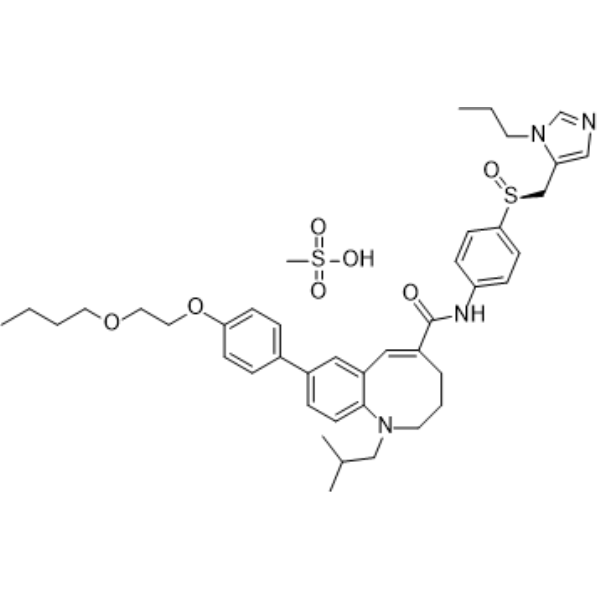 0 ImagesSynonyms: TAK-652 Mesylate; TBR-652 Mesylate
-
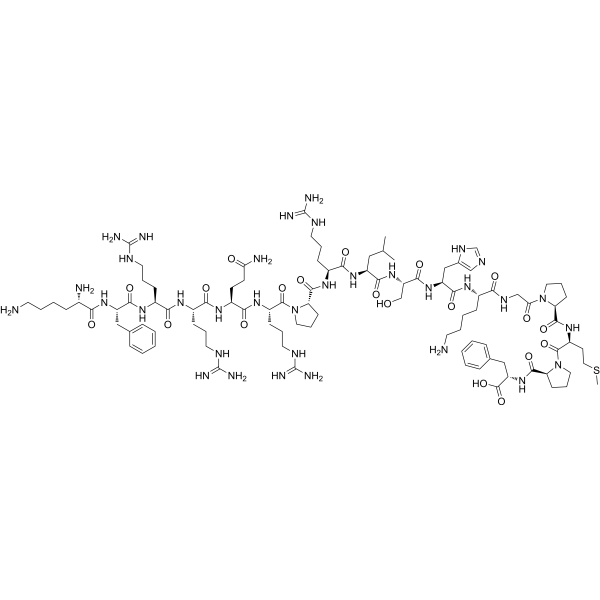
Apelin-36(human)
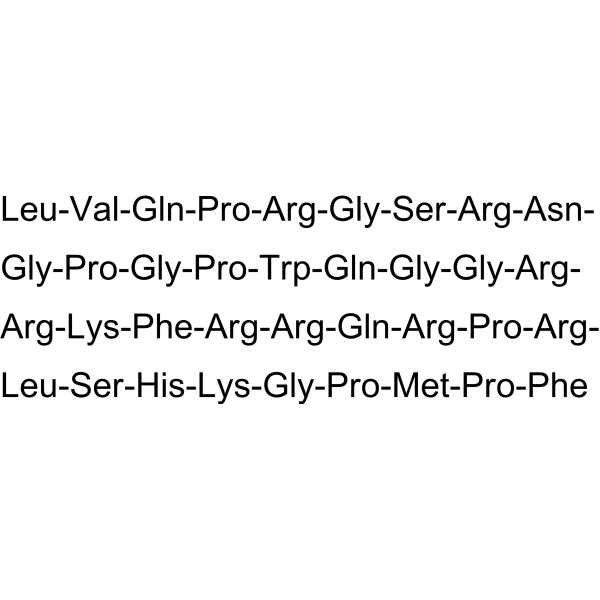 0 ImagesApelin-36(human) is an endogenous orphan G protein-coupled receptor APJ agonist, with an EC50 of 20 nM. Apelin-36(human) shows high affinity to human APJ receptors expressed in HEK 293 cells (pIC50=8.61). Apelin-36 has been linked to two major types of biological activities: cardiovascular and metabolic. Apelin-36(human) inhibits the entry of some HIV-1 and HIV-2 into the NP2/CD4 cells expressing APJ.
-
Azvudine hydrochloride
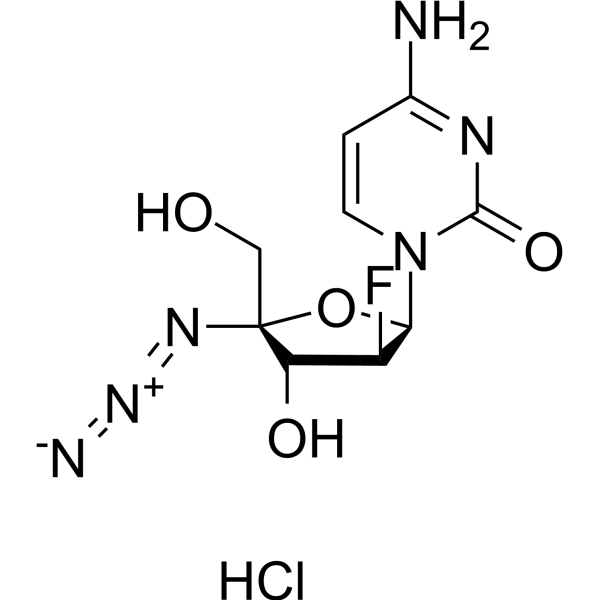 0 ImagesSynonyms: RO-0622 hydrochloride; FNC hydrochlorideAzvudine (RO-0622) hydrochloride is a potent nucleoside reverse transcriptase inhibitor (NRTI), with antiviral activity on HIV, HBV and HCV. Azvudine hydrochloride exerts highly potent inhibition on HIV-1 (EC50s ranging from 0.03 to 6.92 nM) and HIV-2 (EC50s ranging from 0.018 to 0.025 nM). Azvudine hydrochloride inhibits NRTI-resistant viral strains. Azvudine (hydrochloride) is a click chemistry reagent, it contains an Azide group and can undergo copper-catalyzed azide-alkyne cycloaddition reaction (CuAAc) with molecules containing Alkyne groups. It can also undergo strain-promoted alkyne-azide cycloaddition (SPAAC) reactions with molecules containing DBCO or BCN groups.