



Cenicriviroc
Based on 9 publication(s) in Google Scholar
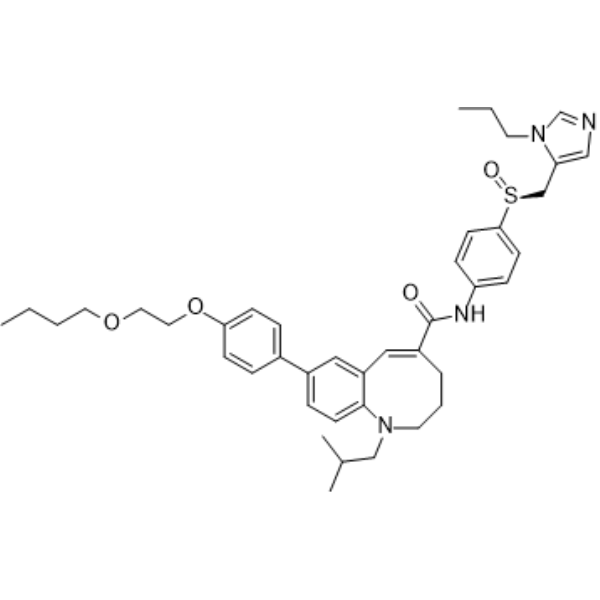
Cenicriviroc (TAK-652) is an orally active, dual CCR2/CCR5 antagonist, also inhibits both HIV-1 and HIV-2, and displays potent anti-inflammatory and antiinfective activity.
For research use only. We do not sell to patients.
- Purity : 99.51%
- CAS No.: 497223-25-3
- Formula: C41H52N4O4S
- Molecular Weight:696.94
-
Storage:Powder -20°C, 3 years , 4°C, 2 years ; In solvent -80°C, 2 years , -20°C, 1 year

To place orders, for customer services and technical support, please contact: MedChemExpress USA
Tel: 609-228-6898 E-mail: [email protected] [email protected]


-
 Biological Activity
-
Chemical Information
-
Solvent & Solubility
- Protocols
- Purity & Documentation
- References
-
 Help & FAQs


-
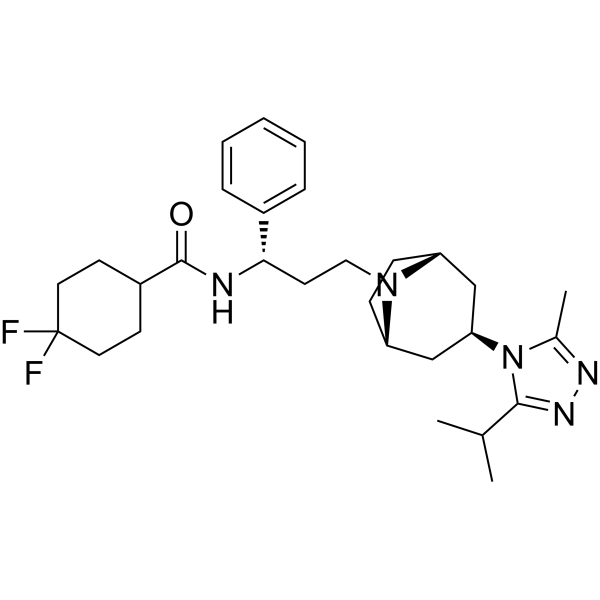
HY-13004
MaravirocCCR5 Antagonist -
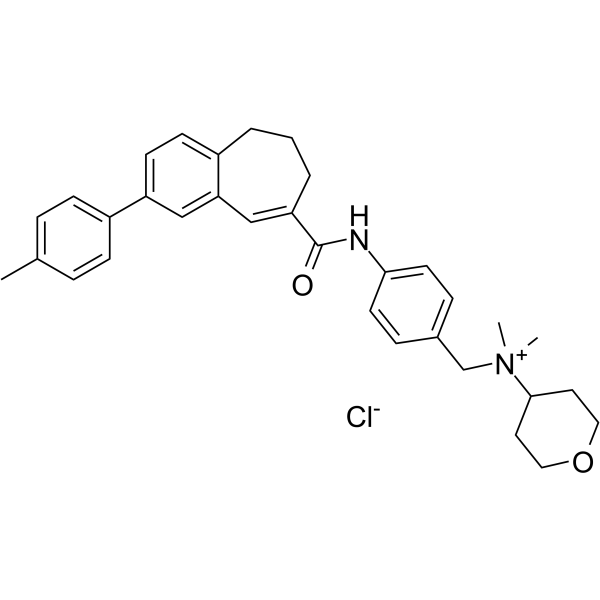
HY-13406
TAK-779CCR5 Antagonist -
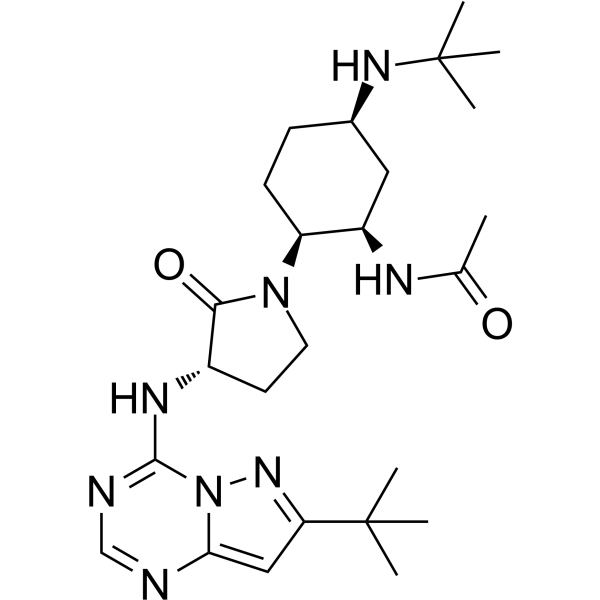
HY-109593
BMS-813160CCR2/CCR5 Antagonist -
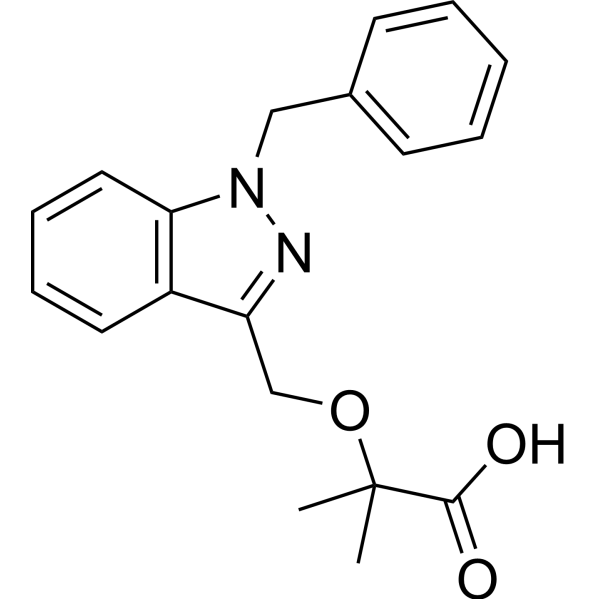
HY-B0498
BindaritMCP/CCL Inhibitor -
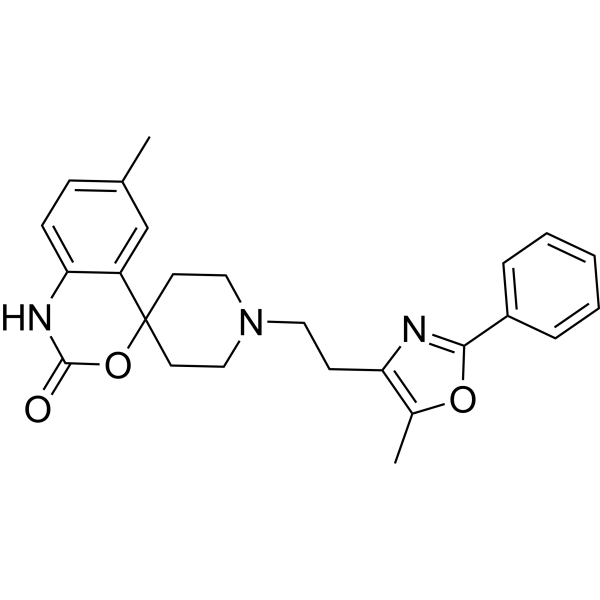
HY-15418
RS 504393CCR2 Antagonist -
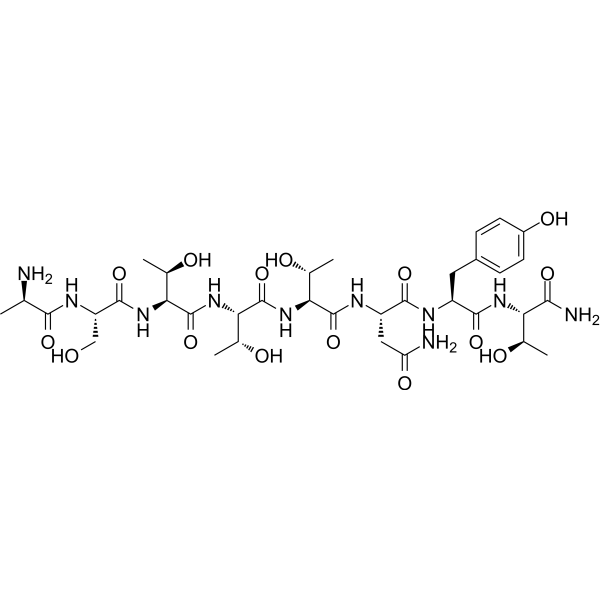
HY-P1034
DAPTACCR5 Inhibitor -
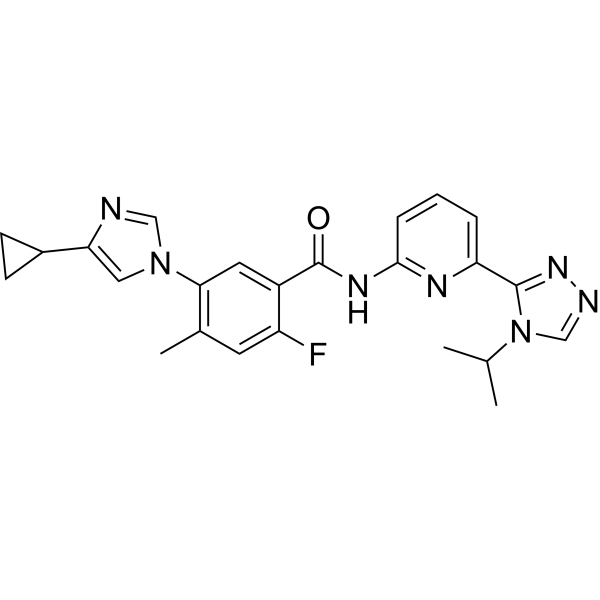
HY-18938
SelonsertibASK1 Inhibitor -
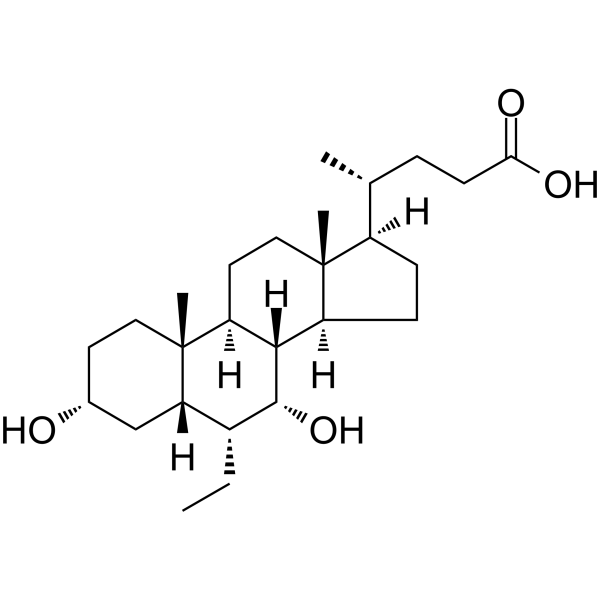
HY-12222
Obeticholic acidFXR Agonist -
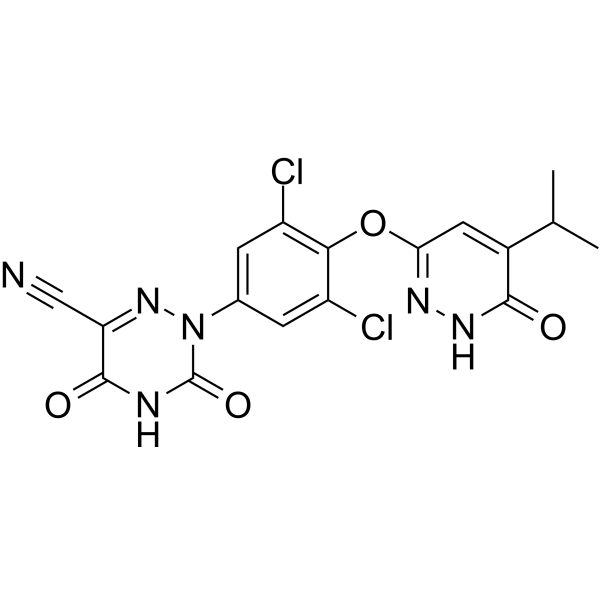
HY-12216
ResmetiromTHR-β Agonist -
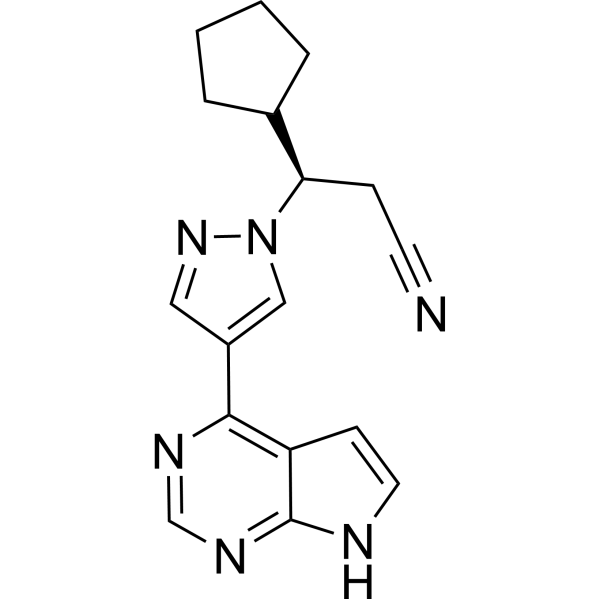
HY-50856
RuxolitinibJAK1/2 Inhibitor -
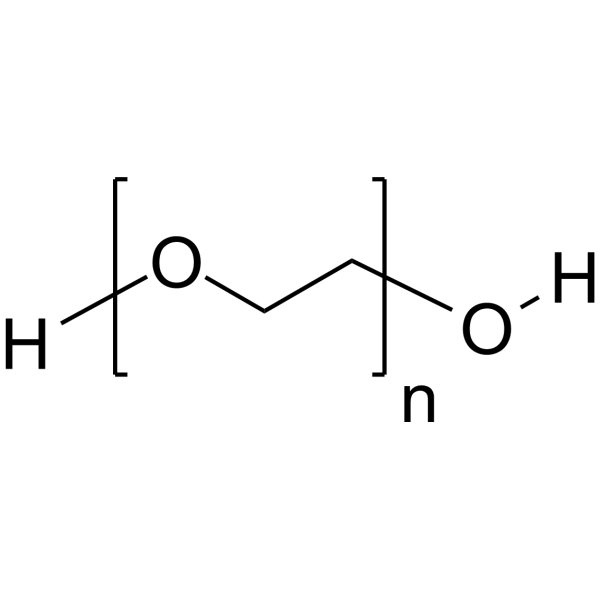
HY-Y0873
PEG300Neutral Polymer -

HY-Y1891
Tween 80
Publications Citing Use of MedChemExpress (MCE) Cenicriviroc
More- Cancer Res. 2026 Aug 5.
- Biomaterials. 2021 Jan:265:120392. [Abstract]
- Cells. 2020 Apr 14;9(4):964. [Abstract]
- Am J Physiol Cell Physiol. 2024 Feb 1;326(2):C487-C504. [Abstract]
- Sci Rep. 2024 Jul 23;14(1):16897. [Abstract]
- Antiviral Res. 2020 Oct:182:104902. [Abstract]
- Clin Transl Allergy. 2026 Sep;16(9):e70201.
- Eur J Immunol. 2024 Jul;54(7):e2350847. [Abstract]
- bioRxiv. 2026 Mar 19:2026.03.17.712383. [Abstract]
 Customer Validation & Images

-
ELISA
-
Bio/Physico-chemical Assay
-
WB
-
IF
-
In Vivo Imaging


Biological Activity
Description
|
CCR5 0.29 nM (IC50) |
CCR2 5.9 nM (IC50) |
R5 HIV-1 0.024-0.08 nM (IC50, in PBMCs) |
R5 HIV-2 0.03-0.98 nM (IC50, in PBMCs) |
In Vitro
Cenicriviroc prevents human immunodeficiency virus type 1 (HIV-1) from cellular entry[2]. Regarding the 4 R5 HIV-2 clinical isolates tested, effective concentration 50% EC50 for cenicriviroc are 0.03, 0.33, 0.45 and 0.98 nM. The dual-tropic and the X4-tropic HIV-2 strains are resistant to cenicriviroc with EC50 at >1000 nM, and MPI at 33% and 4%, respectively[3].
MedChemExpress (MCE) has not independently confirmed the accuracy of these methods. They are for reference only.
In Vivo
MedChemExpress (MCE) has not independently confirmed the accuracy of these methods. They are for reference only.
Clinical Trial
| NCT Number | Sponsor | Condition | Start Date |
Phase

|
|---|---|---|---|---|
| NCT01329991 | Plexxikon| | 2011-05 | PHASE1 |


Chemical Information
-
CAS No. 497223-25-3
-
Appearance Solid
-
Molecular Weight 696.94
-
Formula C41H52N4O4S
-
Color Light yellow to yellow
-
SMILES
O=C(/C1=C/C2=CC(C3=CC=C(OCCOCCCC)C=C3)=CC=C2N(CC(C)C)CCC1)NC4=CC=C([S@](CC5=CN=CN5CCC)=O)C=C4
-
Synonyms
TAK-652; TBR-652
-
Shipping
Room temperature in continental US; may vary elsewhere.
-
Storage
Powder -20°C 3 years 4°C 2 years In solvent -80°C 2 years -20°C 1 year


Publications (9)
-
Journal Impact Factor
-
Most Recent
-
-
Biomaterials
Nanoparticles retard immune cells recruitment in vivo by inhibiting chemokine expression. [Abstract]2021 Jan:265:120392. PMID: 32992116
Cenicriviroc purchased from MedChemExpress. Usage Cited in: Biomaterials. 2021 Jan:265:120392. [Abstract]
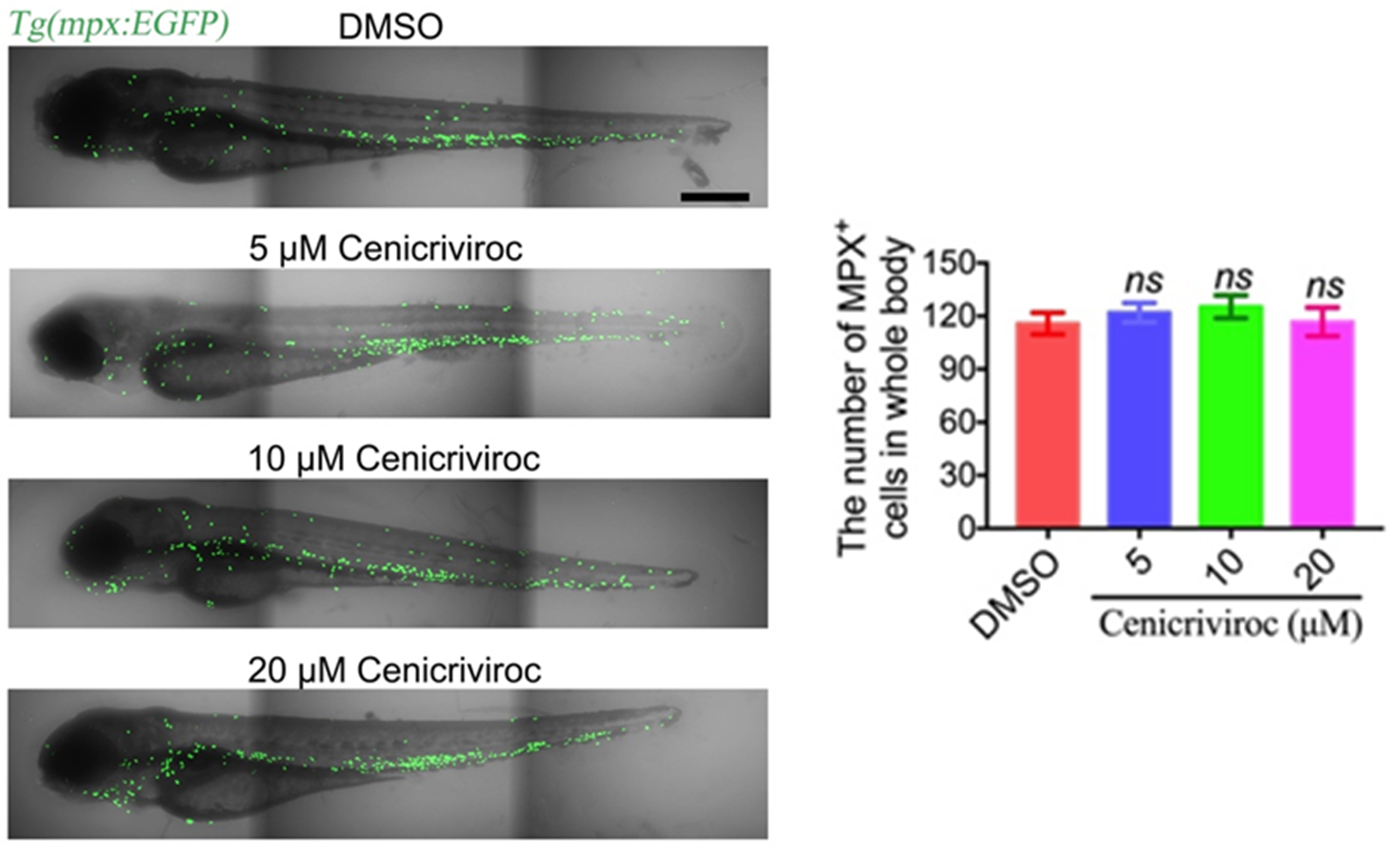
The toxicity experiment of CCR5 inhibitor (Cenicriviroc) in zebrafish. Represent imaging of Tg (mpx:EGFP) larvae were treated with control buffer and 5 µM, 10 µM, 20 µM CCR5 inhibitor (Cenicriviroc) (24 h). Scale bar: 500 µm. The MPX+ cells number of whole body in Tg (mpx:EGFP) larvae.
Cenicriviroc purchased from MedChemExpress. Usage Cited in: Biomaterials. 2021 Jan:265:120392. [Abstract]
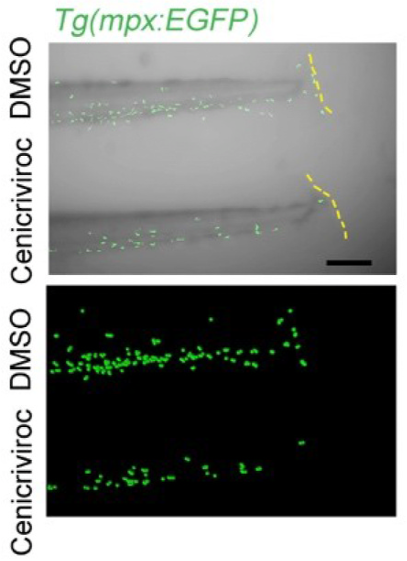
Represented imaging of macrophages recruitment to wounds in 72 hpf Tg (mpx:EGFP) larvae treated with control buffer and CCR5 inhibitor (Cenicriviroc) (5-20 µM; 24 h) with Imaris analysis. Scale bar: 200 μm.
-
Cells
2020 Apr 14;9(4):964. PMID: 32295224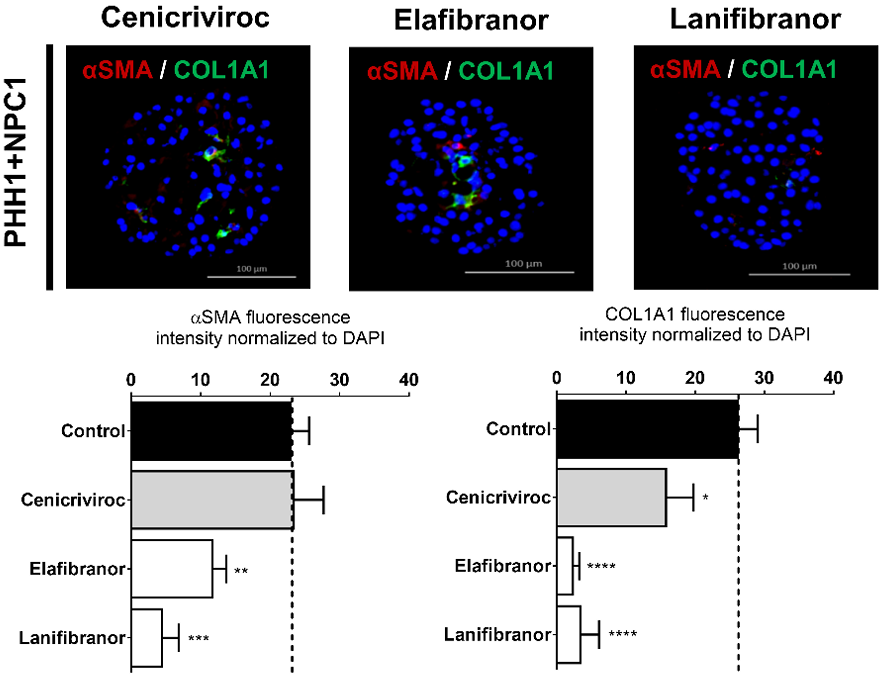
Cenicriviroc purchased from MedChemExpress. Usage Cited in: Cells. 2020 Apr 14;9(4):964. [Abstract]
These spheroids were repeatedly exposed to different anti-NASH drugs, from day 7 to 14, with renewed drug exposure every alternate day. Expression of COL1A1 protein was reduced for Cenicriviroc (3 μM; continuous supplementation in culture medium; medium was refreshed every other day during day 7–14), elafibranor, and lanifibranor.
-
Am J Physiol Cell Physiol
Cenicriviroc prevents dysregulation of astrocyte/endothelial cross talk induced by ischemia and HIV-1 via inhibiting the NLRP3 inflammasome and pyroptosis. [Abstract]2024 Feb 1;326(2):C487-C504. PMID: 38145295
Cenicriviroc purchased from MedChemExpress. Usage Cited in: Am J Physiol Cell Physiol. 2024 Feb 1;326(2):C487-C504. [Abstract]
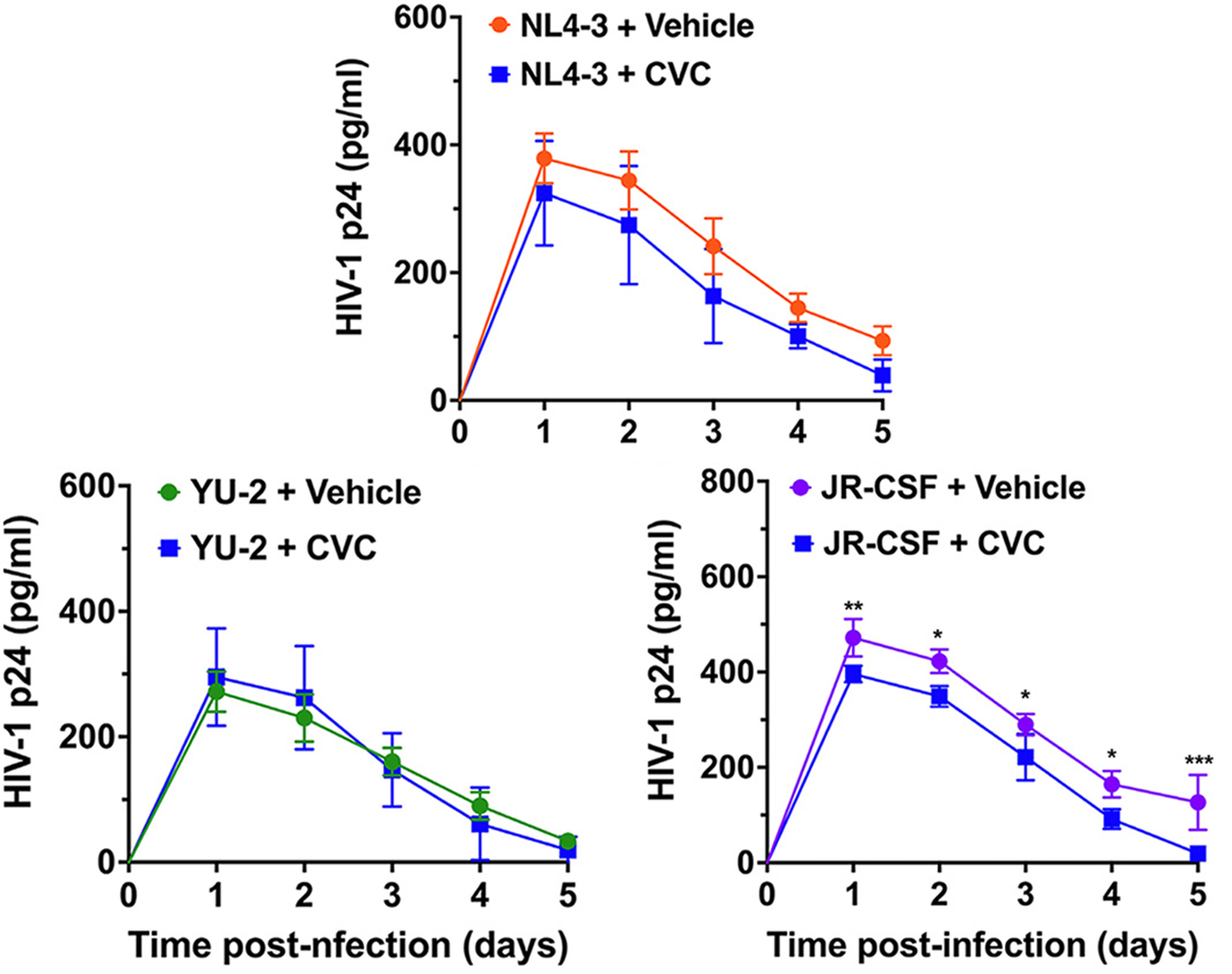
Evaluation of CVC (Cenicriviroc) (24 h) antiviral activity against different HIV-1 strains in primary human astrocytes. Cells were infected with HIV-1 NL4-3, YU-2, and JR-CSF in the presence of CVC (1 μM) or vehicle (0.1% DMSO). Cell cultures were washed after 12 h of infection and resuspended in 1 mL of fresh medium containing CVC or vehicle to maintain constant drug/vehicle levels for the duration of the experiment. HIV-1 p24 levels in the supernatants were determined at the indicated time points. Note that CVC effectively protected against astrocyte infection by the JR-CSF strain.
Cenicriviroc purchased from MedChemExpress. Usage Cited in: Am J Physiol Cell Physiol. 2024 Feb 1;326(2):C487-C504. [Abstract]
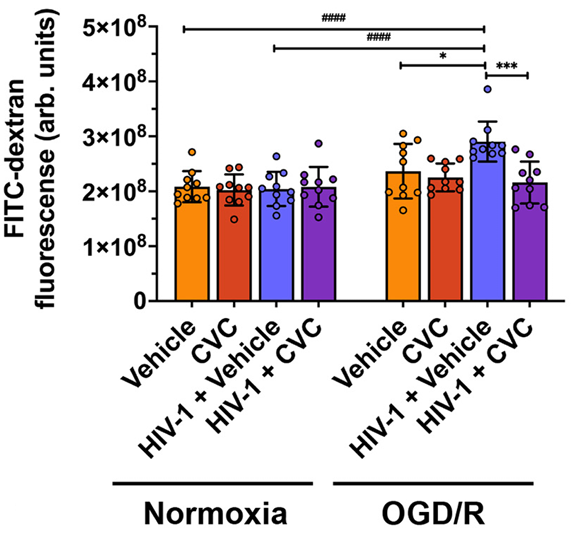
Effect of CVC (Cenicriviroc) (1 μM; 24 h) on endothelial permeability after OGD/R exposure and HIV-1 infection of astrocytes. Permeability was assessed by adding 10 kDa fluorescein isothiocyanate (FITC)-dextran (0.1 mg/mL) to the upper compartment of the Transwell system, followed by spectrophotometric measurement of its passage through human brain microvascular endothelial cell (HBMEC) monolayers into the lower compartment for 1 h.
Cenicriviroc purchased from MedChemExpress. Usage Cited in: Am J Physiol Cell Physiol. 2024 Feb 1;326(2):C487-C504. [Abstract]
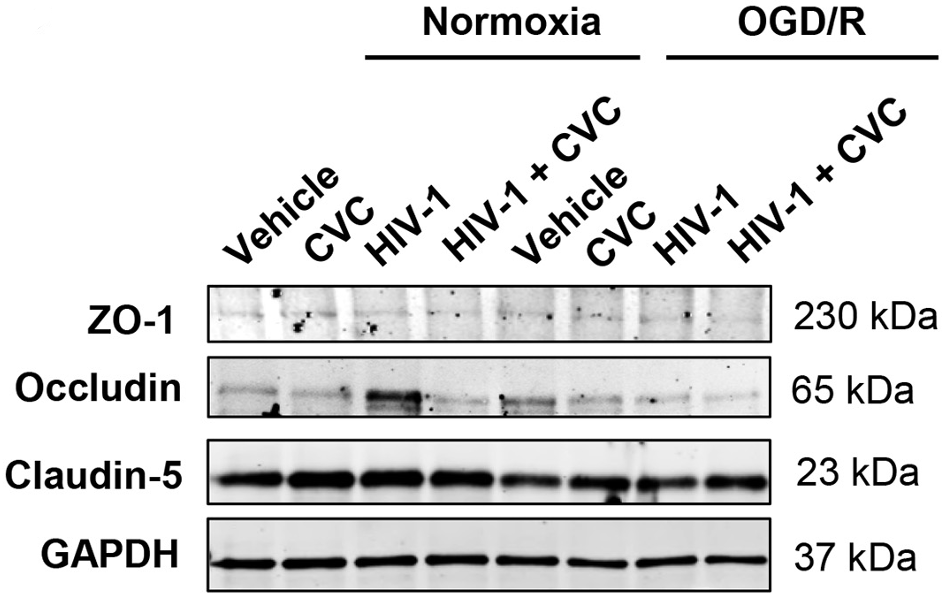
Cenicriviroc (CVC) (1 μM; 24 h). Representative images of Western blots for the tight junction (TJ) proteins zona occludens 1 (ZO-1), occludin, and claudin-5.
Cenicriviroc purchased from MedChemExpress. Usage Cited in: Am J Physiol Cell Physiol. 2024 Feb 1;326(2):C487-C504. [Abstract]
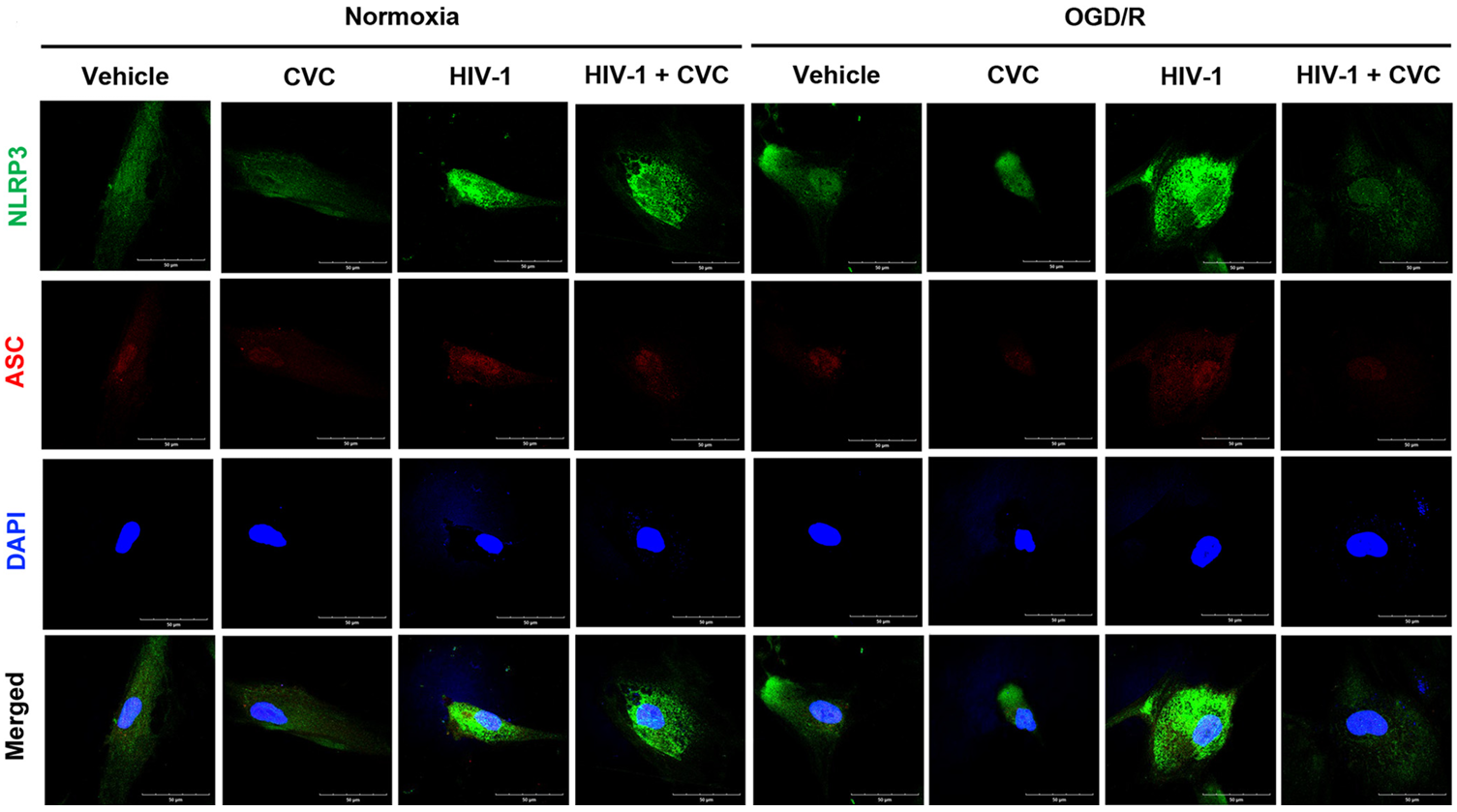
Representative confocal immunofluorescence staining images of NLRP3 (green), ASC (red), and nuclei (blue). Scale bar: 50 μm.The results showed that the colocalization of NLRP3 with ASC was increased in OGD/R-treated infected astrocytes compared with the control, and this effect was partially alleviated by CVC (Cenicriviroc) (1 μM; 24 h) treatment, which suggests reduced inflammasome formation and activation.
-
Sci Rep
Inhibition of intrahepatic monocyte recruitment by Cenicriviroc and extracellular matrix degradation by MMP1 synergistically attenuate liver inflammation and fibrogenesis in vivo. [Abstract]2024 Jul 23;14(1):16897. PMID: 39043893 -
Antiviral Res
The chemokine receptor antagonist cenicriviroc inhibits the replication of SARS-CoV-2 in vitro. [Abstract]2020 Oct:182:104902. PMID: 32739404 -
-
Eur J Immunol
Cenicriviroc, a CCR2/CCR5 antagonist, promotes the generation of type 1 regulatory T cells. [Abstract]2024 Jul;54(7):e2350847. PMID: 38643381 -
bioRxiv
MAIT cell responses to S. aureus and sensitivity to HlgAB are modulated by activation and tissue-dependent virulence effects. [Abstract]2026 Mar 19:2026.03.17.712383. PMID: 41890076


Solvent & Solubility
In Vitro:
DMSO : 50 mg/mL (71.74 mM; Need ultrasonic; Hygroscopic DMSO has a significant impact on the solubility of product, please use newly opened DMSO)
Ethanol : 2 mg/mL (2.87 mM; ultrasonic and warming and heat to 60°C)
H2O : < 0.1 mg/mL (insoluble)
Please refer to the solubility information to select the appropriate solvent. Once prepared, please aliquot and store the solution to prevent product inactivation from repeated freeze-thaw cycles.
Storage method and period of stock solution: -80°C, 2 years; -20°C, 1 year. When stored at -80°C, please use it within 2 years. When stored at -20°C, please use it within 1 year.
Please refer to the solubility information to select the appropriate solvent. Once prepared, please aliquot and store the solution to prevent product inactivation from repeated freeze-thaw cycles.
Storage method and period of stock solution: -80°C, 2 years; -20°C, 1 year. When stored at -80°C, please use it within 2 years. When stored at -20°C, please use it within 1 year.
Concentration (start) × Volume (start) = Concentration (final) × Volume (final)
In Vivo:
Select the appropriate dissolution method based on your experimental animal and administration route.
- For the following dissolution methods, please ensure to first prepare a clear stock solution using an In Vitro approach and then sequentially add co-solvents:
- To ensure reliable experimental results, the clarified stock solution can be appropriately stored based on storage conditions. As for the working solution for In Vivo experiments, it is recommended to prepare freshly and use it on the same day.
- The percentages shown for the solvents indicate their volumetric ratio in the final prepared solution. If precipitation or phase separation occurs during preparation, heat and/or sonication can be used to aid dissolution.
Add each solvent one by one: 10% DMSO 40% PEG300 5% Tween-80 45% Saline
Solubility: ≥ 2.08 mg/mL (2.98 mM); Clear solution
This protocol yields a clear solution of ≥ 2.08 mg/mL (saturation unknown).
Taking 1 mL working solution as an example, add 100 μL DMSO stock solution (20.8 mg/mL) to 400 μL PEG300, and mix evenly; then add 50 μL Tween-80 and mix evenly; then add 450 μL Saline to adjust the volume to 1 mL.
Preparation of Saline: Dissolve 0.9 g sodium chloride in ddH₂O and dilute to 100 mL to obtain a clear Saline solution.
In Vivo Dissolution Calculator
Please enter the basic information of animal experiments:
-
-
-
-
Recommended: Prepare an additional quantity of animals to account for potential losses during experiments.
Please enter your animal formula composition:
-
%DMSO +
Recommended: Keep the proportion of DMSO in working solution below 2% if your animal is weak.
-
%+
-
+%Tween-80 + +
-
%Saline +
The co-solvents required include: DMSO, . All of co-solvents are available by MedChemExpress (MCE). , Tween 80. All of co-solvents are available by MedChemExpress (MCE).
Working solution concentration: 0.22 mg/mL
Method for preparing stock solution: mg drug dissolved in μL DMSO. Stock solution concentration: mg/mL.
1. Take μL DMSO stock solution;
2. Add μL .
μL , mix evenly;
3. Then add μL Tween 80, mix evenly;
4. Then add μL
Please ensure that the stock solution in the first step is dissolved to a clear state, and add co-solvents in sequence. You can use ultrasonic heating (ultrasonic cleaner, recommended frequency 20-40 kHz), vortexing, etc. to assist dissolution.


Purity & Documentation
-
Data Sheet (277 KB)
-
SDS (393 KB)
- English - EN (393 KB)
- Français - FR (393 KB)
- Deutsch - DE (393 KB)
- Norwegian - NO (393 KB)
- Español - ES (393 KB)
- Swedish - SV (393 KB)
- Italian - IT (393 KB)
- Korean - KR (393 KB)
- Portuguese - PT (393 KB)
-
Handling Instructions (2659 KB)
References
[1]. Lefebvre E, et al. Antifibrotic Effects of the Dual CCR2/CCR5 Antagonist Cenicriviroc in Animal Models of Liver and Kidney Fibrosis. PLoS One. 2016 Jun 27;11(6):e0158156 [Content Brief]
[2]. Kuwata T, et al. Incompatible Natures of the HIV-1 Envelope in Resistance to the CCR5 Antagonist Cenicriviroc and to Neutralizing Antibodies. Antimicrob Agents Chemother. 2015 Nov 2;60(1):437-5 [Content Brief]
[3]. Visseaux B, et al. Cenicriviroc, a Novel CCR5 (R5) and CCR2 Antagonist, Shows In Vitro Activity against R5 Tropic HIV-2 Clinical Isolates. PLoS One. 2015 Aug 6;10(8):e0134904 [Content Brief]
[4]. Lalezari J, et al. Safety, efficacy, and pharmacokinetics of TBR-652, a CCR5/CCR2 antagonist, in HIV-1-infected, treatment-experienced, CCR5 antagonist-naive subjects. J Acquir Immune Defic Syndr. 2011 Jun 1;57(2):118-25. [Content Brief]
[5]. Baba M, et al. TAK-652 inhibits CCR5-mediated human immunodeficiency virus type 1 infection in vitro and has favorable pharmacokinetics in humans. Antimicrob Agents Chemother. 2005 Nov;49(11):4584-91. [Content Brief]


Complete Stock Solution Preparation Table
Please refer to the solubility information to select the appropriate solvent. Once prepared, please aliquot and store the solution to prevent product inactivation from repeated freeze-thaw cycles.
Storage method and period of stock solution: -80°C, 2 years; -20°C, 1 year. When stored at -80°C, please use it within 2 years. When stored at -20°C, please use it within 1 year.
| Optional Solvent | Concentration Solvent Mass | 1 mg | 5 mg | 10 mg | 25 mg |
|---|---|---|---|---|---|
| Ethanol / DMSO | 1 mM | 1.4348 mL | 7.1742 mL | 14.3484 mL | 35.8711 mL |
| DMSO | 5 mM | 0.2870 mL | 1.4348 mL | 2.8697 mL | 7.1742 mL |
| 10 mM | 0.1435 mL | 0.7174 mL | 1.4348 mL | 3.5871 mL | |
| 15 mM | 0.0957 mL | 0.4783 mL | 0.9566 mL | 2.3914 mL | |
| 20 mM | 0.0717 mL | 0.3587 mL | 0.7174 mL | 1.7936 mL | |
| 25 mM | 0.0574 mL | 0.2870 mL | 0.5739 mL | 1.4348 mL | |
| 30 mM | 0.0478 mL | 0.2391 mL | 0.4783 mL | 1.1957 mL | |
| 40 mM | 0.0359 mL | 0.1794 mL | 0.3587 mL | 0.8968 mL | |
| 50 mM | 0.0287 mL | 0.1435 mL | 0.2870 mL | 0.7174 mL | |
| 60 mM | 0.0239 mL | 0.1196 mL | 0.2391 mL | 0.5979 mL |


Cenicriviroc Related Classifications
HY-14882 Related Classifications
 Powered by Bioz