



CCR8
CCR8 (C-C chemokine receptor 8) is a class A G protein-coupled chemokine receptor that primarily mediates immune-cell trafficking through interactions with the endogenous ligand CCL1, thereby regulating leukocyte migration, inflammatory positioning, and immune-cell survival programs[1][2]. Mechanistically, structural studies demonstrate that CCL1 activates CCR8 through a two-step binding process involving receptor extracellular domains and subsequent signaling activation, providing a molecular framework for CCR8-dependent chemotaxis and immune regulation[1]. In disease-associated tissues, CCR8 is highly enriched on suppressive intratumoral regulatory T cells and is linked to immunosuppressive tumor microenvironments, making CCR8 a relevant target for cancer immunology research and therapeutic intervention studies[1][3]. Experimental evidence further indicates that CCR8 signaling interacts with innate immune pathways, including Toll-like receptor 4 signaling, supporting a broader role in inflammatory regulation beyond chemokine-directed cell migration[4]. Compared with related chemokine receptors such as CCR4, which recognizes multiple ligands including CCL17 and CCL22, CCR8 displays a more restricted ligand profile centered on CCL1-mediated signaling, supporting its utility as a comparatively selective immunological target[1][2]. For experimental applications, both antagonistic antibodies and synthetic CCR8 agonists or antagonists have been developed to investigate receptor activation mechanisms, ligand bias, and immune-cell functions in cancer and inflammatory disease models[1][2].
References:
- [1]. Sun D, et al. Structural basis of antibody inhibition and chemokine activation of the human CC chemokine receptor 8. Nat Commun. 2023 Dec 1;14(1):7940. [Content Brief]
- [2]. Rabezanahary H, et al. Live virus neutralizing antibodies against pre and post Omicron strains in food and retail workers in Québec, Canada. Heliyon. 2024 May 21;10(10):e31026. [Content Brief]
- [3]. Nguyen A, et al. HDACi-dependent Microenvironmental Normalization Overcomes Tumor Burden-induced T-cell Exhaustion. Clin Cancer Res. 2023 Oct 13;29(20):4289-4305. [Content Brief]
- [4]. Reimer MK, et al. CCR8 signaling influences Toll-like receptor 4 responses in human macrophages in inflammatory diseases. Clin Vaccine Immunol. 2011 Dec;18(12):2050-9. [Content Brief]
-
CCR8 Related Products (24)
Related Products (24)

-
Recombinant Proteins (4)
- 1
- 2
-
AZ084
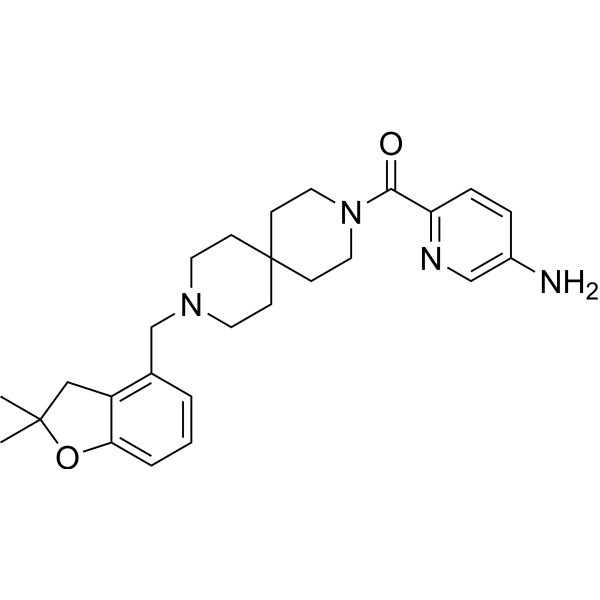 0 ImagesAZ084 is a potent, selective, allosteric and oral active CCR8 allosteric antagonist, with a Ki of 0.9 nM. Has potential to treat asthma. AZ084 restrains the formation of the immunologically tolerant pre-metastatic niche (PMN) and tumor cells metastasis in lung by downregulating Treg differentiation. AZ084 can be used in studies of asthma and cancer.
-
Denikitug
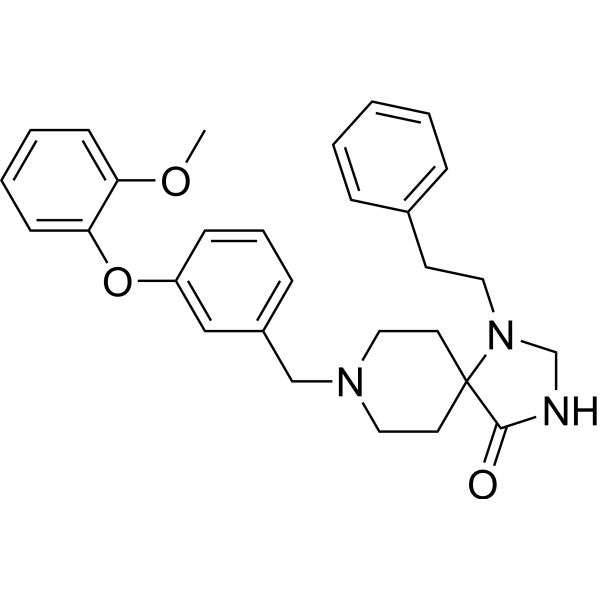
 0 ImagesSynonyms: GS-1811; JTX-1811Denikitug (GS-1811; JTX-1811) is a humanized monoclonal antibody against CCR8 receptor with a KD of 16.8 pM. Denikitug specifically binds to human CCR8, inhibits CCL1-induced downstream CCR8 signaling. Denikitug selectively depletes cells expressing CCR8 via antibody-dependent cellular cytotoxicity (ADCC). Denikitug promotes anti-tumor immunity and can be used for the research of cancer and immunology.
-
Lanerkitug (FUT8-KO)
 0 ImagesCat. No.: HY-P991942APurity: 99.50%Synonyms: BAY3375968 (FUT8-KO); TPP-23411 (FUT8-KO)Lanerkitug (FUT8-KO) (BAY3375968 (FUT8-KO)) is an anti-CCR8 monoclonal antibody expressed by CHO cells with the fucosyltransferase 8 gene (FUT8) knocked out. Fucose deficiency enhances the ADCC effect of the antibody. Lanerkitug (HY-P991942) selectively depletes human CCR8+Tregs via antibody dependent cellular cytotoxicity (ADCC) and antibody dependent cellular phagocytosis (ADCP). Lanerkitug can be used in the research of solid tumors.
-
S-531011 (FUT8-KO)
 0 ImagesCat. No.: HY-P991481APurity: 99.50%S-531011 (FUT8-KO) is an anti-CCR8 monoclonal antibody expressed by CHO cells with the fucosyltransferase 8 gene (FUT8) knocked out. Fucose deficiency enhances the antibody-dependent cellular cytotoxicity (ADCC) effect of the antibody. S-531011 (FUT8-KO) can be used for the research of cancer immunity.
-
Enzelkitug (FUT8-KO)
 0 ImagesCat. No.: HY-P991135ASynonyms: RO-7502175 (FUT8-KO); RG-6411 (FUT8-KO)Enzelkitug (RO-7502175; RG-6411) (FUT8-KO) is an anti-CCR8 monoclonal antibody expressed by CHO cells with the fucosyltransferase 8 gene (FUT8) knocked out. Fucose deficiency enhances the antibody-dependent cellular cytotoxicity (ADCC) effect of the antibody. Enzelkitug (FUT8-KO) can be used for the research of various solid tumors and hematological malignancies.
-
ZK756326 dihydrochloride
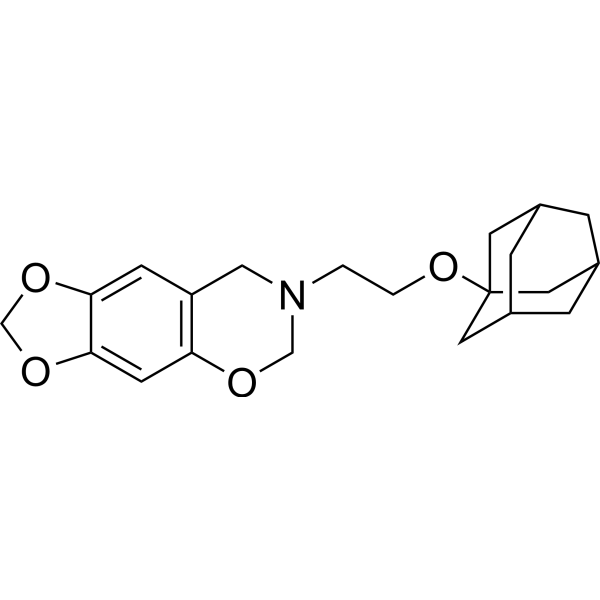
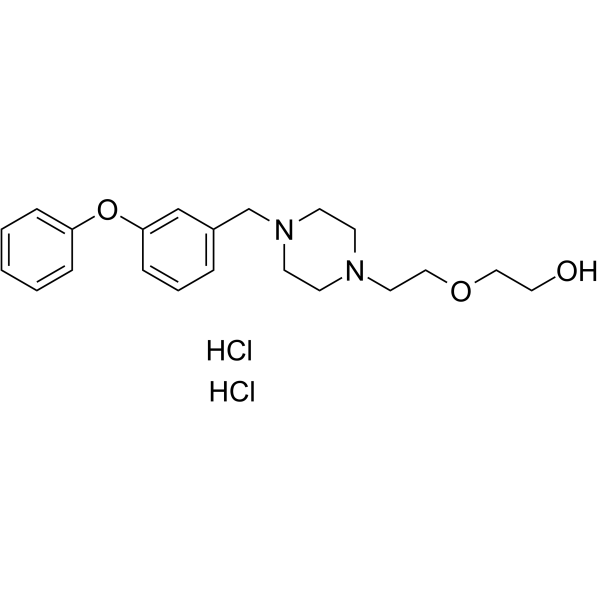 0 ImagesZK756326 dihydrochloride is a nonpeptide chemokine receptor agonist for the CC chemokine receptor CCR8.
-
CCR8 antagonist 1
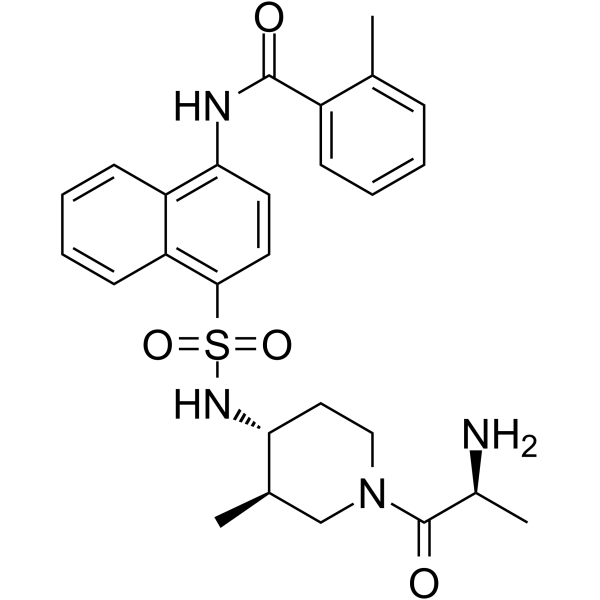
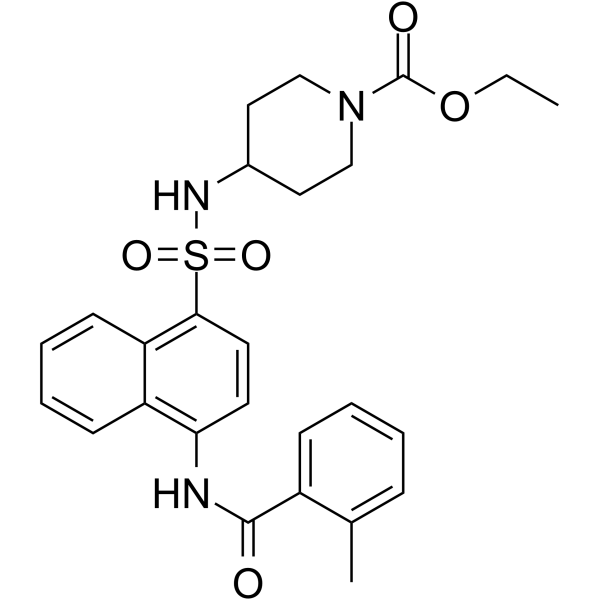 0 ImagesCCR8 antagonist 1 (Compound 15) is a potente human CCR8 antagonist with a Ki of 1.6 nM. CCR8 antagonist 1 has high safety and metabolic stability. CCR8 antagonist 1 can be used to study diseases such as asthma and multiple sclerosis.
-
Tagmokitug
 0 ImagesSynonyms: CHS-114; SRF-114Tagmokitug (CHS-114; SRF-114) is a fully human IgG1 antibody targeting CCR8. Tagmokitug selectively binds to human CCR8 (Kd = 502 pM) and mediates the death of CCR8-expressing cells via antibody-dependent cellular cytotoxicity and antibody-dependent cellular phagocytosis. Tagmokitug selectively eliminates intratumoral regulatory T cells, induces tumor growth inhibition, remodels the tumor immune microenvironment, and promotes the differentiation of cytotoxic CD8+ T cell subsets. Tagmokitug can be used for the research of solid tumors.
-
S-531011
 0 ImagesCat. No.: HY-P991481Purity: 98.38%S-531011 is a high-affinity, selective, and reversible CCR8 ligand with antibody-dependent cellular cytotoxicity (ADCC) against CCR8-expressing cells. S-531011 induces the death of tumor-infiltrating CCR8+ regulatory T cells while preserving regulatory T cells in peripheral blood, thereby reinvigorating anti-tumor immunity. The combination of S-531011 with anti-PD-1 antibody effectively inhibits tumor growth, and S-531011 can be used for research on advanced solid tumors and various cancers including non-small cell lung cancer, ovarian cancer, colon cancer, breast cancer, and pancreatic ductal adenocarcinoma.
-
Lanerkitug
 0 ImagesCat. No.: HY-P991942Synonyms: BAY3375968; TPP-23411
-
LMD-902
 0 ImagesCat. No.: HY-176800CAS No.: 521979-59-9LMD-902, a LMD-009 (HY-121885) analog, is a CCR8 agonist with an EC50 of 15 nM. LMD-902 has a superior binging capacity depending on key residues such as PheVI:16. LMD-902 can be used for inflammation diseases like bronchial asthma and central nervous system diseases like multiple sclerosis research.
-
SB-649701
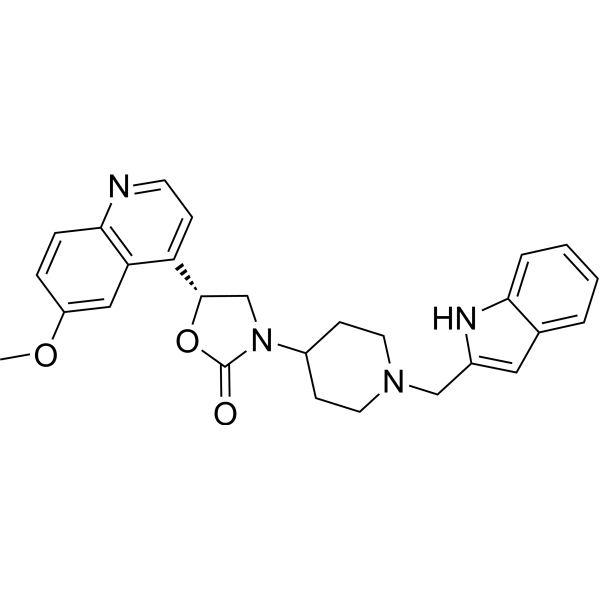 0 ImagesCat. No.: HY-153669CAS No.: 935262-95-6
-
CCR8 agonist 2
 0 ImagesCat. No.: HY-184668CCR8 agonist 2 is a selective CCR8 agonist with an EC50 of 0.008 μM. CCR8 agonist 2 activates CCR8+ activity in a humanized graft-versus-host disease mouse model. CCR8 agonist 2 can be used for the research of autoimmune diseases.
-
CM369
 0 ImagesCat. No.: HY-P992334
-
ZL-1218 (FUT8-KO)
 0 ImagesCat. No.: HY-P991944AZL-1218 (FUT8-KO) is an anti-CCR8 monoclonal antibody expressed by CHO cells with the fucosyltransferase 8 gene (FUT8) knocked out. Fucose deficiency enhances the antibody-dependent cellular cytotoxicity (ADCC) effect of the antibody. ZL-1218 (FUT8-KO) can be used for the research of solid tumour.

-
HFB101110
 0 ImagesCat. No.: HY-P992365HFB101110 is a human-derived inhibitor and Treg depleter that specifically targets CCR8. It does not bind to the homologous CCR4 receptor and is mainly used in research on solid tumors, renal cell carcinoma and colorectal cancer. HFB101110 blocks hCCL1 binding by interacting with the N-terminal extracellular domain of hCCR8, thereby inhibiting hCCL1-induced calcium influx, chemotaxis and downstream signaling pathways. Meanwhile, HFB101110 can mediate ADCC effects to specifically deplete CCR8-positive cells, including intratumoral Tregs. HFB101110 exhibits favorable anti-tumor activity and pharmacokinetic properties.
- 1
- 2




