



AChE Antagonist
-
Sericin
 0 ImagesCat. No.: HY-NP192
Sericin is an orally active globular protein produced by silkworm cocoons. Sericin inhibits the expression of COX2, iNOS, TLR4, MAPK and NF-κB; reduces the levels of IL-18, IL-1 and CCL2; antagonizes the activity of AChE; and downregulates the expression of Bcl-2. Sericin enhances the PI3K/AKT-mediated insulin signaling pathway. Sericin inhibits the activity of tyrosinase (Tyrosinase), scavenges ROS, chelates metal ions, and increases the levels of antioxidant enzymes. Sericin induces apoptosis and arrests the cell cycle. Sericin exhibits antibacterial, moisturizing, cardioprotective and anticoagulant properties. Sericin can be used in research related to type 2 diabetes, hyperlipidemia, obesity, Alzheimer's disease, colon cancer, peripheral nerve injury and ischemic myocardial infarction.
-
CI-1002
 0 ImagesCat. No.: HY-19181CAS No.: 149028-28-4Synonyms: PD 142676
CI-1002 (PD 142676) is a potent acetylcholinesterase (AChE) and muscarinic antagonist. CI-1002 can be used for the study of the cognitive dysfunction of Alzheimer's disease (AD).
-
Itopride
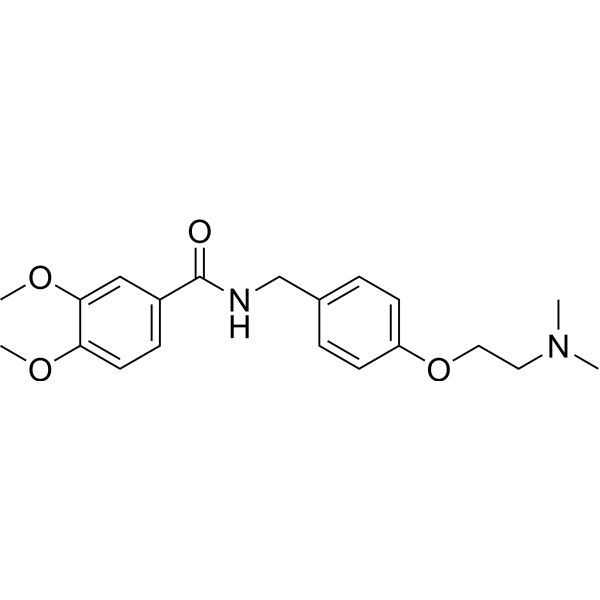 0 ImagesCat. No.: HY-B0732ACAS No.: 122898-67-3Synonyms: HSR803 free base
Itopride (HSR803 free base) is a potent and orally active dopamine-2 antagonist and an acetylcholine esterase (AChE) inhibitor. Itopride enhances gastric motility through both antidopaminergic and anti-acetylcholinesterasic actions, can be used as a gastrointestinal prokinetic agent. Itopride can be used for researching gastro-esophageal reflux disease (GERD).



