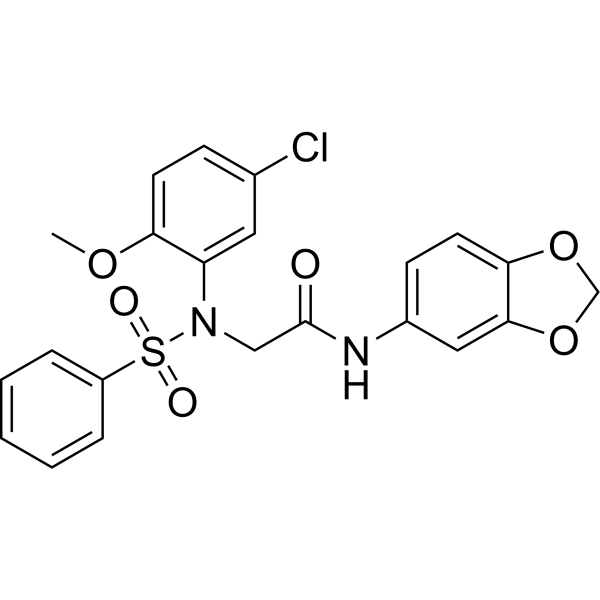
BACE1
BACE1 (β-site APP-cleaving enzyme 1) is a type I transmembrane aspartyl protease that initiates amyloid precursor protein (APP) processing by cleaving APP at the β-secretase site, thereby generating the N-terminus of amyloid-β (Aβ) peptides and promoting subsequent γ-secretase-dependent Aβ production[1][2]. BACE1 localizes predominantly to acidic intracellular compartments, including endosomes and the trans-Golgi network, where its catalytic activity supports amyloidogenic APP processing and contributes directly to Alzheimer’s disease (AD)-associated amyloid pathology[1][3]. Mechanistically, genetic and biochemical studies demonstrate that BACE1 is the principal β-secretase in the central nervous system, and BACE1 deficiency markedly reduces cerebral Aβ generation, amyloid deposition, and Aβ-associated cognitive impairments in experimental AD models[3]. Beyond APP processing, BACE1 cleaves multiple neuronal membrane proteins involved in axon guidance, synaptic function, neurogenesis, and myelination, indicating broader physiological roles in nervous system development and maintenance[3]. Compared with the closely related isoform BACE2, which preferentially cleaves APP within the Aβ domain and thereby limits Aβ formation, BACE1 functions as the dominant amyloidogenic β-secretase in neurons and remains the primary therapeutic target for reducing pathological Aβ production[3]. Therefore, selective BACE1 inhibitors have been extensively developed as experimental and clinical tools to suppress Aβ generation, although long-term inhibition requires consideration of BACE1-dependent physiological pathways and substrate processing functions[3][4].
References:
- [1]. Yan R. Physiological Functions of the β-Site Amyloid Precursor Protein Cleaving Enzyme 1 and 2. Front Mol Neurosci. 2017 Apr 19;10:97. doi: 10.3389/fnmol.2017.00097. PMID: 28469554; PMCID: PMC5395628. et al. Physiological Functions of the β-Site Amyloid Precursor Protein Cleaving Enzyme 1 and 2. Front Mol Neurosci. 2017 Apr 19;10:97. [Content Brief]
- [2]. Vassar R. BACE1 inhibitor drugs in clinical trials for Alzheimer's disease. Alzheimers Res Ther. 2014 Dec 24;6(9):89. doi: 10.1186/s13195-014-0089-7. PMID: 25621019; PMCID: PMC4304279. et al. BACE1 inhibitor drugs in clinical trials for Alzheimer's disease. Alzheimers Res Ther. 2014 Dec 24;6(9):89. [Content Brief]
- [3]. Bartolić M, et al. BACE1: Biological Functions and Involvement in the Pathophysiology of Alzheimer's Disease and Other Neurological Disorders. Biofactors. 2025 Nov-Dec;51(6):e70071. [Content Brief]
All Product Categories
-
BACE1 Related Products (63)
Related Products (63)

-
Se-Methylselenocysteine
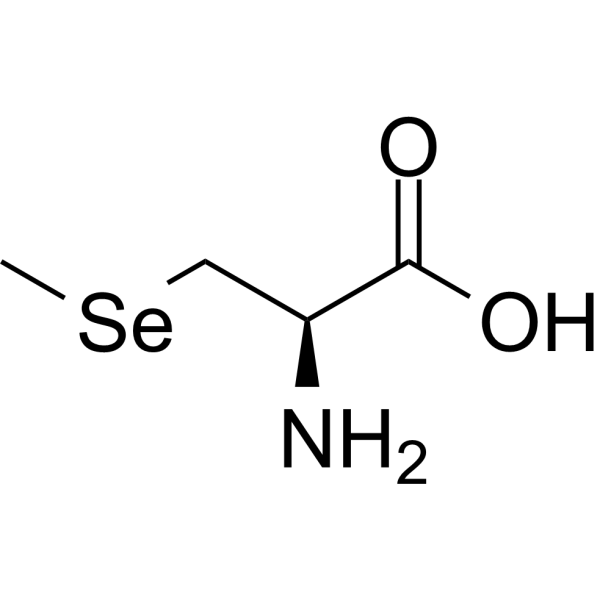 0 ImagesSynonyms: Methylselenocysteine; Se-Methylseleno-L-cysteine
-
Verubecestat
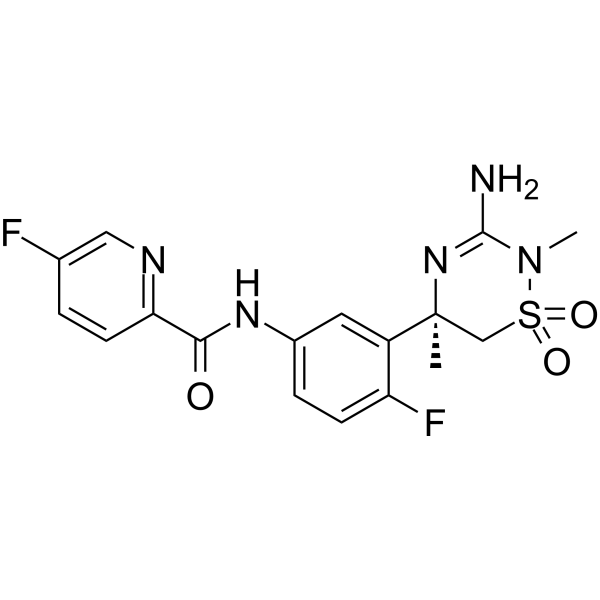 0 ImagesSynonyms: MK-8931Verubecestat (MK-8931) is an orally active, high-affinity BACE1 and BACE2 inhibitor with Ki values of 2.2 nM and 0.38 nM. Verubecestat effectively reduces Aβ40 and has the potential for Alzheimer's Disease.
-
LY2886721
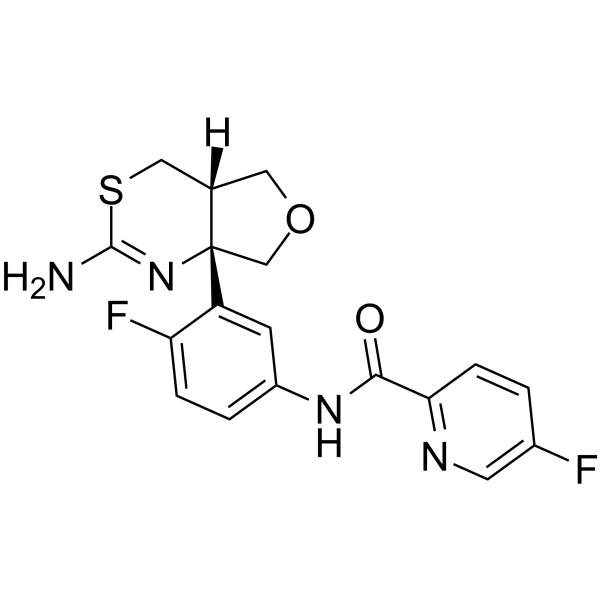 0 ImagesLY2886721 is a potent, selective and orally active beta-site amyloid precursor protein cleaving enzyme 1 (BACE1) inhibitor with an IC50 of 20.3 nM for recombinant human BACE1. LY2886721 is selectivity against cathepsin D, pepsin, and renin, but lacking selectivity against BACE2 (IC50 of 10.2 nM). LY2886721 can across blood-brain barrier and has the potential for Alzheimer's disease treatment.
-
Epiberberine chloride
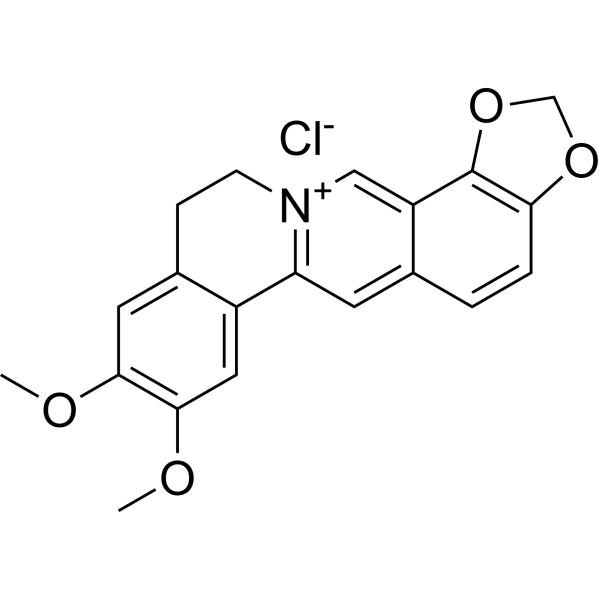 0 ImagesEpiberberine chloride is an alkaloid isolated from Coptis chinensis, acts as a potent AChE and BChE inhibitor, and a non-competitive BACE1 inhibitor, with IC50s of 1.07, 6.03 and 8.55 μM, respectively. Epiberberine chloride has antioxidant activity, with peroxynitrite ONOO- scavenging effect (IC50, 16.83 μM), and may protect against Alzheimer disease. Epiberberine chloride inhibits the early stage of differentiation of 3T3-L1 preadipocytes, downregulates the Raf/MEK1/2/ERK1/2 and AMPKα/Akt pathways. Epiberberine has the potential effect in the research of diabetic disease.
-
Scoulerine
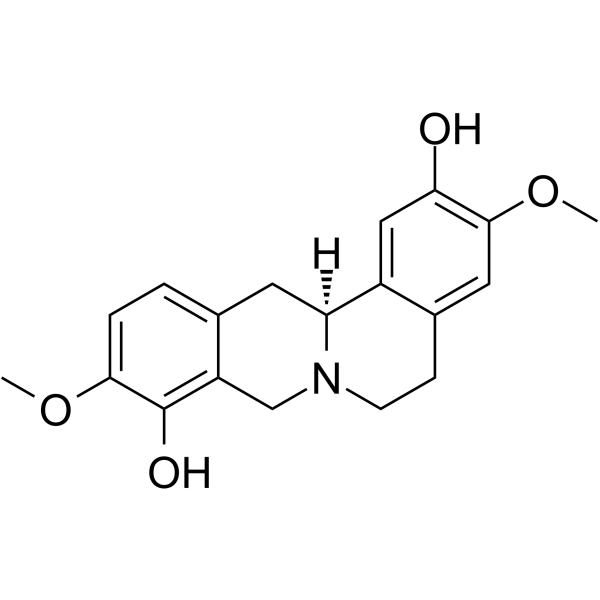 0 ImagesScoulerine ((-)-Scoulerine; Discretamine) hydrochloride is a multi-target inhibitor with anti-tumor and antioxidant activities. Scoulerine mainly targets the PI3K/Akt/mTOR signaling axis and α1D-adrenergic receptor, disrupts microtubule structure, and induces cell cycle arrest and apoptosis. Scoulerine effectively inhibits mitochondrial dehydrogenase activity, targets GABA receptors and BACE1, and suppresses the proliferation, migration, invasion, epithelial-mesenchymal transition and stem cell properties of cancer cells. Scoulerine also exhibits multiple pharmacological activities including anti-Plasmodium falciparum, antibacterial, antiemetic and antitussive effects, and regulates endoplasmic reticulum stress and mitochondrial function (modulates Bax, Bcl-2 and cytochrome c). Scoulerine is applicable to research related to leukemia, ovarian cancer, and colorectal cancer.
-
Dehydroevodiamine hydrochloride
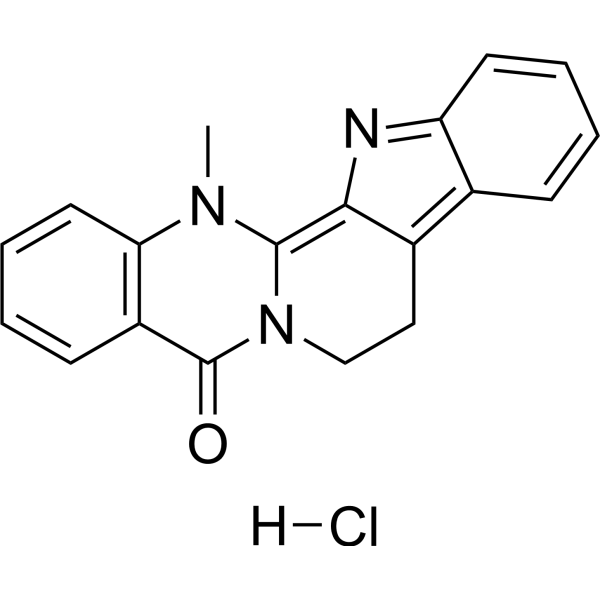 0 ImagesDehydroevodiamine hydrochloride is a blood-brain barrier-permeable, orally effective AChE and BACE1 inhibitor (IC50 = 40.96 μM). Dehydroevodiamine hydrochloride is isolated and extracted from Evodia rutaecarpa. Dehydroevodiamine hydrochloride attenuates neurotoxicity through multiple targets by inhibiting BACE1 to block Aβ production, inhibiting AChE activity, scavenging ROS, and suppressing calcium influx. Dehydroevodiamine hydrochloride can be used for research on Alzheimer's disease, cerebral ischemia, vascular dementia, and other cognitive disorder-related diseases.
-
Scoulerine hydrochloride
 0 ImagesCat. No.: HY-N1255ACAS No.: 51486-68-1Synonyms: (-)-Scoulerine hydrochloride; Discretamine hydrochlorideScoulerine ((-)-Scoulerine; Discretamine) hydrochloride is a multi-target inhibitor with anti-tumor and antioxidant activities. Scoulerine hydrochloride mainly targets the PI3K/Akt/mTOR signaling axis and α1D-adrenergic receptor, disrupts microtubule structure, and induces cell cycle arrest and apoptosis. Scoulerine hydrochloride effectively inhibits mitochondrial dehydrogenase activity, targets GABA receptors and BACE1, and suppresses the proliferation, migration, invasion, epithelial-mesenchymal transition and stem cell properties of cancer cells. Scoulerine hydrochloride also exhibits multiple pharmacological activities including anti-Plasmodium falciparum, antibacterial, antiemetic and antitussive effects, and regulates endoplasmic reticulum stress and mitochondrial function (modulates Bax, Bcl-2 and cytochrome c). Scoulerine hydrochloride is applicable to research related to leukemia, ovarian cancer, and colorectal cancer.
-
Lanabecestat
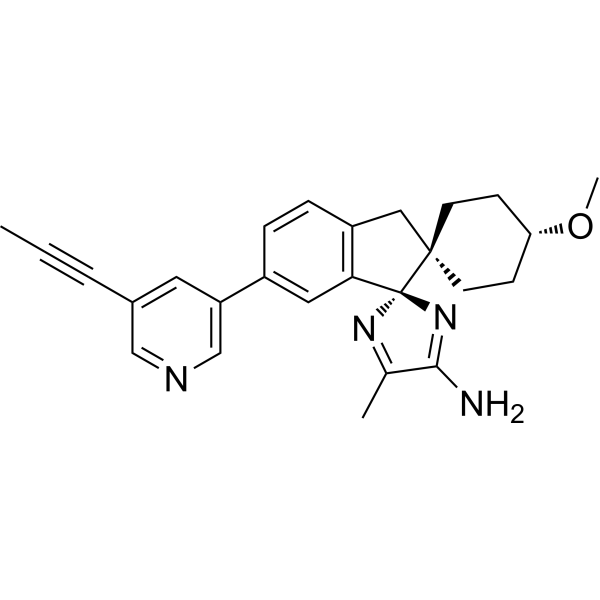 0 ImagesSynonyms: AZD3293; LY3314814Lanabecestat (AZD3293; LY3314814) is a potent, orally active and blood-brain barrier penetrating BACE1 inhibitor with a Ki of 0.4 nM. Lanabecestat is used for the research of Alzheimer's disease.
-
Elenbecestat
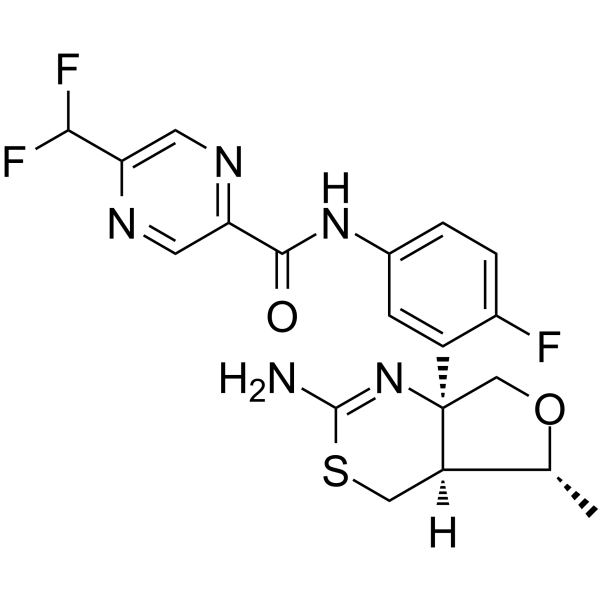 0 ImagesSynonyms: E2609Elenbecestat (E2609) is a potent, orally bioavailable and BBB-penetrant BACE-1 inhibitor. Elenbecestat has the potential for Alzheimer's disease (AD) research.
-
Umibecestat
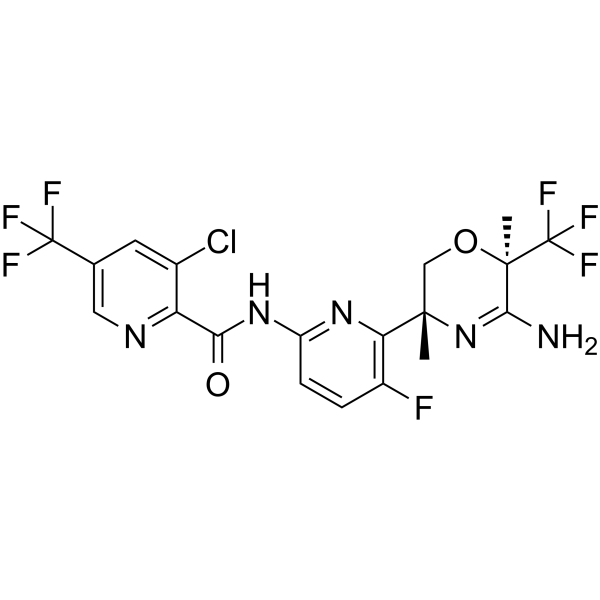 0 ImagesSynonyms: CNP520Umibecestat (CNP520) is a selective, orally active BACE inhibitor, with an IC50 of 11 nM for hBACE-1, 10 nM for mouse BACE-1, and 30 nM for hBACE-2. Umibecestat reduces β-Amyloid levels in the brain and cerebrospinal fluid, decreases β-amyloid plaque deposition, and inhibits plaque-associated neuroinflammation. Umibecestat is used in research related to Alzheimer's disease.
-
BACE2-IN-1
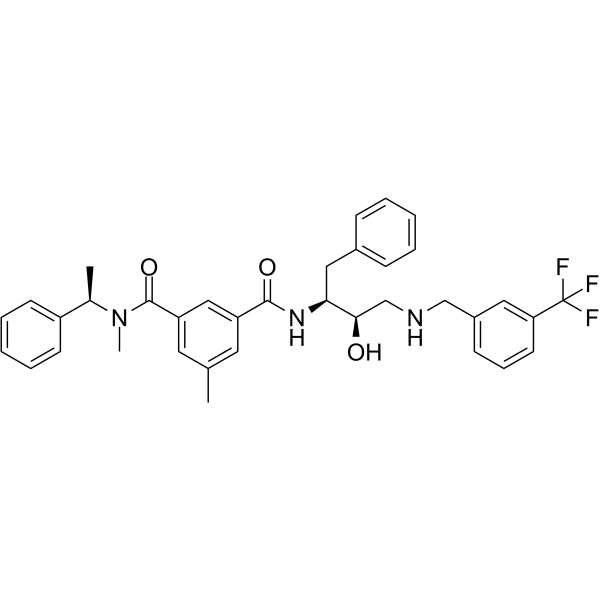 0 ImagesBACE2-IN-1 (compound 3l) is a highly selective BACE2 inhibitor with a Ki value of 1.6 nM. BACE2 inhibitors can be used to research of Type 2 Diabetes.
-
LY2811376
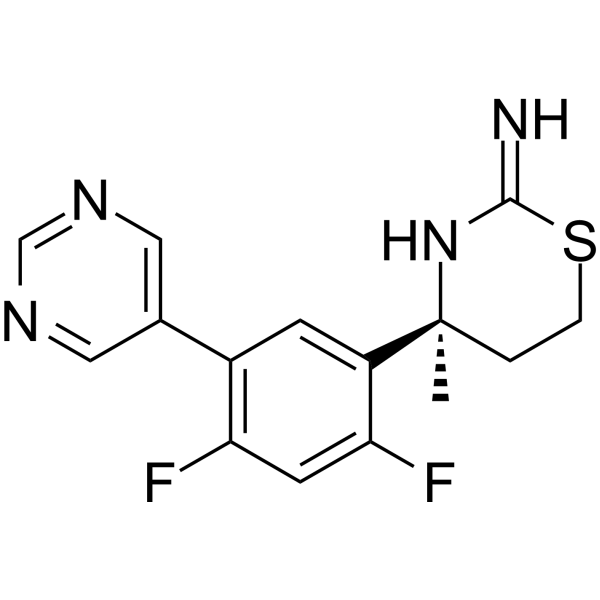 0 ImagesLY2811376 is the first orally available non-peptidic β-secretase (BACE1) inhibitor with IC50 of 239 nM-249 nM, that acts to decrease Aβ secretion with EC50 of 300 nM, and demonstrates to have 10-fold selectivity towards BACE1 over BACE2, and more than 50-fold inhibition over other aspartic proteases including cathepsin D, pepsin, or renin.
-
AZD3839 free base
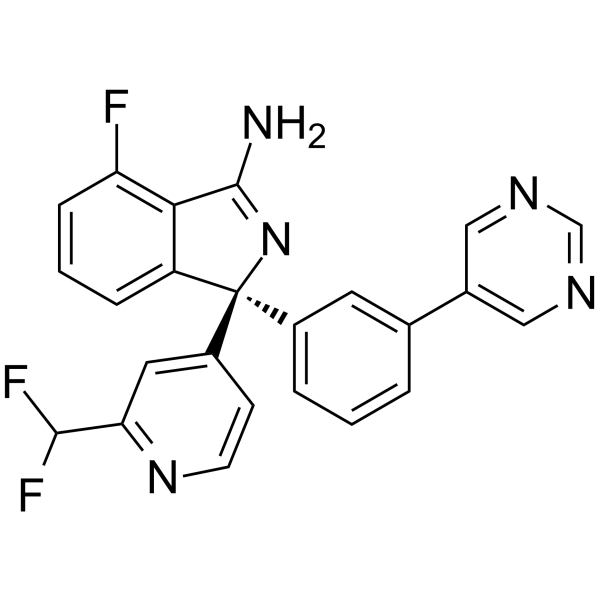 0 ImagesAZD3839 is an orally available, selective, reversible inhibitor of the β-site amyloid precursor protein cleaving enzyme BACE1 that can cross the blood-brain barrier. AZD3839 inhibits recombinant human BACE1 with a Ki=26.1 nM. AZD3839 inhibits A40 production in SH-SY5Y cells with an IC50 of 4.8 nM. AZD3839 binds to BACE1 and reduces the Aβ amyloid produced by the cleavage of amyloid precursor protein (APP) by BACE1 and γ-secretase. AZD3839 can be used in the field of Alzheimer's disease research.
-
NB-360
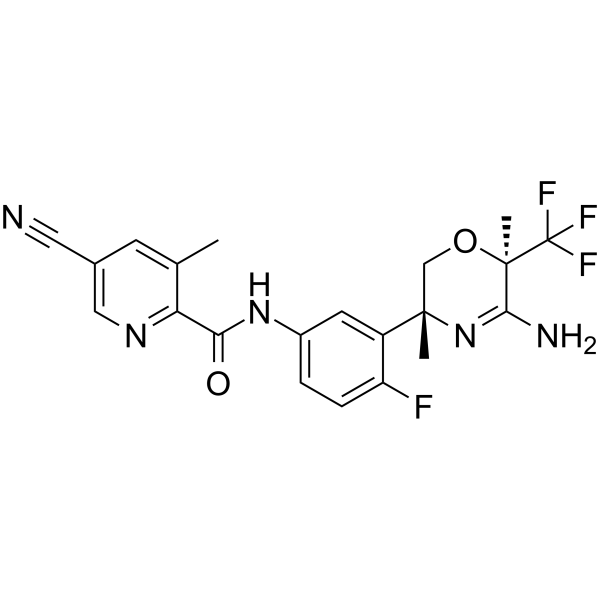 0 ImagesNB-360 is a potent, brain penetrable and orally active β‐secretase 1/2 (BACE1/BACE2) dual inhibitor with IC50 values of 5 and 6 nM. NB-360 can inhibit amyloid-β protein accumulation. NB-360 can be used for the researches of inflammation and neurological disease, such as Alzheimer's disease.
-
Atabecestat
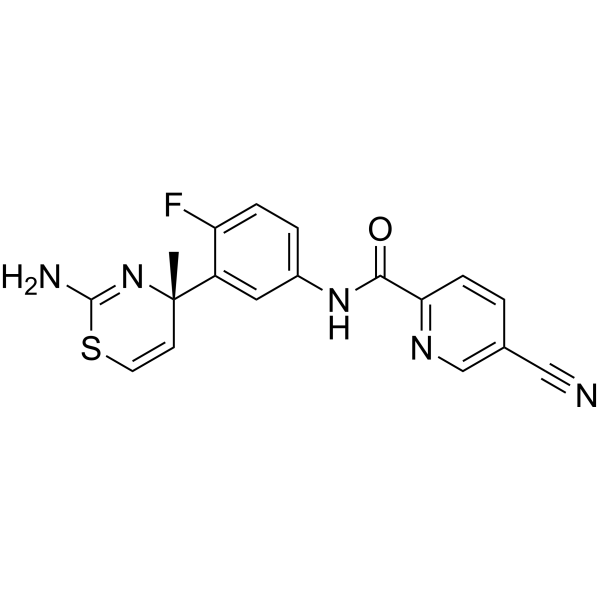 0 ImagesSynonyms: JNJ-54861911Atabecestat (JNJ-54861911) is a potent brain-penetrant and orally active β-site amyloid precursor protein cleaving enzyme 1 (BACE1) inhibitor, achieves robust and high CSF Aβ reduction. Atabecestat s tolerated and displays a sustained pharmacokinetic (PK) and pharmacodynamic (PD) characteristics. Atabecestat has the potential for Alzheimer's Disease treatment.
-
L-Citronellol
 0 ImagesSynonyms: (S)-3,7-Dimethyloct-6-en-1-olL-Citronellol ((S)-3,7-Dimethyloct-6-en-1-ol) is a natural product with anti-allergic and neuroprotective effects. L-Citronellol inhibits mast cell activation and the release of inflammatory factors by inhibiting the ERK pathway. L-Citronellol inhibits BACE1/PSEN1 and AChE, reduces TNF-α expression and lipid peroxidation, demonstrating the potential of multi-target anti-Alzheimer's disease (AD).
-
BACE1-IN-1
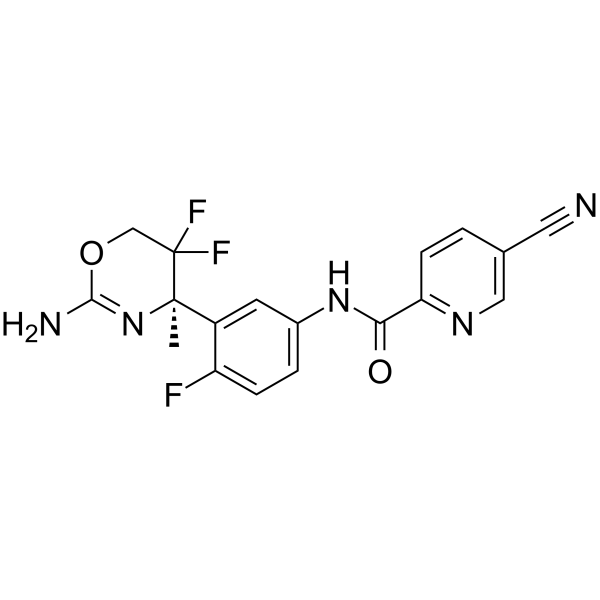 0 ImagesBACE1-IN-1 is an orally active, blood-brain barrier penetrant dual-target inhibitor of BACE1/2, with IC50 values of 23 nM and 24 nM against human BACE1 and BACE2, respectively. BACE1-IN-1 reduces cerebral Aβ40 levels in mice. BACE1-IN-1 can be used in studies related to Alzheimer's disease and type 2 diabetes.
-
Dehydroevodiamine
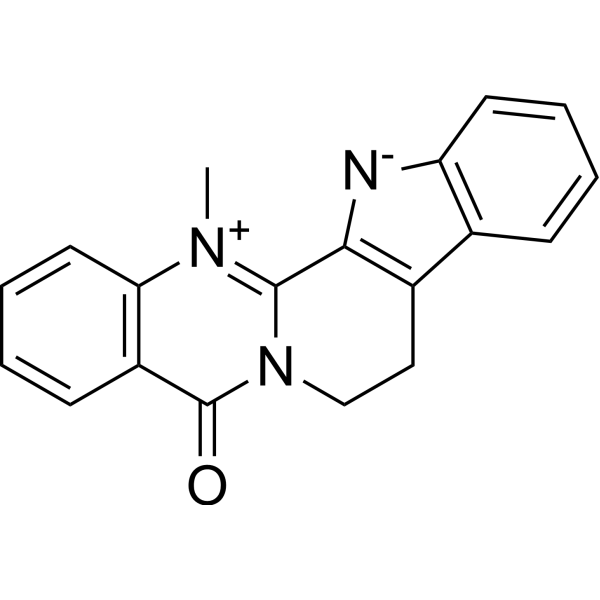 0 ImagesDehydroevodiamine is a blood-brain barrier-permeable, orally effective AChE and BACE1 inhibitor (IC50 = 40.96 μM). Dehydroevodiamine is isolated and extracted from Evodia rutaecarpa. Dehydroevodiamine attenuates neurotoxicity through multiple targets by inhibiting BACE1 to block Aβ production, inhibiting AChE activity, scavenging ROS, and suppressing calcium influx. Dehydroevodiamine can be used for research on Alzheimer's disease, cerebral ischemia, vascular dementia, and other cognitive disorder-related diseases.