



Candida Infection
-
Candida Infection (65)

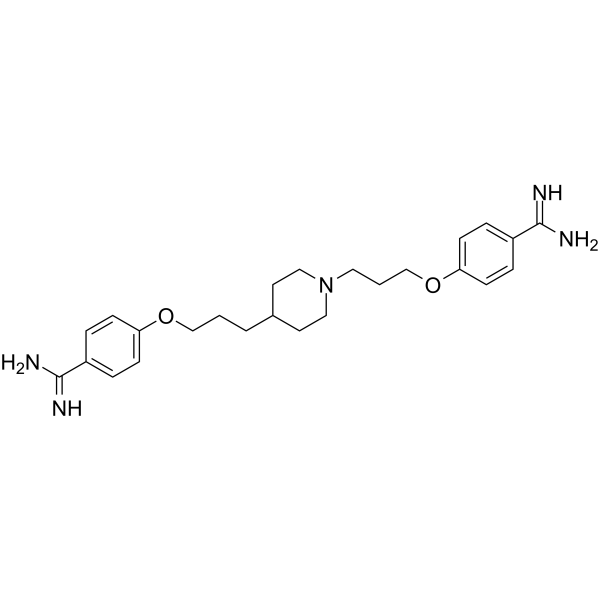
- Formula: C25H35N5O2
- Molecular Weight: 437.58
T-2307 is an antifungal agent with blood-brain barrier penetration. T-2307 exhibits broad-spectrum antifungal activity against Candida species, including echinocandin-resistant strains, Cryptococcus neoformans, Cryptococcus gattii, and some Aspergillus species. T-2307 selectively targets fungal mitochondrial respiratory chain complexes III and IV, causing collapse of the fungal mitochondrial membrane potential and exerting fungicidal or fungistatic effects. T-2307 can be used in research related to fungal infections such as invasive candidiasis, cryptococcosis, and aspergillosis.
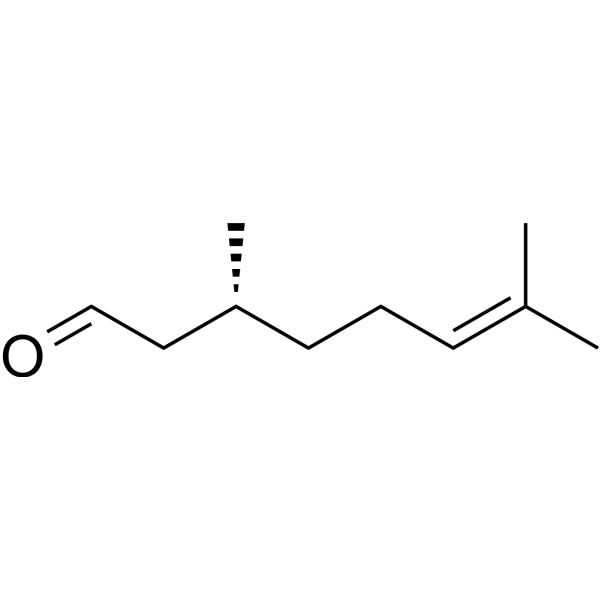
- Formula: C10H18O
- Molecular Weight: 154.25
(R)-(+)-Citronellal ((+)-Citronellal) is a monoterpenoid compound and is one of the main components of essential oils from plants such as lemon grass. (R)-(+)-Citronellal has antibacterial, antifungal, and insecticidal activities. (R)-(+)-Citronellal alleviates the bitterness of caffeine by antagonizing the bitter taste receptors Tas2r43 (IC50 = 84 μM) and Tas2R46. (R)-(+)-Citronellal generates analgesic activity by activating the opioid receptor (broad-spectrum opioid receptor) pathway, and its effect is particularly significant for inflammatory pain.

- Formula: C8H28Cl5N5
- Molecular Weight: 371.61
Tetraethylenepentamine pentahydrochloride is an orally active copper chelator and copper mobilizer. Tetraethylenepentamine pentahydrochloride exhibits growth inhibitory and hypolipidemic properties. Tetraethylenepentamine pentahydrochloride significantly increases urinary copper excretion and reduces renal copper accumulation in copper overload models, but does not significantly alter hepatic copper levels. Tetraethylenepentamine pentahydrochloride exerts growth inhibitory effects on Candida albicans and Fluconazole (HY-B0101)-resistant strains, and can be widely used in studies related to Wilson's disease and Candida infections.
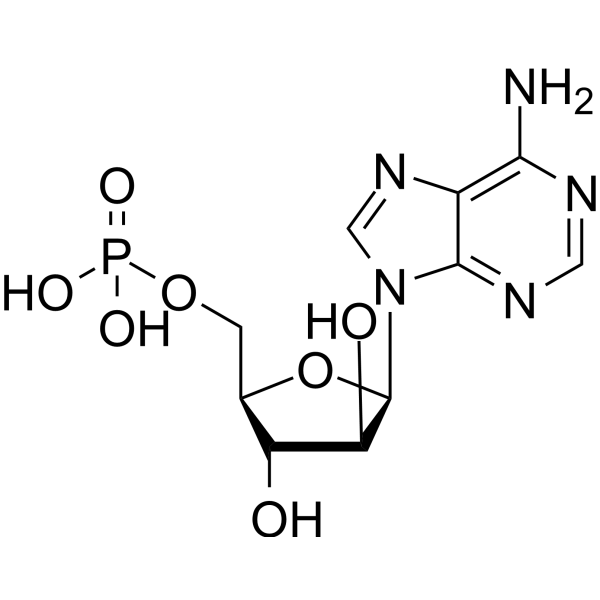
- Formula: C10H14N5O7P
- Molecular Weight: 347.22
Vidarabine phosphate (ara-AMP; ara-A 5'-monophosphate) is a purine nucleoside antiviral agent and a prodrug of Vidarabine (HY-B0277). Vidarabine phosphate is rapidly converted into the antiviral active Vidarabine in vivo, which selectively inhibits viral DNA polymerase and cellular ribonucleotide reductase, thereby blocking viral replication. Vidarabine phosphate also exhibits antifungal activity, induces late-stage cellular apoptosis, and causes cell cycle arrest. Vidarabine phosphate can be used in research related to severe chronic active Epstein-Barr virus (EBV) infection, herpes infection, and candidiasis.
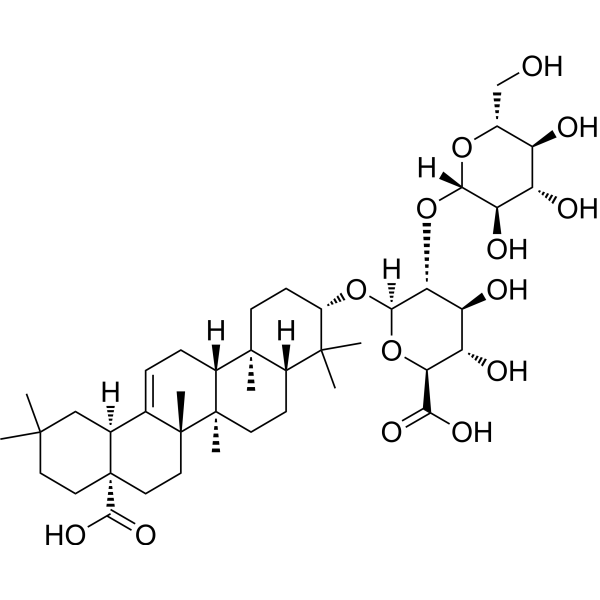
- Formula: C42H66O14
- Molecular Weight: 794.97
Zingibroside R1 is an orally active triterpene saponin with multiple biological activities including antioxidant, anti-inflammatory, antiviral, and metabolic regulatory properties. Zingibroside R1 reduces the expression of PIN family members, inhibits the expression of PLT1/PLT2, WOX5, SHR, and SCR, disrupts auxin transport and distribution, triggers plant ROS responses, and inhibits root growth. Zingibroside R1 extends the lifespan of Caenorhabditis elegans, enhances its heat stress resistance, and improves its motor ability. Hydrogel derivatives of Zingibroside R1 inhibit the proliferation of Candida albicans by binding to its β-1,3-glucan and exhibit antifungal activity. Zingibroside R1 inhibits GLUT1-mediated uptake and alleviates liver injury. Zingibroside R1 can be used in research related to neurodegenerative diseases, vulvovaginal candidiasis, acute liver injury, Ehrlich ascites tumor and HIV-1 infection.
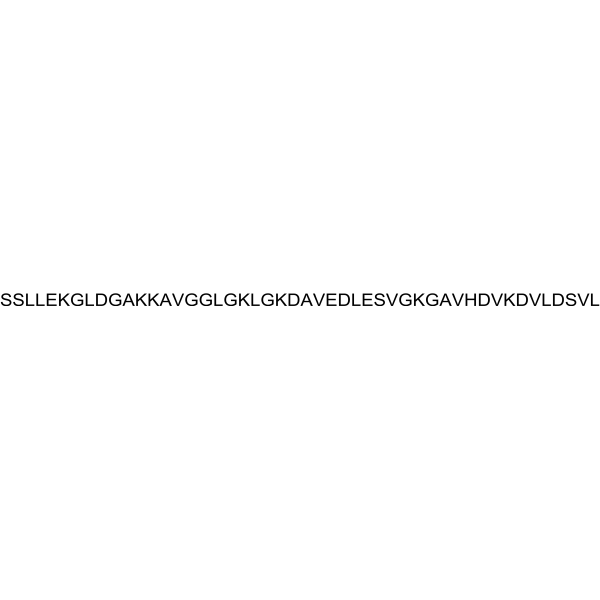
- Formula: C210H359N57O71
- Molecular Weight: 4818.44
Dermcidin-1L (human) is an Antibacterial and Antifungal peptide. Dermcidin-1L (human) is derived from the carboxy-terminal region of full-length Dermcidin. Dermcidin-1L (human) exerts potent bactericidal activity against E. coli, E. faecalis and S. aureus, as well as fungicidal activity against C. albicans. Dermcidin-1L (human) is used in studies related to bacterial and fungal skin infections.

- Formula: C148H248N52O30S
- Molecular Weight: 3267.95
PTD-N5-1 is an IRF5 inhibitory peptide. PTD-N5-1 blocks the activation of IRF5. PTD-N5-1 inhibits β-glucan-induced IL-12 production in bone marrow-derived dendritic cells pre-stimulated with IFN-γ. PTD-N5-1 reduces the levels of IL-12 and IFN-γ in the kidneys of mice with Candida albicans infection. PTD-N5-1 is applicable to the research of Candida albicans infection.
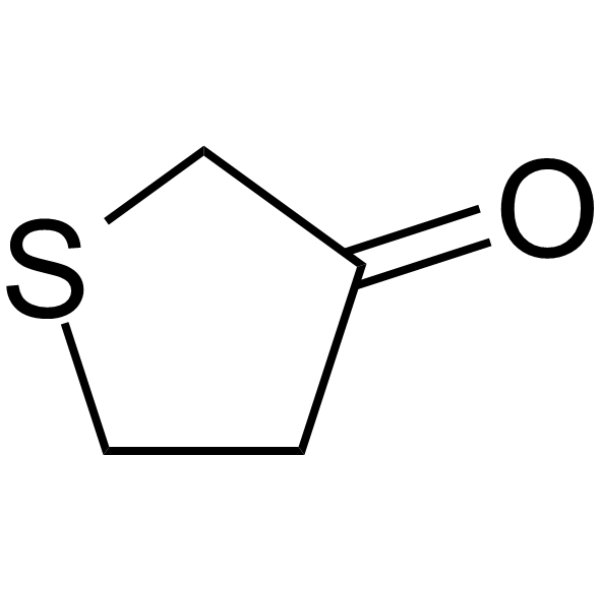
- Formula: C4H6OS
- Molecular Weight: 102.15
Tetrahydrothiophen-3-one is an endogenous metabolite. Tetrahydrothiophen-3-one scavenges DPPH free radicals. Tetrahydrothiophen-3-one can be used in studies related to Candida infections.

- Formula: C8H6N2
- Molecular Weight: 130.15
Phthalazine is a chemical scaffold. Phthalazine derivatives act as VEGFR-2 inhibitors, PARP-1 inhibitors, and anticancer agents. The complex of phthalazine with silver exhibits broad-spectrum antibacterial and antifungal activities against Staphylococcus aureus, Enterococcus faecalis, Escherichia coli, Pseudomonas aeruginosa PAO1, and Candida albicans. Phthalazine derivatives possess potent vasodilatory activity. Phthalazine can be used in research related to colon adenocarcinoma, breast cancer, hypertension, diabetes, and microbial infections.
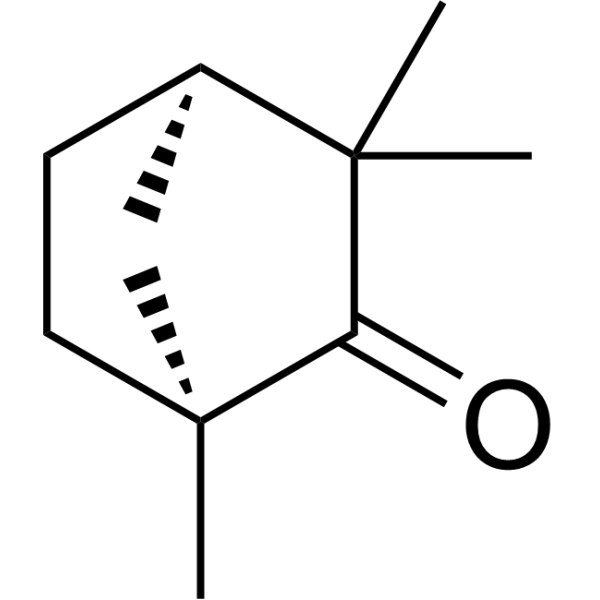
- Formula: C10H16O
- Molecular Weight: 152.23
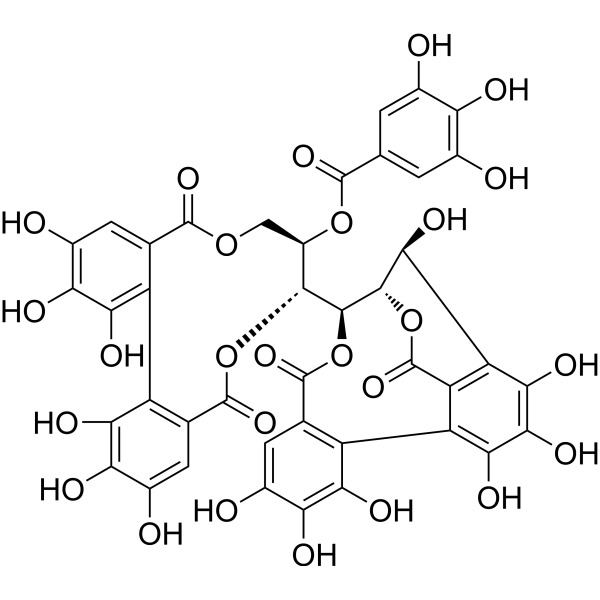
- Formula: C41H28O26
- Molecular Weight: 936.65
Casuarinin is an orally active antiproliferative, anti-inflammatory, antifungal, virucidal and gastroprotective agent. Casuarinin upregulates the expression of p21/WAF1, Fas/APO‑1, mFasL, sFasL and HSP‑70, arrests cell cycle, induces apoptosis and inhibits cancer cell proliferation. Casuarinin inhibits TNF‑α-induced phosphorylation of MAPK and activation of NF‑κB, downregulates the expression of iNOS, NF‑κB, COX‑2 and ICAM‑1, and reduces the production of proinflammatory mediators. Casuarinin attenuates ethanol-induced activation of caspase‑3 and elevation of TNF‑α, inhibits the growth of Candida albicans, and inhibits HSV‑2. Casuarinin can be used in research related to mammary adenocarcinoma, inflammatory skin diseases, gastric ulcers, candidiasis and herpes simplex virus infections.
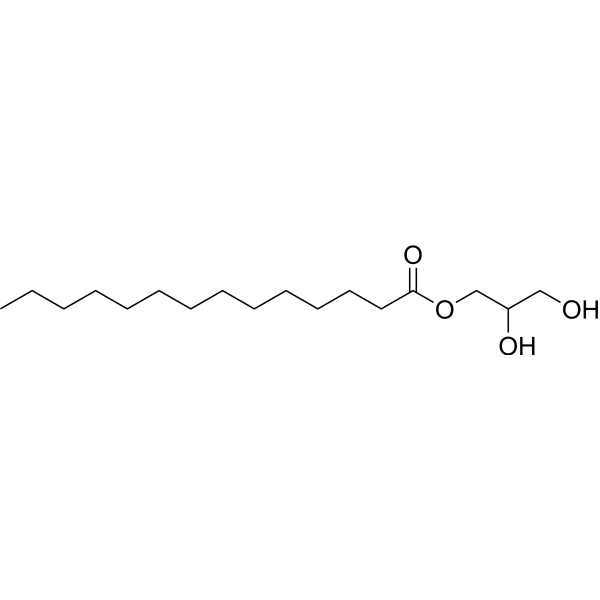
- Formula: C17H34O4
- Molecular Weight: 302.45
1-Monomyristin acts as an insecticide, enzyme inhibitor, antibacterial and antifungal agent, with an IC50 of 18 μM against rat FAAH and an IC50 of 32 μM against rat MAGL. 1-Monomyristin inhibits 2-oleoylglycerol hydrolysis via MAGL. 1-Monomyristin suppresses the growth of Staphylococcus aureus, Aggregatibacter actinomycetemcomitans and Candida albicans. 1-Monomyristin is lethal to brine shrimp. 1-Monomyristin exhibits marginal cytotoxicity against prostate cancer cells. 1-Monomyristin is applicable to research related to bacterial infections, fungal infections, renal cancer, prostate adenocarcinoma and pancreatic cancer.
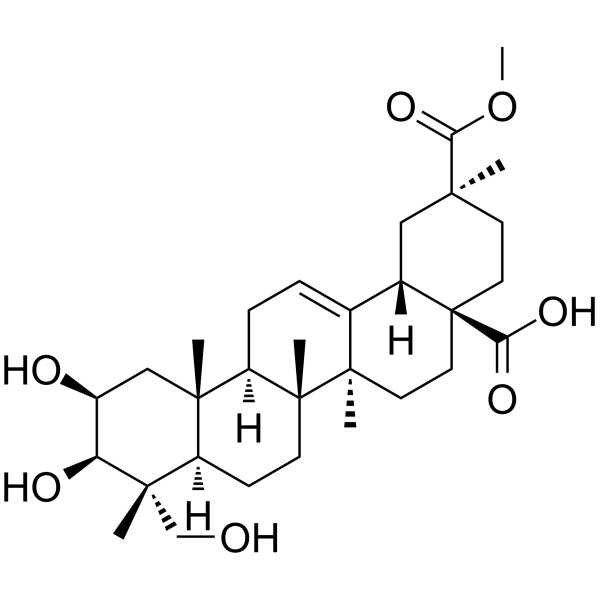
- Formula: C31H48O7
- Molecular Weight: 532.71
Phytolaccagenin is a triterpenoid saponin aglycone, Antifungal agent, vasodilator, antihypertensive agent, and anti-inflammatory agent. Phytolaccagenin activates vascular and cardiac Muscarinic receptors, blocks cardiac β-adrenergic receptors, and inhibits voltage-dependent calcium channels in blood vessels. Phytolaccagenin inhibits the growth of Candida albicans and Cryptococcus neoformans. Phytolaccagenin induces vasodilation, produces negative inotropic and negative chronotropic effects, reduces mean arterial pressure, and inhibits LPS-induced inflammation. Phytolaccagenin exhibits enhanced antihypertensive effects in high salt-induced hypertensive rats. Phytolaccagenin can be used in the research of candidiasis, cryptococcosis, hypertension, and inflammation-related diseases.

- Formula: C8H9NO2
- Molecular Weight: 151.16
Metacetamol (AMAP) is an analog of Acetaminophen (HY-66005). Metacetamol induces dose-dependent necrosis in primary hepatocytes via glutathione depletion, mitochondrial damage, and formation of mitochondrial protein adducts. Metacetamol derivatives act as anticancer and antibacterial agents. Metacetamol can be used in studies related to breast cancer, bacterial infections, and fungal infections (candidiasis).

- Formula: C20H23F3N2O2
- Molecular Weight: 380.40
Antifungal agent 152 (Compound 27) is an antifungal agent. Antifungal agent 152 shows antifungal activity against C. neoformans, C. albicans, C. glabrata with MICs of 4 μg/mL, 16 μg/mL, 16 μg/mL, respectively.
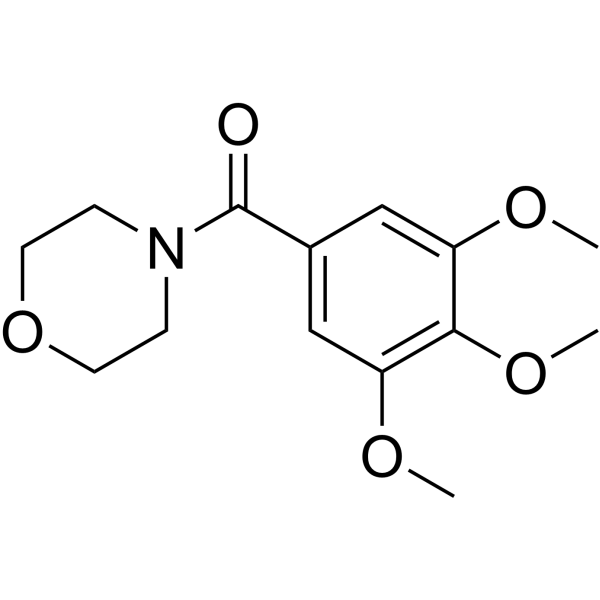
- Formula: C14H19NO5
- Molecular Weight: 281.30
Trimetozine is an Antifungal agent and sedative. Trimetozine exhibits antibacterial activity against Candida albicans, Candida glabrata, and Miconazole (HY-B0454)-resistant Candida glabrata cultures. Trimetozine exerts a sedative effect. Trimetozine can be used in research related to candidiasis and anxiety disorders.

- Formula: C6H5N3O6S
- Molecular Weight: 247.18
2,4-Dinitrobenzenesulfonamide (Compound 2d) is an antibacterial and antifungal agent. 2,4-Dinitrobenzenesulfonamide interacts with dihydrofolate synthetase. 2,4-Dinitrobenzenesulfonamide shows inhibitory effect against A. niger, C. albicans, B. subtilis, and S. aureus.

- Formula: C9H10O4
- Molecular Weight: 182.17
4,6-dimethoxysalicylaldehyde is an antifungal agent. 4,6-dimethoxysalicylaldehyde has considerable activity against C. albicans and slight activity against S. cerevisiae.

- Formula: C22H25N5O4S2
- Molecular Weight: 487.60
Chitin synthase-IN-16 is a competitive Chitin synthase 2 inhibitor with an IC50 of 20.89 μM against CaChs2. Chitin synthase-IN-16 synergistically enhances the activity of Fluconazole (HY-B0101) against Fluconazole-tolerant Candida albicans. Chitin synthase-IN-16 can be used for research on invasive fungal infections.

- Formula: C11H9Cl2N3O
- Molecular Weight: 270.11
Antibacterial agent 373 is a broad-spectrum antibacterial agent. Antibacterial agent 373 exhibits antibacterial activity against Gram-negative/Gram-positive bacteria and some fungi, with MIC values ranging from 11.25 to 22.5 mg/mL. Antibacterial agent 373 is predicted to target Staphylococcus aureus topoisomerase IV, occupy the novobiocin binding pocket, and form hydrogen bonds with the active site residues Asn49 and Glu53. Antibacterial agent 373 can be used in studies related to bacterial and Candida infections.



