



μ Opioid Receptor/MOR
µ Opioid Receptor/MOR mediates opioid analgesia as a heptahelical G protein-coupled receptor (GPCR) and suppresses cellular activity through predominantly Gᵢ/ₒ-coupled signaling[1][2]. Mechanistically, MOR activation inhibits the adenylyl cyclase/cAMP pathway, activates inwardly rectifying potassium channels, and inhibits voltage-dependent calcium channels, linking receptor signaling to reduced pain transmission[2]. In pain models, MOR signaling is regulated by receptor phosphorylation, β-arrestin2 recruitment, desensitization, internalization, and agonist-dependent endocytosis[3][4]. In disease models, altered MOR-mediated G-protein activation appears in schizophrenia-relevant rat brain regions and HIV-1 Tat-exposed mouse forebrain regions[5][6]. Compared with related isoforms, OPRM1 alternative splicing generates full-length 7TM, truncated 6TM, and single-transmembrane variants, and these isoforms show different trafficking, G-protein activation, β-arrestin2 recruitment, and biased signaling[7][8]. The 6TM MOR1K isoform differs from MOR1 because morphine stimulation increases Ca2+ and nitric oxide release and couples to stimulatory Gαs, whereas MOR1 couples to inhibitory Gαᵢ/ₒ[9]. For experimental applications, DAMGO, morphine, fentanyl, methadone, and receptor inhibitors support studies of MOR signaling, endocytosis, analgesia, tolerance, and disease-associated receptor function[3][4][10].
References:
- [1]. Pasternak G, et al. Mu opioid receptors in pain management. Acta Anaesthesiol Taiwan. 2011 Mar;49(1):21-5. [Content Brief]
- [2]. Gris P, et al. Molecular assays for characterization of alternatively spliced isoforms of the u opioid receptor (MOR). Methods Mol Biol. 2010;617:421-35. [Content Brief]
- [3]. Abdullah N, et al. TRPV1 and MOR working in tandem: implications for pain and opioids use. Neuropsychopharmacology. 2020 Jan;45(1):225-226. [Content Brief]
- [4]. Campa VM, et al. Endocytosis as a biological response in receptor pharmacology: evaluation by fluorescence microscopy. PLoS One. 2015 Apr 7;10(4):e0122604. [Content Brief]
- [5]. Szűcs E, et al. Mu-Opioid (MOP) receptor mediated G-protein signaling is impaired in specific brain regions in a rat model of schizophrenia. Neurosci Lett. 2016 Apr 21;619:29-33. [Content Brief]
- [6]. Hahn YK, et al. Central HIV-1 Tat exposure elevates anxiety and fear conditioned responses of male mice concurrent with altered mu-opioid receptor-mediated G-protein activation and β-arrestin 2 activity in the forebrain. Neurobiol Dis. 2016 Aug;92(Pt B):124-36. [Content Brief]
- [7]. Xu J, et al. Isolating and characterizing three alternatively spliced mu opioid receptor variants: mMOR-1A, mMOR-1O, and mMOR-1P. Synapse. 2014 Apr;68(4):144-52. [Content Brief]
- [8]. Narayan A, et al. Mu Opioids Induce Biased Signaling at the Full-Length Seven Transmembrane C-Terminal Splice Variants of the mu Opioid Receptor Gene, Oprm1. Cell Mol Neurobiol. 2021 Jul;41(5):1059-1074. [Content Brief]
- [9]. Gris P, et al. A novel alternatively spliced isoform of the mu-opioid receptor: functional antagonism. Mol Pain. 2010 Jun 2;6:33. [Content Brief]
- [10]. Bouchet CA, et al. Mice Expressing Regulators of G protein Signaling-insensitive Gαo Define Roles of μ Opioid Receptor Gαo and Gαi Subunit Coupling in Inhibition of Presynaptic GABA Release. Mol Pharmacol. 2021 Sep;100(3):217-223. [Content Brief]
All Product Categories
-
μ Opioid Receptor/MOR Inhibitors
(5)
View all products
-
μ Opioid Receptor/MOR Agonists
(63)
View all products
-
μ Opioid Receptor/MOR Antagonists
(35)
View all products
-
μ Opioid Receptor/MOR Activators
(5)
View all products
-
μ Opioid Receptor/MOR Modulators
(11)
View all products
-
μ Opioid Receptor/MOR Ligands
(2)
View all products
-
μ Opioid Receptor/MOR Related Products (128)
Related Products (128)

-
DAMGO
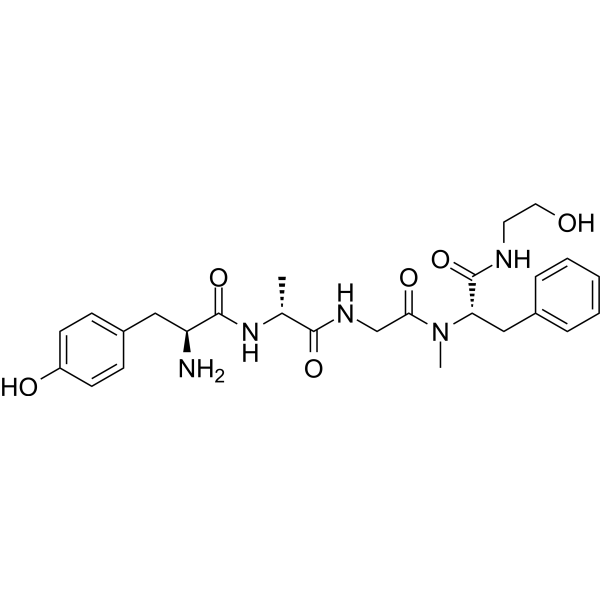 0 ImagesDAMGO is a μ-opioid receptor (μ-OPR ) selective agonist with a Kd of 3.46 nM for native μ-OPR.
-
Matrine
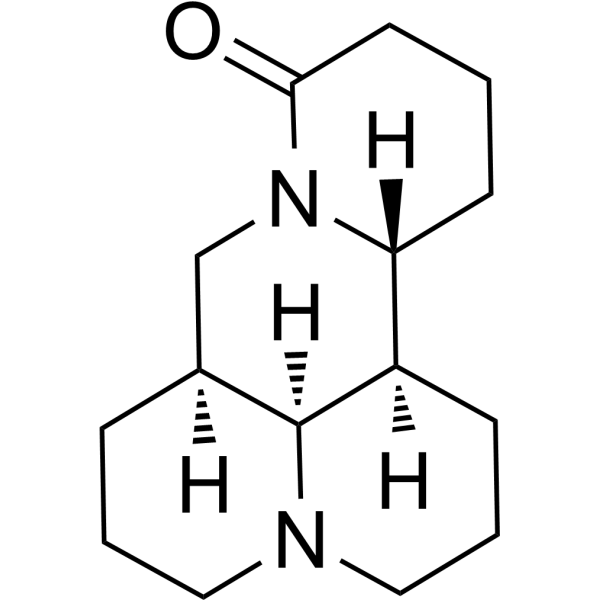 0 ImagesMatrine (Matridin-15-one) is an alkaloid found in plants from the Sophora genus that can act as a kappa opioid receptor and u-receptor agonist. Matrine has a variety of pharmacological effects, including anti-cancer, anti-oxidative stress, anti-inflammation and anti-apoptosis effects. Matrine is potential in the research of disease like human non-small cell lung cancer, hepatoma, papillary thyroid cancer and acute kidney injury (AKI).
-
Naltrexone
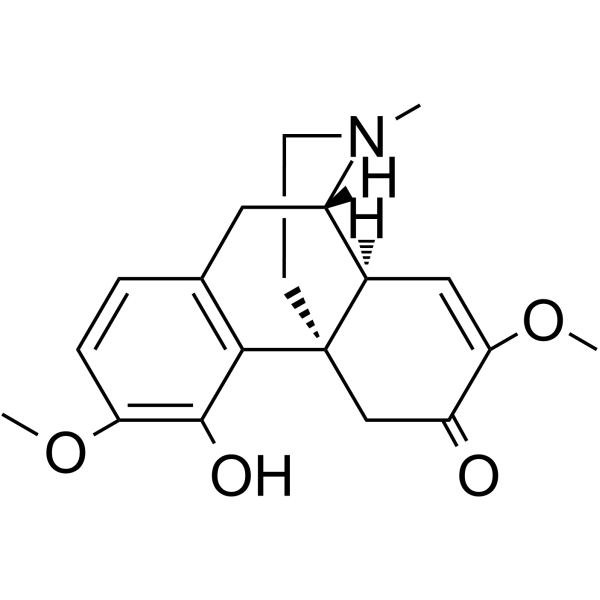
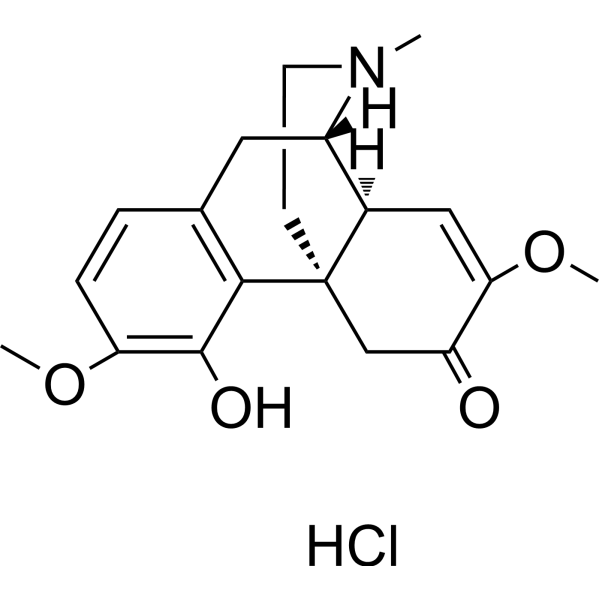
 0 ImagesNaltrexone is an orally active, long-acting opioid receptor (opioid receptor) antagonist. Naltrexone blocks the euphoric effects of exogenous opioids and reduces alcohol craving by blocking opioid receptors (μ, κ, and δ) as well as opioid growth factor receptors. Low doses of Naltrexone are used to relieve chronic pain, treat inflammatory diseases and inhibit tumor growth, while high doses or continuous administration exert pro-inflammatory or pro-proliferative effects. Naltrexone relieves intractable pruritus caused by psoriasis, atopic dermatitis and other conditions, and its combination with Bupropion (HY-B0403) inhibits food craving, thereby reducing body weight.
-
Cyclazocine
 0 ImagesCyclazocine is a μ, δ, and κ opioid receptor modulator with Ki values of 0.32, 1.1, and 0.18 nM, respectively. Cyclazocine exhibits "mixed" pharmacological activities, acting as a μ-partial antagonist, κ-agonist, and low-affinity δ ligand. Cyclazocine shows antinociceptive activity in mice. Cyclazocine can be used in studies on psychoactive substance addiction.
-
KOR agonist-9
 0 ImagesCat. No.: HY-183773KOR agonist-9 is a selective kappa opioid receptor (KOR) agonist with an EC50 of 1.41 nM. KOR agonist-9 exhibits >125-fold selectivity over μ/δ-opioid receptors. KOR agonist-9 antinociceptive and antipruritic effects in mice. KOR agonist-9 can be used for the research of pain, pruritus.
-
TRV0109101
 0 ImagesCat. No.: HY-120925CAS No.: 1401027-29-9TRV0109101 is a μ-opioid peptide receptor (MOPR) selective agonist (KD = 70 nM) with blood-brain barrier permeability. TRV0109101 selectively promotes G protein signaling pathway coupling while reducing the recruitment of β-arrestin. TRV0109101 inhibits opioid-induced mechanical hyperalgesia and induces antinociceptive tolerance. TRV0109101 is applicable for pain-related research.
-
Corydaline
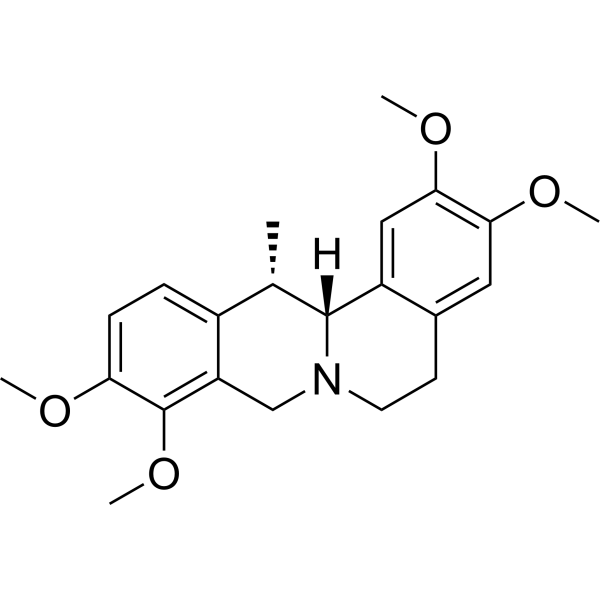 0 ImagesCorydaline ((+)-Corydaline), an isoquinoline alkaloid isolated from Corydalis yanhusuo, is an AChE inhibitor with an IC50 of 226 μM. Corydaline is a μ-opioid receptor (Ki of 1.23 μM) agonist and inhibits enterovirus 71 (EV71) replication (IC50 of 25.23 μM). Corydaline has anti-angiogenic, anti-allergic and gastric-emptying and antinociceptive activities.
-
Naldemedine tosylate
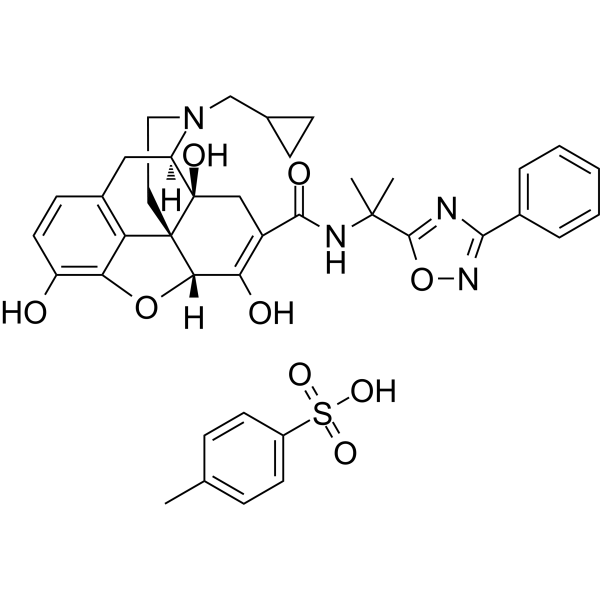 0 ImagesCat. No.: HY-19627ACAS No.: 1345728-04-2Synonyms: S-297995 tosylateNaldemedine (S-297995) tosylate is an orally active μ-opioid receptor antagonist (PAMORA). Naldemedine tosylate shows potent binding affinities (Ki=0.34, 0.43, 0.94 nM, respectively) and antagonist activities (IC50=25.57, 7.09, 16.1 nM, respectively) for recombinant human μ-, δ-, and κ- opioid receptors. Naldemedine can be used in opioid-induced constipation (OIC) research. Naldemedine tosylate is predicted to bind to 3CLpro encoded by SARS-CoV2 genome.
-
Endomorphin 1
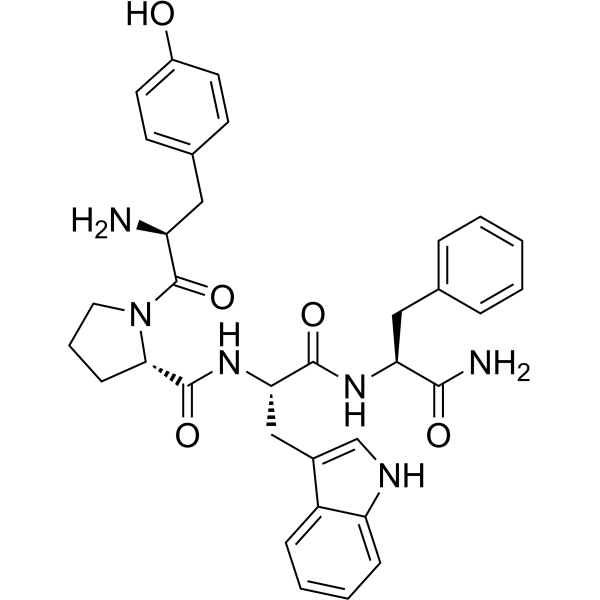 0 ImagesEndomorphin 1, a high affinity, highly selective agonist of the μ-opioid receptor (Ki: 1.11 nM), displays reasonable affinities for kappa3 binding sites, with Ki value between 20 and 30 nM. Endomorphin 1 has antinociceptive properties.
-
PZM21
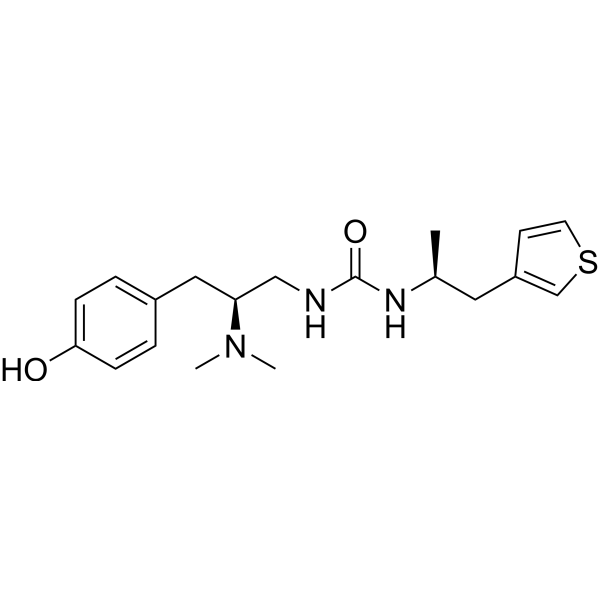 0 ImagesPZM21 is a potent and selective μ opioid receptor agonist with an EC50 of 1.8 nM.
-
Navacaprant
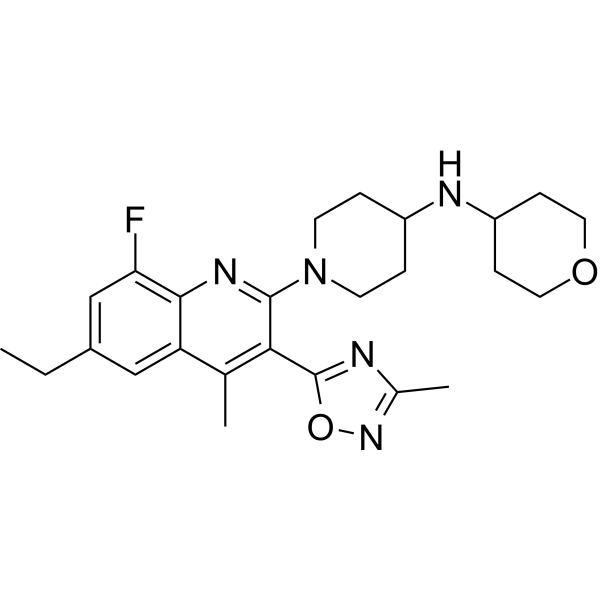 0 ImagesSynonyms: BTRX-335140; CYM-53093Navacaprant (BTRX-335140) is a selective and orally active κ opioid receptor (KOR) antagonist, has antagonist activity for κOR, μOR and δOR with IC50 values of 0.8 nM, 110 nM, and 6500 nM, respectively. Navacaprant endows with favorable in vitro ADMET and in vivo pharmacokinetic profiles and medication-like duration of action in rats. Navacaprant distributes well into the CNS and can be used for the research of neuropathy.
-
Kukoamine A
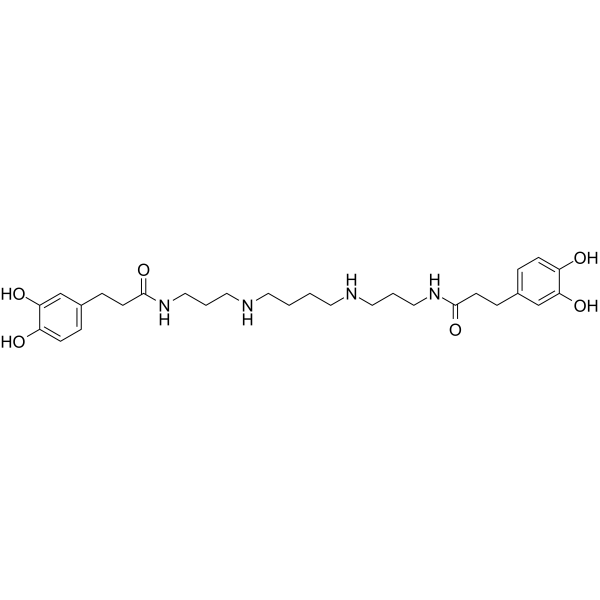 0 ImagesKukoamine A, a spermine alkaloid, is an orally active and brain-penetrant component found in the root barks of Lycium chinense (L. chinense) Miller. Kukoamine A inhibits purified Crithidia fasciculata trypanothione reductase and soybean lipoxygenase, activates μ-opioid receptor. Kukoamine A can inhibt cancer cell proliferation, migration and invasion, cause G0/G1 phase cell cycle arrest and induce apoptosis. Kukoamine A exerts neuroprotective effect and can induce autophagy . Kukoamine A inhibits LPS (HY-D1056)-induced NO, ROS, PGE2, TNF-α, IL-1β, IL-6 production and COX-2 activity. Kukoamine A reverses palmitic acid-induced insulin resistance, lipid accumulation, and oxidative stress via downregulation of Srebp-1c. Kukoamine A can be used for the research of cancer, infection, inflammation, metabolic and neurological disease, such as glioblastoma and Parkinson's disease.
-
CTAP TFA
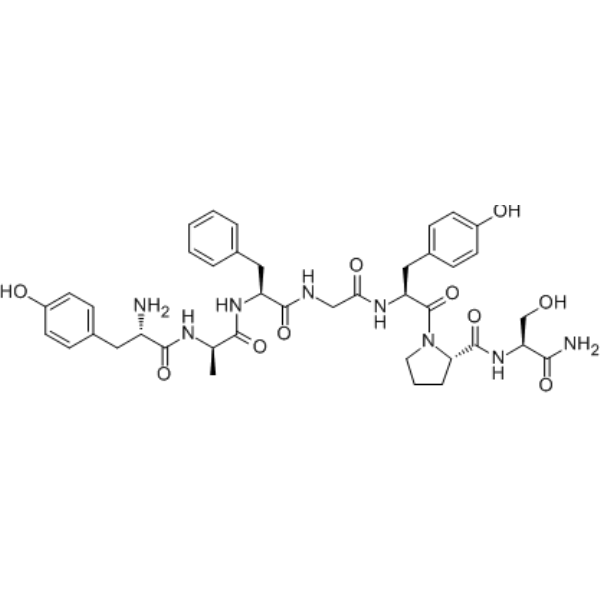
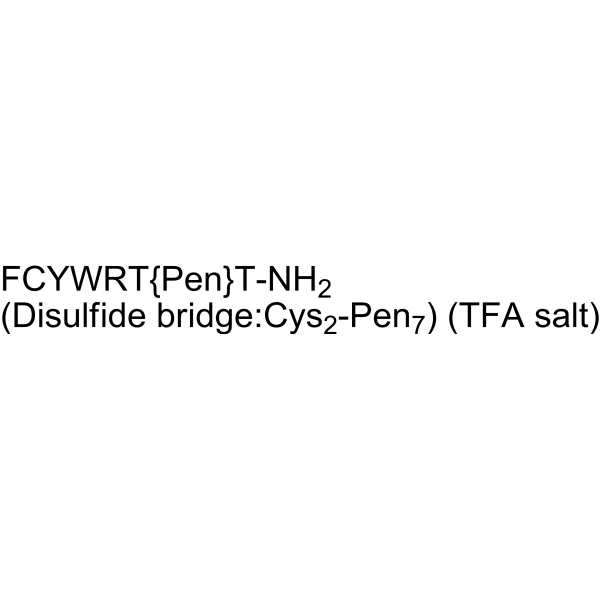 0 ImagesCat. No.: HY-P1335APurity: 99.91%CTAP TFA is a potent, highly selective, and BBB penetrant μ opioid receptor antagonist, with an IC50 of 3.5 nM. CTAP TFA displays over 1200-fold selectivity over δ opioid (IC50=4500 nM) and somatostatin receptors. CTAP TFA can be used for the study of L-DOPA-induced dyskinesia (LID) and opiate overdose or addiction.
-
BMS-986122
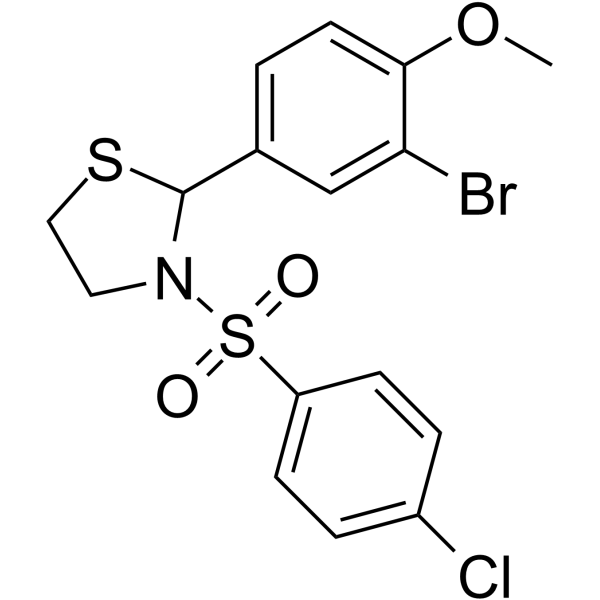 0 ImagesBMS-986122 is a selective, potent positive allosteric modulator of the mu-opioid receptor (µ-OR). BMS-986122 shows potentiation of orthosteric agonist-mediated β-arrestin recruitment, adenylyl cyclase inhibition, and G protein activation. BMS-986122 potentiates DAMGO-mediated [35S]GTPγS binding in mouse brain membranes.
-
β-Funaltrexamine hydrochloride
 0 ImagesSynonyms: β-FNA hydrochlorideβ-Funaltrexamine (β-FNA) hydrochloride is a blood-brain barrier-permeable, selective and irreversible μ-opioid receptor antagonist with immunomodulatory, anti-inflammatory and neuroprotective activities. β-Funaltrexamine hydrochloride inhibits p38 MAPK and TLR4 signaling by blocking μ-opioid receptors, and reduces the transcriptional activities of NF-κB, AP-1, CREB and Stat. Furthermore, β-Funaltrexamine hydrochloride inhibits iNOS activation and pro-inflammatory microglial polarization, converting microglia to an anti-inflammatory phenotype, thereby downregulating neuroinflammation and ameliorating neuronal degeneration. β-Funaltrexamine hydrochloride is widely applicable to research related to stroke, cerebral ischemia/reperfusion injury and neurodegenerative diseases.
-
CTOP TFA
 0 ImagesCat. No.: HY-P1329APurity: 98.78%CTOP TFA is a potent and highly selective μ-opioid receptor antagonist. CTOP TFA antagonizes the acute analgesic effect and hypermotility. CTOP TFA enhances extracellular dopamine levels in the nucleus accumbens. CTOP TFA dose-dependently enhances locomotor activity.
-
Trimebutine
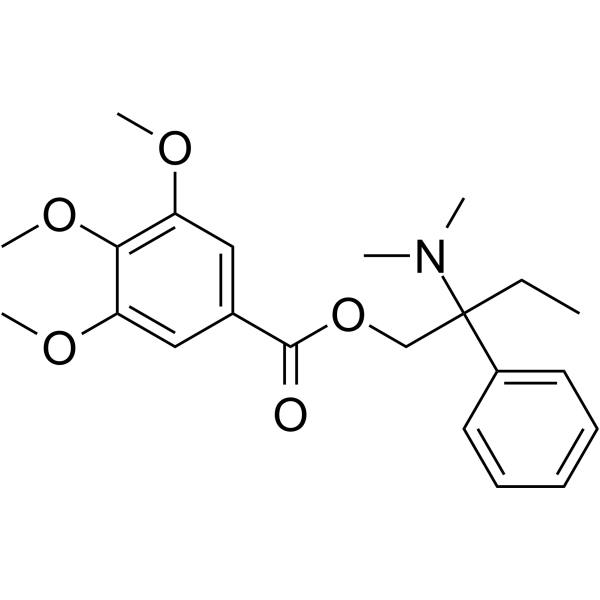 0 ImagesTrimebutine is a multi-target inhibitor and opioid receptor agonist with antimuscarinic activity. Trimebutine inhibits L-type Ca2+ channels and large-conductance calcium-activated potassium channels (BKCa channels), thereby inhibiting extracellular calcium influx and potassium ion efflux. Trimebutine also targets Toll-like receptors, inhibits Toll-like receptor 2/4/7/8/9 signals, and inhibits LPS-induced IRAK1 activation, as well as ERK1/2, JNK and NF-κB activation, thereby exerting anti-inflammatory effects. Trimebutine also induces tumor cell apoptosis by inhibiting the AKT/ERK pathway. Trimebutine also inhibits excessive contraction of smooth muscle and can be used in the study of gastrointestinal disorders such as irritable bowel syndrome (IBS).



