



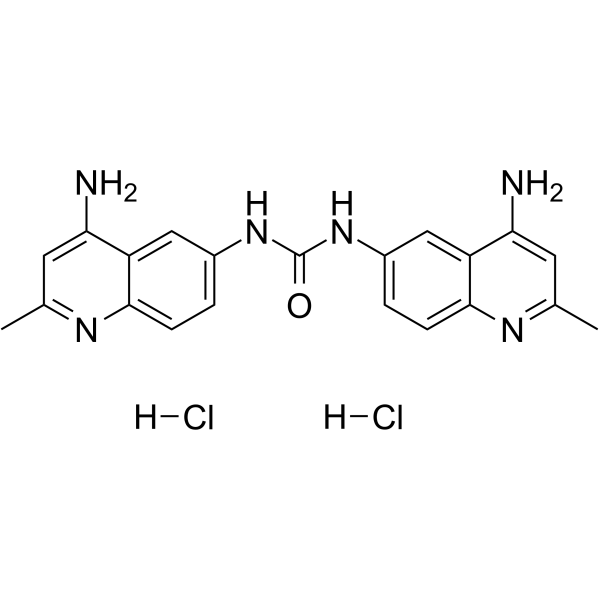
Surfen dihydrochloride
Based on 2 publication(s) in Google Scholar
Surfen dihydrochloride is a potent heparan sulfate antagonist. Surfen inhibits FGF2 binding and signal transduction. Surfen binds to glycosaminoglycans and reduces tau hyperphosphorylation. Surfen dihydrochloride inhibits the activity of recombinant uronyl 2-O-sulfotransferase with an IC50 of approximately 2 μM. Surfen dihydrochloride inhibits HSV-1 viral infection. Surfen dihydrochloride inhibits neural differentiation, delays remyelination, and alleviates EAE.
For research use only. We do not sell to patients.
- Purity : 99.93%
- CAS No.: 5424-37-3
- Formula: C21H22Cl2N6O
- Molecular Weight:445.34
-
Storage:
4°C, sealed storage, away from moisture and light
* In solvent : -80°C, 6 months; -20°C, 1 month (sealed storage, away from moisture and light)

To place orders, for customer services and technical support, please contact: MedChemExpress USA
Tel: 609-228-6898 E-mail: [email protected] [email protected]


-
 Biological Activity
-
Chemical Information
-
Solvent & Solubility
- Protocols
- Purity & Documentation
- References
-
 Help & FAQs


-
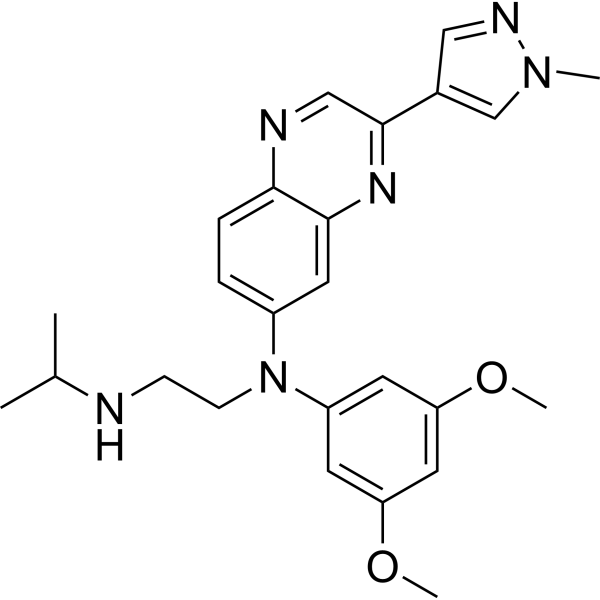
HY-18708
ErdafitinibFGFR Inhibitor -
HY-107911
Protamine sulfateAntiheparin Agent -
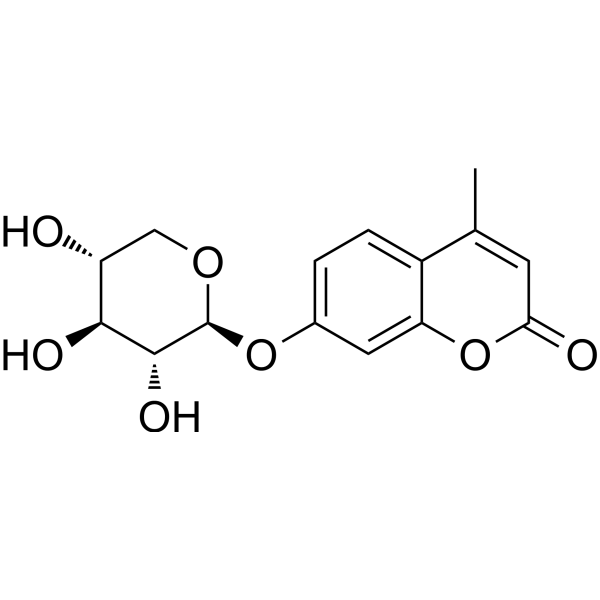
HY-137824
4-Methylumbelliferyl-β-D-xylopyranosideβ-D-xylopyranoside Substrate -
HY-100898
OGT 2115Heparanase Inhibitor -
HY-100533
IDE1Definitive Endoderm 1 Inducer -
HY-100534
IDE 2Definitive Endoderm Differentiation Inducer -
HY-12346
FH1Hepatocyte Function Enhancer -
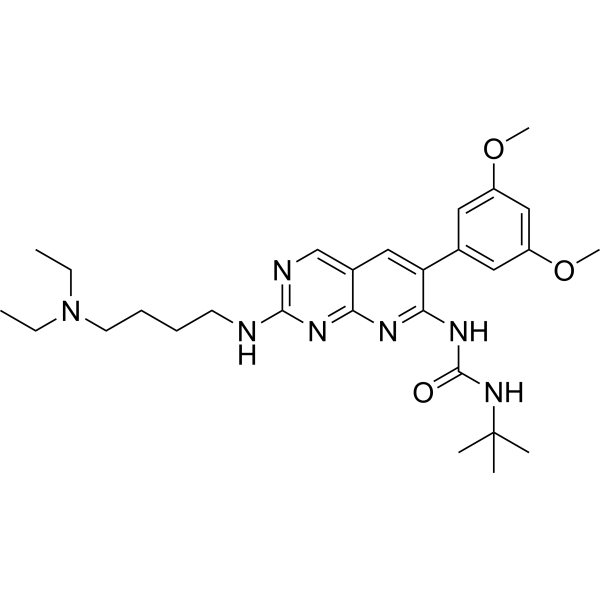
HY-10321
PD173074FGFR1 Inhibitor -
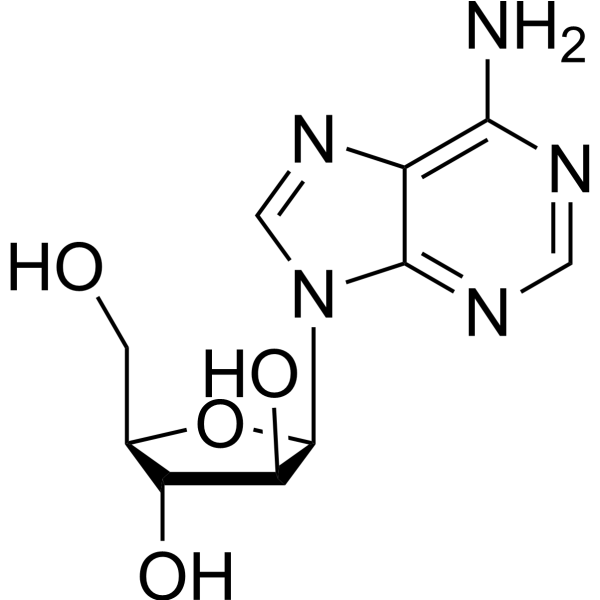
HY-B0277
VidarabineAntiviral Agent -
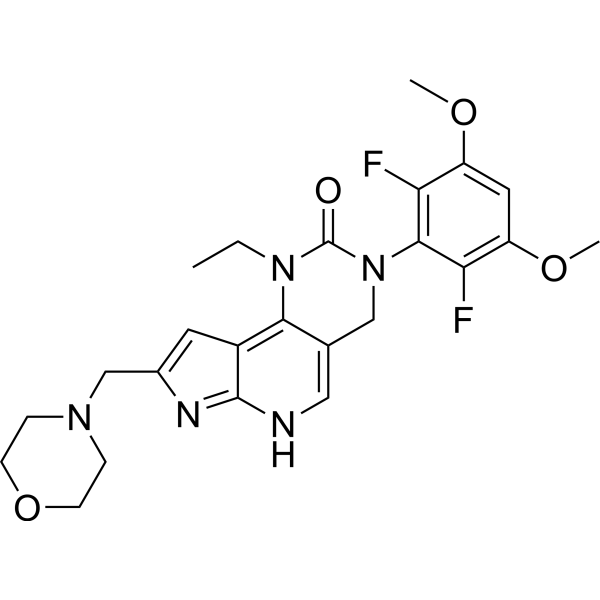
HY-109099
PemigatinibFGFR Inhibitor -
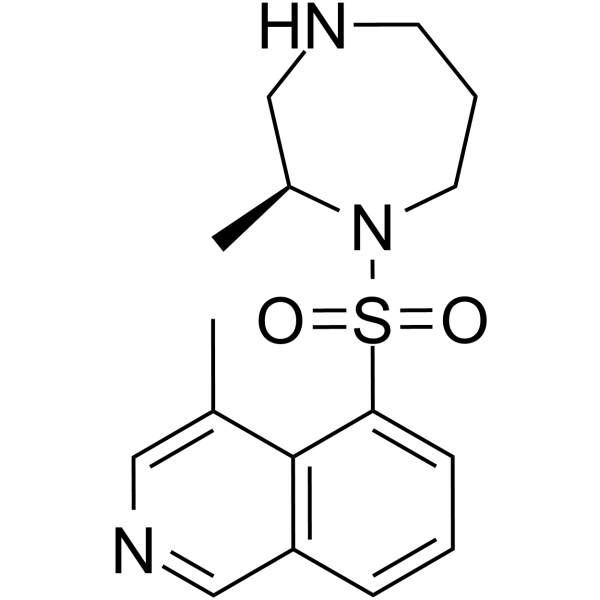
HY-15720
H-1152ROCK Inhibitor -
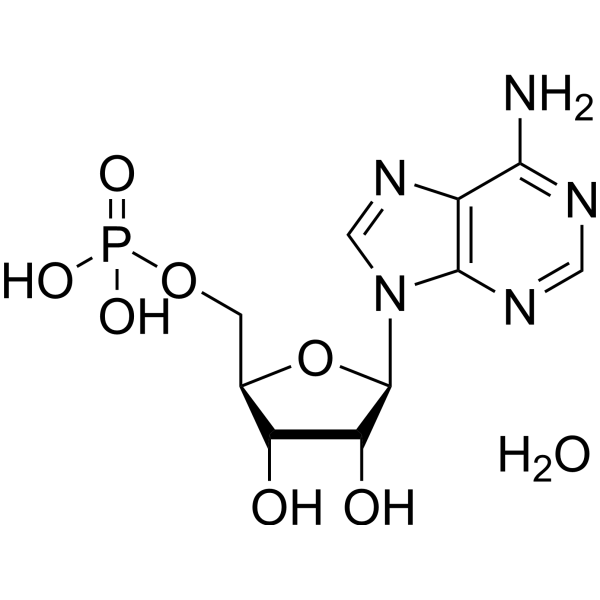
HY-A0181A
Adenosine 5'-monophosphate monohydrateAdenosine A1 Receptor Agonist
Publications Citing Use of MedChemExpress (MCE) Surfen dihydrochloride
More

Biological Activity
Description
IC50 & Target
|
FGFR2 5 μM (IC50) |
HSV-1 |
In Vitro
Surfen (3 μM) dihydrochloride binds to glycosaminoglycans (GAGs)[1].
Surfen (1 mg) dihydrochloride neutralizes the anticoagulant activity of both unfractionated and low molecular weight heparins[1].
Surfen dihydrochloride inhibits the activity of recombinant uronyl 2-O-sulfotransferase, with an IC50 of ~2 μM[1].
Surfen (1-≥5 μM) dihydrochloride inhibits cell attachment in a dose-dependent manner, and completely inhibits HSV-1 infection in CHO cells[1].
Surfen (5 μM) dihydrochloride effectively inhibits neural differentiation and promotes the maintenance of pluripotency in mouse embryonic stem cells (mESCs)[2].
Surfen (2.5-20 μM) dihydrochloride reduces the proliferation of murine T cells activated with anti-CD3/CD28 antibody-coated T cell expander beads[6].
MedChemExpress (MCE) has not independently confirmed the accuracy of these methods. They are for reference only. Further protocols information, click here.
In Vivo
Surfen (5 mg/kg; i.p.; every other day) dihydrochloride alleviates clinical symptoms and reduces the infiltration of CD4 positive T cells and macrophages into the central nervous system in the experimental autoimmune encephalomyelitis (EAE) model of multiple sclerosis in mice[5].
Surfen (100 μM; injection into the right burr hole) dihydrochloride delays remyelination of the lesions in the Lysolecithin (LPC)-induced demyelination mouse model[5].
Surfen (20 mg/kg; i.p.; daily; 3 consecutive days) dihydrochloride inhibits the proliferation of T cells activated by anti-CD3 antibody in mice[6].
MedChemExpress (MCE) has not independently confirmed the accuracy of these methods. They are for reference only.
-
Animal Model:C57BL/6 adult female mice (16-20 g, 6-8 weeks of age), experimental autoimmune encephalomyelitis (EAE) model[5]
-
Dosage:5 mg/kg
-
Administration:Intraperitoneal injection, every other day
-
Result:Significantly reduced clinical scores between days 13-21.
Reduced mean clinical score to 1.96.
Significantly reduced the number of days with a score of 2.5 or above.
Reduced the percentage of CD4 positive T cells and macrophages in the spinal cord and cerebellum, and decreased the mRNA expression of chemokines CCL3 and CCL5 in the spinal cord.


Chemical Information
-
CAS No. 5424-37-3
-
Appearance Solid
-
Molecular Weight 445.34
-
Formula C21H22Cl2N6O
-
Color Light brown to gray
-
SMILES
O=C(NC1=CC=C2N=C(C)C=C(N)C2=C1)NC3=CC=C4N=C(C)C=C(N)C4=C3.Cl.Cl
-
Synonyms
Aminoquinuride dihydrochloride
-
Shipping
Room temperature in continental US; may vary elsewhere.
-
Storage
4°C, sealed storage, away from moisture and light
* In solvent : -80°C, 6 months; -20°C, 1 month (sealed storage, away from moisture and light)


Publications (2)
-
Journal Impact Factor
-
Most Recent
-
Microbiol Spectr
Aminoquinoline surfen inhibits pseudorabies virus attachment by preventing the binding of glycoprotein C to heparan sulfate. [Abstract]2026 Apr 7;14(4):e0322325. PMID: 41784488 -


Solvent & Solubility
In Vitro:
DMSO : 50 mg/mL (112.27 mM; Need ultrasonic; Hygroscopic DMSO has a significant impact on the solubility of product, please use newly opened DMSO)
H2O : 8 mg/mL (17.96 mM; Need ultrasonic and warming)
Please refer to the solubility information to select the appropriate solvent. Once prepared, please aliquot and store the solution to prevent product inactivation from repeated freeze-thaw cycles.
Storage method and period of stock solution: -80°C, 6 months; -20°C, 1 month (sealed storage, away from moisture and light). When stored at -80°C, please use it within 6 months. When stored at -20°C, please use it within 1 month.
* Note: If you choose water as the stock solution, please dilute it to the working solution, then filter and sterilize it with a 0.22 μm filter before use.
Please refer to the solubility information to select the appropriate solvent. Once prepared, please aliquot and store the solution to prevent product inactivation from repeated freeze-thaw cycles.
Storage method and period of stock solution: -80°C, 6 months; -20°C, 1 month (sealed storage, away from moisture and light). When stored at -80°C, please use it within 6 months. When stored at -20°C, please use it within 1 month.
* Note: If you choose water as the stock solution, please dilute it to the working solution, then filter and sterilize it with a 0.22 μm filter before use.
Concentration (start) × Volume (start) = Concentration (final) × Volume (final)
In Vivo:
Select the appropriate dissolution method based on your experimental animal and administration route.
- For the following dissolution methods, please ensure to first prepare a clear stock solution using an In Vitro approach and then sequentially add co-solvents:
- To ensure reliable experimental results, the clarified stock solution can be appropriately stored based on storage conditions. As for the working solution for In Vivo experiments, it is recommended to prepare freshly and use it on the same day.
- The percentages shown for the solvents indicate their volumetric ratio in the final prepared solution. If precipitation or phase separation occurs during preparation, heat and/or sonication can be used to aid dissolution.
In Vivo Dissolution Calculator
Please enter the basic information of animal experiments:
-
-
-
-
Recommended: Prepare an additional quantity of animals to account for potential losses during experiments.
Please enter your animal formula composition:
-
%DMSO +
Recommended: Keep the proportion of DMSO in working solution below 2% if your animal is weak.
-
%+
-
+%Tween-80 + +
-
%Saline +
The co-solvents required include: DMSO, . All of co-solvents are available by MedChemExpress (MCE). , Tween 80. All of co-solvents are available by MedChemExpress (MCE).
Working solution concentration: 0.22 mg/mL
Method for preparing stock solution: mg drug dissolved in μL DMSO. Stock solution concentration: mg/mL. * In solvent : -80°C, 6 months; -20°C, 1 month (sealed storage, away from moisture and light)
1. Take μL DMSO stock solution;
2. Add μL .
μL , mix evenly;
3. Then add μL Tween 80, mix evenly;
4. Then add μL
Please ensure that the stock solution in the first step is dissolved to a clear state, and add co-solvents in sequence. You can use ultrasonic heating (ultrasonic cleaner, recommended frequency 20-40 kHz), vortexing, etc. to assist dissolution.

Protocols
-
Research Protocol for Infectious Diseases
Infectious-disease experiments test how pathogens interact with host barriers, innate immune receptors, inflammatory signaling, pathogen replication, and tissue injury; pattern-recognition receptors such as TLRs, RIG-I-like receptors, NOD-like receptors, and inflammasomes detect microbial molecules and activate NF-κB, interferon, and cytokine responses. The central hypothesis is that infection severity reflects the balance between pathogen burden and host response: protective inflammation restricts pathogen growth, whereas excessive or mislocalized inflammation contributes to tissue damage and disease phenotype. Unresolved questions include which host pathways are protective versus pathogenic, why some infection models fail to translate to human disease, and which combined readouts best predict clinically relevant infection outcomes.
-
iPSC/hPSC-Derived Neuron Differentiation Culture
iPSC/hPSC-derived neuron differentiation culture directs pluripotent cells toward neuroectoderm and then neuronal lineages by suppressing developmental signals that maintain non-neural fates; the classic monolayer dual-SMAD approach blocks BMP and Activin/TGF-β signaling with Noggin or dorsomorphin/LDN193189 plus SB431542, producing PAX6-positive neural progenitors that can be further matured into neurons. The readout is generated by morphology, neural progenitor markers, neuronal markers, subtype markers, and functional assays: PAX6/SOX1/NESTIN indicate neural progenitor induction, βIII-tubulin/TUJ1 and MAP2 indicate neuronal differentiation, cortical programs can be assessed by FOXG1, TBR1, CTIP2, SATB2, and synaptic maturation can be assessed by synaptic proteins, calcium activity, multielectrode arrays, or patch-clamp electrophysiology.
-
Cell Cytotoxicity Assay
Cytotoxicity assays are usually based on the assessment of cell membrane damage, which can also be indirectly detected by measuring cell viability. Detection methods include MTT assay, CKK-8 assay, LDH assay and ATP assay, etc.
-
Human pluripotent stem cell neural induction and neuron differentiation
Human pluripotent stem cell neural induction can be achieved by blocking BMP and TGFβ/Activin/Nodal SMAD signaling, which suppresses non-neural differentiation and promotes early neuroectodermal identity; the expected readout is loss of pluripotency markers such as OCT4 and induction of neural markers such as PAX6, followed by neural progenitor and neuron marker acquisition during differentiation. This protocol uses dual-SMAD neural induction as the core induction method, followed by cortical neuron differentiation as a representative neuron differentiation model; published cortical protocols describe generation of cortical progenitors, temporally ordered cortical projection neurons, action-potential firing, synaptogenesis, and neural network formation over an approximately 80-day process.
-
Cell differentiation
Cell differentiation refers to the process in which cells of the same origin gradually produce cell groups with different morphological structure and functional characteristics.


Purity & Documentation
-
Data Sheet (279 KB)
-
SDS (252 KB)
- English - EN (252 KB)
- Français - FR (252 KB)
- Deutsch - DE (252 KB)
- Norwegian - NO (252 KB)
- Español - ES (252 KB)
- Swedish - SV (252 KB)
- Italian - IT (252 KB)
- Korean - KR (252 KB)
- Portuguese - PT (252 KB)
-
Handling Instructions (2659 KB)
References
[1]. Schuksz M, et al. Surfen, a small molecule antagonist of heparan sulfate. Proc Natl Acad Sci U S A. 2008 Sep 2;105(35):13075-80. [Content Brief]
[2]. Huang ML, et al. Small Molecule Antagonist of Cell Surface Glycosaminoglycans Restricts Mouse Embryonic Stem Cells in a Pluripotent State. Stem Cells. 2018 Jan;36(1):45-54. [Content Brief]
[3]. Varatharajan A, et al. Visual determination of heparin in serum utilizing surfen-induced aggregation emission enhancement of gold nanoclusters and heparin-induced fluorescence enhancement of surfen. Spectrochim Acta A Mol Biomol Spectrosc. 2025 Apr 15;339:126251. [Content Brief]
[4]. Alavi Naini SM, et al. Surfen and oxalyl surfen decrease tau hyperphosphorylation and mitigate neuron deficits in vivo in a zebrafish model of tauopathy. Transl Neurodegener. 2018 Mar 16;7:6. [Content Brief]
[5]. Warford JR, et al. Surfen, a proteoglycan binding agent, reduces inflammation but inhibits remyelination in murine models of Multiple Sclerosis. Acta Neuropathol Commun. 2018 Jan 4;6(1):4. [Content Brief]
[6]. Warford J, et al. Murine T cell activation is regulated by surfen (bis-2-methyl-4-amino-quinolyl-6-carbamide). Biochem Biophys Res Commun. 2014 Jan 10;443(2):524-30. [Content Brief]


Complete Stock Solution Preparation Table
Please refer to the solubility information to select the appropriate solvent. Once prepared, please aliquot and store the solution to prevent product inactivation from repeated freeze-thaw cycles.
Storage method and period of stock solution: -80°C, 6 months; -20°C, 1 month (sealed storage, away from moisture and light). When stored at -80°C, please use it within 6 months. When stored at -20°C, please use it within 1 month.
| Optional Solvent | Concentration Solvent Mass | 1 mg | 5 mg | 10 mg | 25 mg |
|---|---|---|---|---|---|
| H2O / DMSO | 1 mM | 2.2455 mL | 11.2274 mL | 22.4548 mL | 56.1369 mL |
| 5 mM | 0.4491 mL | 2.2455 mL | 4.4910 mL | 11.2274 mL | |
| 10 mM | 0.2245 mL | 1.1227 mL | 2.2455 mL | 5.6137 mL | |
| 15 mM | 0.1497 mL | 0.7485 mL | 1.4970 mL | 3.7425 mL | |
| DMSO | 20 mM | 0.1123 mL | 0.5614 mL | 1.1227 mL | 2.8068 mL |
| 25 mM | 0.0898 mL | 0.4491 mL | 0.8982 mL | 2.2455 mL | |
| 30 mM | 0.0748 mL | 0.3742 mL | 0.7485 mL | 1.8712 mL | |
| 40 mM | 0.0561 mL | 0.2807 mL | 0.5614 mL | 1.4034 mL | |
| 50 mM | 0.0449 mL | 0.2245 mL | 0.4491 mL | 1.1227 mL | |
| 60 mM | 0.0374 mL | 0.1871 mL | 0.3742 mL | 0.9356 mL | |
| 80 mM | 0.0281 mL | 0.1403 mL | 0.2807 mL | 0.7017 mL | |
| 100 mM | 0.0225 mL | 0.1123 mL | 0.2245 mL | 0.5614 mL |
* Note: If you choose water as the stock solution, please dilute it to the working solution, then filter and sterilize it with a 0.22 μm filter before use.


Surfen dihydrochloride Related Classifications
HY-122704A Related Classifications
 Powered by Bioz