



Dipeptides
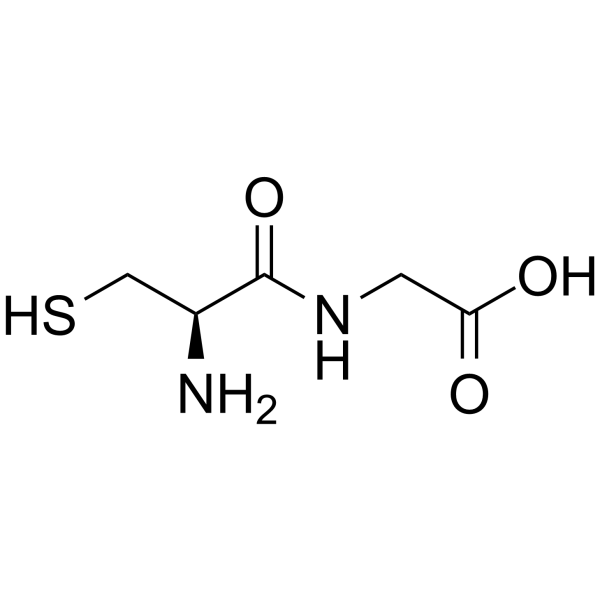
- 分子式: C5H10N2O3S
- 分子量: 178.21
Cysteinylglycine (L-Cysteinylglycine; Cys-Gly) is a dipeptide formed by the peptide bond linkage between cysteine (Cysteine) and glycine (Glycine). Cysteinylglycine is an important metabolic intermediate in the human body, mainly derived from the degradation of glutathione (GSH). Cysteinylglycine reduces ferric iron to ferrous iron, drives the redox cycle of iron, generates reactive oxygen species (ROS), stimulates oxidative reactions, induces lipid peroxidation of human plasma LDL lipoproteins, and causes oxidative damage to DNA bases. Cysteinylglycine can be used as a biomarker to evaluate ischemic heart disease, breast cancer and other conditions.
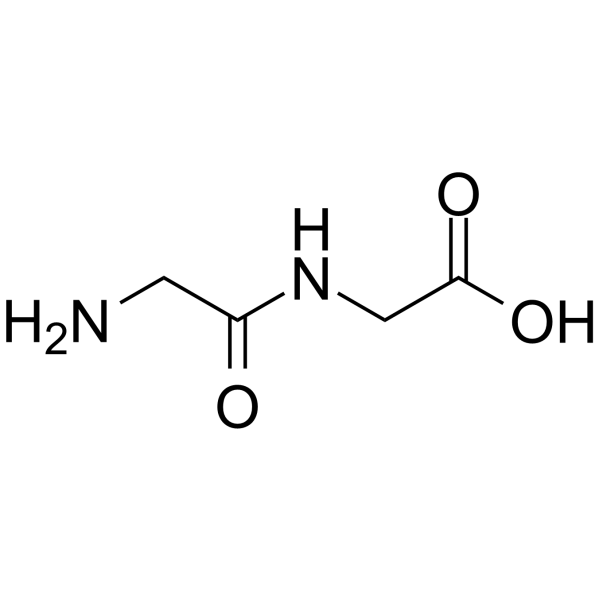
- 分子式: C4H8N2O3
- 分子量: 132.12
Glycylglycine is a non-selective glycylglycine dipeptidase substrate and iNOS inhibitor. Glycylglycine can cross the cell membrane by passive diffusion and is hydrolyzed to glycine in the cell, participating in energy metabolism and antioxidant processes. Glycylglycine promotes spermatogonial stem cells (SSCs) proliferation, inhibits astrocyte overactivation and reduces nitric oxide (NO) release, while upregulating the expression of neurotrophic factors (such as PDGFA, FGF2, CNTF) to support nerve myelin repair. Glycylglycine can be used to study male reproductive biology (such as SSCs proliferation regulation) and neurodegenerative diseases (such as neuroprotective mechanisms in multiple sclerosis).
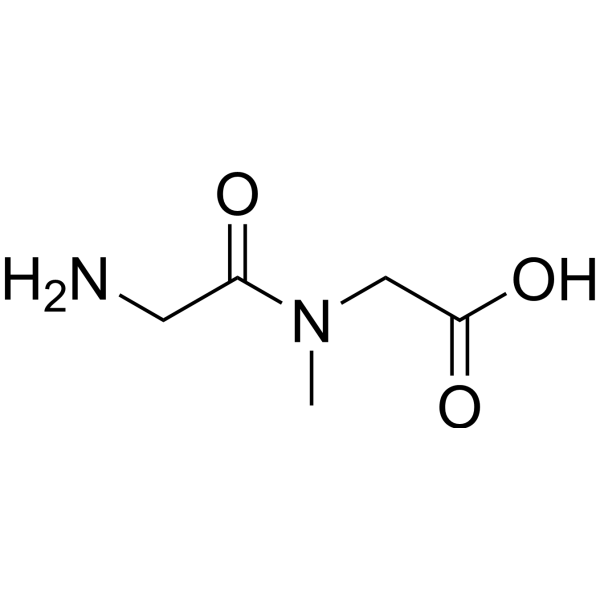
- 分子式: C5H10N2O3
- 分子量: 146.14

- 分子式: C10H16N2O4
- 分子量: 228.25
H-Pro-Hyp-OH is a collagen peptide composed of proline (Pro) and hydroxyproline (Hyp). H-Pro-Hyp-OH can be used in research on slowing down facial aging.
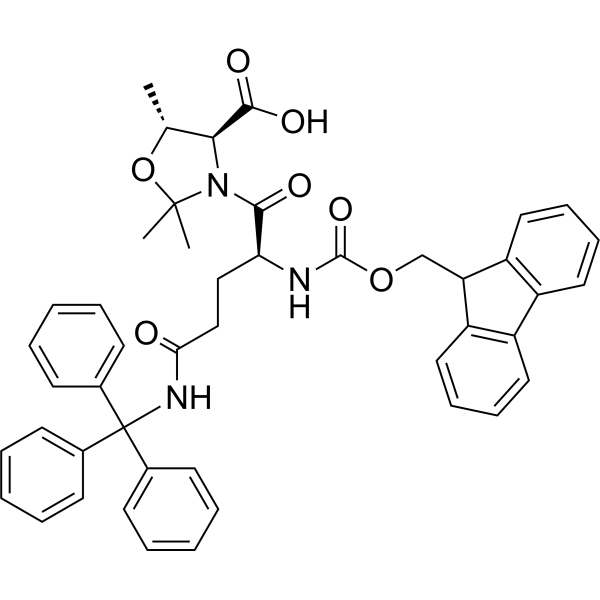
- 分子式: C46H45N3O7
- 分子量: 751.87
Fmoc-Gln(Trt)-Thr(psi(Me,Me)pro)-OH is a pseudoproline dipeptide that can be used in Fmoc solid-phase peptide synthesis.
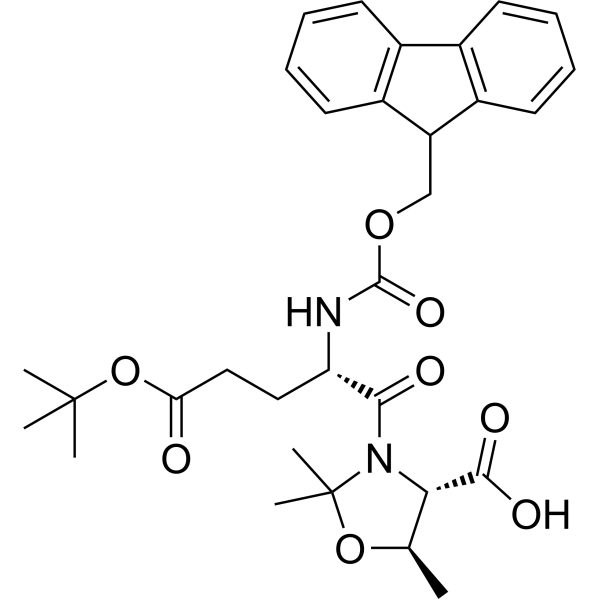
- 分子式: C31H38N2O8
- 分子量: 566.64
Fmoc-Glu(OtBu)-Thr(psi(Me,Me)pro)-OH is a dipeptide building block containing a pseudoproline, which is used in studies related to Fmoc solid-phase peptide synthesis. Fmoc-Glu(OtBu)-Thr(psi(Me,Me)pro)-OH inhibits premature β-sheet aggregation during solid-phase peptide synthesis.
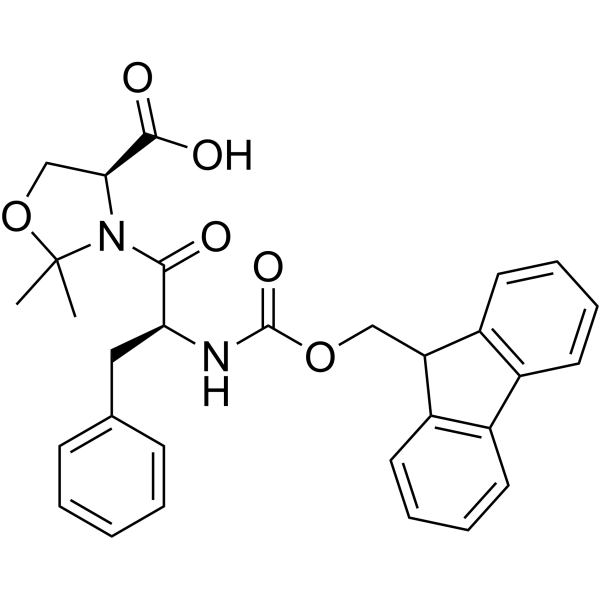
- 分子式: C30H30N2O6
- 分子量: 514.57
Fmoc-Phe-Ser(psi(Me,Me)pro)-OH is a pseudo-proline dipeptide building block corresponding to positions 27-28 of the teduglutide sequence. Fmoc-Phe-Ser(psi(Me,Me)pro)-OH is applied in solid-phase peptide synthesis. Fmoc-Phe-Ser(psi(Me,Me)pro)-OH can be used for the research of teduglutide synthesis.
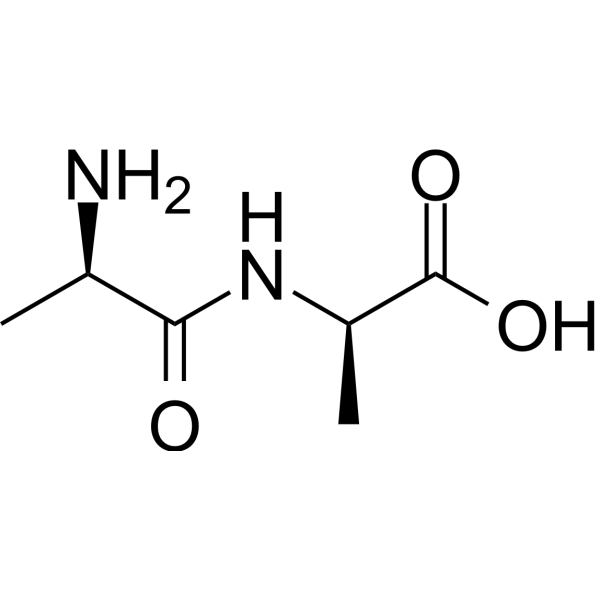
- 分子式: C6H12N2O3
- 分子量: 160.17
D-Ala-D-Ala is a bacterial endogenous metabolite. D-Ala-D-Ala constitutes the terminus of the peptide part of the peptidoglycan monomer unit and is involved in the transpeptidation reaction as the substrate. D-Ala-D-Ala is catalyzed by D-Alanine-D-Alanine ligase.
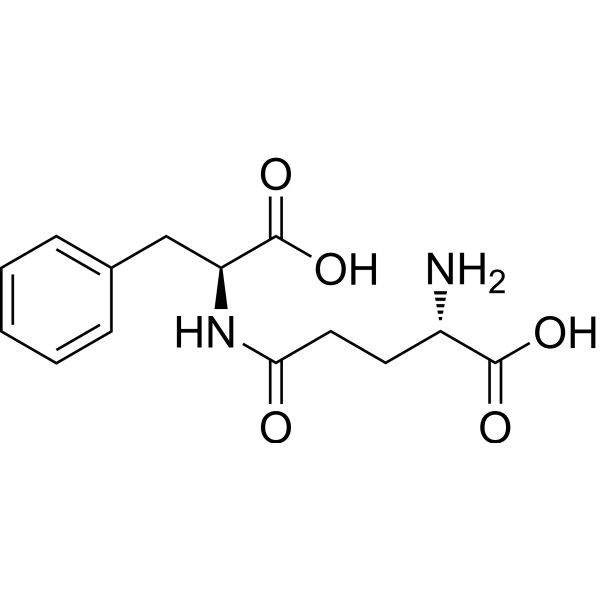
- 分子式: C14H18N2O5
- 分子量: 294.30
γ-Glu-Phe is synthesized by Bacillus amyloliquefaciens (GBA) and Aspergillus oryzae (GAO). γ-Glu-Phe or the post-enzymatic reaction mixture enhances the umami intensity of commercial soy sauce and model chicken broth.
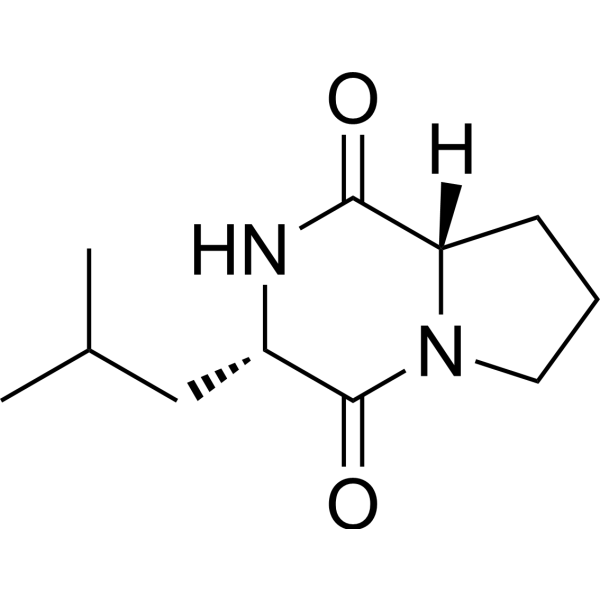
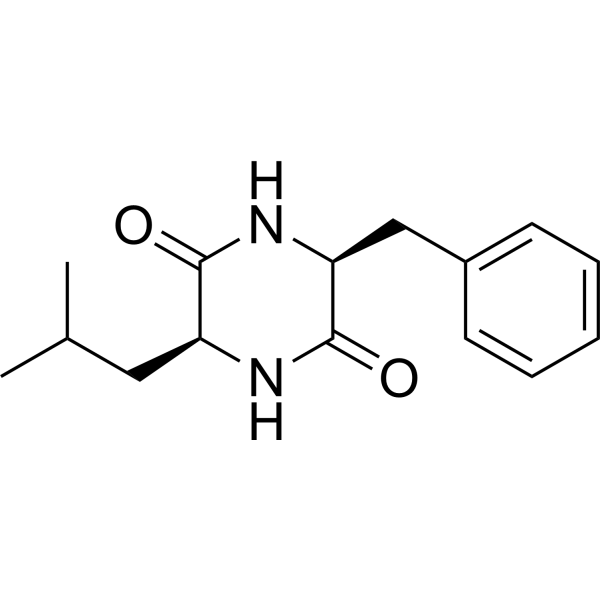
- 分子式: C11H18N2O2
- 分子量: 210.27
Cyclo(L-Leu-L-Pro) is a cyclic dipeptide with broad-spectrum antibacterial, antiviral and antifungal activities. Its biological activity is highly dependent on the stereoconfiguration and is widely present in microbial metabolites. Cyclo(L-Leu-L-Pro) efficiently and specifically inhibits the production of aflatoxin by Aspergillus flavus. The cis configuration of Cyclo(L-Leu-L-Pro) (cis-cyclo(L-Leu-L-Pro)) has broad-spectrum antibacterial activity against multi-drug resistant bacteria and significantly inhibits the influenza A virus H3N2.
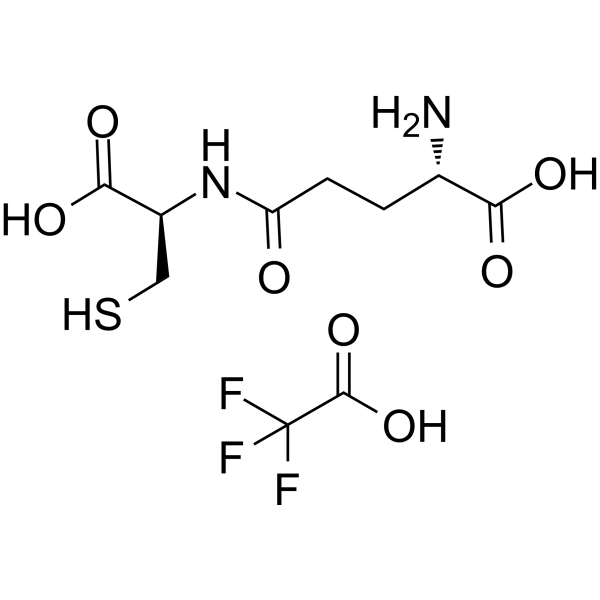
- 分子式: C10H15F3N2O7S
- 分子量: 364.30
Gamma-glutamylcysteine TFA (γ-Glu-Cys TFA) is an orally active, blood-brain barrier permeable dipeptide. Gamma-glutamylcysteine TFA activates AMPK, SIRT1, IL-4/STAT6, AC/cAMP/PI3K, IGF-1R/IRS1/PI3K, and Nrf2 signaling pathways; it inhibits NF-κB, JAK1/STAT1/3, MAPKs, cadmium-induced p38 MAPK, JNK, and PI3K/Akt signaling pathways. Gamma-glutamylcysteine TFA regulates macrophage polarization, modulates the trafficking of CD36 and GLUT4, induces glutathione synthesis, improves metabolic dysfunction, reduces lipid deposition, ameliorates glucose homeostasis, inhibits apoptosis (Apoptosis), stabilizes mitochondria, suppresses lipid peroxidation, iron accumulation and ferroptosis (Ferroptosis), reduces ds-HMGB1 levels, reverses mechanical hyperalgesia, and alleviates hepatic lipid droplet formation. Gamma-glutamylcysteine TFA is applicable to research related to inflammatory bowel disease, type 2 diabetes, cadmium-induced neurotoxicity, Alzheimer's disease, cerebral ischemia/reperfusion injury, neuropathy, and alcoholic liver disease.
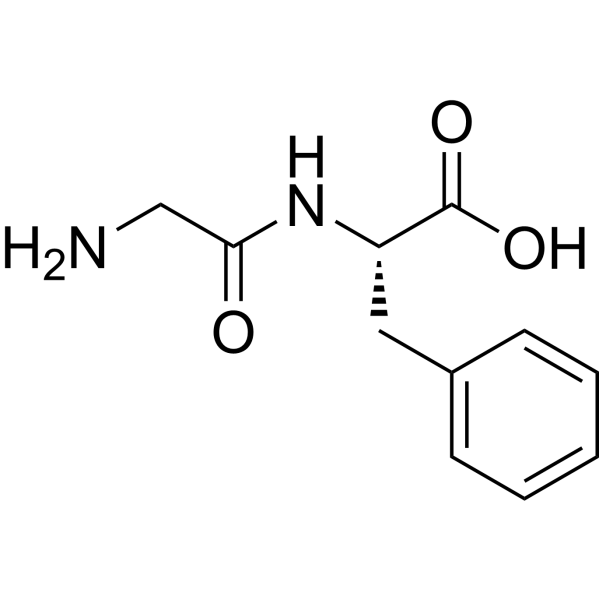
- 分子式: C11H14N2O3
- 分子量: 222.24
Glycyl-L-phenylalanine is a phenylalanine derivative.
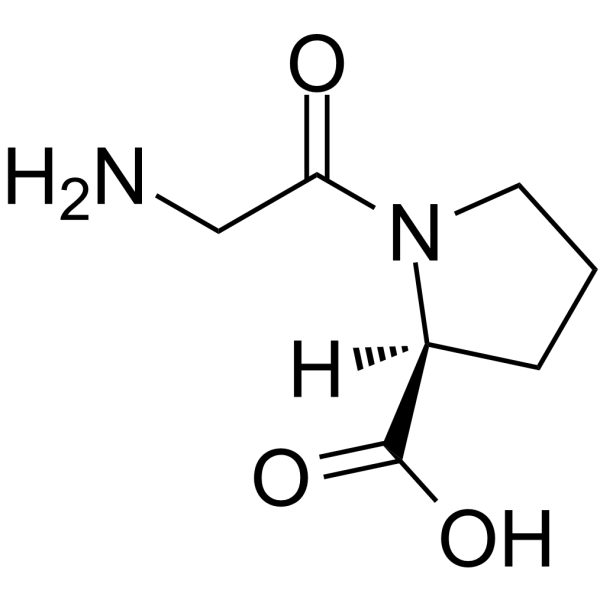
- 分子式: C7H12N2O3
- 分子量: 172.18
Glycyl-L-proline (H-Gly-Pro-OH) is a dipeptide. Glycyl-L-proline can induce MCF-7 cells apoptosis. Glycyl-L-proline can enhance the inhibitory effect of the PRODH/POX knockout on collagen and DNA biosynthesis. Glycyl-L-proline can inhibit Gly-Sar and L-proline transport. Glycyl-L-proline can be used for the researches of cancer and metabolic disease, such as breast cancer.
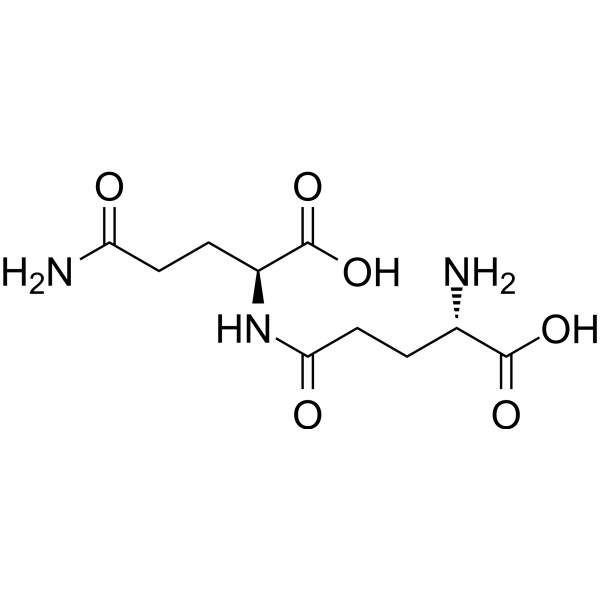
- 分子式: C10H17N3O6
- 分子量: 275.26
H-γ-Glu-Gln-OH is a hydrophilic peptide and can be conjugated to drugs. The carrier composed of H-γ-Glu-Gln-OH has the characteristics of high water solubility and drug-loading capacity, good biocompatibility, low toxicity, improved tumor targeting ability, and anti-tumor efficacy.
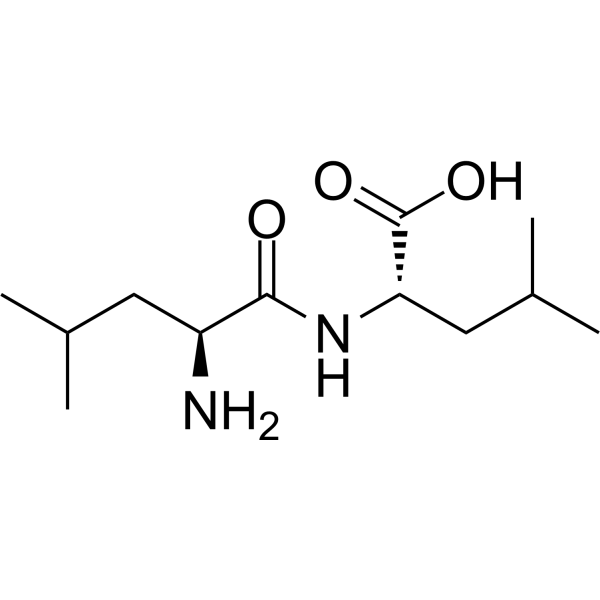
- 分子式: C12H24N2O3
- 分子量: 244.33
Leu-Leu-OH (L-Leucyl-L-leucine), a Leu derivative, is a neutral dipeptide that can be used to study the functionality of dileucine motifs.
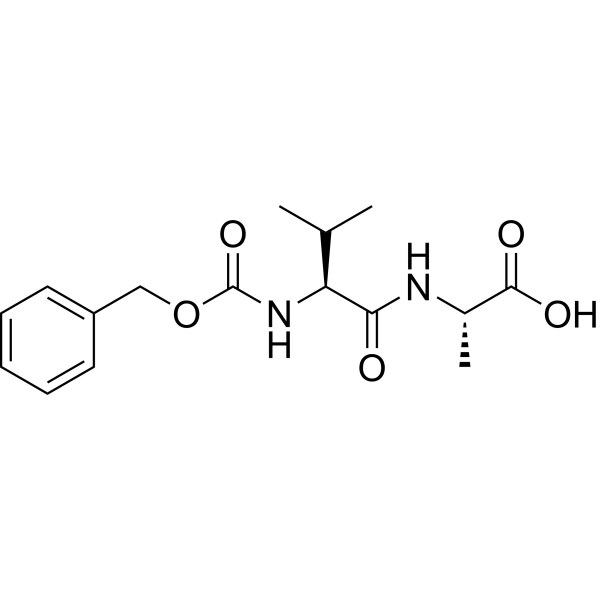
- 分子式: C16H22N2O5
- 分子量: 322.36
Z-Val-Ala-OH is a dipeptide derivative of valine and alanine. Z-Val-Ala-OH undergoes cleavage by cathepsin B and other lysosomal proteases to enable payload release following lysosomal internalization. Z-Val-Ala-OH can be used for the research of antibody-drug conjugate (ADC) development[1].

- 分子式: C12H19F3N2O7S
- 分子量: 392.35
H-Glu(Met-OH)-OH TFA (γ-Glu-Met TFA) could induce oxidation of hydroxyl radical.
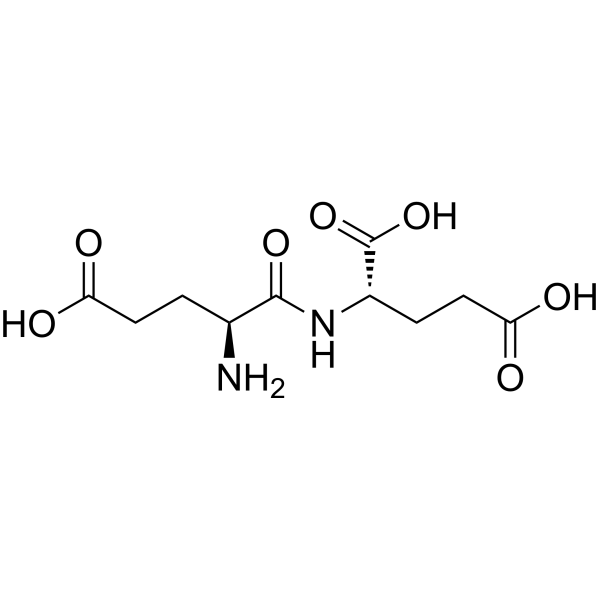
- 分子式: C10H16N2O7
- 分子量: 276.24
Glu-Glu is a glutamic acid derivative containing amino and carboxyl groups. Glu-Glu is an analogs of acidic tripeptide and can contribute to calcium absorption.



