



Cathepsin B
Cathepsin B (CTSB) is a lysosomal cysteine protease predominantly localized in endosomal and lysosomal compartments, where it participates in intracellular and extracellular protein turnover and contributes to cellular proteolysis pathways[1][2]. Cathepsin B is among the most abundant lysosomal proteases and functions in protein degradation, lysosomal homeostasis, and cellular turnover, linking its activity to fundamental endo/lysosomal biological processes[1][2]. Mechanistically, Cathepsin B regulates multiple forms of programmed cell death, including apoptosis, pyroptosis, ferroptosis, necroptosis, and autophagic cell death, thereby connecting lysosomal proteolysis with cell fate determination pathways[2]. In disease models, dysregulated Cathepsin B activity contributes to neurological disorders, cardiovascular disease, inflammatory conditions, and multiple cancers, where elevated expression is frequently associated with pathological progression, tissue remodeling, invasion, and metastasis[2][3]. Compared with related cysteine cathepsins such as Cathepsin L, which is strongly involved in antigen processing, proprotein processing, and degradation of extracellular matrix proteins including collagen and elastin, Cathepsin B is distinguished by its characteristic endopeptidase and exopeptidase activities and its prominent role in programmed cell death signaling and disease-associated proteolytic networks[4][2]. For experimental applications, Cathepsin B is a widely used pharmacological target, and selective inhibitors including CA-074 and other Cathepsin B inhibitors have been extensively employed to investigate protease-dependent mechanisms and evaluate therapeutic strategies in cancer and other disease models[3][2].
References:
- [1]. Yadati T, et al. The Ins and Outs of Cathepsins: Physiological Function and Role in Disease Management. Cells. 2020 Jul 13;9(7):1679. [Content Brief]
- [2]. Xie Z, et al. Cathepsin B in programmed cell death machinery: mechanisms of execution and regulatory pathways. Cell Death Dis. 2023 Apr 8;14(4):255. [Content Brief]
- [3]. Frlan R, et al. Inhibitors of cathepsin B. Curr Med Chem. 2006;13(19):2309-27. [Content Brief]
- [4]. Cathepsin B gene information from NCBI.
-
Cathepsin B Related Products (25)
Related Products (25)

-
Recombinant Proteins (5)
-
Antibodies (1)
- 1
- 2
-
CA-074 methyl ester
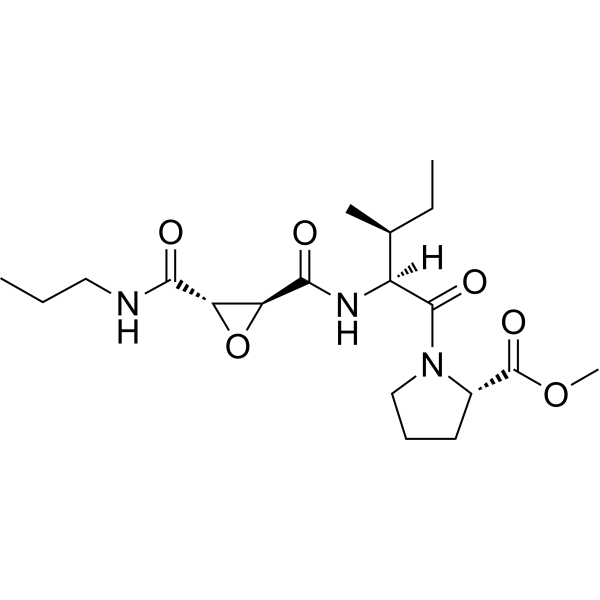 0 ImagesSynonyms: CA-074MeCA-074 methyl ester is a specific inhibitor of Cathepsin B, which has potent bioactivities such as neuroprotective, anti-cancer, and anti-inflamatory effects.
-
CA-074
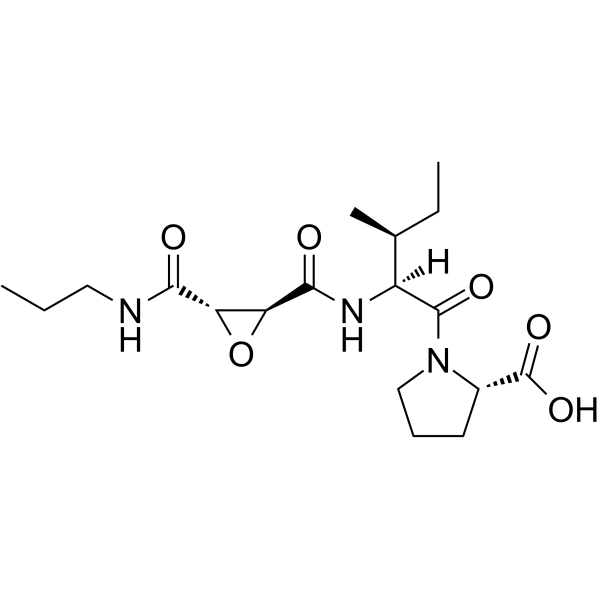 0 ImagesCA-074 is a potent inhibitor of cathepsin B with a Ki of 2 to 5 nM.
-
Z-Arg-Arg-AMC hydrochloride
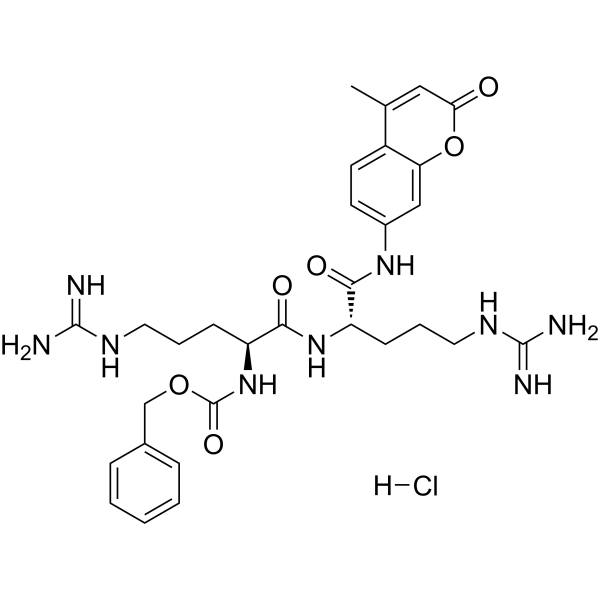 0 ImagesZ-Arg-Arg-AMC hydrochloride is a highly selective fluorescent Cathepsin B substrate. Z-Arg-Arg-AMC hydrochloride can be hydrolyzed by Cathepsin B to produce a fluorescent product for enzyme activity detection.
-
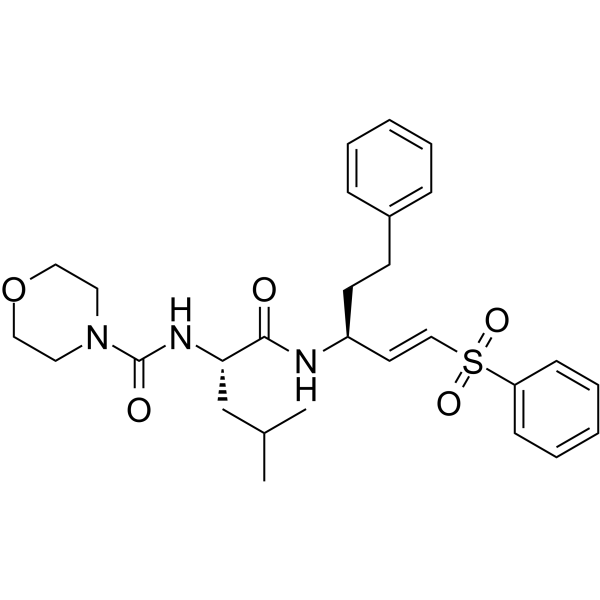
Balicatib
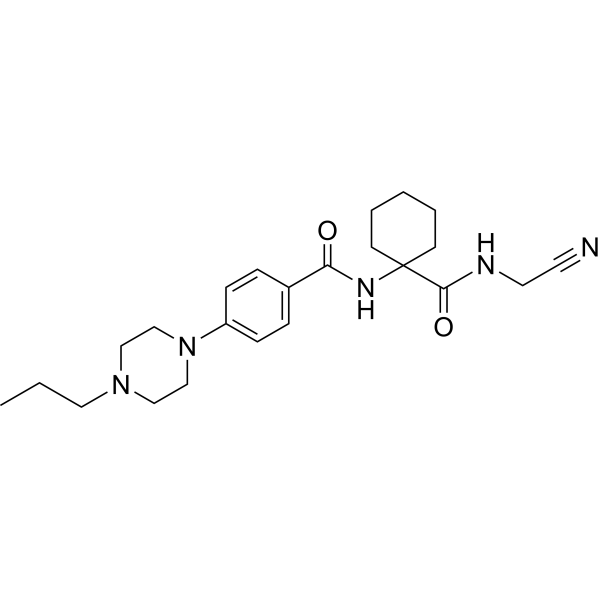 0 ImagesSynonyms: AAE581Balicatib (AAE581) is a potent, orally active and selective cathepsin K inhibitor with IC50 values of 22, 61, 48, 2900 nM for cathepsin K, cathepsin B, cathepsin L, cathepsin S, respectively. Balicatib inhibits bone turnover, decreases bone formation rates. Balicatib has the potential for the research of osteoporosis.
-
SNJ-1945
 0 ImagesSNJ-1945 is an orally active, blood-brain barrier-penetrant Calpain inhibitor. SNJ-1945 inhibits Cathepsin L, Cathepsin B, and Ca2+ -independent proteases. SNJ-1945 suppresses ROS production and downregulates Cyclooxygenase-2 and Caspase-1. SNJ-1945 alleviates left ventricular systolic dysfunction, reduces cerebral ischemia-induced injury, and decreases the score of experimental autoimmune encephalomyelitis in mouse models. SNJ-1945 can be used in research related to post-cardiac arrest reperfusion injury, Parkinson's disease, multiple sclerosis, and proliferative retinopathy.
-
Ferroptosis inducer-16
 0 ImagesCat. No.: HY-182052CAS No.: 3063042-21-4Synonyms: anti-NSCLC agent-2Ferroptosis inducer-16 (anti-NSCLC agent-2) is a nitric oxide (NO) donor and a ferroptosis inducer. Ferroptosis inducer-16 inhibits DNA synthesis and colony formation. Ferroptosis inducer-16 disrupts lysosomal integrity by releasing NO, triggers iron overload and oxidative stress, downregulates the SLC7A11-GPX4 axis, depletes GSH, and accumulates lipid peroxides. Ferroptosis inducer-16 inhibits tumor growth in an OVCAR8/ADR xenograft mouse model without obvious toxicity, and can be used in the study of non-small cell lung cancer and drug-resistant ovarian cancer.
-
Cathepsin L-IN-7
 0 ImagesCat. No.: HY-183940CAS No.: 1194047-02-3Cathepsin L-IN-7 is an inhibitor of cathepsin L, cathepsin B and cathepsin S. Cathepsin L-IN-7 has an IC50 of 0.011 μM against cathepsin L and an IC50 of 0.062 μM against cathepsin S, while it shows weak inhibitory activity against cathepsin B. Cathepsin L-IN-7 binds to the active site of cysteine proteases and blocks their proteolytic function. Cathepsin L-IN-7 can be used in research on viral infections and cancer.
-
Z-FA-FMK
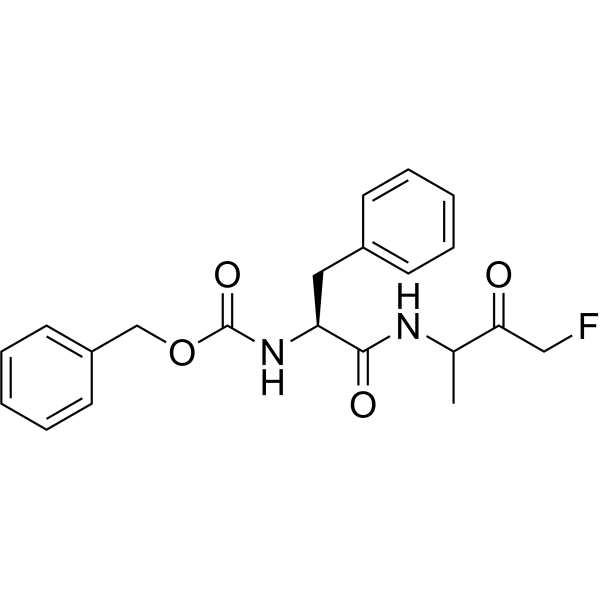 0 ImagesSynonyms: (1S)-Z-FA-FMKZ-FA-FMK ((1S)-Z-FA-FMK) is a potent Cathepsin B and L inhibitor. Z-FA-FMK blocks the induction of DEVDase activity, DNA fragmentation, and externalization of phosphatidylserine by selective synthetic retinoid-related molecules (RRMs). Z-FA-FMK inhibits apoptosis. Z-FA-FMK inhibits caspase activity and selectively inhibits recombinant effector caspases 2, -3, -6, and -7. Z-FA-FMK is a viral inhibitor. Z-FA-FMK inhibits reovirus replication in a susceptible host.
-
Z-WEHD-FMK
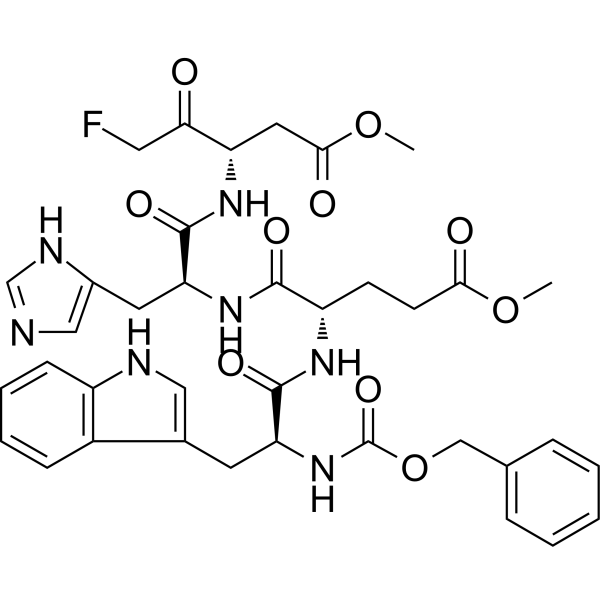 0 ImagesSynonyms: Z-WE(OMe)HD(OMe)-FMKZ-WEHD-FMK is a potent, cell-permeable and irreversible caspase-1/5 inhibitor. Z-WEHD-FMK also exhibits a robust inhibitory effect on cathepsin B activity (IC50=6 μM). Z-WEHD-FMK can be used to investigate cells for evidence of apoptosis.
-
L-006235
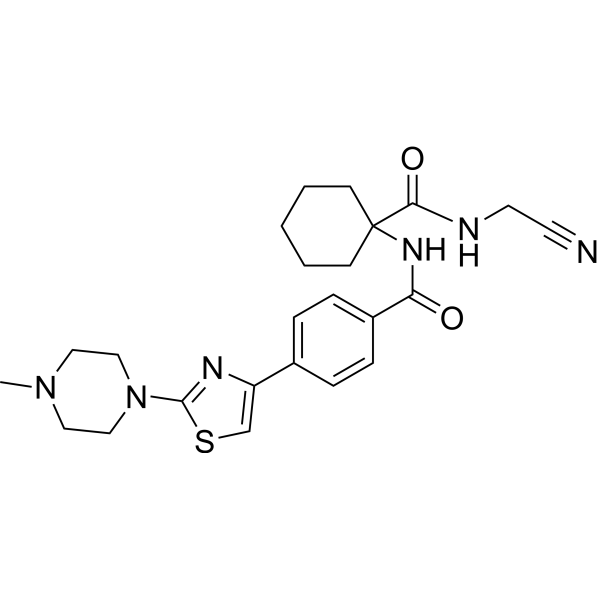 0 ImagesSynonyms: L-235L-006235 (L-235) is a potent, selective, reversible and orally active inhibitor of cathepsin K, with an IC50 of 5 nM in bone resorption assay. L-006235 shows selectivity for cathepsin K (Ki=0.2 nM) over cathepsin B, cathepsin L, and cathepsin S (Ki=1, 6, and 47 μM, respectively). L-006235 can reduce collagen degradation and prevent bone loss.
-
diABZI-V/C-Mal
 0 ImagesdiABZI-V/C-Mal is a STING agonist (with a STING EC50 of 314 nM in TH1 dual reporter cells) and a Cathepsin B substrate. diABZI-V/C-Mal activates STING, thereby triggering the IRF3 signaling pathway. diABZI-V/C-Mal is cleaved by Cathepsin B to regenerate diABZI-NH2.
-
L-873724
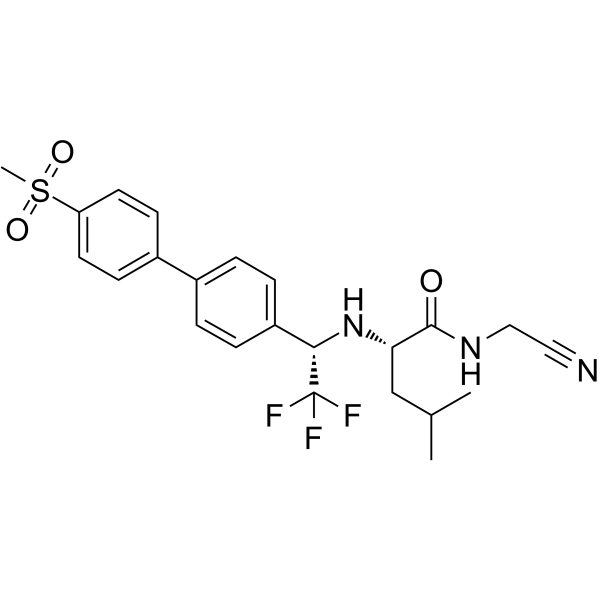 0 ImagesL-873724 is a potent, orally bioavailable, selective and reversible non-basic cathepsin K inhibitor, with IC50s of 0.2, 178, 264, and 5239 nM for cathepsin K, cathepsin S, cathepsin L, cathepsin B, respectively. L-873724 also exhibits an IC50 of 0.5 nM for rabbit cathepsin K. L-873724 inhibits bone resorption.
-
Cathepsin K inhibitor 6
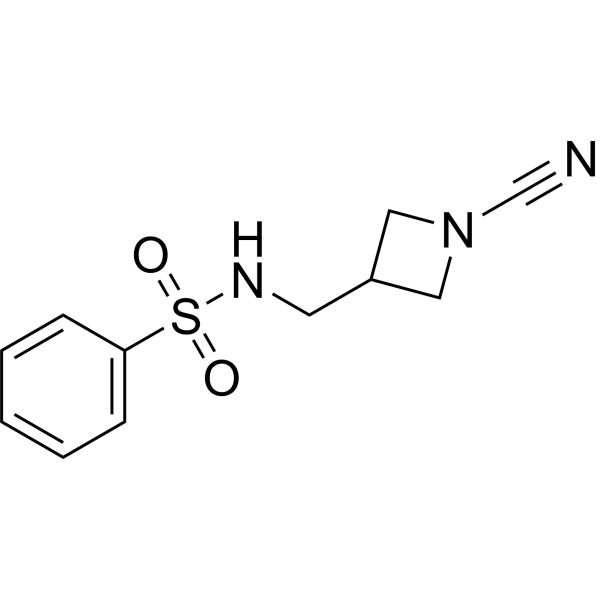 0 ImagesCathepsin K inhibitor 6 (compound 19) is an inhibitor of cathepsin K (Cat K) with an IC50 of 17 nM. Cathepsin K inhibitor 6 also has inhibitory effects on other isoforms, with IC50s of 0.05 μM (Cat L) and 0.3 μM (Cat B), respectively.
-
Ac-Leu-Val-Lys-Aldehyde
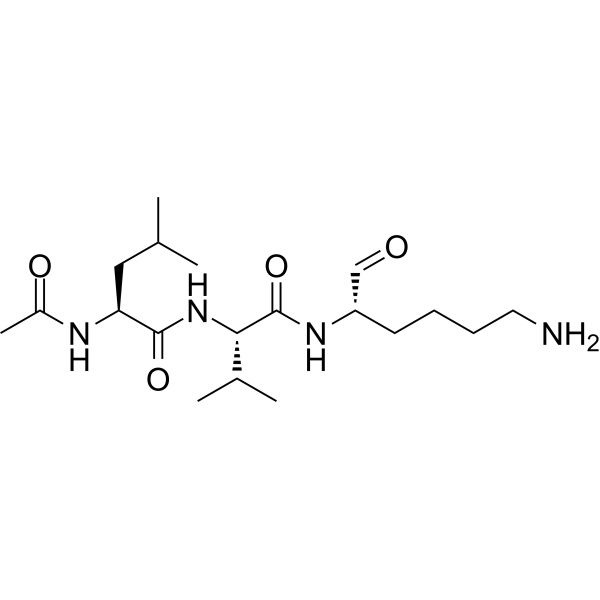 0 ImagesCat. No.: HY-P4532CAS No.: 147600-40-6Ac-Leu-Val-Lys-Aldehyde is a potent cathepsin B inhibitor with IC50s of 4 nM. Ac-Leu-Val-Lys-Aldehyde significantly reduces quinolinic acid (HY-100807)-induced striatal cell death and causes accumulation of LC3-II.
-
Cathepsin L-IN-6
 0 ImagesCat. No.: HY-180799CAS No.: 3077842-39-5Cathepsin L-IN-6 (Compound 6a) is a selective cathepsin L inhibitor with an IC50 of 0.021 μM. Cathepsin L-IN-6 suppresses cathepsin L activity by directly binding to cathepsin L. Cathepsin L-IN-6 inhibits IL-6 and IL-8. Cathepsin L-IN-6 shows a high anti-inflammatory activity. Cathepsin L-IN-6 can be used in the research of acute lung injury.
-
Z-Arg-Arg-4MβNA triacetate
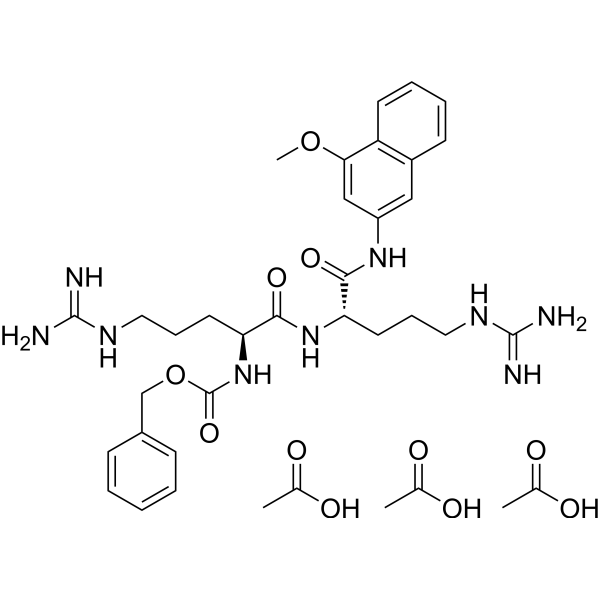 0 ImagesCat. No.: HY-D1523CAS No.: 100900-19-4Z-Arg-Arg-4MβNA triacetate is a cathepsin B-specific substrate and can produce fluorescent end product 4MβNA (λex = 355 nm, λem = 430 nm).
-
Ac-RR-AFC TFA
 0 ImagesCat. No.: HY-P11325Purity: 99.56%Ac-RR-AFC TFA is a Cathepsin B fluorogenic substrate (Ex=400 nm, Em=505 nm). Cathepsin B activity in cells lysates is determined by measuring cleavage of Ac-RR-AFC TFA and its cleavage occurs at the RR-AFC amide bond. Ac-RR-AFC TFA can be used for activity assays and mechanistic studies on cathepsin B.
- 1
- 2




