



4-Hydroxynonenal
Based on 20 publication(s) in Google Scholar
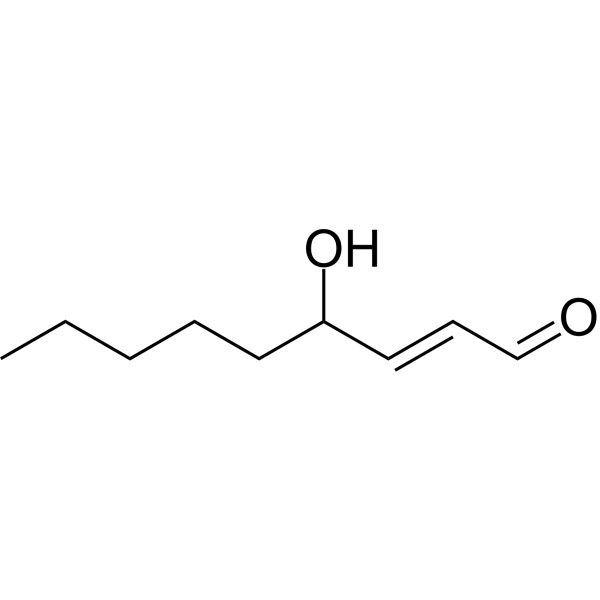
4-Hydroxynonenal (4-HNE) is an α,β unsaturated hydroxyalkenal and an oxidative/nitrosative stress biomarker. 4-Hydroxynonenal is a substrate and an inhibitor of acetaldehyde dehydrogenase 2 (ALDH2). 4-Hydroxynonenal can modulate a number of signaling processes mainly through forming covalent adducts with nucleophilic functional groups in proteins, nucleic acids, and membrane lipids. 4-Hydroxynonenal plays an important role in cancer through mitochondria.
Nur für Forschungszwecke. Wir verkaufen nicht an Patienten.
- Reinheit : 99.75%
- CAS. Nr.: 75899-68-2
- Formel: C9H16O2
- Molecular Weight:156.22
-
Speicherung:
-20°C, sealed storage, away from moisture and light
* In solvent : -80°C, 6 months; -20°C, 1 month (sealed storage, away from moisture and light)

To place orders, for customer services and technical support, please contact: MedChemExpress USA
Tel: 609-228-6898 E-mail: [email protected] [email protected]


-
 Biologische Aktivität
-
Chemical Information
-
Lösungsmittel & Löslichkeit
- Reinheit & Dokumentation
- Verweise
-
 Help & FAQs


-
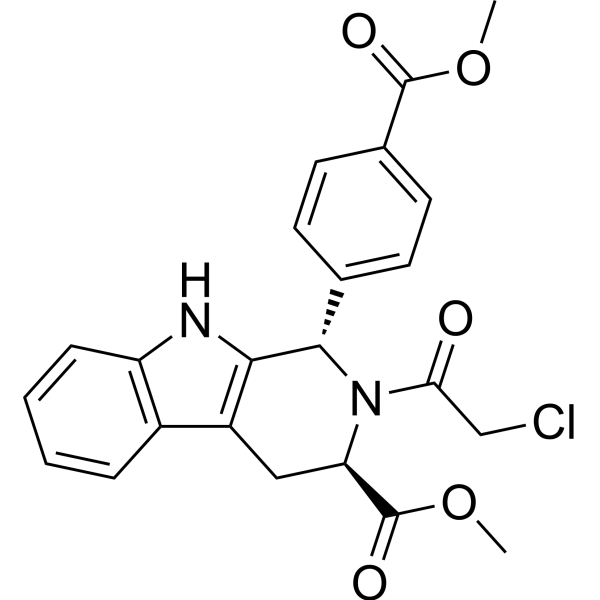
HY-100218A
RSL3GPX4 Inhibitor -
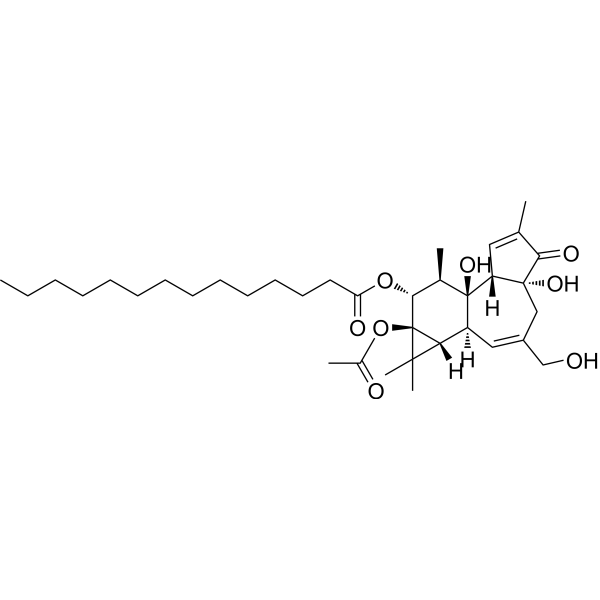
HY-18739
Phorbol 12-myristate 13-acetatePKC Activator -
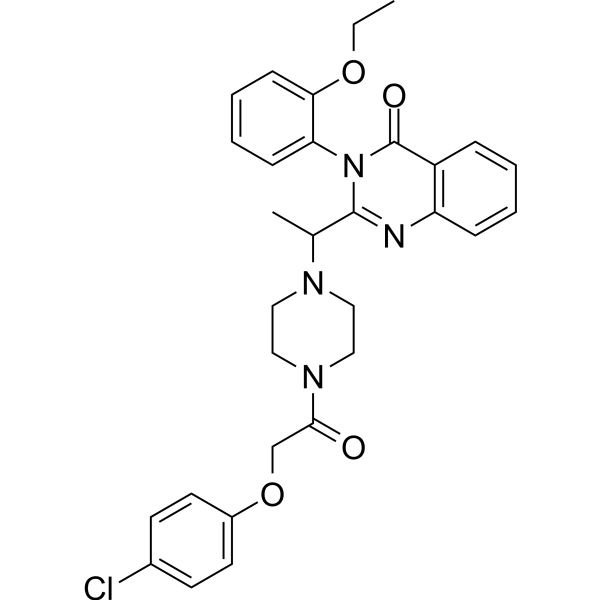
HY-15763
ErastinFerroptosis Inducer -
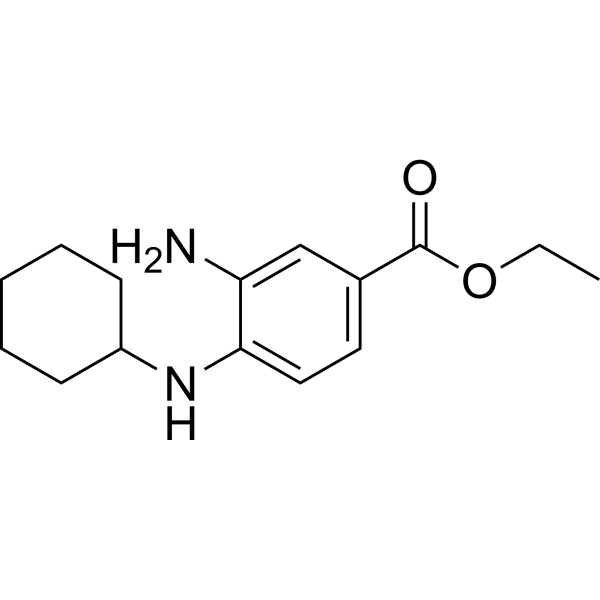
HY-100579
Ferrostatin-1Ferroptosis Inhibitor -
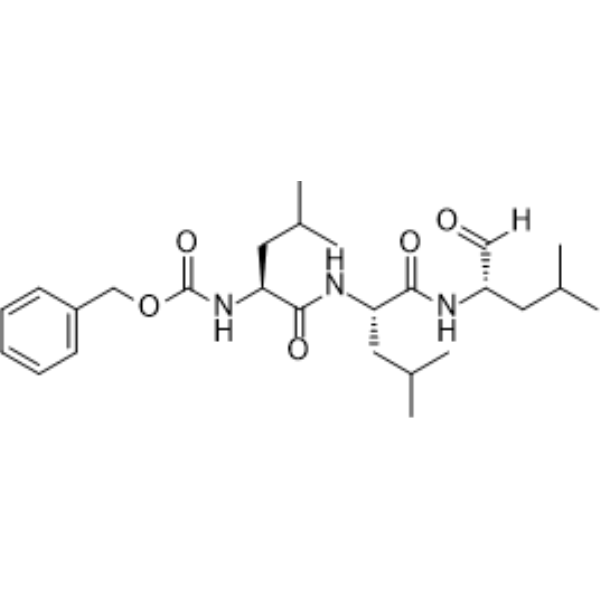
HY-13259
MG-132Proteasome Inhibitor -
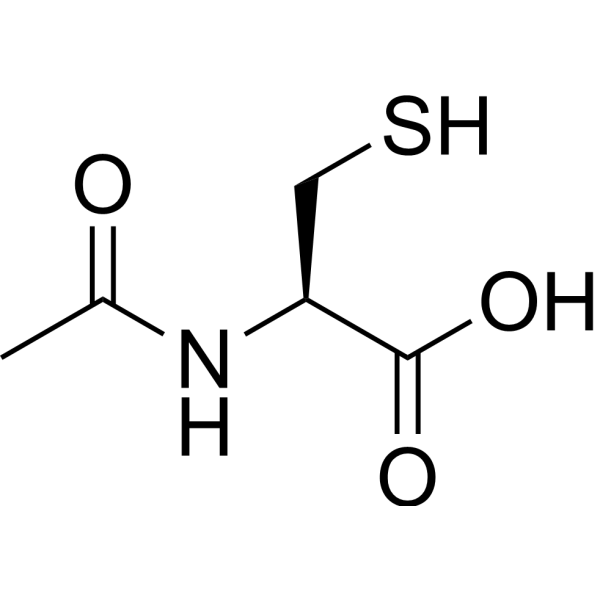
HY-B0215
AcetylcysteineMucolytic Agent -
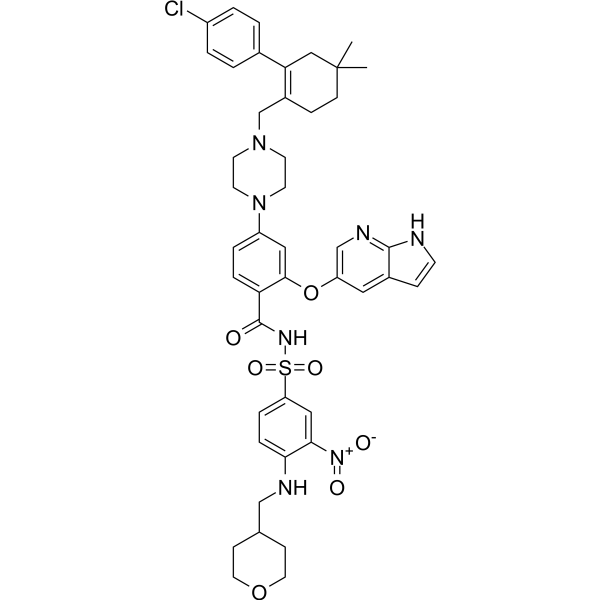
HY-15531
VenetoclaxBCL-2 Inhibitor -
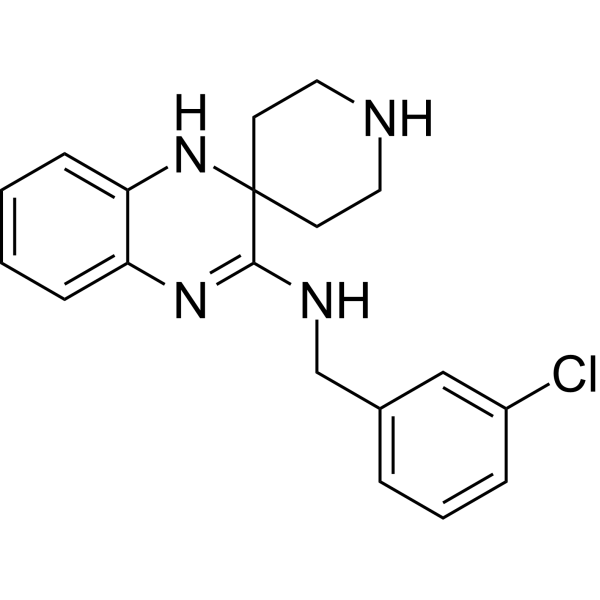
HY-12726
Liproxstatin-1Ferroptosis Inhibitor -
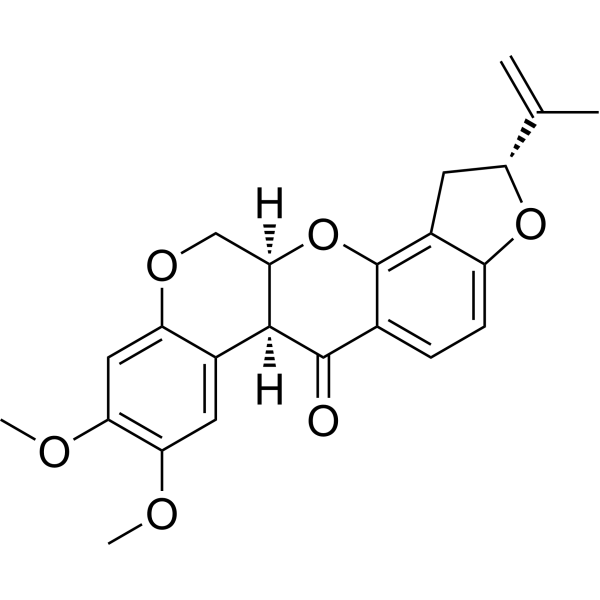
HY-B1756
RotenoneMitochondrial Complex I Inhibitor -
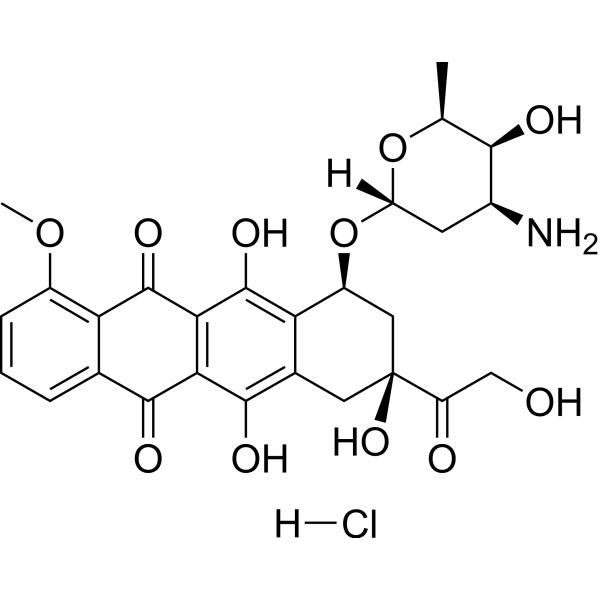
HY-15142
Doxorubicin hydrochlorideTopoisomerase Inhibitor -
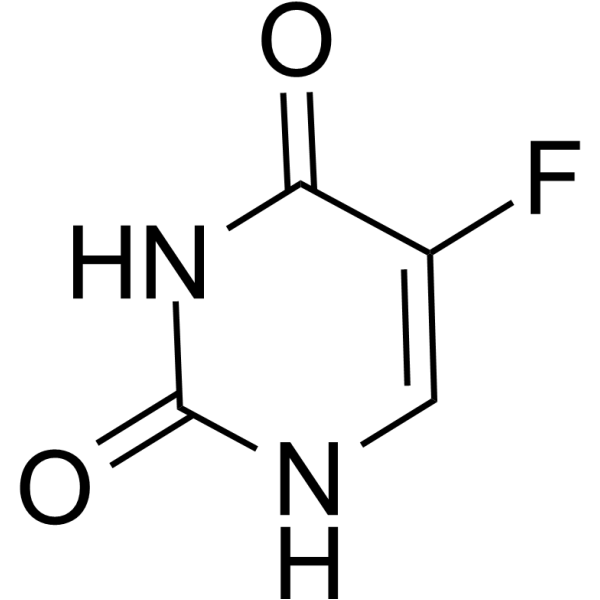
HY-90006
5-FluorouracilThymidylate Synthase Inhibitor -
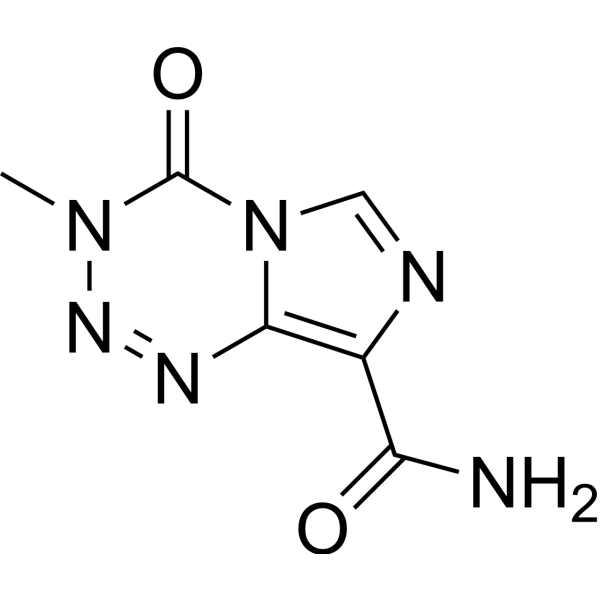
HY-17364
TemozolomideDNA Alkylator
Publications Citing Use of MedChemExpress (MCE) 4-Hydroxynonenal
More- Clin Mol Hepatol. 2024 Jul;30(3):515-538. [Abstract]
- Redox Biol. 2022 Oct:56:102437. [Abstract]
- Mol Cell. 2025 Sep 4;85(17):3225-3240.e10. [Abstract]
- Mol Cell. 2023 Dec 7;83(23):4352-4369.e8. [Abstract]
- Acta Pharm Sin B. 2025 Dec;15(12):6461-6477. [Abstract]
- Cell Death Dis. 2024 Jul 31;15(7):546. [Abstract]
- Antioxidants (Basel). 2022 Apr 7;11(4):728. [Abstract]
- Free Radic Biol Med. 2025 Apr 15:S0891-5849(25)00231-X. [Abstract]
- Free Radic Biol Med. 2025 Mar 1:229:415-426. [Abstract]
- J Agric Food Chem. 2025 Jul 23;73(29):18153-18164. [Abstract]
- Eur J Med Chem. 2025 Feb 5:283:117108. [Abstract]
- Life Sci. 2025 Mar 15:365:123452. [Abstract]
- Mol Cell Proteomics. 2026 Apr 28:101573. [Abstract]
- Biomed J. 2025 Oct 9:100916. [Abstract]
- Biochim Biophys Acta Mol Basis Dis. 2025 Aug;1871(6):167863. [Abstract]
- FASEB J. 2026 Aug 31;40(16):e72168.
- bioRxiv. 2026 Sep 25:2026.09.24.753323.
- SSRN. 2024 Apr 26.
- Research Square Print. 2023 Feb 14.
- Research Square Preprint. 2021 Dec.
 Customer Validation & Images

-
RT-PCR
-
WB
-
Cell Proliferation/Viability Assay
-
ELISA
-
Bio/Physico-chemical Assay
Alle Endogenous Metabolite Isoform-spezifische Produkte anzeigen
More

Biologische Aktivität
Beschreibung
IC50 & Target
[1]|
ALDH2 |
Human Endogenous Metabolite |
Cellular Effect
|
Cell Line

|
Type | Value | Description | References |
|---|---|---|---|---|
| HEK293 | EC50 |
27 μM
Compound: 40
|
Agonist activity at rat TRPA1 channel expressed in HEK293 cells assessed as increase in intracellular calcium influx
Agonist activity at rat TRPA1 channel expressed in HEK293 cells assessed as increase in intracellular calcium influx
|
[PMID: 20356305] |
| HEK293 | EC50 |
27 μM
Compound: HNE
|
Agonist activity at rat TRPA1 channel expressed in tetracycline induced HEK293 cells assessed as increase in intracellular calcium
Agonist activity at rat TRPA1 channel expressed in tetracycline induced HEK293 cells assessed as increase in intracellular calcium
|
[PMID: 17684094] |
In Vitro
4-Hydroxynonenal is both a substrate and an inhibitor of ALDH2; inhibition of ALDH2 by 4-Hydroxynonenal is reversible at low concentration and become irreversible when the concentration of 4-HNE reaches 10 μM[1].
4-Hydroxynonenal can induce antioxidant defense mechanisms to restrain its own production and to enhance the cellular protection against oxidative stress[1].
4-Hydroxynonenal, the product of lipid peroxidation, is mutagenic and genotoxic in viruses, bacteria and mammalian cells. It reacts with all four DNA bases but with different efficiency: G >C > A >T. 4-Hydroxynonenal-dG represents the best biomarker of the genotoxic effects of 4-Hydroxynonenal and these adducts are primarily found in nuclear DNA. A classic example of etiological relevance of 4-Hydroxynonenal-dG in human cancers is 4-Hydroxynonenal-dG induced p53 mutation. 4-Hydroxynonenal-dG adducts were preferentially formed at the third base of codon 249 in the p53 gene, causing gene mutation and affecting diverse biological processes including cell cycle arrest, apoptosis, DNA repair, and differentiation[1].
MedChemExpress (MCE) has not independently confirmed the accuracy of these methods. They are for reference only.
In Vivo
MedChemExpress (MCE) has not independently confirmed the accuracy of these methods. They are for reference only.


Chemical Information
-
CAS. Nr. 75899-68-2
-
Appearance Liquid (Density: 0.941±0.06 g/cm3)
-
Molecular Weight 156.22
-
Formel C9H16O2
-
Color Colorless to light yellow
-
SMILES
CCCCCC(O)/C=C/C=O
-
Synonyms
4-HNE
-
Structure Classification
-
Initial Source
-
Versand
Room temperature in continental US; may vary elsewhere.
-
Speicherung
-20°C, sealed storage, away from moisture and light
* In solvent : -80°C, 6 months; -20°C, 1 month (sealed storage, away from moisture and light)


Publications (20)
-
Journal Impact Factor
-
Most Recent
-
Clin Mol Hepatol
2024 Jul;30(3):515-538. PMID: 38726504
4-Hydroxynonenal purchased from MedChemExpress. Usage Cited in: Clin Mol Hepatol. 2024 Jul;30(3):515-538. [Abstract]
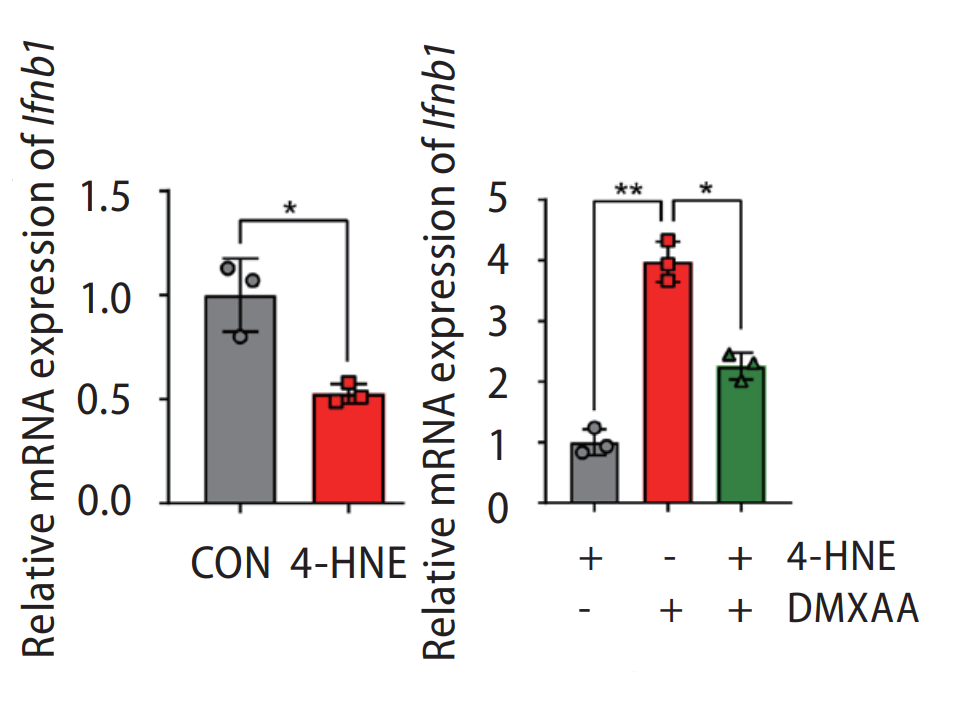
Ifnb1 mRNA expression in LPS-primed WT macrophages treated with CM from PAOA-stimulated WT hepatocytes with or without 4-HNE and DMXAA.
4-Hydroxynonenal purchased from MedChemExpress. Usage Cited in: Clin Mol Hepatol. 2024 Jul;30(3):515-538. [Abstract]
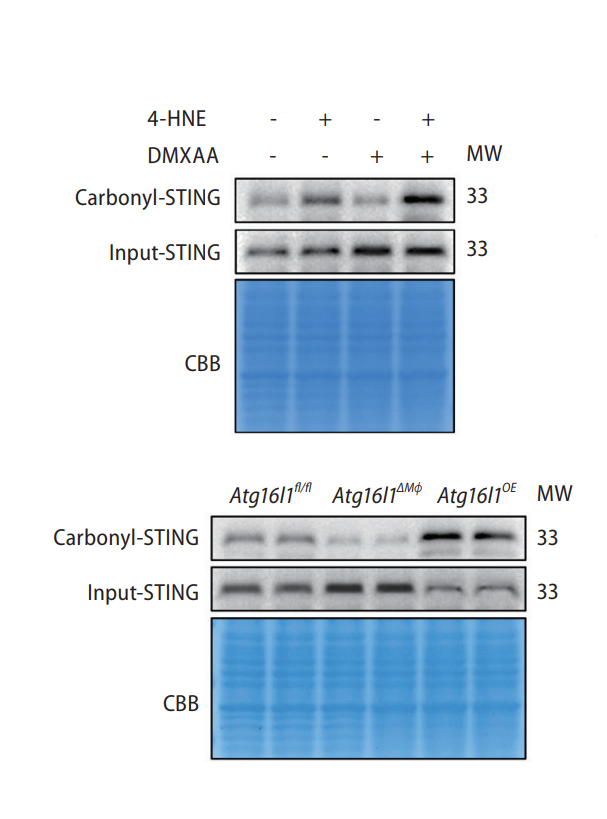
Immunoblot analysis of STING carbonylation by selective labeling with m-APA in WT BMDMs treated with 4-HNE (6.4 μM) or in activated Atg16l1fl/fl, Atg16l1ΔMϕ, and Atg16l1OE BMDMs.
-
Redox Biol
Phospholipid peroxidation-driven modification of chondrogenic transcription factor mediates alkoxyl radicals-induced impairment of embryonic bone development. [Abstract]2022 Oct:56:102437. PMID: 36037588 -
Mol Cell
A regulator of amino acid sensing links lipid peroxidation and lipid droplet-dependent antioxidant response. [Abstract]2025 Sep 4;85(17):3225-3240.e10. PMID: 40865521 -
Mol Cell
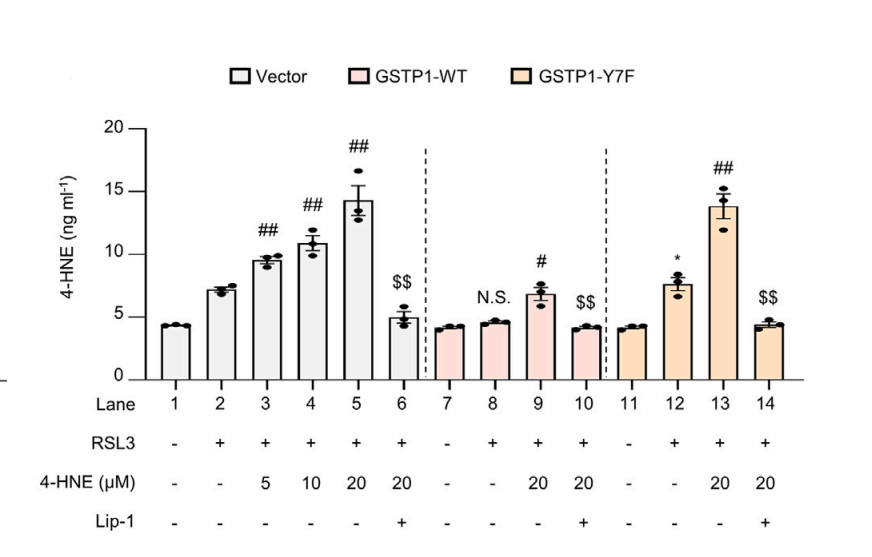
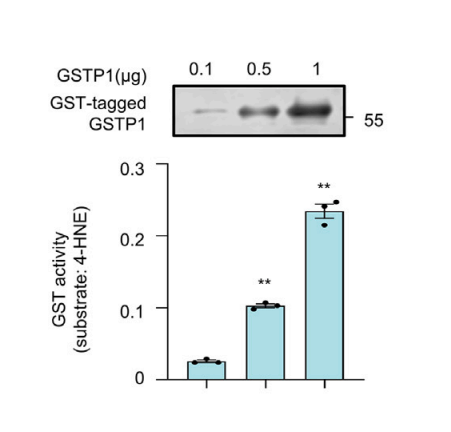
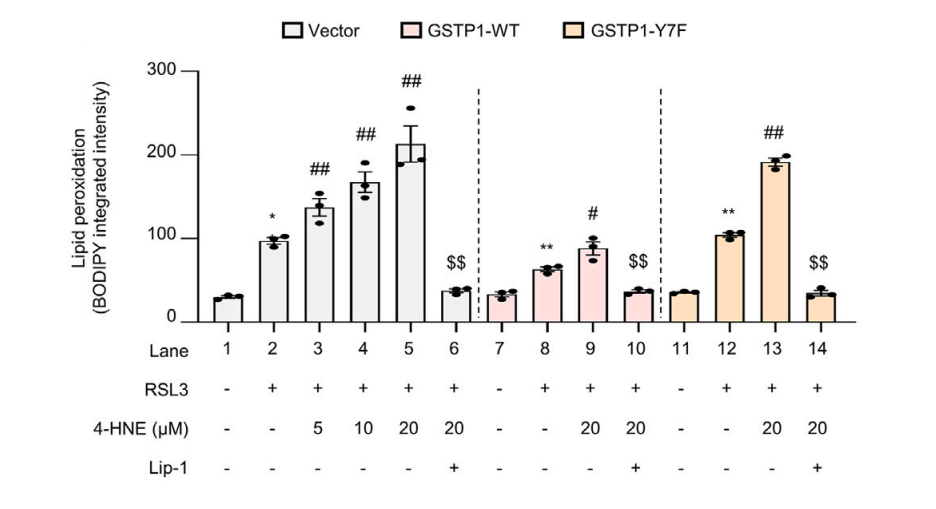
SMURF2 predisposes cancer cell toward ferroptosis in GPX4-independent manners by promoting GSTP1 degradation. [Abstract]2023 Dec 7;83(23):4352-4369.e8. PMID: 38016474
4-Hydroxynonenal purchased from MedChemExpress. Usage Cited in: Mol Cell. 2023 Dec 7;83(23):4352-4369.e8. [Abstract]
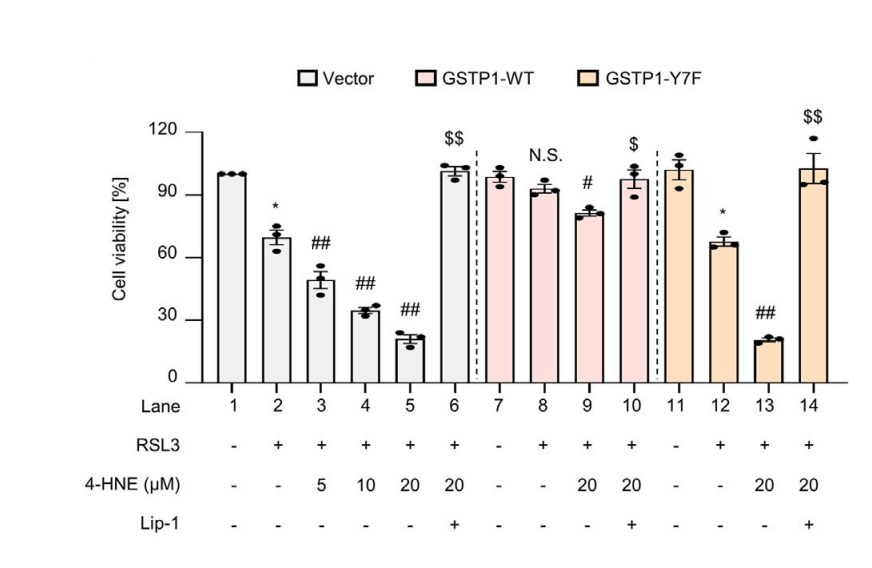
Cell viability of GSTP1-WT or GSTP1-Y7F overexpression HT 1080 cells in the presence of RSL3 (1 μM) and 4-HNE (5-20 μM; 1 h), with or without pretreatment with Lip-1 (0.3 μM, 12 h).
4-Hydroxynonenal purchased from MedChemExpress. Usage Cited in: Mol Cell. 2023 Dec 7;83(23):4352-4369.e8. [Abstract]
ELISA analysis of 4-HNE level of GSTP1-WT or GSTP1-Y7F overexpression HT 1080 cells in the presence of RSL3 (1 μM) and 4-HNE (5-20 μM; 1 h), with or without pretreatment with Lip-1 (0.3 μM, 12 h).
4-Hydroxynonenal purchased from MedChemExpress. Usage Cited in: Mol Cell. 2023 Dec 7;83(23):4352-4369.e8. [Abstract]
GST activity of purified GSTP1 protein, measured using 4-HNE as a substrate in the reactions.
4-Hydroxynonenal purchased from MedChemExpress. Usage Cited in: Mol Cell. 2023 Dec 7;83(23):4352-4369.e8. [Abstract]
Lipid peroxidation detected in GSTP1-WT or GSTP1-Y7F overexpression HT 1080 cells in the presence or absence of RSL3 (1 μM) and increasing doses of 4-HNE (5-20 μM; 1h), with or without pretreatment with Lip-1 (0.3 μM, 12 h).
-
Acta Pharm Sin B
THBru ameliorates atherosclerosis by inhibiting endothelial ferroptosis via regulation of the super-enhancer-associated ABCC1. [Abstract]2025 Dec;15(12):6461-6477. PMID: 41477343 -
Cell Death Dis
Downregulation of 4-HNE and FOXO4 collaboratively promotes NSCLC cell migration and tumor growth. [Abstract]2024 Jul 31;15(7):546. PMID: 39085238 -
Antioxidants (Basel)
Hydroxysafflor Yellow A Blocks HIF-1 α Induction of NOX2 and Protects ZO-1 Protein in Cerebral Microvascular Endothelium. [Abstract]2022 Apr 7;11(4):728. PMID: 35453413 -
Free Radic Biol Med
Nicotinamide mononucleotide mitigates hyperoxia-aggravated septic lung injury via the GPx4-mediated anti-ferroptosis signaling pathway in alveolar epithelial cells. [Abstract]2025 Apr 15:S0891-5849(25)00231-X. PMID: 40246251 -
Free Radic Biol Med
α-tocopherol deficiency in follicular ovarian cyst (FOCs) follicular fluid (FF) elevates oxidative stress and impairs oocyte maturation. [Abstract]2025 Mar 1:229:415-426. PMID: 39870224 -
J Agric Food Chem
2025 Jul 23;73(29):18153-18164. PMID: 40662381 -
Eur J Med Chem
Praeruptorin A screened by a ferrous ion probe inhibited DMT1 and ferroptosis to attenuate Doxorubicin-induced cardiomyopathy. [Abstract]2025 Feb 5:283:117108. PMID: 39615370 -
Life Sci
Lycopene inhibits doxorubicin-induced heart failure by inhibiting ferroptosis through the Nrf2 signaling pathway. [Abstract]2025 Mar 15:365:123452. PMID: 39923835 -
Mol Cell Proteomics
2026 Apr 28:101573. PMID: 42061713 -
Biomed J
Inhibition of the 4-hydroxynonenal-regulated JNK/c-Jun pathway improves bleomycin-induced lung fibrosis. [Abstract]2025 Oct 9:100916. PMID: 41076274 -
Biochim Biophys Acta Mol Basis Dis
Loss of ALDH2 accelerates the progression of pulmonary arterial hypertension through the 4-HNE/ERK1/2-p16INK4a signaling pathway. [Abstract]2025 Aug;1871(6):167863. PMID: 40274079 -
-
-
-
-


Lösungsmittel & Löslichkeit
In Vitro:
Ethanol : 100 mg/mL (640.12 mM; Need ultrasonic)
DMSO : 100 mg/mL (640.12 mM; Need ultrasonic; Hygroscopic DMSO has a significant impact on the solubility of product, please use newly opened DMSO)
Please refer to the solubility information to select the appropriate solvent. Once prepared, please aliquot and store the solution to prevent product inactivation from repeated freeze-thaw cycles.
Storage method and period of stock solution: -80°C, 6 months; -20°C, 1 month (sealed storage, away from moisture and light). When stored at -80°C, please use it within 6 months. When stored at -20°C, please use it within 1 month.
Please refer to the solubility information to select the appropriate solvent. Once prepared, please aliquot and store the solution to prevent product inactivation from repeated freeze-thaw cycles.
Storage method and period of stock solution: -80°C, 6 months; -20°C, 1 month (sealed storage, away from moisture and light). When stored at -80°C, please use it within 6 months. When stored at -20°C, please use it within 1 month.
Konzentration (Stammlösung) × Volumen (Stammlösung) = Konzentration (Ziellösung) × Volumen (Ziellösung)
In Vivo:
Select the appropriate dissolution method based on your experimental animal and administration route.
- For the following dissolution methods, please ensure to first prepare a clear stock solution using an In Vitro approach and then sequentially add co-solvents:
- To ensure reliable experimental results, the clarified stock solution can be appropriately stored based on storage conditions. As for the working solution for In Vivo experiments, it is recommended to prepare freshly and use it on the same day.
- The percentages shown for the solvents indicate their volumetric ratio in the final prepared solution. If precipitation or phase separation occurs during preparation, heat and/or sonication can be used to aid dissolution.
Add each solvent one by one: 10% DMSO 40% PEG300 5% Tween-80 45% Saline
Solubility: ≥ 2.5 mg/mL (16.00 mM); Clear solution
This protocol yields a clear solution of ≥ 2.5 mg/mL (saturation unknown).
Taking 1 mL working solution as an example, add 100 μL DMSO stock solution (25.0 mg/mL) to 400 μL PEG300, and mix evenly; then add 50 μL Tween-80 and mix evenly; then add 450 μL Saline to adjust the volume to 1 mL.
Preparation of Saline: Dissolve 0.9 g sodium chloride in ddH₂O and dilute to 100 mL to obtain a clear Saline solution.
Add each solvent one by one: 10% DMSO 90% (20% SBE-β-CD in Saline)
Solubility: ≥ 2.5 mg/mL (16.00 mM); Clear solution
This protocol yields a clear solution of ≥ 2.5 mg/mL (saturation unknown).
Taking 1 mL working solution as an example, add 100 μL DMSO stock solution (25.0 mg/mL) to 900 μL 20% SBE-β-CD in Saline, and mix evenly.
Preparation of 20% SBE-β-CD in Saline (4°C, storage for one week): 2 g SBE-β-CD powder is dissolved in 10 mL Saline, completely dissolve until clear.
Add each solvent one by one: 10% EtOH 40% PEG300 5% Tween-80 45% Saline
Solubility: ≥ 2.5 mg/mL (16.00 mM); Clear solution
This protocol yields a clear solution of ≥ 2.5 mg/mL (saturation unknown).
Taking 1 mL working solution as an example, add 100 μL EtOH stock solution (25.0 mg/mL) to 400 μL PEG300, and mix evenly; then add 50 μL Tween-80 and mix evenly; then add 450 μL Saline to adjust the volume to 1 mL.
Preparation of Saline: Dissolve 0.9 g sodium chloride in ddH₂O and dilute to 100 mL to obtain a clear Saline solution.
In Vivo Dissolution Calculator
Please enter the basic information of animal experiments:
-
-
-
-
Recommended: Prepare an additional quantity of animals to account for potential losses during experiments.
Please enter your animal formula composition:
-
%DMSO +
Recommended: Keep the proportion of DMSO in working solution below 2% if your animal is weak.
-
%+
-
+%Tween-80 + +
-
%Saline +
The co-solvents required include: DMSO, . All of co-solvents are available by MedChemExpress (MCE). , Tween 80. All of co-solvents are available by MedChemExpress (MCE).
Working solution concentration: 0.22 mg/mL
Method for preparing stock solution: mg drug dissolved in μL DMSO. Stock solution concentration: mg/mL. * In solvent : -80°C, 6 months; -20°C, 1 month (sealed storage, away from moisture and light)
1. Take μL DMSO stock solution;
2. Add μL .
μL , mix evenly;
3. Then add μL Tween 80, mix evenly;
4. Then add μL
Please ensure that the stock solution in the first step is dissolved to a clear state, and add co-solvents in sequence. You can use ultrasonic heating (ultrasonic cleaner, recommended frequency 20-40 kHz), vortexing, etc. to assist dissolution.


Reinheit & Dokumentation
-
Data Sheet (272 KB)
-
SDS (394 KB)
- English - EN (394 KB)
- Français - FR (394 KB)
- Deutsch - DE (394 KB)
- Norwegian - NO (394 KB)
- Español - ES (394 KB)
- Swedish - SV (394 KB)
- Italian - IT (394 KB)
- Korean - KR (394 KB)
- Portuguese - PT (394 KB)
-
Handling Instructions (2659 KB)
Verweise
[1]. Zhong H, et al. Role of lipid peroxidation derived 4-hydroxynonenal (4-HNE) in cancer: focusing on mitochondria. Redox Biol. 2015;4:193-9. [Content Brief]
[2]. Csala M, et al. On the role of 4-hydroxynonenal in health and disease. Biochim Biophys Acta. 2015 May;1852(5):826-38. [Content Brief]
[3]. Bhowmick S, et al. Traumatic brain injury-induced downregulation of Nrf2 activates inflammatory response and apoptotic cell death. J Mol Med (Berl). 2019 Nov 22. [Content Brief]


Complete Stock Solution Preparation Table
Please refer to the solubility information to select the appropriate solvent. Once prepared, please aliquot and store the solution to prevent product inactivation from repeated freeze-thaw cycles.
Storage method and period of stock solution: -80°C, 6 months; -20°C, 1 month (sealed storage, away from moisture and light). When stored at -80°C, please use it within 6 months. When stored at -20°C, please use it within 1 month.
| Optional Solvent | Concentration Solvent Mass | 1 mg | 5 mg | 10 mg | 25 mg |
|---|---|---|---|---|---|
| Ethanol / DMSO | 1 mM | 6.4012 mL | 32.0061 mL | 64.0123 mL | 160.0307 mL |
| 5 mM | 1.2802 mL | 6.4012 mL | 12.8025 mL | 32.0061 mL | |
| 10 mM | 0.6401 mL | 3.2006 mL | 6.4012 mL | 16.0031 mL | |
| 15 mM | 0.4267 mL | 2.1337 mL | 4.2675 mL | 10.6687 mL | |
| 20 mM | 0.3201 mL | 1.6003 mL | 3.2006 mL | 8.0015 mL | |
| 25 mM | 0.2560 mL | 1.2802 mL | 2.5605 mL | 6.4012 mL | |
| 30 mM | 0.2134 mL | 1.0669 mL | 2.1337 mL | 5.3344 mL | |
| 40 mM | 0.1600 mL | 0.8002 mL | 1.6003 mL | 4.0008 mL | |
| 50 mM | 0.1280 mL | 0.6401 mL | 1.2802 mL | 3.2006 mL | |
| 60 mM | 0.1067 mL | 0.5334 mL | 1.0669 mL | 2.6672 mL | |
| 80 mM | 0.0800 mL | 0.4001 mL | 0.8002 mL | 2.0004 mL | |
| 100 mM | 0.0640 mL | 0.3201 mL | 0.6401 mL | 1.6003 mL |


4-Hydroxynonenal Related Classifications
HY-113466 Related Classifications
 Powered by Bioz