



PKCδ
PKCδ (protein kinase C delta, PRKCD) is a member of the novel protein kinase C family and functions as a calcium-independent, diacylglycerol-responsive serine/threonine kinase that regulates cellular signaling, apoptosis, differentiation, and stress responses[1][2]. Mechanistically, PKCδ is activated through distinct phosphorylation-dependent and tyrosine phosphorylation-dependent mechanisms, enabling its participation in oxidative stress signaling, receptor-mediated pathways, and downstream regulation of cell fate decisions[3][4][5]. PKCδ has emerged as a critical regulator of apoptotic processes, and proteomic as well as functional studies identify it as a major mediator of cell death signaling in multiple physiological and pathological contexts[6][7]. In disease models, PKCδ contributes to neuronal apoptosis in Parkinson’s disease models, vascular smooth muscle cell apoptosis after arterial injury, and inflammatory signaling associated with sepsis and cardiovascular disorders[7][8][5][9]. Compared with related PKC isoforms, PKCδ displays distinctive activation mechanisms and biological functions that are strongly influenced by site-specific tyrosine phosphorylation and subcellular localization, supporting non-redundant signaling roles within the PKC family[3][4][5]. For experimental applications, pharmacological inhibition of PKCδ has been widely used to investigate apoptosis-associated pathways, although the selectivity of the commonly used compound rottlerin remains controversial and requires careful interpretation of experimental results[7][10].
References:
- [1]. Kikkawa U, et al. Protein kinase C delta (PKC delta): activation mechanisms and functions. J Biochem. 2002 Dec;132(6):831-9. [Content Brief]
- [2]. Mizuno K, et al. Structure and properties of a ubiquitously expressed protein kinase C, nPKC delta. Eur J Biochem. 1991 Dec 18;202(3):931-40. [Content Brief]
- [3]. Steinberg SF. Distinctive activation mechanisms and functions for protein kinase Cdelta. Biochem J. 2004 Dec 15;384(Pt 3):449-59. doi: 10.1042/BJ20040704. PMID: 15491280; PMCID: PMC1134130. et al. Distinctive activation mechanisms and functions for protein kinase Cdelta. Biochem J. 2004 Dec 15;384(Pt 3):449-59. [Content Brief]
- [4]. Konishi H, et al. Phosphorylation sites of protein kinase C delta in H2O2-treated cells and its activation by tyrosine kinase in vitro. Proc Natl Acad Sci U S A. 2001 Jun 5;98(12):6587-92. [Content Brief]
- [5]. Yang Q, et al. The Role of Tyrosine Phosphorylation of Protein Kinase C Delta in Infection and Inflammation. Int J Mol Sci. 2019 Mar 26;20(6):1498. [Content Brief]
- [6]. Speidel JT, et al. Functional proteomic analysis reveals roles for PKCδ in regulation of cell survival and cell death: Implications for cancer pathogenesis and therapy. Adv Biol Regul. 2020 Dec;78:100757. [Content Brief]
- [7]. Zhang D, et al. Neuroprotective effect of protein kinase C delta inhibitor rottlerin in cell culture and animal models of Parkinson's disease. J Pharmacol Exp Ther. 2007 Sep;322(3):913-22. [Content Brief]
- [8]. Yamanouchi D, et al. Protein kinase C delta mediates arterial injury responses through regulation of vascular smooth muscle cell apoptosis. Cardiovasc Res. 2010 Feb 1;85(3):434-43. [Content Brief]
- [9]. Miao LN, et al. Role and Mechanism of PKC-δ for Cardiovascular Disease: Current Status and Perspective. Front Cardiovasc Med. 2022 Feb 15;9:816369. [Content Brief]
-
PKCδ Related Products (30)
Related Products (30)

-
Antibodies (1)
- 1
- 2
-
Midostaurin
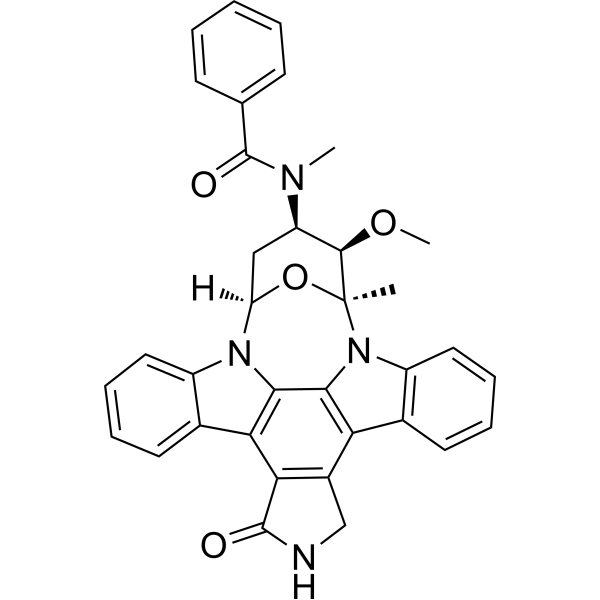 0 ImagesSynonyms: PKC412; CGP 41251Midostaurin (PKC412; CGP 41251) is an orally active, reversible multi-targeted protein kinase inhibitor. Midostaurin inhibits PKCα/β/γ, Syk, Flk-1, Akt, PKA, c-Kit, c-Fgr, c-Src, FLT3, PDFRβ and VEGFR1/2 with IC50s ranging from 22-500 nM. Midostaurin also upregulates endothelial nitric oxide synthase (eNOS) gene expression. Midostaurin shows powerful anticancer effects.
-
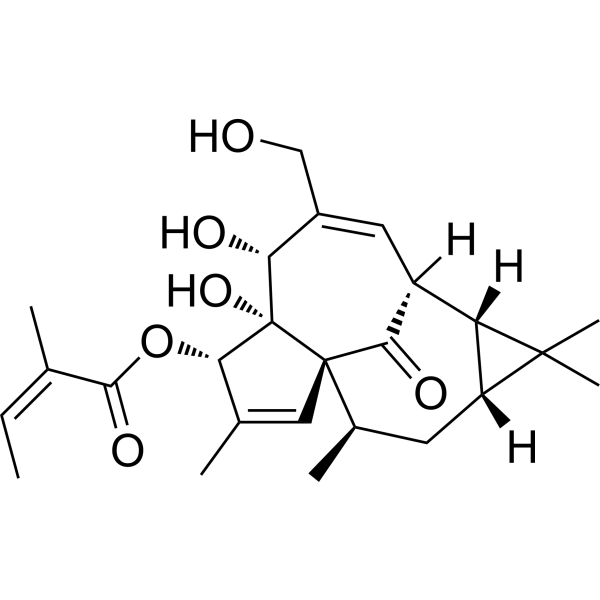
Rottlerin
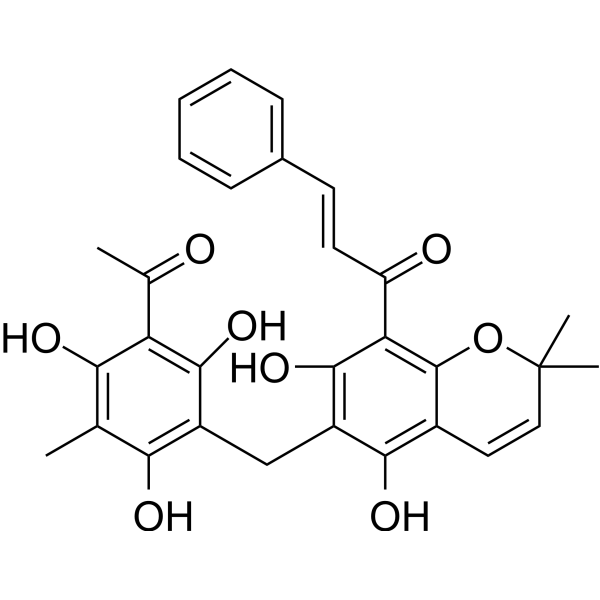 0 ImagesRottlerin, a natural product purified from Mallotus Philippinensis, is a specific PKC inhibitor, with IC50 values for PKCδ of 3-6 μM, PKCα,β,γ of 30-42 μM, PKCε,η,ζ of 80-100 μM. Rottlerin acts as a direct mitochondrial uncoupler, and stimulates autophagy by targeting a signaling cascade upstream of mTORC1. Rottlerin induces apoptosis via caspase 3 activation. Rottlerin inhibits HIV-1 integration and Rabies virus (RABV) infection.
-
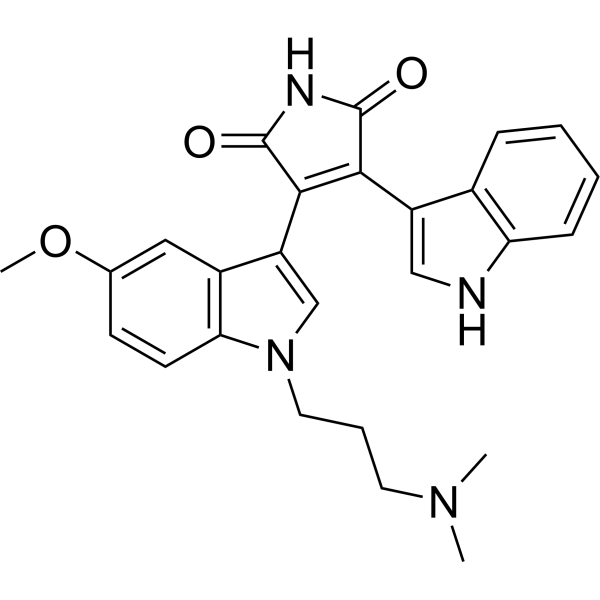
Bisindolylmaleimide III
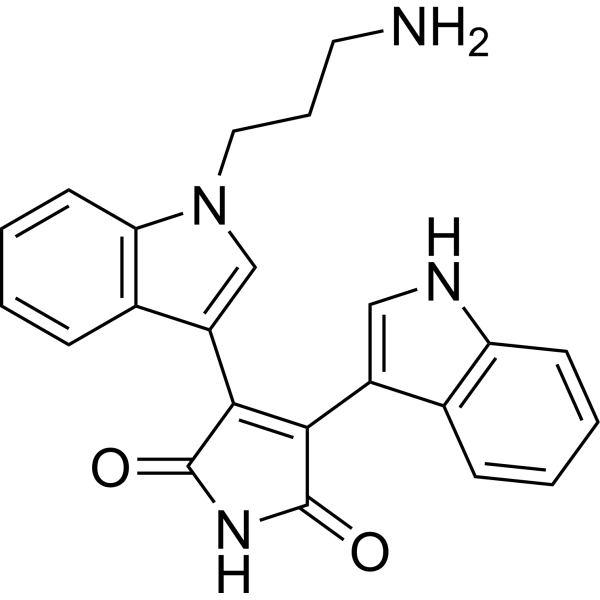 0 ImagesBisindolylmaleimide III is a protein kinase C (PKC) inhibitor with IC50 values of 0.26, 5.7, and 6 μM against PKCα, PKCδ, and PKCμ, respectively. Bisindolylmaleimide III also exhibits inhibitory activity against other off-targets, with IC50 values of 0.17, 1, and 2 μM against SLK, adenosine kinase (AK), and CDK2, respectively; its Ki for NQO2 is 16.5 μM. Bisindolylmaleimide III selectively binds to activated Rsk1 following EGF stimulation, and serves as a tool for detecting the activation status of intracellular Rsk1 and PKCα, as well as for functional analysis of SLK. Bisindolylmaleimide III can be used in studies of signal transduction and colorectal cancer.
-
OSU-2S
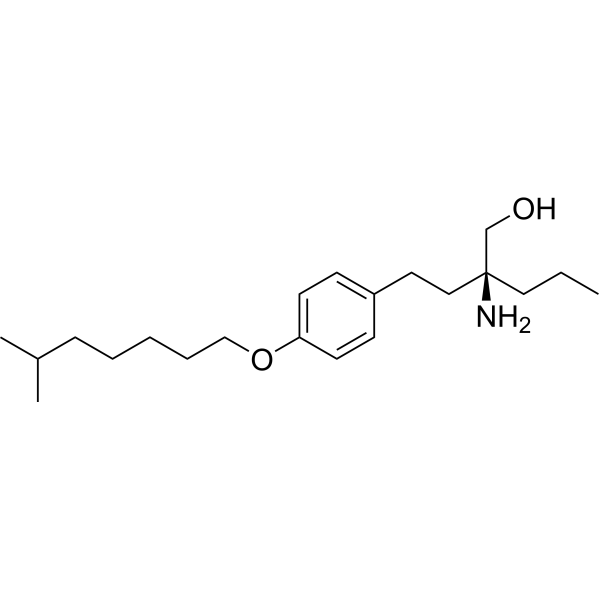 0 ImagesCat. No.: HY-117720CAS No.: 1351056-65-9OSU-2S is a non-immunosuppressive derivative of Fingolimod hydrochloride (FTY720) (HY-12005). It is an orally active, blood-brain barrier-permeable allosteric activator of PP2A that also activates PKCδ; it restores PP2A activity by displacing the inhibitory protein SET, thereby inducing ROS-PKCδ-caspase-3-dependent apoptosis, c-Myc degradation, cell cycle arrest, and differentiation. OSU-2S is used in research on diseases such as leukemia, liver cancer, lymphoma, and lung cancer.
-
18:0-22:6 DG
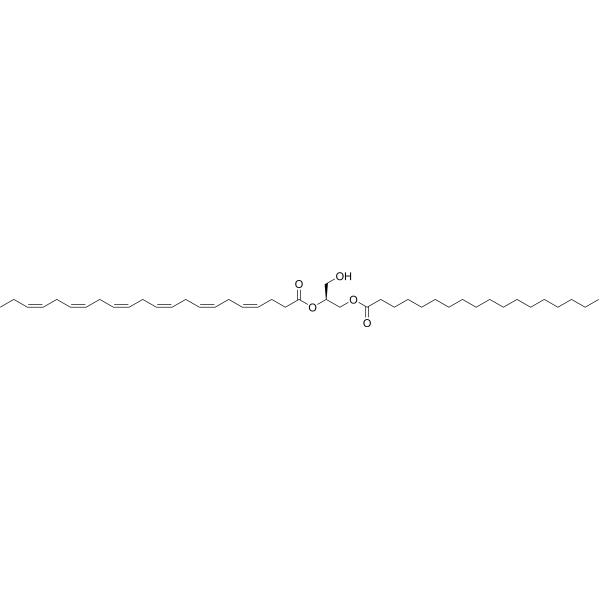 0 ImagesSynonyms: 1-Stearoyl-2-docosahexaenoyl-sn-glycerol18:0-22:6 DG (1-Stearoyl-2-docosahexaenoyl-sn-glycerol) is a diacylglycerol (DG) that can interact with RasGRP (Ras guanine nucleotide-releasing protein) (Ki = 8.37 μM) and modulate the activation of MAP kinases (such as ERK1/ERK2), which play a crucial role in cellular signaling processes. 18:0-22:6 DG can also activate protein kinase C (PKC) isozyme. 18:0-22:6 DG can be used for research of cancer, immunology and metabolic disease.
-
Ruboxistaurin
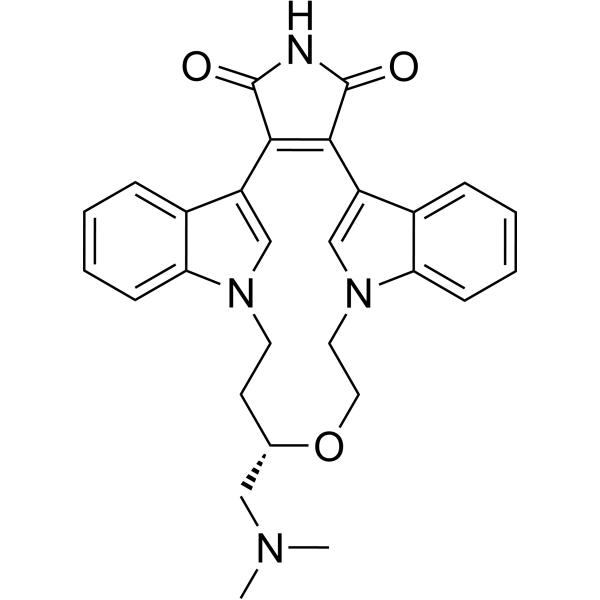 0 ImagesSynonyms: LY333531
-
(-)-Indolactam V
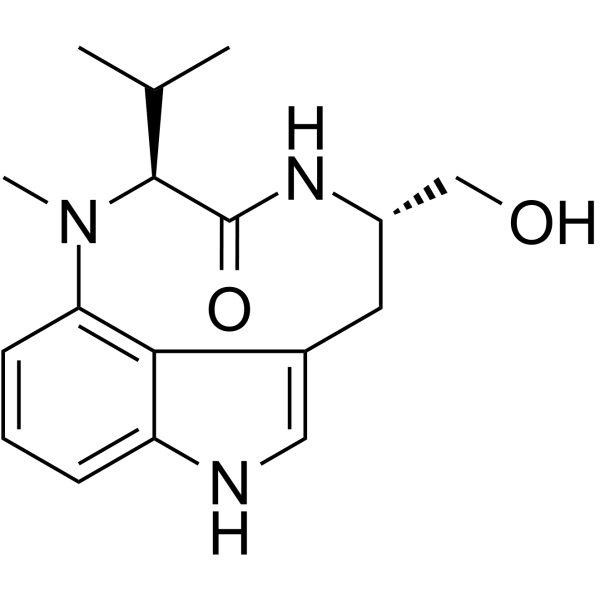 0 ImagesSynonyms: Indolactam V(-)-Indolactam V is a PKC activator, with Kis of 3.36 nM, 1.03 μM for η-CRD2 (PKCη surrogate peptide), γ-CRD2 (PKCγ surrogate peptide), and Kds of 5.5 nM (η-C1B), 7.7 nM (ε-C1B), 8.3 nM (δ-C1B), 18.9 nM (β-C1A-long), 20.8 nM (α-C1A-long), 137 nM (β-C1B), 138 nM (γ-C1A), 213 nM (γ-C1B), and has antitumor activity.
-
JW480
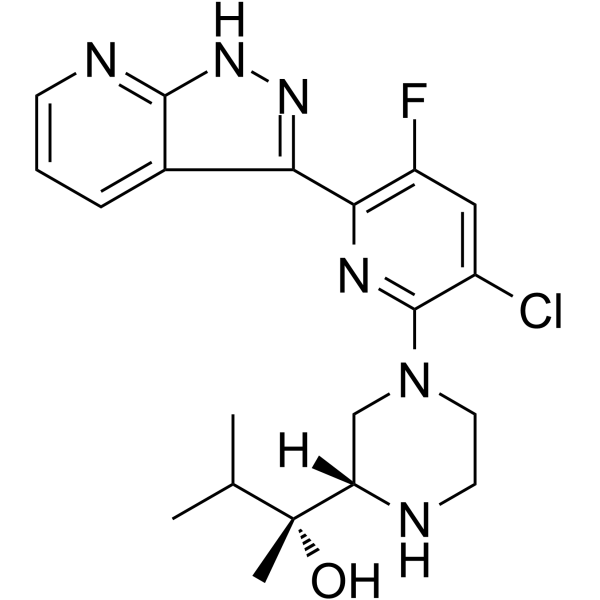
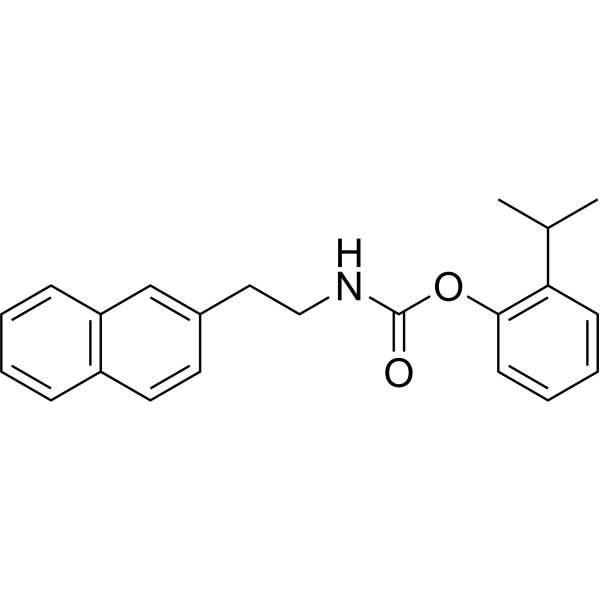 0 ImagesJW480 is a selective KIAA1363/AADACL1 inhibitor with oral activity, featuring IC50 values of 12 nM against human KIAA1363, 20 nM against mouse KIAA1363. JW480 blocks lipid deacetylase activity to restrain HAG metabolism and lowers retinyl ester hydrolase function in hepatic stellate cells. JW480 reduces MAGE lipid levels and inhibits migration, invasion, survival and tumor growth of prostate cancer cells. JW480 lowers PKCδ phosphorylation, facilitates HAGP accumulation, diminishes platelet aggregation, dense granule secretion and Ca2+ flux, delays arterial thrombosis and prolongs tail bleeding time in rats. JW480 can be used for the study of prostate cancer and thrombosis.
-
Ruboxistaurin hydrochloride
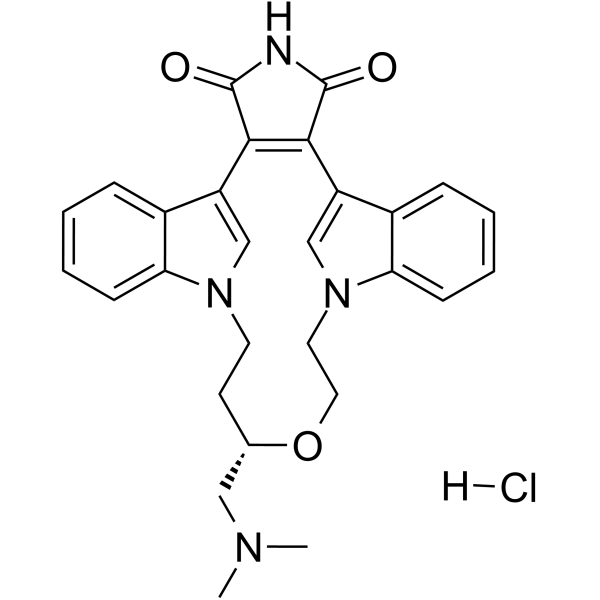 0 ImagesSynonyms: LY333531 hydrochloride
-
Maackiain
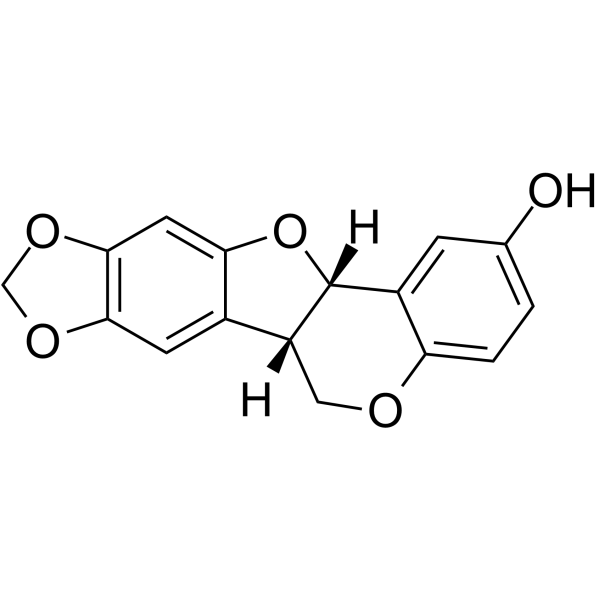 0 ImagesSynonyms: DL-MaackiainMaackiain (DL-Maackiain) is an orally active multi-target inhibitor with anti-tumor activity and neuroprotective effects. Maackiain activates the AMPK, NLRP3 and Nrf2/HO-1 pathways, and inhibits key targets such as NF-κB, mTOR, MAO-B, NFATc1 and PKCδ, thereby precisely regulating processes including apoptosis, autophagy and pyroptosis. Maackiain also effectively inhibits microglial activation, osteoclast formation, and proliferation and invasion of tumor cells, and protects dopaminergic neurons from damage. Maackiain is applicable to the research of various diseases such as Alzheimer's disease, osteoporosis, sepsis and dengue fever。
-
Delcasertib hydrochloride
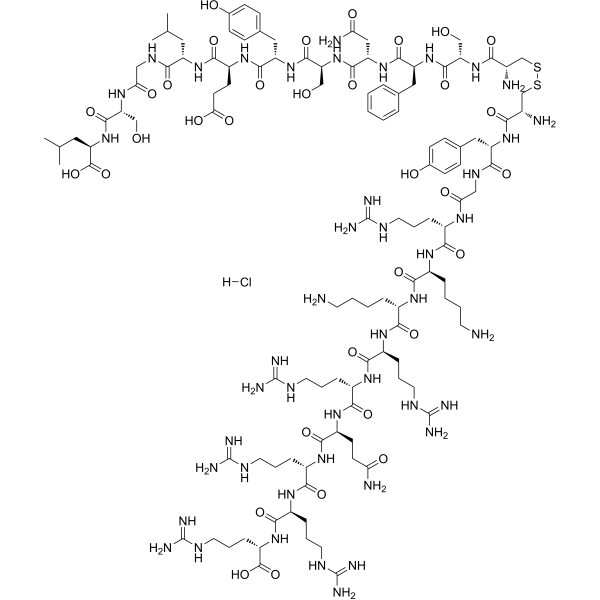 0 ImagesCat. No.: HY-106262BPurity: 98.31%Synonyms: KAI-9803 hydrochloride; BMS-875944 hydrochlorideDelcasertib (KAI-9803) hydrochloride is a potent and selective δ-protein kinase C (δPKC) inhibitor. Delcasertib (KAI-9803) hydrochloride could ameliorate injury associated with ischemia and reperfusion in animal models of acute myocardial infarction (MI).
-
PKC-theta inhibitor 1
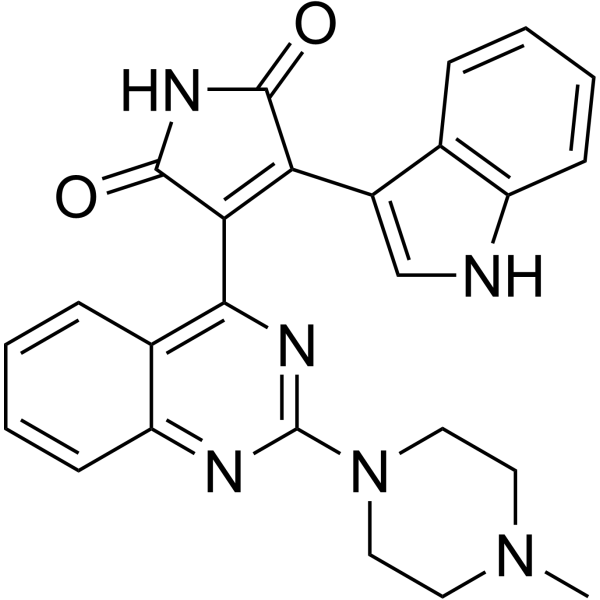
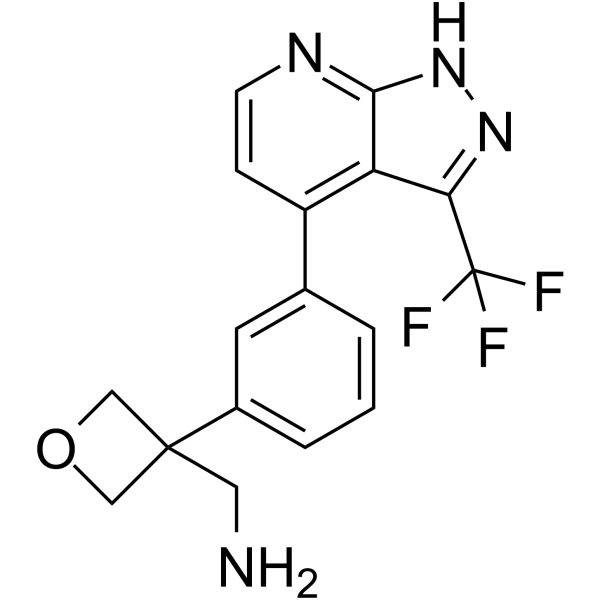 0 ImagesPKC-theta inhibitor 1 is an orally active and selective ATP-competitive inhibitor of Protein Kinase Cθ (PKCθ), with a Ki value of 6 nM. PKC-theta inhibitor 1 inhibits T-cell-mediated inflammatory responses by suppressing the release of proinflammatory cytokines (IL-2 IC50 = 0.21 μM in anti-CD3/CD28-stimulated PBMCs; IL-17 IC50 = 1 μM in CD3/CD28-stimulated Th17 cells) PKC-theta inhibitor 1 significantly reduces symptoms in mice with ongoing experimental autoimmune encephalomyelitis (EAE). PKC-theta inhibitor 1 can be used for the study of T-cell-mediated inflammatory diseases such as multiple sclerosis.
-
1,2-Dipalmitoyl-sn-glycerol
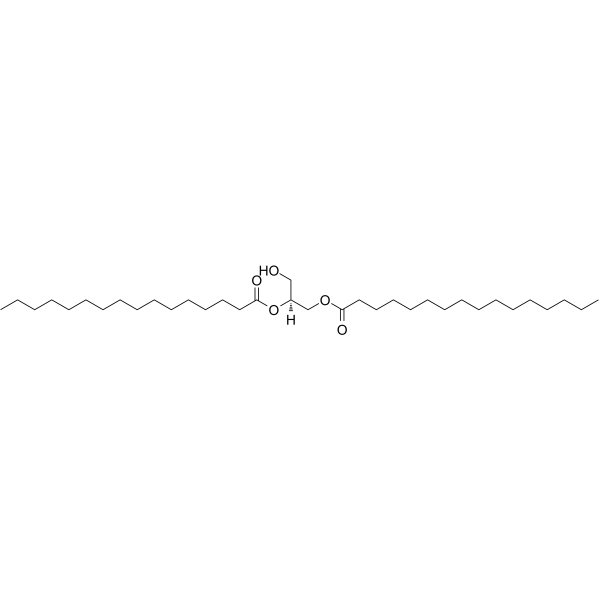 0 Images1,2-Dipalmitoyl-sn-glycerol is a diacylglycerol that activates PKC. 1,2-Dipalmitoyl-sn-glycerol promotes GLUT4 translocation to the cell surface and recruitment to the plasma membrane of adipocytes. 1,2-Dipalmitoyl-sn-glycerol can be used in research on type 2 diabetes.
-
Ruboxistaurin mesylate
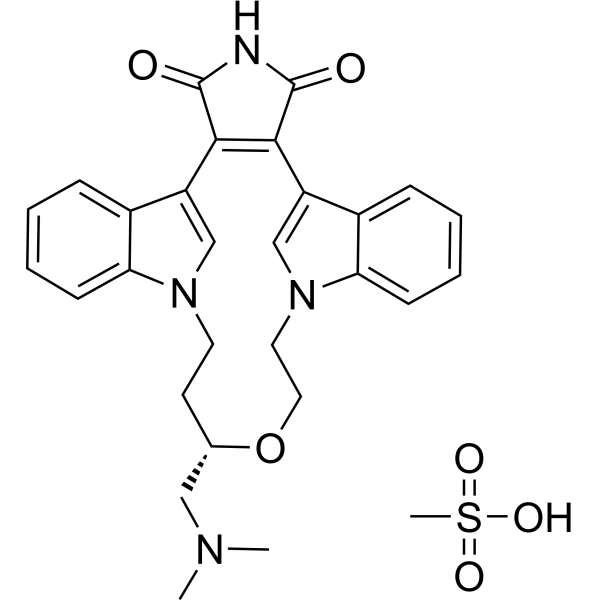 0 ImagesSynonyms: LY333531 mesylateRuboxistaurin (LY333531) mesylate is an orally active, selective and ATP competitive PKCβ inhibitor with IC50 values of 4.7 and 5.9 nM for PKCβI and PKCβII, respectively. Ruboxistaurin mesylate can be used for the research of eye disorders, heart failure and diabetes.
-
Delcasertib
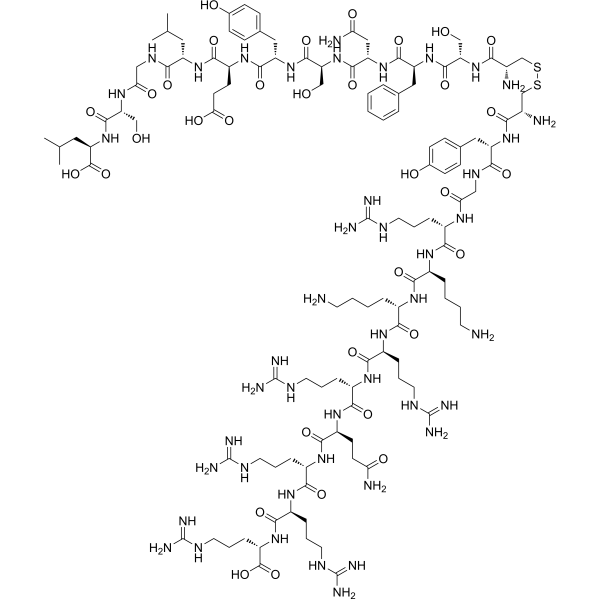 0 ImagesCat. No.: HY-106262CAS No.: 949100-39-4Synonyms: KAI-9803; BMS-875944Delcasertib (KAI-9803) is a potent and selective δ-protein kinase C (δPKC) inhibitor. Delcasertib (KAI-9803) could ameliorate injury associated with ischemia and reperfusion in animal models of acute myocardial infarction (MI).
- 1
- 2




