



PKCγ
PKCγ is a neuronal conventional protein kinase C isoform that links Ca2+-dependent signaling to cerebellar Purkinje cell excitability, motor coordination, and hippocampal synaptic plasticity[1][2]. Mechanistically, PKCγ activation suppresses dendritic BK channels in Purkinje cells, while PKCγ loss modifies hippocampal long-term potentiation and disrupts cerebellar climbing-fiber synapse elimination[1][2][3]. In disease models, PKCγ knockout mice show reduced neuropathic pain after nerve injury, and PRKCG mutations causing spinocerebellar ataxia type 14 increase kinase activity and alter membrane targeting[4][5]. Compared with PKCα and PKCβ, PKCγ has a more neuron-focused experimental profile, making isoform distinction essential when designing CNS signaling, ataxia, pain, or synaptic plasticity studies[2][3][5]. For experimental applications, broad PKC inhibitors such as GF109203X can inhibit PKCγ but should be interpreted as non-isoform-selective tools unless paired with genetic or isoform-specific validation[6].
References:
- [1]. Watanave M, et al. Protein kinase Cγ in cerebellar Purkinje cells regulates Ca2+-activated large-conductance K+ channels and motor coordination. Proc Natl Acad Sci U S A. 2022 Feb 15;119(7):e2113336119. [Content Brief]
- [2]. Abeliovich A, et al. Modified hippocampal long-term potentiation in PKC gamma-mutant mice. Cell. 1993 Dec 31;75(7):1253-62. [Content Brief]
- [3]. Kano M, et al. Impaired synapse elimination during cerebellar development in PKC gamma mutant mice. Cell. 1995 Dec 29;83(7):1223-31. [Content Brief]
- [4]. Malmberg AB, et al. Preserved acute pain and reduced neuropathic pain in mice lacking PKCgamma. Science. 1997 Oct 10;278(5336):279-83. [Content Brief]
- [5]. Verbeek DS, et al. Protein kinase C gamma mutations in spinocerebellar ataxia 14 increase kinase activity and alter membrane targeting. Brain. 2005 Feb;128(Pt 2):436-42. [Content Brief]
- [6]. Toullec D, et al. The bisindolylmaleimide GF 109203X is a potent and selective inhibitor of protein kinase C[J]. Journal of biological chemistry, 1991, 266(24): 15771-15781.
-
PKCγ Related Products (29)
Related Products (29)

-
Antibodies (1)
- 1
- 2
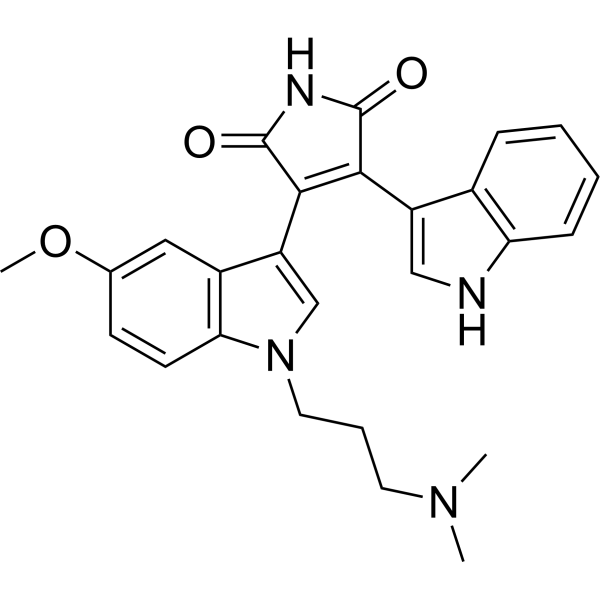
-
Midostaurin
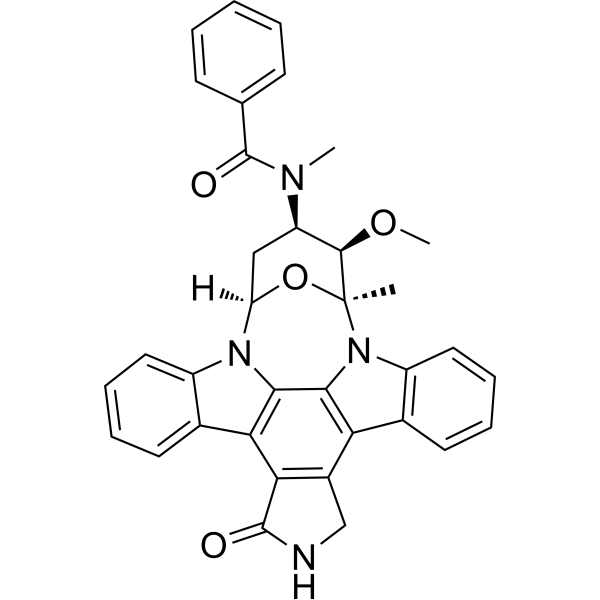 0 ImagesSynonyms: PKC412; CGP 41251Midostaurin (PKC412; CGP 41251) is an orally active, reversible multi-targeted protein kinase inhibitor. Midostaurin inhibits PKCα/β/γ, Syk, Flk-1, Akt, PKA, c-Kit, c-Fgr, c-Src, FLT3, PDFRβ and VEGFR1/2 with IC50s ranging from 22-500 nM. Midostaurin also upregulates endothelial nitric oxide synthase (eNOS) gene expression. Midostaurin shows powerful anticancer effects.
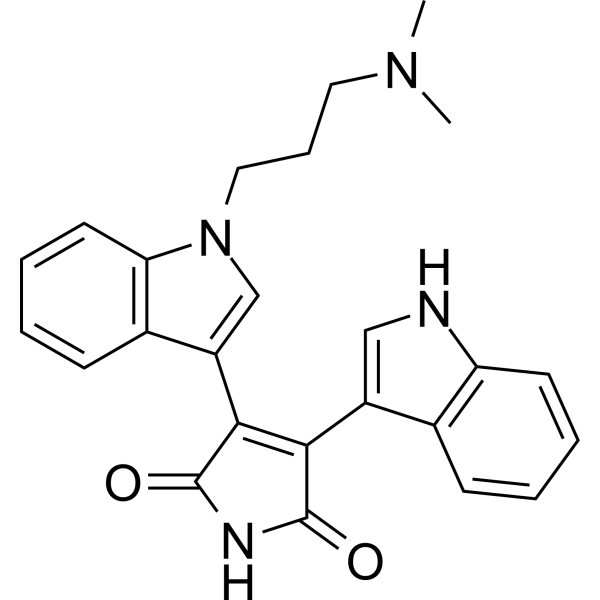
-
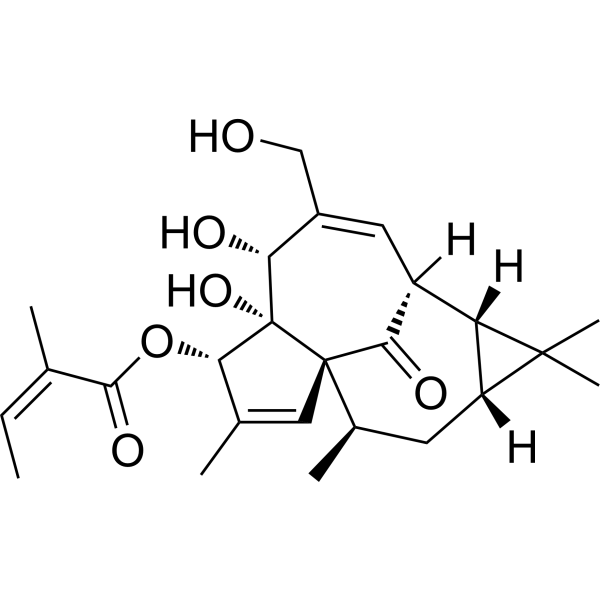
Rottlerin
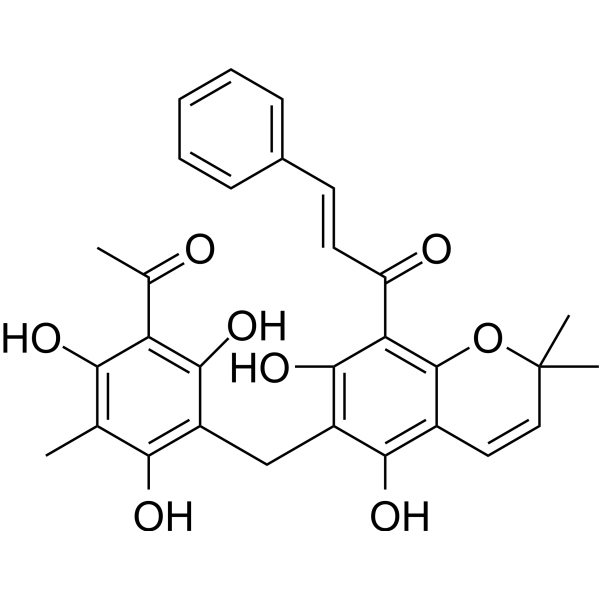 0 ImagesRottlerin, a natural product purified from Mallotus Philippinensis, is a specific PKC inhibitor, with IC50 values for PKCδ of 3-6 μM, PKCα,β,γ of 30-42 μM, PKCε,η,ζ of 80-100 μM. Rottlerin acts as a direct mitochondrial uncoupler, and stimulates autophagy by targeting a signaling cascade upstream of mTORC1. Rottlerin induces apoptosis via caspase 3 activation. Rottlerin inhibits HIV-1 integration and Rabies virus (RABV) infection.
-
18:0-22:6 DG
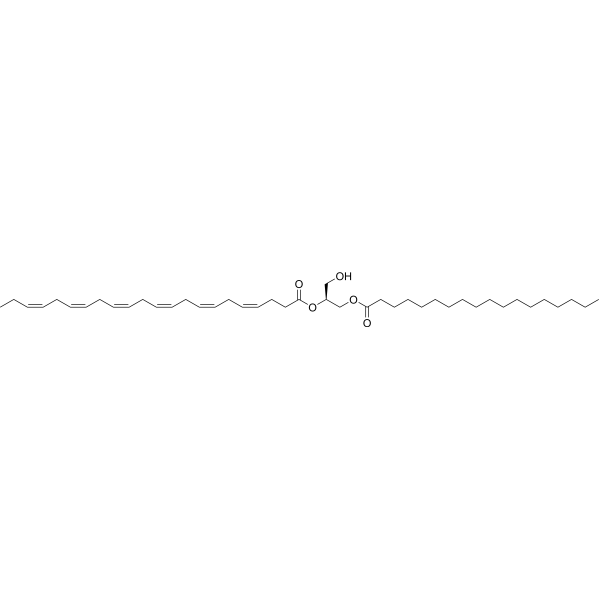 0 ImagesSynonyms: 1-Stearoyl-2-docosahexaenoyl-sn-glycerol18:0-22:6 DG (1-Stearoyl-2-docosahexaenoyl-sn-glycerol) is a diacylglycerol (DG) that can interact with RasGRP (Ras guanine nucleotide-releasing protein) (Ki = 8.37 μM) and modulate the activation of MAP kinases (such as ERK1/ERK2), which play a crucial role in cellular signaling processes. 18:0-22:6 DG can also activate protein kinase C (PKC) isozyme. 18:0-22:6 DG can be used for research of cancer, immunology and metabolic disease.
-
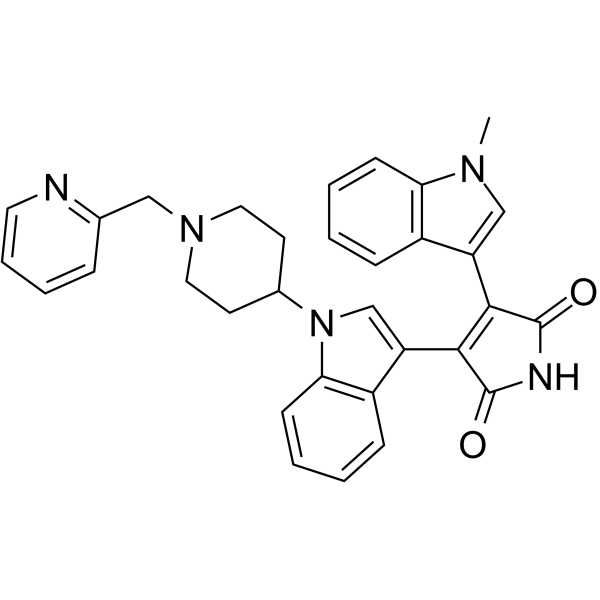
1,2-Dipalmitoyl-sn-glycerol-d9
 0 ImagesCat. No.: HY-W010736SCAS No.: 1872379-48-01,2-Dipalmitoyl-sn-glycerol-d9 is the deuterated-labeled 1,2-Dipalmitoyl-sn-glycerol (HY-W010736). 1,2-Dipalmitoyl-sn-glycerol is a diacylglycerol that activates PKC. 1,2-Dipalmitoyl-sn-glycerol promotes GLUT4 translocation to the cell surface and recruitment to the plasma membrane of adipocytes. 1,2-Dipalmitoyl-sn-glycerol can be used in research on type 2 diabetes.
-
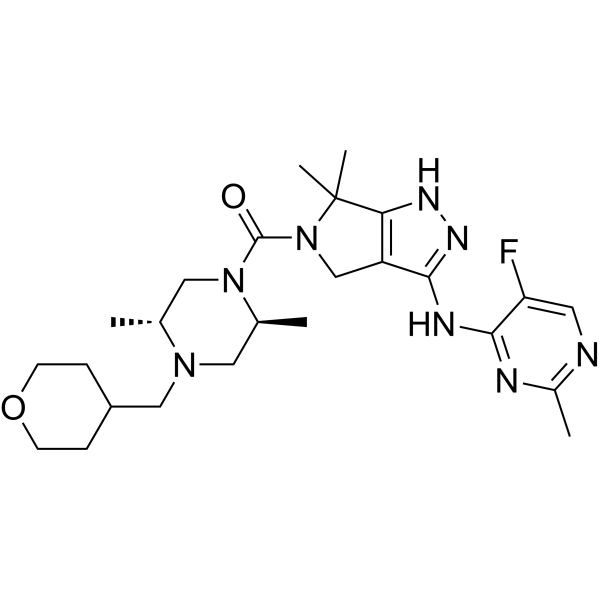
Ruboxistaurin
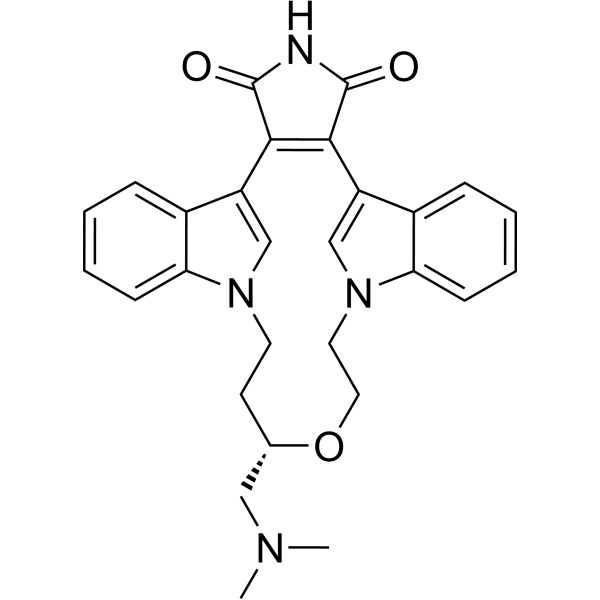 0 ImagesSynonyms: LY333531
-
Ro 31-8220 mesylate
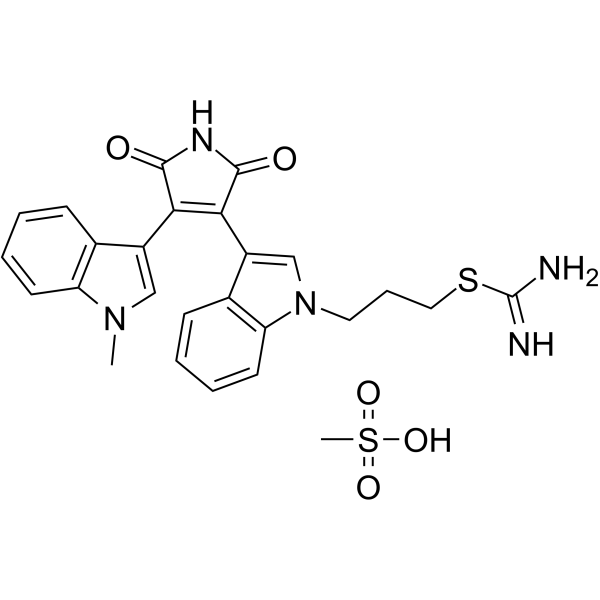 0 ImagesSynonyms: Ro 31-8220 methanesulfonate; Bisindolylmaleimide IX mesylateRo 31-8220 mesylate is a potent PKC inhibitor, with IC50s of 5, 24, 14, 27, 24 and 23 nM for PKCα, PKCβI, PKCβII, PKCγ, PKCε and rat brain PKC, respectively. Ro 31-8220 also significantly inhibits MAPKAP-K1b, MSK1, S6K1 and GSK3β (IC50s, 3, 8, 15, and 38 nM, respectively), with no effect on MKK3, MKK4, MKK6 and MKK7. Ro 31-8220 mesylate can also inhibit the expression of MKP-1, induce the expression of c-Jun, and activate JNK, and these effects possess pharmacological properties independent of PKC.
-
(-)-Indolactam V
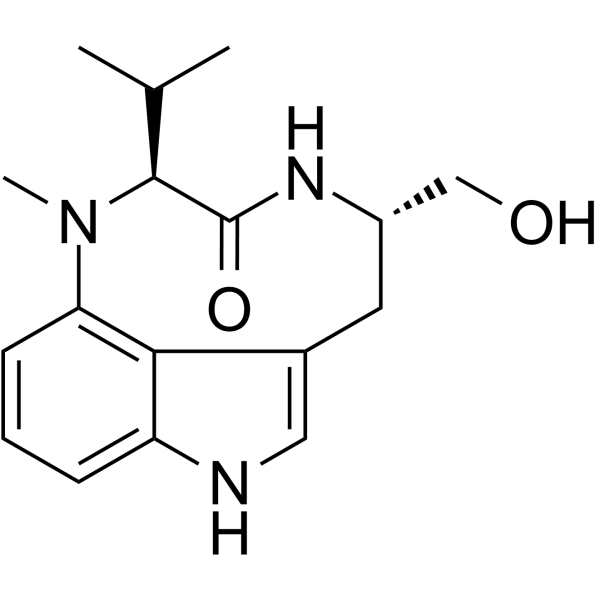 0 ImagesSynonyms: Indolactam V(-)-Indolactam V is a PKC activator, with Kis of 3.36 nM, 1.03 μM for η-CRD2 (PKCη surrogate peptide), γ-CRD2 (PKCγ surrogate peptide), and Kds of 5.5 nM (η-C1B), 7.7 nM (ε-C1B), 8.3 nM (δ-C1B), 18.9 nM (β-C1A-long), 20.8 nM (α-C1A-long), 137 nM (β-C1B), 138 nM (γ-C1A), 213 nM (γ-C1B), and has antitumor activity.
-
Ruboxistaurin hydrochloride
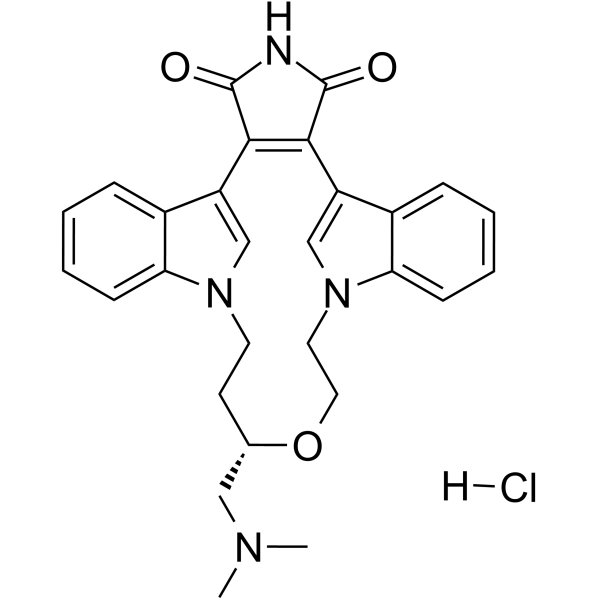 0 ImagesSynonyms: LY333531 hydrochloride
-
Bisindolylmaleimide I hydrochloride
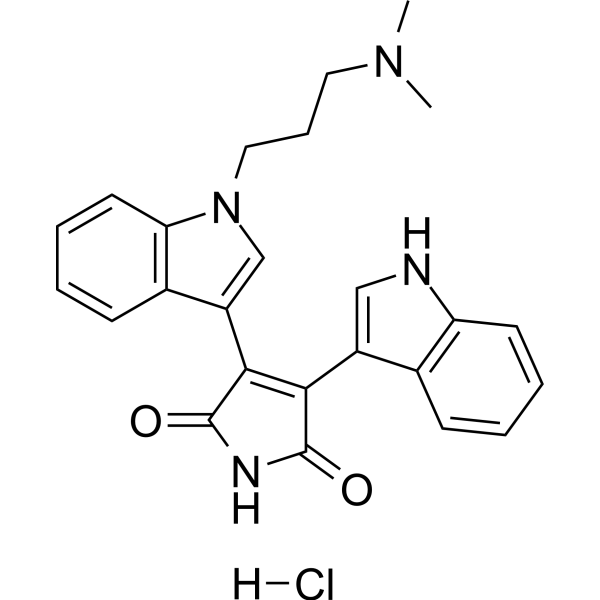 0 ImagesSynonyms: GF109203X hydrochloride; Go 6850 hydrochloride
-
Bisindolylmaleimide VIII acetate
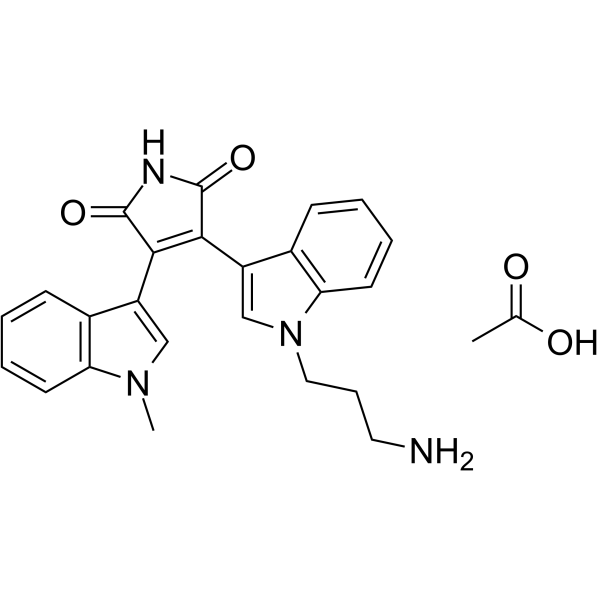 0 ImagesSynonyms: Ro 31-7549 acetate; Bis VIII acetateBisindolylmaleimide VIII acetate (Ro 31-7549 acetate) is a potent and selective protein kinase C (PKC) inhibitor with an IC50 of 158 nM for rat brain PKC. Bisindolylmaleimide VIII acetate has IC50s of 53, 195, 163, 213, and 175 nM for PKC-α, PKC-βI, PKC-βII, PKC-γ, PKC-ε, respectively. Bisindolylmaleimide VIII acetate facilitates Fas-mediated apoptosis and inhibits T cell-mediated autoimmune diseases.
-
Ro 31-8220 formic
 0 ImagesCat. No.: HY-13866BPurity: 99.76%Synonyms: Bisindolylmaleimide IX formicRo 31-8220 formic is a potent PKC inhibitor, with IC50s of 5, 24, 14, 27, 24 and 23 nM for PKCα, PKCβI, PKCβII, PKCγ, PKCε and rat brain PKC, respectively. Ro 31-8220 formic also significantly inhibits MAPKAP-K1b, MSK1, S6K1 and GSK3β (IC50s, 3, 8, 15, and 38 nM, respectively). Ro 31-8220 formic can also inhibit the expression of MKP-1, induce the expression of c-Jun, and activate JNK, and these effects possess pharmacological properties independent of PKC.
-
1,2-Dipalmitoyl-sn-glycerol
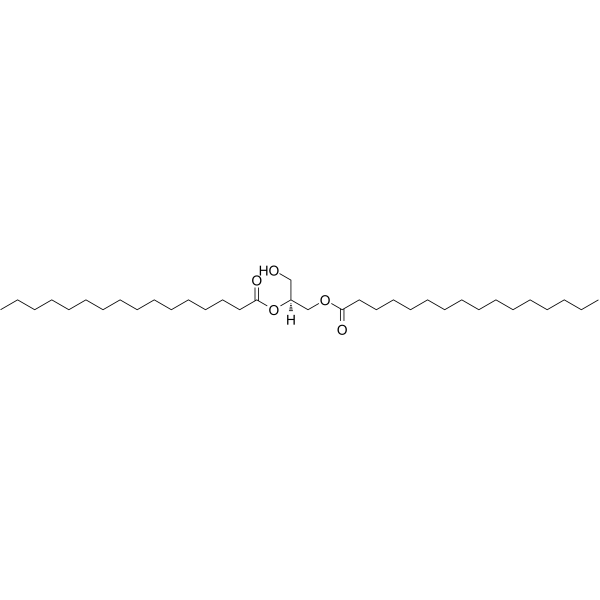 0 Images1,2-Dipalmitoyl-sn-glycerol is a diacylglycerol that activates PKC. 1,2-Dipalmitoyl-sn-glycerol promotes GLUT4 translocation to the cell surface and recruitment to the plasma membrane of adipocytes. 1,2-Dipalmitoyl-sn-glycerol can be used in research on type 2 diabetes.
-
Bisindolylmaleimide XI hydrochloride
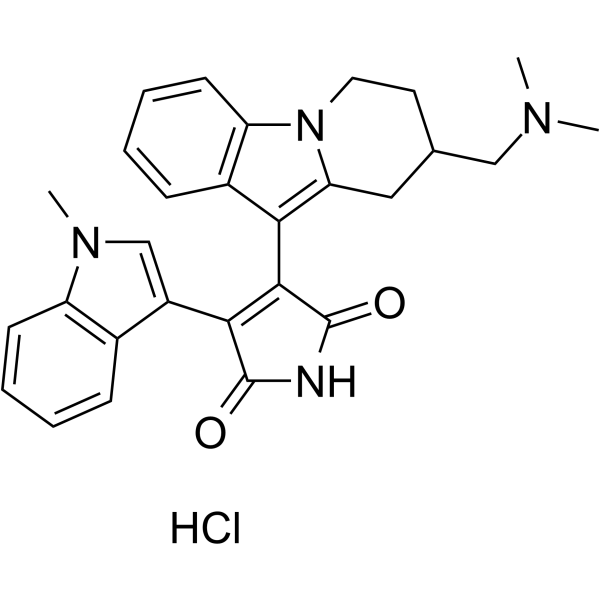 0 ImagesSynonyms: Ro 32-0432; Ro 31-8830 hydrochloride
-
Ruboxistaurin mesylate
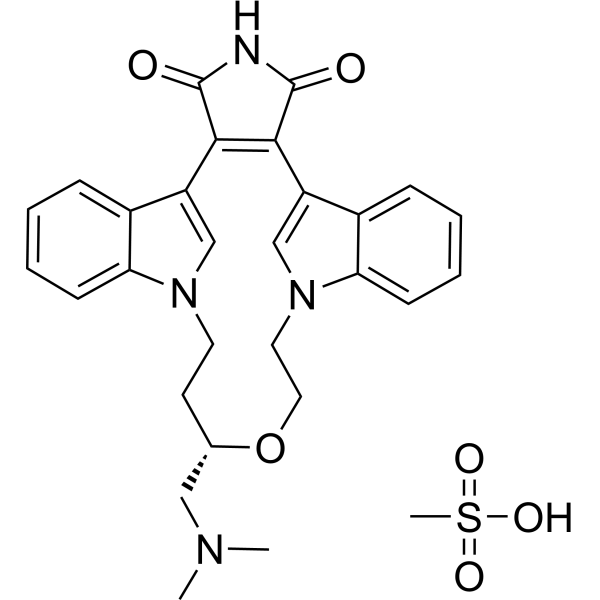 0 ImagesSynonyms: LY333531 mesylateRuboxistaurin (LY333531) mesylate is an orally active, selective and ATP competitive PKCβ inhibitor with IC50 values of 4.7 and 5.9 nM for PKCβI and PKCβII, respectively. Ruboxistaurin mesylate can be used for the research of eye disorders, heart failure and diabetes.
-
(S)-Ro 32-0432
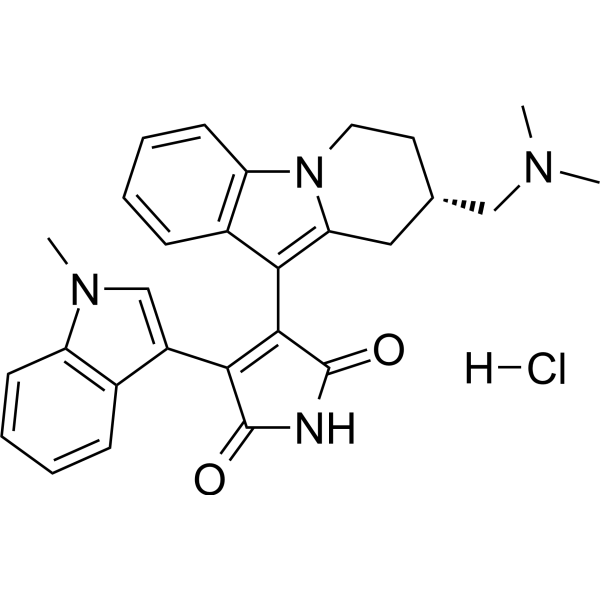 0 ImagesCat. No.: HY-108601ACAS No.: 1781828-85-0(S)-Ro 32-0432 is a potent, selective, ATP-competitive and orally active PKC inhibitor. The IC50 values of (S)-Ro 32-0432 for PKCα, PKCβI, PKCβII, PKCγ and PKCε are 9.3 nM, 28 nM, 30 nM, 36.5 nM and 108.3 nM, respectively. (S)-Ro 32-0432 is also a selective G protein-coupled receptor kinase 5 (GRK5) inhibitor. (S)-Ro 32-0432 prevents T-cell activation and has the potential for chronic inflammatory and autoimmune diseases research.
- 1
- 2




