



PKCζ
PKCζ is an atypical protein kinase C isoform that regulates NF-κB, T-cell polarity, Th2 differentiation, and B-cell maturation through PB1-domain signaling networks[1][2]. Mechanistically, PKCζ can act as a positive regulator of NF-κB through RelA regulation, while also showing inflammatory suppressor activity through interleukin-4 signaling[1]. In immune signaling, PKCζ and PKCλ/ι interact with adapters including p62 and Par-6 to connect NF-κB and cell-polarity pathways[2]. In disease models, PKCζ participates in VEGF-induced endothelial permeability and blood-retinal barrier dysfunction, and atypical PKC inhibitors prevented VEGF-induced tight junction internalization and retinal endothelial permeability in rodent retina[3]. Compared with conventional or novel PKC isoforms, PKCζ showed isoform-specific behavior because TPA changed the localization of PKCα, β1, β2, γ, δ, ε, and η, but not PKCζ or ι[4]. In retinal physiology, PKCζ inhibition reduced melatonin-induced increases in scotopic ERG a- and b-wave amplitudes, and PKCζ knockout mice failed to show this melatonin response[5]. - PKCζ links inflammatory signaling, lymphocyte polarity, and barrier regulation across immune and retinal models[1][2][3]. - Isoform distinction matters because PKCζ differs from conventional and novel PKC translocation responses[4]. - PKCζ pseudosubstrate and atypical PKC inhibitors support pathway validation in functional experiments[3][5].
References:
- [1]. Diaz-Meco MT, et al. The atypical PKCs in inflammation: NF-κB and beyond. Immunol Rev. 2012 Mar;246(1):154-67. [Content Brief]
- [2]. Martin P, et al. Th1/Th2 Differentiation and B Cell Function by the Atypical PKCs and Their Regulators. Front Immunol. 2012 Aug 6;3:241. [Content Brief]
- [3]. Titchenell PM, et al. Novel atypical PKC inhibitors prevent vascular endothelial growth factor-induced blood-retinal barrier dysfunction. Biochem J. 2012 Sep 15;446(3):455-67. [Content Brief]
- [4]. Kazi JU, et al. Isoform-specific translocation of PKC isoforms in NIH3T3 cells by TPA. Biochem Biophys Res Commun. 2007 Dec 14;364(2):231-7. [Content Brief]
- [5]. Piano I, et al. Heteromeric MT1/MT2 melatonin receptors modulate the scotopic electroretinogram via PKCζ in mice. Exp Eye Res. 2018 Dec;177:50-54. [Content Brief]
All Product Categories
-
PKCζ Related Products (14)
Related Products (14)

-
Antibodies (1)
- 1
-
Midostaurin
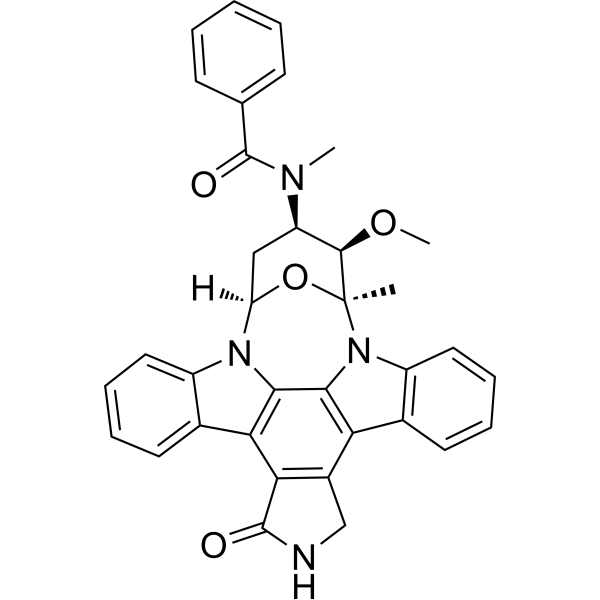 0 ImagesSynonyms: PKC412; CGP 41251Midostaurin (PKC412; CGP 41251) is an orally active, reversible multi-targeted protein kinase inhibitor. Midostaurin inhibits PKCα/β/γ, Syk, Flk-1, Akt, PKA, c-Kit, c-Fgr, c-Src, FLT3, PDFRβ and VEGFR1/2 with IC50s ranging from 22-500 nM. Midostaurin also upregulates endothelial nitric oxide synthase (eNOS) gene expression. Midostaurin shows powerful anticancer effects.
-
Rottlerin
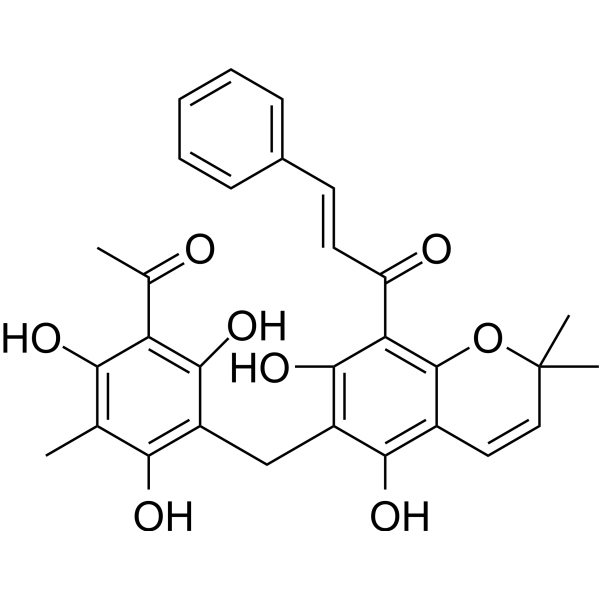 0 ImagesRottlerin, a natural product purified from Mallotus Philippinensis, is a specific PKC inhibitor, with IC50 values for PKCδ of 3-6 μM, PKCα,β,γ of 30-42 μM, PKCε,η,ζ of 80-100 μM. Rottlerin acts as a direct mitochondrial uncoupler, and stimulates autophagy by targeting a signaling cascade upstream of mTORC1. Rottlerin induces apoptosis via caspase 3 activation. Rottlerin inhibits HIV-1 integration and Rabies virus (RABV) infection.

-
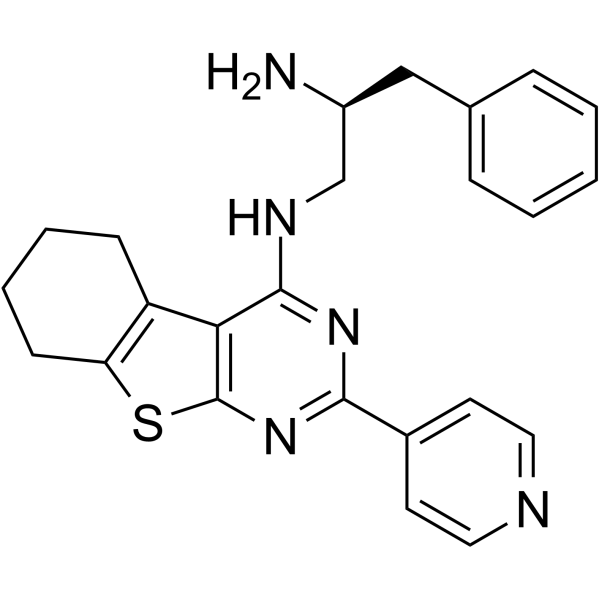
PKCζ-IN-2
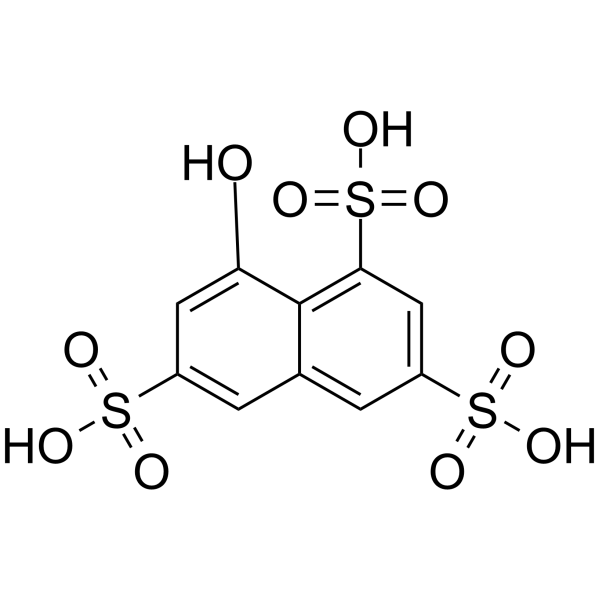
 0 ImagesCat. No.: HY-208740CAS No.: 2488951-93-3PKCζ-IN-2 is an orally active, selective PKCζ inhibitor with an IC50 of 0.1 nM. As an anti-inflammatory agent, PKCζ-IN-2 reduces joint swelling and ameliorates disease progression in a mouse collagen-induced arthritis model. PKCζ-IN-2 can be used for the research of rheumatoid arthritis.
-
PS432
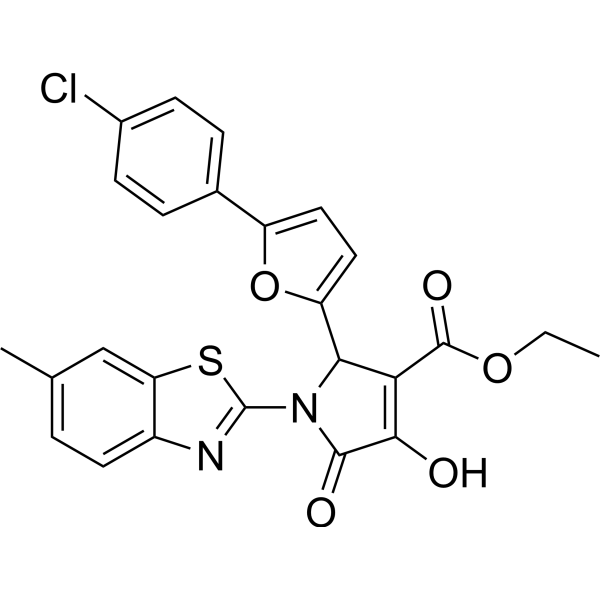 0 ImagesPS432 is a PKC inhibitor with IC50s of 16.9 μM (PKCι) and 18.5 μM (PKCζ), respectively. PS432 effectively inhibits the proliferation of non-small cell lung cancer cells (NSCLCs) and tumor growth in mouse xenograft models.
-
Spisulosine
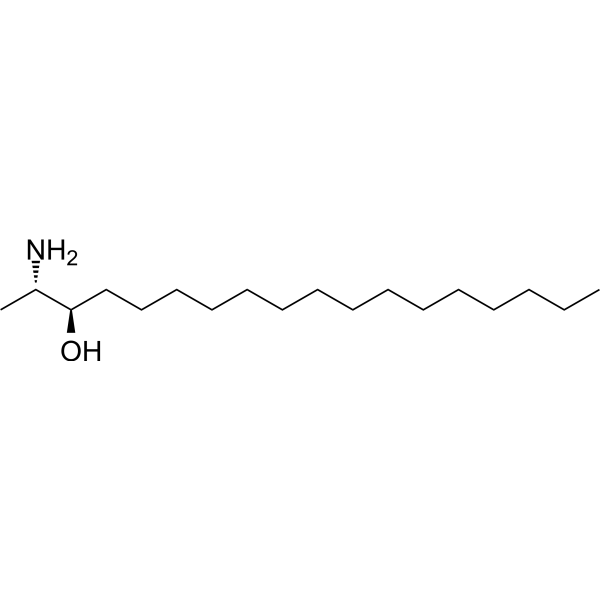 0 ImagesSynonyms: ES-285
-
Cathepsin G
 0 ImagesCat. No.: HY-P3012CAS No.: 107200-92-0Cathepsin G is a pH-dependent serine protease. Cathepsin G hydrolyzes diverse synthetic and protein substrates and remodels extracellular matrix. Cathepsin G exerts immunomodulatory effects via recruiting phagocytes, enhancing T cell motility, activating ERK1/2 and p38 MAPK signaling, and mediating PKCζ membrane translocation. Cathepsin G regulates inflammatory responses by cleaving inflammatory mediators. Cathepsin G participates in vascular regulation by converting angiotensin I to angiotensin II. Cathepsin G induces PAR4-dependent platelet activation, facilitates platelet-neutrophil aggregation, and mediates VITT-related NETosis, thrombus formation. Cathepsin G can be used for the research of immune thrombotic thrombocytopenia, cardiovascular disease, and select autoimmune and inflammatory diseases.
-
ζ-Stat trisodium
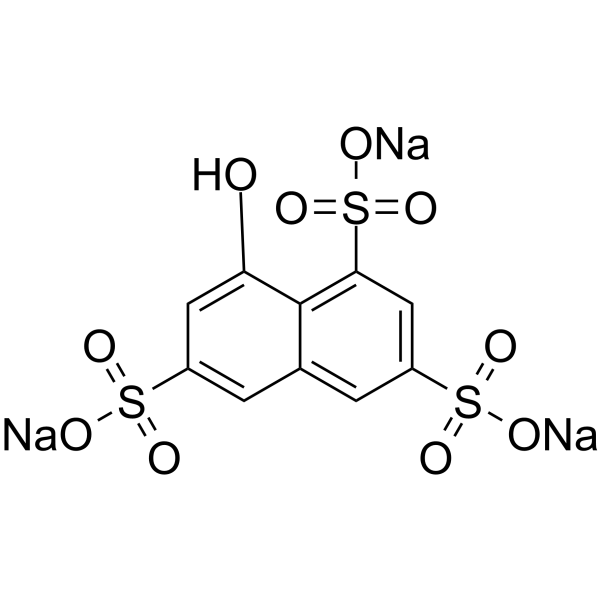 0 ImagesCat. No.: HY-123979ACAS No.: 31894-34-5Synonyms: NSC37044 trisodium
-
Niazirin
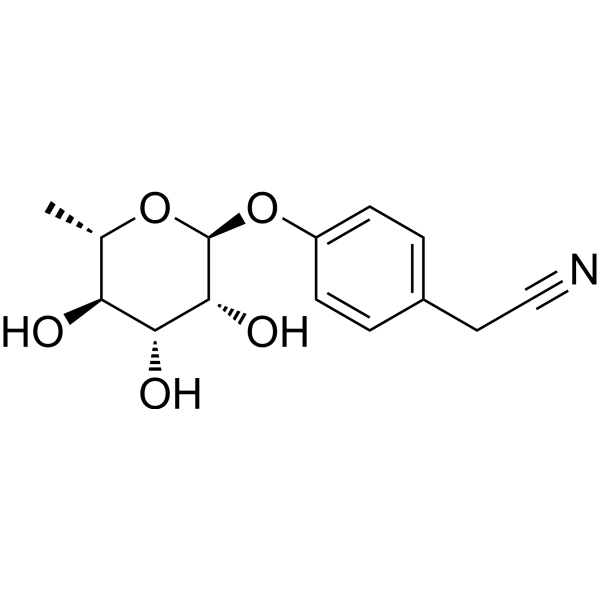 0 ImagesNiazirin is an orally active antioxidant. Niazirin can be isolated from Moringa oleifera Lam. Niazirin reduces the production levels of ROS and MDA, while increasing the levels of superoxide dismutase SOD and glutathione peroxidase GPx. Niazirin also abolishes high glucose-induced PKCζ activation and inhibits Nox4 protein expression. Niazirin exhibits excellent free radical scavenging activity. Niazirin significantly inhibits high glucose-induced proliferation of vascular smooth muscle cells. Niazirin can be used in the research of diabetic atherosclerosis.
-
PS315
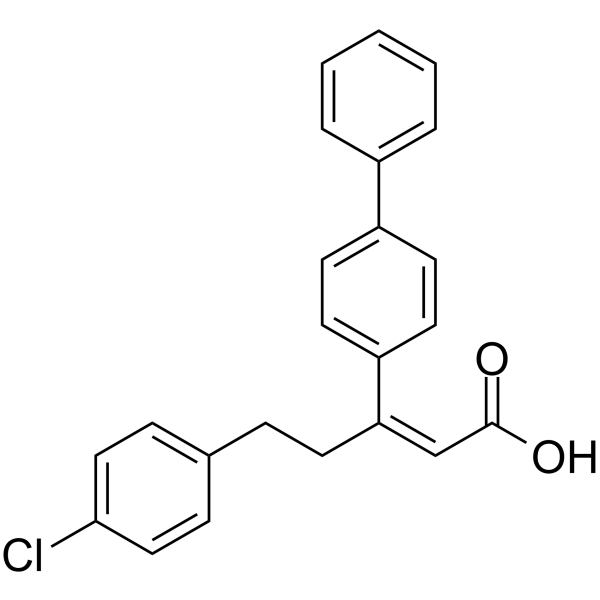 0 ImagesCat. No.: HY-124308CAS No.: 1221964-50-6PS315, a derivative of PS48 (HY-15967), is an allosteric PKC inhibitor by binding to the PIF-pocket of aPKC and inducing a displacement of the active site residue Lys111. PS315 inhibits the full-length and catalytic domain constructs of PKCζ (IC50=10 μM) and PKCη (IC50=30 μM). PS315 has anti-cancer activity.
- 1




