



PKCθ
PKCθ (protein kinase C theta, PRKCQ) is a member of the novel protein kinase C family that is selectively enriched in T lymphocytes and functions as a central mediator of antigen receptor signaling during adaptive immune responses[1]. Upon productive T-cell receptor (TCR) engagement and CD28 costimulation, PKCθ is recruited to the immunological synapse, where it integrates signaling events required for full T-cell activation and interleukin-2 production[1][2]. Mechanistically, PKCθ promotes activation of the transcription factors NF-κB, AP-1, and NFAT, thereby controlling T-cell activation, proliferation, survival, and differentiation programs[1][3]. Phosphorylation-dependent regulation further governs PKCθ activity, membrane translocation, and downstream signaling efficiency during TCR-mediated responses[3]. In disease-related contexts, PKCθ has been implicated in autoimmune and inflammatory processes through its regulation of effector T-cell function, T helper cell differentiation, and immune homeostasis[3][4]. PKCθ also contributes to the balance between regulatory T cells and effector T cells, linking its activity to immune tolerance and pathogenic immune responses[5]. Compared with related PKC isoforms, PKCθ displays a distinctive localization to the immunological synapse and a particularly prominent role in mature T-cell activation, making it a functionally specialized signaling kinase within the PKC family[1][6]. For experimental applications, selective PKCθ inhibitors have been developed to suppress T-cell activation and cytokine production, supporting the use of PKCθ as a therapeutic and pharmacological target in studies of autoimmunity, transplantation, and T-cell-mediated inflammatory diseases[4][7].
Verweise:
- [1]. Zanin-Zhorov A, et al. PKC-θ function at the immunological synapse: prospects for therapeutic targeting. Trends Immunol. 2011 Aug;32(8):358-63. [Content Brief]
- [2]. Krogsgaard M, et al. A role for \"self\" in T-cell activation. Semin Immunol. 2007 Aug;19(4):236-44. [Content Brief]
- [3]. Brezar V, et al. PKC-Theta in Regulatory and Effector T-cell Functions. Front Immunol. 2015 Oct 13;6:530. [Content Brief]
- [4]. Fu G, et al. Protein kinase C η is required for T cell activation and homeostatic proliferation. Sci Signal. 2011 Dec 6;4(202):ra84. [Content Brief]
- [5]. Papa P, et al. Discovery of the Selective Protein Kinase C-θ Kinase Inhibitor, CC-90005. J Med Chem. 2021 Aug 26;64(16):11886-11903. [Content Brief]
All Product Categories
-
PKCθ Verwandte Produkte (21)
Verwandte Produkte (21)

- 1
- 2
-
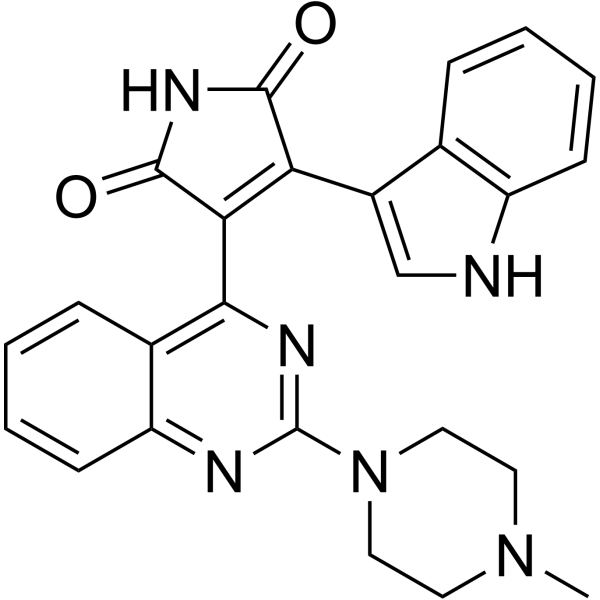
Darovasertib
 0 ImagesSynonyms: LXS196; IDE196
-
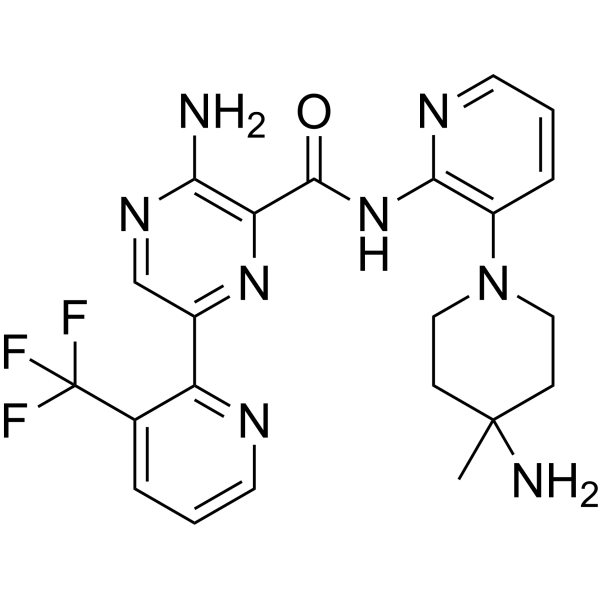
Afuresertib
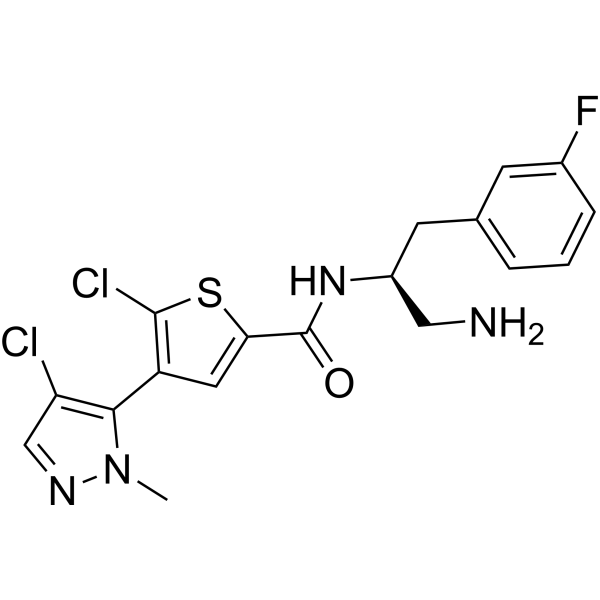 0 ImagesSynonyms: GSK2110183; LAE002Afuresertib (GSK2110183) is an orally bioavailable, selective, ATP-competitive and potent pan-Akt kinase inhibitor with Kis of 0.08/2/2.6 nM for Akt1/Akt2/Akt3, respectively.
-
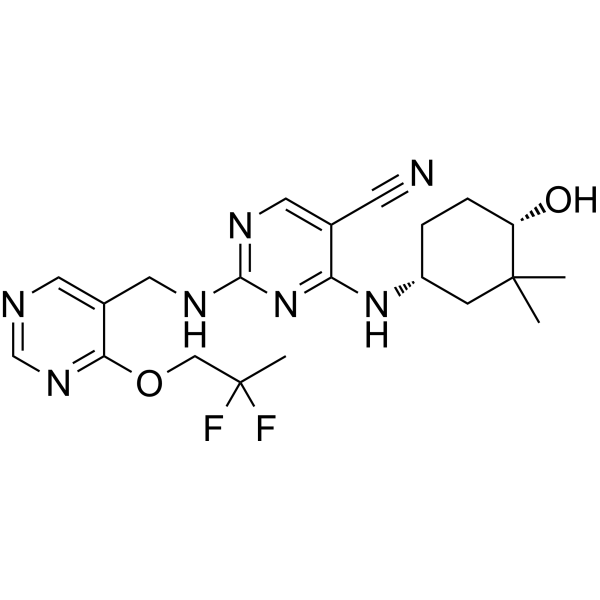
(-)-Indolactam V
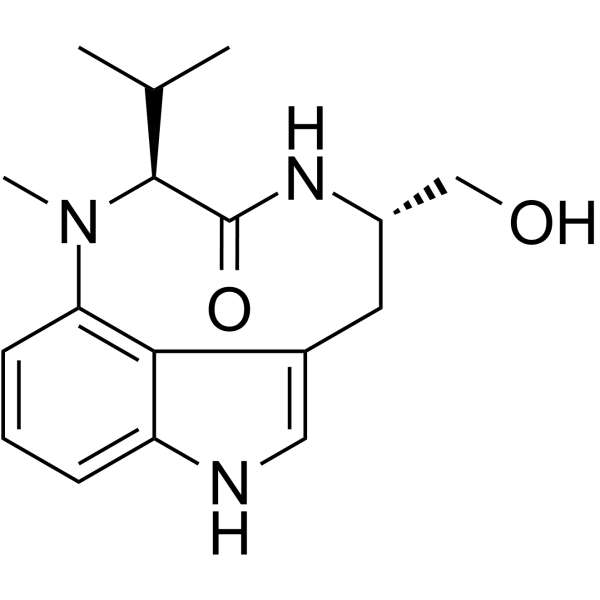 0 ImagesSynonyms: Indolactam V(-)-Indolactam V is a PKC activator, with Kis of 3.36 nM, 1.03 μM for η-CRD2 (PKCη surrogate peptide), γ-CRD2 (PKCγ surrogate peptide), and Kds of 5.5 nM (η-C1B), 7.7 nM (ε-C1B), 8.3 nM (δ-C1B), 18.9 nM (β-C1A-long), 20.8 nM (α-C1A-long), 137 nM (β-C1B), 138 nM (γ-C1A), 213 nM (γ-C1B), and has antitumor activity.
-
18:0-22:6 DG
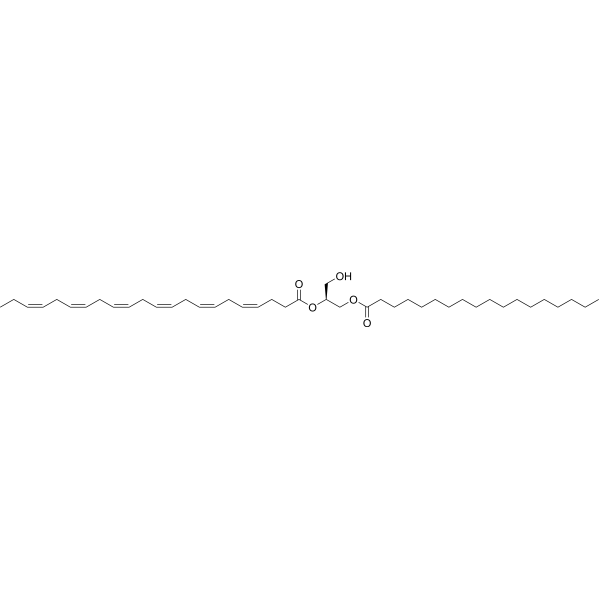 0 ImagesSynonyms: 1-Stearoyl-2-docosahexaenoyl-sn-glycerol18:0-22:6 DG (1-Stearoyl-2-docosahexaenoyl-sn-glycerol) is a diacylglycerol (DG) that can interact with RasGRP (Ras guanine nucleotide-releasing protein) (Ki = 8.37 μM) and modulate the activation of MAP kinases (such as ERK1/ERK2), which play a crucial role in cellular signaling processes. 18:0-22:6 DG can also activate protein kinase C (PKC) isozyme. 18:0-22:6 DG can be used for research of cancer, immunology and metabolic disease.
-
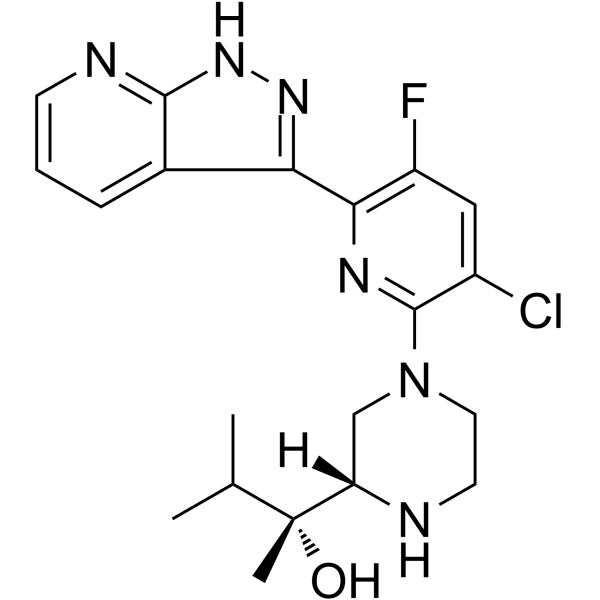
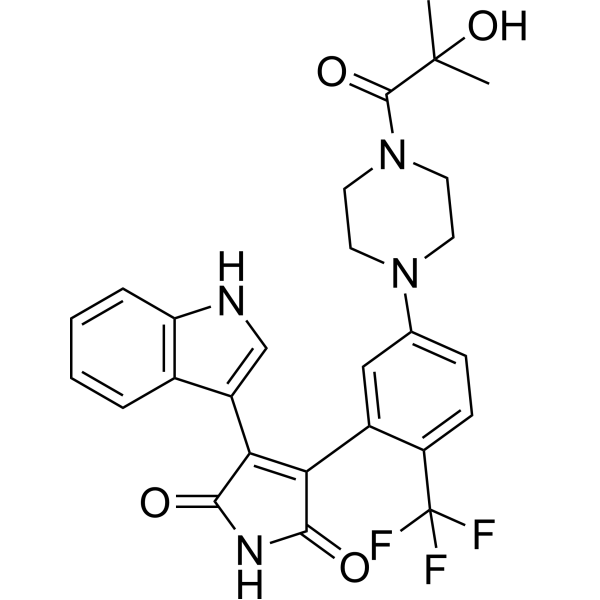
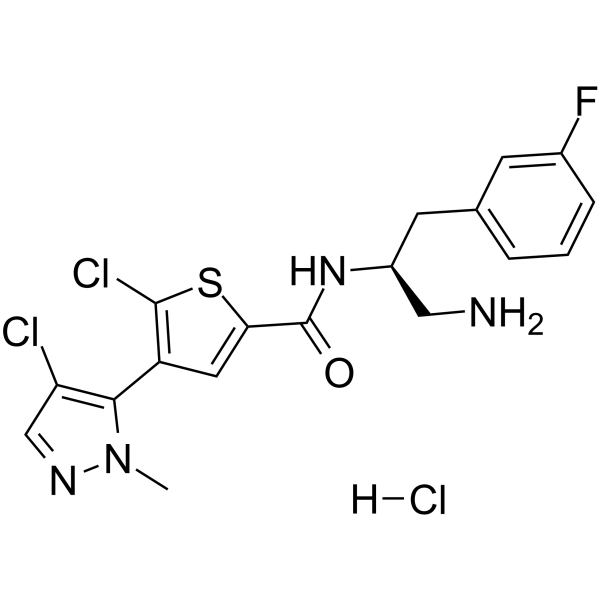
PKC-theta inhibitor 2
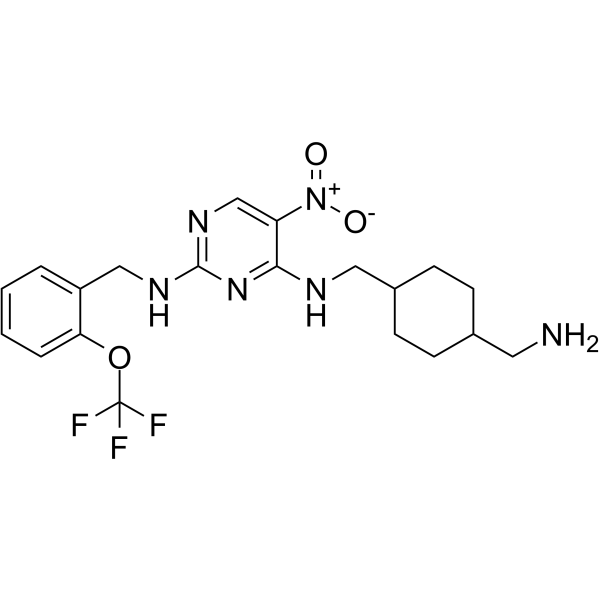 0 ImagesPKC-theta inhibitor 2 is a potent and selective PKC-θ inhibitor with an IC50 value of 18 nM.
-
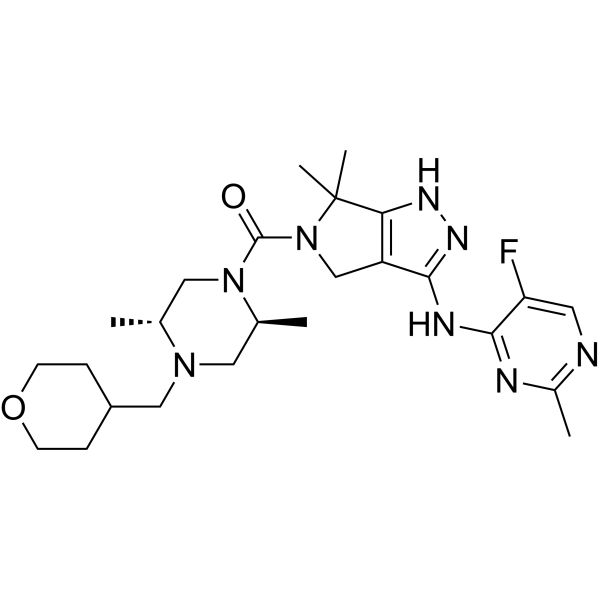
PKC-theta inhibitor 1
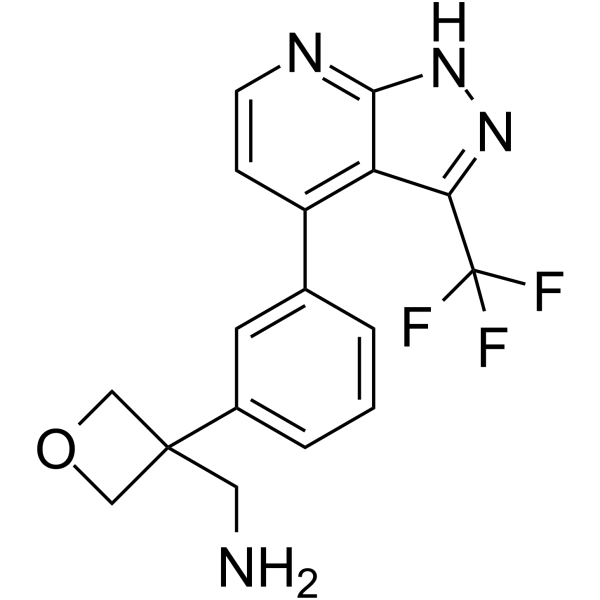 0 ImagesPKC-theta inhibitor 1 is an orally active and selective ATP-competitive inhibitor of Protein Kinase Cθ (PKCθ), with a Ki value of 6 nM. PKC-theta inhibitor 1 inhibits T-cell-mediated inflammatory responses by suppressing the release of proinflammatory cytokines (IL-2 IC50 = 0.21 μM in anti-CD3/CD28-stimulated PBMCs; IL-17 IC50 = 1 μM in CD3/CD28-stimulated Th17 cells) PKC-theta inhibitor 1 significantly reduces symptoms in mice with ongoing experimental autoimmune encephalomyelitis (EAE). PKC-theta inhibitor 1 can be used for the study of T-cell-mediated inflammatory diseases such as multiple sclerosis.

-
GSK-3β inhibitor 13
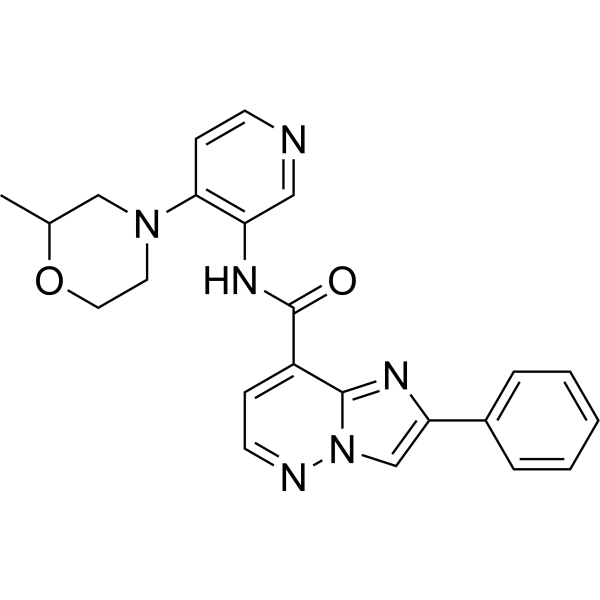 0 ImagesGSK-3β inhibitor 13 (compound 47) is an orally active and potent GSK-3β inhibitor with blood-brain permeability. GSK-3β inhibitor 13 inhibits GSK-3β and GSK-3α with IC50s of 0.73 nM and 0.35 nM, respectively. GSK-3β inhibitor 13 significantly decreases the phosphorylation of tau (IC50=58 nM), which leads the formation of the neurofibrillary tangles associated with Alzheimer's disease.
-
CDK8-IN-12
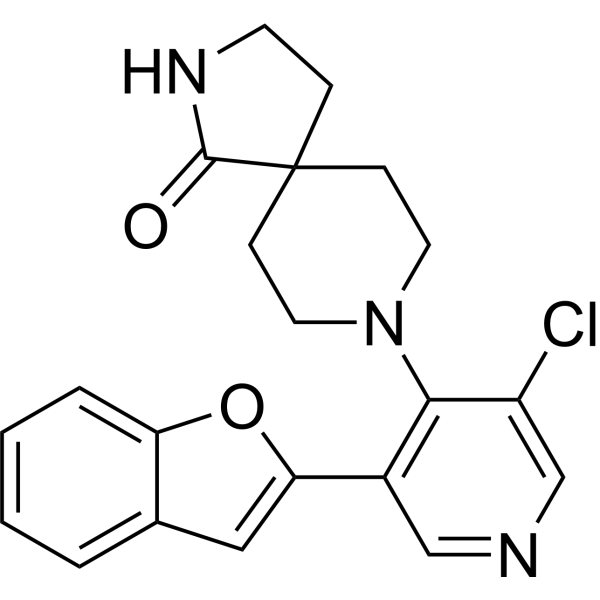 0 ImagesCDK8-IN-12 is an orally active, potent CDK8 inhibitor with a Ki of 14 nM. CDK8-IN-12 has off-target kinase inhibition on GSK-3α, GSK-3β, PCK-θ with Kis of 13 nM, 4 nM, 109 nM, respectively. CDK8-IN-12 shows potent anti-proliferative effects selectively on MV4-11 cell. CDK8-IN-12 is an anti-cancer agent.
-
ST1072
 0 ImagesArt. -Nr.: HY-133488CAS. Nr.: 1402703-50-7ST1072 is an inhibitor of CerS4 and CerS6. ST1072 preferentially inhibits CerS6 over CerS4, and reduces the production of C16 ceramide. ST1072 impairs TCR-mediated N-RAS activation, ERK signaling pathway, and the colocalization of CD3/PKCθ. ST1072 decreases the production of IFN-γ as well as the migration of donor cells to target organs. ST1072 regulates immune cell populations and the expression of co-stimulatory molecules. ST1072 can be used in research related to colon cancer, cervical cancer, graft-versus-host disease, and hematologic malignancies.
-
PKCTheta-IN-1
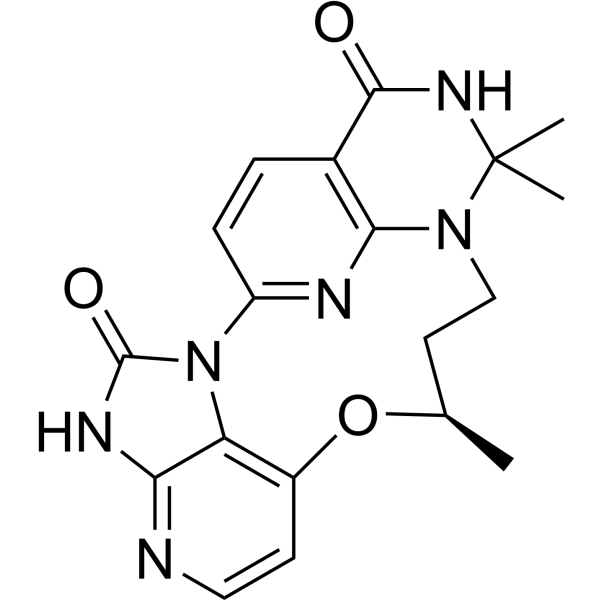 0 ImagesArt. -Nr.: HY-162234CAS. Nr.: 2948289-20-9PKCTheta-IN-1 (Compound 19) is a selective macrocyclic PKCTheta inhibitor with IC50 value of 0.1 nM.

-
PF-04577806
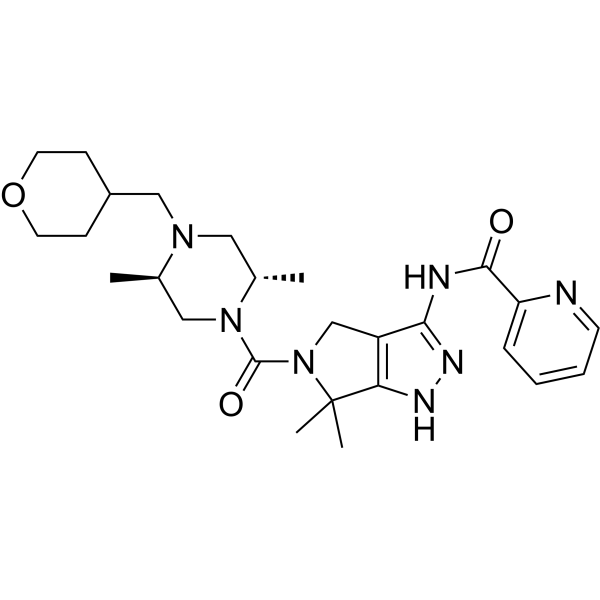 0 ImagesArt. -Nr.: HY-139467CAS. Nr.: 1072100-81-2
-
AS2521780
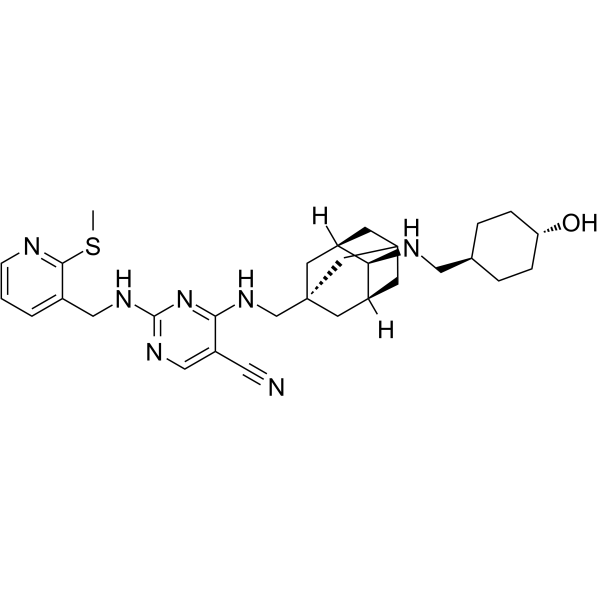 0 ImagesArt. -Nr.: HY-12663CAS. Nr.: 1214726-89-2AS2521780 is a novel PKCθ selective inhibitor with an IC50 of 0.48 nM.
- 1
- 2



