



Ulex europaeus L.
-
Ulex europaeus L. (25)

- 1
- 2
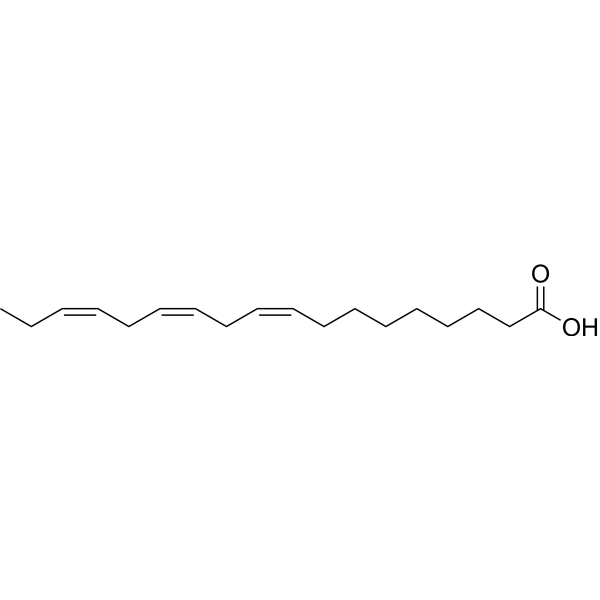
- Formula: C18H30O2
- Molecular Weight: 278.43
α-Linolenic acid (ALA (free base); C18:3 (9Z,12Z,15Z) (free base); C18:3 n-3 (free base)) is an essential fatty acid that cannot be synthesized by humans. α-Linolenic acid can affect the process of thrombotic through the modulation of PI3K/Akt signaling. α-Linolenic acid possess the anti-arrhythmic properties and is related to cardiovascular disease and cancer.
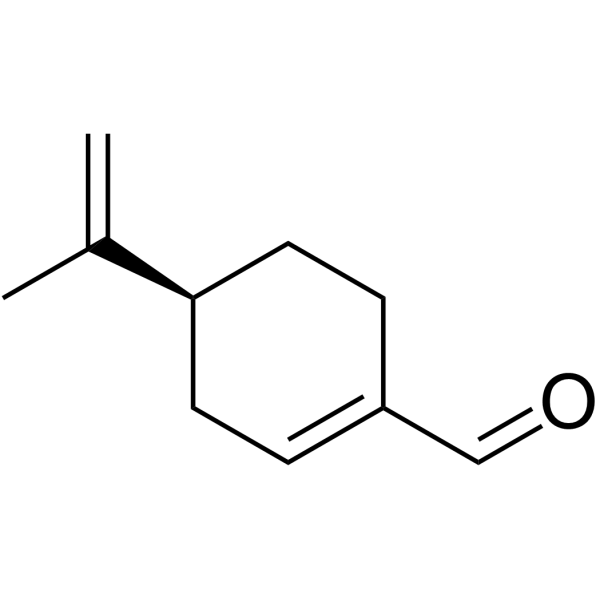
- Formula: C10H14O
- Molecular Weight: 150.22
L-Perillaldehyde is a major component in the essential oil containing in Perillae Herba. Inhalation of L-Perillaldehyde shows antidepressant-like activity through the olfactory nervous function.
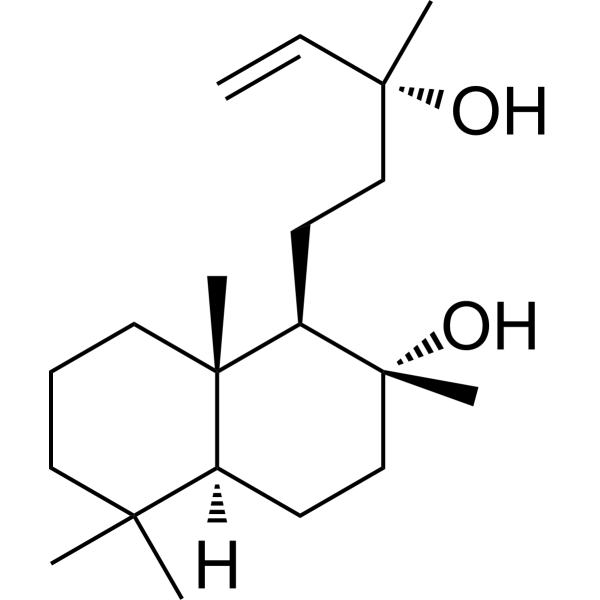

Breviscapine (Breviscapinun) is a flavonoid compound with antioxidant, anti-inflammatory, anti-fibrotic, and neuroprotective activities. Breviscapine ameliorates cerebral ischemia/reperfusion injury and vascular dementia, and inhibits the formation of postoperative abdominal adhesions. The mechanism of action of Breviscapine involves the regulation of oxidative stress, inflammatory cytokines, signaling pathways such as TGF-β/Smad, and cellular calcium overload. Breviscapine is used for research on diseases including cardiovascular and cerebrovascular diseases.
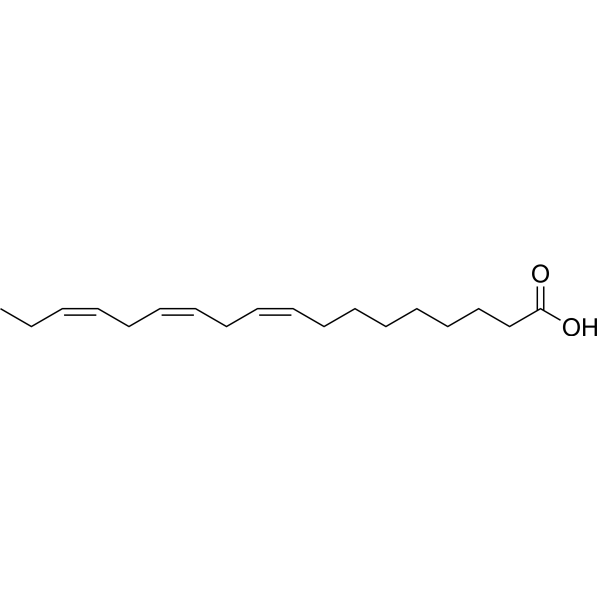
- Formula: C18H30O2
- Molecular Weight: 278.43
α-Linolenic acid (Standard) is the analytical standard of α-Linolenic acid. This product is intended for research and analytical applications. α-Linolenic acid, isolated from Perilla frutescens, is an essential fatty acid that cannot be synthesized by humans. α-Linolenic acid can affect the process of thrombotic through the modulation of PI3K/Akt signaling. α-Linolenic acid possess the anti-arrhythmic properties and is related to cardiovascular disease and cancer.
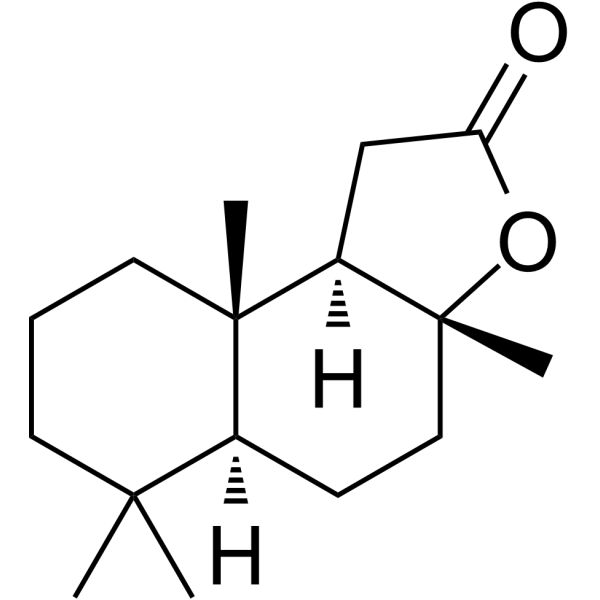
- Formula: C16H26O2
- Molecular Weight: 250.38
Sclareolide is isolated from the flower of Perilla frutescens with antibacterial and cytotoxic activities.
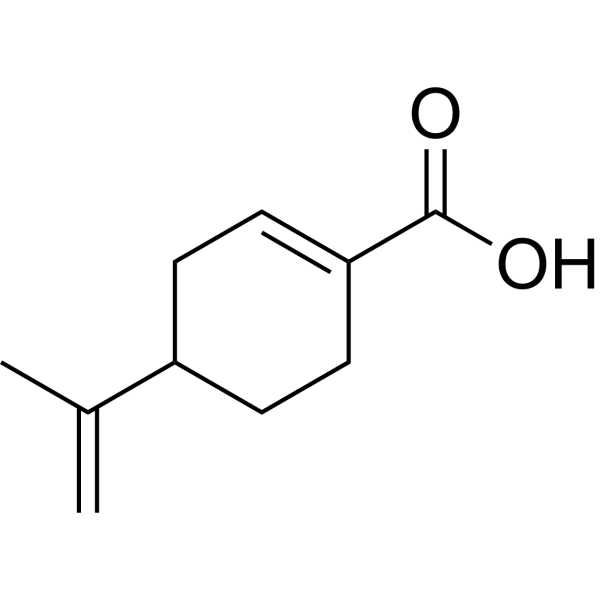
- Formula: C10H14O2
- Molecular Weight: 166.22
Perillic acid is the metabolite of Perillyl alcohol (HY-N7000). Perillic acid induces lung cancer cell cycle arrest and apoptosis. Perillic acid shows anti-HSV-1 and immunomodulatory activities.
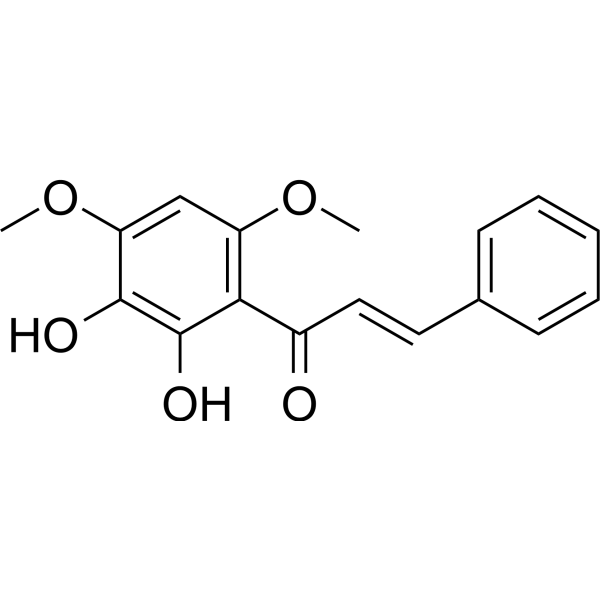
- Formula: C17H16O5
- Molecular Weight: 300.31
2',3'-Dihydroxy-4',6'-dimethoxychalcone (compound 1) can inhibit Amyloid β-protein (Aβ42) fibrillization and aggregation. 2',3'-Dihydroxy-4',6'-dimethoxychalcone has oral activity and can be detected in the brain.

- Formula: C10H12O2
- Molecular Weight: 164.20
Isoegomaketone is an orally active apoptosis inducer and radiosensitizer. Isoegomaketone regulates multiple key signaling pathways such as PI3K/AKT/mTOR, NF-κB, MAPK, cleaves Caspase family proteins and PARP, and modulates Bax, AIF and endoplasmic reticulum stress proteins. Isoegomaketone also induces autophagy and keratinocyte proliferation, effectively reduces the levels of inflammatory factors and oxidative stress, inhibits adipocyte differentiation, and resensitizes TRAIL-resistant cancer cells. Isoegomaketone can be applied to research related to colorectal cancer, melanoma, lung cancer, prostate cancer, liver cancer, as well as rheumatoid arthritis and obesity.
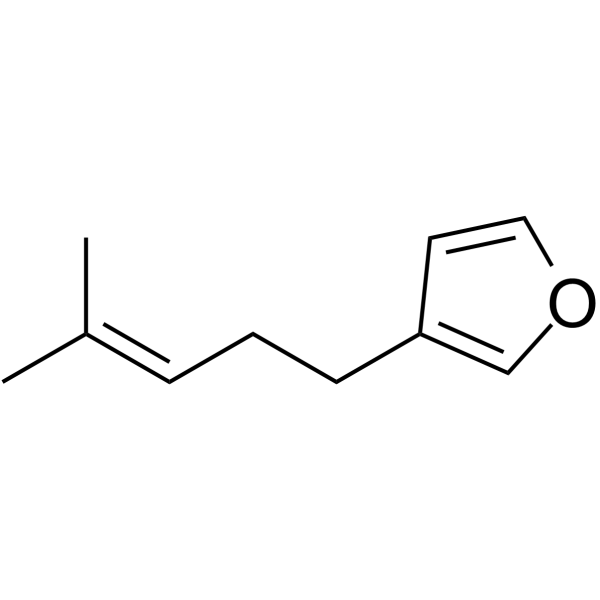
- Formula: C10H14O
- Molecular Weight: 150.22
Perillene is a component of the essential oil, has antibacterial and antitumor effects.
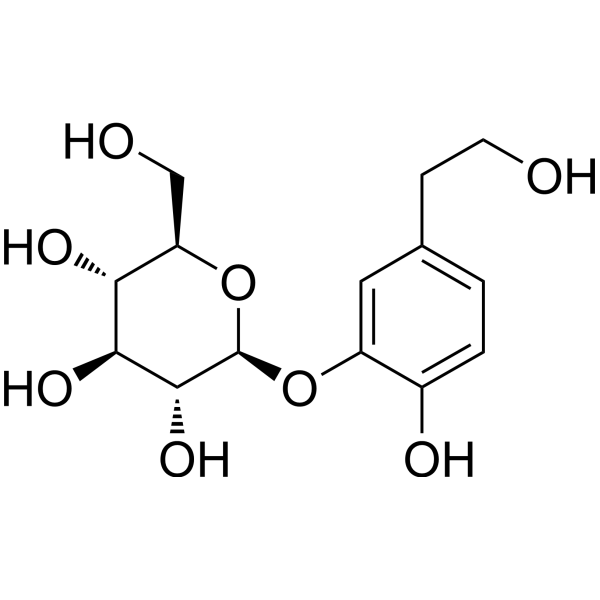
- Formula: C14H20O8
- Molecular Weight: 316.30
Cimidahurinine can be extracted from the seeds of Perilla frutescens.
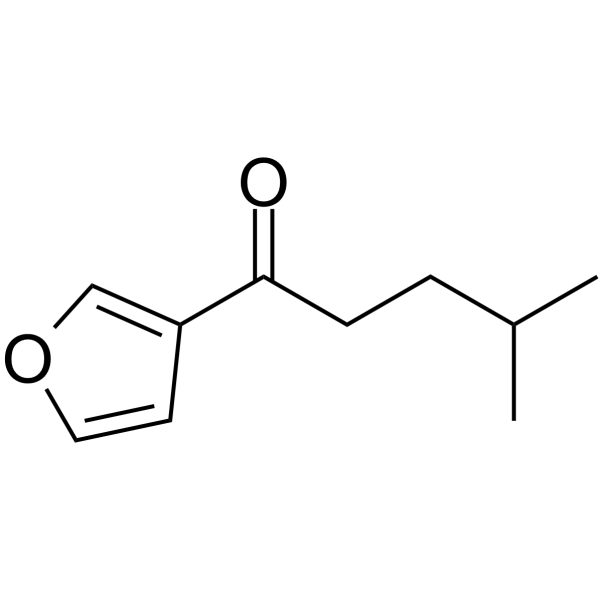
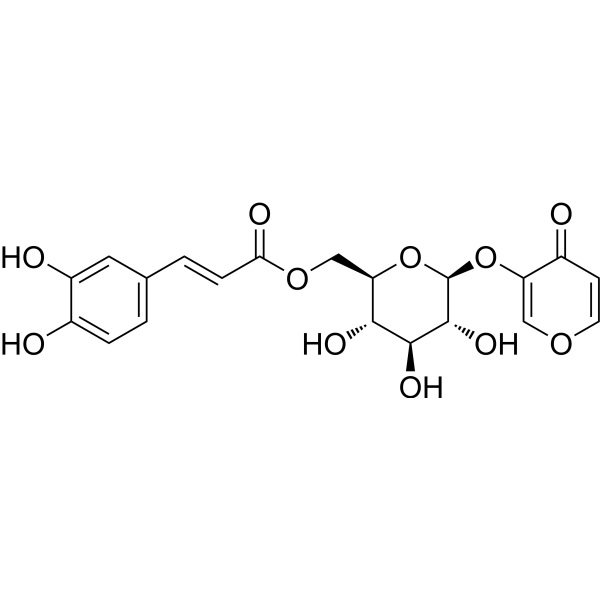
- Formula: C20H20O11
- Molecular Weight: 436.37
Erigeside I is a free radical scavenger isolated from Erigeron breviscapus.


- Formula: C16H26O2
- Molecular Weight: 250.38
Sclareolide (Standard) is the analytical standard of Sclareolide. This product is intended for research and analytical applications. Sclareolide is isolated from the flower of Perilla frutescens with antibacterial and cytotoxic activities[1].

- Formula: C₂₀H₃₆O₂
- Molecular Weight: 308.50
Sclareol (Standard) is the analytical standard of Sclareol. This product is intended for research and analytical applications. Sclareol is isolated from Salvia sclarea with anticarcinogenic activity. Sclareol shows strong cytotoxic activity against mouse leukemia (P-388), human epidermal carcinoma (KB) cells and human leukemia cell lines. Sclareol induces cell apoptosis.

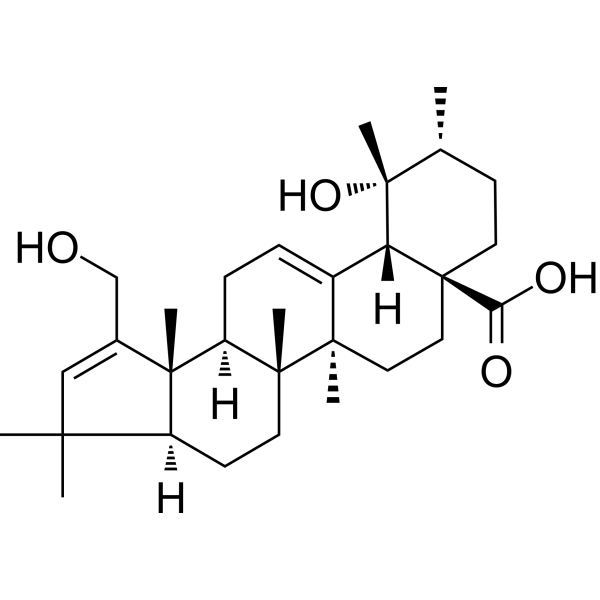
- Formula: C30H46O4
- Molecular Weight: 470.68
Hyptadienic acid is a triterpene acid that can be isolated from the leaves of Perilla frutescens. Hyptadienic acid inhibits 12-O-tetradecanoylphorbol-13-acetate (TPA)-induced inflammation in mice with an ID50 value of 0.13 mg/ear. Hyptadienic acid can be used for the research of inflammation.

- Formula: C16H23N5O6
- Molecular Weight: 381.38
trans-Zeatin 9-glucoside (trans-Zeatin glucoside; Zeatin 9-glucoside) is a 9-glucoside derivative of the cytokinin trans-Zeatin (HY-19700). trans-Zeatin 9-glucoside is found in Perilla frutescens.

- Formula: C10H14O2
- Molecular Weight: 166.22
Perilla ketone is a naturally occurring xenobiotic compound. Perilla ketone is activated by pulmonary P450 cytochrome enzymes in the lung, resulting in severe pulmonary damage and development of diffuse pulmonary edema.
- 1
- 2



