



X-GAL
Based on 6 publication(s) in Google Scholar
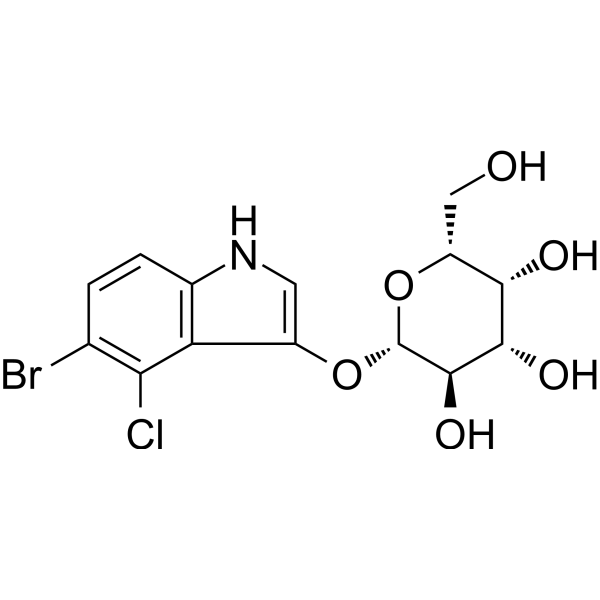
X-GAL (BCIG) is a widely used chromogenic β-galactosidase substrate. X-GAL is a colorless compound until cleaved by β-galactosidase, at which point X-GAL turns to an insoluble and detectable blue compound, making X-GAL particularly useful in techniques such as blue-white screening for cloning in bacteria. X-GAL can also be used for detection of β-galactosidase activity.
For research use only. We do not sell to patients.
- Purity : 99.88%
- CAS No.: 7240-90-6
- Formula: C14H15BrClNO6
- Molecular Weight:408.63
-
Storage:
4°C, protect from light
* In solvent : -80°C, 6 months; -20°C, 1 month (protect from light)

To place orders, for customer services and technical support, please contact: MedChemExpress USA
Tel: 609-228-6898 E-mail: [email protected] [email protected]


-
 Biological Activity
-
Chemical Information
-
Solvent & Solubility
- Purity & Documentation
- References
-
 Help & FAQs


-
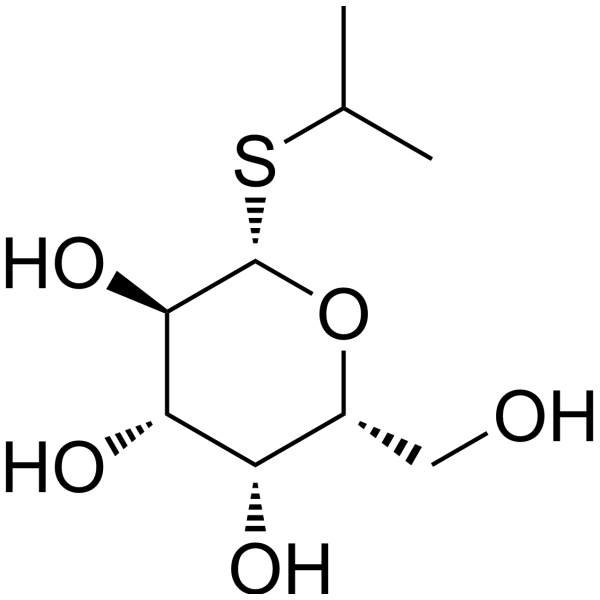
HY-15921
IPTGAllolactose Mimic -
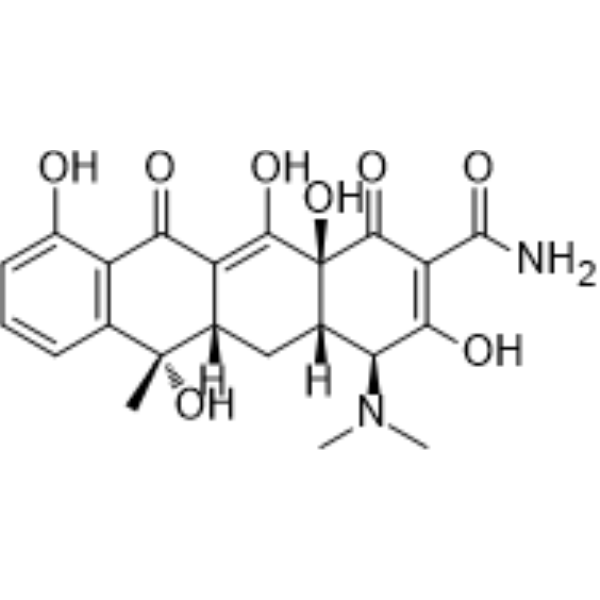
HY-A0107
TetracyclineAntibiotic -

HY-DY2002
X-GAL (solution)β-Galactosidase Substrate -
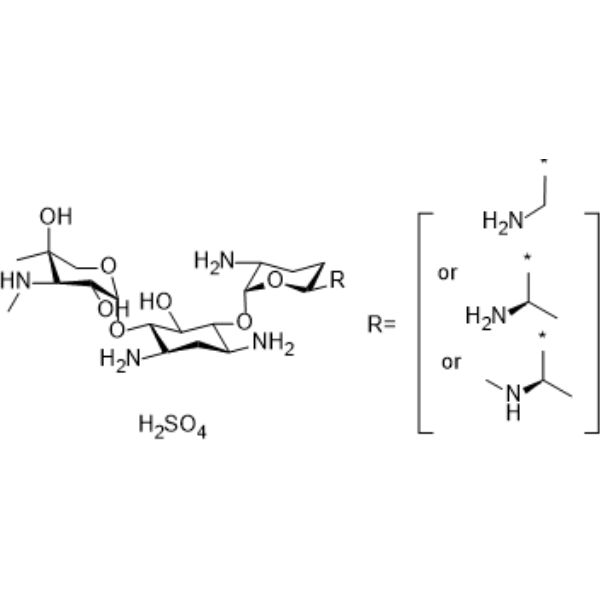
HY-A0276
Gentamicin sulfateAminoglycoside Antibiotic -
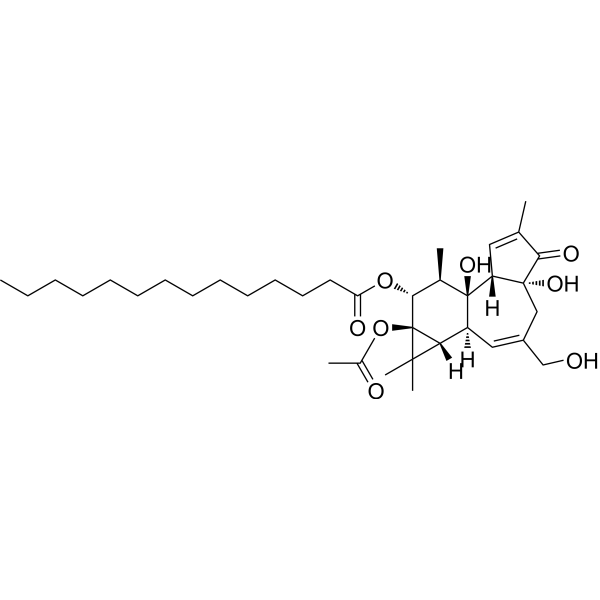
HY-18739
Phorbol 12-myristate 13-acetatePKC Activator -

HY-Y0320C
Dimethyl sulfoxideAprotic Solvent -
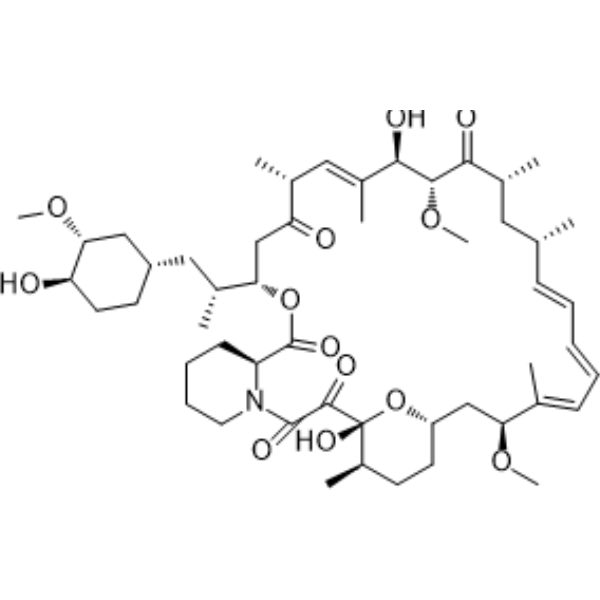
HY-10219
RapamycinmTOR Inhibitor -
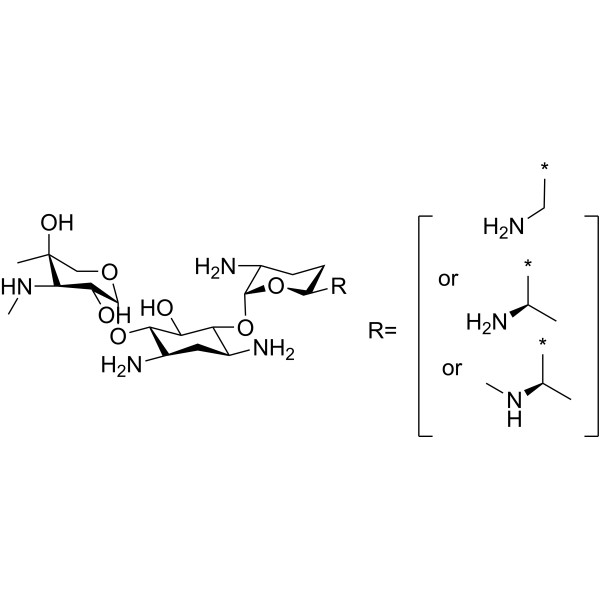
HY-A0276A
GentamicinAminoglycoside Antibiotic -
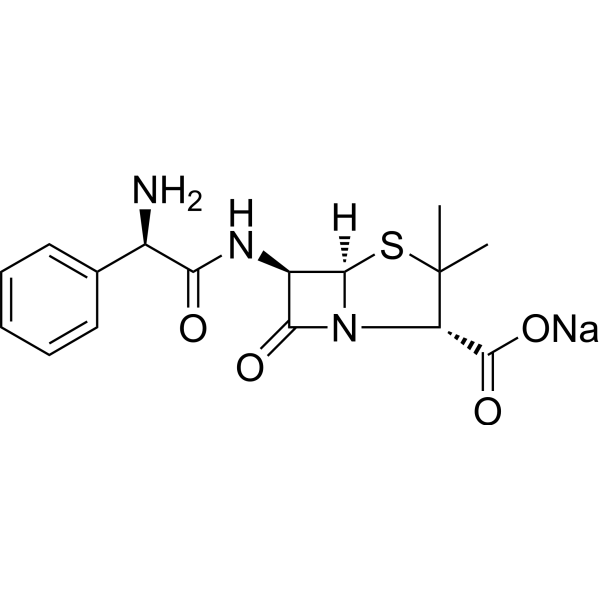
HY-B0522A
Ampicillin sodiumBacterial Inhibitor -
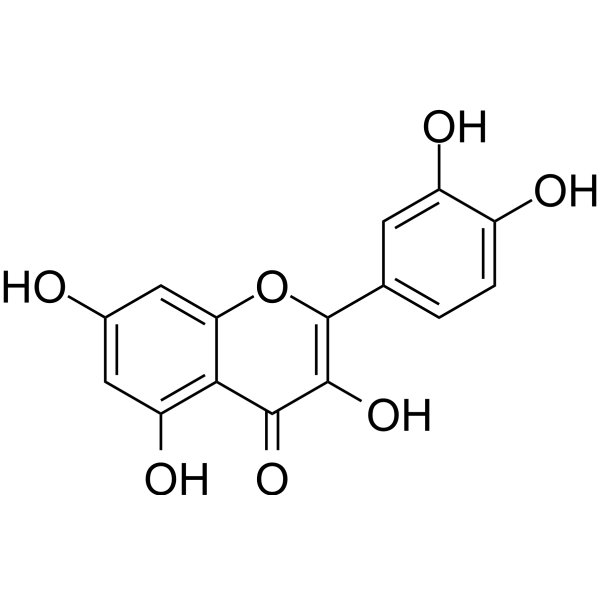
HY-18085
QuercetinFlavonoid Antioxidant -
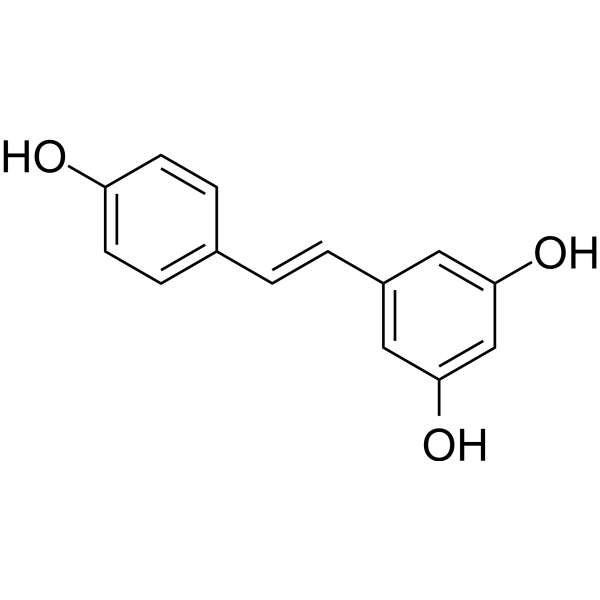
HY-16561
ResveratrolPolyphenolic Phytoalexin -
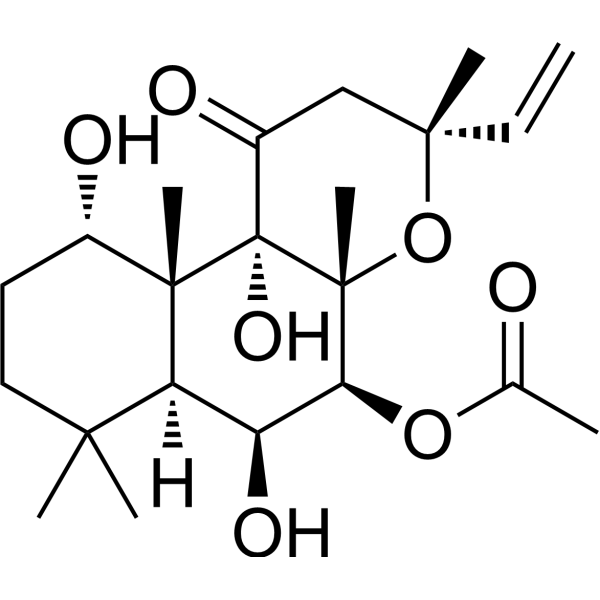
HY-15371
ForskolinAdenylate Cyclase Activator
Publications Citing Use of MedChemExpress (MCE) X-GAL
More Customer Validation & Images

-
Cell Imaging/Staining
-
Cell Imaging/Staining
-
Cell Imaging/Staining
-
Cell Imaging/Staining
-
Cell Imaging/Staining


Biological Activity
Description
In Vitro
Guide (The following is our recommended protocol. This protocol is only a guide and should be modified according to your specific needs).
1. Solution preparation[1]
1.1 Preparation of stock solution
Solvent: DMF or DMSO.
Concentration: 20 mg/mL is recommended.
Storage: Store at -20°C or -80°C in dark after aliquoting. Avoid repeated freezing and thawing.
1.2 Preparation of working solution
Dilute X-gal to 40 μg/mL with 1 mL agar medium, and add 1 μL of IPTG (HY-15921) (24 mg/mL) and 1 μL of AMP (HY-A0181) (100 mg/mL) (optimized according to the experiment).
Note: The working solution should be prepared and used immediately. Keep it away from light.
2. Blue/white colony screening
2.1 After the DNA fragment is inserted into the pUC series vector (or other vectors with lacZ, Amp genes) and then transformed into lacZ-deficient cells, apply the above-mentioned X-gal, IPTG, and AMP plate culture medium.
2.2 Incubate at 37°C until blue-white colonies appear on the agar surface.
2.3 Cultivate the blue-white colonies further and identify them by double enzyme digestion.
2.4 Aspirate the dye working solution, wash with PBS 2-3 times, and observe under a microscope.
3. Cellular level detection[2]
3.1 When cells are cultured to 80% confluence in culture dishes, add 50 μmol/L H2O2 to the medium and incubate for 12 h.
3.2 Harvest cells with trypsin/EDTA, wash three times with PBS, and fix with 4% formaldehyde for 10 min.
3.3 Prepare cells without H2O2 treatment in the same way as the control group.
3.4 Perform X-gal staining at 37 ℃.
4. Tissue-level detection[2]
4.1 Excise intestinal tissues and cut them longitudinally. Rinse off intestinal contents with phosphate buffered saline, then place the intestinal tissues on glass slides with the inner surface facing upward.
4.2 Dilute a single blue colony containing β-gal (Escherichia coli DH5α carrying pUC18) in 100 μL PBS, and then add 10 μL of the dilution to the tissues.
4.3 After incubating for 1 hour, wash the tissues with PBS solution. For the control group, prepare tissues without blue colonies using the same method.
4.4 Fix all tissues with 4% formaldehyde for 10 minutes, and further stain with X-gal at 37 ℃.
MedChemExpress (MCE) has not independently confirmed the accuracy of these methods. They are for reference only.


Chemical Information
-
CAS No. 7240-90-6
-
Appearance Solid
-
Molecular Weight 408.63
-
Formula C14H15BrClNO6
-
Color White to off-white
-
SMILES
O[C@H]([C@@H](O)[C@H]1O)[C@@H](O[C@@H]1CO)OC2=CNC3=C2C(Cl)=C(Br)C=C3
-
Synonyms
BCIG
-
Shipping
Room temperature in continental US; may vary elsewhere.
-
Storage
4°C, protect from light
* In solvent : -80°C, 6 months; -20°C, 1 month (protect from light)


Publications (6)
-
Journal Impact Factor
-
Most Recent
-
-
Cell
2025 Sep 18;188(19):5403-5425.e33. PMID: 40570836
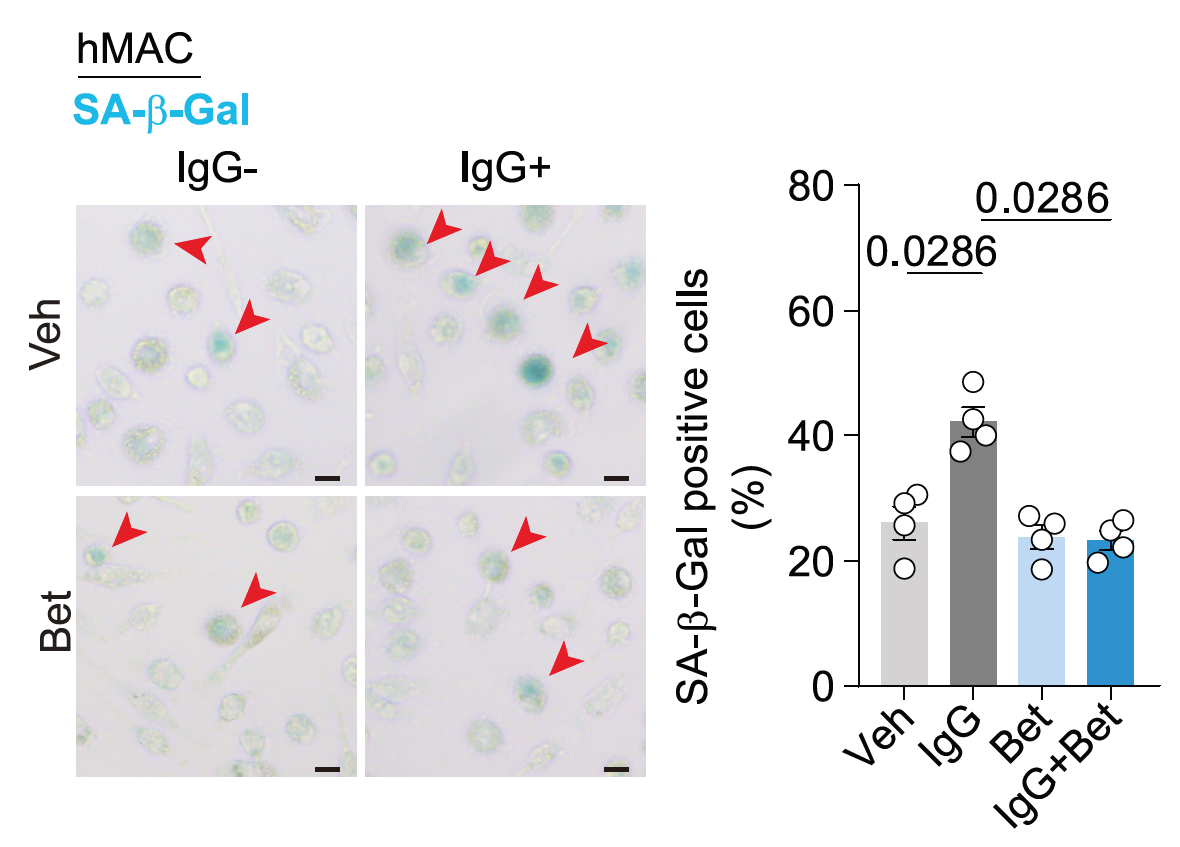
X-GAL purchased from MedChemExpress. Usage Cited in: Cell. 2025 Sep 18;188(19):5403-5425.e33. [Abstract]
X-gal (1 mg/mL; 37 ℃; 12–72 h). SA-β-Gal staining of hMACs treated with Veh, IgG, Bet, or IgG + Bet. The percentage of positive cells is quantified.
-
Nat Aging
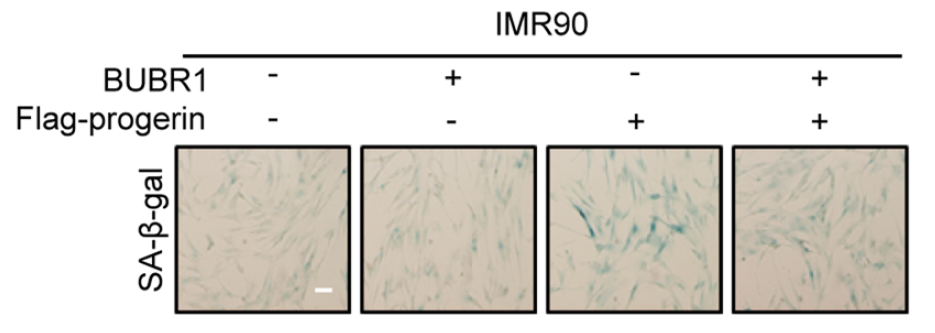
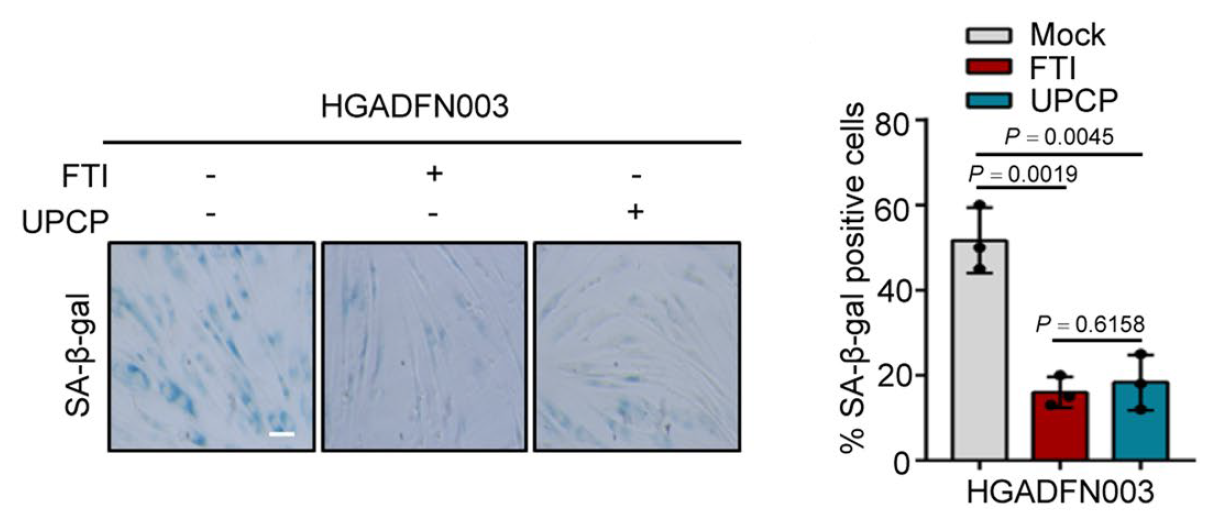
Unique progerin C-terminal peptide ameliorates Hutchinson-Gilford progeria syndrome phenotype by rescuing BUBR1. [Abstract]2023 Feb;3(2):185-201. PMID: 37118121
X-GAL purchased from MedChemExpress. Usage Cited in: Nat Aging. 2023 Feb;3(2):185-201. [Abstract]
X-GAL (5-bromo-4-chloro-3-indolyl-β-d-galactopyranoside) (37 ℃; 1 mg/mL; overnight). Representative images of SA-β-gal positive cells in IMR90 cells were shown. SA-β-gal positive cells (%) reduced.
X-GAL purchased from MedChemExpress. Usage Cited in: Nat Aging. 2023 Feb;3(2):185-201. [Abstract]
X-GAL (5-bromo-4-chloro-3-indolyl-β-d-galactopyranoside) (37 ℃; 1 mg/mL; overnight). β-Gal staining analysis of HGADFN003 cells with the indicated treatments. Representative images and quantification of SA-β-gal positive cells (%).
-
Bio Protoc
2025 Feb 20;15(4):e5221. PMID: 40028013 -
X-GAL purchased from MedChemExpress. Usage Cited in: Johannes Kepler University Linz. 2025.
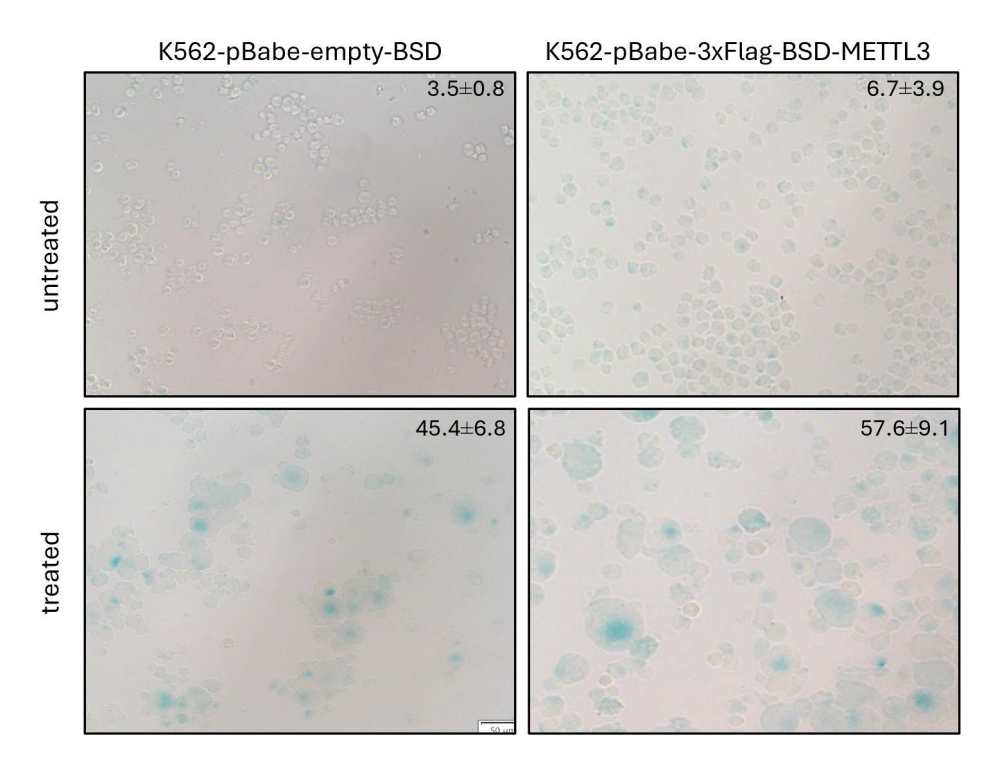
X-GAL (37℃; 3.5 h). Senescence-associated-β-Galactosidase staining images of untreated and treated K52-pBabe-empty BSD and K562-pBabe-3xFlag-BSD-METTL3 cells.
-
X-GAL purchased from MedChemExpress. Usage Cited in: University of Jena. 2023 Dec.
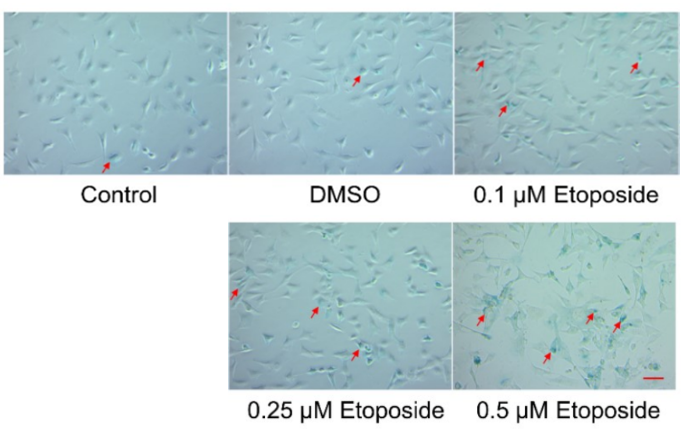
X-gal (1 mg/mL; 37 ℃; 8 h). Senescence-associated β-galactosidase staining (SABG) was performed.


Solvent & Solubility
In Vitro:
DMF : 200 mg/mL (489.44 mM; Need ultrasonic)
DMSO : 100 mg/mL (244.72 mM; Need ultrasonic; Hygroscopic DMSO has a significant impact on the solubility of product, please use newly opened DMSO)
Please refer to the solubility information to select the appropriate solvent. Once prepared, please aliquot and store the solution to prevent product inactivation from repeated freeze-thaw cycles.
Storage method and period of stock solution: -80°C, 6 months; -20°C, 1 month (protect from light). When stored at -80°C, please use it within 6 months. When stored at -20°C, please use it within 1 month.
Please refer to the solubility information to select the appropriate solvent. Once prepared, please aliquot and store the solution to prevent product inactivation from repeated freeze-thaw cycles.
Storage method and period of stock solution: -80°C, 6 months; -20°C, 1 month (protect from light). When stored at -80°C, please use it within 6 months. When stored at -20°C, please use it within 1 month.
Concentration (start) × Volume (start) = Concentration (final) × Volume (final)


Purity & Documentation
-
Data Sheet (278 KB)
-
SDS (396 KB)
- English - EN (396 KB)
- Français - FR (396 KB)
- Deutsch - DE (396 KB)
- Norwegian - NO (396 KB)
- Español - ES (396 KB)
- Swedish - SV (396 KB)
- Italian - IT (396 KB)
- Korean - KR (396 KB)
- Portuguese - PT (396 KB)
-
Handling Instructions (2659 KB)
References
[1]. Sanchez-Ramos J, et al. The X-gal caution in neural transplantation studies. Cell Transplant. 2000 Sep-Oct;9(5):657-67. [Content Brief]
[2]. Li S, et al. In-situ SERS readout strategy to improve the reliability of beta-galactosidase activity assay based on X-gal staining in shortening incubation times. Talanta. 2021 Nov 1;234:122689. [Content Brief]


Complete Stock Solution Preparation Table
Please refer to the solubility information to select the appropriate solvent. Once prepared, please aliquot and store the solution to prevent product inactivation from repeated freeze-thaw cycles.
Storage method and period of stock solution: -80°C, 6 months; -20°C, 1 month (protect from light). When stored at -80°C, please use it within 6 months. When stored at -20°C, please use it within 1 month.
| Optional Solvent | Concentration Solvent Mass | 1 mg | 5 mg | 10 mg | 25 mg |
|---|---|---|---|---|---|
| DMSO / DMF | 1 mM | 2.4472 mL | 12.2360 mL | 24.4720 mL | 61.1800 mL |
| 5 mM | 0.4894 mL | 2.4472 mL | 4.8944 mL | 12.2360 mL | |
| 10 mM | 0.2447 mL | 1.2236 mL | 2.4472 mL | 6.1180 mL | |
| 15 mM | 0.1631 mL | 0.8157 mL | 1.6315 mL | 4.0787 mL | |
| 20 mM | 0.1224 mL | 0.6118 mL | 1.2236 mL | 3.0590 mL | |
| 25 mM | 0.0979 mL | 0.4894 mL | 0.9789 mL | 2.4472 mL | |
| 30 mM | 0.0816 mL | 0.4079 mL | 0.8157 mL | 2.0393 mL | |
| 40 mM | 0.0612 mL | 0.3059 mL | 0.6118 mL | 1.5295 mL | |
| 50 mM | 0.0489 mL | 0.2447 mL | 0.4894 mL | 1.2236 mL | |
| 60 mM | 0.0408 mL | 0.2039 mL | 0.4079 mL | 1.0197 mL | |
| 80 mM | 0.0306 mL | 0.1530 mL | 0.3059 mL | 0.7648 mL | |
| 100 mM | 0.0245 mL | 0.1224 mL | 0.2447 mL | 0.6118 mL |


X-GAL Related Classifications
HY-15934 Related Classifications
 Powered by Bioz