



Galactoses
- 1
- 2
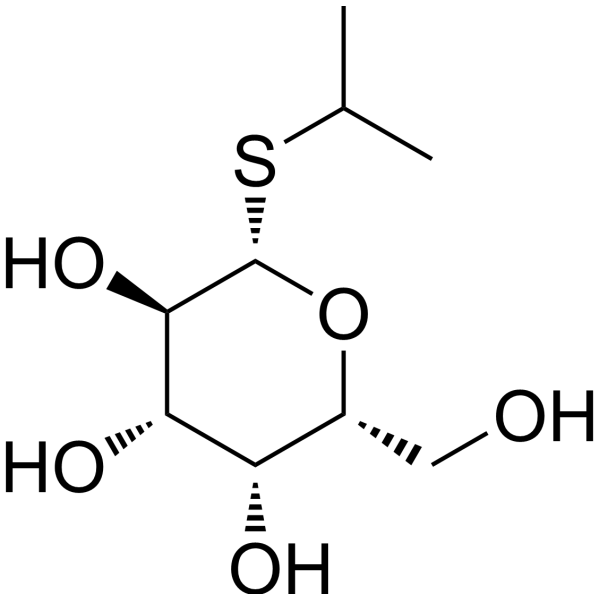
- Formula: C9H18O5S
- Molecular Weight: 238.30
IPTG is a molecular mimic of allolactose, a lactose metabolite that triggers transcription of the lac operon, and it is therefore used to induce protein expression where the gene is under the control of the lac operator.
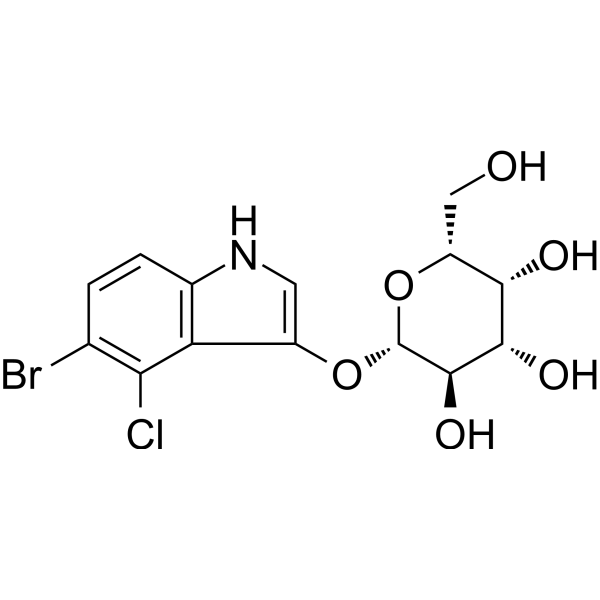
- Formula: C14H15BrClNO6
- Molecular Weight: 408.63
X-GAL (BCIG) is a widely used chromogenic β-galactosidase substrate. X-GAL is a colorless compound until cleaved by β-galactosidase, at which point X-GAL turns to an insoluble and detectable blue compound, making X-GAL particularly useful in techniques such as blue-white screening for cloning in bacteria. X-GAL can also be used for detection of β-galactosidase activity.
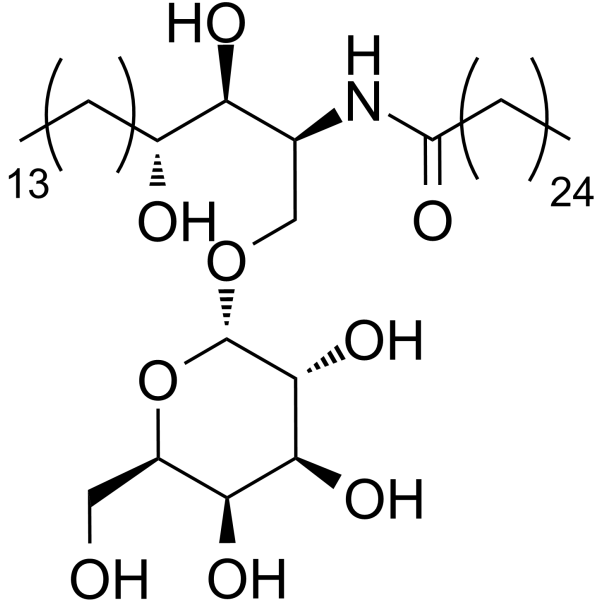
- Formula: C50H99NO9
- Molecular Weight: 858.34
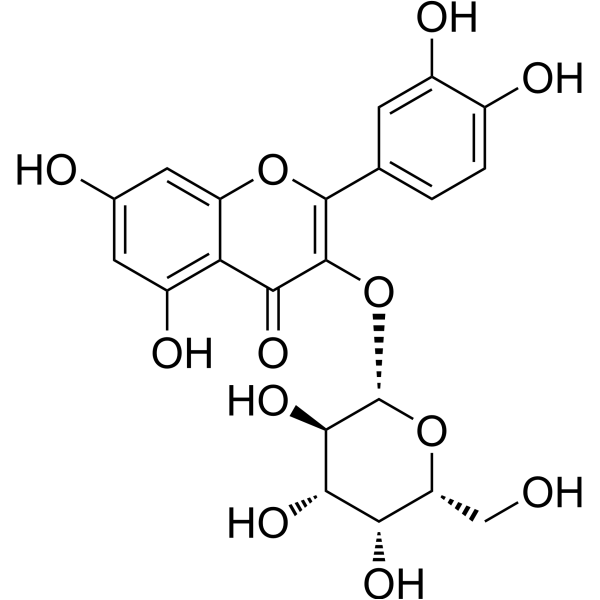
- Formula: C21H20O12
- Molecular Weight: 464.38
Hyperoside is a NF-κB inhibitor, found from Hypericum monogynum. Hyperoside shows anti-tumor, antifungal, anti-inflammatory, anti-viral, and anti-oxidative activities, and can induce apoptosis.
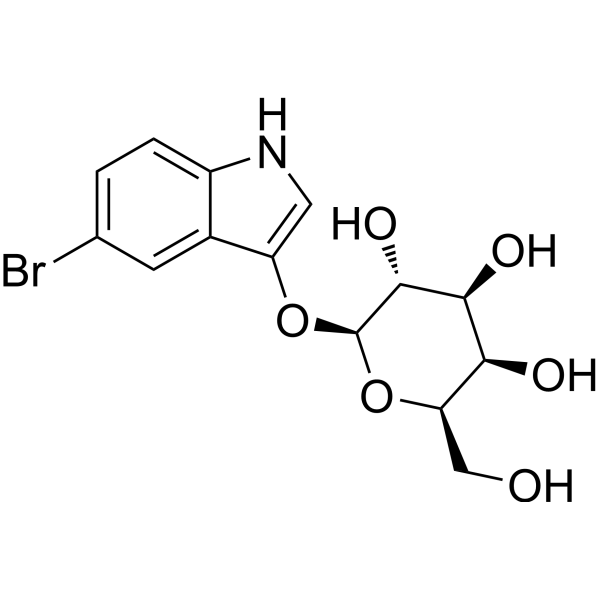
- Formula: C14H16BrNO6
- Molecular Weight: 374.18
5-Bromo-3-indolyl β-D-galactopyranoside (Bluo-Gal) is a chromogenic substrate for β-galactosidase. 5-Bromo-3-indolyl β-D-galactopyranoside is hydrolyzed by the enzyme to generate a 5-bromoindole intermediate, which is further oxidized to form an insoluble blue precipitate. 5-Bromo-3-indolyl β-D-galactopyranoside can specifically recognize bacterial β-galactosidases (such as the product of the Escherichia coli lacZ gene) and reacts at pH 7.4, making it suitable for light and electron microscopic observations. 5-Bromo-3-indolyl β-D-galactopyranoside can be used in histochemical detection of reporter gene expression in transgenic organisms, such as the localization analysis of β-galactosidase activity in mouse embryos or muscle tissues.
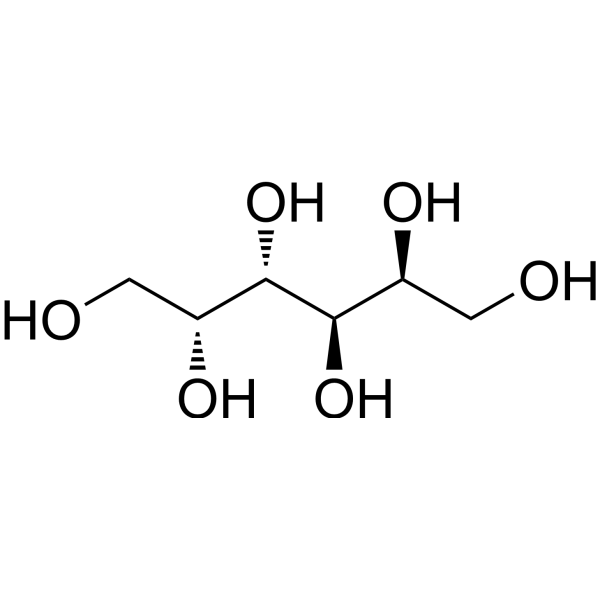
- Formula: C6H14O6
- Molecular Weight: 182.17
Dulcite (Dulcitol; Melampyrit; NSC 1944) is a sugar alcohol. Dulcite is produced by the reduction of galactose by aldose reductase in non-insulin-dependent cells.

- Formula: C14H19N3O9
- Molecular Weight: 373.32
2,3,4,6-Tetra-O-acetyl-β-D-galactopyranosyl azide, 98% can be used in glycobiology research and can also be used as a substrate to determine enzyme activity.
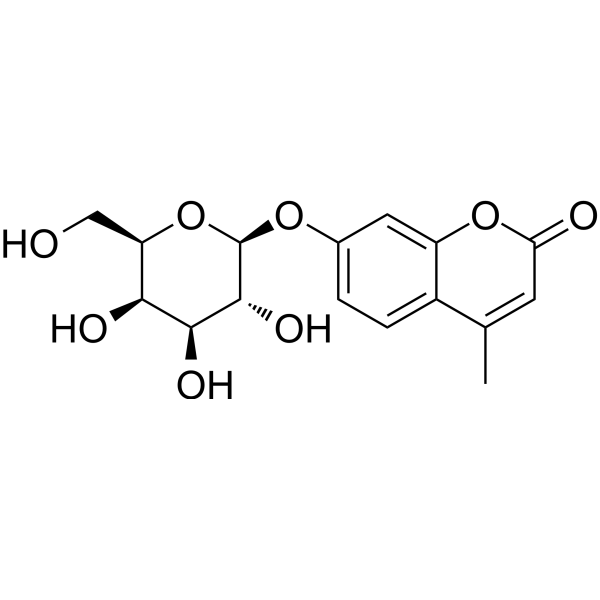
- Formula: C16H18O8
- Molecular Weight: 338.31
4-Methylumbelliferyl β-D-galactopyranoside is a fluorescent substrate for β-galactosidase which, when cleaved, produces a water-soluble blue fluorescent coumarin fluorophore that can be detected using a fluoroenzymeter or fluorometer.
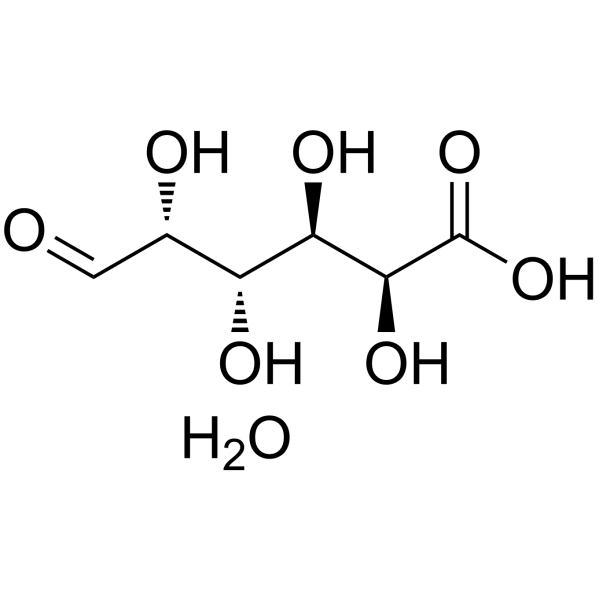
- Formula: C6H12O8
- Molecular Weight: 212.15
D-Galacturonic acid (D-galUA) hydrate, as the main component of pectin, is abundantly present in plants. The carboxyl group of D-Galacturonic acid hydrate can bind to metal cations. D-Galacturonic acid hydrate plays an important role in the food industry, pharmaceutical field, and heavy metal removal, among other aspects.

- Formula: C14H19BrO9
- Molecular Weight: 411.20
Acetobromo-α-D-galactose is a brominating agent, serving as an important intermediate in the synthesis of various glycosides and oligosaccharides.

- Formula: C34H36O6
- Molecular Weight: 540.65
2,3,4,6-Tetra-O-benzyl-D-galactopyranose is a biochemical reagent that can be used as a biological material or organic compound for life science related research.

- Formula: C12H20O6
- Molecular Weight: 260.28
1,2:3,4-Di-O-isopropylidene-α-D-galactopyranose is a biochemical reagent that can be used as a biological material or organic compound for life science related research.

- Formula: C27H28O4
- Molecular Weight: 416.51
3,4,6-Tri-O-benzyl-D-galactal is a class of biochemical reagents used in glycobiology research. Glycobiology studies the structure, synthesis, biology, and evolution of sugars. It involves carbohydrate chemistry, enzymology of glycan formation and degradation, protein-glycan recognition, and the role of glycans in biological systems. This field is closely related to basic research, biomedicine, and biotechnology.
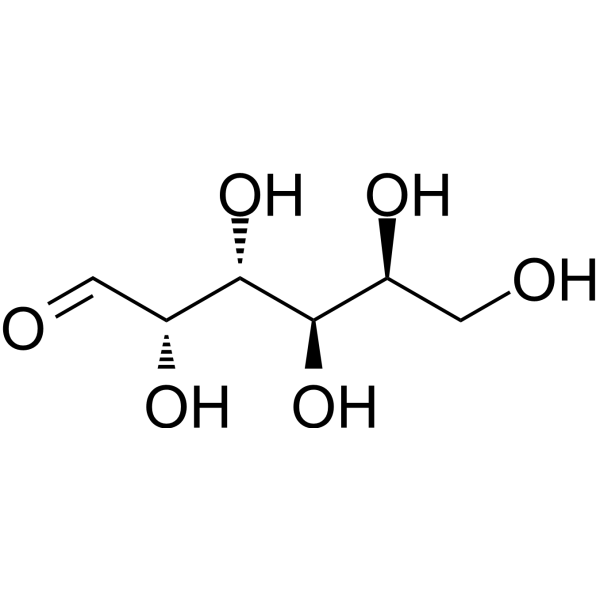
- Formula: C6H12O6
- Molecular Weight: 180.16
L-Galactose is a key intermediate in the de novo synthesis of vitamin C (L-ascorbic acid) in plants. It is converted into L-ascorbic acid by participating in the VTC2 cycle and enzymatic steps, exerting antioxidant activities, maintaining cell structure, and participating in the carbon flow distribution of photosynthesis. L-Galactose can be used to study the analysis of the synthesis pathway of vitamin C in plant physiology.
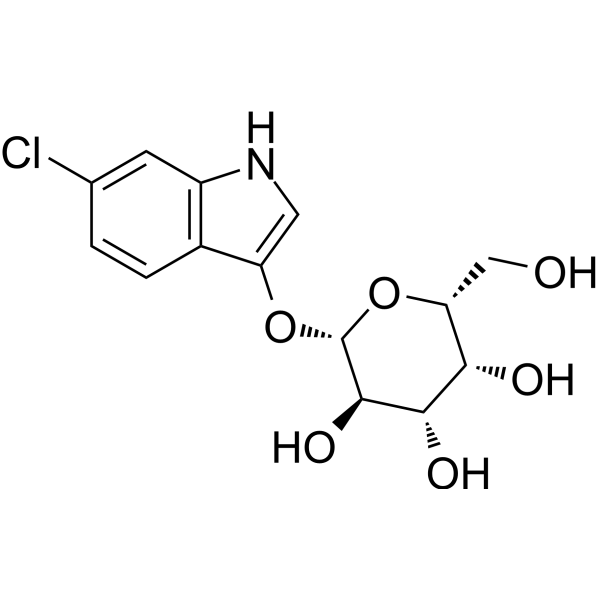
- Formula: C14H16ClNO6
- Molecular Weight: 329.73
Rose-β-D-Gal is a chromogenic substrate, is also a β-galactosidase substrate. Rose-β-D-Gal creates a pink/magenta color after the reaction and has been used for detection of β-gal activity.
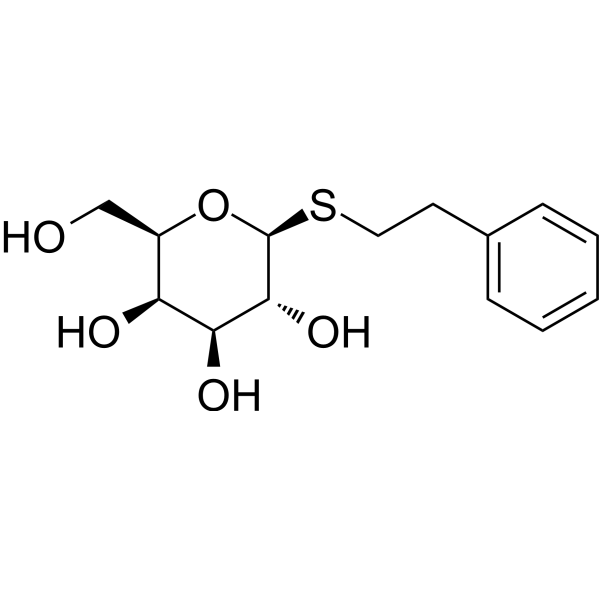
- Formula: C14H20O5S
- Molecular Weight: 300.37
2-Phenylethyl β-D-thiogalactoside is a biochemical reagent that can be used as a biological material or organic compound for life science related research.
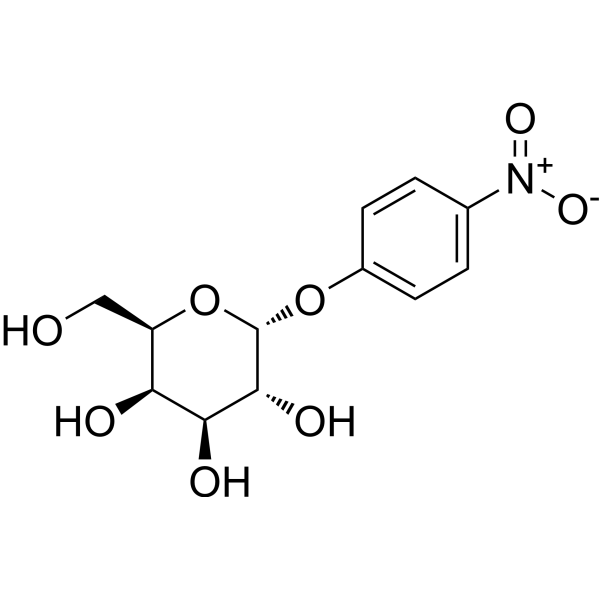
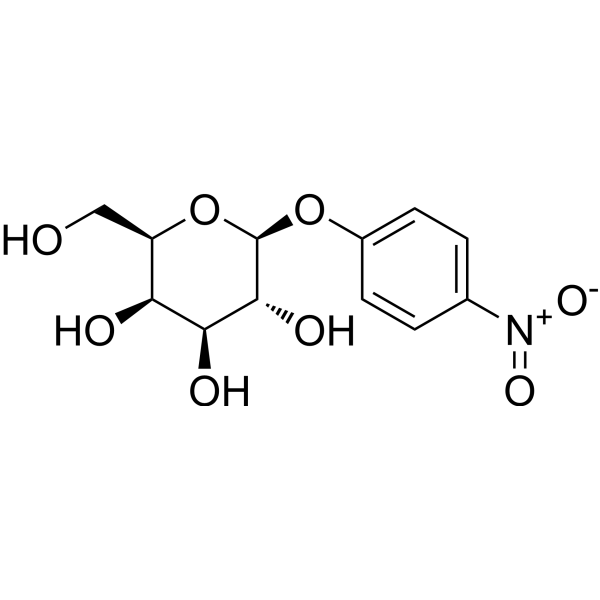
- Formula: C12H15NO8
- Molecular Weight: 301.25
4-Nitrophenyl α-D-galactopyranoside (PNP-alpha-D-Gal) is an artificial substrate of 4-nitrophenyl (pNP) glycopyranoside for detecting α-galactosidase activity. The amount of released pNP is significantly increased when 4-Nitrophenyl α-D-galactopyranoside is used as substrates.

- Formula: C6H11N3O5
- Molecular Weight: 205.17
6-Azido-6-deoxy-D-galactose, 95% can be used as a substrate in enzymology to study the activity and specificity of galactosyltransferases and other glycosylation enzymes.

- Formula: C16H22O11
- Molecular Weight: 390.34
α-D-Galactose pentaacetate (Pentaacetyl-α-D-galactopyranose) is a biochemical reagent that can be used as a biological material or organic compound for life science related research.
- 1
- 2



