



Marizomib
Based on 19 publication(s) in Google Scholar
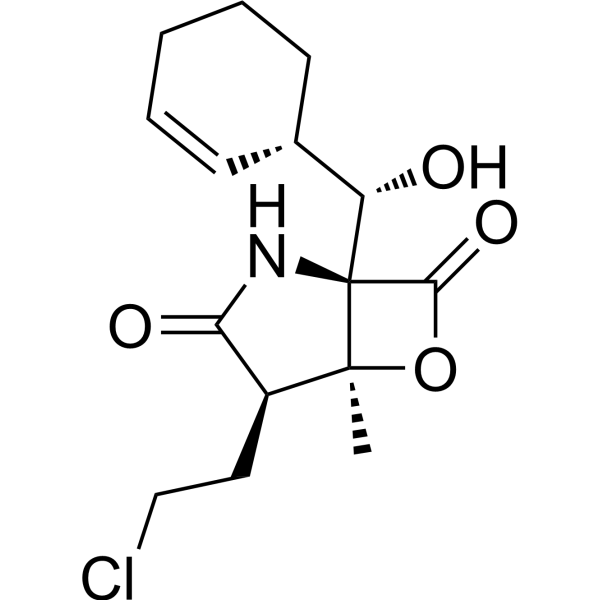
Marizomib (Salinosporamide A) is a second-generation, irreversible, brain-penetrant, pan-proteasome inhibitor. Marizomib inhibits the CT-L (β5), CT-T-laspase-like (C-L, β1) and trypsin-like (T-L, β2) activities of the 20S proteasome (IC50=3.5, 28, and 430 nM, respectively).
For research use only. We do not sell to patients.
- Purity : 99.13%
- CAS No.: 437742-34-2
- Formula: C15H20ClNO4
- Molecular Weight:313.78
-
Storage:Powder -20°C, 3 years , 4°C, 2 years ; In solvent -80°C, 2 years , -20°C, 1 year

To place orders, for customer services and technical support, please contact: MedChemExpress USA
Tel: 609-228-6898 E-mail: [email protected] [email protected]


-
 Biological Activity
-
Chemical Information
-
Solvent & Solubility
- Purity & Documentation
- References
-
 Help & FAQs


-
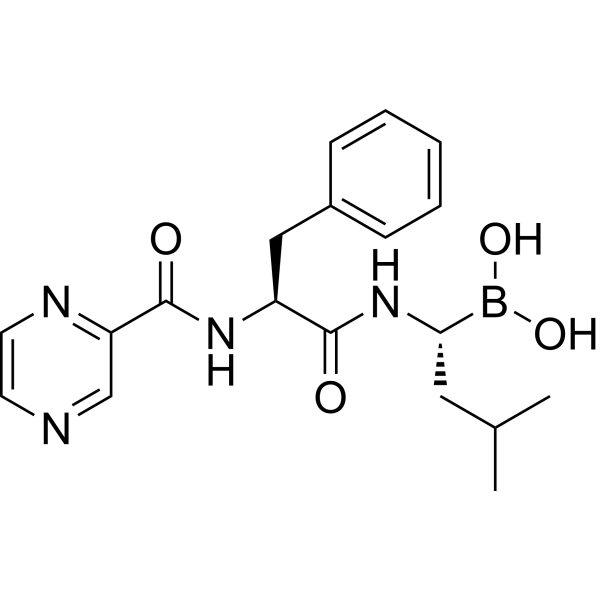
HY-10227
BortezomibProteasome Inhibitor -
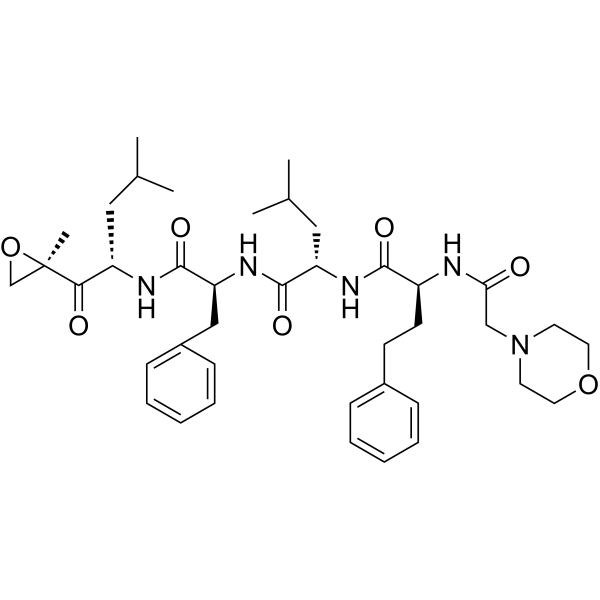
HY-10455
CarfilzomibProteasome Inhibitor -
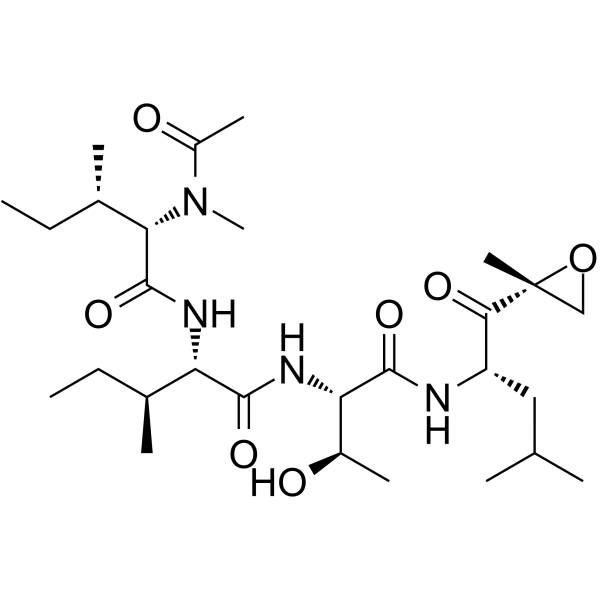
HY-13821
EpoxomicinProteasome Inhibitor -
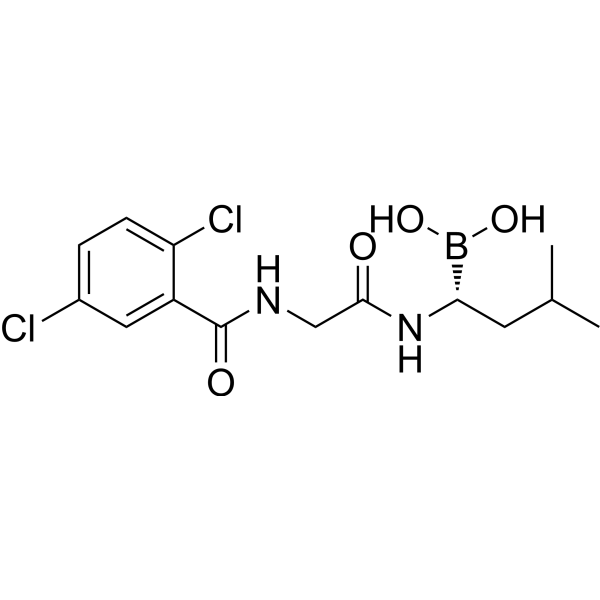
HY-10453
IxazomibProteasome Inhibitor -
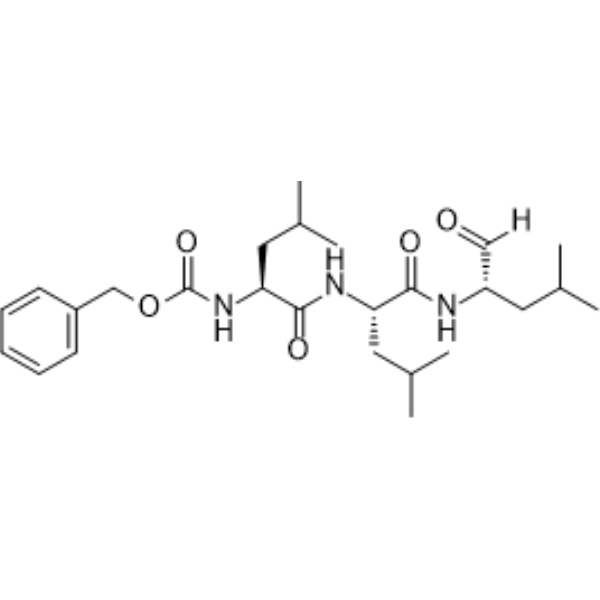
HY-13259
MG-132Proteasome Inhibitor -
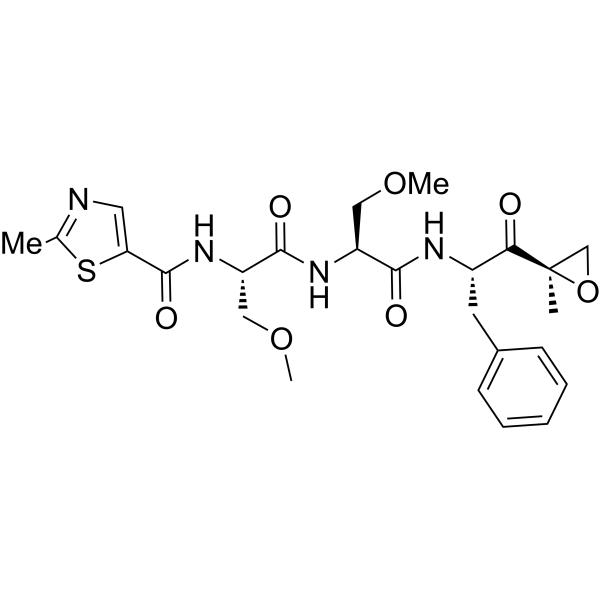
HY-12113
OprozomibProteasome Inhibitor -

HY-10227R
Bortezomib (Standard)Proteasome Inhibitor -
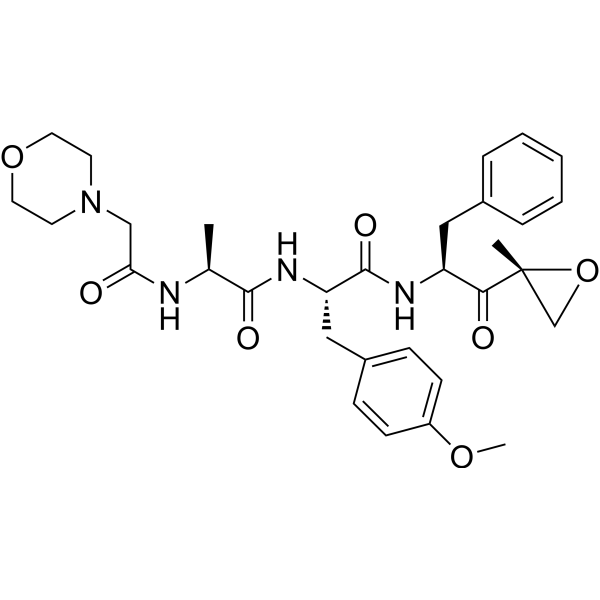
HY-13207
ONX-0914Proteasome Inhibitor -

HY-10455R
Carfilzomib (Standard)Proteasome Inhibitor -
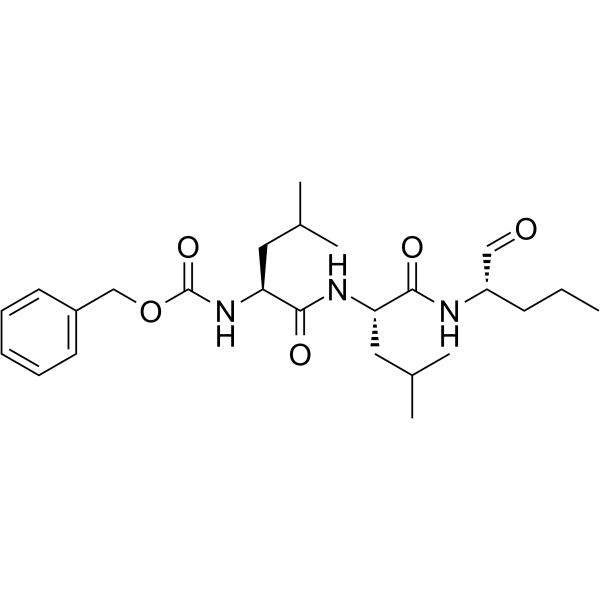
HY-108552
MG-115Proteasome Inhibitor -
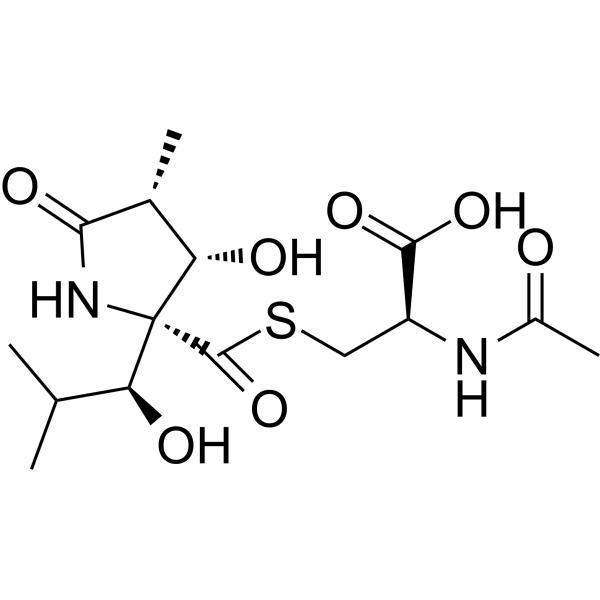
HY-16594
LactacystinProteasome Inhibitor -
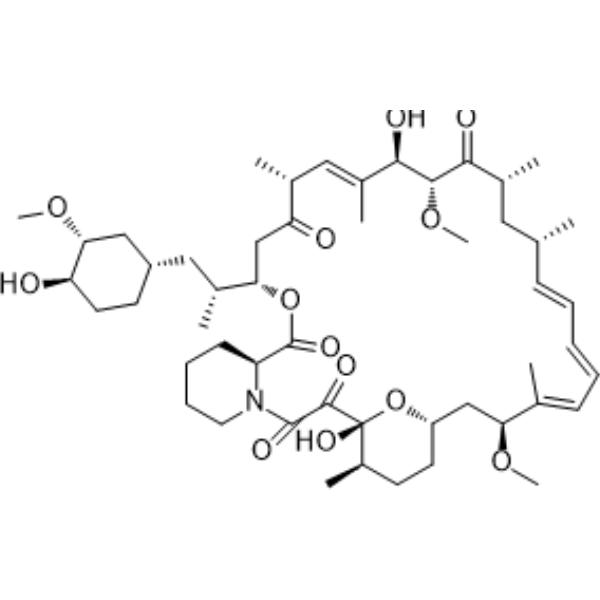
HY-10219
RapamycinmTOR Inhibitor
Publications Citing Use of MedChemExpress (MCE) Marizomib
More- J Exp Clin Cancer Res. 2022 Oct 22;41(1):311. [Abstract]
- ACS Catal. September 8, 2021.
- Cell Death Dis. 2022 Oct 8;13(10):860. [Abstract]
- Cell Rep. 2023 Dec 3;42(12):113516. [Abstract]
- Mol Syst Biol. 2024 Feb;20(2):120-139. [Abstract]
- Biochem Pharmacol. 2022 Dec:206:115326. [Abstract]
- Pharmaceuticals (Basel). 2024 Aug 20;17(8):1089. [Abstract]
- Mar Drugs. 2024 Jul 15;22(7):315. [Abstract]
- Int J Mol Sci. 2022 Feb 28;23(5):2655. [Abstract]
- ACS Omega. 2024 Oct 28;9(45):44989-44999. [Abstract]
- Molecules. 2024 Nov 29;29(23):5652. [Abstract]
- Antimicrob Agents Chemother. 2025 Dec 10;69(12):e0089325. [Abstract]
- bioRxiv. 2026 Jul 2:2026.06.25.734564.
- Res Sq. 2026 Apr 28.
- bioRxiv. 2025 Aug 14:2025.08.13.670186. [Abstract]
- Leiden University. 2025 Jun 17.
- Northwestern University. 2025.
- bioRxiv. 2025 Jan 28:2025.01.28.635221. [Abstract]
- SSRN. 2023 Jun 21.
 Customer Validation & Images

-
Cell Proliferation/Viability Assay
-
Flow Cytometry
-
RT-PCR
-
In Vivo Efficacy Study
-
Cell Proliferation/Viability Assay


Biological Activity
Description
IC50 & Target
IC50: 3.5 nM (CT-L), 28 nM (CT-T-laspase-like), 430 nM (trypsin-like)[1]
Cellular Effect
|
Cell Line

|
Type | Value | Description | References |
|---|---|---|---|---|
| HCT-116 | GI50 |
35 nM
Compound: 66
|
Cytotoxicity against human HCT-116 cells assessed as cell growth inhibition
Cytotoxicity against human HCT-116 cells assessed as cell growth inhibition
|
[PMID: 35063731] |
| HCT-116 | IC50 |
<=2 ng/mL
Compound: 1, NPI-0052
|
Cytotoxicity against human HCT116 cells
Cytotoxicity against human HCT116 cells
|
[PMID: 19022674] |
| HCT-116 | IC50 |
16 nM
Compound: 1
|
Cytotoxicity against human HCT116 cells after 72 hrs by MTS/PMS assay
Cytotoxicity against human HCT116 cells after 72 hrs by MTS/PMS assay
|
[PMID: 19746976] |
| HCT-116 | IC50 |
35 nM
Compound: marizomib, NPI-0052
|
Cytotoxicity against human HCT116 cells
Cytotoxicity against human HCT116 cells
|
[PMID: 21835627] |
| HEK293 | IC50 |
11 nM
Compound: 1
|
Inhibition of NF-kB activation in HEK293 cells
Inhibition of NF-kB activation in HEK293 cells
|
[PMID: 15916417] |
| HOP-92 | GI50 |
<11 nM
Compound: 66
|
Cytotoxicity against human HOP-92 cells assessed as cell growth inhibition
Cytotoxicity against human HOP-92 cells assessed as cell growth inhibition
|
[PMID: 35063731] |
| LOX IMVI | GI50 |
<11 nM
Compound: 66
|
Cytotoxicity against human LOX IMVI cells assessed as cell growth inhibition
Cytotoxicity against human LOX IMVI cells assessed as cell growth inhibition
|
[PMID: 35063731] |
| OVCAR-3 | GI50 |
<11 nM
Compound: 66
|
Cytotoxicity against human OVCAR-3 cells assessed as cell growth inhibition
Cytotoxicity against human OVCAR-3 cells assessed as cell growth inhibition
|
[PMID: 35063731] |
| PC-3 | GI50 |
<11 nM
Compound: 66
|
Cytotoxicity against human PC-3 cells assessed as cell growth inhibition
Cytotoxicity against human PC-3 cells assessed as cell growth inhibition
|
[PMID: 35063731] |
| RPMI-8226 | IC50 |
11 nM
Compound: 1, NPI-0052
|
Cytotoxicity against human RPMI8226 cells after 48 hrs by resazurin assay
Cytotoxicity against human RPMI8226 cells after 48 hrs by resazurin assay
|
[PMID: 19133779] |
| RPMI-8226 | IC50 |
8.2 nM
Compound: 1
|
Cytotoxic activity against RPMI 8226 cells
Cytotoxic activity against RPMI 8226 cells
|
[PMID: 15916417] |
In Vitro
Marizomib (Salinosporamide A) (0.1-10000 nM; 72 hours) effectively reduces survival of D-54 and U-251 cells in a dose-dependent manner. The IC50s are ~52 nM for U-251 and ~20 nM for D-54[1].
Marizomib (24 hours; 60 nM) induces apoptosis and caspase-3 activation in glioma cells[1].
MedChemExpress (MCE) has not independently confirmed the accuracy of these methods. They are for reference only.
-
Cell Line:U-251 and D-54 cells
-
Concentration:0.1, 1, 10, 100, 1000, 10000 nM
-
Incubation Time:72 hours
-
Result:Effectively reduced survival of D-54 and U-251 cells in a dose-dependent manner.
-
Cell Line:D-54 cells
-
Concentration:60 nM
-
Incubation Time:24 hours
-
Result:Induces D-54 cells apoptosis.
-
Cell Line:D-54 cells
-
Concentration:60 nM
-
Incubation Time:24 hours
-
Result:Led to increased activity of caspase-3 in a dose-dependent manner.
In Vivo
MedChemExpress (MCE) has not independently confirmed the accuracy of these methods. They are for reference only.
-
Animal Model:CB-17 SCID-male mice (4-6 weeks old)[3]
-
Dosage:0.15 mg/kg
-
Administration:i.v; twice a week for three weeks
-
Result:Significantly decreased tumor growth, and was not associated with any toxicity.
Clinical Trial
| NCT Number | Sponsor | Condition | Start Date |
Phase
|
|---|---|---|---|---|
| NCT01329991 | 2011-05 | PHASE1 |


Chemical Information
-
CAS No. 437742-34-2
-
Appearance Solid
-
Molecular Weight 313.78
-
Formula C15H20ClNO4
-
Color Off-white to pink
-
SMILES
O=C([C@H](CCCl)[C@]1(C)O2)N[C@@]1([C@H]([C@@H]3C=CCCC3)O)C2=O
-
Synonyms
Salinosporamide A; NPI-0052
-
Structure Classification
-
Initial Source
Salinospora strain CNB-392
-
Shipping
Room temperature in continental US; may vary elsewhere.
-
Storage
Powder -20°C 3 years 4°C 2 years In solvent -80°C 2 years -20°C 1 year


Publications (19)
-
Journal Impact Factor
-
Most Recent
-
J Exp Clin Cancer Res
Dissecting super-enhancer driven transcriptional dependencies reveals novel therapeutic strategies and targets for group 3 subtype medulloblastoma. [Abstract]2022 Oct 22;41(1):311. PMID: 36273157
Marizomib purchased from MedChemExpress. Usage Cited in: J Exp Clin Cancer Res. 2022 Oct 22;41(1):311. [Abstract]
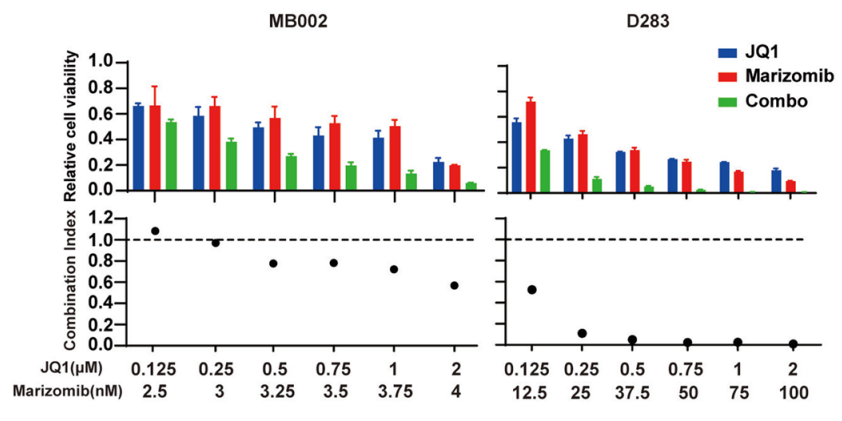
Cell viability (top) and CI (bottom) of MB002 and D283 cells treated with Marizomib (2.5-4 nM for MB002; 12.5-100 nM for D283; 72 h).
Marizomib purchased from MedChemExpress. Usage Cited in: J Exp Clin Cancer Res. 2022 Oct 22;41(1):311. [Abstract]
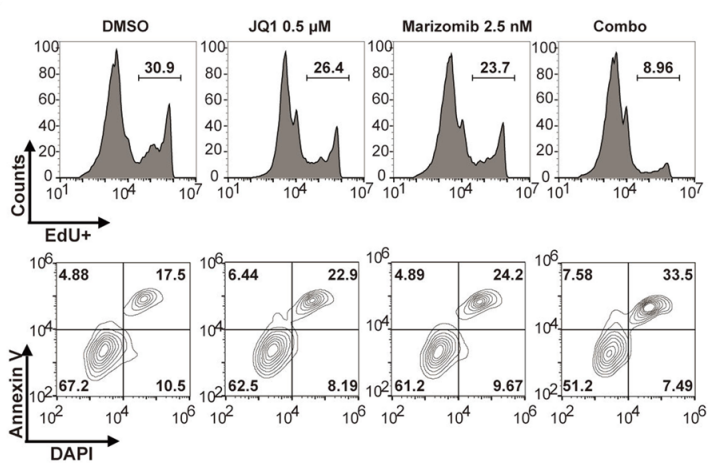
FACS analyses of cell proliferation (top) and apoptosis (bottom) of MB002 cells treated with Marizomib (2.5 nM).
Marizomib purchased from MedChemExpress. Usage Cited in: J Exp Clin Cancer Res. 2022 Oct 22;41(1):311. [Abstract]
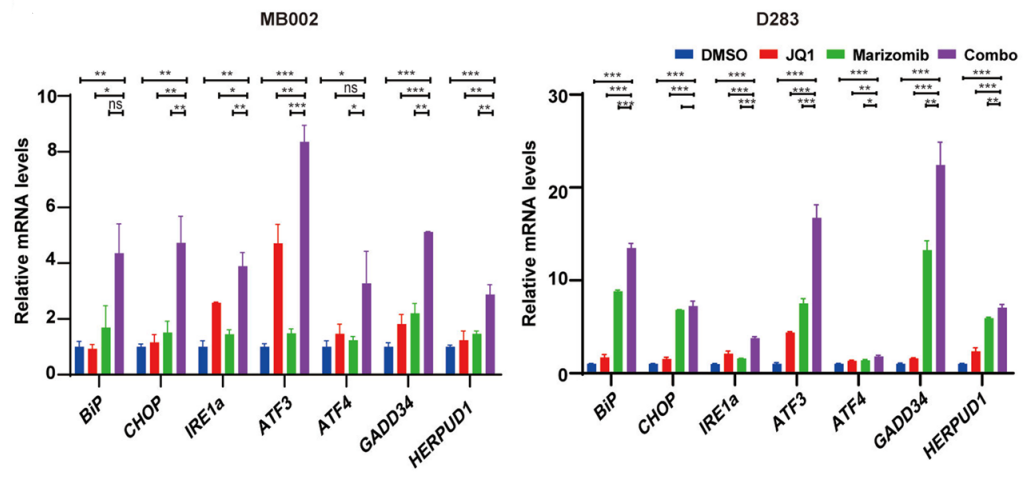
Marizomib (4 nM for MB002; 50 nM for D283; 8 h) induced expression of seven representative UPR genes (BiP, CHOP, IRE1α, ATF3, ATF4, GADD34, HERPUD1) in MB002 and D283 cells.
Marizomib purchased from MedChemExpress. Usage Cited in: J Exp Clin Cancer Res. 2022 Oct 22;41(1):311. [Abstract]
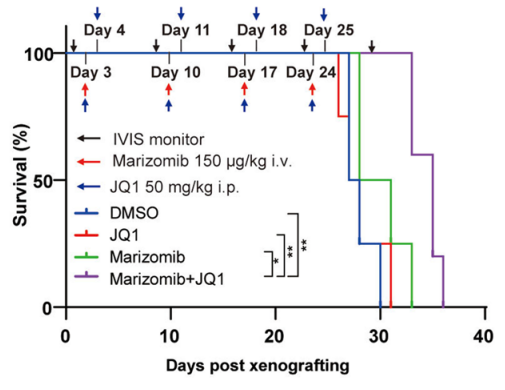
Kaplan-Meier survival curve of nude mice carrying orthotopic xenografts of MB002-GFP-luc cells treated with Marizomib (150 μg/kg; i.v.; once a week).
Marizomib purchased from MedChemExpress. Usage Cited in: J Exp Clin Cancer Res. 2022 Oct 22;41(1):311. [Abstract]
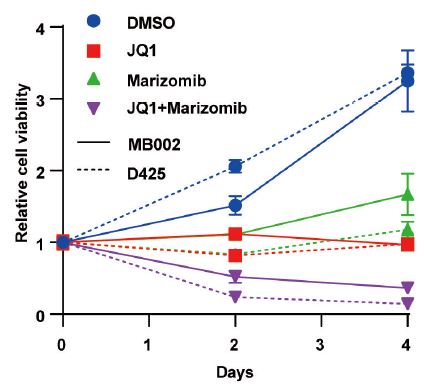
Cell viability of MB002 and D425 cells treated with Marizomib (3.25 nM for MB002; 125 nM for D425) was measured at Day 0/2/4 post treatment and normalized to Day 0-value.
-
-
Cell Death Dis
Inhibition of p38 MAPK or immunoproteasome overcomes resistance of chronic lymphocytic leukemia cells to Bcl-2 antagonist venetoclax. [Abstract]2022 Oct 8;13(10):860. PMID: 36209148 -
Cell Rep
The MHC-E peptide ligands for checkpoint CD94/NKG2A are governed by inflammatory signals, whereas LILRB1/2 receptors are peptide indifferent. [Abstract]2023 Dec 3;42(12):113516. PMID: 38048225 -
Mol Syst Biol
2024 Feb;20(2):120-139. PMID: 38182797 -
Biochem Pharmacol
Bortezomib inhibits NLRP3 inflammasome activation and NF-κB pathway to reduce psoriatic inflammation. [Abstract]2022 Dec:206:115326. PMID: 36326534 -
Pharmaceuticals (Basel)
The Proteasome Inhibitor Marizomib Evokes Endoplasmic Reticulum Stress and Promotes Apoptosis in Human Glioblastoma Cells. [Abstract]2024 Aug 20;17(8):1089. PMID: 39204194 -
Mar Drugs
2024 Jul 15;22(7):315. PMID: 39057424 -
Int J Mol Sci
A Redox-Silent Analogue of Tocotrienol May Break the Homeostasis of Proteasomes in Human Malignant Mesothelioma Cells by Inhibiting STAT3 and NRF1. [Abstract]2022 Feb 28;23(5):2655. PMID: 35269802 -
ACS Omega
Evaluating Antimalarial Proteasome Inhibitors for Efficacy in Babesia Blood Stage Cultures. [Abstract]2024 Oct 28;9(45):44989-44999. PMID: 39554424 -
Molecules
2024 Nov 29;29(23):5652. PMID: 39683813 -
Antimicrob Agents Chemother
Inhibitors of the 20S proteasome β5 subunit as potent and selective agents against Trichomonas vaginalis. [Abstract]2025 Dec 10;69(12):e0089325. PMID: 41218108 -
-
-
bioRxiv
2025 Aug 14:2025.08.13.670186. PMID: 40832278 -
-
-
bioRxiv
Structural insights into Salinosporamide A mediated inhibition of the human 20S proteasome. [Abstract]2025 Jan 28:2025.01.28.635221. PMID: 39974992 -


Solvent & Solubility
In Vitro:
DMSO : ≥ 100 mg/mL (318.69 mM; Hygroscopic DMSO has a significant impact on the solubility of product, please use newly opened DMSO)
* "≥" means soluble, but saturation unknown.
Please refer to the solubility information to select the appropriate solvent. Once prepared, please aliquot and store the solution to prevent product inactivation from repeated freeze-thaw cycles.
Storage method and period of stock solution: -80°C, 2 years; -20°C, 1 year. When stored at -80°C, please use it within 2 years. When stored at -20°C, please use it within 1 year.
Please refer to the solubility information to select the appropriate solvent. Once prepared, please aliquot and store the solution to prevent product inactivation from repeated freeze-thaw cycles.
Storage method and period of stock solution: -80°C, 2 years; -20°C, 1 year. When stored at -80°C, please use it within 2 years. When stored at -20°C, please use it within 1 year.
Concentration (start) × Volume (start) = Concentration (final) × Volume (final)
In Vivo:
Select the appropriate dissolution method based on your experimental animal and administration route.
- For the following dissolution methods, please ensure to first prepare a clear stock solution using an In Vitro approach and then sequentially add co-solvents:
- To ensure reliable experimental results, the clarified stock solution can be appropriately stored based on storage conditions. As for the working solution for In Vivo experiments, it is recommended to prepare freshly and use it on the same day.
- The percentages shown for the solvents indicate their volumetric ratio in the final prepared solution. If precipitation or phase separation occurs during preparation, heat and/or sonication can be used to aid dissolution.
Add each solvent one by one: 10% DMSO 40% PEG300 5% Tween-80 45% Saline
Solubility: ≥ 2.08 mg/mL (6.63 mM); Clear solution
This protocol yields a clear solution of ≥ 2.08 mg/mL (saturation unknown).
Taking 1 mL working solution as an example, add 100 μL DMSO stock solution (20.8 mg/mL) to 400 μL PEG300, and mix evenly; then add 50 μL Tween-80 and mix evenly; then add 450 μL Saline to adjust the volume to 1 mL.
Preparation of Saline: Dissolve 0.9 g sodium chloride in ddH₂O and dilute to 100 mL to obtain a clear Saline solution.
In Vivo Dissolution Calculator
Please enter the basic information of animal experiments:
-
-
-
-
Recommended: Prepare an additional quantity of animals to account for potential losses during experiments.
Please enter your animal formula composition:
-
%DMSO +
Recommended: Keep the proportion of DMSO in working solution below 2% if your animal is weak.
-
%+
-
+%Tween-80 + +
-
%Saline +
The co-solvents required include: DMSO, . All of co-solvents are available by MedChemExpress (MCE). , Tween 80. All of co-solvents are available by MedChemExpress (MCE).
Working solution concentration: 0.22 mg/mL
Method for preparing stock solution: mg drug dissolved in μL DMSO. Stock solution concentration: mg/mL.
1. Take μL DMSO stock solution;
2. Add μL .
μL , mix evenly;
3. Then add μL Tween 80, mix evenly;
4. Then add μL
Please ensure that the stock solution in the first step is dissolved to a clear state, and add co-solvents in sequence. You can use ultrasonic heating (ultrasonic cleaner, recommended frequency 20-40 kHz), vortexing, etc. to assist dissolution.


Purity & Documentation
-
Data Sheet (329 KB)
-
SDS (557 KB)
- English - EN (557 KB)
- Français - FR (557 KB)
- Deutsch - DE (557 KB)
- Norwegian - NO (557 KB)
- Español - ES (557 KB)
- Swedish - SV (557 KB)
- Italian - IT (557 KB)
- Korean - KR (557 KB)
- Portuguese - PT (557 KB)
-
Handling Instructions (2659 KB)
References
[1]. Di K, et al. Marizomib activity as a single agent in malignant gliomas: ability to cross the blood-brainbarrier. Neuro Oncol. 2016 Jun;18(6):840-8. [Content Brief]
[2]. Kale AJ, et al. Molecular mechanisms of acquired proteasome inhibitor resistance. J Med Chem. 2012 Dec 13;55(23):10317-27. [Content Brief]
[3]. Singh AV, et al. Pharmacodynamic and efficacy studies of the novel proteasome inhibitor NPI-0052 (marizomib) in a human plasmacytoma xenograft murine model. Br J Haematol. 2010 May;149(4):550-9. [Content Brief]


Complete Stock Solution Preparation Table
Please refer to the solubility information to select the appropriate solvent. Once prepared, please aliquot and store the solution to prevent product inactivation from repeated freeze-thaw cycles.
Storage method and period of stock solution: -80°C, 2 years; -20°C, 1 year. When stored at -80°C, please use it within 2 years. When stored at -20°C, please use it within 1 year.
| Optional Solvent | Concentration Solvent Mass | 1 mg | 5 mg | 10 mg | 25 mg |
|---|---|---|---|---|---|
| DMSO | 1 mM | 3.1869 mL | 15.9347 mL | 31.8695 mL | 79.6737 mL |
| 5 mM | 0.6374 mL | 3.1869 mL | 6.3739 mL | 15.9347 mL | |
| 10 mM | 0.3187 mL | 1.5935 mL | 3.1869 mL | 7.9674 mL | |
| 15 mM | 0.2125 mL | 1.0623 mL | 2.1246 mL | 5.3116 mL | |
| 20 mM | 0.1593 mL | 0.7967 mL | 1.5935 mL | 3.9837 mL | |
| 25 mM | 0.1275 mL | 0.6374 mL | 1.2748 mL | 3.1869 mL | |
| 30 mM | 0.1062 mL | 0.5312 mL | 1.0623 mL | 2.6558 mL | |
| 40 mM | 0.0797 mL | 0.3984 mL | 0.7967 mL | 1.9918 mL | |
| 50 mM | 0.0637 mL | 0.3187 mL | 0.6374 mL | 1.5935 mL | |
| 60 mM | 0.0531 mL | 0.2656 mL | 0.5312 mL | 1.3279 mL | |
| 80 mM | 0.0398 mL | 0.1992 mL | 0.3984 mL | 0.9959 mL | |
| 100 mM | 0.0319 mL | 0.1593 mL | 0.3187 mL | 0.7967 mL |


Marizomib Related Classifications
HY-10985 Related Classifications
 Powered by Bioz