



Adenosine
Based on 19 publication(s) in Google Scholar
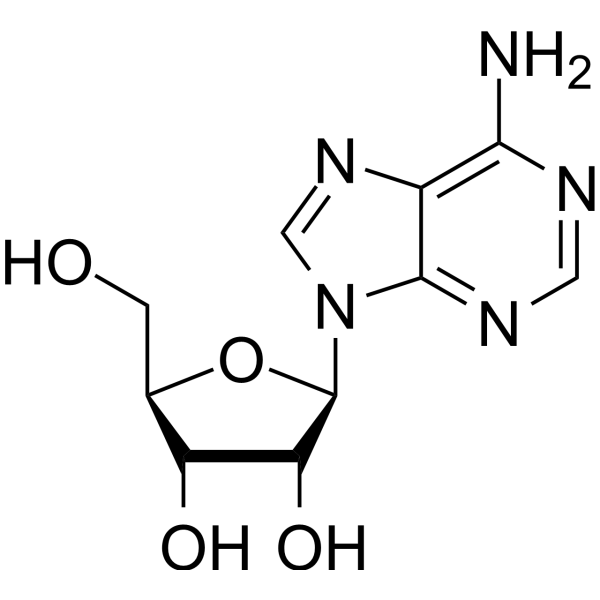
Adenosine (Adenine riboside), a ubiquitous and BBB-permeable endogenous autacoid, acts through the enrollment of four G protein-coupled receptors: A1, A2A, A2B, and A3. Adenosine affects almost all aspects of cellular physiology, including neuronal activity, vascular function, platelet aggregation, and blood cell regulation.
Nur für Forschungszwecke. Wir verkaufen nicht an Patienten.
- Reinheit : 99.96%
- CAS. Nr.: 58-61-7
- Formel: C10H13N5O4
- Molecular Weight:267.25
-
Speicherung:Powder -20°C, 3 years , 4°C, 2 years ; In solvent -80°C, 1 year , -20°C, 6 months

To place orders, for customer services and technical support, please contact: MedChemExpress USA
Tel: 609-228-6898 E-mail: [email protected] [email protected]


-
 Biologische Aktivität
-
Chemical Information
-
Lösungsmittel & Löslichkeit
- Protokoll
- Reinheit & Dokumentation
- Verweise
-
 Help & FAQs


-
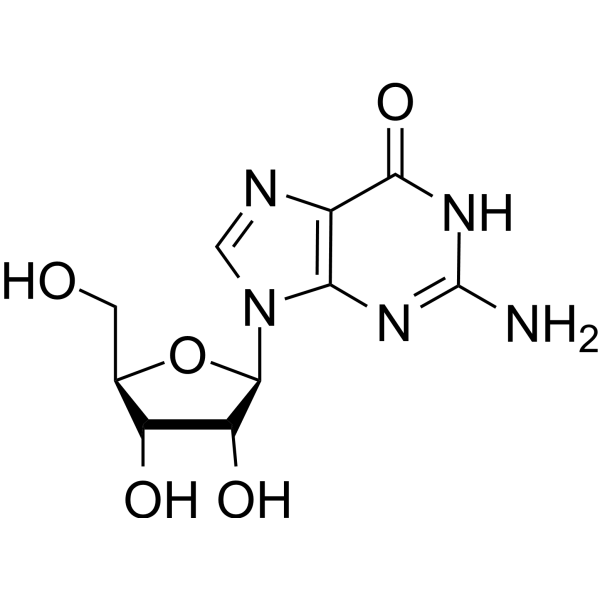
HY-N0097
GuanosineHSV Inhibitor -
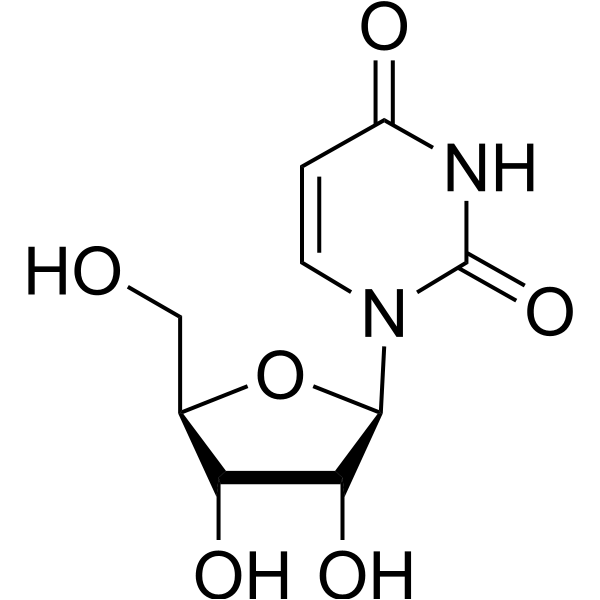
HY-B1449
UridineNucleoside -
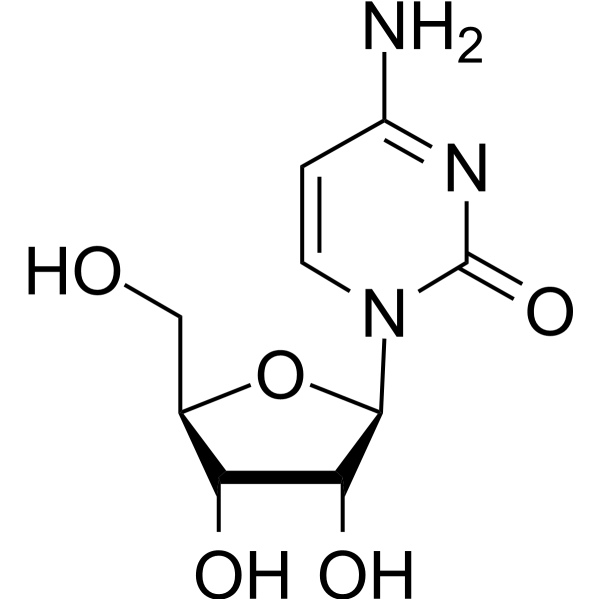
HY-B0158
CytidineNucleoside Molecule -
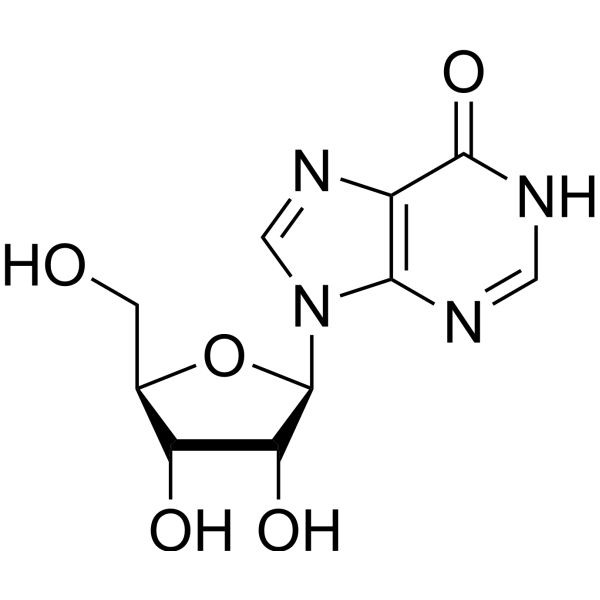
HY-N0092
InosineEndogenous Metabolite -
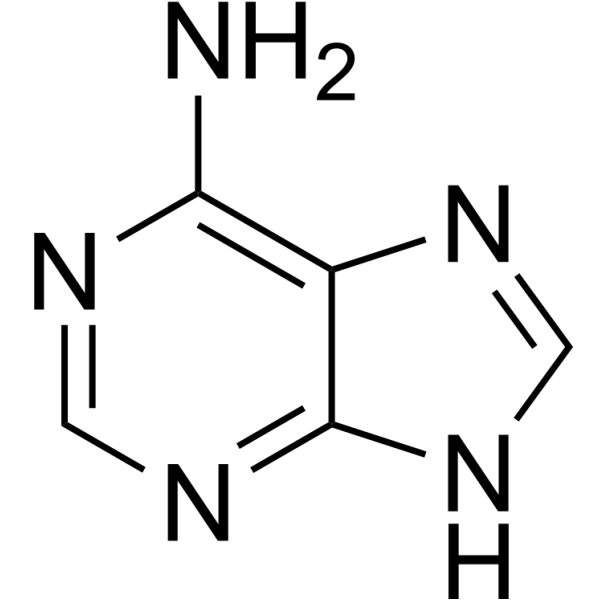
HY-B0152
AdenineNucleobase -
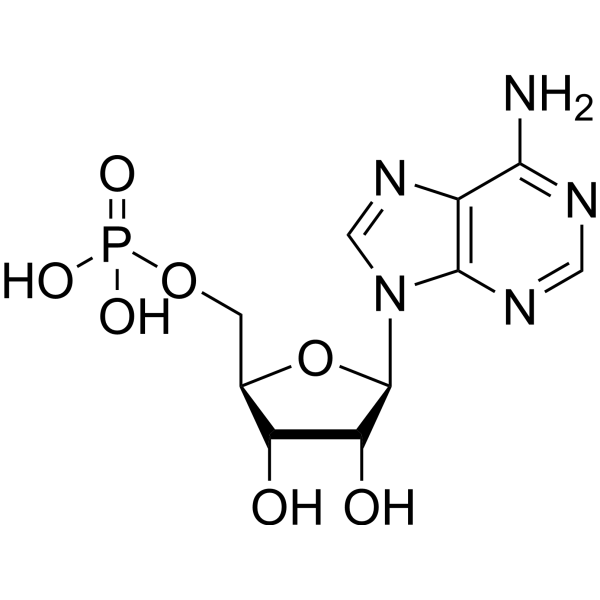
HY-A0181
Adenosine monophosphateAdenosine A1 Receptor Agonist -
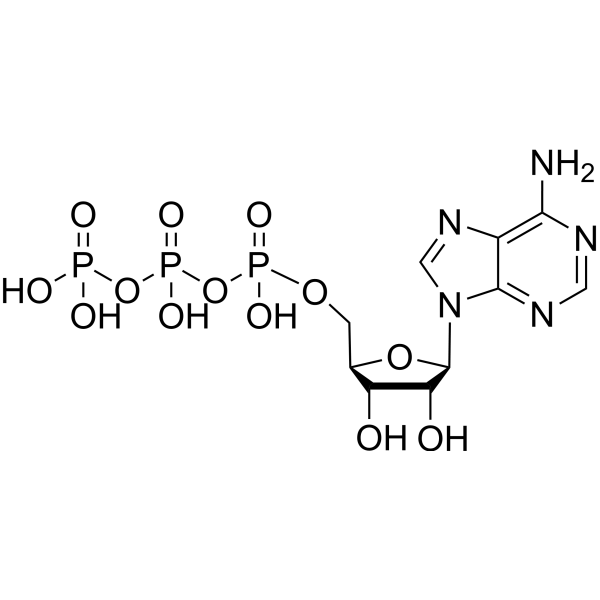
HY-B2176
ATPEndogenous Metabolite -
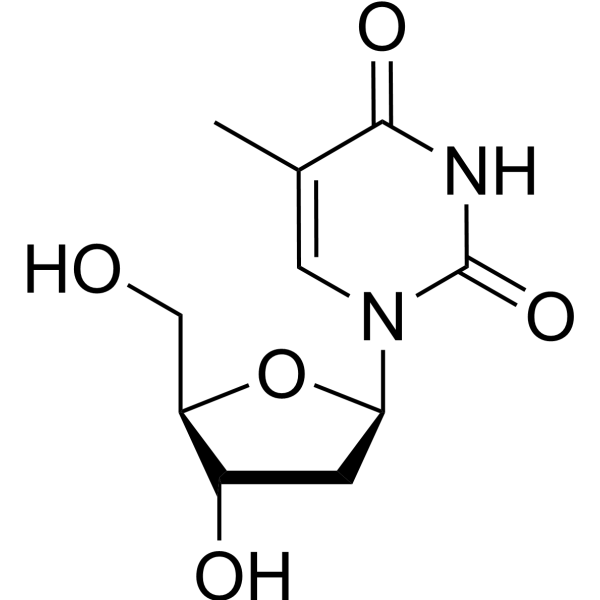
HY-N1150
ThymidineDNA Synthesis Inhibitor -
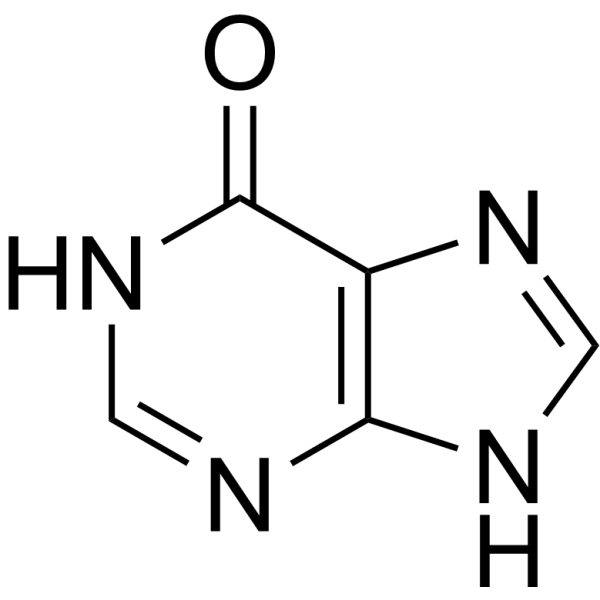
HY-N0091
HypoxanthineEndogenous Metabolite -
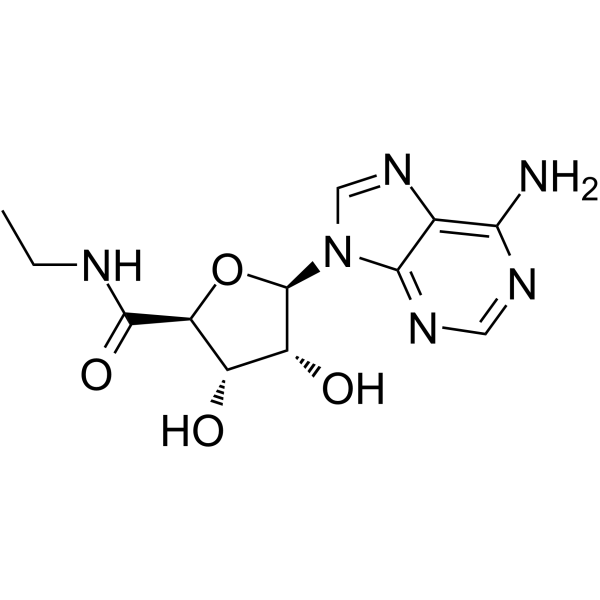
HY-103173
5'-N-EthylcarboxamidoadenosineAdenosine Receptor Agonist -
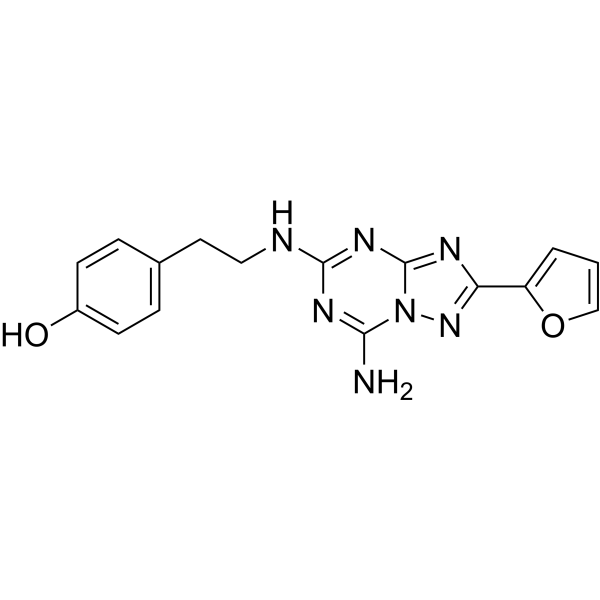
HY-19532
ZM241385A2A Receptor Antagonist -
HY-N0086
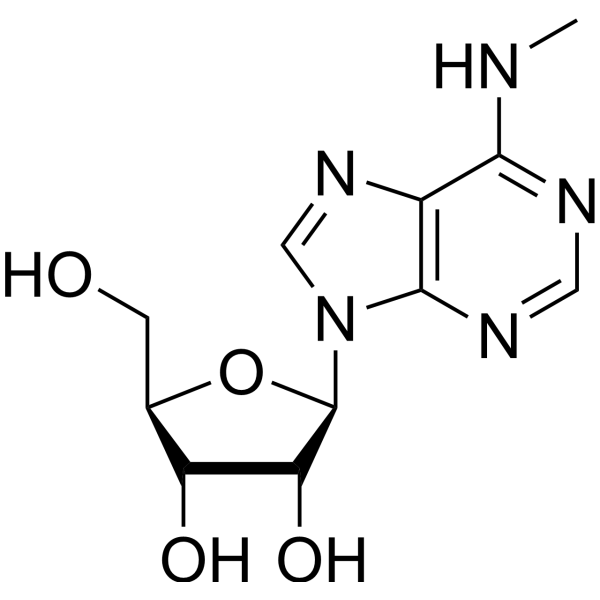
N6-MethyladenosineViral RNA Modified Agent
Publications Citing Use of MedChemExpress (MCE) Adenosine
More- Nature. 2026 Jan;649(8096):423-431. [Abstract]
- Nat Commun. 2025 Feb 28;16(1):2071. [Abstract]
- Nat Commun. 2023 Mar 27;14(1):1694. [Abstract]
- Nat Commun. 2022 Oct 26;13(1):6350. [Abstract]
- Theranostics. 2024 Aug 12;14(12):4874-4893. [Abstract]
- Adv Sci (Weinh). 2025 Jun;12(23):e2500566. [Abstract]
- Adv Sci (Weinh). 2024 Aug;11(30):e2306514. [Abstract]
- Cell Death Differ. 2026 Jan 24. [Abstract]
- Cell Death Dis. 2024 Sep 10;15(9):661. [Abstract]
- Cell Death Dis. 2020 Mar 23;11(3):202. [Abstract]
- Cancer Lett. 2025 Dec 1:634:218069. [Abstract]
- Mol Ther. 2024 Dec 4;32(12):4418-4434. [Abstract]
- Oncogene. 2025 Sep 17. [Abstract]
- Int J Mol Med. 2016 Sep;38(3):969-75. [Abstract]
- Talanta. 2024 Jan 15:267:125171. [Abstract]
- J Mol Med (Berl). 2019 Aug;97(8):1183-1193. [Abstract]
- Diabetol Metab Syndr. 2025 May 24;17(1):164. [Abstract]
- J Neurochem. 2022 Nov;163(4):310-326. [Abstract]
- iScience. 2026 Aug 27;29(9):117304.
 Customer Validation & Images

-
In Vivo Efficacy Study
-
In Vivo Efficacy Study
-
Cell Proliferation/Viability Assay
-
PK/PD Analysis
-
WB
Alle Endogenous Metabolite Isoform-spezifische Produkte anzeigen
More

Biologische Aktivität
Beschreibung
IC50 & Target
|
Human Endogenous Metabolite |
Microbial Metabolite |
Cellular Effect
|
Cell Line

|
Type | Value | Description | References |
|---|---|---|---|---|
| A-431 | IC50 |
195 μM
Compound: Adenosine
|
Inhibition of erbB-1 receptor tyrosine kinase from A431 human epidermoid carcinoma cells
Inhibition of erbB-1 receptor tyrosine kinase from A431 human epidermoid carcinoma cells
|
[PMID: 9089334] |
| CHO | EC50 |
0.29 μM
Compound: adenosine
|
Agonist activity at human adenosine A3 receptor expressed in CHO cells assessed as increase of intracellular calcium level
Agonist activity at human adenosine A3 receptor expressed in CHO cells assessed as increase of intracellular calcium level
|
[PMID: 20541935] |
| CHO | EC50 |
0.29 μM
Compound: adenosine
|
Agonist activity at human adenosine A3 receptor expressed in CHO cells
Agonist activity at human adenosine A3 receptor expressed in CHO cells
|
[PMID: 21388809] |
| CHO | EC50 |
0.31 μM
Compound: adenosine
|
Agonist activity at human adenosine A1 receptor expressed in CHO cells assessed as increase of intracellular calcium level
Agonist activity at human adenosine A1 receptor expressed in CHO cells assessed as increase of intracellular calcium level
|
[PMID: 20541935] |
| CHO | EC50 |
0.31 μM
Compound: adenosine
|
Agonist activity at human adenosine A1 receptor expressed in CHO cells
Agonist activity at human adenosine A1 receptor expressed in CHO cells
|
[PMID: 21388809] |
| CHO | EC50 |
0.7 μM
Compound: adenosine
|
Agonist activity at human adenosine A2A receptor expressed in CHO cells assessed as increase of intracellular calcium level
Agonist activity at human adenosine A2A receptor expressed in CHO cells assessed as increase of intracellular calcium level
|
[PMID: 20541935] |
| CHO | EC50 |
0.7 μM
Compound: adenosine
|
Agonist activity at human adenosine A2A receptor expressed in CHO cells
Agonist activity at human adenosine A2A receptor expressed in CHO cells
|
[PMID: 21388809] |
| CHO | EC50 |
23500 nM
Compound: AR-1
|
Agonist activity at human adenosine A2B receptor transfected in CHO cells assessed as changes in cAMP formation in the presence of nitrobenzylthioinosine
Agonist activity at human adenosine A2B receptor transfected in CHO cells assessed as changes in cAMP formation in the presence of nitrobenzylthioinosine
|
[PMID: 26356532] |
| CHO | EC50 |
24 μM
Compound: adenosine
|
Agonist activity at human adenosine A2B receptor expressed in CHO cells assessed as increase of intracellular calcium level
Agonist activity at human adenosine A2B receptor expressed in CHO cells assessed as increase of intracellular calcium level
|
[PMID: 20541935] |
| CHO | EC50 |
24 μM
Compound: adenosine
|
Agonist activity at human adenosine A2B receptor expressed in CHO cells
Agonist activity at human adenosine A2B receptor expressed in CHO cells
|
[PMID: 21388809] |
| CHO | EC50 |
290 nM
Compound: AR-1
|
Agonist activity at human adenosine A3 receptor transfected in CHO cells assessed as changes in cAMP formation in the presence of nitrobenzylthioinosine
Agonist activity at human adenosine A3 receptor transfected in CHO cells assessed as changes in cAMP formation in the presence of nitrobenzylthioinosine
|
[PMID: 26356532] |
| CHO | EC50 |
310 nM
Compound: AR-1
|
Agonist activity at human adenosine A1 receptor transfected in CHO cells assessed as changes in cAMP formation in the presence of nitrobenzylthioinosine
Agonist activity at human adenosine A1 receptor transfected in CHO cells assessed as changes in cAMP formation in the presence of nitrobenzylthioinosine
|
[PMID: 26356532] |
| CHO | EC50 |
730 nM
Compound: AR-1
|
Agonist activity at human adenosine A2A receptor transfected in CHO cells assessed as changes in cAMP formation in the presence of nitrobenzylthioinosine
Agonist activity at human adenosine A2A receptor transfected in CHO cells assessed as changes in cAMP formation in the presence of nitrobenzylthioinosine
|
[PMID: 26356532] |
| COS-7 | EC50 |
1.04 μM
Compound: adenosine
|
Activity against human wild type adenosine A3 receptor expressed in COS7 cells as measured by accumulation of inositol phosphate by PLC assay
Activity against human wild type adenosine A3 receptor expressed in COS7 cells as measured by accumulation of inositol phosphate by PLC assay
|
[PMID: 16640329] |
| Detroit 98 | ED50 |
0.08 μM
Compound: 2
|
Concentration that inhibited the growth of cultured human detroit 98 cells.
Concentration that inhibited the growth of cultured human detroit 98 cells.
|
[PMID: 7131482] |
| HEK-293T | EC50 |
0.039 μM
Compound: Adenosine
|
Agonist activity at human A1AR expressed in HEK293T/17 cells assessed as inhibition of isoproterenol-induced cAMP accumulation incubated for 10 mins by luciferase reporter assay
Agonist activity at human A1AR expressed in HEK293T/17 cells assessed as inhibition of isoproterenol-induced cAMP accumulation incubated for 10 mins by luciferase reporter assay
|
[PMID: 22738238] |
| HeLa | IC50 |
10.8 μM
Compound: 37
|
Inhibition of cytopathogenicity of herpes simplex type 1 virus (HSV-1)(KOS) in Hela cell culture.
Inhibition of cytopathogenicity of herpes simplex type 1 virus (HSV-1)(KOS) in Hela cell culture.
|
[PMID: 7473592] |
| HeLa | IC50 |
98.85 μM
Compound: 37
|
Concentration required to cause microscopically visible change or disruption in about 50% of Hela cell sheet.
Concentration required to cause microscopically visible change or disruption in about 50% of Hela cell sheet.
|
[PMID: 7473592] |
| HEp-2 | IC50 |
0.7 μM
Compound: 1
|
Compound was evaluated for cytotoxicity against H.Ep.-2 cells, and concentration required to inhibit the growth of treated cells to 50% of untreated control.
Compound was evaluated for cytotoxicity against H.Ep.-2 cells, and concentration required to inhibit the growth of treated cells to 50% of untreated control.
|
[PMID: 6708054] |
| HEp-2 | IC50 |
20 μM
Compound: 1
|
Compound was evaluated for cytotoxicity against H.Ep.-2 (AK-) cells and concentration required to inhibit the growth of treated cells to 50% of untreated control
Compound was evaluated for cytotoxicity against H.Ep.-2 (AK-) cells and concentration required to inhibit the growth of treated cells to 50% of untreated control
|
[PMID: 6708054] |
| HepG2 | IC50 |
18.46 μM
Compound: 35
|
Inhibition of PCSK9 mRNA expression in human HepG2 cells by SYBR Green I dye-based qRT-PCR analysis
Inhibition of PCSK9 mRNA expression in human HepG2 cells by SYBR Green I dye-based qRT-PCR analysis
|
[PMID: 30448414] |
| L1210 | EC50 |
1.869 mM
Compound: 2
|
Antitumor activity against mouse L1210 cells assessed as inhibition of [3H]thymidine incorporation after 72 hrs
Antitumor activity against mouse L1210 cells assessed as inhibition of [3H]thymidine incorporation after 72 hrs
|
[PMID: 24915876] |
| L1210 | IC50 |
0.991 mM
Compound: 2
|
Cytotoxicity against mouse L1210 cells assessed as inhibition of cell viability after 72 hrs by MTT assay
Cytotoxicity against mouse L1210 cells assessed as inhibition of cell viability after 72 hrs by MTT assay
|
[PMID: 24915876] |
| L929 | ED50 |
0.3 μM
Compound: 2
|
Concentration that inhibited the growth of Mouse L cells.
Concentration that inhibited the growth of Mouse L cells.
|
[PMID: 7131482] |
| PBMC | IC50 |
1.867 mM
Compound: 2
|
Cytotoxicity against human PBMC assessed as inhibition of cell viability after 72 hrs by MTT assay
Cytotoxicity against human PBMC assessed as inhibition of cell viability after 72 hrs by MTT assay
|
[PMID: 24915876] |
| RAW264.7 | IC50 |
>10 μM
Compound: 19
|
Antiinflammatory activity in mouse RAW264.7 cells assessed as reduction in LPS-induced NO production pretreated for 30 mins followed by LPS stimulation for 24 hrs by Griess assay
Antiinflammatory activity in mouse RAW264.7 cells assessed as reduction in LPS-induced NO production pretreated for 30 mins followed by LPS stimulation for 24 hrs by Griess assay
|
[PMID: 28499733] |
| U2OS | EC50 |
63 μM
Compound: 60961
|
Inhibition of the equilibrative nucleoside transporter (ENT1, SLC29A1) as assessed by GPCR-mediated changes in cell morphology using the impedance-based transporter activity through receptor activation (TRACT) assay (PubChem AID: 1745861)
Inhibition of the equilibrative nucleoside transporter (ENT1, SLC29A1) as assessed by GPCR-mediated changes in cell morphology using the impedance-based transporter activity through receptor activation (TRACT) assay (PubChem AID: 1745861)
|
[PMID: 31551431] |
In Vitro
Adenosine (Adenine riboside) acts on four G-protein coupled receptors: two of them, A1 and A3, are primarily coupled to Gi family G proteins; and two of them, A2A and A2B, are mostly coupled to Gs like G proteins. These receptors are antagonized by xanthines including caffeine. Via these receptors it affects many cells and organs, usually having a cytoprotective function[2].
Adenosine is an extracellular signaling molecule that is generated from its precursor molecules 5’-adenosine triphosphate (ATP) and 5’-adenosine monophosphate (AMP)[3].
Adenosine is a common metabolite of ATP, which exhibits cytotoxic effects at high concentrations.Adenosine (1.0-4.0 mM; 12-24 hours) inhibits cell viability and triggers ER stress in HepG2 cells[4].
Adenosine induces apoptosis in a variety of cancer cells. Adenosine (2.0 mM; 12-24 hours) induces autophagy in HepG2 cells. In HepG2 cell lines, Adenosine -induced AMPK/mTOR pathway activation partially blocked ER stress and decreased apoptotic cell death[4].
MedChemExpress (MCE) has not independently confirmed the accuracy of these methods. They are for reference only.
Clinical Trial
| NCT Number | Sponsor | Condition | Start Date |
Phase
|
|---|---|---|---|---|
| NCT01329991 | 2011-05 | PHASE1 |


Chemical Information
-
CAS. Nr. 58-61-7
-
Appearance Solid
-
Molecular Weight 267.25
-
Formel C10H13N5O4
-
Color White to off-white
-
SMILES
NC1=C(N=CN2[C@H]3[C@H](O)[C@H](O)[C@@H](CO)O3)C2=NC=N1
-
Synonyms
Adenine riboside; D-Adenosine
-
Structure Classification
-
Initial Source
-
Versand
Room temperature in continental US; may vary elsewhere.
-
Speicherung
Powder -20°C 3 years 4°C 2 years In solvent -80°C 1 year -20°C 6 months


Publications (19)
-
Journal Impact Factor
-
Most Recent
-
Nature
2026 Jan;649(8096):423-431. PMID: 41193806
Adenosine purchased from MedChemExpress. Usage Cited in: Nature. 2026 Jan;649(8096):423-431. [Abstract]
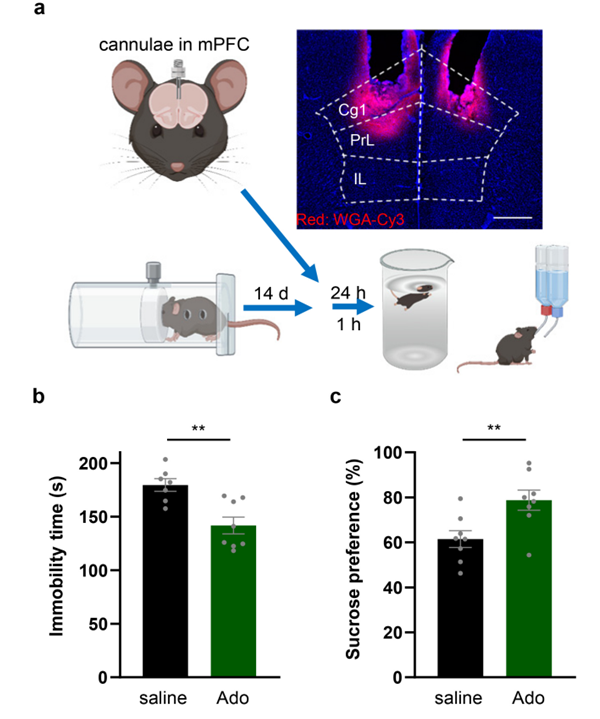
a-c, Direct infusion of Adenosine into the mPFC produced sustained antidepressant-like effects. a, Experimental timeline and representative image of the bilateral infusion site in the mPFC of CRS. Scale bar, 500 µm. b,c, Immobility time in the forced swim test (FST; b) and sucrose preference (c) were measured 24 h after infusion of Adenosine (0.1 µg per side).
-
Nat Commun
ACSS2 drives senescence-associated secretory phenotype by limiting purine biosynthesis through PAICS acetylation. [Abstract]2025 Feb 28;16(1):2071. PMID: 40021646 -
Nat Commun
2023 Mar 27;14(1):1694. PMID: 36973285 -
Nat Commun
METTL3 acetylation impedes cancer metastasis via fine-tuning its nuclear and cytosolic functions. [Abstract]2022 Oct 26;13(1):6350. PMID: 36289222 -
Theranostics
Engaging natural regulatory myeloid cells to restrict T-cell hyperactivation-induced liver inflammation via extracellular vesicle-mediated purine metabolism regulation. [Abstract]2024 Aug 12;14(12):4874-4893. PMID: 39239508
Adenosine purchased from MedChemExpress. Usage Cited in: Theranostics. 2024 Aug 12;14(12):4874-4893. [Abstract]
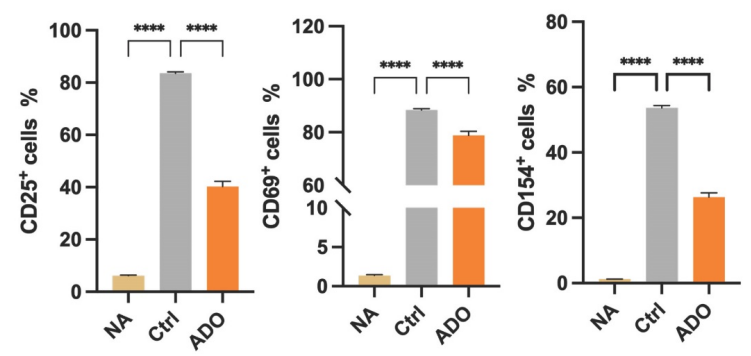
The percentages of CD25+, CD69+ and CD154+ activated CD4+ T cells among the untreated group (NA), control group (Ctrl) and ADO (Adenosine, 5 mM; 24 h) group.
-
Adv Sci (Weinh)
2025 Jun;12(23):e2500566. PMID: 40365742 -
Adv Sci (Weinh)
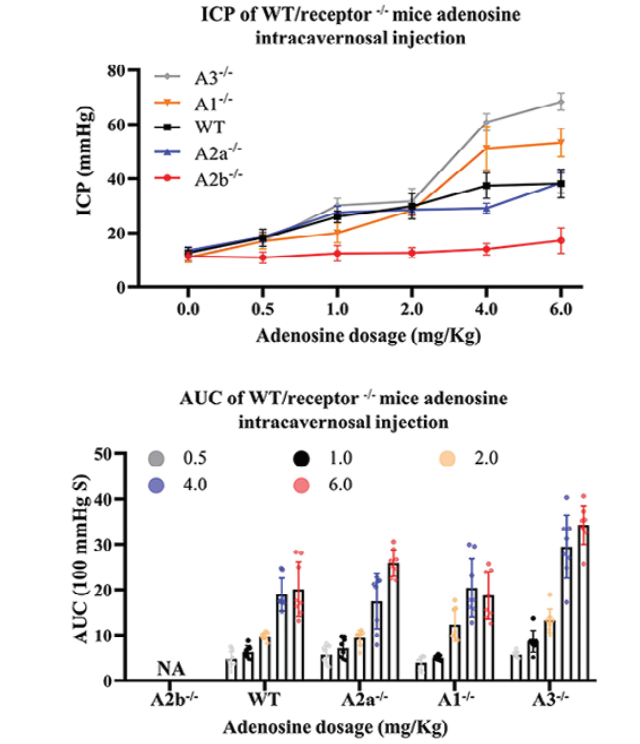
Targeting Adenosine A2b Receptor Promotes Penile Rehabilitation of Refractory Erectile Dysfunction. [Abstract]2024 Aug;11(30):e2306514. PMID: 38874549
Adenosine purchased from MedChemExpress. Usage Cited in: Adv Sci (Weinh). 2024 Aug;11(30):e2306514. [Abstract]
Adenosine (0.5-6 mg/kg; i.p.; single dose). ICPs and AUCs of adenosine receptor knock‐out (A1−/−, A2a−/−, A2b−/−, A3−/−) and WT mice. N = 8 in each group. Statistical analysis was performed using an unpaired t‐test. * P < 0.05, **** P < 0.0001.
-
Cell Death Differ
CARM1-mediated hypoxanthine-enriched exosomes rewire inosine metabolism and impair CD8+ T cell antitumor function. [Abstract]2026 Jan 24. PMID: 41580530 -
Cell Death Dis
NEK6 dampens FOXO3 nuclear translocation to stabilize C-MYC and promotes subsequent de novo purine synthesis to support ovarian cancer chemoresistance. [Abstract]2024 Sep 10;15(9):661. PMID: 39256367 -
Cell Death Dis
CD73 promotes tumor metastasis by modulating RICS/RhoA signaling and EMT in gastric cancer. [Abstract]2020 Mar 23;11(3):202. PMID: 32205841 -
Cancer Lett
2025 Dec 1:634:218069. PMID: 41033606 -
Mol Ther
Host RNA N6-methyladenosine and incoming DNA N6-methyldeoxyadenosine modifications cooperatively elevate the condensation potential of DNA to activate immune surveillance. [Abstract]2024 Dec 4;32(12):4418-4434. PMID: 39473181 -
Oncogene
NMRK2 leads to the depletion of CD8+T cells by mediating the enhancement of NAD+-SIRT1-CD38 axis in PRCC-TFE3 rRCC. [Abstract]2025 Sep 17. PMID: 40962858 -
Int J Mol Med
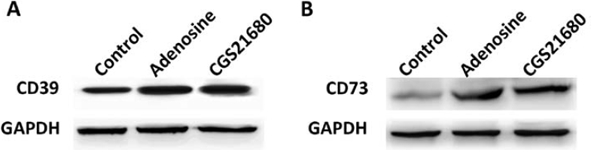
Adenosine and the adenosine A2A receptor agonist, CGS21680, upregulate CD39 and CD73 expression through E2F-1 and CREB in regulatory T cells isolated from septic mice. [Abstract]2016 Sep;38(3):969-75. PMID: 27430240
Adenosine purchased from MedChemExpress. Usage Cited in: Int J Mol Med. 2016 Sep;38(3):969-75. [Abstract]
Effects of Adenosine and CGS21680 on CD39 and CD73 expression. (A) Adenosine and CGS21680 promote the expression of CD39. (B) Adenosine and CGS21680 promote the expression of CD73. GAPDH is used as an internal reference.
-
Talanta
A simple, rapid and sensitive HILIC LC-MS/MS method for simultaneous determination of 16 purine metabolites in plasma and urine. [Abstract]2024 Jan 15:267:125171. PMID: 37696233 -
J Mol Med (Berl)
2019 Aug;97(8):1183-1193. PMID: 31201471 -
Diabetol Metab Syndr
Semaglutide and adenosine alleviate obesity-induced kidney injury, with observed modulation of the Txnip/NLRP3 pathway. [Abstract]2025 May 24;17(1):164. PMID: 40410781
Adenosine purchased from MedChemExpress. Usage Cited in: Diabetol Metab Syndr. 2025 May 24;17(1):164. [Abstract]
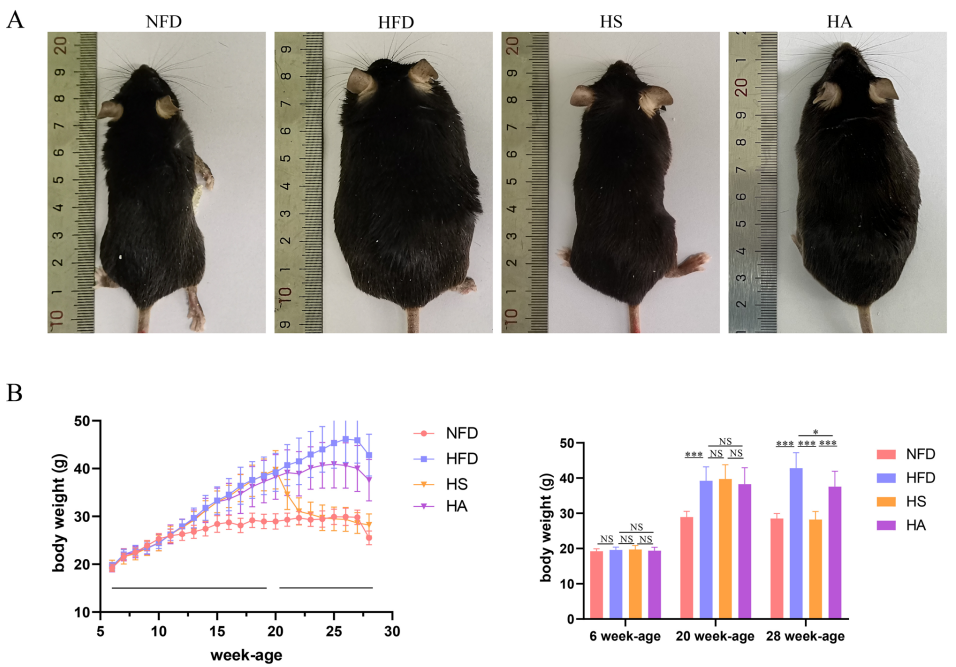
Weight changes in mice. Images of NFD mice, HFD mice, HS mice and HA mice (A); Trends in body weight of mice in NFD, HFD, HS and HA groups, quantitative analysis, n = 12 (B). Abbreviations: NFD, normal-fat diet; HFD, high-fat die; HS, HFD + semaglutide intervention; HA, HFD + Adenosine (20 mg/kg; i.p.; Once daily) intervention.
-
J Neurochem
Somatostatin interneurons inhibit excitatory transmission mediated by astrocytic GABAB and presynaptic GABAB and adenosine A1 receptors in the hippocampus. [Abstract]2022 Nov;163(4):310-326. PMID: 35775994 -


Lösungsmittel & Löslichkeit
In Vitro:
DMSO : 33.33 mg/mL (124.71 mM; Need ultrasonic; Hygroscopic DMSO has a significant impact on the solubility of product, please use newly opened DMSO)
H2O : 5 mg/mL (18.71 mM; ultrasonic and warming and heat to 60°C)
Please refer to the solubility information to select the appropriate solvent. Once prepared, please aliquot and store the solution to prevent product inactivation from repeated freeze-thaw cycles.
Storage method and period of stock solution: -80°C, 1 year; -20°C, 6 months. When stored at -80°C, please use it within 1 year. When stored at -20°C, please use it within 6 months.
* Note: If you choose water as the stock solution, please dilute it to the working solution, then filter and sterilize it with a 0.22 μm filter before use.
Please refer to the solubility information to select the appropriate solvent. Once prepared, please aliquot and store the solution to prevent product inactivation from repeated freeze-thaw cycles.
Storage method and period of stock solution: -80°C, 1 year; -20°C, 6 months. When stored at -80°C, please use it within 1 year. When stored at -20°C, please use it within 6 months.
* Note: If you choose water as the stock solution, please dilute it to the working solution, then filter and sterilize it with a 0.22 μm filter before use.
Konzentration (Stammlösung) × Volumen (Stammlösung) = Konzentration (Ziellösung) × Volumen (Ziellösung)
In Vivo:
For the following dissolution methods, please prepare the working solution directly:
It is recommended to prepare fresh solutions and use them promptly within a short period of time.
The percentages shown for the solvents indicate their volumetric ratio in the final prepared solution. If precipitation or phase separation occurs during preparation, heat and/or sonication can be used to aid dissolution.
Add each solvent one by one: PBS
Solubility: 6.67 mg/mL (24.96 mM); Clear solution; Need ultrasonic and warming and heat to 60°C


Reinheit & Dokumentation
-
Data Sheet (279 KB)
-
SDS (254 KB)
- English - EN (254 KB)
- Français - FR (254 KB)
- Deutsch - DE (254 KB)
- Norwegian - NO (254 KB)
- Español - ES (254 KB)
- Swedish - SV (254 KB)
- Italian - IT (254 KB)
- Korean - KR (254 KB)
- Portuguese - PT (254 KB)
-
Handling Instructions (2659 KB)
Verweise
[1]. Fredholm BB. Adenosine, an endogenous distress signal, modulates tissue damage and repair. Cell Death Differ. 2007;14(7):1315-1323. [Content Brief]
[2]. Borea PA, Gessi S, Merighi S, Vincenzi F, Varani K. Pharmacology of Adenosine Receptors: The State of the Art. Physiol Rev. 2018;98(3):1591-1625. [Content Brief]
[3]. Eltzschig HK. Adenosine: an old drug newly discovered. Anesthesiology. 2009;111(4):904-915. [Content Brief]
[4]. Zhou XT, et al. Inhibition of autophagy enhances adenosine induced apoptosis in human hepatoblastoma HepG2 cells. Oncol Rep. 2019;41(2):829-838. [Content Brief]
[5]. Wang Y, et al. Purinergic signaling: A gatekeeper of blood-brain barrier permeation. Front Pharmacol. 2023 Feb 7;14:1112758. [Content Brief]


Complete Stock Solution Preparation Table
Please refer to the solubility information to select the appropriate solvent. Once prepared, please aliquot and store the solution to prevent product inactivation from repeated freeze-thaw cycles.
Storage method and period of stock solution: -80°C, 1 year; -20°C, 6 months. When stored at -80°C, please use it within 1 year. When stored at -20°C, please use it within 6 months.
| Optional Solvent | Concentration Solvent Mass | 1 mg | 5 mg | 10 mg | 25 mg |
|---|---|---|---|---|---|
| H2O / DMSO | 1 mM | 3.7418 mL | 18.7091 mL | 37.4181 mL | 93.5454 mL |
| 5 mM | 0.7484 mL | 3.7418 mL | 7.4836 mL | 18.7091 mL | |
| 10 mM | 0.3742 mL | 1.8709 mL | 3.7418 mL | 9.3545 mL | |
| 15 mM | 0.2495 mL | 1.2473 mL | 2.4945 mL | 6.2364 mL | |
| DMSO | 20 mM | 0.1871 mL | 0.9355 mL | 1.8709 mL | 4.6773 mL |
| 25 mM | 0.1497 mL | 0.7484 mL | 1.4967 mL | 3.7418 mL | |
| 30 mM | 0.1247 mL | 0.6236 mL | 1.2473 mL | 3.1182 mL | |
| 40 mM | 0.0935 mL | 0.4677 mL | 0.9355 mL | 2.3386 mL | |
| 50 mM | 0.0748 mL | 0.3742 mL | 0.7484 mL | 1.8709 mL | |
| 60 mM | 0.0624 mL | 0.3118 mL | 0.6236 mL | 1.5591 mL | |
| 80 mM | 0.0468 mL | 0.2339 mL | 0.4677 mL | 1.1693 mL | |
| 100 mM | 0.0374 mL | 0.1871 mL | 0.3742 mL | 0.9355 mL |
* Note: If you choose water as the stock solution, please dilute it to the working solution, then filter and sterilize it with a 0.22 μm filter before use.


Adenosine Related Classifications
HY-B0228 Related Classifications
 Powered by Bioz