



Eicosapentaenoic Acid
Based on 33 publication(s) in Google Scholar
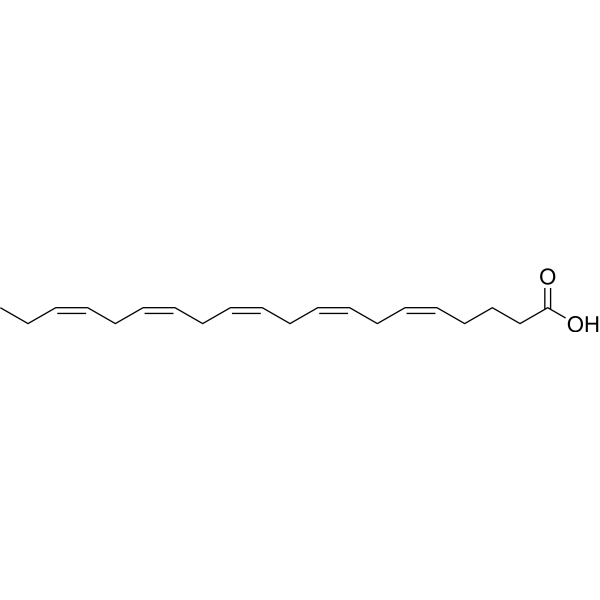
Eicosapentaenoic Acid (EPA) is an orally active Omega-3 long-chain polyunsaturated fatty acid (ω-3 LC-PUFA). Eicosapentaenoic Acid exhibits a DNA demethylating action that promotes the re-expression of the tumor suppressor gene CCAAT/enhancer-binding protein δ (C/EBPδ). Eicosapentaenoic Acid activates RAS/ERK/C/EBPβ pathway through H-Ras intron 1 CpG island demethylation in U937 leukemia cells. Eicosapentaenoic Acid can promote relaxation of vascular smooth muscle cells and vasodilation.
For research use only. We do not sell to patients.
- Purity : 98.09%
- CAS No.: 10417-94-4
- Formula: C20H30O2
- Molecular Weight:302.45
-
Storage:
-80°C, protect from light, stored under nitrogen

To place orders, for customer services and technical support, please contact: MedChemExpress USA
Tel: 609-228-6898 E-mail: [email protected] [email protected]


-
 Biological Activity
-
Chemical Information
-
Solvent & Solubility
- Protocols
- Purity & Documentation
- References
-
 Help & FAQs


-
HY-B2167
Docosahexaenoic acidomega-3 Fatty Acid -
HY-N0728
α-Linolenic acidEssential Fatty Acid -
HY-109590
Arachidonic acidPolyunsaturated Fatty Acid -
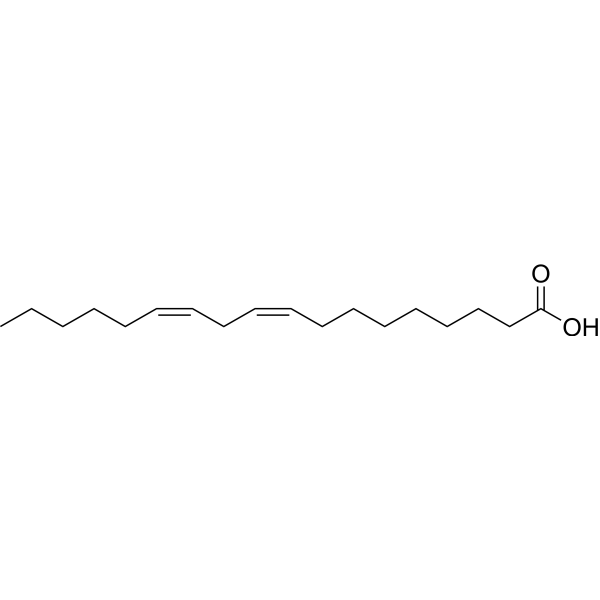
HY-N0729
Linoleic acidHuman Endogenous Metabolite -
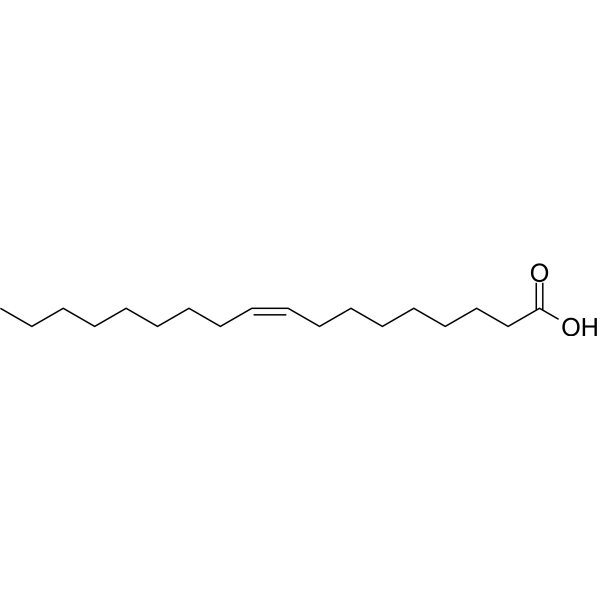
HY-N1446
Oleic acidMonounsaturated Fatty Acid -
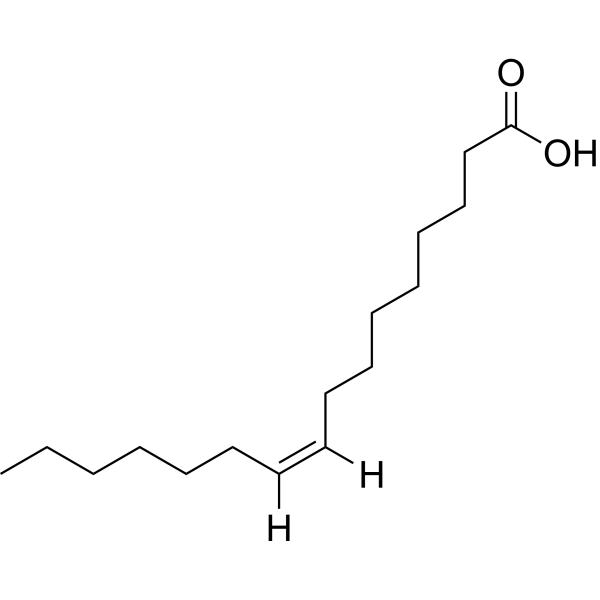
HY-W011873
Palmitoleic acid -

HY-B0660R
Eicosapentaenoic Acid (Standard)LC-PUFA -
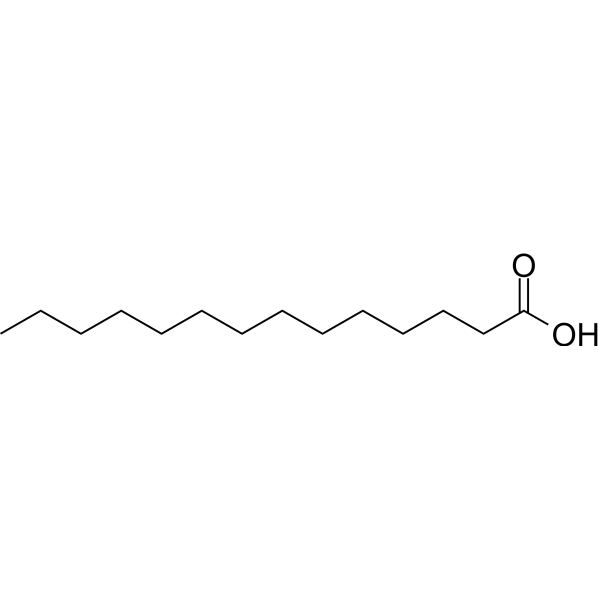
HY-N2041
Myristic acidEndogenous Metabolite -
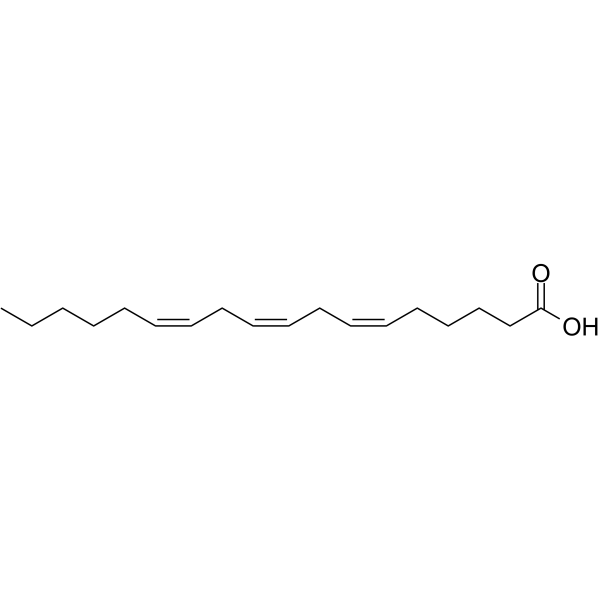
HY-N7140
Gamma-Linolenic acidEndogenous Metabolite -
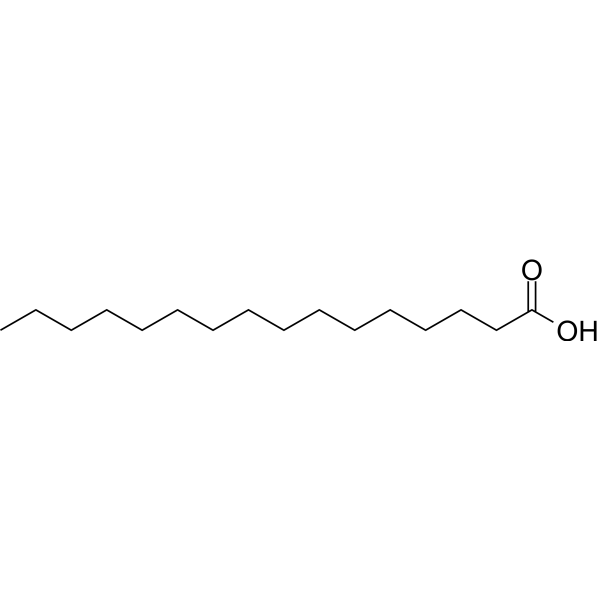
HY-N0830
Palmitic acidEndogenous Metabolite -
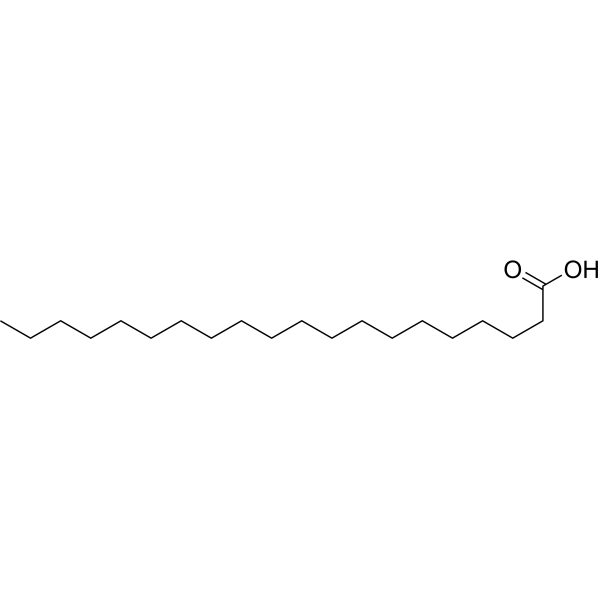
HY-W004260
Arachidic acidReceptor/Ion Channel Effector -
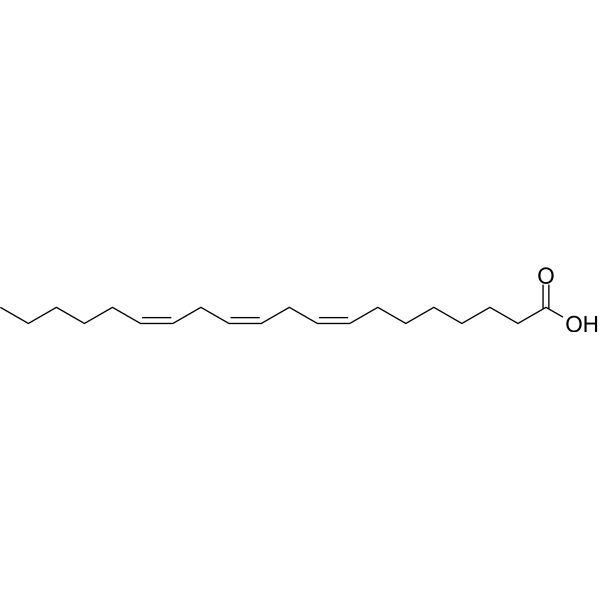
HY-A0143
Dihomo-γ-linolenic acidEndogenous Metabolite
Publications Citing Use of MedChemExpress (MCE) Eicosapentaenoic Acid
More- Science. 2025 Mar 14;387(6739):eadm9805. [Abstract]
- Exp Mol Med. 2026 May;58(5):1642-1656. [Abstract]
- Redox Biol. 2025 Mar:80:103528. [Abstract]
- Gut Microbes. 2022 Jan-Dec;14(1):2139978. [Abstract]
- Adv Sci (Weinh). 2026 Jul 7:e20994.
- Pharmacol Res. 2024 Jun:204:107214. [Abstract]
- Cell Commun Signal. 2025 Apr 11;23(1):181. [Abstract]
- Phytomedicine. 2023 Jul 25:116:154825. [Abstract]
- Acta Pharmacol Sin. 2025 Jun 23. [Abstract]
- Proc Natl Acad Sci U S A. 2021 Oct 26;118(43):e2104689118. [Abstract]
- J Anal Test. 2024 Dec.
- Haematologica. 2021 Jun 1;106(6):1671-1683. [Abstract]
- Cancer Immunol Res. 2022 Dec 2;10(12):1542-1558. [Abstract]
- Clin Nutr. 2023 Sep;42(9):1715-1727. [Abstract]
- Food Funct. 2025 Mar 24. [Abstract]
- Food Funct. 2024 May 20;15(10):5251-5271. [Abstract]
- EMBO Rep. 2024 Dec;25(12):5507-5536. [Abstract]
- Eur J Pharmacol. 2026 Mar 28:1019:178741. [Abstract]
- Int Immunopharmacol. 2026 Jan 1;168(Pt 2):115903. [Abstract]
- Int J Mol Sci. 2023 Aug 23;24(17):13131. [Abstract]
- Int J Mol Sci. 2022 May 10;23(10):5323. [Abstract]
- Pestic Biochem Physiol. 2025 Aug:212:106460. [Abstract]
- Mol Nutr Food Res. 2026 Jun;70(11):e70522. [Abstract]
- Clin Exp Med. 2025 Nov 25;26(1):33. [Abstract]
- Fish Shellfish Immunol. 2019 Nov:94:199-210. [Abstract]
- ACS Pharmacol Transl Sci. 2025 Oct 4;8(11):4095-4106. [Abstract]
- J Dent Sci. 2025 Jan;20(1):444-451. [Abstract]
- Int J Parasitol Drugs Drug Resist. 2024 Aug:25:100551. [Abstract]
- Res Sq. 2026 Jan 15.
- Res Sq. 2025 Nov 19:rs.3.rs-7983397. [Abstract]
- bioRxiv. 2025 Jun 16.
- Res Sq. 2024 Aug 16.
- Research Square Print. 2023 Mar 10.
 Customer Validation & Images

-
WB
-
ELISA
-
Cell Proliferation/Viability Assay
-
In Vivo Efficacy Study
-
WB
All Endogenous Metabolite Isoforms
More

Biological Activity
Description
IC50 & Target
|
Human Endogenous Metabolite |
Cellular Effect
|
Cell Line

|
Type | Value | Description | References |
|---|---|---|---|---|
| MDA-MB-468 | EC50 |
>100 μM
Compound: EPA
|
Proapoptotic activity in human MDA-MB-468 cells assessed as activation of caspase-3 by luminometry
Proapoptotic activity in human MDA-MB-468 cells assessed as activation of caspase-3 by luminometry
|
[PMID: 22822908] |
| MDA-MB-468 | IC50 |
>100 μM
Compound: EPA
|
Antiproliferative activity against human MDA-MB-468 cells after 48 hrs by MTT assay
Antiproliferative activity against human MDA-MB-468 cells after 48 hrs by MTT assay
|
[PMID: 22822908] |
| RBL-2H3 | IC50 |
>50 μM
Compound: 6; EPA
|
Antiallergic activity in rat RBL2H3 cells assessed as inhibition of DNP-HSA-mediated degranulation by measuring decrease in beta-hexosaminidase activity preincubated for 30 mins followed by DNP-HSA stimulation and measured after 30 mins by 4-nitrophenyl 2
Antiallergic activity in rat RBL2H3 cells assessed as inhibition of DNP-HSA-mediated degranulation by measuring decrease in beta-hexosaminidase activity preincubated for 30 mins followed by DNP-HSA stimulation and measured after 30 mins by 4-nitrophenyl 2
|
[PMID: 31618024] |
In Vitro
C/EBPβ phosphorylated form is evident in Eicosapentaenoic Acid (EPA; 100 μM; 24 h) treated cells, whereas it was barely detectable in control, and OA or LA treated U937[1].
Eicosapentaenoic Acid (100 μM; 1, 3, 24 h) causes a significant increase of H-Ras and N-Ras mRNA levels conditioning for 1 and 3 hours. K-Ras mRNA levels were not affected by Eicosapentaenoic Acid[1].
MedChemExpress (MCE) has not independently confirmed the accuracy of these methods. They are for reference only. Further protocols information, click here.
Clinical Trial
| NCT Number | Sponsor | Condition | Start Date |
Phase
|
|---|---|---|---|---|
| NCT01329991 | Plexxikon| | 2011-05 | PHASE1 |


Chemical Information
-
CAS No. 10417-94-4
-
Appearance Liquid (Density: 0.943 g/cm3 )
-
Molecular Weight 302.45
-
Formula C20H30O2
-
Color Colorless to light yellow
-
SMILES
CC/C=C\C/C=C\C/C=C\C/C=C\C/C=C\CCCC(O)=O
-
Synonyms
EPA; Timnodonic acid
-
Structure Classification
-
Shipping
Shipping with dry ice.
-
Storage
-80°C, protect from light, stored under nitrogen


Publications (33)
-
Journal Impact Factor
-
Most Recent
-
Science
2025 Mar 14;387(6739):eadm9805. PMID: 40080571
Eicosapentaenoic Acid purchased from MedChemExpress. Usage Cited in: Science. 2025 Mar 14;387(6739):eadm9805. [Abstract]
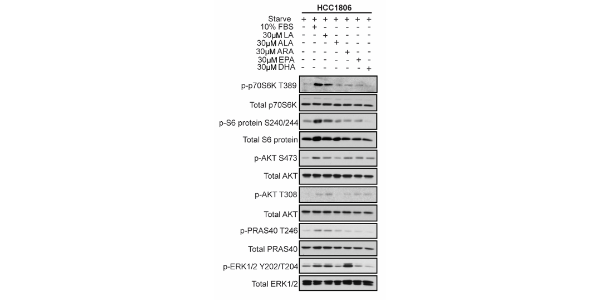
Immunoblot analysis of HCC1806 cells following 16 hour serum starvation and subsequent stimulation with 10% FBS or 30 μM ω-6 LA or Arachidonic acid (AA), or ω-3 ALA, Eicosapentaenoic acid (EPA) or Docosahexaenoic acid (DHA) for 30 minutes.
Eicosapentaenoic Acid purchased from MedChemExpress. Usage Cited in: Science. 2025 Mar 14;387(6739):eadm9805. [Abstract]
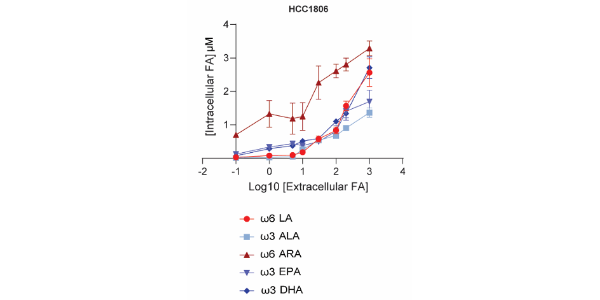
HCC1806 cells were serum starved for 16 hours and subsequently restimulated for 30 minutes with 1μM, 5μM, 10μM, 30μM, 100μM, 200μM, 1000μM of ω-6 LA, ω-6 ARA, ω-3 ALA, ω-3 EPA and ω-3 DHA for 30 minutes. Intracellular concentrations of each PUFA were quantified by ELISA from lysates obtained from 5 x 10⁶ cells.
-
Exp Mol Med
Cannabidiol triggers fatty acids β-oxidation mediated by Stat2 to facilitate intestinal stem cells regeneration post radiation. [Abstract]2026 May;58(5):1642-1656. PMID: 42120478 -
Redox Biol
Niraparib restricts intraperitoneal metastases of ovarian cancer by eliciting CD36-dependent ferroptosis. [Abstract]2025 Mar:80:103528. PMID: 39922130
Eicosapentaenoic Acid purchased from MedChemExpress. Usage Cited in: Redox Biol. 2025 Mar:80:103528. [Abstract]
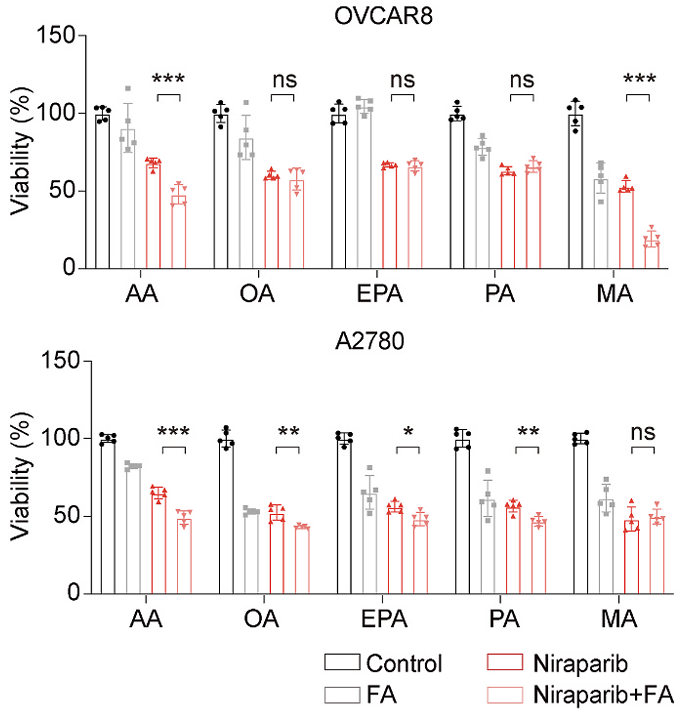
OVCAR8 and A2780 cells were cultured in fatty acid-free media supplemented with 50 μM AA (Arachidonic acid), 50 μM OA (Oleic acid), 50 μM EPA (Eicosapentaenoic acid), 50 μM PA (Palmitic acid), and 50 μM MA (Myristic acid) with the treatment of 10 μM Niraparib for 72 h, and the cell viability was determined.
-
Gut Microbes
FABP4 in Paneth cells regulates antimicrobial protein expression to reprogram gut microbiota. [Abstract]2022 Jan-Dec;14(1):2139978. PMID: 36519446 -
-
Pharmacol Res
Oral microbiota dysbiosis alters chronic restraint stress-induced depression-like behaviors by modulating host metabolism. [Abstract]2024 Jun:204:107214. PMID: 38763328
Eicosapentaenoic Acid purchased from MedChemExpress. Usage Cited in: Pharmacol Res. 2024 Jun:204:107214. [Abstract]
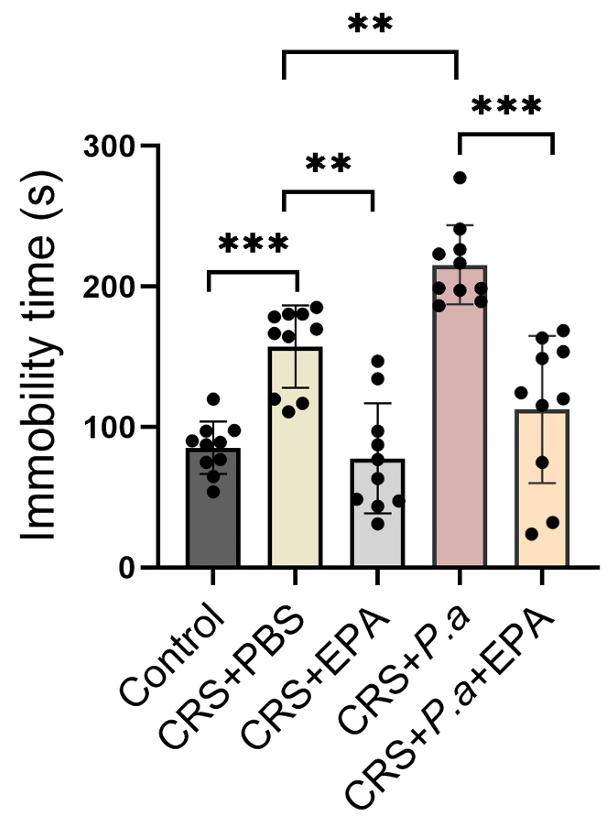
Eicosapentaenoic acid (EPA; 150 mg/kg; oral). Behavioral tests for the forced swim test.
-
Cell Commun Signal
2025 Apr 11;23(1):181. PMID: 40217343 -
Phytomedicine
Alpha-linolenic acid improves nasal mucosa epithelial barrier function in allergic rhinitis by arresting CD4+ T cell differentiation via IL-4Rα-JAK2-STAT3 pathway. [Abstract]2023 Jul 25:116:154825. PMID: 37178572 -
Acta Pharmacol Sin
Ginsenoside (20)S-APPT induces ferroptosis in hepatocellular carcinoma and cholangiocarcinoma by targeting FSP1. [Abstract]2025 Jun 23. PMID: 40550962 -
Proc Natl Acad Sci U S A
2021 Oct 26;118(43):e2104689118. PMID: 34675076
Eicosapentaenoic Acid purchased from MedChemExpress. Usage Cited in: Proc Natl Acad Sci U S A. 2021 Oct 26;118(43):e2104689118. [Abstract]
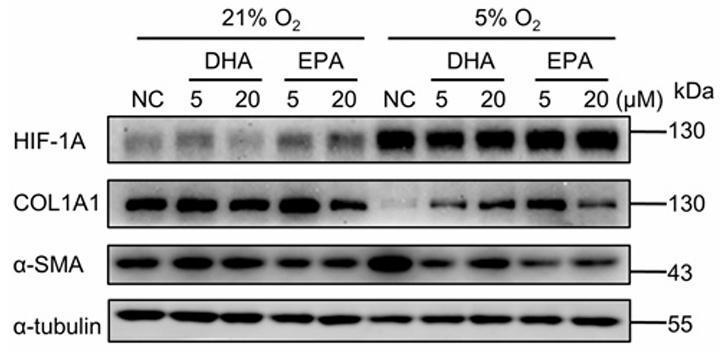
Western blot analysis showing the protein levels of HIF-1A, COL1A1, and α-SMA in HSFs treated with 5-20 μM DHA/EPA and under 21% (normoxic) or 5% (hypoxic) oxygen levels.
-
-
Haematologica
2021 Jun 1;106(6):1671-1683. PMID: 33538151 -
Cancer Immunol Res
NET-Triggered NLRP3 Activation and IL18 Release Drive Oxaliplatin-Induced Peripheral Neuropathy. [Abstract]2022 Dec 2;10(12):1542-1558. PMID: 36255412 -
Clin Nutr
Eicosapentaenoic acid supplementation modulates the osteoblast/osteoclast balance in inflammatory environments and protects against estrogen deficiency-induced bone loss in mice. [Abstract]2023 Sep;42(9):1715-1727. PMID: 37542949 -
Food Funct
2025 Mar 24. PMID: 40125583 -
Food Funct
Eicosapentaenoic acid activates the P62/KEAP1/NRF2 pathway for the prevention of diabetes-associated cognitive dysfunction. [Abstract]2024 May 20;15(10):5251-5271. PMID: 38680120 -
EMBO Rep
Eicosapentaenoic acid induces macrophage Mox polarization to prevent diabetic cardiomyopathy. [Abstract]2024 Dec;25(12):5507-5536. PMID: 39482491 -
Eur J Pharmacol
Gut microbiota-derived eicosapentaenoic acid alleviates kidney fibrosis in diabetic nephropathy following acute kidney injury. [Abstract]2026 Mar 28:1019:178741. PMID: 41819520 -
Int Immunopharmacol
Eicosapentaenoic acid attenuates hyperoxia-induced lung injury via p38 MAPK/NF-κB-mediated regulation of glycolytic reprogramming. [Abstract]2026 Jan 1;168(Pt 2):115903. PMID: 41270643 -
Int J Mol Sci
The Effects of Early-Life Stress on Liver Transcriptomics and the Protective Role of EPA in a Mouse Model of Early-Life-Stress-Induced Adolescent Depression. [Abstract]2023 Aug 23;24(17):13131. PMID: 37685937 -
Int J Mol Sci
Oral Administration of Omega-3 Fatty Acids Attenuates Lung Injury Caused by PM2.5 Respiratory Inhalation Simply and Feasibly In Vivo. [Abstract]2022 May 10;23(10):5323. PMID: 35628131 -
Pestic Biochem Physiol
Copper exposure elicits pyroptosis and inflammation in bursa of Fabricius and omega-3 reverses this phenomenon by inhibiting NF-κB-NLRP3-GSDMD axis: In vivo, in vitro, and in silico investigations. [Abstract]2025 Aug:212:106460. PMID: 40500068 -
Mol Nutr Food Res
2026 Jun;70(11):e70522. PMID: 42281281 -
Clin Exp Med
Corin: a dual inhibitor for KDM1A/HDAC1, suppresses hepatocellular carcinoma by triggering cuproptosis. [Abstract]2025 Nov 25;26(1):33. PMID: 41286164 -
Fish Shellfish Immunol
Transcriptome analysis and the effects of polyunsaturated fatty acids on the immune responses of the critically endangered angtze sturgeon (Acipenser dabryanus). [Abstract]2019 Nov:94:199-210. PMID: 31499199 -
ACS Pharmacol Transl Sci
Ultrasensitive Profiling of Arachidonic Acid Metabolites Based on 5‑(Diisopropylamino)amylamine Derivatization-Ultraperformance Liquid Chromatography-Tandem Mass Spectrometry. [Abstract]2025 Oct 4;8(11):4095-4106. PMID: 41262585 -
J Dent Sci
Periodontal inflammation potentially inhibits hepatic cytochrome P450 expression and disrupts the omega-3 epoxidation pathway in a murine model. [Abstract]2025 Jan;20(1):444-451. PMID: 39873042 -
Int J Parasitol Drugs Drug Resist
Lower micromolar activity of the antifungal imidazoles on the bacterial-type bifunctional aldehyde/alcohol dehydrogenase (AdhE) in Cryptosporidium parvum and in vitro efficacy against the zoonotic parasite. [Abstract]2024 Aug:25:100551. PMID: 38875756 -
-
Res Sq
Dietary Polyunsaturated Fatty Acids Regulate Dendritic Cell Function via Nrf2-dependent Control of Ferroptosis. [Abstract]2025 Nov 19:rs.3.rs-7983397. PMID: 41333438 -
-
-


Solvent & Solubility
In Vitro:
Ethanol : ≥ 200 mg/mL (661.27 mM)
DMSO : 100 mg/mL (330.63 mM; Need ultrasonic; Hygroscopic DMSO has a significant impact on the solubility of product, please use newly opened DMSO)
* "≥" means soluble, but saturation unknown.
Please refer to the solubility information to select the appropriate solvent. Once prepared, please aliquot and store the solution to prevent product inactivation from repeated freeze-thaw cycles.
Storage method and period of stock solution: -80°C, 6 months (protect from light, stored under nitrogen). When stored at -80°C, please use it within 6 months.
Please refer to the solubility information to select the appropriate solvent. Once prepared, please aliquot and store the solution to prevent product inactivation from repeated freeze-thaw cycles.
Storage method and period of stock solution: -80°C, 6 months (protect from light, stored under nitrogen). When stored at -80°C, please use it within 6 months.
Concentration (start) × Volume (start) = Concentration (final) × Volume (final)
In Vivo:
Select the appropriate dissolution method based on your experimental animal and administration route.
- For the following dissolution methods, please ensure to first prepare a clear stock solution using an In Vitro approach and then sequentially add co-solvents:
- To ensure reliable experimental results, the clarified stock solution can be appropriately stored based on storage conditions. As for the working solution for In Vivo experiments, it is recommended to prepare freshly and use it on the same day.
- The percentages shown for the solvents indicate their volumetric ratio in the final prepared solution. If precipitation or phase separation occurs during preparation, heat and/or sonication can be used to aid dissolution.
Add each solvent one by one: 10% EtOH 40% PEG300 5% Tween-80 45% Saline
Solubility: ≥ 5 mg/mL (16.53 mM); Clear solution
This protocol yields a clear solution of ≥ 5 mg/mL (saturation unknown).
Taking 1 mL working solution as an example, add 100 μL EtOH stock solution (50.0 mg/mL) to 400 μL PEG300, and mix evenly; then add 50 μL Tween-80 and mix evenly; then add 450 μL Saline to adjust the volume to 1 mL.
Preparation of Saline: Dissolve 0.9 g sodium chloride in ddH₂O and dilute to 100 mL to obtain a clear Saline solution.
Add each solvent one by one: 10% EtOH 90% (20% SBE-β-CD in Saline)
Solubility: ≥ 5 mg/mL (16.53 mM); Clear solution
This protocol yields a clear solution of ≥ 5 mg/mL (saturation unknown).
Taking 1 mL working solution as an example, add 100 μL EtOH stock solution (50.0 mg/mL) to 900 μL 20% SBE-β-CD in Saline, and mix evenly.
Preparation of 20% SBE-β-CD in Saline (4°C, storage for one week): 2 g SBE-β-CD powder is dissolved in 10 mL Saline, completely dissolve until clear.
Add each solvent one by one: 10% EtOH 90% Corn Oil
Solubility: ≥ 2.5 mg/mL (8.27 mM); Clear solution
This protocol yields a clear solution of ≥ 2.5 mg/mL (saturation unknown). If the continuous dosing period exceeds half a month, please choose this protocol carefully.
Taking 1 mL working solution as an example, add 100 μL EtOH stock solution (25.0 mg/mL) to 900 μL Corn oil, and mix evenly.
Add each solvent one by one: 10% DMSO 40% PEG300 5% Tween-80 45% Saline
Solubility: 2.08 mg/mL (6.88 mM); Suspended solution; Need ultrasonic
This protocol yields a suspended solution of 2.08 mg/mL. Suspended solution can be used for oral and intraperitoneal injection.
Taking 1 mL working solution as an example, add 100 μL DMSO stock solution (20.8 mg/mL) to 400 μL PEG300, and mix evenly; then add 50 μL Tween-80 and mix evenly; then add 450 μL Saline to adjust the volume to 1 mL.
Preparation of Saline: Dissolve 0.9 g sodium chloride in ddH₂O and dilute to 100 mL to obtain a clear Saline solution.
Add each solvent one by one: 10% DMSO 90% (20% SBE-β-CD in Saline)
Solubility: 2.08 mg/mL (6.88 mM); Suspended solution; Need ultrasonic
This protocol yields a suspended solution of 2.08 mg/mL. Suspended solution can be used for oral and intraperitoneal injection.
Taking 1 mL working solution as an example, add 100 μL DMSO stock solution (20.8 mg/mL) to 900 μL 20% SBE-β-CD in Saline, and mix evenly.
Preparation of 20% SBE-β-CD in Saline (4°C, storage for one week): 2 g SBE-β-CD powder is dissolved in 10 mL Saline, completely dissolve until clear.
For the following dissolution methods, please prepare the working solution directly:
It is recommended to prepare fresh solutions and use them promptly within a short period of time.
The percentages shown for the solvents indicate their volumetric ratio in the final prepared solution. If precipitation or phase separation occurs during preparation, heat and/or sonication can be used to aid dissolution.
Add each solvent one by one: 50% PEG300 50% Saline
Solubility: 10 mg/mL (33.06 mM); Suspended solution; Need ultrasonic
Add each solvent one by one: 15% Cremophor EL 85% Saline
Solubility: 10 mg/mL (33.06 mM); Suspended solution; Need ultrasonic
In Vivo Dissolution Calculator
Please enter the basic information of animal experiments:
-
-
-
-
Recommended: Prepare an additional quantity of animals to account for potential losses during experiments.
Please enter your animal formula composition:
-
%DMSO +
Recommended: Keep the proportion of DMSO in working solution below 2% if your animal is weak.
-
%+
-
+%Tween-80 + +
-
%Saline +
The co-solvents required include: DMSO, . All of co-solvents are available by MedChemExpress (MCE). , Tween 80. All of co-solvents are available by MedChemExpress (MCE).
Working solution concentration: 0.22 mg/mL
Method for preparing stock solution: mg drug dissolved in μL DMSO. Stock solution concentration: mg/mL.
1. Take μL DMSO stock solution;
2. Add μL .
μL , mix evenly;
3. Then add μL Tween 80, mix evenly;
4. Then add μL
Please ensure that the stock solution in the first step is dissolved to a clear state, and add co-solvents in sequence. You can use ultrasonic heating (ultrasonic cleaner, recommended frequency 20-40 kHz), vortexing, etc. to assist dissolution.

Protocols
-
RNA extraction experimental
By lysing cells, releasing RNA, and removing impurities such as proteins and DNA, high-purity RNA products are finally obtained. The commonly used traditional method is the guanidine isothiocyanate/phenol/chloroform method (Trizol), which is suitable for a variety of animal materials including animal tissues, microorganisms, cultured cells, etc., and most plant materials.


Purity & Documentation
-
Data Sheet (268 KB)
-
SDS (476 KB)
- English - EN (476 KB)
- Français - FR (476 KB)
- Deutsch - DE (476 KB)
- Norwegian - NO (476 KB)
- Español - ES (476 KB)
- Swedish - SV (476 KB)
- Italian - IT (476 KB)
- Korean - KR (476 KB)
- Portuguese - PT (476 KB)
-
Handling Instructions (2659 KB)
References
[1]. Martins, J.G., EPA but not DHA appears to be responsible for the efficacy of omega-3 long chain polyunsaturated fatty acid supplementation in depression: evidence from a meta-analysis of randomized controlled trials. J Am Coll Nutr, 2009. 28(5): p. 525-42. [Content Brief]
[2]. Miaozhen Pan, et al. Dietary ω-3 polyunsaturated fatty acids are protective for myopia. Proc Natl Acad Sci U S A. 2021 Oct 26;118(43):e2104689118. [Content Brief]


Complete Stock Solution Preparation Table
Please refer to the solubility information to select the appropriate solvent. Once prepared, please aliquot and store the solution to prevent product inactivation from repeated freeze-thaw cycles.
Storage method and period of stock solution: -80°C, 6 months (protect from light, stored under nitrogen). When stored at -80°C, please use it within 6 months.
| Optional Solvent | Concentration Solvent Mass | 1 mg | 5 mg | 10 mg | 25 mg |
|---|---|---|---|---|---|
| DMSO / Ethanol | 1 mM | 3.3063 mL | 16.5317 mL | 33.0633 mL | 82.6583 mL |
| 5 mM | 0.6613 mL | 3.3063 mL | 6.6127 mL | 16.5317 mL | |
| 10 mM | 0.3306 mL | 1.6532 mL | 3.3063 mL | 8.2658 mL | |
| 15 mM | 0.2204 mL | 1.1021 mL | 2.2042 mL | 5.5106 mL | |
| 20 mM | 0.1653 mL | 0.8266 mL | 1.6532 mL | 4.1329 mL | |
| 25 mM | 0.1323 mL | 0.6613 mL | 1.3225 mL | 3.3063 mL | |
| 30 mM | 0.1102 mL | 0.5511 mL | 1.1021 mL | 2.7553 mL | |
| 40 mM | 0.0827 mL | 0.4133 mL | 0.8266 mL | 2.0665 mL | |
| 50 mM | 0.0661 mL | 0.3306 mL | 0.6613 mL | 1.6532 mL | |
| 60 mM | 0.0551 mL | 0.2755 mL | 0.5511 mL | 1.3776 mL | |
| 80 mM | 0.0413 mL | 0.2066 mL | 0.4133 mL | 1.0332 mL | |
| 100 mM | 0.0331 mL | 0.1653 mL | 0.3306 mL | 0.8266 mL |


Eicosapentaenoic Acid Related Classifications
HY-B0660 Related Classifications
 Powered by Bioz