



 LinkedIn
 Researchgate
 Instagram
 X
X Facebook
 WhatsApp
 Reddit
 Mail
MailSARS-CoV-2 contains four main structural proteins: spike (S), membrane (M), envelope (E), and nucleocapsid (N) proteins. All the proteins and subcellular structures of CoVs are promising targets for SARS-CoV-2 research.
Articles
All
-
All
-
Scientific Reviews
-
EDM
-
Blog
Most Recent
-
Most Recent
-
Oldest
-
 Scientific Reviews
-
 Scientific Reviews
RNA therapeutics have changed the landscape of drug development, which possess broader spectrum of drug targets, simplicity and efficiency in development and manufacturing.In this article, we will discuss the underlying mechanisms of RNA-based drugs on the market or in clinical stages.
Scientific Reviews
RNA therapeutics have changed the landscape of drug development, which possess broader spectrum of drug targets, simplicity and efficiency in development and manufacturing.In this article, we will discuss the underlying mechanisms of RNA-based drugs on the market or in clinical stages. -
 Scientific Reviews
Autophagy, derived from the Greek meaning "eating of self", plays an indispensable role in maintaining homeostasis. p27 is an inhibitor of cyclin CDKs, but how p27 regulates autophagy remains unknown. This article will cover the mechanism of autophagy and p27-related cell cycle regulation.
Scientific Reviews
Autophagy, derived from the Greek meaning "eating of self", plays an indispensable role in maintaining homeostasis. p27 is an inhibitor of cyclin CDKs, but how p27 regulates autophagy remains unknown. This article will cover the mechanism of autophagy and p27-related cell cycle regulation. -
 Scientific Reviews
CMA (chaperone-mediated autophagy) plays an essential role in maintaining neuronal protein stability and preventing neurodegeneration. In this article, we will comprehensively clarify the role of CMA in the occurrence and development of neurodegenerative diseases.
Scientific Reviews
CMA (chaperone-mediated autophagy) plays an essential role in maintaining neuronal protein stability and preventing neurodegeneration. In this article, we will comprehensively clarify the role of CMA in the occurrence and development of neurodegenerative diseases. -
 Scientific Reviews
TME (Tumor microenvironment) is considered as a complex integrated system, composed of cellular components such as tumor cells and immune cells, as well as non-cellular components such as ECM and cytokines. According to the spatial distribution of immune cells in TME, "hot" and "cold" TME will be explained in this article.
Scientific Reviews
TME (Tumor microenvironment) is considered as a complex integrated system, composed of cellular components such as tumor cells and immune cells, as well as non-cellular components such as ECM and cytokines. According to the spatial distribution of immune cells in TME, "hot" and "cold" TME will be explained in this article. -
 Scientific Reviews
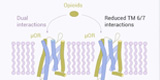
As powerful pain relievers, the opioids morphine and fentanyl have been "checked" by their side effects (listed as controlled substances). How to reduce its side effects? What is its mechanism? This research will explore its mechanism.
Scientific Reviews
As powerful pain relievers, the opioids morphine and fentanyl have been "checked" by their side effects (listed as controlled substances). How to reduce its side effects? What is its mechanism? This research will explore its mechanism. -
 Scientific Reviews
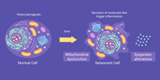
Understanding the mechanism of aging not only has guiding significance for prolonging human life but also has important clinical significance for the prevention and treatment of diseases in the elderly population , thus, improving their life quality and well-being.
Scientific Reviews
Understanding the mechanism of aging not only has guiding significance for prolonging human life but also has important clinical significance for the prevention and treatment of diseases in the elderly population , thus, improving their life quality and well-being. -
 Scientific Reviews
The latest study of Cell magazine "Neural mechanism underlying depressive-like state associated with social status loss" considers social factors as a breakthrough point. It has been found that the downward transition of social status induces depression-like behavior in mice whereas improves the depressive state by restoring their social environment.
Scientific Reviews
The latest study of Cell magazine "Neural mechanism underlying depressive-like state associated with social status loss" considers social factors as a breakthrough point. It has been found that the downward transition of social status induces depression-like behavior in mice whereas improves the depressive state by restoring their social environment. -
 Scientific Reviews
Necroptosis, also known as necroptosis, is a form of regulated necrotizing cell death mediated by RIP1 and RIP3 kinases. Necroptosis is a process that prevents the self-destruction of activated cells that are blocked by apoptosis. Necroptosis plays a tumor suppressor role in most cases. It may provide benefits in the researches of a variety of human diseases involving immune inflammation and cell death.
Scientific Reviews
Necroptosis, also known as necroptosis, is a form of regulated necrotizing cell death mediated by RIP1 and RIP3 kinases. Necroptosis is a process that prevents the self-destruction of activated cells that are blocked by apoptosis. Necroptosis plays a tumor suppressor role in most cases. It may provide benefits in the researches of a variety of human diseases involving immune inflammation and cell death. -
 Scientific Reviews
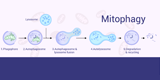
Mitophagy:Mechanisms and Detection
Scientific Reviews
Mitophagy:Mechanisms and Detection2023-05-25
About 60 years ago, Christian de Duve first used the term "autophagy" to describe his observation of the degradation of mitochondria and other intracellular structures in lysosomes of rat liver. Over the years, autophagy has remained a beloved topic of research by the National Natural Science Foundation of China (NSFC).Today, let's talk about mitochondrial autophagy. -
 Scientific Reviews
HLA-E, A Novel Immune Checkpoint
Scientific Reviews
HLA-E, A Novel Immune Checkpoint2023-06-29
Immune checkpoints have immunosuppressive functions. It can be used in the research of tumor immunotherapy. In this article, we introduce a new paper entitled "Immune checkpoint HLA-E: CD94 - NKG2Amediates evasion of circulating tumor cells from NK cell surveillance "research paper. -
 Scientific Reviews
WHO's Q2 drug list has been updated. Let's take you through the list of the most noteworthy small molecule drugs that we should pay attention to.
Scientific Reviews
WHO's Q2 drug list has been updated. Let's take you through the list of the most noteworthy small molecule drugs that we should pay attention to. -
 Scientific Reviews
FDA Approved Drug List!
Scientific Reviews
FDA Approved Drug List!2023-09-14
In the first half of 2023 (as of June 27), the FDA approved 26 new drugs, let's take you learn about it through the article. -
 Scientific Reviews
IHC is an indispensable technique for studying tissue morphology and in situ antigen expression, but usually only one or two antigens in tissues can be stained for analysis. It cannot judge the results more intuitively. Today, Little M will introduce you to the upgraded version mlHC.
Scientific Reviews
IHC is an indispensable technique for studying tissue morphology and in situ antigen expression, but usually only one or two antigens in tissues can be stained for analysis. It cannot judge the results more intuitively. Today, Little M will introduce you to the upgraded version mlHC. -
 Scientific Reviews
FDA Annual Review | Record-breaking number of new drug approvals in 2023!
Scientific Reviews
FDA Annual Review | Record-breaking number of new drug approvals in 2023! -
 Scientific Reviews
Katalin Karikó and Drew Weissman were awarded the Nobel Prize in Physiology or Medicine in 2023 for their groundbreaking work in nucleoside modification, which paved the way for the creation of successful mRNA vaccines to fight against COVID-19. Let's now delve into the complete process of mRNA vaccine development.
Scientific Reviews
Katalin Karikó and Drew Weissman were awarded the Nobel Prize in Physiology or Medicine in 2023 for their groundbreaking work in nucleoside modification, which paved the way for the creation of successful mRNA vaccines to fight against COVID-19. Let's now delve into the complete process of mRNA vaccine development. -
 Scientific Reviews
Science | A "new" mechanism for non-ubiquitinated Midnolin-proteasomal degradation pathway
Scientific Reviews
Science | A "new" mechanism for non-ubiquitinated Midnolin-proteasomal degradation pathway2024-04-26
“ubiquitin-mediated protein degradation” won the Nobel Prize in Chemistry in 2004! In fact, proteasomes degrade not only ubiquitinated proteins but also non-ubiquitinated ones. The mechanism remains shrouded in mystery. After reading this piece today, you might have a lightbulb moment! -
 Scientific Reviews
Exosomes, which won the Nobel Prize in 2013, are still a research hotspot in the national natural sciences, and their popularity has only increased over the past decade (in 2022, they still rank 5th in the national natural sciences hotspots!). Why have exosomes become the darling of scientific research? Let's take a look together~
Scientific Reviews
Exosomes, which won the Nobel Prize in 2013, are still a research hotspot in the national natural sciences, and their popularity has only increased over the past decade (in 2022, they still rank 5th in the national natural sciences hotspots!). Why have exosomes become the darling of scientific research? Let's take a look together~ -
 Scientific Reviews
Degrade target proteins through the autophagy-lysosome pathway including LYTAC, AUTAC, and ATTEC have gained increasing attention in recent years due to their significant research potential!
Scientific Reviews
Degrade target proteins through the autophagy-lysosome pathway including LYTAC, AUTAC, and ATTEC have gained increasing attention in recent years due to their significant research potential! -
 Scientific Reviews
Antibodies!
Scientific Reviews
Antibodies!2024-07-26
Today, We introduce antibodies for everyone! -
 Scientific Reviews
2024 Nobel Prize Announcements! Curious about the details? Click to dive into the exciting developments!
Scientific Reviews
2024 Nobel Prize Announcements! Curious about the details? Click to dive into the exciting developments! -
Scientific Reviews
Delve into the intricate networks that govern mitochondrial quality control. By examining key mechanisms such as biogenesis, mitochondrial dynamics (fission and fusion), proteolysis, and mitophagy. -
 Scientific Reviews
A New Form of Cell Death: PANoptosis!
Scientific Reviews
A New Form of Cell Death: PANoptosis! -
 Scientific Reviews
Advancing Chronic Kidney Disease Research with GJ103 and Lamin B1 Antibody!
Scientific Reviews
Advancing Chronic Kidney Disease Research with GJ103 and Lamin B1 Antibody! -
 Scientific Reviews
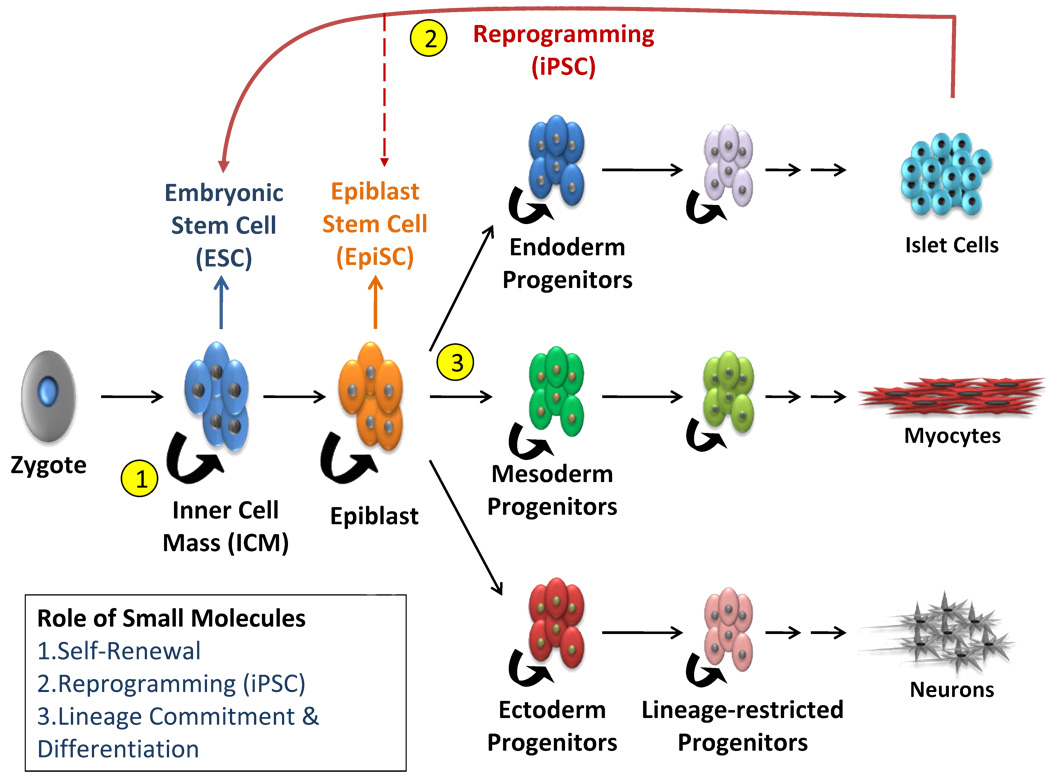
In early January 2025, MIT Tech Review unveiled its annual list of top 10 breakthrough technologies poised to redefine the future. Among these, stem cell therapy stood out for its potential to treat diverse diseases—including neurodegenerative disorders, diabetes, cancer, and heart failure. This groundbreaking approach uses stem cells to replace damaged cells, offering hope for millions worldwide.
Scientific Reviews
In early January 2025, MIT Tech Review unveiled its annual list of top 10 breakthrough technologies poised to redefine the future. Among these, stem cell therapy stood out for its potential to treat diverse diseases—including neurodegenerative disorders, diabetes, cancer, and heart failure. This groundbreaking approach uses stem cells to replace damaged cells, offering hope for millions worldwide. -
 Scientific Reviews
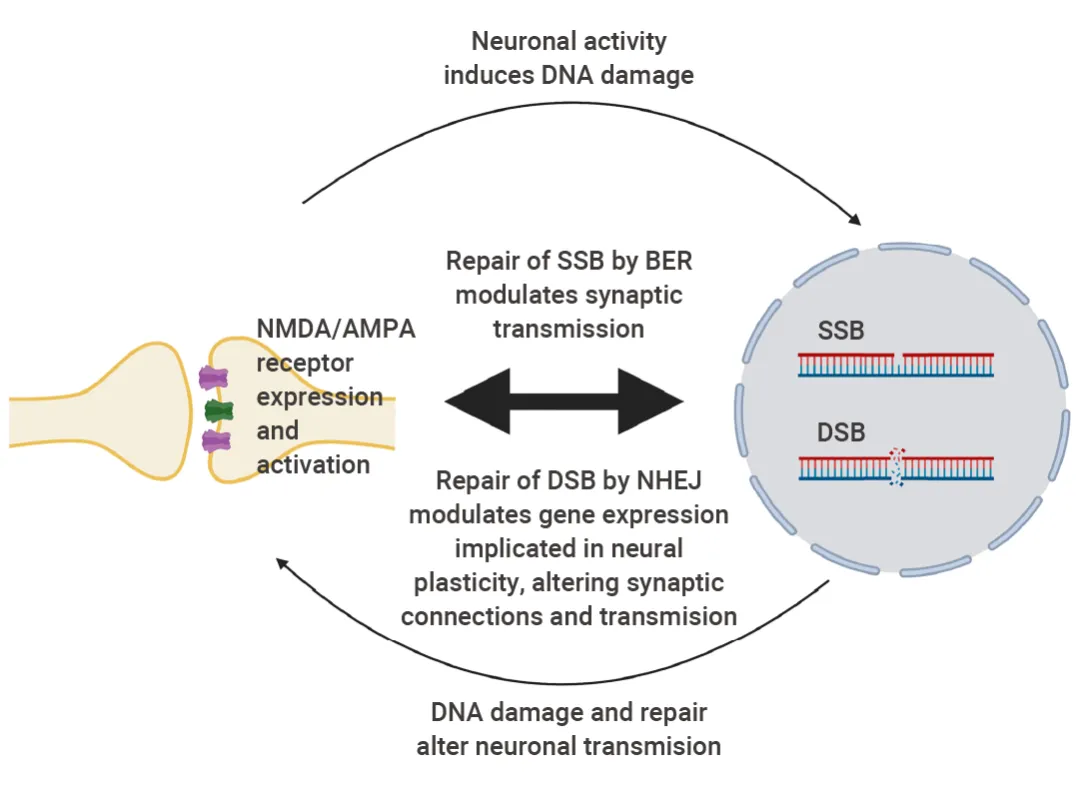
When you hear "inflammation" and "DNA damage," you might immediately think of disease or injury. However, in brains, these two processes are key steps in forming long-term memories, particularly related to specialized cells in our brain called hippocampal neurons.
Scientific Reviews
When you hear "inflammation" and "DNA damage," you might immediately think of disease or injury. However, in brains, these two processes are key steps in forming long-term memories, particularly related to specialized cells in our brain called hippocampal neurons. -
 Scientific Reviews
Autophagy is a fundamental process that degrades various components within the cell.
Scientific Reviews
Autophagy is a fundamental process that degrades various components within the cell. -
 Scientific Reviews
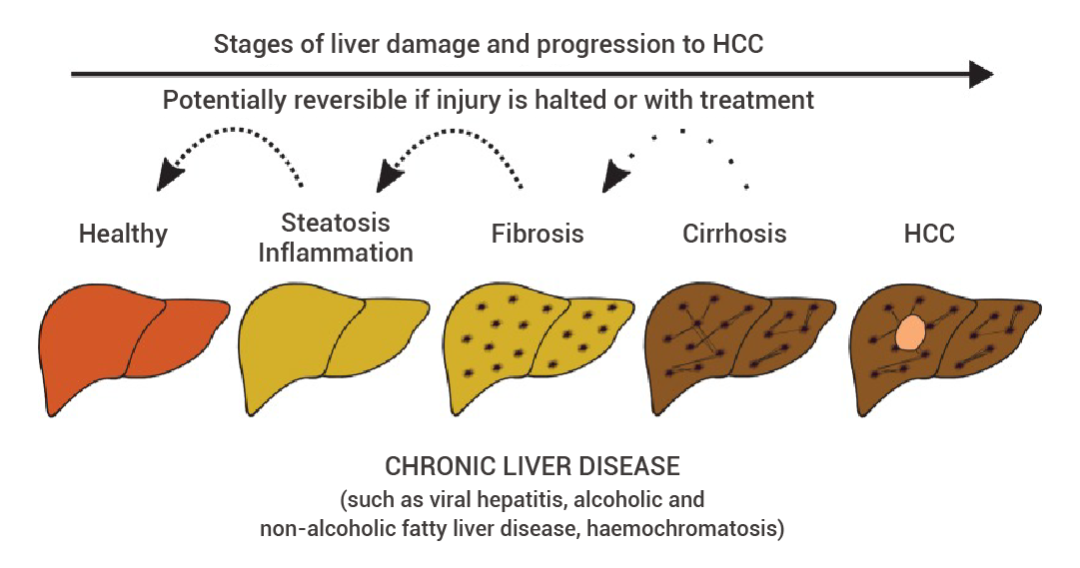
This article will tell you about the common methods of modeling liver disease in animal models.
Scientific Reviews
This article will tell you about the common methods of modeling liver disease in animal models. -
.jpg) Scientific Reviews
nside cells, the homeostasis and degradation of proteins is a precisely regulated process. If proteins cannot be degraded in time, it may lead to the occurrence of various diseases such as neurodegenerative diseases and cancer. This article will tell you the process of how proteins are recognized, labeled and then degraded!
Scientific Reviews
nside cells, the homeostasis and degradation of proteins is a precisely regulated process. If proteins cannot be degraded in time, it may lead to the occurrence of various diseases such as neurodegenerative diseases and cancer. This article will tell you the process of how proteins are recognized, labeled and then degraded! -
 Scientific Reviews
This article introduces some common cardiovascular disease models, inducers, modeling protocols and successful modeling cases in the research.
Scientific Reviews
This article introduces some common cardiovascular disease models, inducers, modeling protocols and successful modeling cases in the research. -
 Scientific Reviews
Chromatin Immunoprecipitation (ChIP) Demystified: A Complete Guide to Epigenetic Analysis
Scientific Reviews
Chromatin Immunoprecipitation (ChIP) Demystified: A Complete Guide to Epigenetic Analysis2025-08-05
In this issue, we introduce a powerful technique for detecting interactions between epigenetic regulatory factors and DNA—Chromatin Immunoprecipitation (ChIP)! -
 Scientific Reviews
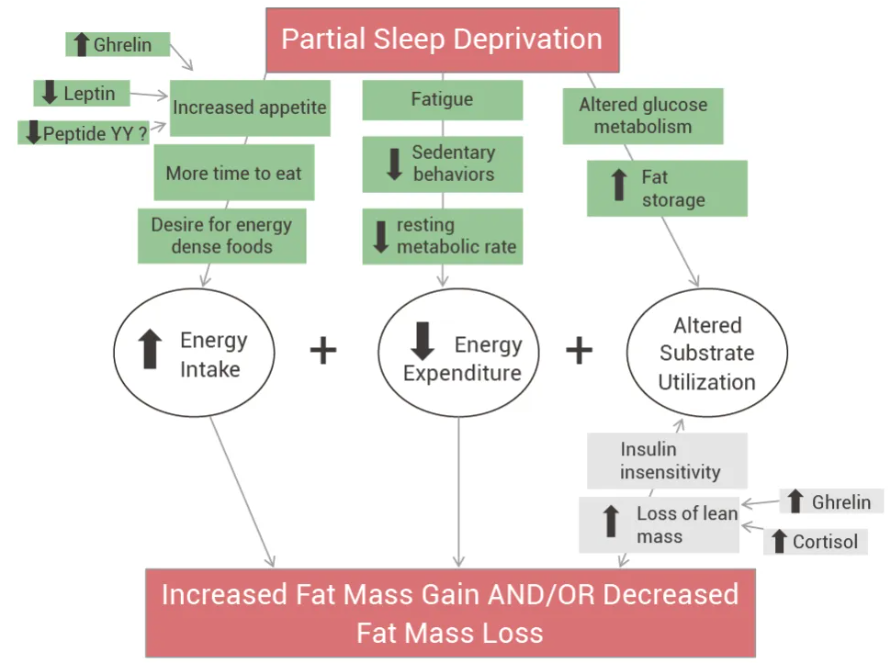
Have you ever noticed that after staying up late, your appetite—especially for high-calorie foods—gets out of control? If this sounds familiar, today’s article might offer some good news.
Scientific Reviews
Have you ever noticed that after staying up late, your appetite—especially for high-calorie foods—gets out of control? If this sounds familiar, today’s article might offer some good news. -
 Scientific Reviews
A groundbreaking study in Nature Communications reveals the key mechanism behind Idiopathic Pulmonary Fibrosis and identifies an existing drug with the potential to counter it.
Scientific Reviews
A groundbreaking study in Nature Communications reveals the key mechanism behind Idiopathic Pulmonary Fibrosis and identifies an existing drug with the potential to counter it. -
 Scientific Reviews
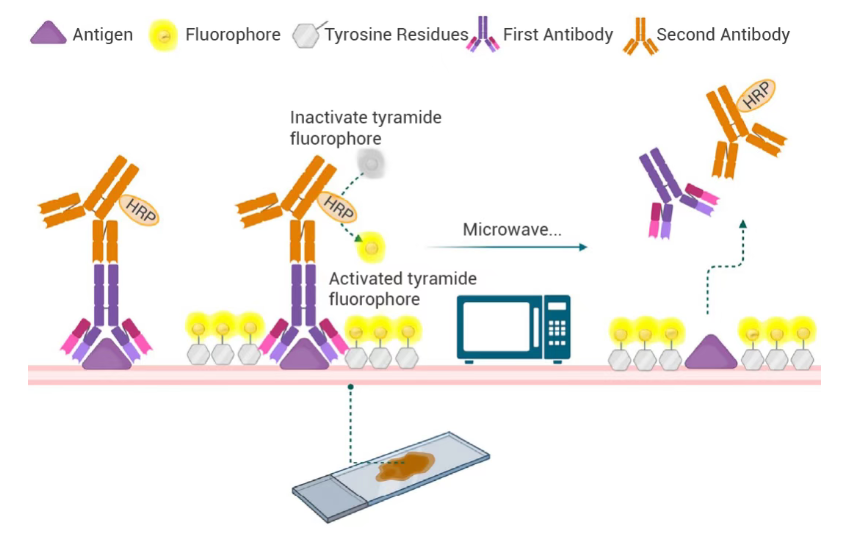
This detailed guide outlines the standardized experimental protocols for multiplex immunohistochemistry (mIHC), systematically summarizes common technical issues encountered during sample preparation, staining and imaging processes, and provides practical troubleshooting solutions to ensure reliable and reproducible results in biomedical research and clinical sample analysis.
Scientific Reviews
This detailed guide outlines the standardized experimental protocols for multiplex immunohistochemistry (mIHC), systematically summarizes common technical issues encountered during sample preparation, staining and imaging processes, and provides practical troubleshooting solutions to ensure reliable and reproducible results in biomedical research and clinical sample analysis. -
Scientific Reviews
Microglia– the only immune cells within the brain parenchyma. With advancements in imaging technologies, people’s understanding of microglia has shifted from being viewed as 'resting' cells to 'highly active' cells, particularly due to their dynamic processes that seem to be probing surrounding tissues and monitoring neuronal activity. This has made microglia a focal point of research in the field of neuroscience. -
 Scientific Reviews
Exosomes—natural nanoscale carriers—are revolutionizing targeted therapy. This article uncovers the science behind their precision in drug delivery.
Scientific Reviews
Exosomes—natural nanoscale carriers—are revolutionizing targeted therapy. This article uncovers the science behind their precision in drug delivery. -
 Scientific Reviews
This paper elaborates on cytokines for culturing major immune cells, their regulatory roles, recombinant cytokines' merits and MCE’s related high-quality products.
Scientific Reviews
This paper elaborates on cytokines for culturing major immune cells, their regulatory roles, recombinant cytokines' merits and MCE’s related high-quality products. -
 Scientific Reviews
FISH is a molecular technique using fluorescent probes to detect specific nucleic acids in cells, with high sensitivity and diverse biomedical applications.
Scientific Reviews
FISH is a molecular technique using fluorescent probes to detect specific nucleic acids in cells, with high sensitivity and diverse biomedical applications. -
 EDM
Advances in Alzheimer's Disease Research
EDM
Advances in Alzheimer's Disease Research2025-07-16
This review summarizes current understanding of AD pathophysiology, including amyloid and tau pathology, neuroinflammation, synaptic dysfunction, and vascular abnormalities, and evaluates therapeutic strategies and experimental models. -
 EDM
This review explores the molecular mechanisms of the DNA damage response, reviews therapeutic strategies targeting DDR pathways in cancer, and examines their roles in cancer drug resistance.
EDM
This review explores the molecular mechanisms of the DNA damage response, reviews therapeutic strategies targeting DDR pathways in cancer, and examines their roles in cancer drug resistance. -
 EDM
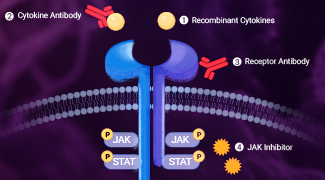
This review critically examines the role of the JAK-STAT pathway in immunity and autoimmune diseases, reviews current clinical applications of targeted therapies, and highlights emerging trends in autoimmune drug development.
EDM
This review critically examines the role of the JAK-STAT pathway in immunity and autoimmune diseases, reviews current clinical applications of targeted therapies, and highlights emerging trends in autoimmune drug development. -
 EDM
This review summarizes the mechanisms of DSS-induced colitis, commonly used modeling approaches, and key considerations related to DSS molecular weight.
EDM
This review summarizes the mechanisms of DSS-induced colitis, commonly used modeling approaches, and key considerations related to DSS molecular weight. -
 EDM
This review highlights the roles of microglia in AD pathology, focusing on metabolic reprogramming and microglia-targeted therapeutic strategies.
EDM
This review highlights the roles of microglia in AD pathology, focusing on metabolic reprogramming and microglia-targeted therapeutic strategies. -
 EDM
Review advances in target discovery, disease modeling, and biomarkers for Parkinson’s disease, highlighting their interplay and future directions for translational research.
EDM
Review advances in target discovery, disease modeling, and biomarkers for Parkinson’s disease, highlighting their interplay and future directions for translational research. -
 EDM
Review the mechanisms, mitochondrial regulation, disease relevance, and translational opportunities of the NLRP3–STING axis in neuroinflammation.
EDM
Review the mechanisms, mitochondrial regulation, disease relevance, and translational opportunities of the NLRP3–STING axis in neuroinflammation. -
 EDM
Explore the mechanisms driving immune tolerance breakdown in autoimmune diseases and emerging tolerance-restoring strategies, with a focus on IL-2-based immune modulation.
EDM
Explore the mechanisms driving immune tolerance breakdown in autoimmune diseases and emerging tolerance-restoring strategies, with a focus on IL-2-based immune modulation. -
 EDM
Explore how anti-Aβ therapy is reshaping the AD treatment landscape, the rationale for multi-pathology combination strategies, and advances in biomarker-guided precision treatment.
EDM
Explore how anti-Aβ therapy is reshaping the AD treatment landscape, the rationale for multi-pathology combination strategies, and advances in biomarker-guided precision treatment. -
 EDM
Explore how mitochondrial quality control, inflammatory signaling, and metabolic–epigenetic reprogramming regulate cellular senescence and the SASP, along with strategies to restore mitochondrial homeostasis.
EDM
Explore how mitochondrial quality control, inflammatory signaling, and metabolic–epigenetic reprogramming regulate cellular senescence and the SASP, along with strategies to restore mitochondrial homeostasis. -
 EDM
Explore emerging synthetic lethal vulnerabilities beyond BRCA–PARP and advances in their discovery and prediction through CRISPR screening, organoids, multi-omics, and AI.
EDM
Explore emerging synthetic lethal vulnerabilities beyond BRCA–PARP and advances in their discovery and prediction through CRISPR screening, organoids, multi-omics, and AI. -
 Blog
BR351 is a Brain Penetrant MMP Inhibitor
Blog
BR351 is a Brain Penetrant MMP Inhibitor2019-04-05
BR351 is a brain penetrant MMP inhibitor, and a potential tool for the molecular imaging of activated MMPs with PET, with an IC50 in the nanomolar range. -
 Blog
HS-1371 is a Small Molecule RIP3 Inhibitor
Blog
HS-1371 is a Small Molecule RIP3 Inhibitor2019-04-09
HS-1371 is a novel kinase inhibitor of RIP3-mediated necroptosis, showing an inhibitory effect on S227 auto-phosphorylation of RIP3 at the basal level. -
 Blog
PRN1008 is a Reversible Covalent and Oral Active Inhibitor of Bruton’s Tyrosine Kinase (BTK)
Blog
PRN1008 is a Reversible Covalent and Oral Active Inhibitor of Bruton’s Tyrosine Kinase (BTK)2019-04-18
PRN1008 is a selective, reversible covalent and oral active inhibitor of Bruton’s Tyrosine Kinase (BTK), with an IC50 of 1.3 nM. -
 Blog
Multiple Tyrosine Kinases Inhibitor TAS-115
Blog
Multiple Tyrosine Kinases Inhibitor TAS-1152019-04-19
TAS-115 is a potent VEGFR and c-Met/HGFR-targeted kinase inhibitor with IC50s of 30 and 32 nM for rVEGFR2 and rMET, respectively. -
 Blog
TAK-828F is a potent, selective and orally active retinoic acid receptor-related orphan receptor γt (RORγt) inverse agonist. TAK-828F inhibits IL-17A cytokine expression and reduces symptoms of autoimmune encephalomyelitis mice.
Blog
TAK-828F is a potent, selective and orally active retinoic acid receptor-related orphan receptor γt (RORγt) inverse agonist. TAK-828F inhibits IL-17A cytokine expression and reduces symptoms of autoimmune encephalomyelitis mice. -
 Blog
ACY-1083, a Highly Selective HDAC6 Inhibitor, Reverses Chemotherapy-induced Peripheral Neuropathy
Blog
ACY-1083, a Highly Selective HDAC6 Inhibitor, Reverses Chemotherapy-induced Peripheral Neuropathy2019-05-12
ACY-1083 is a selective and brain-penetrating HDAC6 inhibitor with an IC50 of 3 nM. ACY-1083 effectively reverses chemotherapy-induced peripheral neuropathy -
 Blog
STL127705 is a Ku 70/80 heterodimer protein inhibitor, inhibits Ku70/80-DNA interaction (IC50 of 3.5 μM) and Ku-dependent activation of DNA-PKCS kinase.
Blog
STL127705 is a Ku 70/80 heterodimer protein inhibitor, inhibits Ku70/80-DNA interaction (IC50 of 3.5 μM) and Ku-dependent activation of DNA-PKCS kinase. -
 Blog
TAS-114 is a dual dUTPase/dihydropyrimidine dehydrogenase (DPD) inhibitor, can improving the therapeutic efficacy of fluoropyrimidine.
Blog
TAS-114 is a dual dUTPase/dihydropyrimidine dehydrogenase (DPD) inhibitor, can improving the therapeutic efficacy of fluoropyrimidine. -
 Blog
GSK3145095 is a RIP1 kinase inhibitor with an IC50 of 6.3 nM. Potently blocks the TNF response and RIP1-dependent inflammatory cytokine MIP-1β production.
Blog
GSK3145095 is a RIP1 kinase inhibitor with an IC50 of 6.3 nM. Potently blocks the TNF response and RIP1-dependent inflammatory cytokine MIP-1β production. -
 Blog
BAY-11-7082 inhibits the proliferation and induces the apoptosis of U266 cells through inhibiting NF-κB pathway. BAY 11-7082 ameliorates experimental diabetic neuropathy by modulating neuroinflammation and improving antioxidant defence.
Blog
BAY-11-7082 inhibits the proliferation and induces the apoptosis of U266 cells through inhibiting NF-κB pathway. BAY 11-7082 ameliorates experimental diabetic neuropathy by modulating neuroinflammation and improving antioxidant defence. -
 Blog
S18-000003 is a potent, selective and orally active inhibitor of retinoic acid receptor-related orphan receptor-gamma-t (RORγt). S18-000003 ameliorates psoriasis-like lesions in vivo. S18-000003 can be used for the research of skin inflammatory diseases.
Blog
S18-000003 is a potent, selective and orally active inhibitor of retinoic acid receptor-related orphan receptor-gamma-t (RORγt). S18-000003 ameliorates psoriasis-like lesions in vivo. S18-000003 can be used for the research of skin inflammatory diseases. -
 Blog
TPCA-1, a Direct Dual Inhibitor of STAT3 and NF-κB, Regresses Mutant EGFR-Associated NSCLC
Blog
TPCA-1, a Direct Dual Inhibitor of STAT3 and NF-κB, Regresses Mutant EGFR-Associated NSCLC2019-07-15
TPCA-1 is a potent and selective inhibitor of IKK-2 with IC50 of 17.9 nM. TPCA-1 is an effective inhibitor of STAT3 phosphorylation, DNA binding. -
 Blog
NMS-P515 is a potent, orally active and stereospecific PARP-1 inhibitor, with a Kd of 16 nM and an IC50 of 27 nM (in Hela cells). Anti-tumor activity.
Blog
NMS-P515 is a potent, orally active and stereospecific PARP-1 inhibitor, with a Kd of 16 nM and an IC50 of 27 nM (in Hela cells). Anti-tumor activity. -
 Blog
ML367 is an ATAD5 Stabilization Inhibitor
Blog
ML367 is an ATAD5 Stabilization Inhibitor2019-08-03
ML367 is a potent inhibitor of ATAD5 stabilization. It blocks DNA repair pathways, and suppresses phosphorylation of RPA32 and CHK1. -
 Blog
JH-RE-06, a potent REV1-REV7 interface inhibitor (IC50=0.78 μM; Kd=0.42 μM), targets REV1 that interacts with the REV7 subunit of POLζ.
Blog
JH-RE-06, a potent REV1-REV7 interface inhibitor (IC50=0.78 μM; Kd=0.42 μM), targets REV1 that interacts with the REV7 subunit of POLζ. -
 Blog
E3330, an APE1 Redox Inhibitor, Modulates Cell Migration and Invasion in Metastatic Cancer
Blog
E3330, an APE1 Redox Inhibitor, Modulates Cell Migration and Invasion in Metastatic Cancer2019-09-13
E3330 is a direct, orally active AP endonuclease 1 (APE1) inhibitor, which suppresses NF-κB DNA-binding activity. E3330 shows good anticancer properties. -
 Blog
AOH1160, an Orally Active PCNA Inhibitor, Exhibits Efferctive Anti-cancer Activity with Low Toxicity
Blog
AOH1160, an Orally Active PCNA Inhibitor, Exhibits Efferctive Anti-cancer Activity with Low Toxicity2019-09-14
AOH1160 is a potent, first-in-class, orally available PCNA inhibitor and exhibits broad-spectrum anti-cancer activity without causing unacceptable toxicity. -
 Blog
Blog
-
 Blog
BI-167107 is a high affinity, full agonist that binds to the β2 adrenergic receptor (β2AR) with a dissociation constant Kd of 84 pM.
Blog
BI-167107 is a high affinity, full agonist that binds to the β2 adrenergic receptor (β2AR) with a dissociation constant Kd of 84 pM. -
 Blog
Niraparib is an Orally Active PARP Inhibitor
Blog
Niraparib is an Orally Active PARP Inhibitor2019-12-18
Niraparib is a highly potent and orally bioavailable PARP1 and PARP2 inhibitor. Niraparib has potent anti-cancer activity. -
 Blog
DRF-1042 is an orally active derivative of Camptothecin and acts to inhibit DNA topoisomerase I with good anticancer activity.
Blog
DRF-1042 is an orally active derivative of Camptothecin and acts to inhibit DNA topoisomerase I with good anticancer activity. -
 Blog
UK 356618 is a Selective MMP-3 Inhibitor
Blog
UK 356618 is a Selective MMP-3 Inhibitor2019-12-25
UK 356618 is a selective and potent inhibitor of MMP-3. UK 356618 exhibits potent anti-inflammatory and anti-cancer activity. -
 Blog
CH6953755 is a potent, orally active and selective YES1 kinase inhibitor leading to antitumor activity against YES1 Gene -amplified cancers.
Blog
CH6953755 is a potent, orally active and selective YES1 kinase inhibitor leading to antitumor activity against YES1 Gene -amplified cancers. -
 Blog
CA-4948 is a Selective and Orally Bioavailable IRAK4 Kinase Inhibitor for Lymphoma Treatment
Blog
CA-4948 is a Selective and Orally Bioavailable IRAK4 Kinase Inhibitor for Lymphoma Treatment2020-01-05
CA-4948 is a potent, selective and orally bioavailable IRAK4 kinase inhibitor. CA-4948 can be used for the treatment of lymphoma. -
 Blog
D-I03 is a Selective RAD52 Inhibitor
Blog
D-I03 is a Selective RAD52 Inhibitor2020-01-08
D-I03 is a selective RAD52 inhibitor, which specifically inhibits RAD52-dependent single-strand annealing (SSA) and D-loop formation. -
 Blog
M8891 is an orally active, reversible and brain penetrant Methionine Aminopeptidase-2 (MetAP-2) inhibitor with antiangiogenic and antitumoral activity.
Blog
M8891 is an orally active, reversible and brain penetrant Methionine Aminopeptidase-2 (MetAP-2) inhibitor with antiangiogenic and antitumoral activity. -
 Blog
SB-218078, a Chk1 inhibitor, inhibits Chk1 phosphorylation of cdc25C with an IC50 of 15 nM, causeing apoptosis by DNA damage and cell cycle arrest.
Blog
SB-218078, a Chk1 inhibitor, inhibits Chk1 phosphorylation of cdc25C with an IC50 of 15 nM, causeing apoptosis by DNA damage and cell cycle arrest. -
 Blog
TCH-165 is a modulator of proteasome assembly, which increases 20S levels and facilitates 20S-mediated protein degradation, such as IDPs, α-syn, and tau.
Blog
TCH-165 is a modulator of proteasome assembly, which increases 20S levels and facilitates 20S-mediated protein degradation, such as IDPs, α-syn, and tau. -
 Blog
BAY-985 is an orally active and selective ATP-competitive dual inhibitor of TBK1 and IKKε with IC50s of 2/30 and 2 nM for TBK1 and IKKε, respectively.
Blog
BAY-985 is an orally active and selective ATP-competitive dual inhibitor of TBK1 and IKKε with IC50s of 2/30 and 2 nM for TBK1 and IKKε, respectively. -
 Blog
ADH-503 is an orally active and allosteric CD11b agonist and leads to the repolarization of tumor-associated macrophages.
Blog
ADH-503 is an orally active and allosteric CD11b agonist and leads to the repolarization of tumor-associated macrophages. -
 Blog
Ro 90-7501, an Aβ42 fibril assembly inhibitor, inhibits PP5 in a TPR-dependent manner and has radiosensitizing effects on cervical cancer cells.
Blog
Ro 90-7501, an Aβ42 fibril assembly inhibitor, inhibits PP5 in a TPR-dependent manner and has radiosensitizing effects on cervical cancer cells. -
 Blog
NU1025 is a potent PARP inhibitor and potentiates the cytotoxicity of ionizing radiation drug. NU1025 has anti-cancer and neuroprotective activity.
Blog
NU1025 is a potent PARP inhibitor and potentiates the cytotoxicity of ionizing radiation drug. NU1025 has anti-cancer and neuroprotective activity. -
 Blog
TP3011 is a potent DNA topoisomerase I inhibitor. Antitumor activities.Active metabolite of TP3076. TP3011 inhibits cancer cell proliferative activities.
Blog
TP3011 is a potent DNA topoisomerase I inhibitor. Antitumor activities.Active metabolite of TP3076. TP3011 inhibits cancer cell proliferative activities. -
 Blog
PIK-75 is a reversible DNA-PK and p110α selective inhibitor. Impairs cell proliferation, survival, and tumor growth. Induce apoptosis.
Blog
PIK-75 is a reversible DNA-PK and p110α selective inhibitor. Impairs cell proliferation, survival, and tumor growth. Induce apoptosis. -
 Blog
RBN-2397 is an orally active accross species NAD+ competitive inhibitor of PARP7. RBN-2397 binds to PARP7 and restores interferon (Type I) signaling.
Blog
RBN-2397 is an orally active accross species NAD+ competitive inhibitor of PARP7. RBN-2397 binds to PARP7 and restores interferon (Type I) signaling. -
 Blog
JCN037 is a potent, non-covalent, and brain-penetrant EGFR tyrosine kinase inhibitor. JCN037 has potent anti-cancer activity.
Blog
JCN037 is a potent, non-covalent, and brain-penetrant EGFR tyrosine kinase inhibitor. JCN037 has potent anti-cancer activity. -
 Blog
DI-82 is a potent deoxycytidine kinase (dCK) inhibitor. DI-82 is potent against hematological malignancies and other cancers.
Blog
DI-82 is a potent deoxycytidine kinase (dCK) inhibitor. DI-82 is potent against hematological malignancies and other cancers. -
 Blog
DI-87, an orally active and selective dCK inhibitor, has antitumor activity and is used in combination therapy against tumors expressing dCK.
Blog
DI-87, an orally active and selective dCK inhibitor, has antitumor activity and is used in combination therapy against tumors expressing dCK. -
 Blog
GSK143 is an orally active and highly selective spleen tyrosine kinase (SYK) inhibitor. GSK143 reduces inflammation in the intestinal muscularis in mice.
Blog
GSK143 is an orally active and highly selective spleen tyrosine kinase (SYK) inhibitor. GSK143 reduces inflammation in the intestinal muscularis in mice. -
 Blog
KCC-07 prevents binding of MBD2 to methylated DNA and activates BAI1 inducing anti-proliferative BAI1/p53/p21 signaling. Anticancer activity.
Blog
KCC-07 prevents binding of MBD2 to methylated DNA and activates BAI1 inducing anti-proliferative BAI1/p53/p21 signaling. Anticancer activity. -
 Blog
CAY10404 is a potent and highly selective COX-2 inhibitor. CAY10404 is a potent inhibitor of PKB/Akt and MAPK signalling pathways.
Blog
CAY10404 is a potent and highly selective COX-2 inhibitor. CAY10404 is a potent inhibitor of PKB/Akt and MAPK signalling pathways. -
 Blog
CRT0044876 is a potent and selective APE1 inhibitor. CRT0044876 inhibits the AP endonuclease, 3′-phosphodiesterase and 3′-phosphatase activities of APE1.
Blog
CRT0044876 is a potent and selective APE1 inhibitor. CRT0044876 inhibits the AP endonuclease, 3′-phosphodiesterase and 3′-phosphatase activities of APE1. -
 Blog
MPT0G211, an orally active and selective HDAC6 inhibitor, ameliorates tau phosphorylation, and cognitive deficits in an Alzheimer’s disease model.
Blog
MPT0G211, an orally active and selective HDAC6 inhibitor, ameliorates tau phosphorylation, and cognitive deficits in an Alzheimer’s disease model. -
 Blog
RapaLink-1, a third-generation bivalent mTOR inhibitor, potently blocking cancer-derived, activating mutants of mTOR. It can cross the blood-brain barrier.
Blog
RapaLink-1, a third-generation bivalent mTOR inhibitor, potently blocking cancer-derived, activating mutants of mTOR. It can cross the blood-brain barrier. -
 Blog
PQR530 is a potent, ATP-competitive, orally bioavailable and brain-penetrant dual pan-PI3K/mTORC1/2 inhibitor. Antitumor activity.
Blog
PQR530 is a potent, ATP-competitive, orally bioavailable and brain-penetrant dual pan-PI3K/mTORC1/2 inhibitor. Antitumor activity. -
 Blog
BMS-P5 is an Orally Active PAD4 Inhibitor
Blog
BMS-P5 is an Orally Active PAD4 Inhibitor2020-12-12
BMS-P5 is an orally active PAD4 inhibitor. BMS-P5 blocks MM-induced NET formation and delays progression of MM in a syngeneic mouse model -
 Blog
ML132, a potent and selective caspase 1 inhibitor with a unique selectivity pattern, is responsible for the proteolytic activation of IL-1β and IL-18.
Blog
ML132, a potent and selective caspase 1 inhibitor with a unique selectivity pattern, is responsible for the proteolytic activation of IL-1β and IL-18. -
 Blog
CHDI-390576, a potent and CNS penetrant class IIa HDAC inhibitor, show selectivity over class I HDACs, HDAC8 and the class IIb HDAC6 isoform.
Blog
CHDI-390576, a potent and CNS penetrant class IIa HDAC inhibitor, show selectivity over class I HDACs, HDAC8 and the class IIb HDAC6 isoform. -
 Blog
SAR-020106 is an ATP-competitive CHK1 inhibitor with an IC50 of 13.3 nM for hCHK1. SAR-020106 can enhance antitumor activity with selected anticancer drugs.
Blog
SAR-020106 is an ATP-competitive CHK1 inhibitor with an IC50 of 13.3 nM for hCHK1. SAR-020106 can enhance antitumor activity with selected anticancer drugs. -
 Blog
AZ9482 is a Triple PARP1/2/6 Inhibitor
Blog
AZ9482 is a Triple PARP1/2/6 Inhibitor2021-01-05
AZ9482 is a triple PARP1, PPAR2 and PPAR6 inhibitor, with IC50 values of 1 nM, 1 nM and 640 nM for PARP1, PARP2 and PARP6, respectively. -
 Blog
NSC 80467, a potent DNA damaging agent, selectively inhibits survivin, and preferentially inhibits DNA synthesis.
Blog
NSC 80467, a potent DNA damaging agent, selectively inhibits survivin, and preferentially inhibits DNA synthesis. -
 Blog
NSC-105808, a potent, specific DNA2 nuclease inhibitor, inhibits HR repair, DSB end resection and suppresses proliferation of cancer cells.
Blog
NSC-105808, a potent, specific DNA2 nuclease inhibitor, inhibits HR repair, DSB end resection and suppresses proliferation of cancer cells. -
 Blog
Senaparib, a selective and orally active PARP1/2 inhibitor, has great potential as a monotherapy as well as in combination with other agents.
Blog
Senaparib, a selective and orally active PARP1/2 inhibitor, has great potential as a monotherapy as well as in combination with other agents. -
 Blog
PF 477736 (PF 00477736) is a Chk1 inhibitor. Breaching the DNA damage checkpoint. PF-00477736 combines with Gemcitabine to abrogates cell cycle arrest.
Blog
PF 477736 (PF 00477736) is a Chk1 inhibitor. Breaching the DNA damage checkpoint. PF-00477736 combines with Gemcitabine to abrogates cell cycle arrest. -
 Blog
NAZ2329 is an allosteric, noncompetitive and reversible inhibitor of R5 RPTP subfamily and PTPRZ/PTPRG with anti-cancer activity.
Blog
NAZ2329 is an allosteric, noncompetitive and reversible inhibitor of R5 RPTP subfamily and PTPRZ/PTPRG with anti-cancer activity. -
 Blog
CC-90001 is a potent, selective, and orally active inhibitor of JNK. CC-90001 can be used for the research of idiopathic pulmonary fibrosis (IPF).
Blog
CC-90001 is a potent, selective, and orally active inhibitor of JNK. CC-90001 can be used for the research of idiopathic pulmonary fibrosis (IPF). -
 Blog
BrBzGCp2 is a Glyoxalase 1 (GLO1) inhibitor for a variety of disorders. Possesses antitumor and neuroprotective activity.
Blog
BrBzGCp2 is a Glyoxalase 1 (GLO1) inhibitor for a variety of disorders. Possesses antitumor and neuroprotective activity. -
 Blog
Elimusertib is a potent, orally available and selective ATR inhibitor. Elimusertib has potent anti-tumor activity.
Blog
Elimusertib is a potent, orally available and selective ATR inhibitor. Elimusertib has potent anti-tumor activity. -
 Blog
SB-332235 is a potent, orally active nonpeptide CXCR2 antagonist. SB-332235 inhibits acute and chronic models of arthritis in the rabbit.
Blog
SB-332235 is a potent, orally active nonpeptide CXCR2 antagonist. SB-332235 inhibits acute and chronic models of arthritis in the rabbit. -
 Blog
ML-00253764 is a brain penetrant nonpeptidic melanocortin receptor 4 (MC4R) antagonist with a Ki/IC50 of 0.16 µM/0.103 µM, respectively.
Blog
ML-00253764 is a brain penetrant nonpeptidic melanocortin receptor 4 (MC4R) antagonist with a Ki/IC50 of 0.16 µM/0.103 µM, respectively. -
 Blog
Vorasidenib is an orally available, brain penetrant second-generation dual mutant isocitrate dehydrogenases 1 and 2 (mIDH1/2) inhibitor.
Blog
Vorasidenib is an orally available, brain penetrant second-generation dual mutant isocitrate dehydrogenases 1 and 2 (mIDH1/2) inhibitor. -
 Blog
Venadaparib is a selective and orally active PARP1/2 inhibitor with significant in vitro and in vivo activities in multiple cancer models.
Blog
Venadaparib is a selective and orally active PARP1/2 inhibitor with significant in vitro and in vivo activities in multiple cancer models. -
 Blog
SG3199, an ADC Cytotoxin, is a Cytotoxic DNA Minor Groove Interstrand Crosslinking PDB Dimer
Blog
SG3199, an ADC Cytotoxin, is a Cytotoxic DNA Minor Groove Interstrand Crosslinking PDB Dimer2021-07-12
SG3199, a PBD dimer, is a warhead in next-generation ADCs with potently cytotoxic and a very short half-life. -
 Blog
Lumiracoxib is a COX-2 inhibitor. Lumiracoxib acts as nonselective NSAID with anti-inflammatory, analgesic and antipyretic activities.
Blog
Lumiracoxib is a COX-2 inhibitor. Lumiracoxib acts as nonselective NSAID with anti-inflammatory, analgesic and antipyretic activities. -
 Blog
DP-C-4 is a CRBN-Based dual PROTAC for EGFR and PARP could provide an effective study for cancer diseases.
Blog
DP-C-4 is a CRBN-Based dual PROTAC for EGFR and PARP could provide an effective study for cancer diseases. -
 Blog
Ruxolitinib is a potent and selective JAK1/2 inhibitor and has 130-fold selectivity for JAK1/2 over JAK3. Ruxolitinib induces autophagy.
Blog
Ruxolitinib is a potent and selective JAK1/2 inhibitor and has 130-fold selectivity for JAK1/2 over JAK3. Ruxolitinib induces autophagy. -
 Blog
SN-38 (NK012) is an active metabolite of the Topoisomerase I inhibitor Irinotecan and inhibits DNA and RNA synthesis.
Blog
SN-38 (NK012) is an active metabolite of the Topoisomerase I inhibitor Irinotecan and inhibits DNA and RNA synthesis. -
 Blog
GSK2606414 is an orally available PERK inhibitor and is a potent compound of cancer and neurological diseases.
Blog
GSK2606414 is an orally available PERK inhibitor and is a potent compound of cancer and neurological diseases. -
 Blog
SB 258719 is a selective 5-HT7 receptor antagonist and can be used for the research of cancer and neurological disease.
Blog
SB 258719 is a selective 5-HT7 receptor antagonist and can be used for the research of cancer and neurological disease. -
 Blog
Daunorubicin is a topoisomerase II inhibitor with a wide spectrum of anticancer activity and anti-HBV effect.
Blog
Daunorubicin is a topoisomerase II inhibitor with a wide spectrum of anticancer activity and anti-HBV effect. -
 Blog
IMD-0354 is a Selective IKKβ Inhibitor
Blog
IMD-0354 is a Selective IKKβ Inhibitor2021-11-09
IMD-0354 is a selective IKKβ inhibitor and potently inhibits NF-κB activity. IMD0354 has antitumor activity. -
 Blog
PR-104A is a hypoxia-selective DNA cross-linking agent/DNA-damaging agent and cytotoxin. Antitumor Activity. Leukemia (T-ALL).
Blog
PR-104A is a hypoxia-selective DNA cross-linking agent/DNA-damaging agent and cytotoxin. Antitumor Activity. Leukemia (T-ALL). -
 Blog
Trolox is an analogue of vitamin E with a powerful antioxidant effect. Trolox is also a powerful inhibitor of membrane damage.
Blog
Trolox is an analogue of vitamin E with a powerful antioxidant effect. Trolox is also a powerful inhibitor of membrane damage. -
 Blog
AZD1390 is a potent, highly selective, orally bioavailable, brain-penetrant ATM inhibitor with an IC50 of 0.78 nM.
Blog
AZD1390 is a potent, highly selective, orally bioavailable, brain-penetrant ATM inhibitor with an IC50 of 0.78 nM. -
 Blog
Rucaparib is a PARP Inhibitor
Blog
Rucaparib is a PARP Inhibitor2022-01-13
Rucaparib is an orally active, potent inhibitor of PARP proteins (PARP-1, PARP-2 and PARP-3). Rucaparib has the potential for CRPC research. -
 Blog
β-Lapachone, a topoisomerase I inhibitor, induces apoptosis by inhibiting cell cycle progression. β-Lapachone has anti-inflammatory effect.
Blog
β-Lapachone, a topoisomerase I inhibitor, induces apoptosis by inhibiting cell cycle progression. β-Lapachone has anti-inflammatory effect. -
 Blog
CL097 is a TLR7/8 agonist. CL097 induces pro-nflammatory cytokines. CL097 induces NADPH oxidase priming and efficient diabetogenic cytotoxic T lymphocyte (CTL) function in NOD mice.
Blog
CL097 is a TLR7/8 agonist. CL097 induces pro-nflammatory cytokines. CL097 induces NADPH oxidase priming and efficient diabetogenic cytotoxic T lymphocyte (CTL) function in NOD mice. -
 Blog
Zingerone is a natural orally active nontoxic methoxyphenol potent anti-inflammatory, antidiabetic, antioxidize, and anti-tumor properties.
Blog
Zingerone is a natural orally active nontoxic methoxyphenol potent anti-inflammatory, antidiabetic, antioxidize, and anti-tumor properties. -
 Blog
PFM39 is a potent and selective MRE11 exonuclease inhibitor, and does not inhibit endonuclease, nuclease activity.
Blog
PFM39 is a potent and selective MRE11 exonuclease inhibitor, and does not inhibit endonuclease, nuclease activity. -
 Blog
VAL-083 is an alkylating agent that creates N7 methylation on DNA, VAL-083 exhibits antitumor activity in vitro and in vivo.
Blog
VAL-083 is an alkylating agent that creates N7 methylation on DNA, VAL-083 exhibits antitumor activity in vitro and in vivo. -
 Blog
Lomeguatrib is a highly potent MGMT inactivator, improves the therapeutic effect of alkylating agents in a number of tumour models.
Blog
Lomeguatrib is a highly potent MGMT inactivator, improves the therapeutic effect of alkylating agents in a number of tumour models. -
 Blog
BM213 is a selective C5aR1 agonist. It’s a useful research tool to study C5aR1 function
Blog
BM213 is a selective C5aR1 agonist. It’s a useful research tool to study C5aR1 function -
 Blog
Mirin is a potent MRN complex inhibitor. Mirin prevents MRN-dependent activation of ATM without affecting ATM protein kinase activity.
Blog
Mirin is a potent MRN complex inhibitor. Mirin prevents MRN-dependent activation of ATM without affecting ATM protein kinase activity. -
 Blog
Pirarubicin, an anthracycline antibiotics, is a topoisomerase II Inhibitor.
Blog
Pirarubicin, an anthracycline antibiotics, is a topoisomerase II Inhibitor. -
 Blog
Bisantrene is topoisomerase II poisons and DNA intercalators. Bisantrene intercalates with and disrupts the configuration of DNA.
Blog
Bisantrene is topoisomerase II poisons and DNA intercalators. Bisantrene intercalates with and disrupts the configuration of DNA. -
 Blog
Epoxomicin is an epoxyketone-containing natural product and a selective and irreversible proteasome inhibitor. Cross the blood-brain barrier.
Blog
Epoxomicin is an epoxyketone-containing natural product and a selective and irreversible proteasome inhibitor. Cross the blood-brain barrier. -
 Blog
Actinomycin D (Dactinomycin) is an autophagy activator inhibiting DNA repair with an IC50 of 0.42 μM.
Blog
Actinomycin D (Dactinomycin) is an autophagy activator inhibiting DNA repair with an IC50 of 0.42 μM. -
 Blog
Rebeccamycin, an antitumor antibiotic, inhibits DNA topoisomerase I. Rebeccamycin can be used for leukemia research.
Blog
Rebeccamycin, an antitumor antibiotic, inhibits DNA topoisomerase I. Rebeccamycin can be used for leukemia research. -
 Blog
Rucaparib (AG014699) is an orally active, potent inhibitor of PARP proteins (PARP-1, PARP-2 and PARP-3) with IC50s <5 nM , possessing anticancer activity.
Blog
Rucaparib (AG014699) is an orally active, potent inhibitor of PARP proteins (PARP-1, PARP-2 and PARP-3) with IC50s <5 nM , possessing anticancer activity. -
 Blog
BNS-22 is a potent and selective inhibitor of TOP2α and TOP2β that exhibits anti-proliferative activities.
Blog
BNS-22 is a potent and selective inhibitor of TOP2α and TOP2β that exhibits anti-proliferative activities. -
 Blog
Pelecopan is a potent, selective, and orally active complement factor D inhibitor, possessing the potential to study paroxysmal nocturnal hemoglobinuria (PNH).
Blog
Pelecopan is a potent, selective, and orally active complement factor D inhibitor, possessing the potential to study paroxysmal nocturnal hemoglobinuria (PNH). -
 Blog
AZD-9574 is a potent and brain penetrant PARP1 inhibitor and shows >8000-fold selectivity for PARP1 compared to PARP2/3/5a/6.
Blog
AZD-9574 is a potent and brain penetrant PARP1 inhibitor and shows >8000-fold selectivity for PARP1 compared to PARP2/3/5a/6. -
 Blog
Simmiparib is a highly potent and orally active PARP1 and PARP2 inhibitor with IC50s of 1.75 nM and 0.22 nM, respectively. Antitumor effect.
Blog
Simmiparib is a highly potent and orally active PARP1 and PARP2 inhibitor with IC50s of 1.75 nM and 0.22 nM, respectively. Antitumor effect. -
 Blog
GR-46611 is a 5-HT1D Receptor Agonist
Blog
GR-46611 is a 5-HT1D Receptor Agonist2022-10-11
GR-46611 is a potent 5-HT1D receptor agonist and has the potential for the research of epilepsy and inhibits bladder activity. -
 Blog
AZ31 is a potent, highly selective, and orally active ATM inhibitor, and is also a potent radiosensitizer in vitro.
Blog
AZ31 is a potent, highly selective, and orally active ATM inhibitor, and is also a potent radiosensitizer in vitro. -
 Blog
RP-6685 is a potent, selective and orally active DNA Polθ inhibitor with an IC50 value of 5.8 nM. RP-6685 shows antitumor activity.
Blog
RP-6685 is a potent, selective and orally active DNA Polθ inhibitor with an IC50 value of 5.8 nM. RP-6685 shows antitumor activity. -
 Blog
CAM 833, a potent and selective inhibitor of the BRCA2-RAD51 interaction, and has the potential for the cancer research.
Blog
CAM 833, a potent and selective inhibitor of the BRCA2-RAD51 interaction, and has the potential for the cancer research. -
 Blog
Etrolizumab is a Gut-selective, Anti-β7 Integrin McAb for Inflammatory Bowel Disease (IBD) Research
Blog
Etrolizumab is a Gut-selective, Anti-β7 Integrin McAb for Inflammatory Bowel Disease (IBD) Research2022-11-05
Etrolizumab is a gut-selective, anti-β7 integrin monoclonal antibody and has the potential for the research of inflammatory bowel disease. -
 Blog
LY3177833 is an orally active CDC7 and pMCM2 inhibitor with IC50 values of 3.3 nM and 290 nM, respectively. LY3177833 is a senescence inducer
Blog
LY3177833 is an orally active CDC7 and pMCM2 inhibitor with IC50 values of 3.3 nM and 290 nM, respectively. LY3177833 is a senescence inducer -
 Blog
Olutasidenib (FT-2102) is an orally active, brain penetrant inhibitor of mutant IDH1. Olutasidenib is used for AML or MDS Research.
Blog
Olutasidenib (FT-2102) is an orally active, brain penetrant inhibitor of mutant IDH1. Olutasidenib is used for AML or MDS Research. -
 Blog
Mitonafide, a potent cytostatic agent, can inhibit DNA and RNA synthesis. Mitonafide is a potent antitumor agent.
Blog
Mitonafide, a potent cytostatic agent, can inhibit DNA and RNA synthesis. Mitonafide is a potent antitumor agent. -
 Blog
OTS193320 is a potent SUV39H2 methyltransferase activity inhibitor. OTS193320 triggers apoptotic cell death.
Blog
OTS193320 is a potent SUV39H2 methyltransferase activity inhibitor. OTS193320 triggers apoptotic cell death. -
 Blog
J-113397 is a potent and selective nonpeptidyl ORL1 receptor antagonist without any agonistic effects on other opioid receptors.
Blog
J-113397 is a potent and selective nonpeptidyl ORL1 receptor antagonist without any agonistic effects on other opioid receptors. -
 Blog
ARN24139 is a potential topoisomerase II (topoII) inhibitor that inhibits cancer cell proliferation and is useful in cancer research.
Blog
ARN24139 is a potential topoisomerase II (topoII) inhibitor that inhibits cancer cell proliferation and is useful in cancer research. -
 Blog
Ruxolitinib is an orally-active JAK1/2 inhibitor. Ruxolitinib has the potential for the research of myeloproliferative neoplasm (MPN).
Blog
Ruxolitinib is an orally-active JAK1/2 inhibitor. Ruxolitinib has the potential for the research of myeloproliferative neoplasm (MPN).
Products
All
-
All
-
Inhibitors & Agonists
-
Isotope-Labeled Compounds
-
Fluorescent Dye
-
Peptides
-
Recombinant Proteins
-
Antibodies
-
Screening Libraries
-
Kits
-
Inhibitory Antibodies
-
Reference Standards
-
GMP Small Molecules
-
Enzyme
-
Biochemical Assay Reagents
-
Natural Products
| Cat. No. | Product Name | Information | Application | Publication |
|---|---|---|---|---|
| HY-A0004 | Decitabine |
Decitabine (NSC 127716) is an orally active deoxycytidine analogue antimetabolite and DNA methyltransferase inhibitor. Decitabine incorporates into DNA in place of cytosine can covalently trap DNA methyltransferase to DNA causing irreversible inhibition of the enzyme. Decitabine induces cell G2/M arrest and cell Apoptosis. Decitabine has potent anticancer activity.
|
Pancreatic Cancer
Viral Infection
Digestive System Inflammation
Urogenital Cancer
Non-Small Cell Lung Cancer
Acute Myeloid Leukemia
SARS-CoV-2 Infection
Rheumatoid Arthritis
|
183
|
| HY-10586 | 5-Azacytidine |
Lung Cancer
Prostate Cancer
Leukemia/Lymphoma/Myeloma
Pancreatic Cancer
Bacterial Infection
SARS-CoV-2 Infection
Rheumatoid Arthritis
|
142
|
|
| HY-L005 | Epigenetics Compound Library |
Epigenetics refers to changes in phenotype that are not rooted in DNA sequence. Many types of epigenetic processes have been identified, including DNA methylation, alteration in the structure of histone proteins and gene regulation by small noncoding microRNAs. Modification of DNA, protein, or RNA, resulting in changes to the function and/or regulation of these molecules, without altering their primary sequences, reveals the complexities of cellular differentiation, embryology, the regulation of gene expression, aging, cancer, and other diseases.
MCE provide a unique collection of 2,031 epigenetics-related compounds that can be used in the research of the related diseases.
|
|
102
|
| HY-L025 | Anti-Cancer Compound Library |
Cancer is the second leading cause of death globally and seriously threatens human health. A neoplasm and malignant tumor are other common names for cancer. Disruption of the normal regulation of cell-cycle progression and division lies at the heart of the events leading to cancer. Target therapy, which targets proteins that control how cancer cells grow, divide and spread, plays an important role in cancer treatment. Recent studies mainly focus on targeting the key proteins for cancer surviving, cancer stem cells, the tumor microenvironment, tumor immunology, etc.
MCE designs a unique collection of 11,237 anti-cancer compounds that target kinases, cell cycle key components, tumorigenesis related signaling pathways, etc. MCE Anti-cancer compound library is a useful tool for anti-cancer drug screening.
|
|
100
|
| HY-L044 | Nucleotide Compound Library |
Nucleoside and nucleotide analogues are synthetic, chemically modified compounds that have been developed to mimic their physiological counterparts in order to exploit cellular metabolism and subsequently be incorporated into DNA and RNA to inhibit cellular division and viral replication. In addition to their incorporation into nucleic acids, nucleoside and nucleotide analogues can interact with and inhibit essential enzymes such as human and viral polymerases (that is, DNA-dependent DNA polymerases, RNA-dependent DNA polymerases or RNA-dependent RNA polymerases), kinases, ribonucleotide reductase, DNA methyltransferases, purine and pyrimidine nucleoside phosphorylase and thymidylate synthase. These actions of nucleoside and nucleotide analogues have potential therapeutic benefits — for example, in the inhibition of cancer cell growth, the inhibition of viral replication as well as other indications.
MCE offers a unique collection of 593 nucleotide compounds including nucleotide, nucleoside and their structural analogues. MCE Nucleotide Compound Library is a useful tool to discover anti-cancer and antiviral drugs for high throughput screening (HTS) and high content screening (HCS).
|
|
89
|
| HY-L081 | Phosphatase Inhibitor Library |
Protein phosphorylation is a key post-translational modification underlying the regulation of many cellular processes. Phosphatases and kinases contribute to the regulation of protein phosphorylation homeostasis in the cell. This reversible regulation of protein phosphorylation is critical for the proper control of a wide range of cellular activities, including cell cycle, proliferation and differentiation, metabolism, cell-cell interactions, etc.
Protein phosphatases have evolved in separate families that are structurally and mechanistically distinct. Based on substrate specificity and functional diversity, protein phosphatases are classified into two superfamilies: Protein serine/threonine phosphatases and Protein tyrosine phosphatases. Ser/Thr phosphatases are metalloenzymes belonging to two major gene families termed PPP (phosphoprotein phosphatase) and PPM (metal-dependent protein phosphatases), whereas protein tyrosine phosphatases (PTPs) belong to distinct classes of enzymes that utilize a phospho-cysteine enzyme intermediate as a part of their catalytic action.
MCE supplies a unique collection of 185 phosphatase inhibitors that mainly targeting protein tyrosine phosphatases (PTPs) and serine/threonine-specific protein phosphatases. MCE Phosphatase Inhibitor Library is a useful tool for phosphatase drug discovery and related research.
|
|
87
|
| HY-L014 | NF-κB Signaling Compound Library |
Nuclear factor-κB (NF-κB)/Rel proteins include NF-κB2 p52/p100, NF-κB1 p50/p105, c-Rel, RelA/p65, and RelB. These proteins function as dimeric transcription factors that regulate the expression of genes and influence a broad range of biological processes including innate and adaptive immunity, inflammation, stress responses, B-cell development, and lymphoid organogenesis. NF-κB plays a key role in regulating the immune response to infection. In addition, activation of the NF-κB pathway is involved in the pathogenesis of chronic inflammatory diseases, such as asthma, rheumatoid arthritis, and inflammatory bowel disease. Incorrect regulation of NF-κB has been linked to cancer, inflammatory and autoimmune diseases, septic shock, viral infection, and improper immune development.
MCE owns a unique collection of 1,801 small molecule compounds that can be used in the research of NF-κB signaling pathway or high throughput screening (HTS) related drug discovery.
|
|
85
|
| HY-L024 | Histone Modification Research Compound Library |
A histone modification, a covalent post-translational modification (PTM) to histone proteins, includes methylation, phosphorylation, acetylation, ubiquitylation, and sumoylation, etc. In general, histone modifications are catalyzed by specific enzymes that act predominantly at the histone N-terminal tails involving amino acids such as lysine or arginine, as well as serine, threonine, tyrosine, etc. The PTMs made to histones can impact gene expression by altering chromatin structure or recruiting histone modifiers. Histone modifications act in diverse biological processes such as transcriptional activation/inactivation, chromosome packaging, and DNA damage/repair. Deregulation of histone modification contributes to many diseases, including cancer and autoimmune diseases.
MCE owns a unique collection of 931 bioactive compounds targeting Epigenetic Reader Domain, HDAC, Histone Acetyltransferase, Histone Demethylase, Histone Methyltransferase, Sirtuin, etc. Histone Modification Research Compound Library is a useful tool for histone modification research and drug screening.
|
|
85
|
| HY-L013 | Neuronal Signaling Compound Library |
Neuronal Signaling is involved in the regulation of the mechanisms of the central nervous system (CNS) such as its structure, function, genetics and physiology as well as how this can be applied to understand diseases of the nervous system. Every information processing system in the CNS is composed of neurons and glia, neurons have evolved unique capabilities for intracellular signaling (communication within the cell) and intercellular signaling (communication between cells). G protein-coupled receptors (GPCRs), including 5-HT receptor, histamine receptor, opioid receptor, etc. are the largest class of sensory proteins and are important therapeutic targets in Neuronal Signaling. Besides, Notch signaling, such as β- and γ-secretase, also plays multiple roles in the development of the CNS including regulating neural stem cell (NSC) proliferation, survival, self-renewal and differentiation. GPCR dysfunction caused by receptor mutations and environmental challenges contributes to many neurological diseases. Notch signaling in neurons, glia, and NSCs is also involved in pathological changes that occur in disorders such as stroke, Alzheimer's disease and CNS tumors. Thus, targeting Neuronal Signaling, such as notch signaling and GPCRs, can be used as therapeutic interventions for several different CNS disorders.
MCE designs a unique collection of 3,961 Neuronal Signaling-related compounds that act as a useful tool for the research of neuronal regulation and neuronal diseases.
|
|
84
|
| HY-L029 | Autophagy Compound Library |
Autophagy is a lysosomal degradation pathway that is essential for cell survival, differentiation, development, and homeostasis. The process of autophagy in mammalian cells is as follows: a portion of cytoplasm, including organelles, is enclosed by a phagophore or isolation membrane to form an autophagosome. The outer membrane of the autophagosome subsequently fuses with the endosome and then the lysosome, and the internal material is degraded. Autophagy plays a wide variety of physiological and pathophysiological roles. Defective autophagy contributes to various pathologies, including infections, cancer, neurodegeneration, aging, and heart disease.
MCE provides a unique collection of 2,080 autophagy pathway-related compounds that is a useful tool for the research of autophagy-related regulation and diseases.
|
|
84
|
| HY-L034 | Anti-Aging Compound Library |
Aging is a complex biological process characterized by functional decline of tissues and organs, structural degeneration, and reduced adaptability and resistance, all of which contribute to an increase in morbidity and mortality caused by multiple chronic diseases, such as Alzheimer's disease, cancer, and diabetes. Many theories, which fall into two main categories: programmed and error theories, have been proposed to explain the process of aging, but neither of them appears to be fully satisfactory. The programmed theories imply that aging relies on specific gene regulation, and the error theories emphasize the internal and environmental damages accumulated to living organisms. The damage theories proposed the nine hallmarks that were generally considered to contribute to the aging process: genomic instability, telomere attrition, epigenetic alterations, loss of proteostasis, deregulated nutrient-sensing, mitochondrial dysfunction, cellular senescence, stem cell exhaustion, and altered intercellular communication.
MCE Anti-Aging Compound Library contains 7,771 compounds, mainly targeting Sirtuin, mTOR, IGF-1R, AMPK, p53, Telomerase, Mitophagy, Mitochondrial Metabolism, COX, Cytochrome P450, Oxidase, etc. This library is a useful tool for anti-aging research.
|
|
84
|
| HY-L050 | Ubiquitination Compound Library |
Protein ubiquitination is an enzymatic post-translational modification in which an ubiquitin protein is attached to a substrate protein. Ubiquitination involves three main steps: activation, conjugation, and ligation, performed by ubiquitin-activating enzymes (E1s), ubiquitin-conjugating enzymes (E2s), and ubiquitin ligases (E3s), respectively. Ubiquitination affects cellular processes such as apoptosis, cell cycle, DNA damage repair, and membrane transportation, etc. by regulating the degradation of proteins (via the proteasome and lysosome), altering the cellular localization of proteins, affecting proteins activity, and promoting or preventing protein-protein interactions. Deregulation of ubiquitin pathway leads to many diseases such as neurodegeneration, cancer, infection and immunity, etc.
MCE offers a unique collection of 507 small molecule modulators with biological activity used for ubiquitination research. Compounds in this library target the key enzymes in ubiquitin pathway. MCE Ubiquitination Compound Library is a useful tool for the research of ubiquitination regulation and the corresponding diseases.
|
|
84
|
| HY-L005M | Epigenetics Compound Library Mini |
Epigenetics involves heritable phenotypic changes that occur without alterations to the underlying DNA sequence. Key mechanisms include DNA methylation, histone modifications, and regulation by small non-coding RNAs such as microRNAs. By modifying DNA, histones, or RNA—while leaving their primary sequences intact—these processes influence molecular function and regulation, thereby playing critical roles in cellular differentiation, embryonic development, gene expression control, aging, and diseases such as cancer.
MCE provide a unique collection of 295 epigenetics-related compounds. For each regulatory target and its subtype, 3 to 5 highly specific representative compounds have been retained, which can be used in epigenetic and related disease research.
|
|
83
|
| HY-L018 | TGF-beta/Smad Compound Library |
The transforming growth factor beta (TGF-β) signaling pathway is involved in many cellular processes in both the adult organism and the developing embryo including cell growth, cell differentiation, apoptosis, cellular homeostasis and other cellular functions. The TGF-β superfamily comprises TGF-βs, bone morphogenetic proteins (BMPs), activins and related proteins. Signaling begins with the binding of a TGF beta superfamily ligand to a TGF beta type II receptor. The type II receptor is a serine/threonine receptor kinase, which catalyzes the phosphorylation of the Type I receptor. The type I receptor then phosphorylates receptor-regulated SMADs (R-SMADs) which can now bind the coSMAD (e.g. SMAD4). R-SMAD/coSMAD complexes accumulate in the nucleus where they act as transcription factors and participate in the regulation of target gene expression. Deregulation of TGF-β signaling contributes to developmental defects and human diseases, including cancers, some bone diseases, chronic kidney disease, etc.
MCE designs a unique collection of 458 TGF-beta/Smad signaling pathway compounds. TGF-beta/Smad Compound Library acts as a useful tool for TGF-beta/Smad-related drug screening and disease research.
|
|
83
|
| HY-L039 | Reprogramming Compound Library |
Techniques for reprogramming somatic cells create new opportunities for drug screening, disease modeling, artificial organ development, and cell therapy. The development of reprogramming techniques has grown exponentially since Yamanaka reprogrammed somatic cells to become induced pluripotent stem cells (iPSCs) using four transcription factors, OCT4, SOX2, KLF4, and c-MYC in 2006. Despite the development of efficient reprogramming methods, most methods are inappropriate for clinical applications because they carry the risk of integrating exogenous genetic factors or use oncogenes. Alternative approaches, such as those based on miRNA, non-viral genes, non-integrative vectors, and small molecules, have been studied as possible solutions to the problems. Among these alternatives, small molecules are attractive options for clinical applications. Reprogramming using small molecules is inexpensive and easy to control in a concentration- and time-dependent manner. It offers a high level of cell permeability, ease of synthesis and standardization, and it is appropriate for mass-producing cells.
MCE Reprogramming Compound Library contains a unique collection of 3,231 compounds that act on reprogramming signaling pathways. These compounds are potential stimulators for reprogramming. This library is a useful tool for researching reprogramming and regenerative medicine.
|
|
83
|
| HY-L045 | Oxygen Sensing Compound Library |
Oxygen homeostasis regulation is the most fundamental cellular process for adjusting physiological oxygen variations, and its irregularity leads to various human diseases, including cancer. Hypoxia is closely associated with cancer development, and hypoxia/oxygen-sensing signaling plays critical roles in the modulation of cancer progression.
Hypoxia-inducible factor 1 (HIF-1) is a transcription factor that functions as a master regulator of oxygen homeostasis. A variety of HF-1 target genes have been identified thus far which encode proteins that play key roles in critical developmental and physiological processes including angiogenesis/vascular remodeling, erythropoiesis, glucose transport, glycolysis, iron transport, and cell proliferation/survival.
HIF-1 is a heterodimeric transcription factor consisting of a constitutively expressed β-subunit and an oxygen-regulated α-subunit. The unique feature of HIF-1 is the regulation of HIF-1α expression and activity based upon the cellular O2 concentration. Under normoxic conditions, hydroxylation of HIF-1α on these different proline residues is essential for HIF proteolytic degradation by promoting interaction with the von Hippel-Lindau tumor-suppressor protein (pVHL) through hydrogen bonding to the hydroxyproline-binding pocket in the pVHL β-domain. As oxygen levels decrease, hydroxylation of HIF decreases; HIF-1α then no longer binds pVHL, and becomes stabilized, allowing more of the protein to translocate to the cell’s nucleus, where it acts as a transcription factor, upregulating (often within minutes) the production of proteins that stimulate blood perfusion in tissues and thus tissue oxygenation.
MCE offers a unique collection of 4,317 oxygen sensing related compounds targeting HIF/HIF Prolyl-Hydroxylase, MAPK/ERK, PI3K/AKT signaling pathways, etc. MCE Oxygen Sensing Compound Library is a useful tool to study hypoxia, oxidative stress and discover new anti-cancer drugs.
|
|
83
|
| HY-L047 | Endocrinology Compound Library |
The endocrine system is a chemical messenger system comprising feedback loops of the hormones released by internal glands of an organism directly into the circulatory system, regulating distant target organs. Hormones are chemicals that serve to communicate between organs and tissues for physiological regulation and behavioral activities. Hormones affect distant cells by binding to specific receptor proteins in the target cell, resulting in a change in cell function.
The endocrine system is concerned with the integration of developmental events proliferation, growth, and differentiation, and the psychological or behavioral activities of metabolism, growth and development, tissue function, sleep, digestion, respiration, excretion, mood, stress, lactation, movement, reproduction, and sensory perception caused by hormones. Irregulated hormone release, inappropriate response to signaling or lack of a gland can lead to endocrine disease.
MCE offers a unique collection of 908 endocrinology related compounds targeting varieties of hormone receptors such as thyroid hormone receptor, TSH receptor, GNRH receptor, adrenergic receptor, etc. MCE Endocrinology Compound Library is a useful tool for the discovery of endocrinology drugs.
|
|
83
|
| HY-L090 | Transcription Factor-Targeted Library |
Transcription is the essential first step in the conversion of the genetic information in the DNA into protein and the major point at which gene expression is controlled. Transcription of protein-coding genes is accomplished by the multi-subunit enzyme RNA polymerase II and an ensemble of ancillary proteins, called transcription factors (TFs). Transcription factors play an important role in the long-term regulation of cell growth, differentiation and responses to environmental cues. Deregulated transcription factors contribute to the pathogenesis of a plethora of human diseases, ranging from diabetes, inflammatory disorders and cardiovascular disease to many cancers, and thus these proteins hold great therapeutic potential.
MCE offers a unique collection of 2,569 compounds with validated transcription factor targets modulating properties. MCE transcription factor-targeted compound library is an effective tool for researching transcription factors as drug targets as well as modulation of TFs for different therapeutic applications.
|
|
83
|
| HY-L169 | Anti-Drug-Resistant Compound Library |
Resistance refers to the decrease in the effectiveness of drugs in treating diseases or symptoms. Due to the increasing global antibiotic resistance, it may threaten our ability to treat common infectious diseases. Drug resistance is also the main cause of chemotherapy failure in malignant tumors. In approximately 50% of cases, drug resistance exists even before chemotherapy begins. There are many mechanisms of anticancer drug resistance, including increased protein expression that leads to drug removal, mutations in drug binding sites, recovery of tumor protein production, and pre-existing genetic heterogeneity in tumor cell populations. In addition, the issue of drug resistance seems to have affected the development of new anticancer drugs. Drug resistance may be caused by various conditions, such as mutations, epigenetic modifications, and upregulation of drug efflux protein expression. Overcoming multidrug resistance in cancer treatment is becoming increasingly important.
MCE designs a unique collection of 706 anti-drug-resistant compounds. It is a good tool to be used for research on cancer and other diseases.
|
|
83
|
| HY-L203 | Methylation Compound Library |
Methylation is an epigenetic modification mechanism that involves adding methyl groups to molecules such as DNA and histones, which can alter gene expression without changing the DNA sequence. This process is catalyzed by enzymes such as DNA methyltransferases (DNMTs) and histone methyltransferases (HMTs), and can be reversed by demethylases.
The balance of methylation and demethylation is crucial for maintaining cellular function and genomic stability. Abnormal regulation of methylation may lead to a variety of diseases, including cancer, neurological disorders, and developmental abnormalities. A deep understanding of the molecular mechanisms of methylation metabolism is essential for developing therapeutic strategies for diseases associated with methylation dysregulation.
MCE contains 351 compounds targeting methylation/demethylation enzymes, which is of significant value for studying the pathways of methylation metabolism and exploring their mechanisms of action in diseases.
|
|
83
|
| HY-L216 | Polysaccharides Compound Library |
Polysaccharides are long chains of carbohydrate molecules, consisting of multiple smaller monosaccharides. Polysaccharides are found mainly in natural sources such as plants, microorganisms, algae and animals. Polysaccharides have a large number of active functional groups, different chemical compositions and different molecular weight ranges, which determines their diversity in nature and structure. Also in the field of medical research, polysaccharides act as a class of functional compounds and thus play a role. For example, nanocarrier construction, immunomodulation and vaccine development, new strategies for antitumor therapy, tissue regeneration engineering applications and disease diagnosis. With the advancement of glycomics and synthetic biotechnology, human beings are moving from “knowing polysaccharides” to “designing polysaccharides”, which will provide innovative solutions for materials science, precision medicine and sustainable development.
MCE offers 70 polysaccharides that can be used in biomedical studies.
|
|
83
|
| HY-L228 | Lipid Metabolite Compound Library |
Lipids are important energy storage substances in the human body. They are involved in the regulation of cell structure and function, as well as signaling pathways and gene expression. Abnormal lipid levels in tissues or their dysregulation can lead to various diseases. These include obesity, type 2 diabetes, non-alcoholic fatty liver disease, neurodegenerative diseases, infections, and cancer. Therefore, maintaining normal levels of lipid metabolism is critical to overall health.
One of the key features of cancer is aberrant lipid metabolism. This includes alterations in lipid uptake, lipid desaturation, neolipogenesis, lipid droplets, and fatty acid oxidation in cancer cells. These changes all contribute to cellular survival in an ever-changing microenvironment. They do this by modulating feed-forward oncogenic signals and key oncogenic functions. Additionally, they affect oxidative stress, other types of stress, immune responses, and intercellular communication. Alterations in lipid metabolism have a strong impact on the properties of cancer stem cells. This includes aspects such as self-renewal, differentiation, invasion, metastasis, drug sensitivity, and resistance. Furthermore, these alterations also modulate T cell responses.
MCE can offer 146 metabolites of lipid metabolism pathways, which can be used for drug screening in cancer, immune-based diseases, metabolic diseases, and other diseases.
|
|
83
|
| HY-L235 | 20 Amino Acids Library |
Amino acids are indispensable building blocks for life activities and are widely involved in key biological processes such as cell signal transduction, energy metabolism, gene expression regulation, and neurotransmitter synthesis. As components of proteins, 20 kinds of amino acids make up over one million kinds of proteins in the human body. These amino acids can be classified into nine types of "essential amino acids" that the human body cannot synthesize on its own and must obtain from food, as well as eleven types of "non-essential amino acids" that the human body can synthesize on its own.
MCE offers 18 kinds of amino acids provided which can be applied in research fields such as the study of amino acid metabolic processes, metabolite identification, food/cosmetic ingredient research, and the development of nutritional supplements.
|
|
83
|
| HY-L244 | High-Efficiency Gene Editing Compound Library |
In this era of rapid advancement in gene-editing technology, the CRISPR-Cas system, with its powerful programmability, is leading a transformation in life sciences research. It enables efficient and precise targeted modification of an organism's genome, providing a robust tool for studying gene function, treating genetic diseases, and improving crop varieties. However, bottlenecks such as insufficient editing efficiency, low homologous directed repair efficiency, and potential off-target risks remain major challenges in achieving precise genetic modifications and developing gene therapies.
To overcome these limitations, the MCE High-Efficiency Gene Editing Compound Library systematically includes 761 small molecules that are known or have the potential to enhance gene-editing efficiency. These compounds work by targeting and modulating the DNA damage repair network, mechanistically inhibiting non-homologous end joining, promoting homologous directed repair, or regulating chromatin states and cellular responses, thereby significantly optimizing editing outcomes. This library is suitable for developing "CRISPR-small molecule" combination therapy strategies, improving gene-editing efficiency, and providing a powerful tool for in-depth research into the mechanisms of DNA damage repair in gene editing.
|
|
83
|
| HY-L249 | Lactylation Compound Library |
Protein lactylation, an emerging post-translational modification identified in recent years, plays a critical role in linking cellular metabolic reprogramming, epigenetic regulation, and signaling networks. Based on a systematic framework encompassing lactate metabolism, lactylation, and downstream signaling pathways, this compound library comprehensively targets multiple regulatory layers, including histone modification enzymes (such as p300 and HDACs), key glycolytic enzymes (such as PKM2, LDHA, and GAPDH), transcriptional regulators (such as STAT3, HMGB1, and p53), as well as central signaling pathway nodes including HIF-1α, NF-κB, and PI3K-AKT-mTOR. This integrated design enables a comprehensive representation of the regulatory roles of lactylation across the “metabolism–epigenetics–signaling” axis.
MCE has assembled a collection of 6,182 known bioactive compounds and potential functional molecules, making this library suitable for a wide range of applications, including high-throughput drug screening, inhibitor identification, and mechanistic studies. It can be used to systematically evaluate the functional roles of lactylation in biological processes such as tumor metabolism, immune regulation, and inflammatory responses, and to efficiently identify small-molecule candidates with regulatory potential, thereby facilitating the development of innovative therapeutics targeting the interplay between metabolism and epigenetic regulation.
|
|
83
|
| HY-L250 | Lactic Acid Metabolite Compound Library |
In the progression of various diseases, metabolic reprogramming has emerged as a key hallmark. Lactate, as an important metabolic signaling molecule, is widely involved in tumorigenesis, immune regulation, and inflammatory responses. Particularly within the tumor microenvironment, the abnormal accumulation of lactate not only affects cellular energy metabolism but also promotes disease progression by modulating immune cell functions and mediating protein lactylation, thereby participating in epigenetic regulation and signaling networks. Therefore, systematic investigation of lactate metabolic pathways and their associated metabolites is of great significance for understanding disease mechanisms and developing novel therapeutic strategies.
The MCE lactic acid metabolite compound library contains 61 compounds and is constructed around key metabolic pathways involving lactate production, transport, and utilization. This library systematically includes core intermediates from glycolysis, the tricarboxylic acid (TCA) cycle, and the lactate cycle. Focusing on disease-associated metabolic reprogramming, it is suitable for research in oncology, inflammation, and metabolic disorders. The library can be used to elucidate the roles of lactate in tumor microenvironment regulation, immune evasion, and epigenetic modifications (such as protein lactylation). In addition, it provides high-quality small-molecule resources for drug screening, facilitating the discovery of potential modulators targeting key enzymes (such as LDH) or transporters (such as MCTs) involved in lactate metabolism.
|
|
83
|
| HY-L251 | Ionizable Lipid Compound Library |
Ionizable lipids are a class of specialized, functional lipid molecules with pH-sensitive charge characteristics. They are primarily divided into two major categories: ionizable cationic lipids and ionizable anionic lipids, though the term typically specifies ionizable cationic lipids within the biomedical field. Structurally, these lipids consist of an ionizable hydrophilic headgroup, a biodegradable linker, and hydrophobic tails. Their primary application is serving as the key delivery vehicle in lipid nanoparticles (LNPs) to encapsulate negatively charged nucleic acid macromolecules, such as mRNA vaccines, siRNA therapeutics, and CRISPR gene-editing components. In a physiological, neutral environment, they remain electrically neutral to minimize systemic toxicity and prolong circulation time. Upon entering the acidic microenvironment of cellular endosomes, however, they undergo protonation to become positively charged, thereby inducing membrane fusion and enabling the highly efficient intracellular release of the nucleic acid cargo. Consequently, they serve as the technological cornerstone for bringing nucleic acid therapies into clinical application.
To accelerate the translational process of cutting-edge nucleic acid drugs, MCE has meticulously constructed an ionizable lipid compound library containing 93 high-performance molecules, aiming to provide researchers and pharmaceutical professionals with a high-throughput, multi-dimensional lipid screening platform.
|
|
83
|
| HY-L253 | Fungal-Sourced Compound Library |
For thousands of years, natural products have always been an important source for drug discovery. Fungi, due to their unique and diverse secondary metabolic capabilities, have become a valuable resource for natural active molecules. Since the discovery of penicillin, natural products derived from fungi have demonstrated significant application value in areas such as anti-infection, anti-tumor, immune regulation, and metabolic disease research. A large number of clinical drugs, such as antibiotics, immunosuppressants, and lipid-lowering drugs, are derived from fungal metabolites or their structurally optimized derivatives.
MCE fungal-derived compound library contains 91 structurally diverse and bioactive fungal natural products and their derivatives. It can be widely applied in various research fields such as antibacterial, anti-tumor, anti-inflammatory, immune regulation, epigenetics, and cell signaling pathways, providing high-quality tools for natural product drug development and high-throughput screening.
|
|
83
|
| HY-L263 | Energy Metabolites Library |
Energy metabolism is the most fundamental biochemical process in living organisms, encompassing glycolysis, the TCA cycle, oxidative phosphorylation, the pentose phosphate pathway, and fatty acid oxidation. These core pathways directly regulate cell survival, proliferation, differentiation, and apoptosis. Dysregulation of energy metabolism is closely linked to major diseases including cancer, diabetes, obesity, cardiovascular diseases, neurodegenerative disorders, and ischemia‑reperfusion injury. Targeting these metabolic pathways has become a frontier in drug discovery and mechanistic research.
The MCE Energy Metabolite Compound Library features 89 structurally defined small‑molecule compounds. It covers energy substrates, pathway intermediates, coenzymes and redox carriers, nucleotide derivatives, and microenvironmental modulators. This library is applicable to research areas including tumor metabolism, insulin resistance, mitochondrial dysfunction, oxidative stress, neuroprotection, and cardiometabolic diseases, providing a high‑quality tool for mechanistic studies, biomarker discovery, and high‑throughput drug screening.
|
|
83
|
| HY-L265 | Cholesterol Metabolism Compound Library |
Cholesterol is a crucial lipid that maintains cell membrane structure, serves as a precursor for the synthesis of steroid hormones and bile acids, and plays an important role in cell signal transduction and membrane function regulation. Intracellular cholesterol levels are precisely controlled by multiple processes, including synthesis, uptake, transport, esterification, storage, and efflux. Dysregulation of cholesterol metabolism is closely associated with diseases such as atherosclerosis, fatty liver disease, metabolic syndrome, and various cancers.
The Cholesterol Metabolism Compound Library contains 558 compounds and focuses on cholesterol metabolism and homeostatic regulation. It provides an efficient tool for mechanistic studies of cholesterol metabolism and for drug discovery in metabolism‑related diseases.
|
|
83
|
| HY-B2227 | Lactic acid |
Lactic acid (DL-Lactic acid) is a hydroxycarboxylic acid receptor 1 (HCAR1) activator and an epigenetic modulator inducing lysine residues lactylation. Lactic acid is a glycolysis end-product, bridging the gap between glycolysis and oxidative phosphorylation. Lactic acid is an oncometabolite and has immune protective role of lactate in anti-tumor immunity. Lactic acid also has antimicrobial activity, which can be used as a food preservative.
|
|
67
|
| HY-Y1269 | Ammonium chloride, AR, 99.5% |
Ammonium chloride, as a heteropolar compound with pH value regulation, can cause intracellular alkalization and metabolic acidosis thus effecting enzymatic activity and influencing the process of biological system. Ammonium chloride is an autophagy inhibitor. Ammonium chloride is also a lysosome inhibitor.
|
|
62
|
| HY-P9902A | Pembrolizumab (anti-PD-1) |
|
37
|
|
| HY-112288 | C188-9 |
C188-9 (TTI-101) is a STAT3 inhibitor with a Kd value of 4.7 nM. C188-9 targets the SH2 domain of STAT3, blocks the processes of STAT3 ligand binding, receptor recruitment, homodimerization and phosphorylation, and regulates STAT3-mediated genes associated with tumorigenesis and radioresistance. C188-9 regulates STAT1-mediated genes related to radioresistance and reduces the activation level of STAT1. C188-9 downregulates the expression of DNMT1, enhances DAC-induced demethylation and re-expression of RASSF1A, and simultaneously potentiates the anti-tumor effect of DAC on pancreatic cancer cells. C188-9 inhibits both anchorage-dependent and anchorage-independent growth of cancer cells, induces Apoptosis, blocks the growth of tumor xenografts, and suppresses muscle atrophy. C188-9 maintains muscle mass, increases body weight and improves grip strength in tumor-bearing mice. C188-9 can be used in research related to head and neck squamous cell carcinoma, pancreatic cancer, sepsis-related skeletal muscle wasting, non-small cell lung cancer, acute myeloid leukemia and cancer cachexia.
|
Lung Cancer
Breast Cancer
Prostate Cancer
Liver Cancer
Leukemia/Lymphoma/Myeloma
Pancreatic Cancer
Digestive System Inflammation
Obesity
|
37
|
| HY-W011269 | Eicosapentaenoic Acid sodium |
Eicosapentaenoic Acid (EPA)sodium is an orally active Omega-3 long-chain polyunsaturated fatty acid (ω-3 LC-PUFA). Eicosapentaenoic Acid sodium exhibits a DNA demethylating action that promotes the re-expression of the tumor suppressor gene CCAAT/enhancer-binding protein δ (C/EBPδ). Eicosapentaenoic Acid sodium activates RAS/ERK/C/EBPβ pathway through H-Ras intron 1 CpG island demethylation in U937 leukemia cells. Eicosapentaenoic Acid sodium can promote relaxation of vascular smooth muscle cells and vasodilation.
|
|
33
|
| HY-B0660 | Eicosapentaenoic Acid |
Eicosapentaenoic Acid (EPA) is an orally active Omega-3 long-chain polyunsaturated fatty acid (ω-3 LC-PUFA). Eicosapentaenoic Acid exhibits a DNA demethylating action that promotes the re-expression of the tumor suppressor gene CCAAT/enhancer-binding protein δ (C/EBPδ). Eicosapentaenoic Acid activates RAS/ERK/C/EBPβ pathway through H-Ras intron 1 CpG island demethylation in U937 leukemia cells. Eicosapentaenoic Acid can promote relaxation of vascular smooth muscle cells and vasodilation.
|
|
33
|
| HY-P7077 | IL-2 Protein, Mouse |
IL-2 protein is mainly produced by activated CD4-positive helper T cells and plays an important role in immune response and tolerance. Binding to IL-2R induces downstream signaling through JAK1 and JAK3 phosphorylation, thereby activating various pathways, including STAT, PI3K, and MAPK. IL-2 Protein, Mouse is the recombinant mouse-derived IL-2 protein, expressed by E. coli.
Species: Mouse; Source: E. coli |
|
30
|
| HY-111558A | Bobcat339 hydrochloride |
Bobcat339 hydrochloride is a potent and selective cytosine-based inhibitor of TET enzyme, with the IC50s of 33 μM and 73 μM for TET1 and TET2, respectively. Bobcat339 hydrochloride is useful to the field of epigenetics and serves as a starting point for new therapeutics that target DNA methylation and gene transcription.
|
|
29
|
| HY-111558 | Bobcat339 |
Bobcat339 is a potent and selective cytosine-based inhibitor of TET enzyme, with IC50s of 33 μM and 73 μM for TET1 and TET2, respectively. Bobcat339 is useful to the field of epigenetics and serves as a starting point for new therapeutics that target DNA methylation and gene transcription.
|
|
29
|
| HY-135146 | GSK-3484862 |
GSK-3484862 is a highly potent non-covalent inhibitor and demethylating agent of DNMT1. GSK-3484862 induces genome-wide DNA demethylation, including the regulatory elements of DNMT3B and the promoter region of TERT, and significantly inhibits cell viability, growth, proliferation and self-renewal. GSK-3484862 blocks the transformation of young AT2 cells, induces apoptosis, and generates transcriptomic features similar to those of senescent cells. GSK-3484862 is widely used in studies related to lung cancer, oral squamous cell carcinoma and lung adenocarcinoma.
|
|
26
|
| HY-P7037 | IL-2 Protein, Human |
IL-2 Protein, Human activates STAT, PI3K and MAPK pathways. IL-2 Protein, Human increases NK-cell cytolytic activity as a T-cell growth factor. IL-2 Protein, Human regulates the proliferation of activated B-cells and regulatory T-cells. IL-2 Protein, Human is the recombinant human-derived IL-2 Protein, expressed by E. coli.
Species: Human; Source: E. coli |
|
24
|
| HY-107738 | Guggulsterone |
Guggulsterone is a plant sterol derived from the gum resin of the tree Commiphora wightii. Guggulsterone inhibits the growth of a wide variety of tumor cells and induces apoptosis through down regulation of antiapoptotic gene products (IAP1, xIAP, Bfl-1/A1, Bcl-2, cFLIP and survivin), modulation of cell cycle proteins (cyclin D1 and c-Myc), activation of caspases and JNK, inhibition of Akt. Guggulsterone, a farnesoid X receptor (FXR) antagonist, with IC50s of 24.06 μM and 39.05 μM for (-)-(E)-Guggulsterone (HY-N7781) and (Z)-Guggulsterone (HY-110066), respectively.
|
Lung Cancer
Breast Cancer
Colorectal Cancer
Prostate Cancer
Gastric Cancer
Liver Cancer
Leukemia/Lymphoma/Myeloma
Pancreatic Cancer
Ovarian Cancer
Pain
Digestive System Inflammation
Obesity
Lung Fibrosis
|
22
|
| HY-113324 | NADPH |
NADPH is a coenzyme of glutathione reductase (GR), thioredoxin reductase (TrxR) and NADPH oxidase (NOX), and participates in redox reactions as a hydrogen donor. NADPH has the characteristic of selectively participating in the regulation of cellular redox homeostasis. NADPH exerts antioxidant activity and resists reactive oxygen species (ROS) damage by providing reducing equivalents for the regeneration of glutathione (GSH) and thioredoxin (Trx); at the same time, it acts as a substrate of NOX to generate superoxide anions, mediating oxidative stress and immune response. NADPH participates in maintaining the intracellular reducing environment, biosynthesis and regulating gene expression (such as the Nrf2 pathway), and is mainly used in the study of oxidative stress-related diseases (such as cardiovascular diseases, neurodegenerative diseases, cancer) and immune regulation mechanisms.
|
|
22
|
| HY-B2227D | Calcium 2-hydroxypropanoate pentahydrate |
Calcium 2-hydroxypropanoate (pentahydrate) is a hydroxycarboxylic acid receptor 1 (HCAR1) activator and an epigenetic modulator inducing lysine residues lactylation. Calcium 2-hydroxypropanoate (pentahydrate) is a glycolysis end-product, bridging the gap between glycolysis and oxidative phosphorylation. Calcium 2-hydroxypropanoate (pentahydrate) is an oncometabolite and has immune protective role of lactate in anti-tumor immunity.
|
|
20
|
| HY-13962 | SGI-1027 |
SGI-1027 is a DNA methyltransferase (DNMT) inhibitor, with IC50s of 7.5 μM, 8 μM, and 12.5 μM for DNMT3B, DNMT3A, and DNMT1 with poly(dI-dC) as substrate.
|
Digestive System Disease
Leukemia/Lymphoma/Myeloma
Digestive System Inflammation
Rheumatoid Arthritis
|
20
|
| HY-13642 | RG108 |
RG108 (N-Phthalyl-L-tryptophan) is a non-nucleoside DNA methyltransferases (DNMTs) inhibitor (IC50=115 nM) that blocks the DNMTs active site. RG108 (N-Phthalyl-L-tryptophan) causes demethylation and reactivation of tumor suppressor genes, but it does not affect the methylation of centromeric satellite sequences.
|
|
15
|
| HY-139664 | GSK-3685032 |
|
15
|
|
| HY-13765 | 6-Thioguanine |
6-Thioguanine (Thioguanine; 2-Amino-6-purinethiol) is an anti-leukemia and immunosuppressant agent, acts as an inhibitor of SARS and MERS coronavirus papain-like proteases (PLpros) and also potently inhibits USP2 activity, with IC50s of 25 μM and 40 μM for Plpros and recombinant human USP2, respectively.
|
Digestive System Disease
Leukemia/Lymphoma/Myeloma
Viral Infection
Digestive System Inflammation
SARS-CoV-2 Infection
Rheumatoid Arthritis
|
14
|
| HY-N1429 | Taurochenodeoxycholic acid sodium |
Taurochenodeoxycholic acid (12-Deoxycholyltaurine) sodium is one of the main bioactive substances of animals' bile acid. Taurochenodeoxycholic acid sodium induces apoptosis and shows obvious anti-inflammatory and immune regulation properties.
|
|
12
|
| HY-N2027 | Taurochenodeoxycholic acid |
Taurochenodeoxycholic acid (12-Deoxycholyltaurine) is one of the main bioactive substances of animals' bile acid. Taurochenodeoxycholic acid induces apoptosis and shows obvious anti-inflammatory and immune regulation properties.
|
|
12
|
| HY-N0297 | Sinensetin |
Sinensetin is a methylated flavonoid found in fruits that has strong anti-vascular and anti-inflammatory properties.
|
|
11
|
| HY-13599 | Cladribine |
Cladribine (2-Chloro-2′-deoxyadenosine), a purine nucleoside analog, is an orally active adenosine deaminase inhibitor. Cladribine functions as an inhibitor of DNA synthesis to block the repair of the damaged DNA. Cladribine can inhibit DNA methylation. Cladribine has anti-lymphoma activity. Cladribine can be used for the research of several hematologic malignancies and multiple sclerosis.
|
Neurological, Eye or Ear Disease
Digestive System Disease
Leukemia/Lymphoma/Myeloma
Digestive System Inflammation
Cardiovascular Disease
SARS-CoV-2 Infection
|
11
|
| HY-N0292 | Oleuropein |
Oleuropein, found in olive leaves and oil, exerts antioxidant, anti-inflammatory and anti-atherogenic effects through direct inhibition of PPARγ transcriptional activity. Oleuropein induces apoptosis in breast cancer cells via the p53-dependent pathway and through the regulation of Bax and Bcl2 genes. Oleuropein also inhibits aromatase.
|
|
10
|
| HY-B2194 | γ-Oryzanol |
γ-Oryzanol is a potent DNA methyltransferases (DNMTs) inhibitor in the striatum of mice. γ-Oryzanol significantly inhibits the activities of DNMT1 (IC50=3.2 μM), DNMT3a (IC50=22.3 μM).
|
|
9
|
| HY-B2230 | Hinokitiol |
|
9
|
|
| HY-N6653 | Lentinan |
Lentinan is an orally active biocompatible multifunctional polysaccharide with biological activities such as anti-inflammatory, antioxidant, immune regulation, anti-tumor, hypoglycemic, and lipid-lowering.
|
|
9
|
| HY-P1934 | Cyclo(Phe-Pro) |
Cyclo(Phe-Pro) (Cyclo(phenylalanylprolyl)) is a quorum-sensing molecule of Vibrio vulnificus that specifically interacts with RIG-I, inhibiting RIG-I polyubiquitination, suppressing IRF-3 activation, and reducing type I interferon production. Cyclo(Phe-Pro) enhances susceptibility to HCV and influenza virus and also alleviates plant aluminum toxicity stress. The mechanism of Cyclo(Phe-Pro) involves the regulation of host immune signaling pathways, bacterial virulence gene expression, and plant antioxidant systems, making it a promising candidate for research in viral infections, bacterial virulence regulation, and agricultural stress resistance.
|
|
8
|
| HY-N0739 | Betaine chloride |
Betaine chloride is a natural compound found in many foods and also an active methyl-donor which can maintain normal DNA methylation patterns.
|
|
7
|
| HY-A0084A | Procainamide |
Procainamide (Procaine amide) is a specific and potent inhibitor of DNA methyltransferase 1 (DNMT1), which reactivates the expression of tumor suppressor factors by demethylating tumor suppressor genes. Procainamide induces vacuolization in various cell types and reduces cell proliferation and migration. Procainamide relaxes airway smooth muscle by activating potassium channels. Procainamide can be used in cancer and arrhythmia research.
|
Neurological, Eye or Ear Disease
Leukemia/Lymphoma/Myeloma
Cardiovascular Disease
Rheumatoid Arthritis
|
7
|
| HY-A0084 | Procainamide hydrochloride |
Procainamide hydrochloride (Procaine amide hydrochloride) is a specific and potent inhibitor of DNA methyltransferase 1 (DNMT1), which reactivates the expression of tumor suppressor factors by demethylating tumor suppressor genes. Procainamide hydrochloride induces vacuolization in various cell types and reduces cell proliferation and migration. Procainamide hydrochloride relaxes airway smooth muscle by activating potassium channels. Procainamide hydrochloride can be used in cancer and arrhythmia research.
|
|
7
|
| HY-13580 | Budesonide |
Budesonide, an inhaled glucocortical steroid, is an orally active glucocorticoid receptor agonist. Budesonide decreases the size of lung tumors, reverses DNA hypomethylation and modulates mRNA expression of genes. Budesonide is an anti-inflammatory agent used for asthma.
|
|
7
|
| HY-B0710 | Betaine |
Betaine (Trimethylglycine) is a natural compound found in many foods and also an active methyl-donor which can maintain normal DNA methylation patterns. Betaine is found ubiquitously in plants, animals, microorganisms, and rich dietary sources including seafood, spinach, and wheat bran. Betaine also acts as an osmolyte, to maintain the avian’s cellular water and ion balance to improve the avian’s capacity against heat stress via preventing dehydration and osmotic inactivation. It helps in maintaining the protective osmolytic activity, especially in heat-stressed birds. Betaine may promote various intestinal microbes against osmotic variations and thus improve microbial fermentation activity.
Source: Widespread |
|
7
|
| HY-N0587 | Demethylzeylasteral |
Demethylzeylasteral is an orally active triterpenoid compound isolated from Tripterygium wilfordii, which has functions such as anti-inflammatory, anti-tumor, anti fertility, estrogen metabolism regulation, immune suppression, and immune system regulation .
|
Colorectal Cancer
Prostate Cancer
Liver Cancer
Leukemia/Lymphoma/Myeloma
Pancreatic Cancer
Ovarian Cancer
Depression
Pain
Digestive System Inflammation
Cardiovascular Disease
Triple-Negative Breast Cancer
Obesity
Lung Fibrosis
|
6
|
| HY-103236 | NSC232003 |
NSC232003 is a highly potent and cell-permeable UHRF1 inhibitor, which inhibits DNA methylation in vitro and disrupts DNMT1/UHRF1 interactions at a cellular level.
|
|
5
|
| HY-N0401A | (Z)-Ligustilide |
(Z)-Ligustilide is extracted from Ligusticum chuanxiong Hort, has antimicrobial and antifungal activity, exhibits an average antifungal score of 5.6. (Z)-Ligustilide is orally active, it inhibits the expression of FATP5 and DGAT, inhibits fatty acid uptake and esterification in mice and has potential as therapeutics for nonalcoholic fatty liver disease (NAFLD) . (Z)-Ligustilide is also able to reactivate ERα, has epigenetic regulation, and is used in the study of tamoxifen-resistant breast cancer.
|
|
5
|
| HY-P7037B | IL-2 Protein, Human (His) |
IL-2 protein is mainly produced by activated CD4-positive helper T cells and plays an important role in immune response and tolerance. Binding to IL-2R induces downstream signaling through JAK1 and JAK3 phosphorylation, thereby activating various pathways, including STAT, PI3K, and MAPK. IL-2 Protein, Human (His) is the recombinant human-derived IL-2 protein, expressed by E. coli , with N-6*His labeled tag.
Species: Human; Source: E. coli |
|
5
|
| HY-P71596 | SIRT1 Protein, Human (His) |
SIRT1 is an NAD-dependent protein deacetylase that integrates multiple cellular functions—cell cycle progression, DNA damage response, metabolism, apoptosis, and autophagy—by regulating the acetylation of various target proteins.SIRT1 responds to changes in the NAD(+)/NADH ratio caused by factors such as glucose deprivation, affecting chromatin remodeling through histone deacetylation, resulting in transcriptional regulation. SIRT1 Protein, Human (His) is the recombinant human-derived SIRT1 protein, expressed by E.coli , with N-6*His labeled tag.
Species: Human; Source: E. coli |
|
5
|
| HY-B0464A | Hydralazine |
Hydralazine is an orally active, blood-brain barrier-permeable DNA methyltransferase inhibitor with vasodilatory, arterial smooth muscle relaxant and hypotensive activities. Hydralazine reactivates silenced tumor suppressor genes via mediating DNA demethylation, while exerting neuroprotective and anti-inflammatory properties. Hydralazine inhibits NOS-2 (iNOS) and COX-2, and reduces the production of NO and PGEE2; meanwhile, Hydralazine scavenges reactive oxygen species and inhibits macrophage activation. Hydralazine alleviates motor dysfunction, neuropathic inflammatory pain, and formalin-induced somatic and emotional pain responses. In addition, Hydralazine directly induces DNA strand breaks and sister chromatid exchange, exhibiting certain mutagenic characteristics. Hydralazine has been widely used in studies on hypertension, various cancers (such as cervical cancer, leukemia), spinal cord injury and the mechanisms of inflammatory pain.
|
|
4
|
| HY-N2609 | 7,4'-Dihydroxyflavone |
7,4'-Dihydroxyflavone (7,4'-DHF) is a flavonoid, which can be isolated from Glycyrrhiza uralensis. 7,4'-Dihydroxyflavone is eotaxin/CCL11 inhibitor and CBR1 inhibitor (IC50=0.28 μM). 7,4'-Dihydroxyflavone has the ability to consistently suppress eotaxin production and prevent dexamethasone (Dex)‐paradoxical adverse effects on eotaxin production. 7,4'-Dihydroxyflavone (7,4'-DHF) inhibits MUC5AC gene expression, mucus production and secretion via regulation of NF-κB, STAT6 and HDAC2.7,4'-Dihydroxyflavone (7,4'-DHF) decreases phorbol 12-myristate 13-acetate (PMA) stimulated NCI-H292 human airway epithelial cell MUC5AC gene expression and mucus production with IC50 value of 1.4 µM.
|
Breast Cancer
Prostate Cancer
Liver Cancer
Leukemia/Lymphoma/Myeloma
Pancreatic Cancer
Ovarian Cancer
Depression
Pain
Digestive System Inflammation
Obesity
Lung Fibrosis
Rheumatoid Arthritis
|
4
|
| HY-B0464 | Hydralazine hydrochloride |
Hydralazine hydrochloride is an orally active, blood-brain barrier-permeable DNA methyltransferase inhibitor with vasodilatory, arterial smooth muscle relaxant and hypotensive activities. Hydralazine hydrochloride reactivates silenced tumor suppressor genes via mediating DNA demethylation, while exerting neuroprotective and anti-inflammatory properties. Hydralazine hydrochloride inhibits NOS-2 (iNOS) and COX-2, and reduces the production of NO and PGEE2; meanwhile, Hydralazine hydrochloride scavenges reactive oxygen species and inhibits macrophage activation. Hydralazine hydrochloride alleviates motor dysfunction, neuropathic inflammatory pain, and formalin-induced somatic and emotional pain responses. In addition, Hydralazine hydrochloride directly induces DNA strand breaks and sister chromatid exchange, exhibiting certain mutagenic characteristics. Hydralazine hydrochloride has been widely used in studies on hypertension, various cancers (such as cervical cancer, leukemia), spinal cord injury and the mechanisms of inflammatory pain.
|
Digestive System Disease
Lung Cancer
Breast Cancer
Digestive System Inflammation
SARS-CoV-2 Infection
Hypertension
|
4
|
| HY-N0458 | Pedunculoside |
Pedunculoside exerts lipid-lowering effects partly through the regulation of?lipogenesis?and?fatty acid β-oxidation.
|
|
3
|
| HY-W012078 | 5-Methyl-2'-deoxycytidine |
5-Methyl-2'-deoxycytidine (5mdC) is an endogenous substrate of DNA methyltransferases (such as mammalian 5-C-MTase) and binds to DNA dependent on the formation of DNA stem-loop structures. 5-Methyl-2'-deoxycytidine guides de novo DNA methylation by acting as a methylation mark and activates the methylation of adjacent CpG sites in single-stranded DNA through cis action. 5-Methyl-2'-deoxycytidine regulates DNA methylation patterns by recruiting methyltransferases to specific chromatin regions, affecting chromatin condensation and gene expression. Its distribution in plant cells is related to cell proliferation and differentiation stages. The methylation level of 5-Methyl-2'-deoxycytidine is low in proliferating cells and high in differentiated cells.
|
|
3
|
| HY-I0626 | Cytosine |
|
3
|
|
| HY-W010155 | Tryptophol |
Tryptophol is an aromatic alcohol and secondary metabolite produced by microorganisms. Tryptophol induces apoptosis and cleavage of caspase-8. Tryptophol inhibits Cunninghamella blakesleeana biofilm. Tryptophol has anti-phage infection, biofilm formation regulation, anti-inflammatory, hemolytic, sleep induction, temperature change, seizure susceptibility and immune regulation activities. Tryptophol is used in the research of African trypanosomiasis, sleep disorders, epilepsy.
|
Neurological, Eye or Ear Disease
Metabolic or Endocrine Disease
Digestive System Disease
Bacterial Infection
Digestive System Inflammation
Cardiovascular Disease
|
3
|
| HY-W012078R | 5-Methyl-2'-deoxycytidine (Standard) |
5-Methyl-2'-deoxycytidine (5mdC) is an endogenous substrate of DNA methyltransferases (such as mammalian 5-C-MTase) and binds to DNA dependent on the formation of DNA stem-loop structures. 5-Methyl-2'-deoxycytidine guides de novo DNA methylation by acting as a methylation mark and activates the methylation of adjacent CpG sites in single-stranded DNA through cis action. 5-Methyl-2'-deoxycytidine regulates DNA methylation patterns by recruiting methyltransferases to specific chromatin regions, affecting chromatin condensation and gene expression. Its distribution in plant cells is related to cell proliferation and differentiation stages. The methylation level of 5-Methyl-2'-deoxycytidine is low in proliferating cells and high in differentiated cells.
|
|
2
|
| HY-W008091R | 5-Methylcytosine (Standard) |
5-Methylcytosine (Standard) is the analytical standard of 5-Methylcytosine (HY-W008091). This product is intended for research and analytical applications. 5-Methylcytosine is a well-characterized DNA modification in prokaryotes and eukaryotes. 5-Methylcytosine forms symmetrical methylation on CpG dinucleotides in DNA, stabilizes tRNA/rRNA structure in RNA, and affects mRNA translation. 5-Methylcytosine can be oxidized to generate 5hmC, 5fC, and 5caC. 5-Methylcytosine can be used in epigenetics, developmental biology, and the study of diseases such as colorectal cancer and hepatocellular carcinoma.
|
|
2
|
| HY-W010970 | 5'-Guanylic acid disodium salt |
5'-Guanylic acid disodium salt is the disodium salt form of 5'-Guanylic acid (HY-N5134). 5'-Guanylic acid disodium salt is a purine nucleotide that participates in physiological processes such as energy metabolism, signal transduction, and gene expression regulation. 5'-Guanylic acid disodium salt regulates the expression of genes related to fatty acid metabolism. 5'-Guanylic acid disodium salt is the weak agonist for ionotropic glutamate receptors (iGluR), reduces the activity of the glutamatergic system and exhibits neuroprotective effect. 5'-Guanylic acid disodium salt also causes neuronal cell death at high concentrations.
|
|
2
|
| HY-16513 | VAL-083 |
VAL-083 is an alkylating agent that creates N7 methylation on DNA, with antitumor activity.
|
|
2
|
| HY-N0353 | Curdione |
Curdione ((+)-Curdione) is an orally active sesquiterpenoid. Curdione inhibits platelet aggregation. Curdione induces ferroptosis in colorectal cancer via m6A methylation mediated by METTL14 and YTHDF2. Curdione inhibits ferroptosis in Isoproterenol (HY-B0468)-induced myocardial infarction by regulating the Keap1/Trx1/GPX4 signaling pathway, suppressing oxidative stress (ROS) and apoptosis. Curdione ameliorates Doxorubicin (HY-15142)-induced cardiotoxicity by inhibiting oxidative stress (ROS) and activating the Nrf2/HO-1 pathway. Curdione ameliorates sepsis-induced lung injury by inhibiting platelet-mediated neutrophil extracellular trap formation. Curdione ameliorates Bleomycin (HY-17565A)-induced pulmonary fibrosis by inhibiting TGF-β-induced fibroblast-to-myofibroblast differentiation. Curdione exhibits neuroprotective effects against focal cerebral ischemia-reperfusion injury in rats. Curdione exerts antiproliferative effects against human uterine leiomyosarcoma by targeting IDO1. Curdione protects vascular endothelial cells and atherosclerosis by regulating DNMT1-mediated ERBB4 promoter methylation. Curdione inhibits inducible prostaglandin E2 production (IC50 = 1.1 μM) and cyclooxygenase 2 expression.
|
Ferroptosis
Apoptosis
Reactive Oxygen Species (ROS)
Autophagy
Glutathione Peroxidase
Keap1-Nrf2
Heme Oxygenase (HO)
TGF-β Receptor
Indoleamine 2,3-Dioxygenase (IDO)
Colorectal Cancer
Pancreatic Cancer
Digestive System Inflammation
Cardiovascular Disease
Parkinson's Disease
Lung Fibrosis
|
2
|
| HY-W008091 | 5-Methylcytosine |
5-Methylcytosine is a well-characterized DNA modification in prokaryotes and eukaryotes. 5-Methylcytosine forms symmetrical methylation on CpG dinucleotides in DNA, stabilizes tRNA/rRNA structure in RNA, and affects mRNA translation. 5-Methylcytosine can be oxidized to generate 5hmC, 5fC, and 5caC. 5-Methylcytosine can be used in epigenetics, developmental biology, and the study of diseases such as colorectal cancer and hepatocellular carcinoma.
Source: prokaryotes and eukaryotes |
|
2
|
| HY-N5134 | 5'-Guanylic acid |
5'-Guanylic acid is a purine nucleotide that participates in physiological processes such as energy metabolism, signal transduction, and gene expression regulation. 5'-Guanylic acid regulates the expression of genes related to fatty acid metabolism. 5'-Guanylic acid is the weak agonist for ionotropic glutamate receptors (iGluR), reduces the activity of the glutamatergic system and exhibits neuroprotective effect. 5'-Guanylic acid also causes neuronal cell death at high concentrations.
|
|
2
|
| HY-158301 | MY-1B |
MY-1B is a covalent inhibitor of the RNA Methyltransferase NSUN2 (IC50: 1.3 μM). MY-1B stereoselectively ligands active-site cysteine residues (C271) of NSUN2. MY-1B can stereoselectively and covalently bind to PSME1, disrupting the proteasome regulatory complex and downregulating the presentation of specific MHC-I subtypes.
|
|
2
|
| HY-165651S | Taurochenodeoxycholic acid-d4 |
Taurochenodeoxycholic acid-d4 (TCDCA-d4) is the deuterium labeled Taurochenodeoxycholic acid. Taurochenodeoxycholic acid (12-Deoxycholyltaurine) is one of the main bioactive substances of animals' bile acid. Taurochenodeoxycholic acid induces apoptosis and shows obvious anti-inflammatory and immune regulation properties.
|
|
1
|
| HY-125980 | LX-3 |
LX-3 is a selective activator of the p38 MAPK signaling pathway and activates EGFP reporter genes that are silenced by DNA methylation, such as TNF, EGR1, LY6K, and ISG20.
|
Lung Cancer
Prostate Cancer
Gastric Cancer
Ovarian Cancer
Neurodegenerative Disease
Depression
Pain
Obesity
Lung Fibrosis
Rheumatoid Arthritis
|
1
|
| HY-N0394S4 | L-Cystine-3,3'-13C2 |
L-Cystine-3,3'-13C2 is the 13C labeled L-Cystine. L-Cystine is an amino acid and intracellular thiol, which plays a critical role in the regulation of cellular processes.
|
|
1
|
| HY-P1373 | Neuronostatin-13 (human) |
Neuronostatin-13 human is a 13-amino acid peptide hormone encoded by the somatostatin gene and plays an important role in the regulation of hormonal and cardiac function.
|
|
1
|
| HY-P99814 | Pavurutamab |
Pavurutamab (AMG-701) is a bispecific T cell engager molecule that anti-CD3 and anti-B cell maturation antigens (BCMA). Pavurutamab has an extended half-life based on Pacanalotamab (HY-P99798). The Fc of Pavurutamab is coupled to molecules to improve pharmacokinetic parameters. Pavurutamab has potential applications in immune regulation and multiple myeloma (MM).
Species: Human |
|
1
|
| HY-143711S | Trimethyllysine-d9 |
Trimethyllysine-d9 is the deuterium labeled Trimethyllysine (HY-143711). Trimethyllysine is an important post-translationally modified amino acid, involving in carnitine biosynthesis and epigenetic processes.
|
|
1
|
| HY-139015 | 5-Aza-4'-thio-2'-deoxycytidine |
5-Aza-4'-thio-2'-deoxycytidine (5-Aza-T-dCyd) is an orally active DNA methyltransferase I (DNMT1) inhibitor. 5-Aza-4'-thio-2'-deoxycytidine, a sulfur-containing deoxy-cytidine analog, has the potential for DNA hypomethylating and has antitumor effects.
|
|
1
|
| HY-P1108 | Astressin 2B |
Astressin 2B is a blood-brain barrier-impermeable, highly selective CRFR2 antagonist (rCRFR2, IC50=0.57 nM). Astressin 2B blocks the protective effects mediated by CRFR2, thereby exacerbating indomethacin (HY-14397)-induced hemorrhagic intestinal injury in rats. Astressin 2B reverses the protective effects of Urocortin 1 against intestinal hypermotility, bacterial invasion and upregulation of inflammatory mediators. Astressin 2B also blocks the anxiogenic effect of Urocortin 2 and attenuates stress-induced anxiety-related behaviors. In the Clostridioides difficile toxin A (C. difficile toxin A)-mediated enteritis model, Astressin 2B mimics the phenotype of CRFR2-deficient mice, significantly exacerbating intestinal epithelial damage, edema, neutrophil migration and the expression of multiple proinflammatory cytokines. Astressin 2B is an important tool molecule for investigating the intestinal protective mechanisms of CRFR2.
|
|
1
|
| HY-A0248A | Polymyxin B1 |
Polymyxin B1 is a potent antimicrobial lipopeptide first derived from Bacilus polymyxa. Polymyxin B1 is the major component in Polymyxin B (HY-A0248). Polymyxin B1 can induce lysis of bacterial cells through interaction with their membranes. Polymyxin B1 has the potential for multidrug-resistant Gram-negative bacterial infections treatment.
Source: Bacilus polymyxa |
|
1
|
| HY-P1108A | Astressin 2B TFA |
Astressin 2B TFA is a blood-brain barrier-impermeable, highly selective CRFR2 antagonist (rCRFR2, IC50=0.57 nM). Astressin 2B TFA blocks the protective effects mediated by CRFR2, thereby exacerbating indomethacin (HY-14397)-induced hemorrhagic intestinal injury in rats. Astressin 2B TFA reverses the protective effects of Urocortin 1 against intestinal hypermotility, bacterial invasion and upregulation of inflammatory mediators. Astressin 2B TFA also blocks the anxiogenic effect of Urocortin 2 and attenuates stress-induced anxiety-related behaviors. In the Clostridioides difficile toxin A (C. difficile toxin A)-mediated enteritis model, Astressin 2B TFA mimics the phenotype of CRFR2-deficient mice, significantly exacerbating intestinal epithelial damage, edema, neutrophil migration and the expression of multiple proinflammatory cytokines. Astressin 2B TFA is an important tool molecule for investigating the intestinal protective mechanisms of CRFR2.
|
|
1
|
| HY-N0468 | Rebaudioside D |
Rebaudioside D is an orally active sweetener that targets and activates FXR, modulates Acetyl-CoA Carboxylase, and inhibits 3-hydroxy-3-methylglutaryl-CoA reductase. Rebaudioside D regulates bile acid homeostasis and lipid metabolism, reduces the synthesis rates of fatty acids and cholesterol, and exerts multiple effects including anti-adipogenesis, hepatoprotection, anti-steatosis, gut microbiota modulation, enhancement of secondary bile acid metabolism, anti-endotoxin activity, regulation of bile acid transport, and inhibition of bile acid efflux. Rebaudioside D also reduces body weight gain, visceral fat accumulation, hepatic triglyceride and cholesterol accumulation, hepatic lipid peroxidation, and decreases the circulating level of lipopolysaccharide-binding protein. Rebaudioside D additionally enhances the secondary bile acid metabolic pathway of intestinal bacteria, upregulates the gene expression of ileal organic solute transporter α, and downregulates the gene expression of hepatic bile salt export pump. Rebaudioside D does not affect glucose homeostasis, alter total caloric intake or fecal energy excretion, induce weight gain, exacerbate obesity, promote hepatic steatosis, impair brown adipose tissue function, nor change skeletal muscle metabolism-related proteins. Rebaudioside D can be used in diet-induced obesity and obesity-related research.
|
|
1
|
| HY-P0312 | c-Myc Peptide TFA |
c-Myc Peptide (TFA) is a synthetic peptide corresponding to the C-terminal amino acids (410-419) of human c-myc protein, and participates in regulation of growth-related gene transcription.
|
|
1
|
| HY-D1244 | CO probe 1 |
CO probe 1 (probe 2) is a highly efficient fluorescent CO probe (Ex=493 nm) with an allyl ether reaction site. In the presence of PdCl₂, CO reduces Pd2+ to Pd0, triggering a Tsuji-Trost reaction that removes the allyl protecting group, releases fluorescein, and generates a significant fluorescence signal. CO probe 1 has high selectivity, rapid response (fluorescence enhancement of 150 times within 20 minutes), and low cytotoxicity, and can be used for real-time imaging of CO in living cells. CO probe 1 may be used to study pathological mechanisms involving CO signaling regulation, such as inflammation, vascular disease, or cancer.
|
|
1
|
| HY-N0394S1 | L-Cystine-d4 |
L-Cystine-d4 is the deuterium labeled L-Cystine. L-Cystine is an amino acid and intracellular thiol, which plays a critical role in the regulation of cellular processes.
|
|
1
|
| HY-130777A | AMP-PNP lithium hydrate |
AMP-PNP (Adenylyl imidodiphosphate) lithium hydrate is a non-hydrolyzable ATP analog. AMP-PNP lithium hydrate binds to ATP binding sites competely but is not hydrolyzed by enzymes, providing stable experimental conditions for studying ATP-dependent processes. AMP-PNP lithium hydrate can also be used to study enzyme activity, kinase regulation, DNA/RNA metabolism, ion channel function, and protein complex assembly.
|
|
1
|
| HY-134124 | Glutathione ethyl ester |
Glutathione ethyl ester is a cell-permeable GSH donor and provides an efficient supply of GSH to the oocyte. Glutathione ethyl ester shows positive effect on the in vitro production of embryos by enhancement of the antioxidative defense.
|
|
1
|
| HY-P80107 | Dnmt3a Antibody (YA475) |
Dnmt3a Antibody (YA475) is a Rabbit-derived and non-conjugated IgG monoclonal antibody, targeting to Dnmt3a.
Host: Rabbit; Reactivity: Human, Mouse |
|
1
|
| HY-A0004S | Decitabine-13C5 |
Decitabine-13C5 (5-Aza-2'-deoxycytidine-13C5) is 13C labeled Decitabine. Decitabine (NSC 127716) is an orally active deoxycytidine analogue antimetabolite and a DNA methyltransferase inhibitor. Decitabine incorporates into DNA in place of cytosine can covalently trap DNA methyltransferase to DNA causing irreversible inhibition of the enzyme. Decitabine induces cell G2/M arrest and cell apoptosis. Decitabine has potent anticancer activity.
|
|
/
|
| HY-N1429S2 | Taurochenodeoxycholic acid-d4-1 sodium |
Taurochenodeoxycholic acid-d4-1 (sodium) is the deuterium labeled Taurochenodeoxycholic acid. Taurochenodeoxycholic acid (12-Deoxycholyltaurine) sodium is one of the main bioactive substances of animals' bile acid. Taurochenodeoxycholic acid sodium induces apoptosis and shows obvious anti-inflammatory and immune regulation properties.
|
|
/
|
| HY-A0084AS | Procainamide-d4 |
Procainamide-d4 (Procaine amide-d4) is the deuterium labeled Procainamide (HY-A0084A). Procainamide (Procaine amide) is a specific and potent inhibitor of DNA methyltransferase 1 (DNMT1), which reactivates the expression of tumor suppressor factors by demethylating tumor suppressor genes. Procainamide induces vacuolization in various cell types and reduces cell proliferation and migration. Procainamide relaxes airway smooth muscle by activating potassium channels. Procainamide can be used in cancer and arrhythmia research.
|
|
/
|
| HY-125628 | Kahalalide A |
Kahalalide A is an anti-mycobacterial compound with antimicrobial activity. Kahalalide A is derived from the marine mollusk Elysia rufescens. Kahalalide A has attracted extensive attention in natural product research due to its potential medicinal value.
|
|
/
|
| HY-163550 | 5-MethylCytosine/BSA |
5-MethylCytosine/BSA is a conjugate of 5-MethylCytosine (HY-W008091) and Bovine Serum Albumin (BSA). By conjugating the antigen with the protein adjuvant, the production of antigen-specific antibodies in vaccine models can be enhanced. The conjugate does not affect protein folding or destroy key epitopes, and it can enhance cross-presentation and the generation of antigen-specific T cells.
|
|
/
|
| HY-W441002R | DSPE-succinic acid (Standard) |
Taurine (Standard) is the analytical standard of Taurine. This product is intended for research and analytical applications. Taurine, a sulphur-containing amino acid and an organic osmolyte involved in cell volume regulation, provides a substrate for the formation of bile salts, and plays a role in the modulation of intracellular free calcium concentration. Taurine has the ability to activate autophagy in adipocytes.
|
|
/
|
| HY-N0353R | Curdione (Standard) |
Curdione (Standard) is the analytical standard of Curdione. This product is intended for research and analytical applications. Curdione ((+)-Curdione) is an orally active sesquiterpenoid. Curdione inhibits platelet aggregation. Curdione induces ferroptosis in colorectal cancer via m6A methylation mediated by METTL14 and YTHDF2. Curdione inhibits ferroptosis in Isoproterenol (HY-B0468)-induced myocardial infarction by regulating the Keap1/Trx1/GPX4 signaling pathway, suppressing oxidative stress (ROS) and apoptosis. Curdione ameliorates Doxorubicin (HY-15142)-induced cardiotoxicity by inhibiting oxidative stress (ROS) and activating the Nrf2/HO-1 pathway. Curdione ameliorates sepsis-induced lung injury by inhibiting platelet-mediated neutrophil extracellular trap formation. Curdione ameliorates Bleomycin (HY-17565A)-induced pulmonary fibrosis by inhibiting TGF-β-induced fibroblast-to-myofibroblast differentiation. Curdione exhibits neuroprotective effects against focal cerebral ischemia-reperfusion injury in rats. Curdione exerts antiproliferative effects against human uterine leiomyosarcoma by targeting IDO1. Curdione protects vascular endothelial cells and atherosclerosis by regulating DNMT1-mediated ERBB4 promoter methylation. Curdione inhibits inducible prostaglandin E2 production (IC50 = 1.1 μM) and cyclooxygenase 2 expression.
|
Reference Standards
Ferroptosis
Apoptosis
Reactive Oxygen Species (ROS)
Autophagy
Glutathione Peroxidase
Keap1-Nrf2
Heme Oxygenase (HO)
TGF-β Receptor
Indoleamine 2,3-Dioxygenase (IDO)
|
/
|
| HY-P2592 | Ro 23-7014 |
Ro 23-7014 is an appetite suppressant. Ro 23-7014 is an analog of cholecystokinin (CCK-7).
|
|
/
|
| HY-P10421 | PKCδ substrate |
PKCδ substrate acts as a nuclear transporter of ERK2 and is involved in ERK2 mediated gene activation. PKCδ is involved in the regulation of cell growth, proliferation, cell cycle arrest, and apoptosis by phosphorylating hBVR and other proteins. PKCδ substrate can be used to study the development of diseases, especially cancer biology.
|
|
/
|
| HY-P10092 | SP6 |
SP6 exertes an antihypertensive effect through vascular NO regulation.
|
|
/
|
| HY-P99660 | Imvotamab |
Imvotamab (IGM-2323) is a CD20 and CD3 bispecific IGM antibody with dual action mechanism. Imvotamab is used to induce physiological T cell activation to prevent over-stimulation and subsequent down-regulation of immune function. Imvotamab can be used for the study of B-cell malignant tumors, multiple myeloma (MM) and non-Hodgkin's lymphoma (NHL).
|
|
/
|
| HY-B0364AS | Dyclonine-d9 hydrochloride |
Dyclonine-d9 hydrochloride (Dyclocaine-d9 hydrochloride) is the deuterated-labeled Dyclonine hydrochloride (HY-B0364A). Dyclonine hydrochloride (Dyclocaine hydrochloride) is an orally active, blood-brain barrier-permeable piperidine phenylacetone small molecule commonly used as a local anesthetic. Dyclonine hydrochloride acts as a highly selective allosteric antagonist of TRPV3; it also reversibly inhibits G9a, ALDH2 and ALDH3A1, non-competitively blocks AChE. Dyclonine hydrochloride activates the Nrf2/ARE pathway, relieves the epigenetic silencing of FXN, blocks Aβ42 aggregation, and promotes remyelination and reparative polarization of microglia. Dyclonine hydrochloride alleviates pruritus via TRPV3 inhibition; it is used in studies of neurodegenerative disease models based on its AChE inhibitory, antioxidant and remyelinating effects; it sensitizes drug-resistant tumors through ALDH inhibition, and combined use with protease inhibitors induces more tumor cell apoptosis; it inhibits Candida albicans in vitro. Dyclonine hydrochloride can be used for research on multiple diseases including neurodegenerative diseases, cancer and pruritic dermatitis.
|
Isotope-Labeled Compounds
TRP Channel
Aldehyde Dehydrogenase (ALDH)
Cholinesterase (ChE)
Keap1-Nrf2
Amyloid-β
Fungal
Apoptosis
|
/
|
| HY-114346A | BODIPY FL EDA free base |
ODIPY FL EDA free base is an amine-based, green fluorescent probe. The R-NH2 of ODIPY FL EDA free base can be coupled with aldehydes or ketones to form reversible Schiff base products. Convert to stable amine derivatives using reducing agents such as sodium borohydride or sodium cyanoborohydride. ODIPY FL EDA free base can be used to detect modified or normal deoxynucleotides and demonstrate DNA damage and genomic DNA methylation.
|
|
/
|
| HY-A0067S1 | Oxybenzone-13C6 |
Oxybenzone-13C6 (Benzophenone 3-13C6) is the 13C-labeled Oxybenzone (HY-A0067). Oxybenzone (Benzophenone 3) is a commonly used UV filter in sun tans and skin protectants. Oxybenzone act as endocrine disrupting chemicals (EDCs) and can pass through the placental and blood-brain barriers. Benzophenone-3 impairs autophagy, alters epigenetic status, and disrupts retinoid X receptor signaling in apoptotic neuronal cells.
|
|
/
|
| HY-B0660S2 | Eicosapentaenoic acid-d10 |
Eicosapentaenoic acid-d10 (EPA-d10) is the deuterium labeled Eicosapentaenoic acid (HY-B0660). Eicosapentaenoic Acid (EPA) is an orally active Omega-3 long-chain polyunsaturated fatty acid (ω-3 LC-PUFA). Eicosapentaenoic Acid exhibits a DNA demethylating action that promotes the re-expression of the tumor suppressor gene CCAAT/enhancer-binding protein δ (C/EBPδ). Eicosapentaenoic Acid activates RAS/ERK/C/EBPβ pathway through H-Ras intron 1 CpG island demethylation in U937 leukemia cells. Eicosapentaenoic Acid can promote relaxation of vascular smooth muscle cells and vasodilation.
|
|
/
|
| HY-P4756 | N-(2-Carbamoyl-ethyl)-Val-Leu-anilide |
N-(2-Carbamoyl-ethyl)-Val-Leu-anilide is a polypeptide that can be found by peptide screening. Peptide screening is a research tool that pools active peptides primarily by immunoassay. Peptide screening can be used for protein interaction, functional analysis, epitope screening, especially in the field of agent research and development.
|
|
/
|
| HY-135146G | GSK-3484862 (GMP) |
GSK-3484862 GMP is GSK-3484862 (HY-135146) produced by using GMP guidelines. GMP small molecules works appropriately as an auxiliary reagent for cell therapy manufacture. GSK-3484862 is a highly potent non-covalent inhibitor and demethylating agent of DNMT1. GSK-3484862 induces genome-wide DNA demethylation, including the regulatory elements of DNMT3B and the promoter region of TERT, and significantly inhibits cell viability, growth, proliferation and self-renewal. GSK-3484862 blocks the transformation of young AT2 cells, induces apoptosis, and generates transcriptomic features similar to those of senescent cells. GSK-3484862 is widely used in studies related to lung cancer, oral squamous cell carcinoma and lung adenocarcinoma.
|
|
/
|
| HY-W653958 | Oxybenzone-d3 |
Oxybenzone-d3 (Benzophenone 3-d3) is a deuterium labeled Oxybenzone (HY-A0067). Oxybenzone (Benzophenone 3) is a commonly used UV filter in sun tans and skin protectants. Oxybenzone act as endocrine disrupting chemicals (EDCs) and can pass through the placental and blood-brain barriers. Benzophenone-3 impairs autophagy, alters epigenetic status, and disrupts retinoid X receptor signaling in apoptotic neuronal cells.
|
|
/
|
| HY-P5307A | Peptide A5K acetate |
Peptide A5K (INF7-A5K-TAT) acetate is an amphiphilic peptide derived from the HA2-TAT fusion scaffold. Peptide A5K acetate can non-covalently bind to CRISPR ribonucleoproteins and efficiently deliver them to cells, such as primary human T cells, B cells, and NK cells. Peptide A5K acetate enables low-toxicity, precise, and multiplex genome editing, holding great application potential in the field of cell therapy.
|
|
/
|
| HY-P10563 | Noraramtide |
Noraramtide (BHV-1100) is an antibody-recruiting molecule. Noraramtide binds to CD38 and recruits natural killer (NK) cells to mediate antibody-dependent cellular cytotoxicity. Noraramtide enhances the capacity of autologous cytokine-induced memory-like (CIML) NK cells to produce IFNγ and CD107a, thereby improving their cytotoxicity against multiple myeloma cells. Noraramtide can be used in the research of multiple myeloma.
|
|
/
|
| HY-158467 | Core 1 O-glycan (C1), 2AB labelled |
Core 1 O-glycan (C1), 2AB labeled is a 2AB (2-aminobenzamide) labeled O-linked glycan with core structure 1 (MUC1-M). Core 1 O-glycan (C1), 2AB labeled is related to sialylation and participates in life activities including cell recognition, protection, immune regulation and disease markers.
|
|
/
|
| HY-W783478 | Calebin A |
Calebin A is a PI3K/Akt/mTOR, MAPK, and NF-κB inhibitor with oral effectiveness. Calebin A can block the autophagy-repressive, inhibiting apoptosis. Calebin A has anti-tumor activity by epigenetic regulation. Calebin A suppresses adipogenesis, modulates thermogenesis, and enriches gut probiotics. Calebin A can be used in research on osteoarthritis, Alzheimer's disease, type 2 diabetes, malignant peripheral nerve sheath tumors, and colorectal cancer.
|
Inflammation or Immune System Disease
Colorectal Cancer
Alzheimer's Disease
Type 2 Diabetes
Osteoarthritis
|
/
|
| HY-P5065 | Galanin-Like Peptide (rat) |
Galanin-Like Peptide (rat) is a 60 amino acid neuropeptide. Galanin-Like Peptide (rat) plays an important role in the regulation of feeding, body weight and energy metabolism.
|
|
/
|
| HY-P3631 | SALMF amide 2 |
SALMF amide 2, a neuropeptide S2 from the starfish Asterias rubens, is involved in the regulation of eversion of the cardiac stomach in starfish.
|
|
/
|
| HY-P10828 | MAPI |
|
/
|
|
| HY-D3186 | HMRef-βGal |
HMRef-βGal is a fluorescent probe and a substrate responsive to β-galactosidase (β-galactosidase) (Ex/Em=498 nm/505-600 nm). After being cleaved by β-galactosidase, HMRef-βGal triggers significant fluorescence enhancement via intramolecular spirocyclic function regulation. HMRef-βGal generates bright fluorescence in cancer cells with elevated β-galactosidase activity, enabling visualization of tiny peritoneal metastases in mouse models. HMRef-βGal exhibits low in vitro cytotoxicity and low acute in vivo toxicity in mice. HMRef-βGal can be used for preclinical fluorescence-guided diagnosis and cytoreductive surgery of peritoneal metastases, including compatibility with real-time naked-eye detection and endoscopic imaging, as well as for studies related to peritoneal metastases of ovarian cancer.
|
|
/
|
| HY-P10999 | INF7TAT-P55 |
|
/
|
|
| HY-W698686 | β-Galactosyl-C18-ceramide |
β-Galactosyl-C18-ceramide is a bioactive molecule that promotes the regulation of nerve cells, regulates protein kinase C activity, and affects hormone receptors. β-Galactosyl-C18-ceramide is widely used in neuroscience research to explore its effects on nerve cell growth and function. The regulatory function of β-Galactosyl-C18-ceramide makes it a potential application prospect in compound development and disease inhibition.
|
|
/
|
| HY-Y1155S | Hexamethylphosphoramide-d18 |
Hexamethylphosphoramide-d18 is the deuterium labeled Hexamethylphosphoramide (HY-Y1155). Hexamethylphosphoramide is an orally active polar aprotic solvent, flame retardant additive, and carcinogen. Hexamethylphosphoramide undergoes cytochrome P-450-mediated N-demethylation to Formaldehyde. Hexamethylphosphoramide induces DNA-protein crosslinks. Hexamethylphosphoramide has been linked to nasal tumors (squamous cell carcinoma, adenoid squamous cell carcinoma), squamous metaplasia, rhinitis, tracheitis, and reversible and irreversible infertility.
|
|
/
|
| HY-N1429S | Taurochenodeoxycholic acid-d9 sodium |
Taurochenodeoxycholic acid-d9 (sodium) is the deuterium labeled Taurochenodeoxycholic acid sodium. Taurochenodeoxycholic acid sodium salt (12-Deoxycholyltaurine sodium salt) is one of the main bioactive substances of animals' bile acid. Taurochenodeoxycholic acid induces apoptosis and shows obvious anti-inflammatory and immune regulation properties.
|
|
/
|
| HY-P11639 | ppTG21 |
ppTG21 is an endosomolytic agent and inducer. ppTG21 can facilitate endosomal escape of Cas9-2lig-1NLS and Cas9-ASGPrL ribonucleoproteins (RNPs) to enable receptor-facilitated, cell-type specific gene editing in cancer cells without electroporation or transfection reagents. ppTG21 can be used for the research of gene editing.
|
|
/
|
| HY-13642G | RG108 (GMP) |
RG108 (GMP) is RG108 (HY-13642) produced by using GMP guidelines. GMP small molecules works appropriately as an auxiliary reagent for cell therapy manufacture. RG108 (N-Phthalyl-L-tryptophan) is a non-nucleoside DNA methyltransferases (DNMTs) inhibitor (IC50=115 nM) that blocks the DNMTs active site. RG108 (N-Phthalyl-L-tryptophan) causes demethylation and reactivation of tumor suppressor genes, but it does not affect the methylation of centromeric satellite sequences.
|
|
/
|
| HY-P10678 | d-KYFIL |
d-KYFIL is a peptide-based biomaterial that can be used for stereocomplexation and can be used to study the regulation of supramolecular assembly of hydrogel biomaterials.
|
|
/
|
| HY-I0626S | Cytosine-13C2,15N3 |
|
/
|
|
| HY-P992390 | IOR-T3 |
IOR-T3 is a monoclonal antibody targeting CD3, with biological activities related to T cell activation regulation. IOR-T3 uses its variable region to competitively engage surface CD3 on lymphocytes and trigger robust T cell proliferation and activation. IOR-T3 and its derivatives can be used in studies related to acute transplant rejection.
Species: Human |
|
/
|
| HY-107413G | SR11237 (GMP) |
SR11237 GMP is SR11237 (HY-107413) produced by using GMP guidelines. GMP small molecules works appropriately as an auxiliary reagent for cell therapy manufacture. SR11237 is a RXR activator and lipid metabolism regulator that promotes the differentiation of induced neural stem cells into dopaminergic (TH-positive) neurons. SR11237 induces transcriptional regulation of lipogenic genes and cholesterol transporters, increases glycosaminoglycan release, and elevates total cellular triglyceride levels. SR11237 promotes heterodimerization of RXR with Nurr1, thereby enhancing tyrosine hydroxylase expression and facilitating dopamine release. SR11237 produces a synergistic effect when used in combination with bFGF/EGF. SR11237 is mainly used in studies related to osteoarthritis and Parkinson's disease.
|
|
/
|
| HY-W004924S | 5-Hydroxymethyluracil-d3 |
|
/
|
|
| HY-P11920 | KEGIHAQ |
KEGIHAQ is a novel signal peptide and an effector of the dipeptide transporter DppA. KEGIHAQ binds to the oligopeptide transporter OppA and inhibits OppA expression, which leads to compensatory up-regulation of DppA and thereby promotes dipeptide uptake. KEGIHAQ enhances the acid tolerance of bacteria by regulating the expression of transcriptional regulators rmal and spxA, thus promoting bacterial growth. KEGIHAQ can up-regulate genes related to amino acid metabolism to facilitate amino acid synthesis, energy production and various bacterial physiological activities. KEGIHAQ can serve as a nitrogen source-targeting peptide in high-density culture of lactic acid bacteria.
|
|
/
|
| HY-P3822 | PRMT5-IN-23 |
|
/
|
|
| HY-P4450 | Homoglutathione |
Homoglutathione is a ubiquitous and indispensable tripeptide in eukaryotes with multi-facetted functions, many of which relate to cellular redox regulation. Homoglutathione has taste modifying effect.
|
|
/
|
| HY-113352S | 7-Methylguanine-d3 |
7-Methylguanine-d3 is the deuterium labeled 7-Methylguanine. 7-Methylguanine is a metabolite of DNA methylation. It can be generated by methylating agents, and used as a probe of protein–DNA interactions and a key component of DNA sequencing method.
|
|
/
|
| HY-158471 | Core 1 O-glycan (C1) |
Core 1 O-glycan (C1) is an important O-linked glycan with core structure 1 (MUC1-M). Core 1 O-glycan (C1), 2AB labeled is related to sialylation and participates in life activities including cell recognition, protection, immune regulation and disease markers.
|
|
/
|
| HY-106689 | Dihydro-5-azacytidine |
Dihydro-5-azacytidine (DHAC), the nucleoside analog, is incorporated into DNA and inhibits DNA methylation. Dihydro-5-azacytidine has an antitumor activity.
|
|
/
|
| HY-P5063 | Galanin-Like Peptide (human) |
Galanin-Like Peptide (human) is a 60 amino acid neuropeptide. Galanin-Like Peptide (human) plays an important role in the regulation of feeding, body weight and energy metabolism.
|
|
/
|
| HY-P11698 | Guanidino-G-Clamp-PNA |
Guanidino-G-Clamp-PNA is a highly efficient sequence-specific RNA binder and gene silencer. Guanidino-G-Clamp-PNA precisely targets such targets as miR-155 or transthyretin (TTR) mRNA through base pairing: the former regulates tumor-related signaling pathways by reducing microRNA activity, while the latter inhibits the translation of harmful proteins via steric hindrance. Guanidino-G-Clamp-PNA effectively stabilizes DNA/RNA duplexes, induces cancer cell apoptosis, and suppresses tumor growth. In addition, Guanidino-G-Clamp-PNA can be conjugated with targeting ligands to improve tissue-specific delivery and reduce in vivo adverse reactions, and it can also enhance the splicing regulation efficacy of other oligonucleotide platforms (such as PMO) when integrated into them. Guanidino-G-Clamp-PNA is applicable to the research of various diseases including diffuse large B-cell lymphoma and hereditary transthyretin-related amyloidosis.
|
|
/
|
| HY-P992351 | ELB021 |
ELB021 is an antibody inhibitor targeting the CD160 checkpoint. ELB021 specifically binds to CD160 on the cell surface and blocks its immune checkpoint pathway, thereby stimulating innate and adaptive anti-tumor immune responses. ELB021 effectively eliminates CD160-expressing cancer cells by enhancing T cell proliferation and CD8+ T cell-mediated cytotoxicity. Independent of PD-1 regulation, ELB021 is applicable to research related to B-cell leukemia and HIV-1 infection.
Species: Human |
|
/
|
| HY-13689G | Go 6983 (GMP) |
Go 6983 GMP is Go 6983 (HY-13689) produced by using GMP guidelines. GMP small molecules works appropriately as an auxiliary reagent for cell therapy manufacture. Go 6983 is a dual inhibitor targeting Suv39h1/2 (KMT1A/KMT1B) and PKC, as well as a transcriptional activator capable of inducing DNA hypomethylation. Go 6983 stimulates the transcription of Prdm14 by reducing Suv39h1/2 protein levels, decreasing histone modifications in the Prdm14 promoter region, and increasing the recruitment of RNA polymerase II. Go 6983 induces genome-wide DNA hypomethylation by inhibiting de novo methyltransferase expression and increasing Tet1/Tet2 levels, thereby promoting self-renewal and pluripotency maintenance of stem cells. Meanwhile, Go 6983 can block PKC-mediated signaling pathways to reduce the expression of EMT-related genes and eliminate the upregulation of antioxidant genes downstream of NRF2. Go 6983 is mainly used in mechanism studies related to myocardial ischemia/reperfusion injury.
|
|
/
|
| HY-W744986 | L-2-Hydroxyglutaric acid-d5 disodium |
L-2-Hydroxyglutaric acid-d5 disodium ((2S)-2-Hydroxyglutaric acid-d5 disodium) is the deuterium labeled L-2-Hydroxyglutaric acid disodium (HY-W015114). L-2-Hydroxyglutaric acid disodium is an epigenetic modifier and putative oncometabolite in renal cancer. L-2-Hydroxyglutaric acid disodium can inhibit histone demethylases and hence promote histone methylation. L-2-Hydroxyglutaric acid inhibits mitochondrial creatine kinase (Mi-CK) activity with Km and Ki of 2.52 mM and 11.13 mM, respectively.
|
|
/
|
| HY-12299G | WH-4-023 (GMP) |
WH-4-023 GMP is WH-4-023 (HY-12299) produced by using GMP guidelines. GMP small molecules works appropriately as an auxiliary reagent for cell therapy manufacture. WH-4-023 (Dual LCK/SRC inhibitor) is a Lck/Src dual target inhibitor with functions in stem cell maintenance and differentiation regulation. WH-4-023 blocks epithelial-mesenchymal transition, supports the self-renewal of porcine embryonic stem cells, and inhibits their differentiation into mesoderm and endoderm. WH-4-023 is a key component of 3i/LAF medium, and enables the stable establishment and long-term maintenance of porcine pre-gastrulation epiblast stem cell lines. Removal of WH-4-023 reduces the expression of pluripotency factors in porcine and human extended pluripotent stem cells. WH-4-023 can be applied to relevant studies such as non-small cell lung cancer resistant to EGFR-TKIs.
|
|
/
|
| HY-E70210 | GpC Methyltransferase |
GpC Methyltransferase (GpC) is a DNA methylating enzyme. GpC Methyltransferase methylates cytosines in GpC dinucleotides in non-nucleosomal DNA in vitro.
|
|
/
|
| HY-A0248AS1 | Polymyxin B1-D-Leu-d7 TFA |
Polymyxin B1-D-Leu-d7 TFA is the deuterium labeled Polymyxin B1 (HY-A0248A). Polymyxin B1 is a potent antimicrobial lipopeptide first derived from Bacilus polymyxa. Polymyxin B1 is the major component in Polymyxin B (HY-A0248). Polymyxin B1 can induce lysis of bacterial cells through interaction with their membranes. Polymyxin B1 has the potential for multidrug-resistant Gram-negative bacterial infections treatment.
Source: Bacilus polymyxa |
|
/
|
| HY-W145662 | Octadecylthioethyl 4-O-α-D-galactopyranosyl-β-D-galactopyranoside |
Octadecylthioethyl 4-O-α-D-galactopyranosyl-β-D-galactopyranoside is a glycolipid receptor that can be used to study lipid regulation mechanisms.
|
|
/
|
| HY-126855S | Cholic acid 7-sulfate-d4 |
Cholic acid 7-sulfate-d4 (7-Sulfocholic acid-d4) is the deuterium labeled Cholic acid 7-sulfate (HY-126855). Cholic acid 7-sulfate is a selective agonist targeting TGR5 (EC50=0.17 μM) and a ligand for MHC class I-related protein (MR1). As a gut-restricted TGR5 agonist, cholic acid 7-sulfate binds to TGR5 on enteroendocrine L cells, induces GLP-1 secretion, and improves glucose tolerance in a TGR5-dependent manner. Cholic acid 7-sulfate also acts as an endogenous ligand for MR1, promoting the survival of mucosal-associated invariant T cells MAIT and the expression of homeostatic gene signatures, affecting MAIT cell development and function. Cholic acid 7-sulfate is mainly used in the research of diabetes and MAIT cell-related immune regulation.
|
|
/
|
| HY-W653970 | 5-Azacytidine-15N4 |
5-Azacytidine-15N4 is 13C and 15N labeled 5-Azacytidine. 5-Azacytidine (Azacitidine; 5-AzaC; Ladakamycin) is a nucleoside analogue of cytidine that specifically inhibits DNA methylation. 5-Azacytidine is incorporated into DNA to covalently trap DNA methyltransferases and contributes to reverse epigenetic changes. 5-Azacytidine induces cell autophagy.
|
Isotope-Labeled Compounds
Organoid
Bacterial
DNA Methyltransferase
Nucleoside Antimetabolite/Analog
Antibiotic
Autophagy
|
/
|
| HY-B2230R | Hinokitiol (Standard) |
Hinokitiol (Standard) is the analytical standard of Hinokitiol. This product is intended for research and analytical applications. Hinokitiol is a component of essential oils isolated from Chymacyparis obtusa, reduces Nrf2 expression, and decreases DNMT1 and UHRF1 mRNA and protein expression, with anti-infective, anti-oxidative, and anti-tumor activities.
|
|
/
|
| HY-13599S2 | Cladribine-15N |
Cladribine-15N (2-Chloro-2′-deoxyadenosine-15N) is 15N labeled Cladribine. Cladribine (2-Chloro-2′-deoxyadenosine), a purine nucleoside analog, is an orally active adenosine deaminase inhibitor. Cladribine functions as an inhibitor of DNA synthesis to block the repair of the damaged DNA. Cladribine can inhibit DNA methylation. Cladribine has anti-lymphoma activity. Cladribine can be used for the research of several hematologic malignancies and multiple sclerosis.
|
|
/
|
| HY-13599S | Cladribine-d4 |
Cladribine-d4 (2-Chloro-2′-deoxyadenosine-d4) is deuterium labeled Cladribine. Cladribine (2-Chloro-2′-deoxyadenosine), a purine nucleoside analog, is an orally active adenosine deaminase inhibitor. Cladribine functions as an inhibitor of DNA synthesis to block the repair of the damaged DNA. Cladribine can inhibit DNA methylation. Cladribine has anti-lymphoma activity. Cladribine can be used for the research of several hematologic malignancies and multiple sclerosis.
|
|
/
|
| HY-W018324S | 5-Hydroxymethylcytosine-13C,d2 |
5-Hydroxymethylcytosine-13C,d2 is the 13C and deuterium labeled 5-Hydroxymethylcytosine (HY-W018324). 5-Hydroxymethylcytosine (5hmC) is an oxidized forms of 5-methylcytosine (5mC) in mammalian DNA. 5-Hydroxymethylcytosine is produced from 5mC in an enzymatic pathway involving three 5mC oxidases, Ten-eleven translocation (TET)1, TET2, and TET3. The conversion of 5mC into 5hmC can be the first step in a pathway leading towards DNA demethylation. 5-Hydroxymethylcytosine is associated with gene transcription and frequently used as a mark to investigate dynamic DNA methylation conversion during mammalian development. 5-Hydroxymethylcytosine can be used for the study of non-small cell lung cancer (NSCLC), neurodegenerative diseases (Alzheimer’s, Parkinson’s) and hematological malignancies (acute myeloid leukemia, myelodysplastic syndromes).
|
|
/
|
| HY-13599S1 | Cladribine-13C5,15N2 |
Cladribine-13C5,15N2 (2-Chloro-2′-deoxyadenosine-13C5,15N2) is 13C and 15N labeled Cladribine. Cladribine (2-Chloro-2′-deoxyadenosine), a purine nucleoside analog, is an orally active adenosine deaminase inhibitor. Cladribine functions as an inhibitor of DNA synthesis to block the repair of the damaged DNA. Cladribine can inhibit DNA methylation. Cladribine has anti-lymphoma activity. Cladribine can be used for the research of several hematologic malignancies and multiple sclerosis.
|
|
/
|
| HY-D2428 | OVA-PEG-Cy3 |
OVA-PEG-Cy3 is a Cy3 (HY-D0822)-labeled OVA-PEG conjugate. The Cy3 fluorophore is commonly used in applications such as immunolabeling, nucleic acid labeling, fluorescence microscopy, and flow cytometry. The maximum emission wavelength of Cy3 is approximately 562-570 nm. Ovalbumins (OVA), the main protein found in egg whites, have various biological activities such as anticancer, antihypertensive, antibacterial, antioxidant and immunomodulatory activities. Ovalbumins are the most abundant proteins synthesized in progesterone- or estrogen-treated fallopian tubes and are commonly used as markers to study hormone regulation of gene expression in tissues.
|
|
/
|
| HY-W777859 | 5-Methyl cytosine-13C,15N2 hydrochloride |
5-Methyl cytosine-13C,15N2 hydrochloride (5-Methylcytosine hydrochloride-13C,15N2) is the 13C- and 15N-labeled 5-Methylcytosine hydrochloride (HY-W008091A). 5-Methylcytosine hydrochloride plays a crucial role in regulating gene expression, facilitating genomic imprinting, and suppressing transposable elements, while also being intricately linked to translational fidelity and tRNA recognition.
|
|
/
|
| HY-N0587R | Demethylzeylasteral (Standard) |
Demethylzeylasteral (Standard) is the analytical standard of Demethylzeylasteral. This product is intended for research and analytical applications. Demethylzeylasteral is an orally active triterpenoid compound isolated from Tripterygium wilfordii, which has functions such as anti-inflammatory, anti-tumor, anti fertility, estrogen metabolism regulation, immune suppression, and immune system regulation .
|
Cancer
Inflammation or Immune System Disease
Blood or Cardio-cerebrovascular Disease
Metabolic or Endocrine Disease
|
/
|
| HY-N11722 | Panduratin A |
Panduratin A is an orally active natural compound with multiple pharmacological activities. By specifically inhibiting the NF-κB signaling pathway, Panduratin A exerts potent anti-inflammatory and antioxidant effects in intestinal and vascular inflammation models. Panduratin A exerts a definite protective effect against Colistin (HY-113678)-induced nephrotoxicity by alleviating oxidative stress, improving mitochondrial dysfunction and inhibiting cell apoptosis. Panduratin A activates autophagy via an AMPK-dependent pathway and exhibits anti-tuberculosis activity. Panduratin A exerts antiviral effects by inhibiting the methyltransferase (DNA Methyltransferase) of SARS-CoV-2.
|
|
/
|
| HY-13426S | Roxadustat-d5 |
Roxadustat-d5 is deuterium labeled Roxadustat. Roxadustat is an oral hypoxia-inducible factor prolyl-hydroxylase inhibitor (HIF-PHI) that promotes erythropoiesis through increasing endogenous erythropoietin, improving iron regulation, and reducing hepcidin.
|
|
/
|
| HY-N0739R | Betaine chloride (Standard) |
Betaine (chloride) (Standard) is the analytical standard of Betaine (chloride). This product is intended for research and analytical applications. Betaine hydrochloride is a natural compound found in many foods and also an active methyl-donor which can maintain normal DNA methylation patterns.
|
|
/
|
| HY-E70206 | CpG Methyltransferase |
CpG Methyltransferase is a DNA methyltransferase. CpG Methyltransferase can methylate the C5 position on the base moiety of all cytosine nucleotides contained in unmethylated or hemimethylated double stranded DNA in a 5’-CpG-3’ context.
|
|
/
|
| HY-P3066 | SKF 100398 |
SKF 100398 (d(CH2)5Tyr(Et)VAVP), an arginine vasopressin (AVP) analogue, is a specific antagonist of the antidiuretic effect of exogenous and endogenous AVP.
|
|
/
|
| HY-P1463A | Calcitonin, eel TFA |
Calcitonin, eel TFA is the thyroid hormone peptide that contributes to the regulation of calcium homeostasis, widely used in the research of postmenopausal osteoporosis.
|
|
/
|
| HY-I0626S1 | Cytosine-13C,15N2 |
|
/
|
|
| HY-B0464S | Hydralazine-d4 hydrochloride |
Hydralazine-d4 hydrochloride is the deuterium labeled Hydralazine hydrochloride. Hydralazine hydrochloride is an orally active, blood-brain barrier-permeable DNA methyltransferase inhibitor with vasodilatory, arterial smooth muscle relaxant and hypotensive activities. Hydralazine hydrochloride reactivates silenced tumor suppressor genes via mediating DNA demethylation, while exerting neuroprotective and anti-inflammatory properties. Hydralazine hydrochloride inhibits NOS-2 (iNOS) and COX-2, and reduces the production of NO and PGEE2; meanwhile, Hydralazine hydrochloride scavenges reactive oxygen species and inhibits macrophage activation. Hydralazine hydrochloride alleviates motor dysfunction, neuropathic inflammatory pain, and formalin-induced somatic and emotional pain responses. In addition, Hydralazine hydrochloride directly induces DNA strand breaks and sister chromatid exchange, exhibiting certain mutagenic characteristics. Hydralazine hydrochloride has been widely used in studies on hypertension, various cancers (such as cervical cancer, leukemia), spinal cord injury and the mechanisms of inflammatory pain.
|
Isotope-Labeled Compounds
PGE synthase
NO Synthase
Reactive Oxygen Species (ROS)
DNA Methyltransferase
COX
|
/
|
| HY-P1463 | Calcitonin, eel |
Calcitonin, eel is the thyroid hormone peptide that contributes to the regulation of calcium homeostasis, widely used in the research of postmenopausal osteoporosis.
|
|
/
|
| HY-D0872 | DIPSO |
DIPSO is a biological zwitterionic buffer with the useful pH range from 7.0 to 8.2. DIPSO can interfere meiotic regulation in mouse oocytes. DIPSO also has surfactant activity at 10 mM.
|
|
/
|
| HY-A0248AS | Polymyxin B1-d7 TFA |
Polymyxin B1-d7 TFA is the deuterium labeled Polymyxin B1 TFA (HY-A0248A). Polymyxin B1 is a potent antimicrobial lipopeptide first derived from Bacilus polymyxa. Polymyxin B1 is the major component in Polymyxin B (HY-A0248). Polymyxin B1 can induce lysis of bacterial cells through interaction with their membranes. Polymyxin B1 has the potential for multidrug-resistant Gram-negative bacterial infections treatment.
Source: Bacilus polymyxa |
|
/
|
| HY-B0464S1 | Hydralazine-d5 hydrochloride |
Hydralazine-d5 (hydrochloride) is deuterium-labeled Hydralazine (hydrochloride) (HY-B0464). Hydralazine hydrochloride is an orally active, blood-brain barrier-permeable DNA methyltransferase inhibitor with vasodilatory, arterial smooth muscle relaxant and hypotensive activities. Hydralazine hydrochloride reactivates silenced tumor suppressor genes via mediating DNA demethylation, while exerting neuroprotective and anti-inflammatory properties. Hydralazine hydrochloride inhibits NOS-2 (iNOS) and COX-2, and reduces the production of NO and PGEE2; meanwhile, Hydralazine hydrochloride scavenges reactive oxygen species and inhibits macrophage activation. Hydralazine hydrochloride alleviates motor dysfunction, neuropathic inflammatory pain, and formalin-induced somatic and emotional pain responses. In addition, Hydralazine hydrochloride directly induces DNA strand breaks and sister chromatid exchange, exhibiting certain mutagenic characteristics. Hydralazine hydrochloride has been widely used in studies on hypertension, various cancers (such as cervical cancer, leukemia), spinal cord injury and the mechanisms of inflammatory pain.
|
Isotope-Labeled Compounds
PGE synthase
NO Synthase
Reactive Oxygen Species (ROS)
DNA Methyltransferase
COX
|
/
|
| HY-P10229 | RALF1 peptide |
RALF1 peptide, a polypeptide found in plant kingdom (as well as in fungi and bacteria), is a FERONIA (FER) modulator. RALF1 peptide mediates rapid net H+ influx across the plasma membrane, apoplast alkalinization, rapid reversible root growth inhibition, and non-transcriptional regulation.RALF1 peptide up-regulates auxin biosynthesis genes, activates canonical TIR1/AFB auxin signaling, and mediates sustained root growth inhibition. RALF1 peptide can be used for research on the regulation of plant growth and development.
|
|
/
|
| HY-P10999A | INF7TAT-P55 acetate |
|
/
|
|
| HY-W740027 | 5-Methyl-2'-deoxycytidine-d3 |
5-Methyl-2'-deoxycytidine-d3 (5-Methyldeoxycytidine-d3) is the deuterium labeled Methyl-2'-deoxycytidine (HY-W012078). 5-Methyl-2'-deoxycytidine (5mdC) is an endogenous substrate of DNA methyltransferases (such as mammalian 5-C-MTase) and binds to DNA dependent on the formation of DNA stem-loop structures. 5-Methyl-2'-deoxycytidine guides de novo DNA methylation by acting as a methylation mark and activates the methylation of adjacent CpG sites in single-stranded DNA through cis action. 5-Methyl-2'-deoxycytidine regulates DNA methylation patterns by recruiting methyltransferases to specific chromatin regions, affecting chromatin condensation and gene expression. Its distribution in plant cells is related to cell proliferation and differentiation stages. The methylation level of 5-Methyl-2'-deoxycytidine is low in proliferating cells and high in differentiated cells.
|
|
/
|
| HY-W100491 | Trimethylbenzoquinone |
Trimethylbenzoquinone (Compound 5) is a methylated benzoquinone. Trimethylbenzoquinone exhibits moderate cytotoxicity against K562 cells, with its IC50 being 0.75 μM. Trimethylbenzoquinone is completely unable to cause inter-strand DNA cross-linking and cannot alkylate DNA guanines. Trimethylbenzoquinone can be used to study the relationship between the nitrogen heterocyclic group and DNA cross-linking.
|
|
/
|
| HY-P10143 | MMP-2/MMP-9 Substrate |
MMP-2/MMP-9 Substrate (Ac-Pro-Leu-Gly-[(S)-2-mercapto-4-methyl-pentanoyl]-Leu-Gly-OEt) is a synthetic chromogenic polypeptide substrate whose core structure mimics the cleavage sites of MMP-2 and MMP-9 (gelatinase A and B) in collagen. After being hydrolyzed by collagenase, MMP-2/MMP-9 Substrate reacts with 4,4'-dithiodipyridine or Ellman's Reagent via its thiol fragment to produce a product with ultraviolet absorption properties.
|
|
/
|
| HY-137249 | Resorufin-β-D-galactopyranoside |
Resorufin-β-D-galactopyranoside is a commonly used substrate in various biochemical assays to measure the activity of β-galactosidase, an important enzyme involved in lactose metabolism and regulation of gene expression. Resorufin-β-D-galactopyranoside has unique chemical properties and can be hydrolyzed by β-galactosidase to form a red fluorescent product called resorufin. This makes it a useful tool for detecting and quantifying β-galactosidase activity in biological samples such as bacteria or mammalian cells.
|
|
/
|
| HY-N1429S1 | Taurochenodeoxycholic acid-d5 sodium |
Taurochenodeoxycholic acid-d5 (sodium) is the deuterium labeled Taurochenodeoxycholic acid sodium. Taurochenodeoxycholic acid sodium salt (12-Deoxycholyltaurine sodium salt) is one of the main bioactive substances of animals' bile acid. Taurochenodeoxycholic acid induces apoptosis and shows obvious anti-inflammatory and immune regulation properties.
|
|
/
|
| HY-P10419 | Zebrafish Kisspeptin-1 |
Zebrafish Kisspeptin-1 is the core sequence of the neuropeptide kisspeptin-1, which participate in the regulation of gonadotropin-releasing hormone (GnRH) release, and regulates the reproductive system.
|
|
/
|
| HY-N12109 | Albizziin |
Albizziin is an amino acid analog with activity as a competitive inhibitor of asparagine synthetase. Albizziin has been used to isolate Chinese hamster ovary cell mutants with altered levels of the target enzyme. Several mutational classes of albizziin can be distinguished based on cross-resistance to β-aspartic hydroxamic acid. Studies on asparagine synthetase have shown that resistance to albizziin may be associated with altered regulation of asparagine synthetase, structural mutations of the enzyme, and gene amplification.
|
|
/
|
| HY-A0067S | Oxybenzone-d5 |
Oxybenzone-d5 is the deuterium labeled Oxybenzone. Oxybenzone (Benzophenone 3) is a commonly used UV filter in sun tans and skin protectants. Oxybenzone act as endocrine disrupting chemicals (EDCs) and can pass through the placental and blood-brain barriers. Benzophenone-3 impairs autophagy, alters epigenetic status, and disrupts retinoid X receptor signaling in apoptotic neuronal cells.
|
|
/
|
| HY-153792 | FEN1-IN-7 |
FEN1-IN-7 (compound 16) is a selective inhibitor of Flap endonuclease-1 (FEN1, IC50=18 nM), involving in mammalian cells to repair DNA damage. FEN1-IN-7 also targets to related endonuclease, xeroderma pigmentosum G (XPG) with an IC50 value of 3.04 μM. FEN1-IN-7 increases the cellular sensitivity of cancer cells to potent DNA alkylating agents or methylating agents.
|
|
/
|
| HY-W750342 | Tryptophol-d4 |
Tryptophol-d4 (Indole-3-ethanol-d4) is the deuterium labeled Tryptophol (HY-W010155). Tryptophol is an aromatic alcohol and secondary metabolite produced by microorganisms. Tryptophol induces apoptosis and cleavage of caspase-8. Tryptophol inhibits Cunninghamella blakesleeana biofilm. Tryptophol has anti-phage infection, biofilm formation regulation, anti-inflammatory, hemolytic, sleep induction, temperature change, seizure susceptibility and immune regulation activities. Tryptophol is used in the research of African trypanosomiasis, sleep disorders, epilepsy.
|
Infection
Neurological, Eye or Ear Disease
Inflammation or Immune System Disease
Blood or Cardio-cerebrovascular Disease
Metabolic or Endocrine Disease
|
/
|
| HY-135794S | 11-Ketodihydrotestosterone-d3 |
11-Ketodihydrotestosterone-d3 is the deuterium labeled 11-Ketodihydrotestosterone. 11-Ketodihydrotestosterone (11-KDHT; 5α-Dihydro-11-keto testosterone) is an endogenous steroid and a metabolite of 11β-Hydroxyandrostenedione. 11-Ketodihydrotestosterone is an active androgen and is also a potent androgen receptor (AR) agonist with a Ki of 20.4 nM and an EC50 of 1.35 nM for human AR. 11-Ketodihydrotestosterone drives gene regulation, protein expression and cell growth in androgen-dependent prostate cancer cells.
|
|
/
|
| HY-W015114R | L-2-Hydroxyglutaric acid disodium (Standard) |
L-2-Hydroxyglutaric acid (disodium) (Standard) is the analytical standard of L-2-Hydroxyglutaric acid (disodium). This product is intended for research and analytical applications. L-2-Hydroxyglutaric acid disodium is an epigenetic modifier and putative oncometabolite in renal cancer. L-2-Hydroxyglutaric acid disodium can inhibit histone demethylases and hence promote histone methylation. L-2-Hydroxyglutaric acid inhibits mitochondrial creatine kinase (Mi-CK) activity with Km and Ki of 2.52 mM and 11.13 mM, respectively.
|
|
/
|
| HY-111130 | Methapyrilene |
Methapyrilene is a histamine antagonist, a pyridine chemical with anticholinergic activity. Methapyrilene can cause target organ-specific epigenetic alterations, such as a decrease in DNA methylation levels. Methapyrilene induces hepatocellular carcinoma in rats.
|
|
/
|
| HY-N0394S2 | L-Cystine-15N2 |
L-Cystine-15N2 is the 15N-labeled L-Cystine. L-Cystine is an amino acid and intracellular thiol, which plays a critical role in the regulation of cellular processes.
|
|
/
|
| HY-W008091S | 5-Methylcytosine-d4 |
5-Methylcytosine-d4 is the deuterium labeled 5-Methylcytosine (HY-W008091). 5-Methylcytosine is a well-characterized DNA modification in prokaryotes and eukaryotes. 5-Methylcytosine forms symmetrical methylation on CpG dinucleotides in DNA, stabilizes tRNA/rRNA structure in RNA, and affects mRNA translation. 5-Methylcytosine can be oxidized to generate 5hmC, 5fC, and 5caC. 5-Methylcytosine can be used in epigenetics, developmental biology, and the study of diseases such as colorectal cancer and hepatocellular carcinoma.
|
|
/
|
| HY-116496 | 7-Methyladenine |
|
/
|
|
| HY-B0710S | Betaine-13C3 |
Betaine-13C3 (Trimethylglycine-13C3) is the 13C labeled isotope of Betaine (HY-B0710). Betaine (Trimethylglycine) is a natural compound found in many foods and also an active methyl-donor which can maintain normal DNA methylation patterns. Betaine is found ubiquitously in plants, animals, microorganisms, and rich dietary sources including seafood, spinach, and wheat bran. Betaine also acts as an osmolyte, to maintain the avian’s cellular water and ion balance to improve the avian’s capacity against heat stress via preventing dehydration and osmotic inactivation. It helps in maintaining the protective osmolytic activity, especially in heat-stressed birds. Betaine may promote various intestinal microbes against osmotic variations and thus improve microbial fermentation activity.
|
|
/
|
| HY-100993 | α-Methylserotonin maleate |
α-Methylserotonin maleate is a potent and selective agonist of 5-HT2 receptor. α-Methylserotonin maleate is an analogue of serotonin formed in vivo from α-Methyltryptophan. α-Methylserotonin maleate mediates the lymphatic smooth muscle contraction and prevents the up-regulation of serotonin-receptor-mediated phosphoinositide hydrolysis.
|
|
/
|
| HY-P99925 | Enoticumab |
Enoticumab (REGN421, SAR153192) is an IgG1κ antibody targeting human Dll4. DLL4 is a ligand of the Notch signaling pathway and regulates fatty acid uptake through non-transcriptional regulation of macropinocytosis-dependent long-chain fatty acid uptake. Specific in vivo activity of Enoticumab in an ovarian xenograft model. EGN421 (2.5 mg/kg once weekly) resulted in 86% and 83% tumor growth inhibition in mouse subcutaneous TOV-112D or intraperitoneal A2780 human tumor xenograft models, respectively.
Species: Human |
|
/
|
| HY-13580R | Budesonide (Standard) |
Budesonide (Standard) is the analytical standard of Budesonide. This product is intended for research and analytical applications. Budesonide, an inhaled glucocortical steroid, is an orally active glucocorticoid receptor agonist. Budesonide decreases the size of lung tumors, reverses DNA hypomethylation and modulates mRNA expression of genes. Budesonide is an anti-inflammatory agent used for asthma.
|
|
/
|
| HY-N0292R | Oleuropein (Standard) |
Oleuropein (Standard) is the analytical standard of Oleuropein. This product is intended for research and analytical applications. Oleuropein, found in olive leaves and oil, exerts antioxidant, anti-inflammatory and anti-atherogenic effects through direct inhibition of PPARγ transcriptional activity. Oleuropein induces apoptosis in breast cancer cells via the p53-dependent pathway and through the regulation of Bax and Bcl2 genes. Oleuropein also inhibits aromatase.
|
|
/
|
| HY-169131 | ALKBH1-IN-3 prodrug |
ALKBH1-IN-4 prodrug (Compound 29E) is a prodrug of a DNA N6-methyladenine demethylase ALKBH1 inhibitor that significantly increases the abundance of 6mA in cells and upregulates the AMPK signaling pathway, thereby inhibiting the viability of gastric cancer cells. ALKBH1-IN-4 prodrug exhibits excellent cellular activity and favorable metabolic exposure in vivo, and holds promise for research in gastric cancer.
|
|
/
|
| HY-13580S | Budesonide-d8 |
Budesonide-d8 is the deuterium labeled Budesonide. Budesonide, an inhaled glucocortical steroid, is an orally active glucocorticoid receptor agonist. Budesonide decreases the size of lung tumors, reverses DNA hypomethylation and modulates mRNA expression of genes. Budesonide is an anti-inflammatory agent used for asthma.
|
|
/
|
| HY-126181 | 5-Formylcytosine |
5-Formylcytosine is a modified base, which is oxidized from 5-methylcytosine. 5-Formylcytosine is a intermediate of in the active DNA demethylation.
|
|
/
|
| HY-D1603 | BODIPY FL-EDA |
BODIPY FL-EDA is a widely used fluorescent dye for quantitative analysis of nucleotides. BODIPY FL-EDA is an aliphatic amine analog that can react with aldehydes and ketones. BODIPY FL-EDA can be used to detect both modified and unmodified deoxynucleotides and to determine DNA damage and genomic DNA methylation through capillary electrophoresis with laser-induced fluorescence (CE-LIF). Additionally, it can be used for quantifying intracellular ATP levels. The excitation wavelength is 500 nm, and the emission wavelength is 510 nm.
|
|
/
|
| HY-113039 | L-2-Hydroxyglutaric acid |
L-2-Hydroxyglutaric acid is an epigenetic modifier and putative oncometabolite in renal cancer. L-2-Hydroxyglutaric acid can inhibit histone demethylases and hence promote histone methylation. L-2-Hydroxyglutaric acid inhibits mitochondrial creatine kinase (Mi-CK) activity with Km and Ki of 2.52 mM and 11.13 mM, respectively.
|
|
/
|
| HY-N2150 | Psammaplin A |
Psammaplin A is a marine metabolite. Psammaplin A is a selective HDAC1 (IC50: 45 nM), DNA methyltransferases (IC50: 18.6 nM) and aminopeptidase N (APN) (IC50: 18 μM) inhibitor. Psammaplin A also inhibits DNA topoisomerase and farnesyl protein transferase. Psammaplin A is a PPARγ activator and induces apoptosis. Psammaplin A has antitumor and anti-inflammatory activities. Psammaplin A has antibacterial activity against Gram-positive bacteria and inhibits DNA synthesis and DNA gyrase activity. Psammaplin A inhibits angiogenesis.
Source: marine sponge |
HDAC
DNA Methyltransferase
DNA/RNA Synthesis
Bacterial
Aminopeptidase
Farnesyl Transferase
PPAR
Apoptosis
|
/
|
| HY-135146A | (Rac)-GSK-3484862 |
(Rac)-GSK-3484862 (GSK3482364) is a selective, orally active, reversible DNA methyltransferase 1 (DNMT1) inhibitor with an IC50 of 0.4 μM. (Rac)-GSK-3484862 inhibits the methyltransferase activity of DNMT1 independently of DNA incorporation, reduces global DNA methylation levels, and relieves the transcriptional repression of HBG1 and HBG2 genes. (Rac)-GSK-3484862 increases fetal hemoglobin levels and the proportion of red blood cells expressing fetal hemoglobin in erythroid progenitor cells and a transgenic mouse model of sickle cell disease. (Rac)-GSK-3484862 can be used in studies related to sickle cell disease.
|
|
/
|
| HY-I0626R | Cytosine (Standard) |
|
/
|
|
| HY-W018324 | 5-Hydroxymethylcytosine |
5-Hydroxymethylcytosine (5hmC) is an oxidized forms of 5-methylcytosine (5mC) in mammalian DNA. 5-Hydroxymethylcytosine is produced from 5mC in an enzymatic pathway involving three 5mC oxidases, Ten-eleven translocation (TET)1, TET2, and TET3. The conversion of 5mC into 5hmC can be the first step in a pathway leading towards DNA demethylation. 5-Hydroxymethylcytosine is associated with gene transcription and frequently used as a mark to investigate dynamic DNA methylation conversion during mammalian development. 5-Hydroxymethylcytosine can be used for the study of non-small cell lung cancer (NSCLC), neurodegenerative diseases (Alzheimer’s, Parkinson’s) and hematological malignancies (acute myeloid leukemia, myelodysplastic syndromes).
|
Metabolic or Endocrine Disease
Lung Cancer
Leukemia/Lymphoma/Myeloma
Alzheimer's Disease
Parkinson's Disease
|
/
|
| HY-P5285 | Lunasin |
Lunasin is a bioactive peptide with antioxidant, anti-inflammatory, anticancer and anti-aging properties. Lunasin can be isolated from soybean. Lunasin also has an epigenetic mechanism of action associated with histone acetylation. Lunasin can be internalized into cells and inhibit Oncosphere formation in cancer cells.
|
|
/
|
| HY-I0626S2 | Cytosine-d2 |
|
/
|
|
| HY-N2027S | Taurochenodeoxycholic acid-d4 sodium |
Taurochenodeoxycholic acid-d4 (sodium) is the deuterium labeled Taurochenodeoxycholic acid. Taurochenodeoxycholic acid (12-Deoxycholyltaurine) is one of the main bioactive substances of animals' bile acid. Taurochenodeoxycholic acid induces apoptosis and shows obvious anti-inflammatory and immune regulation properties.
|
|
/
|
| HY-139664A | (R)-GSK-3685032 |
(R)-GSK-3685032 is the R-enantiomer of GSK-3685032 (HY-139664) and is a potent, non-covalent, reversible DNMT1-selective inhibitor with an IC50 of 0.036 μM against DNMT1. (R)-GSK-3685032 preferentially binds DNMT1 in a hemimethylated DNA context, inhibits DNA methylation maintenance by occupying the DNMT1 active site loop that inserts into DNA and by interacting with the target recognition domain, thereby inducing DNA hypomethylation and transcriptional activation. (R)-GSK-3685032 is useful for research on DNMT1, acute myeloid leukemia, and B cell humoral immunity.
|
|
/
|
| HY-116887 | N6-Methyladenine |
N6-Methyladenine is a DNA epigenetic modification that involves the addition of a methyl group to the sixth position of adenine. N6-Methyladenine plays an important role in distinguishing host DNA from exogenous DNA and controls many biological functions, such as DNA replication, transcription, mismatch repair, and chromosome replication. N6-Methyladenine can be used for the kidney diseases.
|
|
/
|
| HY-B0710R | Betaine (Standard) |
Betaine (Standard) is the analytical standard of Betaine. This product is intended for research and analytical applications. Betaine (Trimethylglycine) is a natural compound found in many foods and also an active methyl-donor which can maintain normal DNA methylation patterns. Betaine is found ubiquitously in plants, animals, microorganisms, and rich dietary sources including seafood, spinach, and wheat bran. Betaine also acts as an osmolyte, to maintain the avian’s cellular water and ion balance to improve the avian’s capacity against heat stress via preventing dehydration and osmotic inactivation. It helps in maintaining the protective osmolytic activity, especially in heat-stressed birds. Betaine may promote various intestinal microbes against osmotic variations and thus improve microbial fermentation activity.
|
|
/
|
| HY-W008270 | 2(5H)-Furanone |
2(5H)-Furanone (γ-Crotonolactone) is an endogenous metabolite. 2(5H)-Furanone mimics N-acyl homoserine lactone signals, occupies the binding site of LuxR homologs, and interferes with quorum sensing-mediated gene regulation. 2(5H)-Furanone inhibits quorum sensing mediated by AHLs with different acyl chain lengths. 2(5H)-Furanone inhibits biofilm formation of environmental Aeromonas hydrophila strains on polystyrene plates. 2(5H)-Furanone suppresses spike-and-wave discharges in a rat model of generalized absence seizures and exhibits selective activity against absence seizures. 2(5H)-Furanone can be used in studies related to bacteria infections and generalized absence seizures.
|
|
/
|
| HY-10586R | 5-Azacytidine (Standard) |
5-Azacytidine (Standard) is the analytical standard of 5-Azacytidine. This product is intended for research and analytical applications. 5-Azacytidine (Azacitidine; 5-AzaC; Ladakamycin) is a nucleoside analogue of cytidine that specifically inhibits DNA methylation. 5-Azacytidine is incorporated into DNA to covalently trap DNA methyltransferases and contributes to reverse epigenetic changes. 5-Azacytidine induces cell autophagy.
|
Reference Standards
Organoid
Nucleoside Antimetabolite/Analog
DNA Methyltransferase
Bacterial
Autophagy
Antibiotic
|
/
|
| HY-B0660R | Eicosapentaenoic Acid (Standard) |
Eicosapentaenoic Acid (Standard) is the analytical standard of Eicosapentaenoic Acid. This product is intended for research and analytical applications. Eicosapentaenoic Acid (EPA) is an orally active Omega-3 long-chain polyunsaturated fatty acid (ω-3 LC-PUFA). Eicosapentaenoic Acid exhibits a DNA demethylating action that promotes the re-expression of the tumor suppressor gene CCAAT/enhancer-binding protein δ (C/EBPδ). Eicosapentaenoic Acid activates RAS/ERK/C/EBPβ pathway through H-Ras intron 1 CpG island demethylation in U937 leukemia cells. Eicosapentaenoic Acid can promote relaxation of vascular smooth muscle cells and vasodilation.
|
|
/
|
| HY-P1958 | Histone H4 (2-21) |
Histone H4 (2-21) is a substrate peptide derived from the N-terminal region of histone H4, which serves as an acyl acceptor for lysine acetyltransferases of the MYST family (KAT). Histone H4 (2-21) participates in enzymatic reactions together with acyl-coenzyme A (acyl-CoA, and undergoes lysine acetylation and propionylation modifications catalyzed by KATs such as MOF. The apparent Km of Histone H4 (2-21) for MOF is 788.8 μM, while in the picNuA4 catalytic system, the Km and Kd values of the H4 peptide are 192 μM and 251 μM, respectively. Histone H4 (2-21) can be used in studies related to histone post-translational modifications, epigenetic regulation, and lysine acylation.
|
|
/
|
| HY-W018326 | Temozolomide acid |
Temozolomide acid is a carboxylic acid derivative of Temozolomide (HY-17364) with anticancer activity. Temozolomide is a DNA alkylating agent, methylating the guanine and adenine bases of DNA, causing breaks in DNA double strand, cell cycle arrest, and eventually cell death. Temozolomide acid is promising for research of glioblastoma and brain cancer.
|
|
/
|
| HY-B2227R | Lactic acid (Standard) |
Lactic acid (Standard) (DL-Lactic acid (Standard)) is the analytical standard of Lactic acid (HY-B2227). This product is intended for research and analytical applications. Lactic acid (DL-Lactic acid) is a hydroxycarboxylic acid receptor 1 (HCAR1) activator and an epigenetic modulator inducing lysine residues lactylation. Lactic acid is a glycolysis end-product, bridging the gap between glycolysis and oxidative phosphorylation. Lactic acid is an oncometabolite and has immune protective role of lactate in anti-tumor immunity. Lactic acid also has antimicrobial activity, which can be used as a food preservative.
|
|
/
|
| HY-Y1155 | Hexamethylphosphoramide |
Hexamethylphosphoramide is an orally active polar aprotic solvent, flame retardant additive, and carcinogen. Hexamethylphosphoramide undergoes cytochrome P-450-mediated N-demethylation to Formaldehyde. Hexamethylphosphoramide induces DNA-protein crosslinks. Hexamethylphosphoramide has been linked to nasal tumors (squamous cell carcinoma, adenoid squamous cell carcinoma), squamous metaplasia, rhinitis, tracheitis, and reversible and irreversible infertility.
|
|
/
|
| HY-42068 | (-)-Aspartic acid |
(-)-Aspartic acid is a pyroptosis inhibitor. (-)-Aspartic acid acts as a neurotransmitter and neuromodulator, participates in hormone synthesis and regulation, and plays a role in nervous system development and endocrine system.
|
|
/
|
| HY-W011142 | 2'-Deoxyuridine 5'-monophosphate disodium |
2'-Deoxyuridine 5'-monophosphate (dUMP) disodium is a deoxynucleotide that is reductively methylated to dTMP (2'-deoxythymidine 5'-monophosphate) by bisubstrate enzyme thymidylate synthase (TS). dTMP is a nucleotide required for DNA synthesis.
|
|
/
|
| HY-N2549 | (±)-Abscisic acid |
(±)-Abscisic acid is an orally active plant hormone that is present also in animals. (±)-Abscisic acid (ABA) contributes to the regulation of glycemia in mammals.
|
|
/
|
| HY-P5307 | Peptide A5K |
Peptide A5K (INF7-A5K-TAT) is an amphiphilic peptide derived from the HA2-TAT fusion scaffold. Peptide A5K can non-covalently bind to CRISPR ribonucleoproteins and efficiently deliver them to cells, such as primary human T cells, B cells, and NK cells. Peptide A5K enables low-toxicity, precise, and multiplex genome editing, holding great application potential in the field of cell therapy.
|
|
/
|
| HY-P10272 | Rusfertide |
Rusfertide is a peptide mimetic of natural hepcidin, which targets and degrades ferroportin, reduces serum iron and transferrin-saturation, and thus regulates the production of red blood cells. Rusfertide ameliorates the polycythemia vera, β-thalassemia and hereditary hemochromatosis.
|
|
/
|
| HY-W015114 | L-2-Hydroxyglutaric acid disodium |
L-2-Hydroxyglutaric acid disodium is an epigenetic modifier and putative oncometabolite in renal cancer. L-2-Hydroxyglutaric acid disodium can inhibit histone demethylases and hence promote histone methylation. L-2-Hydroxyglutaric acid inhibits mitochondrial creatine kinase (Mi-CK) activity with Km and Ki of 2.52 mM and 11.13 mM, respectively.
|
|
/
|
| HY-113491 | 3-Phosphoglyceric acid |
3-Phosphoglyceric acid is a metabolic intermediate in both glycolysis and the Calvin cycle. 3-Phosphoglyceric acid is involved in alveolar macrophage epigenetic regulation.
|
|
/
|
| HY-P991202 | Anti-TSHR Antibody (M22) |
Anti-TSHR Antibody (M22) is a selective agonist targeting TSHR (thyroid-stimulating hormone receptor), acting through competitive binding to the extracellular domain of TSHR. Anti-TSHR Antibody (M22) can mimic the biological effects of thyroid-stimulating hormone (TSH), activating downstream cAMP-PKA and other signaling pathways. Anti-TSHR Antibody (M22) can stimulate the proliferation of thyroid follicular epithelial cells and human umbilical vein endothelial cells (HUVECs), promote angiogenesis and tube formation, cell migration, and also upregulate the expression of angiogenesis-related proteins such as PROX1. Anti-TSHR Antibody (M22) can be used in research areas such as the mechanisms of goiter formation in Graves' disease (GD), angiogenesis regulation, and TSHR antagonist screening.
Species: Human |
|
/
|
| HY-P70306 | MGMT Protein, Human (His) |
MGMT Protein crucially defends against O6-methylguanine (O6-MeG) and O4-methylthymine (O4-MeT) in DNA, using a suicide reaction to repair methylated nucleobases. It stoichiometrically transfers the methyl group to a cysteine residue, but this process irreversibly inactivates MGMT. The sacrificial nature of MGMT's function emphasizes its commitment to safeguarding cellular DNA integrity at the expense of its own activity. MGMT Protein, Human (His) is the recombinant human-derived MGMT protein, expressed by E. coli , with N-6*His labeled tag.
Species: Human; Source: E. coli |
|
/
|
| HY-P7037A | IL-2 Protein, Human (CHO) |
IL-2 Protein, Human (CHO) is a CHO cell derived adjunctive immunotherapeutic agent to treat tuberculosis (TB).
Species: Human; Source: CHO |
|
/
|
| HY-P72080 | APOBEC3A Protein, Human (His-SUMO) |
APOBEC3A protein is a DNA deaminase that limits the mobility of viruses, foreign DNA, and retrotransposons. APOBEC3A Protein, Human (His-SUMO) is the recombinant human-derived APOBEC3A protein, expressed by E. coli , with N-6*His, N-SUMO labeled tag.
Species: Human; Source: E. coli |
|
/
|
| HY-P701610 | SIRT3 Protein, Human (His, SUMO) |
SIRT3 is an NAD-dependent protein deacetylase that dynamically affects the acetylation of mitochondrial target proteins, such as ACSS1, IDH, GDH, SOD2, PDHA1, LCAD, SDHA, and the ATP synthase subunit ATP5PO. Its deacetylation activity regulates cellular energy metabolism and fine-tunes tissue-specific ATP levels. SIRT3 Protein, Human (His, SUMO) is the recombinant human-derived SIRT3 protein, expressed by E. coli , with N-6*His, N-SUMO labeled tag.
Species: Human; Source: E. coli |
|
/
|
| HY-P701609 | SIRT3 Protein, Human |
SIRT3 is an NAD-dependent protein deacetylase that dynamically affects the acetylation of mitochondrial target proteins, such as ACSS1, IDH, GDH, SOD2, PDHA1, LCAD, SDHA, and the ATP synthase subunit ATP5PO. Its deacetylation activity regulates cellular energy metabolism and fine-tunes tissue-specific ATP levels. SIRT3 Protein, Human is the recombinant human-derived SIRT3 protein, expressed by E. coli , with tag free.
Species: Human; Source: E. coli |
|
/
|
| HY-P702952 | SIRT6 Protein, Human (GST) |
SIRT6 Protein, Human (GST) is the recombinant human-derived SIRT6, expressed by E. coli , with GST labeled tag. ,
Species: Human; Source: E. coli |
|
/
|
| HY-P703564 | DNMT1 Protein, Human |
DNMT1 Protein, Human is the recombinant human-derived DNMT1, expressed by E. coli , with tag Free labeled tag.
Species: Human; Source: E. coli |
|
/
|
| HY-P703626 | SIRT6 Protein, Human (His) |
SIRT6 Protein, Human (His) is the recombinant human-derived Sirt6, expressed by E. coli , with His labeled tag. ,
Species: Human; Source: E. coli |
|
/
|
| HY-P75711 | DNMT2 Protein, Human (sf9, GST) |
The DNMT2 protein exhibits remarkable specificity by selectively methylating cytosine 38 within the anticodon loop of tRNA (Asp). This site-specific methylation is critical for epigenetic modification of transfer RNA, affecting its structure, stability, and functional interactions. DNMT2 Protein, Human (sf9, GST) is the recombinant human-derived DNMT2 protein, expressed by Sf9 insect cells , with N-GST labeled tag.
Species: Human; Source: Sf9 insect cells |
|
/
|
| HY-P702774 | SIRT3 Protein, Mouse (His, Myc) |
SIRT3 Protein, Mouse (His, Myc) is the recombinant mouse-derived SIRT3, expressed by E. coli , with N-10*His, C-Myc labeled tag. ,
Species: Mouse; Source: E. coli |
|
/
|
| HY-P705042 | DNMT3A Protein, Human (His, Myc) |
Species: Human; Source: E. coli |
|
/
|
| HY-P76131 | AARSD1 Protein, Human (His) |
AARSD1 Protein actively functions in trans to edit the amino acid moiety from incorrectly charged tRNA(Ala). AARSD1 Protein, Human (His) is the recombinant human-derived AARSD1 protein, expressed by E. coli , with N-His labeled tag.
Species: Human; Source: E. coli |
|
/
|
| HY-P77376 | HEMK2 Protein, Human (His) |
Contrary to the expected interaction, HEMK2 protein did not bind to TRMT112. This unique feature distinguishes HEMK2 from expected protein-protein interactions typically associated with its functional counterparts. HEMK2 Protein, Human (His) is the recombinant human-derived HEMK2 protein, expressed by E. coli , with C-His labeled tag.
Species: Human; Source: E. coli |
|
/
|
| HY-P703465 | KMT9a/KMT9b Protein, Human (His) |
TRMT112 protein activates various methyltransferases for rRNA, tRNA, and protein modifications. It cooperates with BUD23 to methylate guanine N(7) of 18S rRNA. KMT9a/KMT9b Protein, Human (His) is the recombinant human-derived KMT9a/KMT9b, expressed by E. coli, with His labeled tag.
Species: Human; Source: E. coli |
|
/
|
| HY-P701869 | Purine nucleoside phosphorylase Protein, Thermus thermophilus |
Purine nucleoside phosphorylase Protein, Thermus thermophilus is the recombinant Purine nucleoside phosphorylase protein, expressed by E. coli, with tag free.
Species: Others; Source: E. coli |
|
/
|
| HY-P701870 | Purine nucleoside phosphorylase Protein, Thermus thermophilus (His) |
Purine nucleoside phosphorylase Protein, Thermus thermophilus (His) is the recombinant Purine nucleoside phosphorylase protein, expressed by E. coli, with N-6*His labeled tag.
Species: Others; Source: E. coli |
|
/
|
| HY-P80106 | Dnmt1 Antibody (YA476) |
|
/
|
|
| HY-P82061 | Dnmt3b Antibody (YA1806) |
Dnmt3b Antibody (YA1806) is a Rabbit-derived and non-conjugated IgG monoclonal antibody, targeting to Dnmt3b.
Host: Rabbit; Reactivity: Human, Mouse, Rat |
|
/
|
| HY-P80224 | MGMT Antibody (YA293) |
|
/
|
|
| HY-P80105 | Dnmt1 Antibody (YA781) |
|
/
|
|
| HY-P87072 | SIRT7 Antibody (YA6765) |
|
/
|
|
| HY-P87279 | SIRT4 Antibody (YA6962) |
|
/
|
|
| HY-P84906 | DNMT3A Antibody (YA4603) |
DNMT3A Antibody (YA4603) is a Mouse-derived and non-conjugated IgG2a monoclonal antibody, targeting to DNMT3A.
Host: Mouse; Reactivity: Human |
|
/
|
| HY-P85856 | MGMT Antibody (YA5548) |
|
/
|
|
| HY-P810843 | ADAR2 Antibody |
ADAR2 Antibody is a Rabbit-derived and non-conjugated IgG Polyclonal antibody, targeting to ADAR2.
Host: Rabbit; Reactivity: Human, Mouse, Rat |
|
/
|
| HY-P811842 | AARSD1 Antibody(YA10313) |
AARSD1 Antibody(YA10313) is a Mouse-derived and non-conjugated IgG1 monoclonal antibody, targeting to AARSD1.
Host: Mouse; Reactivity: Human |
|
/
|
| HY-P811842A | AARSD1 Antibody(YA10313) (PBS only) |
AARSD1 Antibody(YA10313) is a Mouse-derived and non-conjugated IgG1 monoclonal antibody, targeting to AARSD1.
Host: Mouse; Reactivity: Human |
|
/
|
| HY-P83253 | DMAP1 Antibody (YA2998) |
DMAP1 Antibody (YA2998) is a Rabbit-derived and non-conjugated IgG monoclonal antibody, targeting to DMAP1.
Host: Rabbit; Reactivity: Human, Mouse, Rat |
|
/
|
| HY-P84906A | DNMT3A Antibody (YA4603)(PBS only) |
DNMT3A Antibody (YA4603) is a Mouse-derived and non-conjugated IgG2a monoclonal antibody, targeting to DNMT3A.
Host: Mouse; Reactivity: Human |
|
/
|
| HY-P86854 | Dnmt2 Antibody (YA6547) |
Dnmt2 Antibody (YA6547) is a Rabbit-derived and non-conjugated IgG monoclonal antibody, targeting to Dnmt2.
Host: Rabbit; Reactivity: Human, Monkey |
|
/
|
| HY-P86991 | NSUN4 Antibody (YA6684) |
NSUN4 Antibody (YA6684) is a Mouse-derived and non-conjugated IgG1 monoclonal antibody, targeting to NSUN4.
Host: Mouse; Reactivity: Human |
|
/
|
| HY-P87284 | DNMT3L Antibody (YA6967) |
DNMT3L Antibody (YA6967) is a Mouse-derived and non-conjugated IgG1 monoclonal antibody, targeting to DNMT3L.
Host: Mouse; Reactivity: Human, Mouse |
|
/
|
| HY-P87709 | Dnmt3a Antibody (YA7394) |
Dnmt3a Antibody (YA7394) is a Rabbit-derived and non-conjugated IgG, Kappa monoclonal antibody, targeting to Dnmt3a.
Host: Rabbit; Reactivity: Human, Mouse, Rat |
|
/
|
| HY-P84218 | Dnmt1 Antibody (YA3915) |
|
/
|
|
| HY-P84218A | Dnmt1 Antibody (YA3915)(PBS only) |
|
/
|
|
| HY-P85521 | SirT2 Antibody (YA5213) |
|
/
|
|
| HY-P85521A | SirT2 Antibody (YA5213)(PBS only) |
|
/
|
|
| HY-P86366 | Dnmt1 Antibody (YA6058) |
|
/
|
|
| HY-K1043A | Polyamine Supplement (1000×) |
MCE Polyamine Supplement (1000×) can be used as a component of the CEPT Cocktail in combination with Emricasan, Chroman 1, and trans-ISRIB to enhance the survival of pluripotent stem cells (PSCs) and promote single-cell clonal expansion. In addition, this supplement improves the viability of PSCs and their differentiated derivatives during cryopreservation, organoid culture, single-cell cloning, and genome editing, thereby enhancing the robustness and reproducibility of downstream applications. |
|
/
|
| HY-K2027 | OptiLNP Gene Editing Kit |
MCE OptiLNP Gene Editing Kit is a ready-to-use transfection reagent based on LNP technology. It is designed for the efficient co-transfection of Cas9 mRNA and sgRNA during gene editing in common cells (adherent or suspension cells). |
|
/
|
| HY-K2028 | OptiLNP Gene Editing Kit (Immune Cells) |
MCE OptiLNP Gene Editing Kit (Immune Cells) is a ready-to-use transfection reagent based on LNP technology. It is designed for the efficient co-transfection of Cas9 mRNA and sgRNA during gene editing inimmune cells. |
|
/
|
| HY-K6301 | Human iPSC/ESC Cortical Brain Organoid Induction Differentiation Kit |
MCE Human iPSC/ESC Cortical Brain Organoid Induction Differentiation Kit is a standardized culture system specifically designed to recapitulate the developmental processes and functional features of the human cerebral cortex through forebrain ventralization-based signaling regulation. By sequentially activating the Wnt/β-catenin pathway and gradually inhibiting BMP/Smad signaling, this system efficiently drives human pluripotent stem cells (PSC) to differentiate into high-purity glutamatergic neurons (VGLUT1/2+ > 85%), while simultaneously promoting the formation of Pax6+/BLBP+ radial glial cells that establish a biomimetic ventricular-zone–like structure. |
|
/
|
| HY-K6503 | Human PSC Embryoid Body (EB) Induction Medium |
MCE Human PSC Embryoid Body (EB) Induction Medium is specifically designed to support the efficient and reproducible formation of uniform embryoid bodies from pluripotent stem cells under suspension culture conditions. This optimized culture system integrates microenvironmental regulation with metabolic adaptation strategies, significantly improving the stability and reproducibility of EB formation. |
|
/
|
| HY-KE7049 | Sge I |
Sge I restriction enzyme recognizes and cleaves DNA targets containing 5-methylcytosine on one or both DNA strands, and cuts best at 37℃. |
|
/
|
| HY-KE7066 | FnCas12a |
FnCas12a(Cpf1), is an RNA-guided, DNA-editable recombinant endonuclease that can be used for gene editing and detection. |
|
/
|
Targets/Pathways
Brochures

