



Demethylzeylasteral
Based on 6 publication(s) in Google Scholar
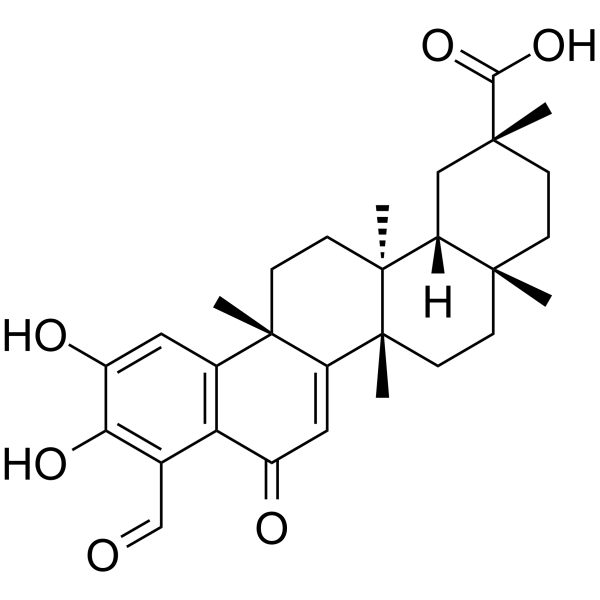
Demethylzeylasteral is an orally active triterpenoid compound isolated from Tripterygium wilfordii, which has functions such as anti-inflammatory, anti-tumor, anti fertility, estrogen metabolism regulation, immune suppression, and immune system regulation [1][2].
Nur für Forschungszwecke. Wir verkaufen nicht an Patienten.
- Reinheit : 99.92%
- CAS. Nr.: 107316-88-1
- Formel: C29H36O6
- Molecular Weight:480.59
-
Speicherung:Powder -20°C, 3 years , 4°C, 2 years ; In solvent -80°C, 6 months , -20°C, 1 month

To place orders, for customer services and technical support, please contact: MedChemExpress USA
Tel: 609-228-6898 E-mail: [email protected] [email protected]


-
 Biologische Aktivität
-
Chemical Information
-
Lösungsmittel & Löslichkeit
- Protokoll
- Reinheit & Dokumentation
- Verweise
-
 Help & FAQs


-
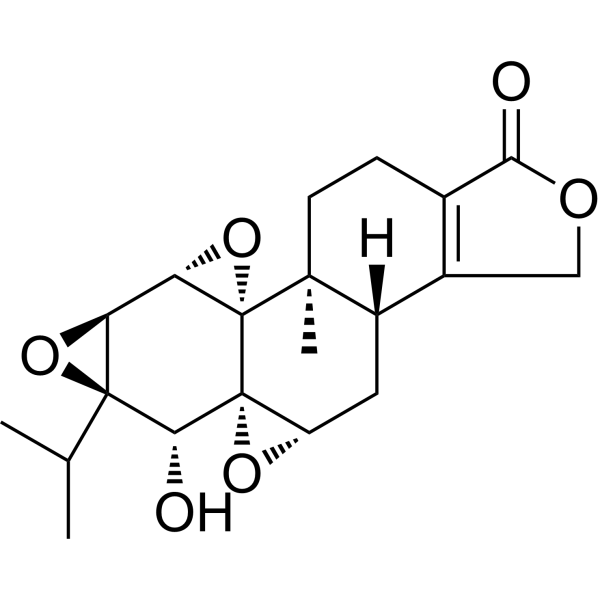
HY-32735
TriptolideImmunosuppressive Agent -
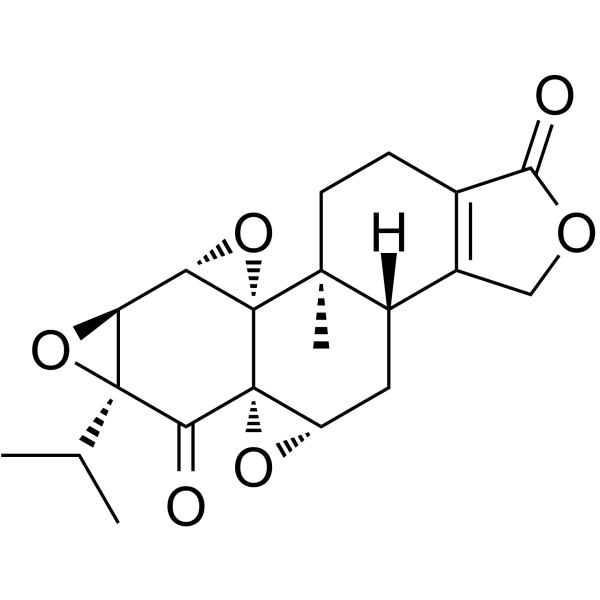
HY-32736
TriptonideWnt Signaling Inhibitor -
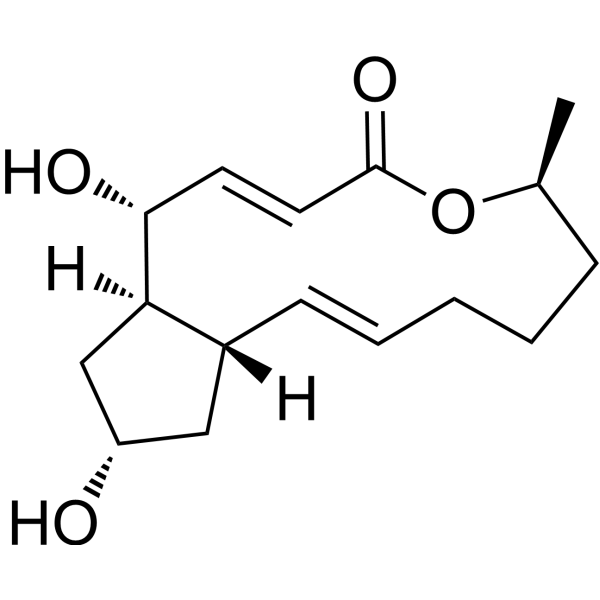
HY-16592
Brefeldin AProtein Transport Inhibitor -
HY-Y0873
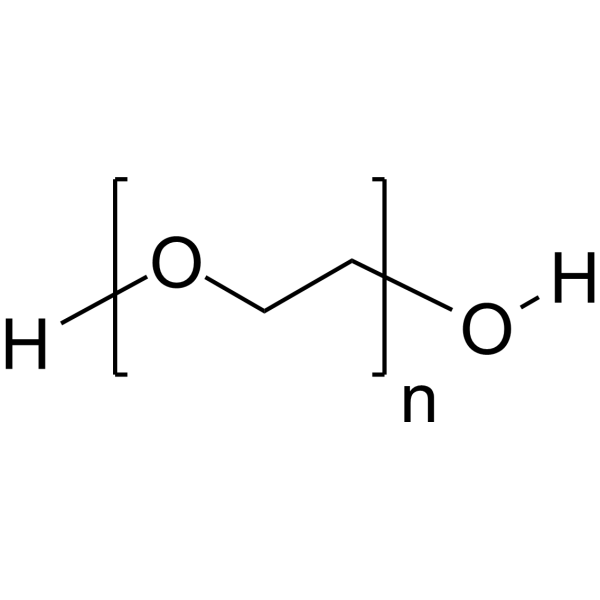
PEG300Neutral Polymer -
HY-N0373
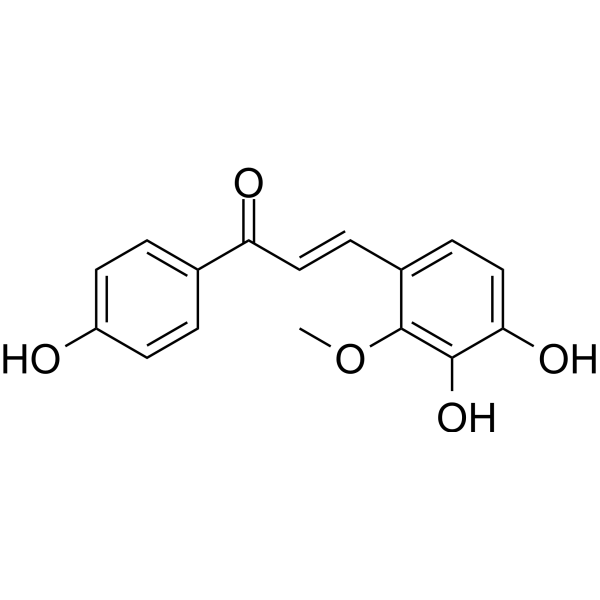
Licochalcone BApoptosis Inducer -
HY-13407
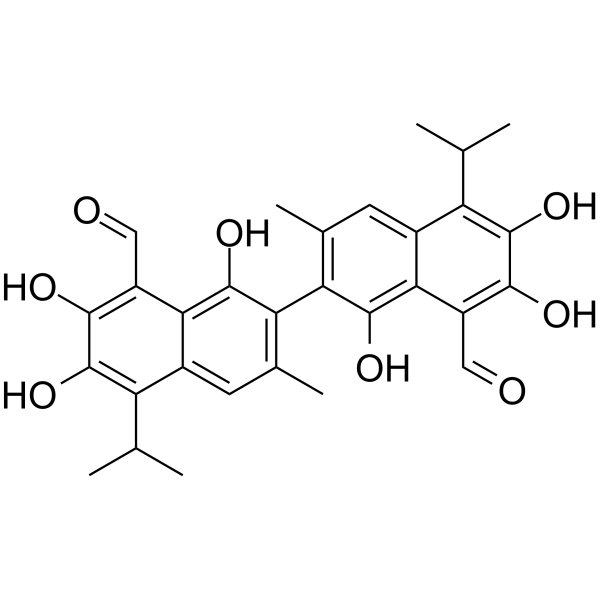
GossypolBcl-2 Family Antagonist -
HY-N3244
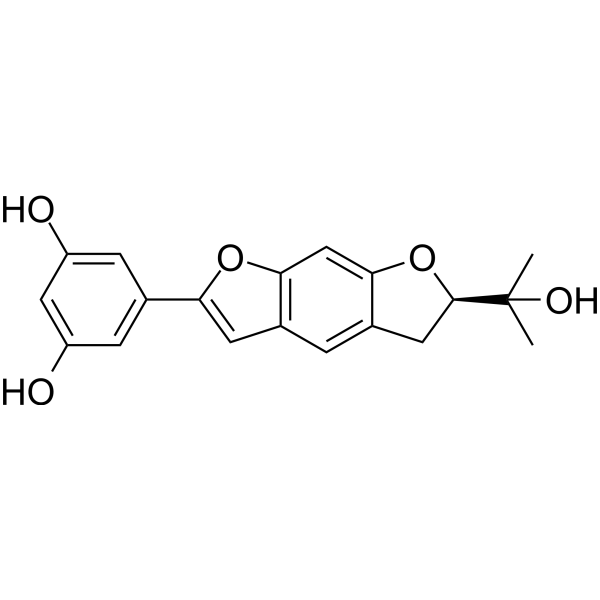
Moracin OHIF-1 Inhibitor -
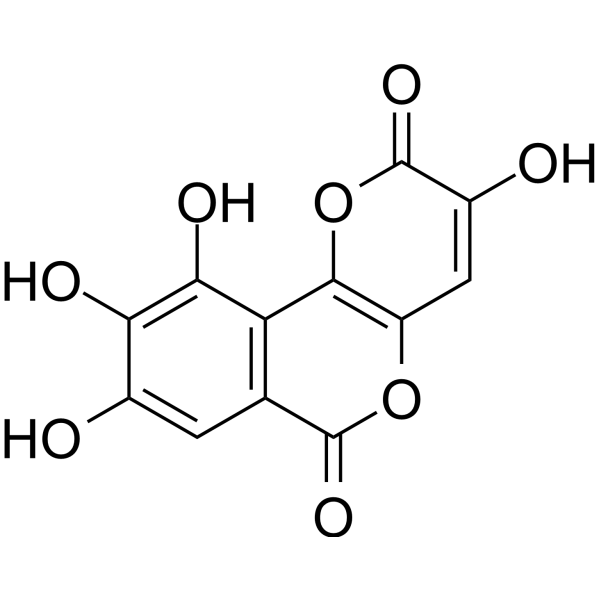
HY-W040118
GalloflavinLactate Dehydrogenase Inhibitor -
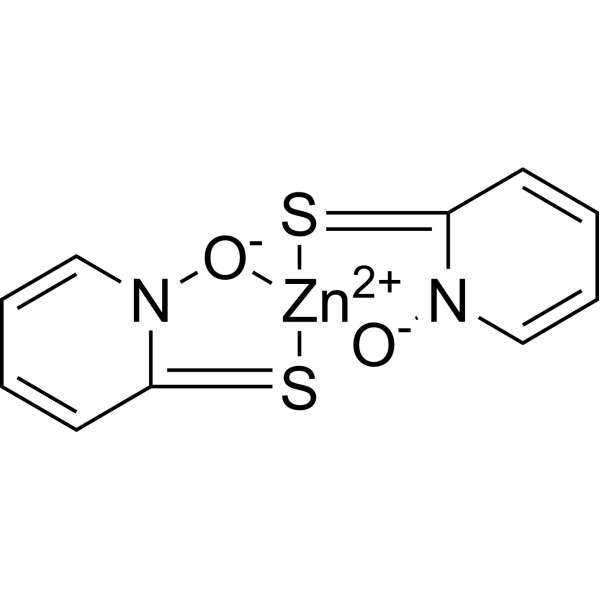
HY-B0572
Zinc PyrithioneAntimicrobial Agent -

HY-N0587R
Demethylzeylasteral (Standard)Apoptosis Inducer -
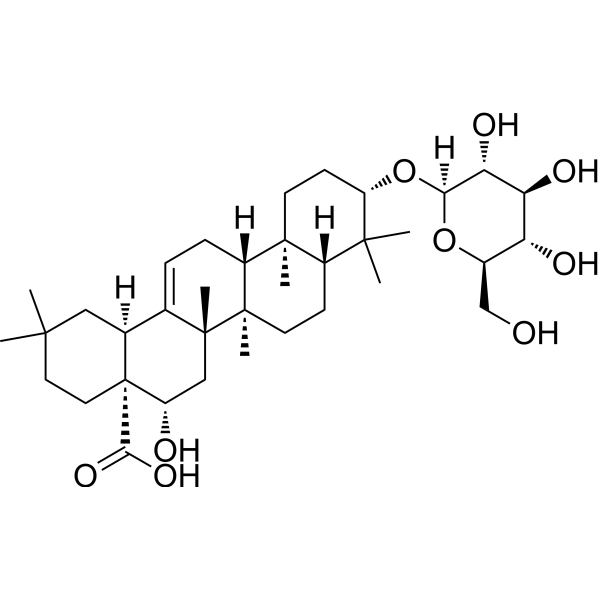
HY-N2191
Ecliptasaponin DTriterpenoid Glucoside -
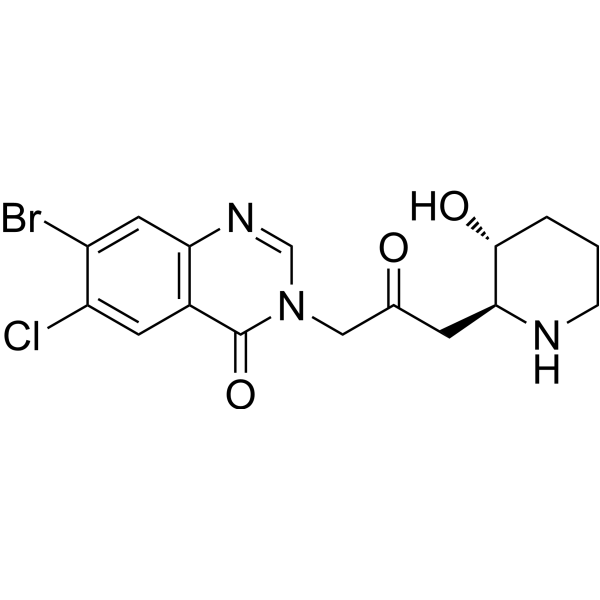
HY-N1584
HalofuginoneNatural Product
Publications Citing Use of MedChemExpress (MCE) Demethylzeylasteral
More Customer Validation & Images

-
Cell Proliferation/Viability Assay
-
Cell Migration/Invasion Assay
-
Histological Imaging/Staining
-
WB
-
Others


Biologische Aktivität
Beschreibung
Cellular Effect
|
Cell Line

|
Type | Value | Description | References |
|---|---|---|---|---|
| A2780 | IC50 |
10.11 μM
Compound: Demethylzeylasteral
|
Cytotoxicity against human A2780 cells assessed as cell viability measured after 48 hrs by MTT assay
Cytotoxicity against human A2780 cells assessed as cell viability measured after 48 hrs by MTT assay
|
[PMID: 38964974] |
In Vitro
Demethylzeylasteral (0-50 μM, 72 h) inhibits cell growth and proliferation by inducing cell cycle arrest in glioma cells[1]. Demethylzeylasteral (5, 10 μM, 48 h) inhibits matrix degradation, migration and invasion of breast cancer cells[2]. Demethylzeylasteral (1-20 μM, 48 h) inhibits cell proliferation and induces apoptosis by inhibiting MCL1 in melanoma cells[3]. Demethylzeylasteral (0-2 μM, 48 h) inhibits the proliferation, migration, and activation of hepatic stellate cells[6].
MedChemExpress (MCE) has not independently confirmed the accuracy of these methods. They are for reference only.
-
Cell Line:LN-229, U-87, A-172, U-251 and U-118 cells
-
Concentration:0-50 μM
-
Incubation Time:72 h
-
Result:Inhibited the proliferation rate of cells
-
Cell Line:MDA-MB-231 cell
-
Concentration:5, 10 μM
-
Incubation Time:48 h
-
Result:Inhibited cell migration of MDA-MB-231 cells
-
Cell Line:MV3 cell, A375 cell
-
Concentration:1-20 μM
-
Incubation Time:48 h
-
Result:Reduced expression of anti-apoptotic protein MCL1
-
Cell Line:LX-2 cell, HSC-T6 cell, primary HSC cell
-
Concentration:0-2 μM
-
Incubation Time:48 h
-
Result:Reduced the mRNA and protein expression of COL1A1, MMP2, α-SMA, and TIMP-2
In Vivo
MedChemExpress (MCE) has not independently confirmed the accuracy of these methods. They are for reference only.
-
Animal Model:Female nude mice modeled with glioma LN-229 cells[1].
-
Dosage:30 mg/kg, 6 times every 2 days
-
Administration:Intraperitoneal injection (i.p.)
-
Result:Reduced tumor volume
-
Animal Model:Female BALB/c mice modeled with 4T1 cells[2].
-
Dosage:4 mg/kg, 5 weeks
-
Administration:Intraperitoneal injection (i.p.)
-
Result:Reduced cancer lung metastasis
-
Animal Model:Rat model of unilateral ureteral obstruction[4].
-
Dosage:30-120 mg/kg, 8 weeks
-
Administration:Intraperitoneal injection (i.p.)
-
Result:Inhibited the increases in serum creatinine, blood urea nitrogen and Up/Ucr ratio
-
Animal Model:Atherosclerotic rabbit[5].
-
Dosage:10, 40 mg/kg, 30 days
-
Administration:Intragastrical (i.g.)
-
Result:Reduced blood lipids triglycerides (TG), total cholesterol (TC), low-density lipoprotein (LDL-C)
-
Animal Model:CCl4-induced liver fibrosis model[6].
-
Dosage:10, 20 mg/kg, 4 weeks
-
Administration:Oral gavage (p.o.)
-
Result:Inhibited the expression of TGF-β1


Chemical Information
-
CAS. Nr. 107316-88-1
-
Appearance Solid
-
Molecular Weight 480.59
-
Formel C29H36O6
-
Color Light yellow to yellow
-
SMILES
C[C@](C1=CC2=O)(CC[C@]3(C)[C@@]4([H])C[C@@](C(O)=O)(C)CC3)[C@]4(CC[C@]1(C5=C2C(C=O)=C(O)C(O)=C5)C)C
-
Structure Classification
-
Initial Source
-
Versand
Room temperature in continental US; may vary elsewhere.
-
Speicherung
Powder -20°C 3 years 4°C 2 years In solvent -80°C 6 months -20°C 1 month


Publications (6)
-
Journal Impact Factor
-
Most Recent
-
Phytomedicine
Demethylzeylasteral ameliorates podocyte damage in murine lupus by inhibiting inflammation and enhancing autophagy. [Abstract]2024 Nov:134:155966. PMID: 39241387 -
Phytomedicine
Demethylzeylasteral attenuates hepatic stellate cell activation and liver fibrosis by inhibiting AGAP2 mediated signaling. [Abstract]2022 Oct:105:154349. PMID: 35905567 -
Cell Rep
2025 Apr 16;44(5):115572. PMID: 40249703 -
J Ethnopharmacol
Demethylzeylasteral protects against renal interstitial fibrosis by attenuating mitochondrial complex I-mediated oxidative stress. [Abstract]2024 Jun 12:327:117986. PMID: 38437887
Demethylzeylasteral purchased from MedChemExpress. Usage Cited in: J Ethnopharmacol. 2024 Jun 12:327:117986. [Abstract]
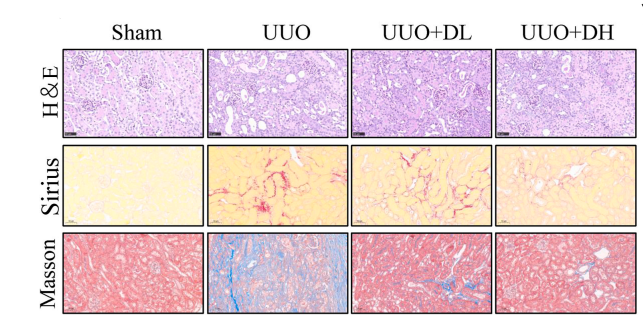
Demethylzeylasteral (DML: 10/20 mg/kg). Reduced kidney damage and fibrosis in UUO mice. Representative images stained with PAS, Sirius red, and Masson's red.
Demethylzeylasteral purchased from MedChemExpress. Usage Cited in: J Ethnopharmacol. 2024 Jun 12:327:117986. [Abstract]
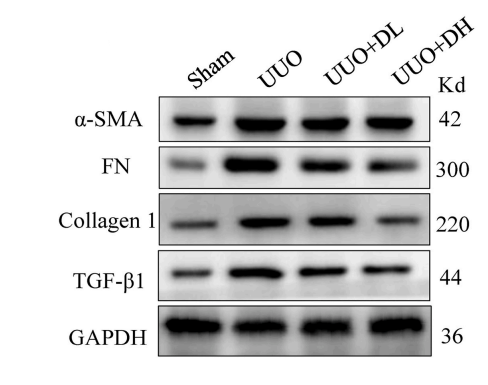
Demethylzeylasteral (DML: 10/20 mg/kg) inhibited the expression of fibrosis-related proteins in UUO mice. The expression levels of α-SMA, FN, type I collagen, and TGF-β1 were also affected.
Demethylzeylasteral purchased from MedChemExpress. Usage Cited in: J Ethnopharmacol. 2024 Jun 12:327:117986. [Abstract]
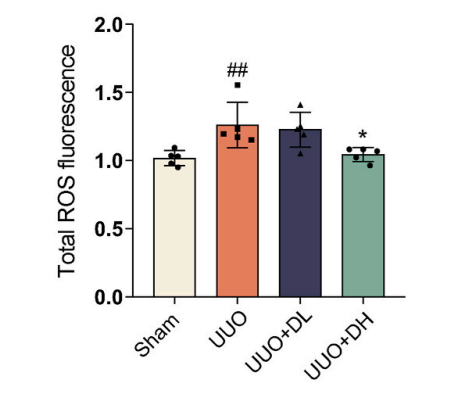
Demethylzeylasteral (DML: 10/20 mg/kg) inhibits MitROS production and improves mitochondrial function. Total ROS concentration in kidney tissue.
-
J Bone Oncol
Demethylzeylasteral inhibits proliferation and metastasis of osteosarcoma cells by modulating the PI3K/AKT/Autophagy pathways. [Abstract]2025 Jun 20:53:100699. PMID: 40655907
Demethylzeylasteral purchased from MedChemExpress. Usage Cited in: J Bone Oncol. 2025 Jun 20:53:100699. [Abstract]
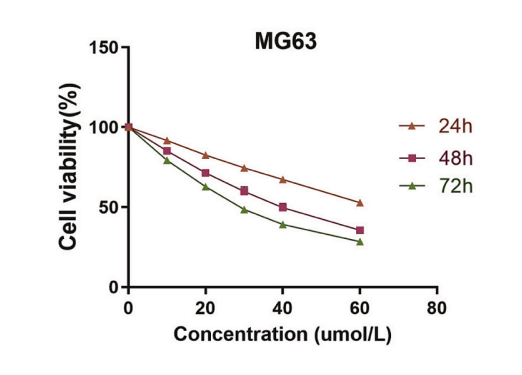
Viability of MG63 cells treated with varying concentrations of DEM (Demethylzeylasteral: 0, 10, 20, and 40 uM) for 24, 48, and 72 h, assessed using a CCK8 assay.
Demethylzeylasteral purchased from MedChemExpress. Usage Cited in: J Bone Oncol. 2025 Jun 20:53:100699. [Abstract]
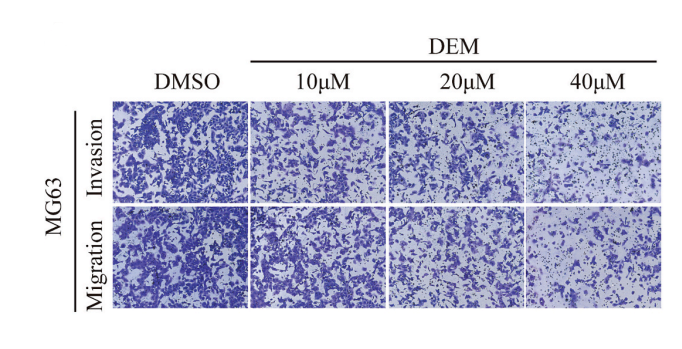
Transwell migration assays assessed the migration ability of 143B and MG63 cells after treatment with DMSO or DEM (Demethylzeylasteral: 0, 10, 20, and 40 μM) for 48 hours.
-
Toxicol Appl Pharmacol
Demethylzeylasteral inhibits osteosarcoma cell proliferation by regulating METTL17-mediated mitochondrial oxidative phosphorylation. [Abstract]2025 Jun:499:117348. PMID: 40250487


Lösungsmittel & Löslichkeit
In Vitro:
DMSO : 175 mg/mL (364.14 mM; Need ultrasonic; Hygroscopic DMSO has a significant impact on the solubility of product, please use newly opened DMSO)
Please refer to the solubility information to select the appropriate solvent. Once prepared, please aliquot and store the solution to prevent product inactivation from repeated freeze-thaw cycles.
Storage method and period of stock solution: -80°C, 6 months; -20°C, 1 month. When stored at -80°C, please use it within 6 months. When stored at -20°C, please use it within 1 month.
Please refer to the solubility information to select the appropriate solvent. Once prepared, please aliquot and store the solution to prevent product inactivation from repeated freeze-thaw cycles.
Storage method and period of stock solution: -80°C, 6 months; -20°C, 1 month. When stored at -80°C, please use it within 6 months. When stored at -20°C, please use it within 1 month.
Konzentration (Stammlösung) × Volumen (Stammlösung) = Konzentration (Ziellösung) × Volumen (Ziellösung)
In Vivo:
Select the appropriate dissolution method based on your experimental animal and administration route.
- For the following dissolution methods, please ensure to first prepare a clear stock solution using an In Vitro approach and then sequentially add co-solvents:
- To ensure reliable experimental results, the clarified stock solution can be appropriately stored based on storage conditions. As for the working solution for In Vivo experiments, it is recommended to prepare freshly and use it on the same day.
- The percentages shown for the solvents indicate their volumetric ratio in the final prepared solution. If precipitation or phase separation occurs during preparation, heat and/or sonication can be used to aid dissolution.
Add each solvent one by one: 10% DMSO 40% PEG300 5% Tween-80 45% Saline
Solubility: ≥ 2.08 mg/mL (4.33 mM); Clear solution
This protocol yields a clear solution of ≥ 2.08 mg/mL (saturation unknown).
Taking 1 mL working solution as an example, add 100 μL DMSO stock solution (20.8 mg/mL) to 400 μL PEG300, and mix evenly; then add 50 μL Tween-80 and mix evenly; then add 450 μL Saline to adjust the volume to 1 mL.
Preparation of Saline: Dissolve 0.9 g sodium chloride in ddH₂O and dilute to 100 mL to obtain a clear Saline solution.
In Vivo Dissolution Calculator
Please enter the basic information of animal experiments:
-
-
-
-
Recommended: Prepare an additional quantity of animals to account for potential losses during experiments.
Please enter your animal formula composition:
-
%DMSO +
Recommended: Keep the proportion of DMSO in working solution below 2% if your animal is weak.
-
%+
-
+%Tween-80 + +
-
%Saline +
The co-solvents required include: DMSO, . All of co-solvents are available by MedChemExpress (MCE). , Tween 80. All of co-solvents are available by MedChemExpress (MCE).
Working solution concentration: 0.22 mg/mL
Method for preparing stock solution: mg drug dissolved in μL DMSO. Stock solution concentration: mg/mL.
1. Take μL DMSO stock solution;
2. Add μL .
μL , mix evenly;
3. Then add μL Tween 80, mix evenly;
4. Then add μL
Please ensure that the stock solution in the first step is dissolved to a clear state, and add co-solvents in sequence. You can use ultrasonic heating (ultrasonic cleaner, recommended frequency 20-40 kHz), vortexing, etc. to assist dissolution.


Reinheit & Dokumentation
-
Data Sheet (289 KB)
-
SDS (393 KB)
- English - EN (393 KB)
- Français - FR (393 KB)
- Deutsch - DE (393 KB)
- Norwegian - NO (393 KB)
- Español - ES (393 KB)
- Swedish - SV (393 KB)
- Italian - IT (393 KB)
- Korean - KR (393 KB)
- Portuguese - PT (393 KB)
-
Handling Instructions (2659 KB)
Verweise
[1]. Zhang K, et al. Demethylzeylasteral inhibits glioma growth by regulating the miR-30e-5p/MYBL2 axis. Cell Death Dis. 2018 Oct 10;9(10):1035. [Content Brief]
[2]. Li L, et al. Demethylzeylasteral (T-96) inhibits triple-negative breast cancer invasion by blocking the canonical and non-canonical TGF-β signaling pathways. Naunyn Schmiedebergs Arch Pharmacol. 2019 May;392(5):593-603. [Content Brief]
[3]. Zhao Y, et al. Demethylzeylasteral inhibits cell proliferation and induces apoptosis through suppressing MCL1 in melanoma cells. Cell Death Dis. 2017 Oct 26;8(10):e3133. [Content Brief]
[4]. Wang Q, et al. Demethylzeylasteral ameliorates inflammation in a rat model of unilateral ureteral obstruction through inhibiting activation of the NF‑κB pathway. Mol Med Rep. 2017 Jul;16(1):373-379. [Content Brief]
[5]. Huang Y, et al. Experimental study of the anti-atherosclerotic effect of demethylzeylasteral. Exp Ther Med. 2017 Jun;13(6):2787-2792. [Content Brief]
[6]. Chen K, et al. Demethylzeylasteral attenuates hepatic stellate cell activation and liver fibrosis by inhibiting AGAP2 mediated signaling. Phytomedicine. 2022 Oct;105:154349. [Content Brief]


Complete Stock Solution Preparation Table
Please refer to the solubility information to select the appropriate solvent. Once prepared, please aliquot and store the solution to prevent product inactivation from repeated freeze-thaw cycles.
Storage method and period of stock solution: -80°C, 6 months; -20°C, 1 month. When stored at -80°C, please use it within 6 months. When stored at -20°C, please use it within 1 month.
| Optional Solvent | Concentration Solvent Mass | 1 mg | 5 mg | 10 mg | 25 mg |
|---|---|---|---|---|---|
| DMSO | 1 mM | 2.0808 mL | 10.4039 mL | 20.8078 mL | 52.0194 mL |
| 5 mM | 0.4162 mL | 2.0808 mL | 4.1616 mL | 10.4039 mL | |
| 10 mM | 0.2081 mL | 1.0404 mL | 2.0808 mL | 5.2019 mL | |
| 15 mM | 0.1387 mL | 0.6936 mL | 1.3872 mL | 3.4680 mL | |
| 20 mM | 0.1040 mL | 0.5202 mL | 1.0404 mL | 2.6010 mL | |
| 25 mM | 0.0832 mL | 0.4162 mL | 0.8323 mL | 2.0808 mL | |
| 30 mM | 0.0694 mL | 0.3468 mL | 0.6936 mL | 1.7340 mL | |
| 40 mM | 0.0520 mL | 0.2601 mL | 0.5202 mL | 1.3005 mL | |
| 50 mM | 0.0416 mL | 0.2081 mL | 0.4162 mL | 1.0404 mL | |
| 60 mM | 0.0347 mL | 0.1734 mL | 0.3468 mL | 0.8670 mL | |
| 80 mM | 0.0260 mL | 0.1300 mL | 0.2601 mL | 0.6502 mL | |
| 100 mM | 0.0208 mL | 0.1040 mL | 0.2081 mL | 0.5202 mL |


Demethylzeylasteral Related Classifications
HY-N0587 Related Classifications
 Powered by Bioz